Wild Animals in the United States
1,575 species are recorded more often in the United States than anywhere else — from the much-photographed Mallard to the seldom-seen Black-footed Ferret. Every one is backed by research-grade iNaturalist sightings.
- 535 birds
- 388 ray-finned fish
- 247 mammals
- 206 reptiles
- 168 amphibians
- 24 cartilaginous fish
- 7 cephalopods
All 1,575 species recorded in the United States
Ordered by how often people have recorded them. Tap any animal for its full field-guide entry.

Mallard

House Sparrow
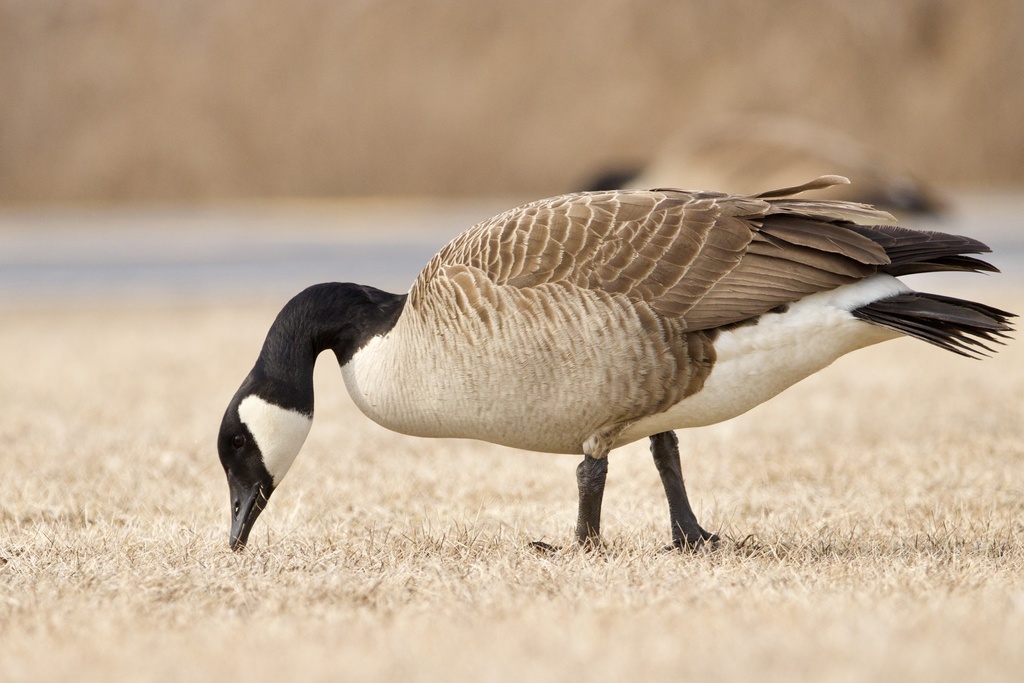
Canada Goose
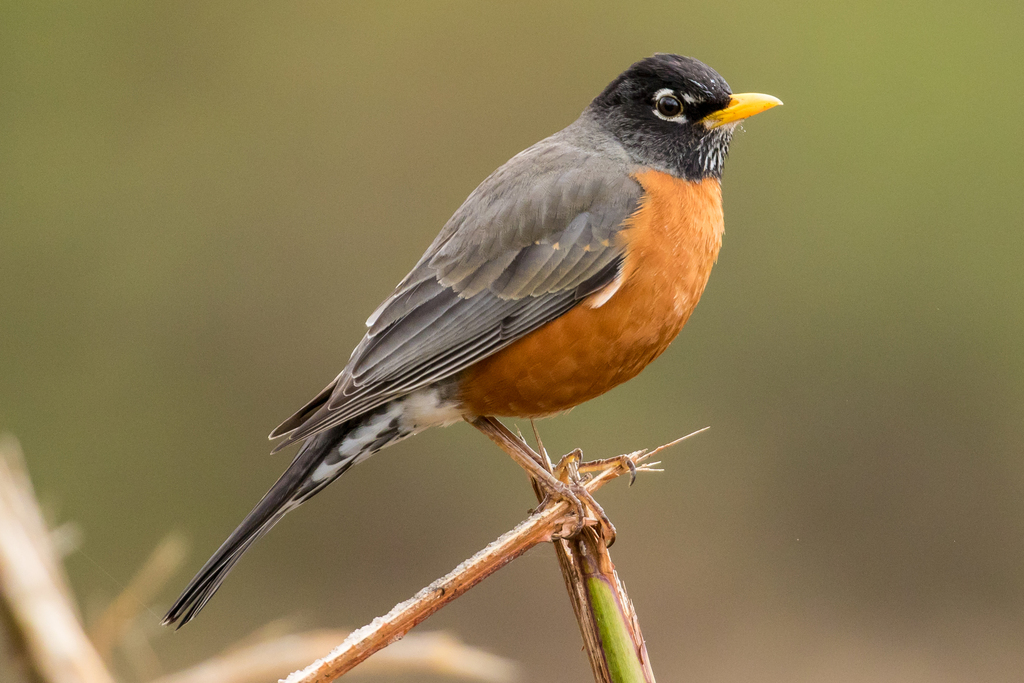
American Robin
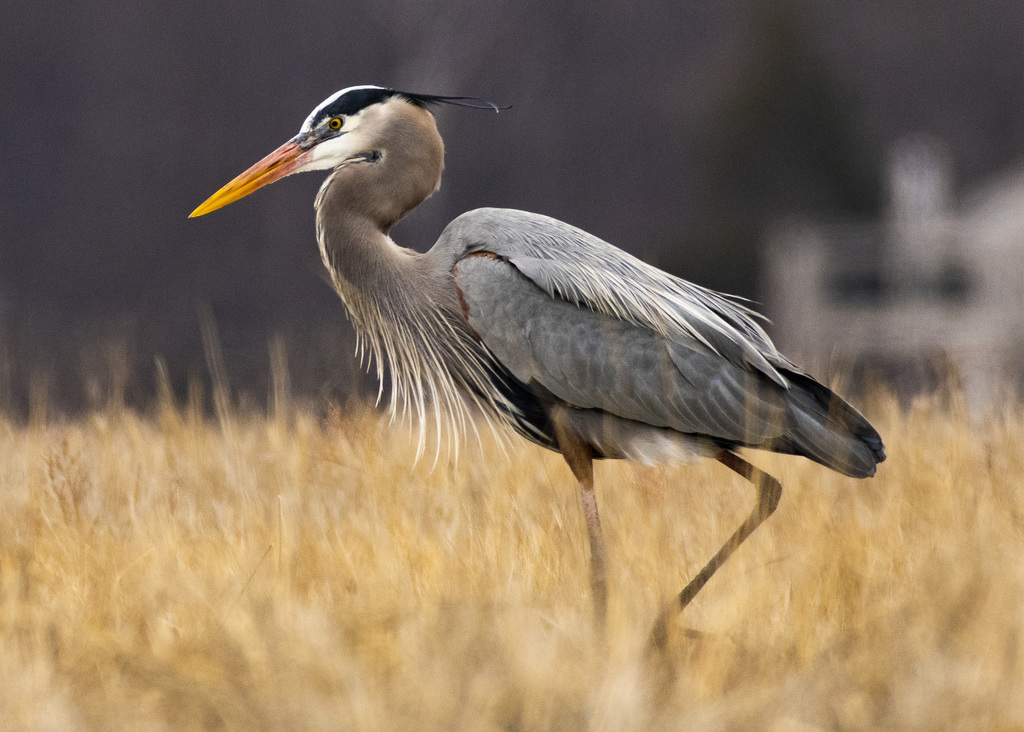
Great Blue Heron
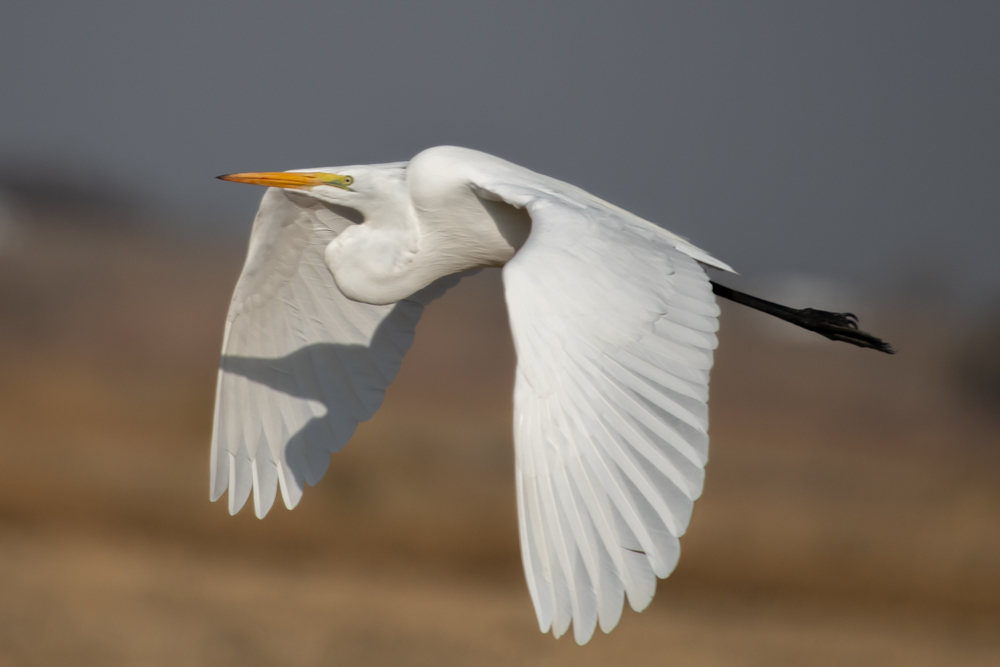
Great Egret
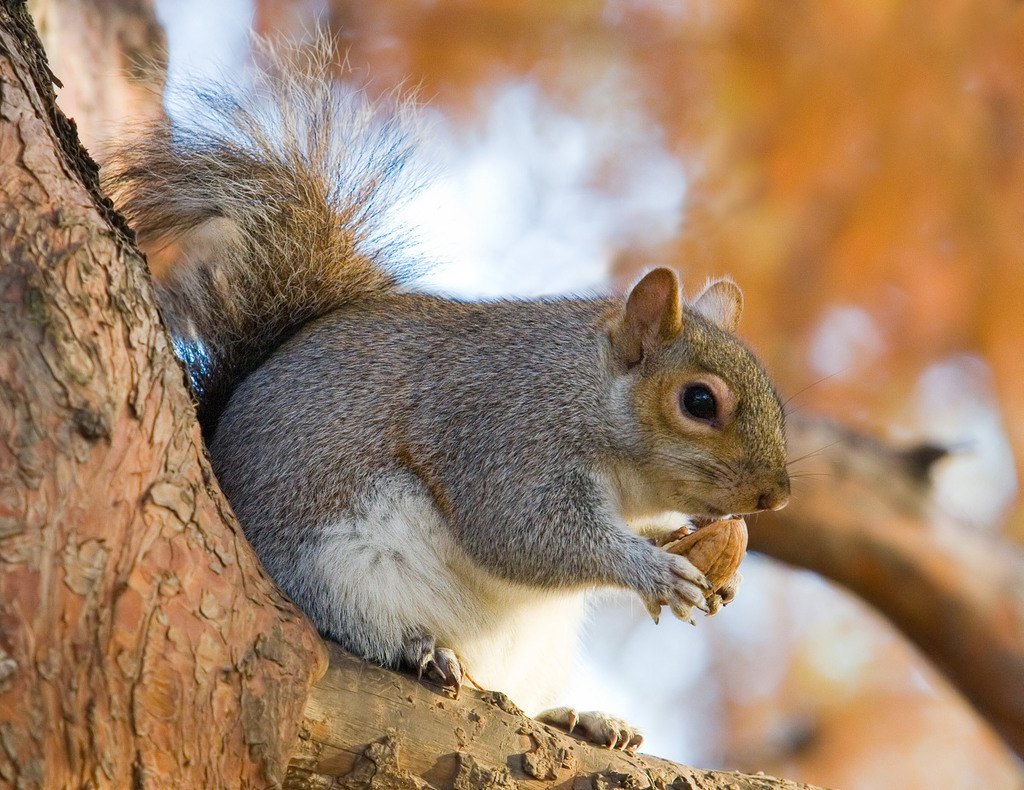
Eastern Gray Squirrel
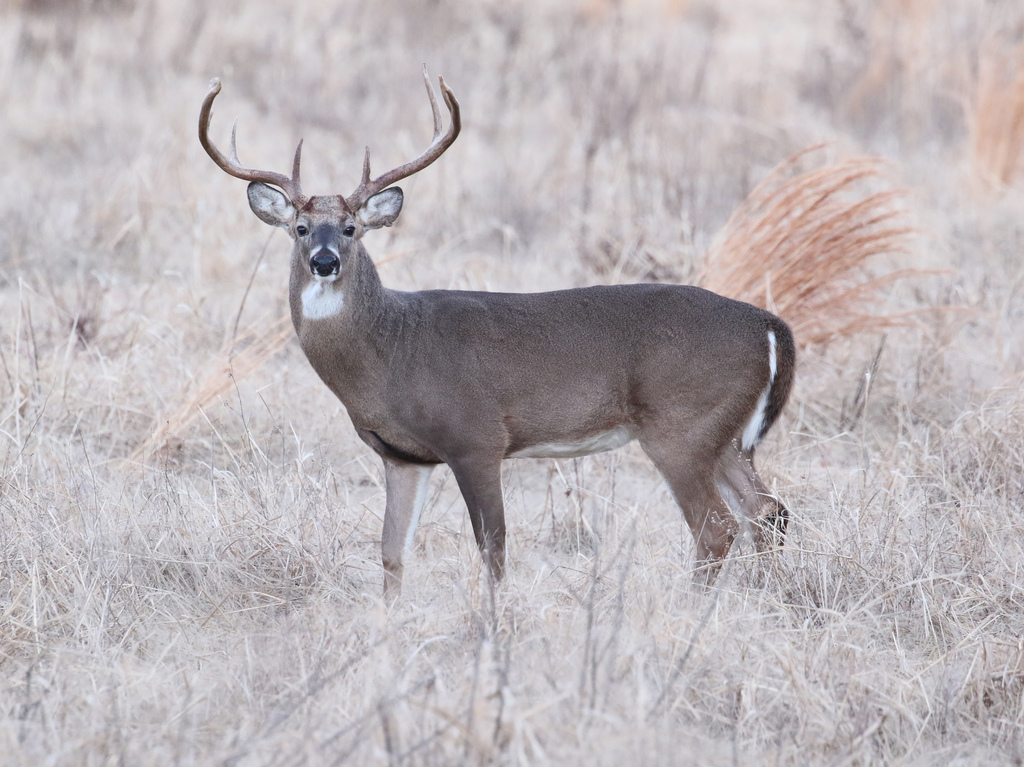
White-tailed Deer
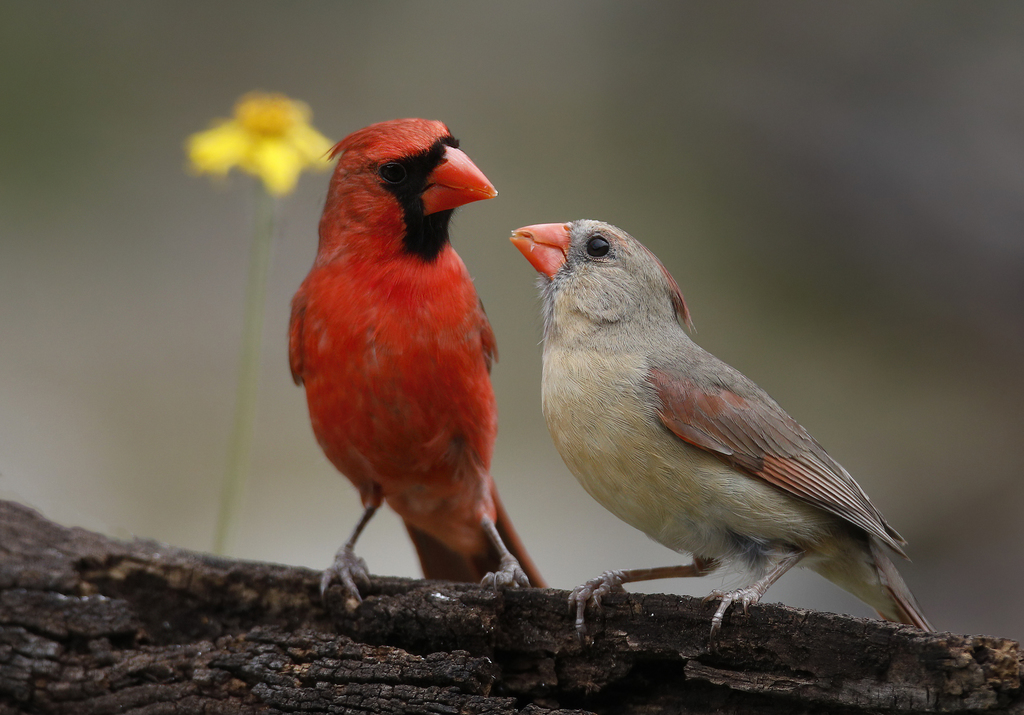
Northern Cardinal

Red-tailed Hawk

European Starling
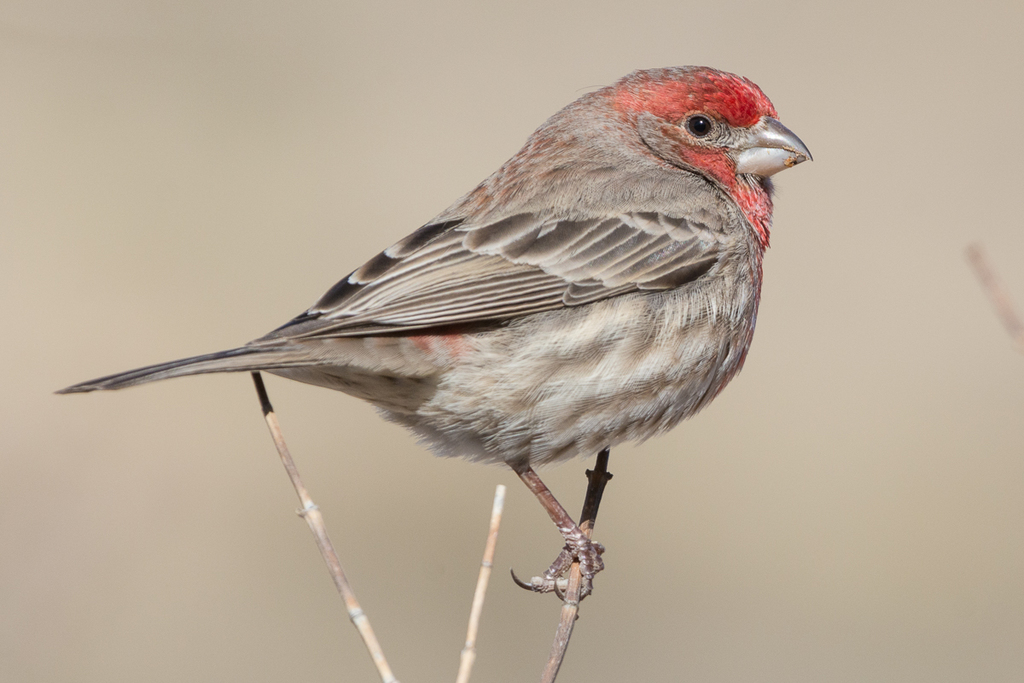
House Finch

Red-winged Blackbird
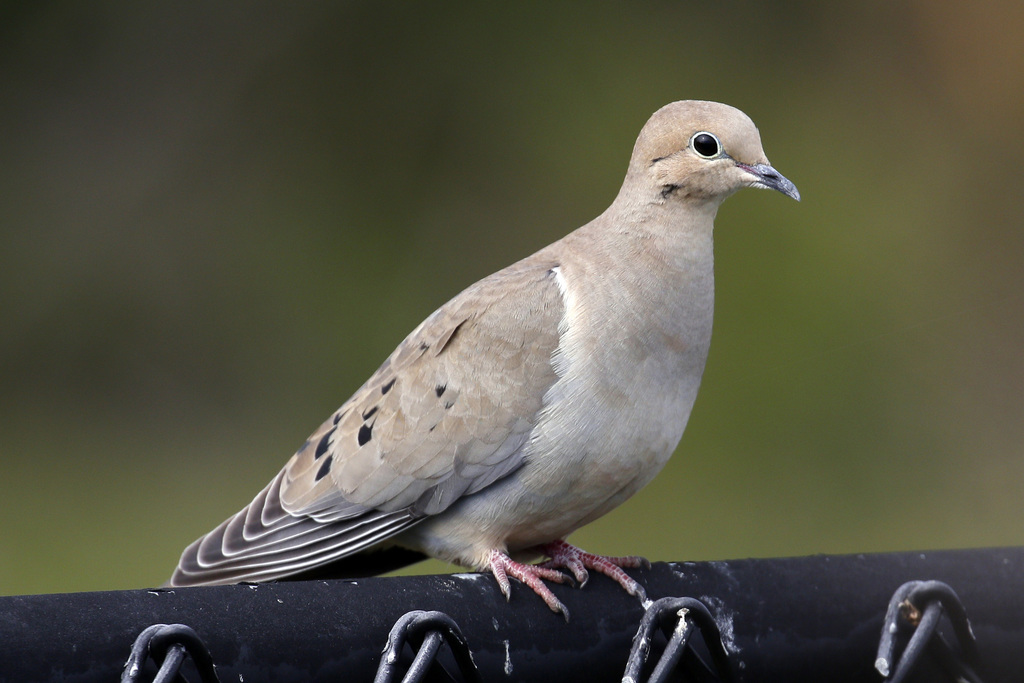
Mourning Dove

Song Sparrow

Turkey Vulture

Dark-eyed Junco

Yellow-rumped Warbler
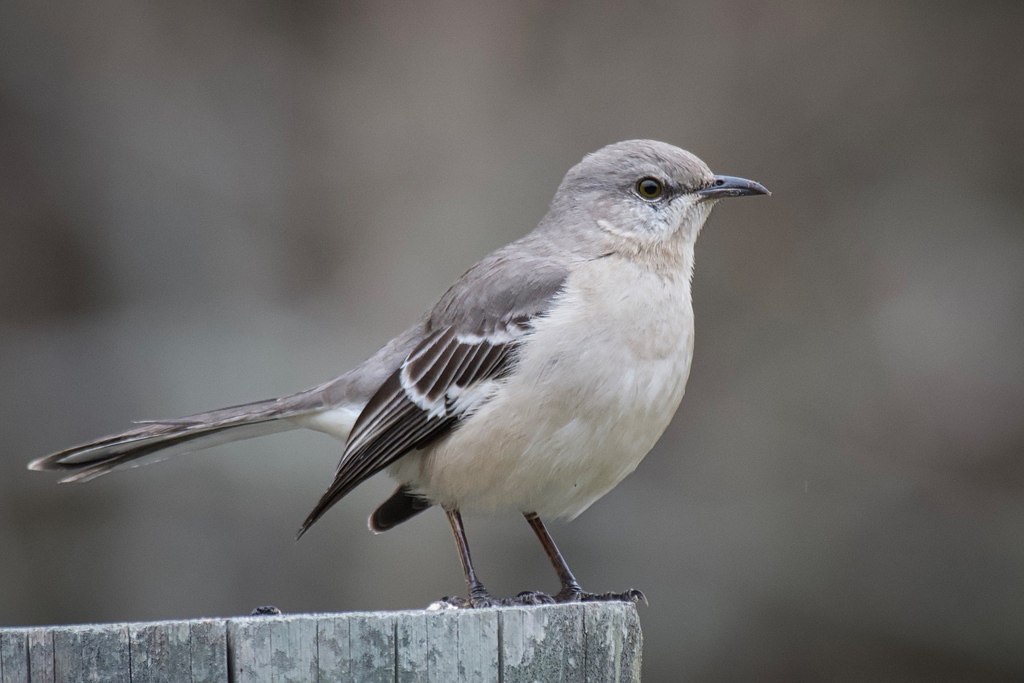
Northern Mockingbird
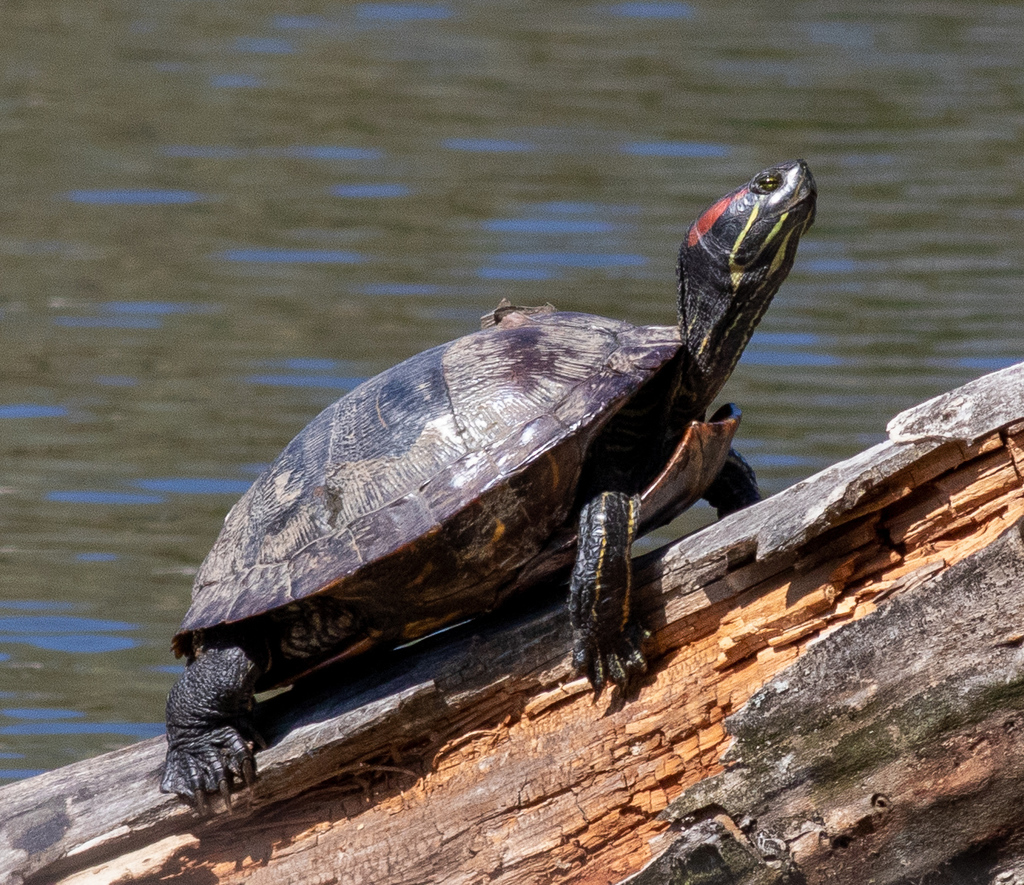
Pond Slider

Bald Eagle

Barn Swallow

Osprey
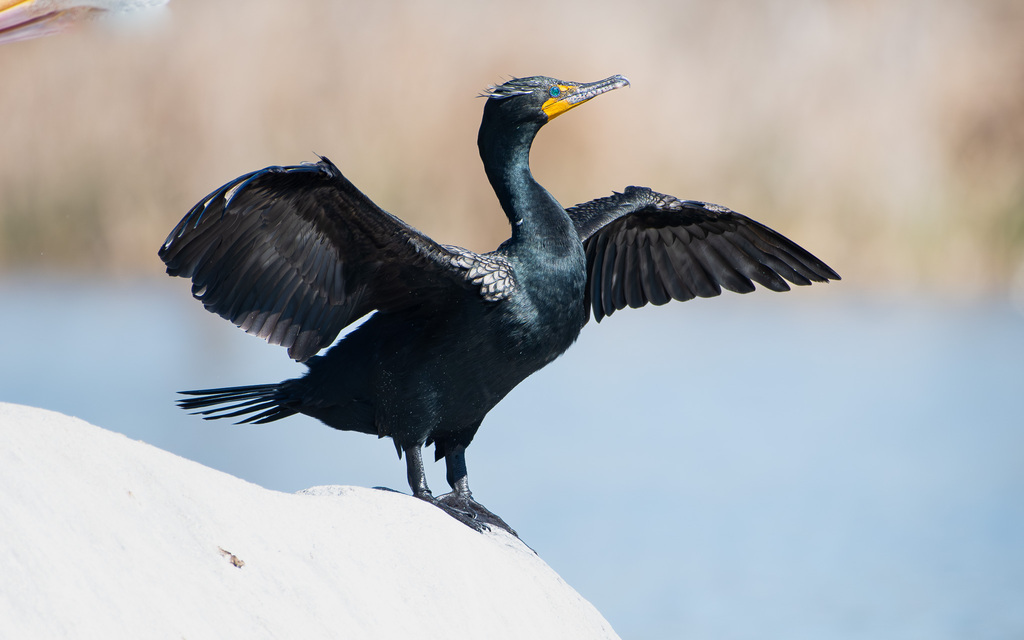
Double-crested Cormorant
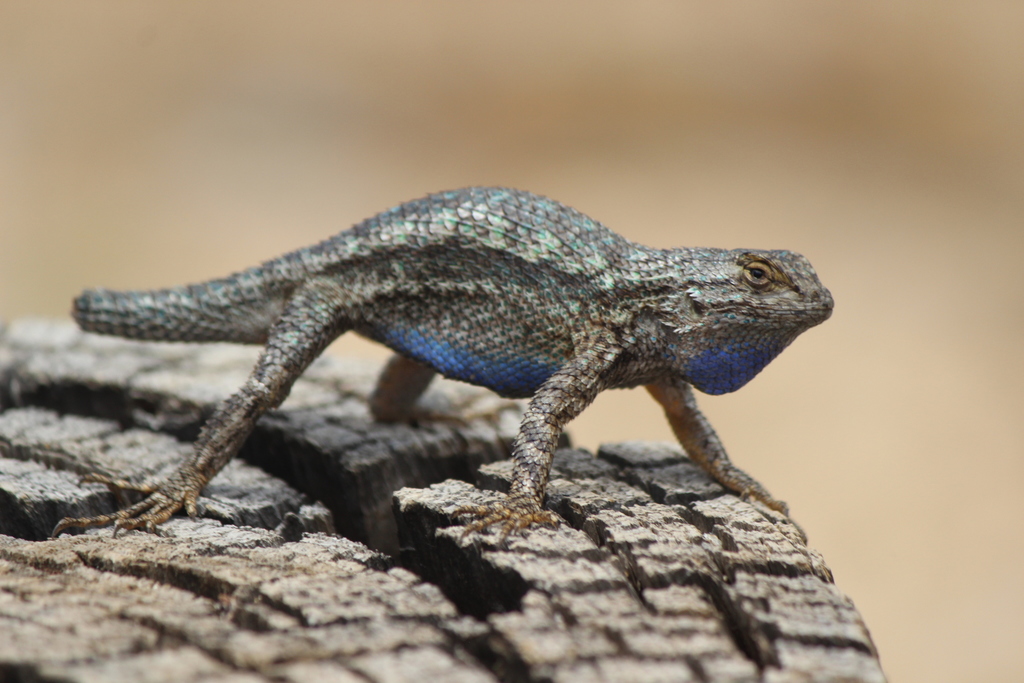
Western Fence Lizard

Downy Woodpecker
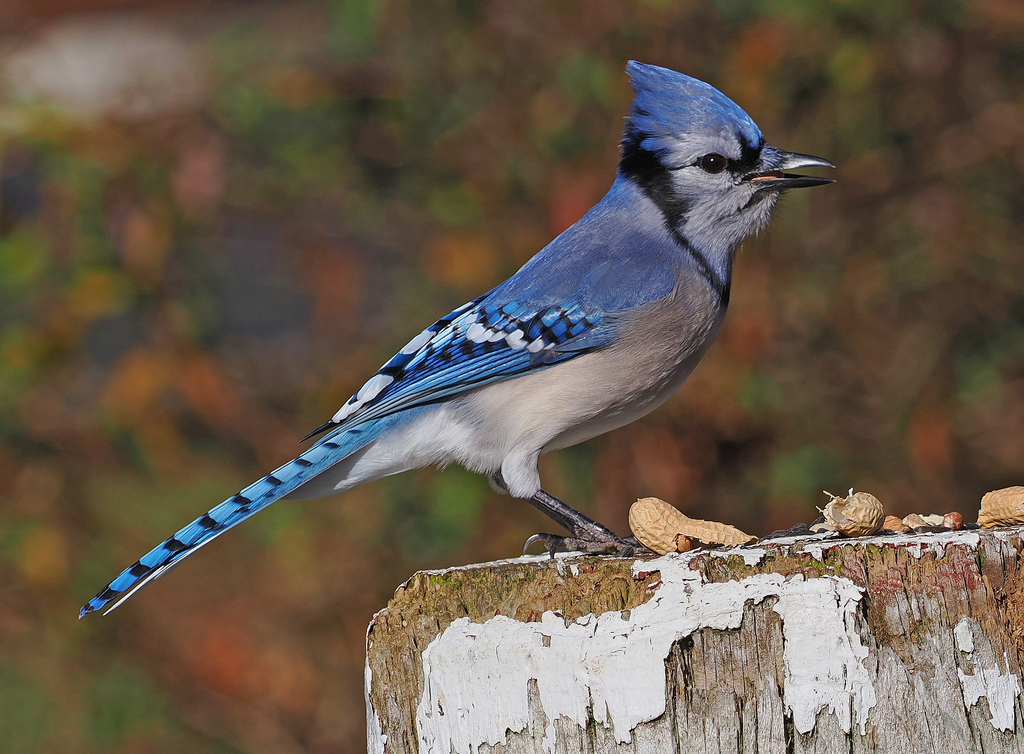
Blue Jay
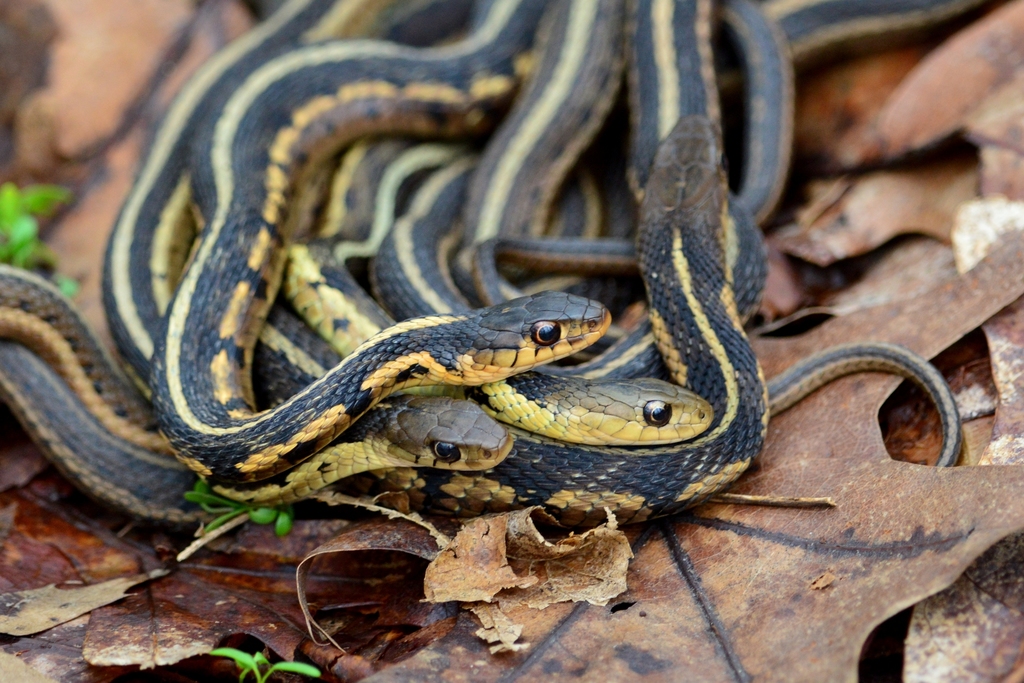
Common Garter Snake
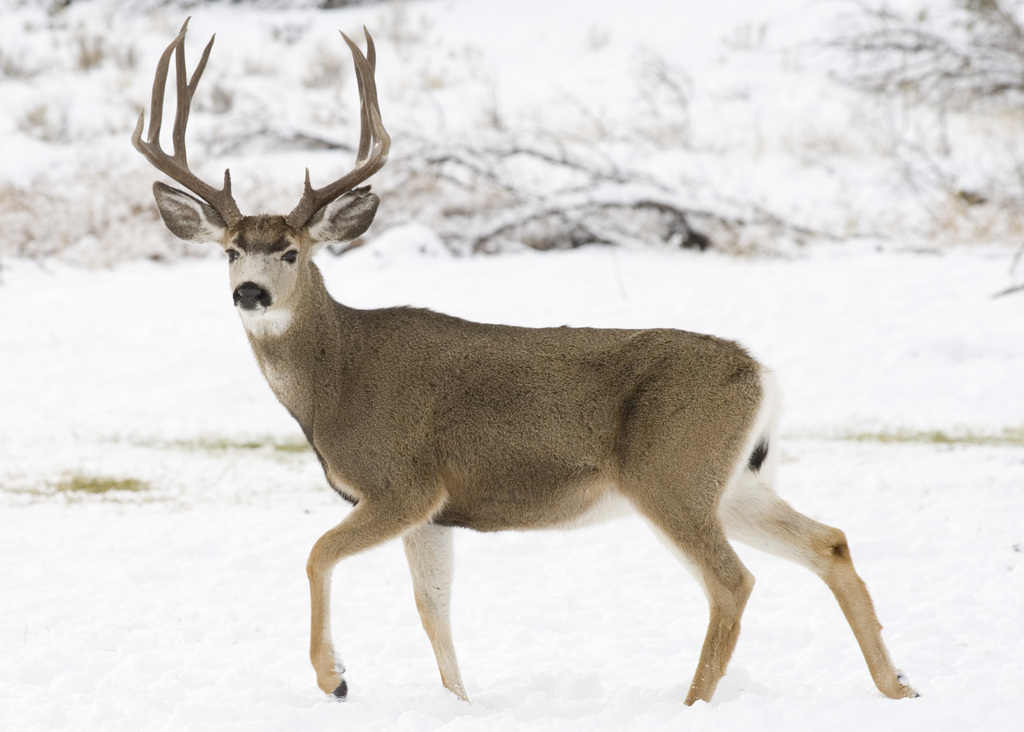
Mule Deer
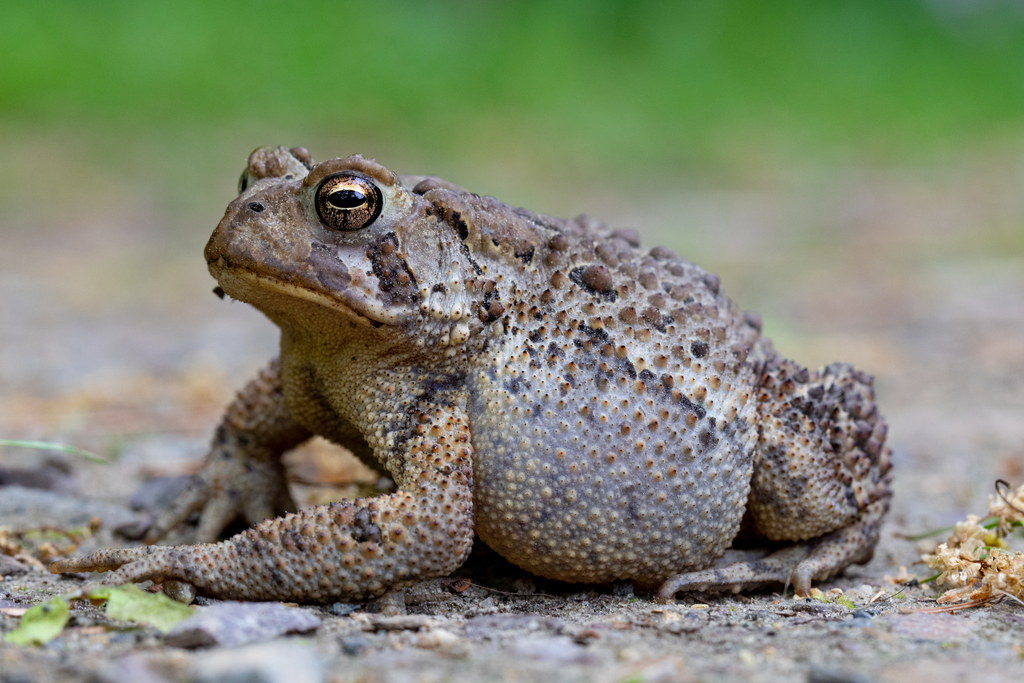
American Toad
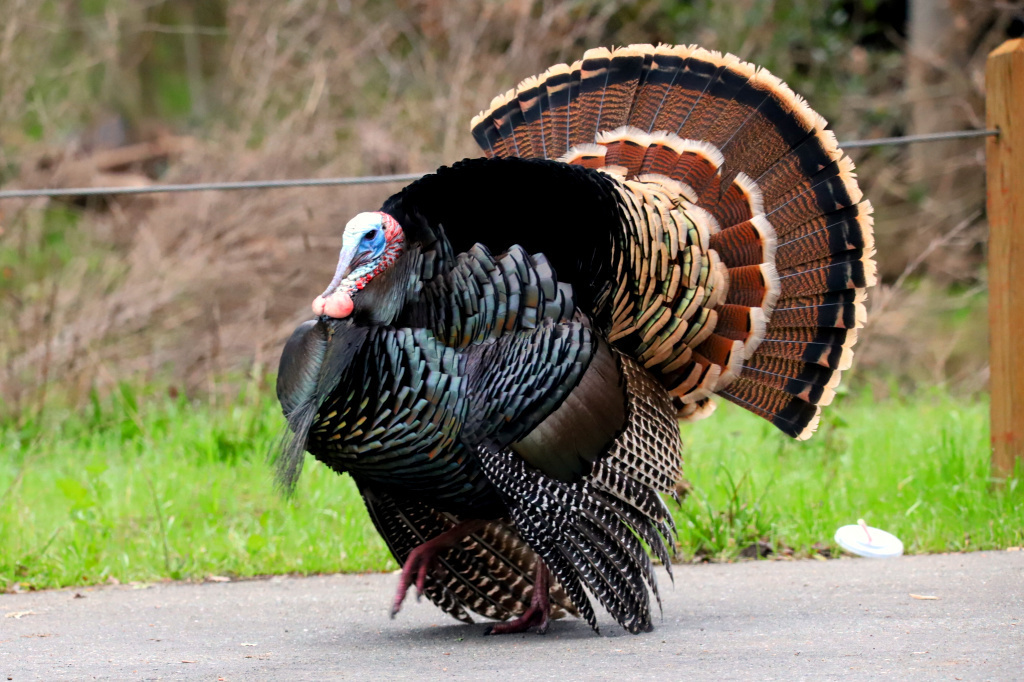
Wild Turkey

Mute Swan

American Goldfinch
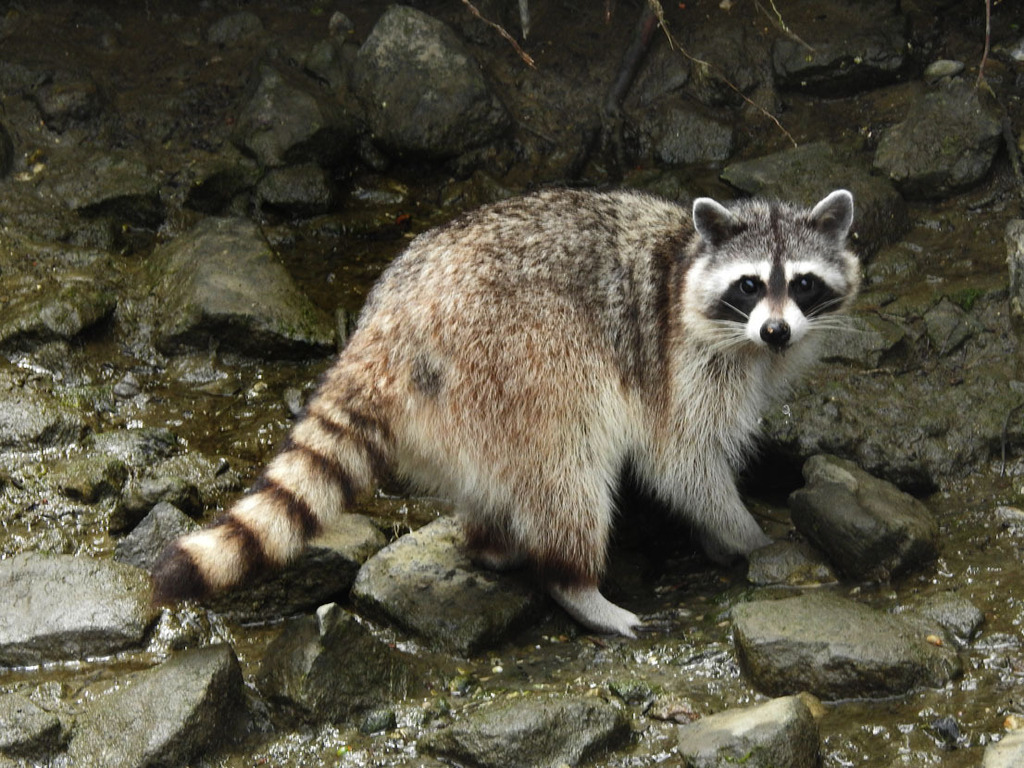
Common Raccoon
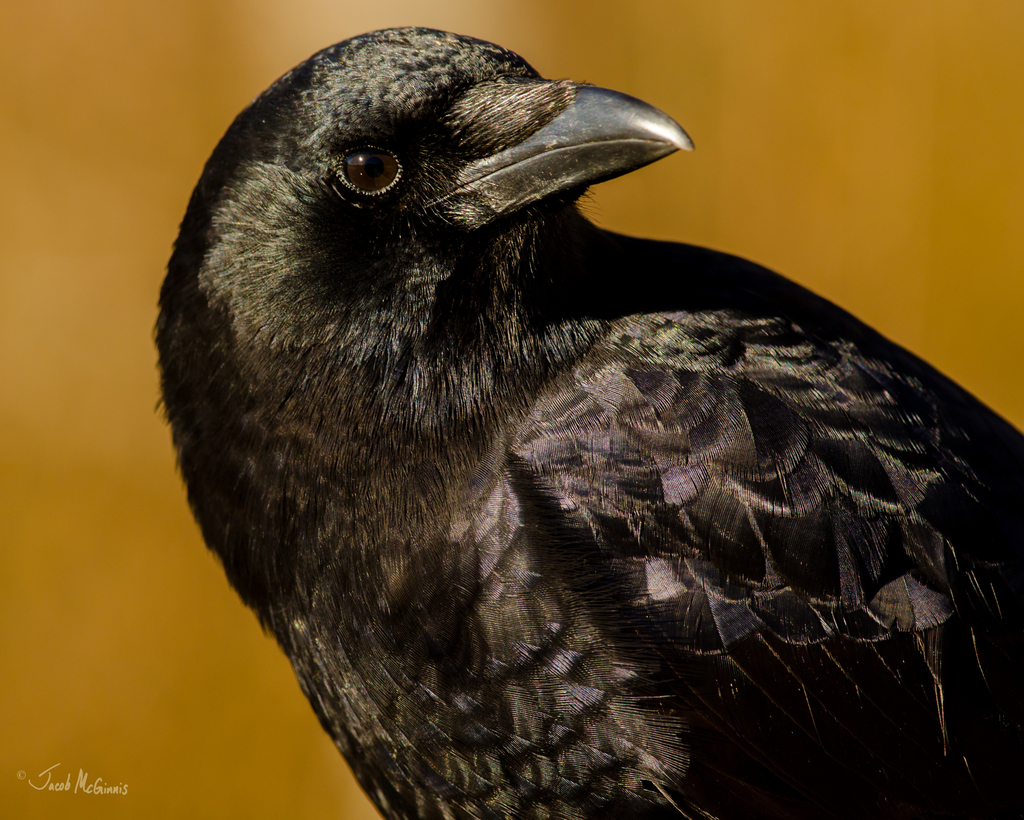
American Crow

Snowy Egret
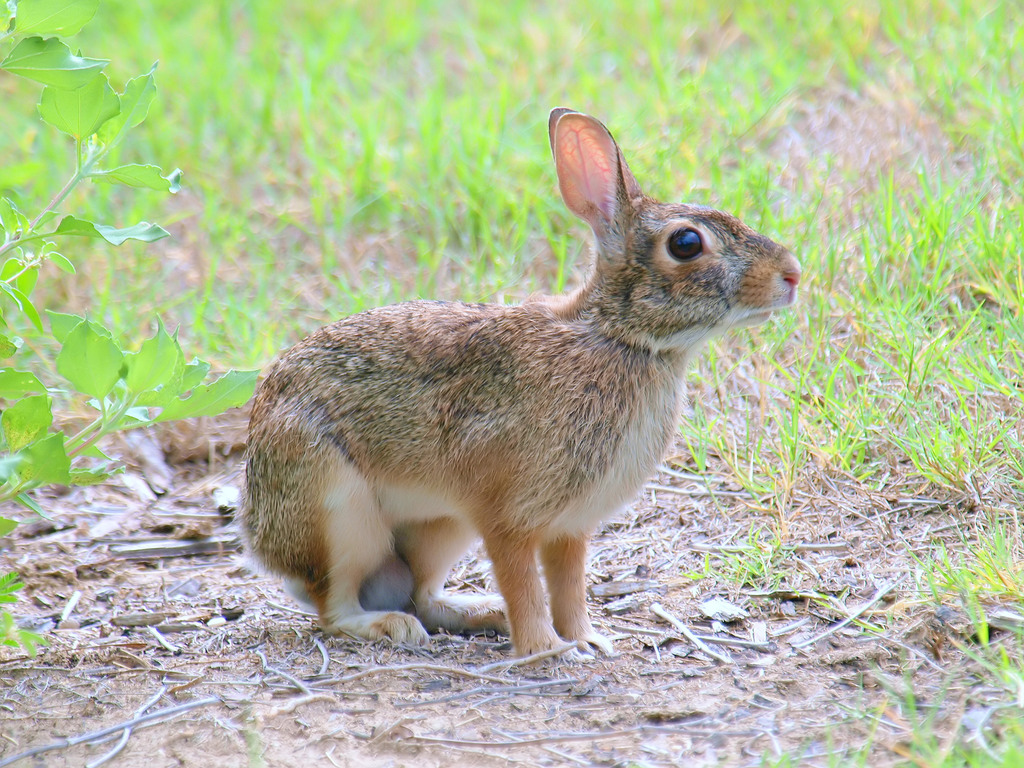
Eastern Cottontail
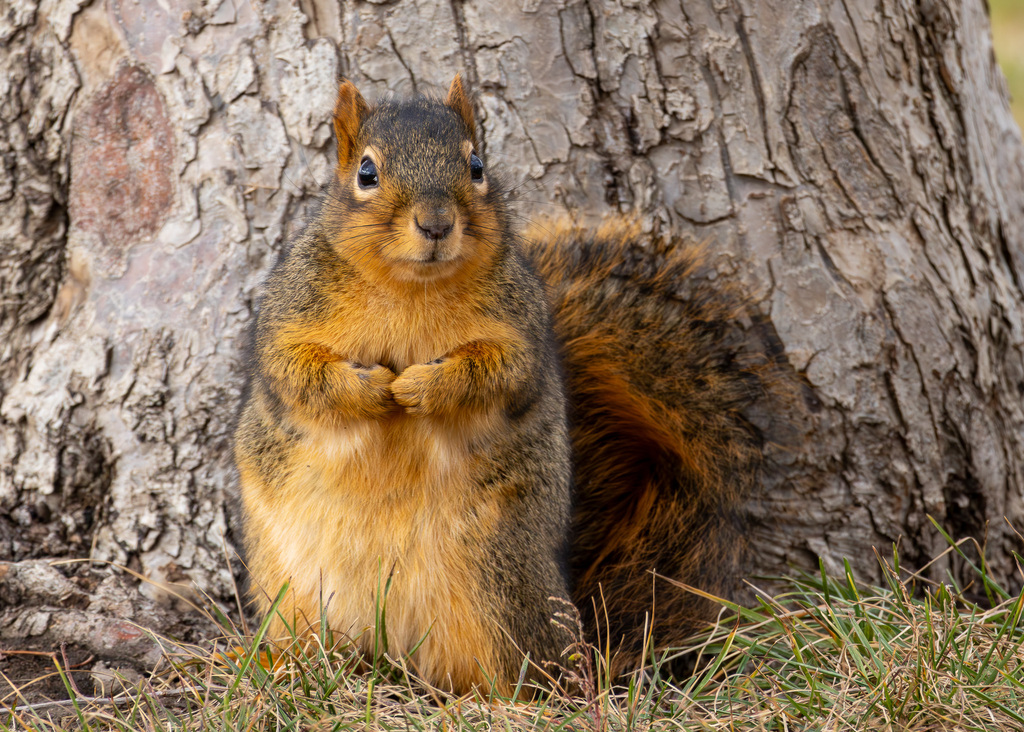
Fox Squirrel

Common Raven
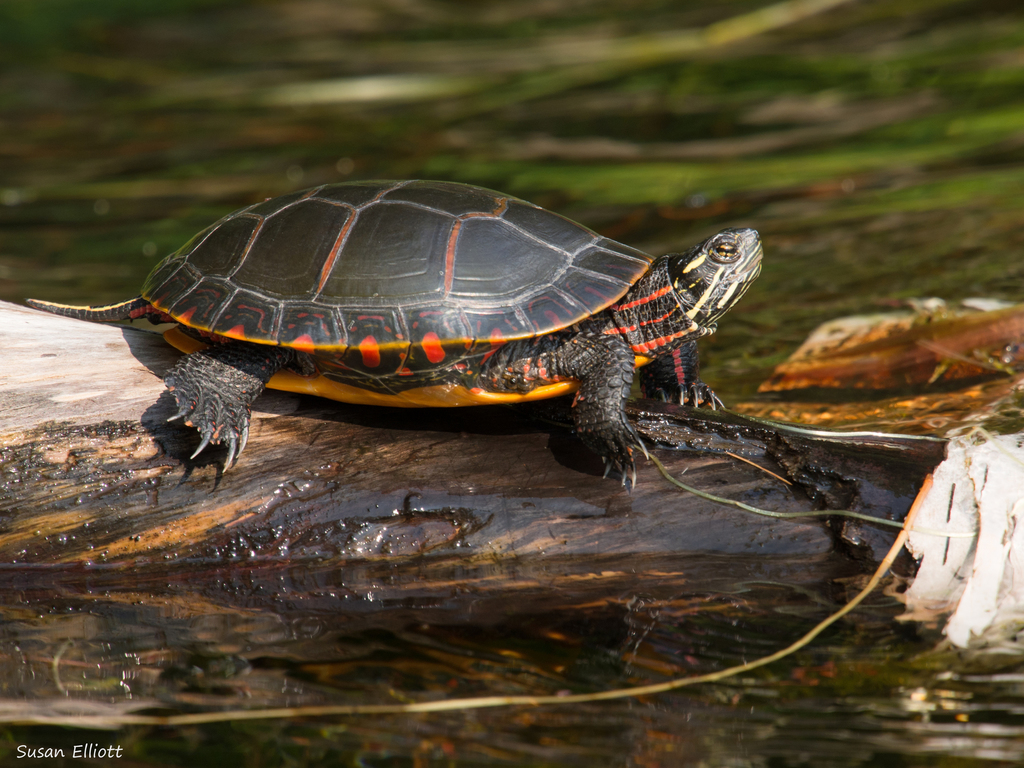
Painted Turtle

Black-crowned Night Heron

White-crowned Sparrow

Red-shouldered Hawk

Black-capped Chickadee
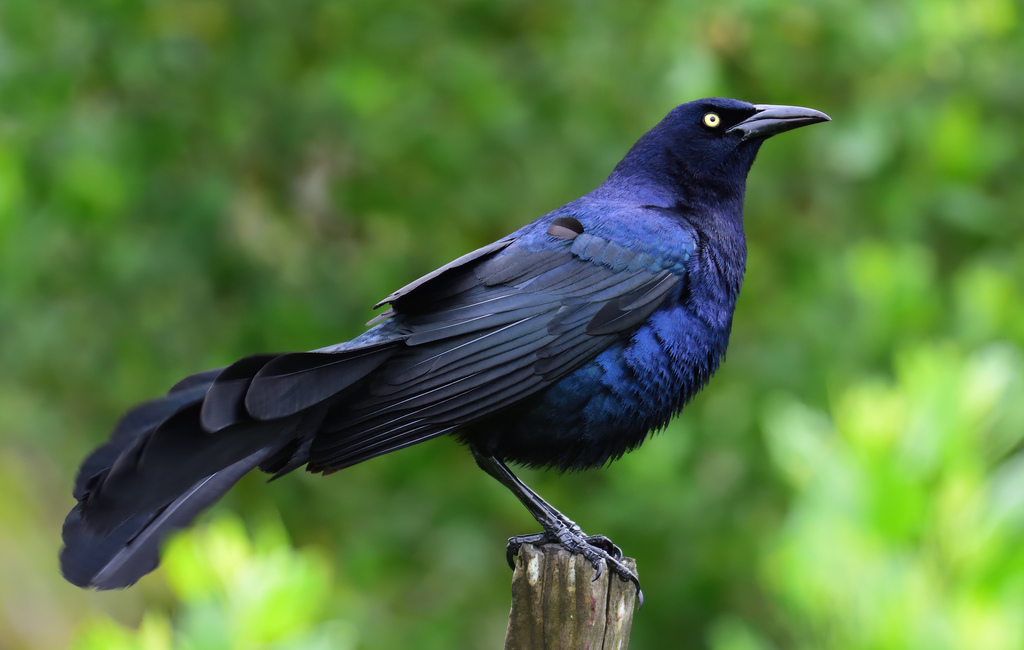
Great-tailed Grackle

Ring-billed Gull

American Coot

Northern Flicker

Eurasian Collared-Dove
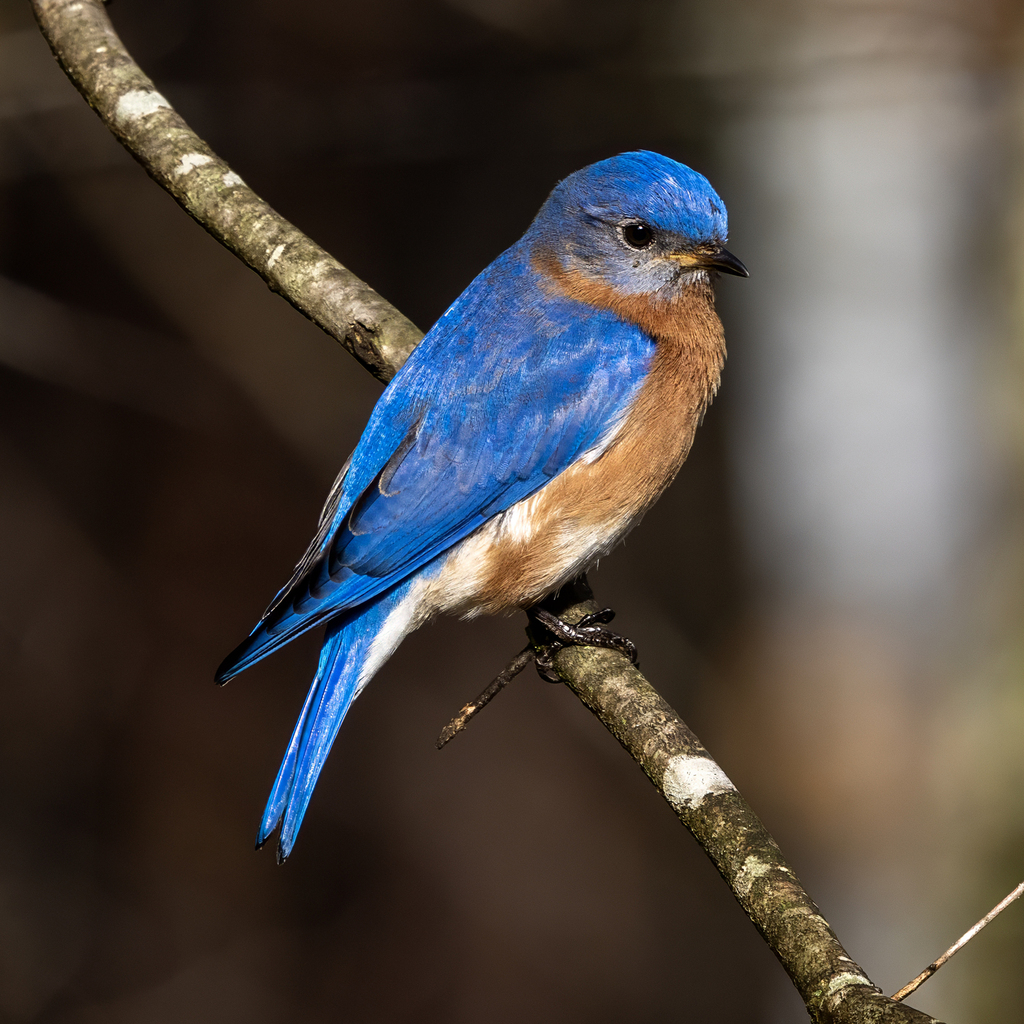
Eastern Bluebird
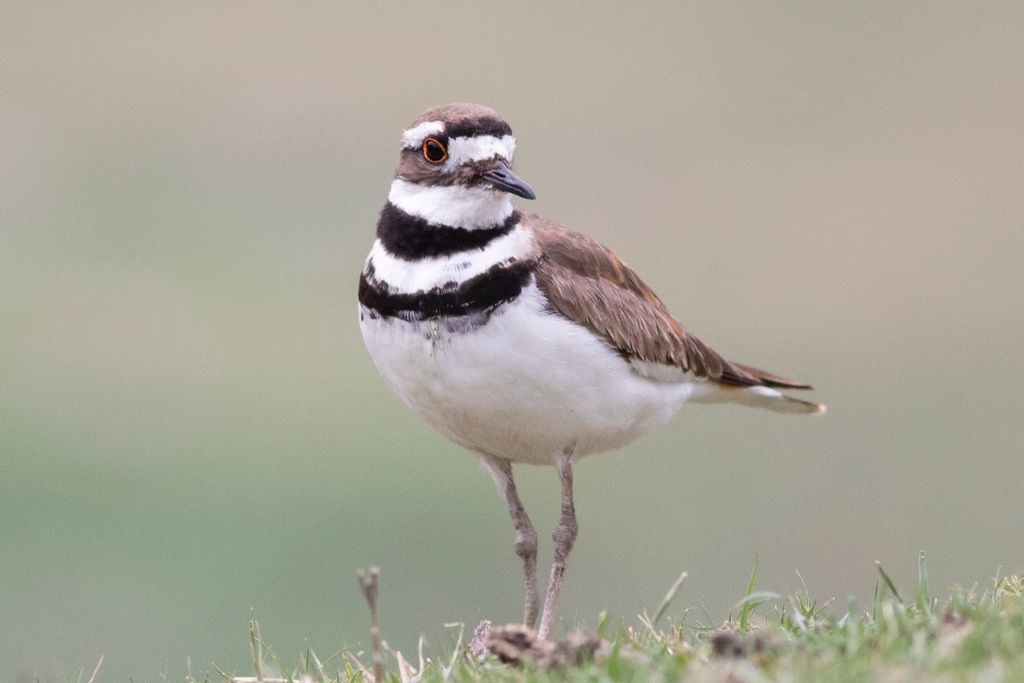
Killdeer

Northern Shoveler
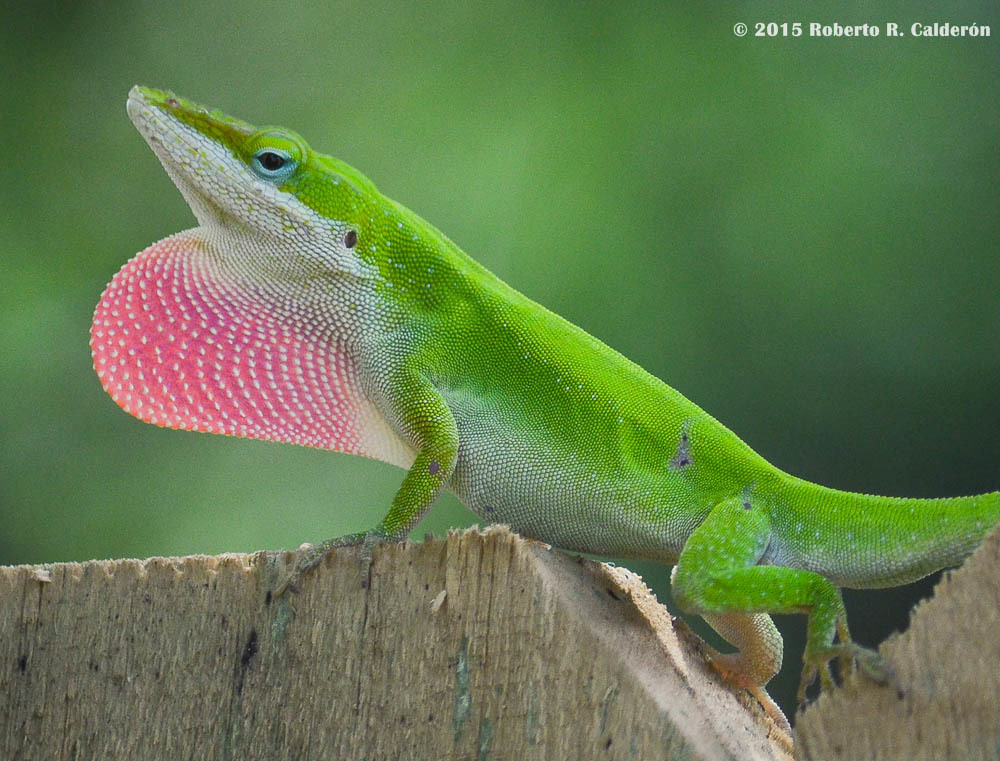
Green Anole

Cooper's Hawk

Green Frog
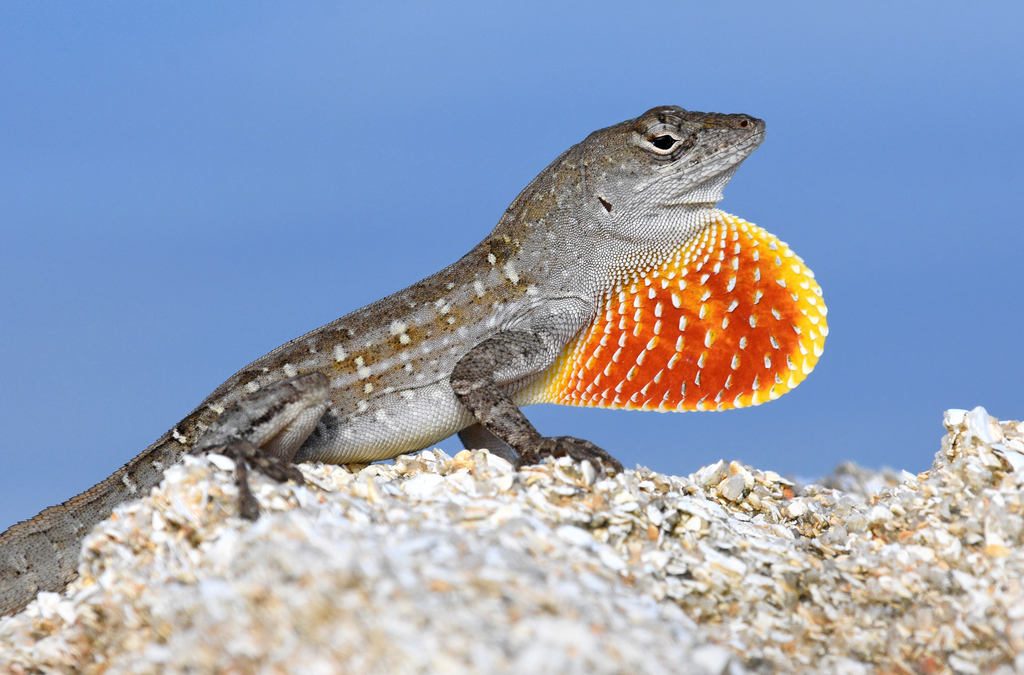
Brown Anole
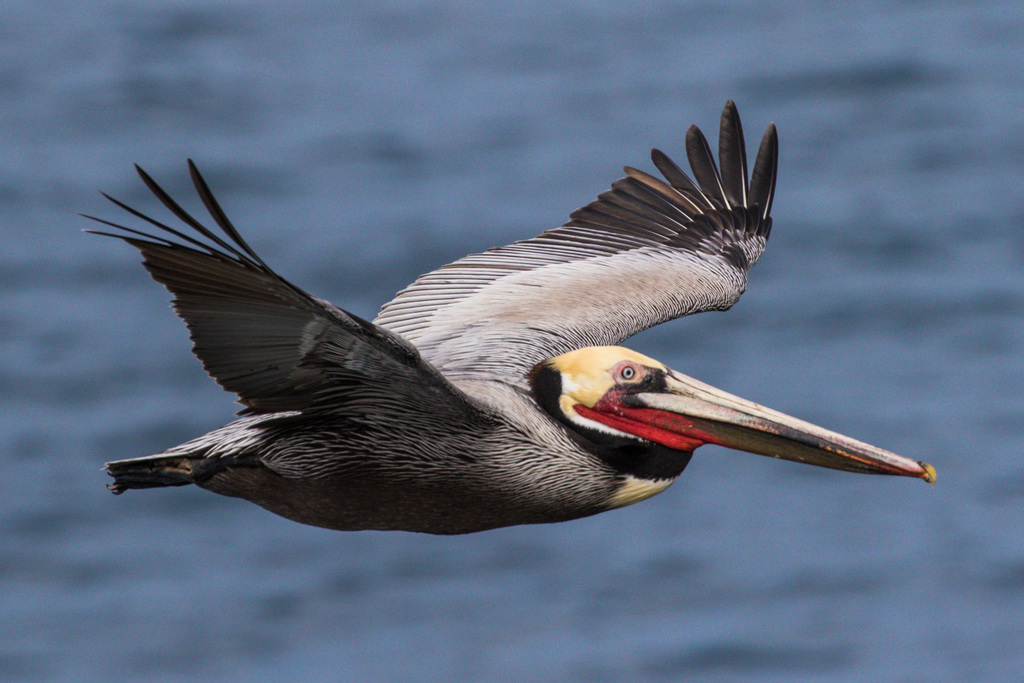
Brown Pelican

Red-bellied Woodpecker

Common Merganser

Red Fox

Common Teal

American Bullfrog

American Kestrel
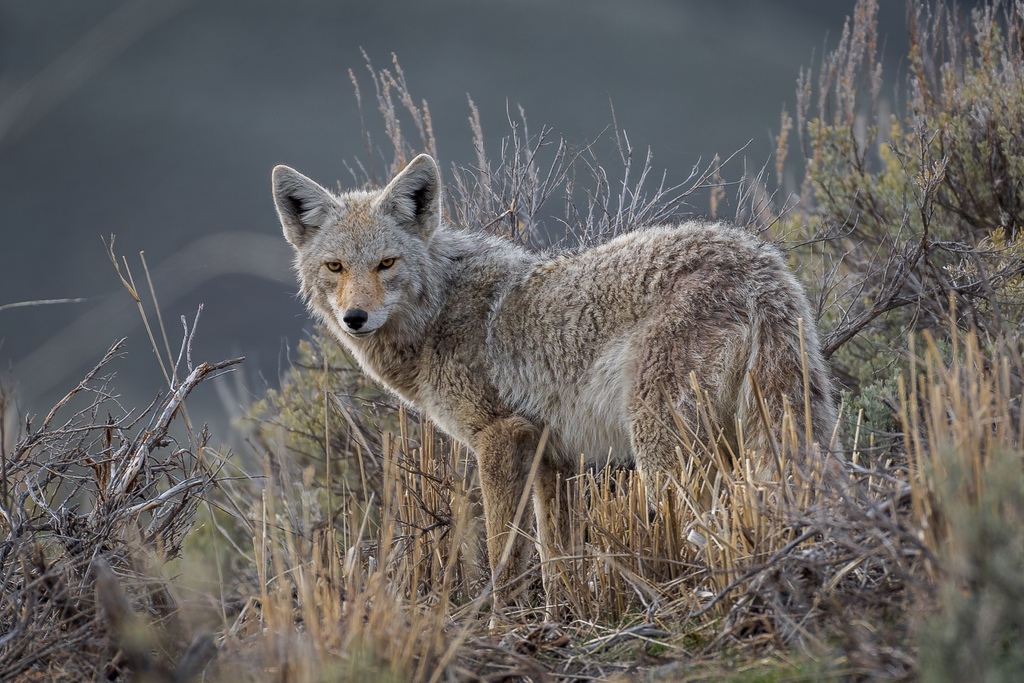
Coyote

Gadwall

Green Heron

White-throated Sparrow
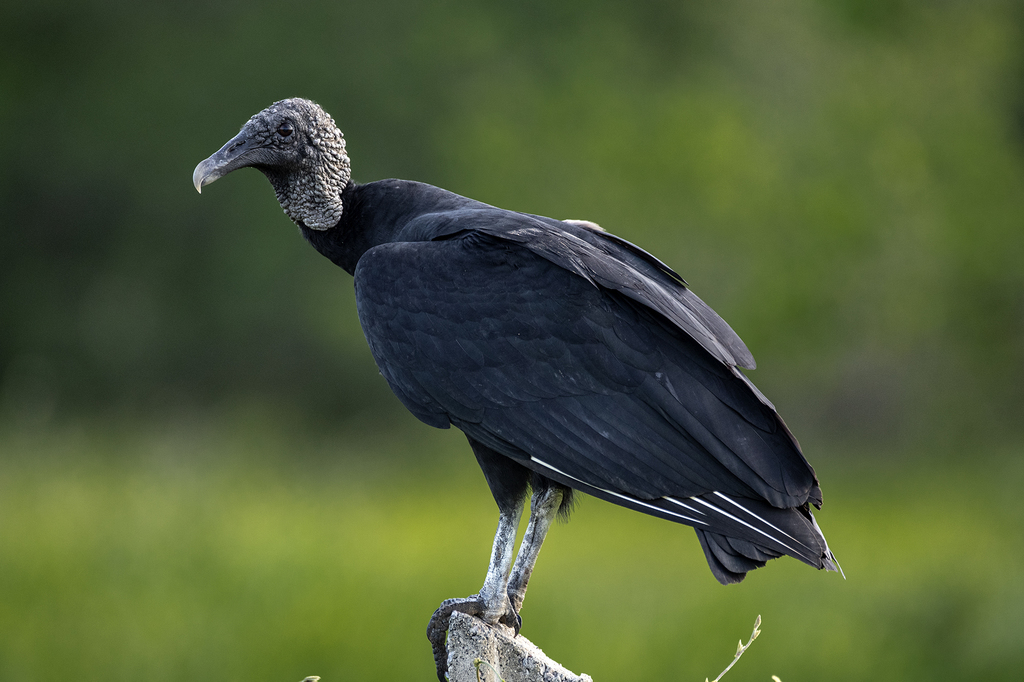
Black Vulture
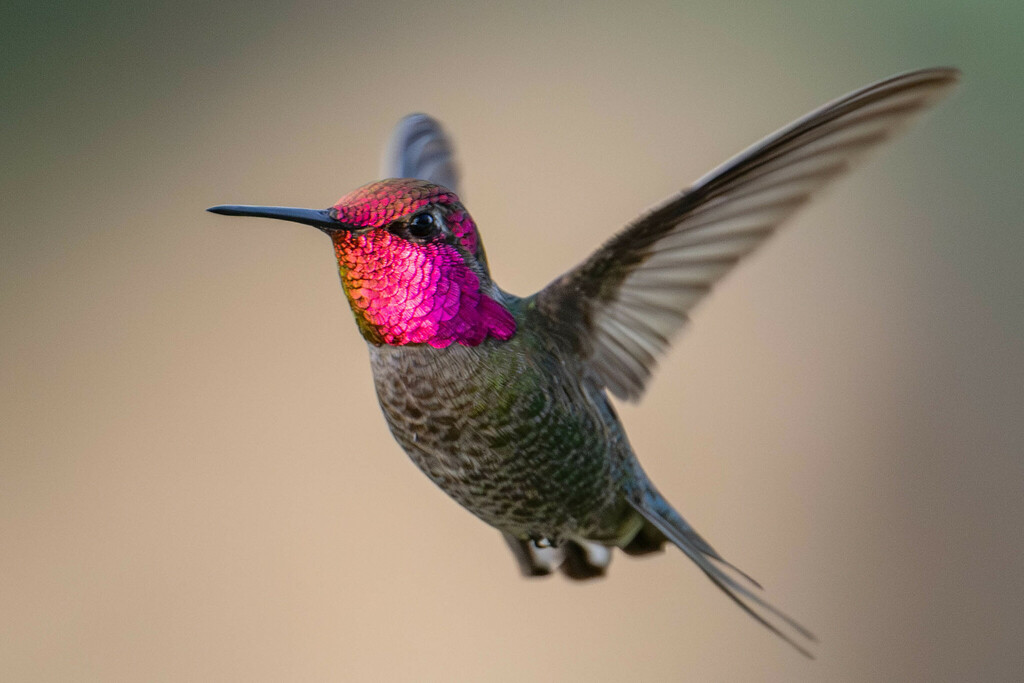
Anna's Hummingbird

Chipping Sparrow

Eastern Phoebe

Wood Duck
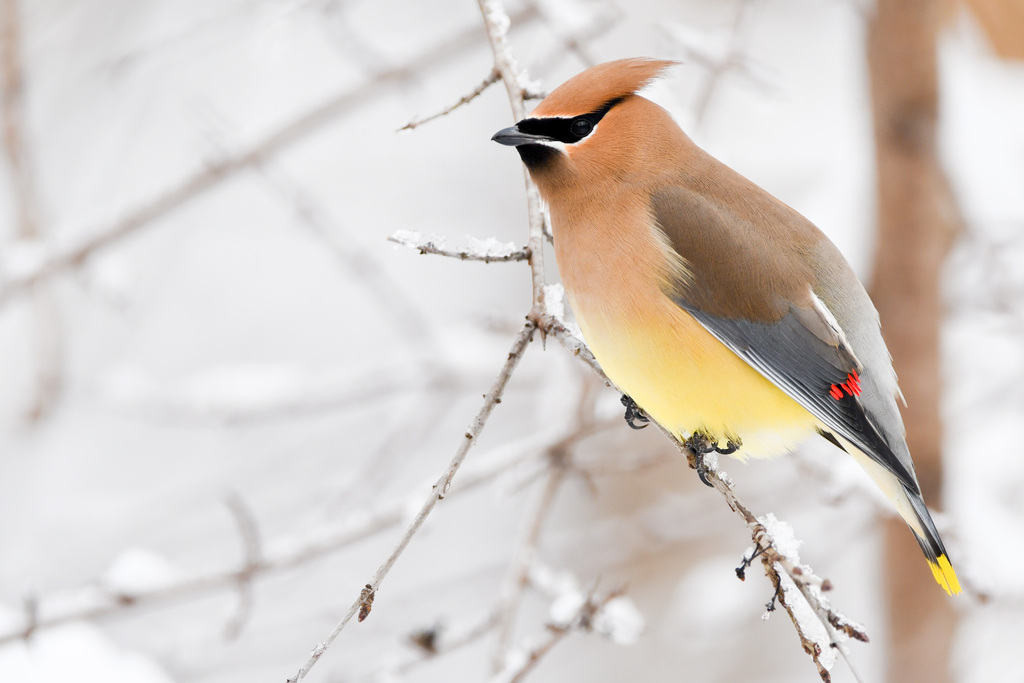
Cedar Waxwing

White-breasted Nuthatch
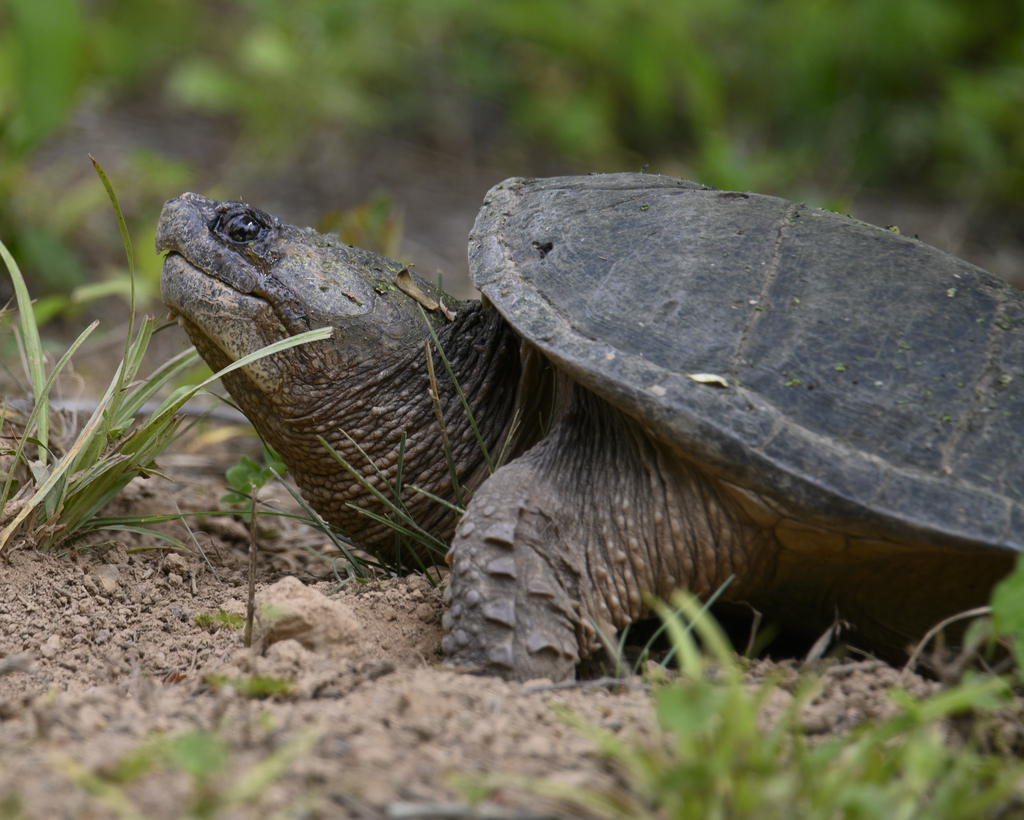
Snapping Turtle

Lesser Goldfinch

Common Goldeneye

Bufflehead

Common Grackle

Pied-billed Grebe

Eastern Chipmunk

Black Phoebe

White-winged Dove

Carolina Wren
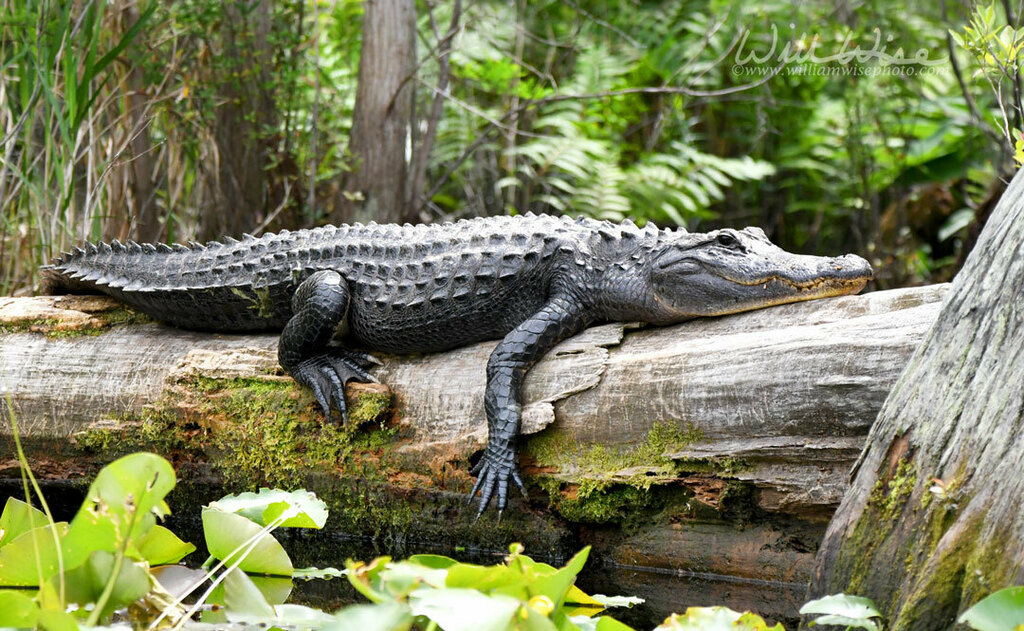
American Alligator
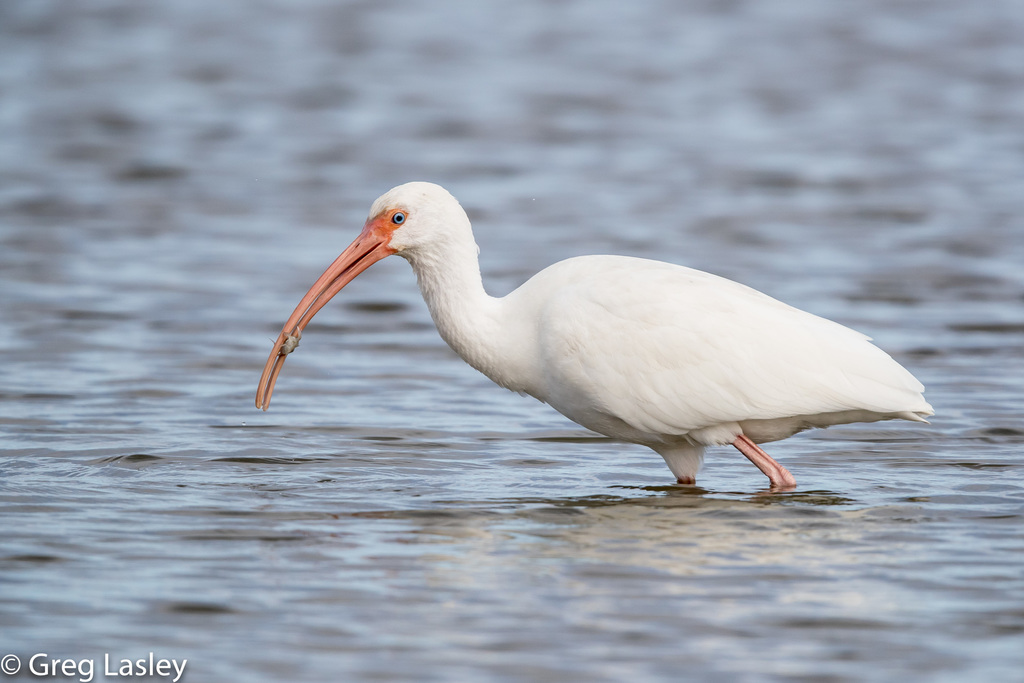
White Ibis

Eastern Red-backed Salamander

Brown-headed Cowbird

Gray Catbird

Ruby-crowned Kinglet

Tick Bird
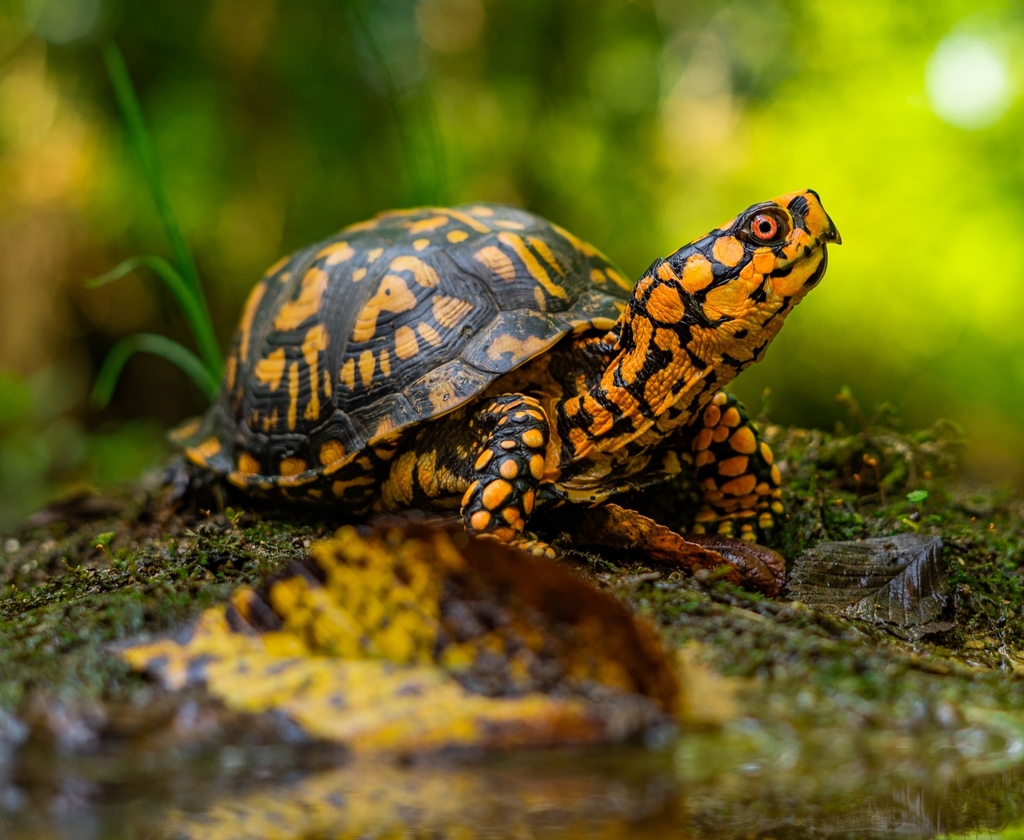
Common Box Turtle
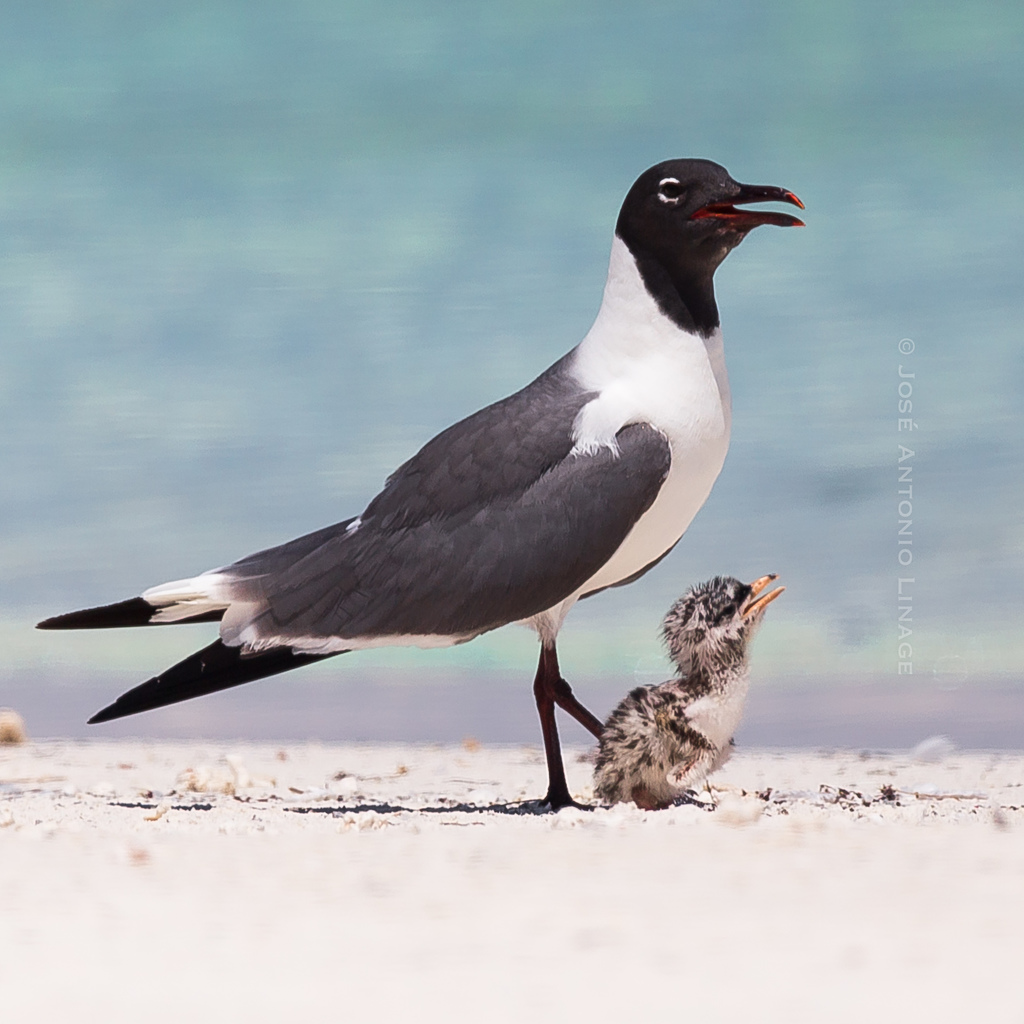
Laughing Gull
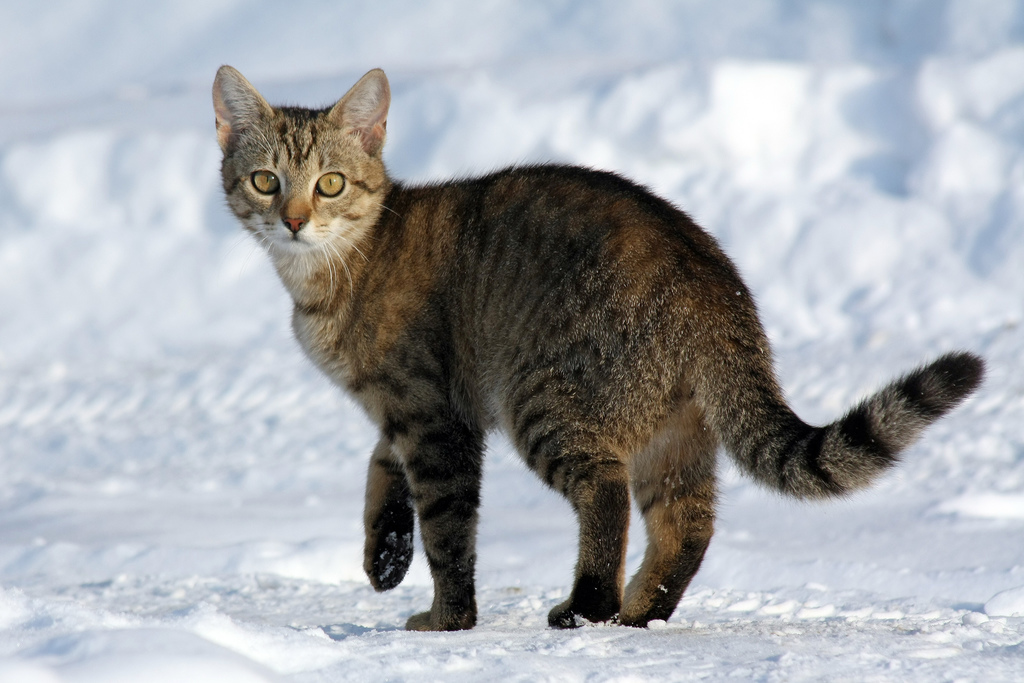
Domestic Cat

Common Side-blotched Lizard

Tufted Titmouse

American Wigeon

Egyptian Goose

Pileated Woodpecker

Savannah Sparrow

American Herring Gull

Black-necked Stilt

American White Pelican

Belted Kingfisher

Tree Swallow
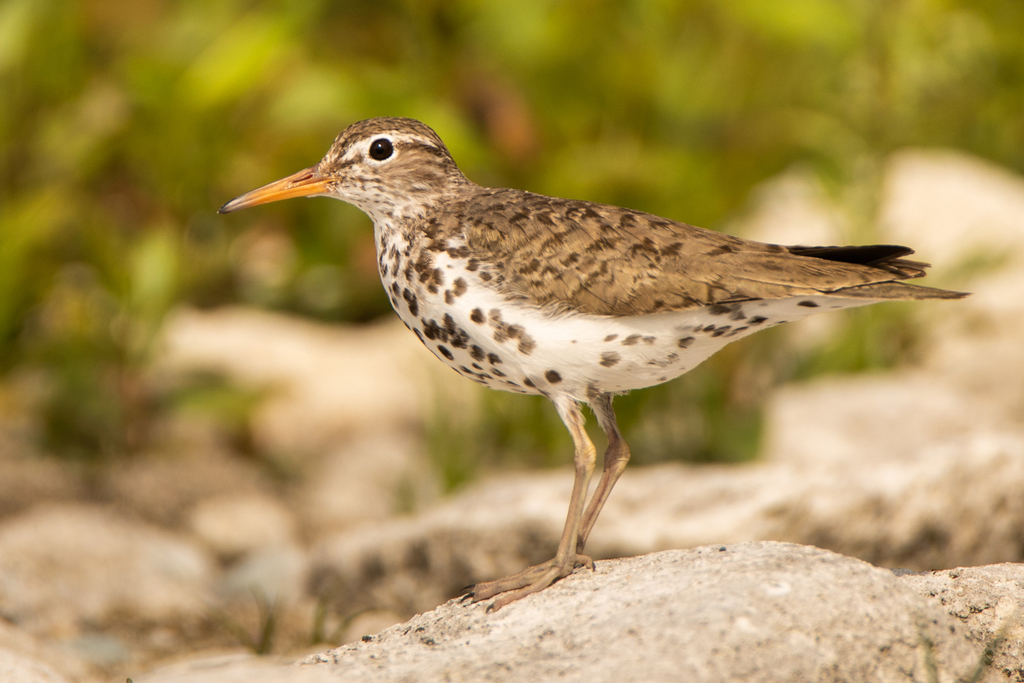
Spotted Sandpiper

Hooded Merganser
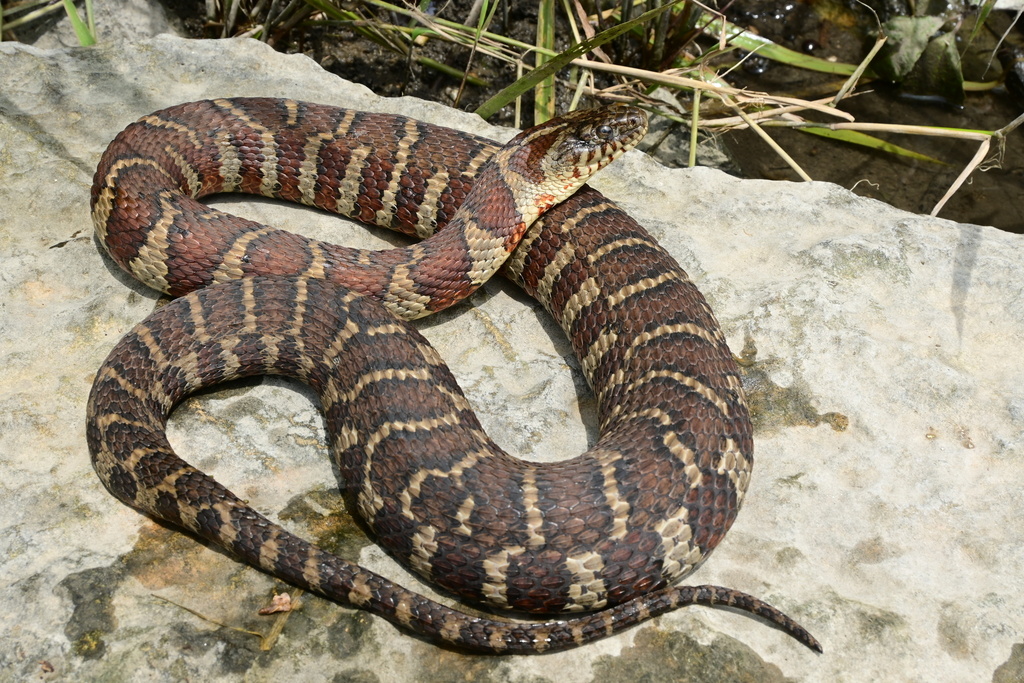
Common Watersnake
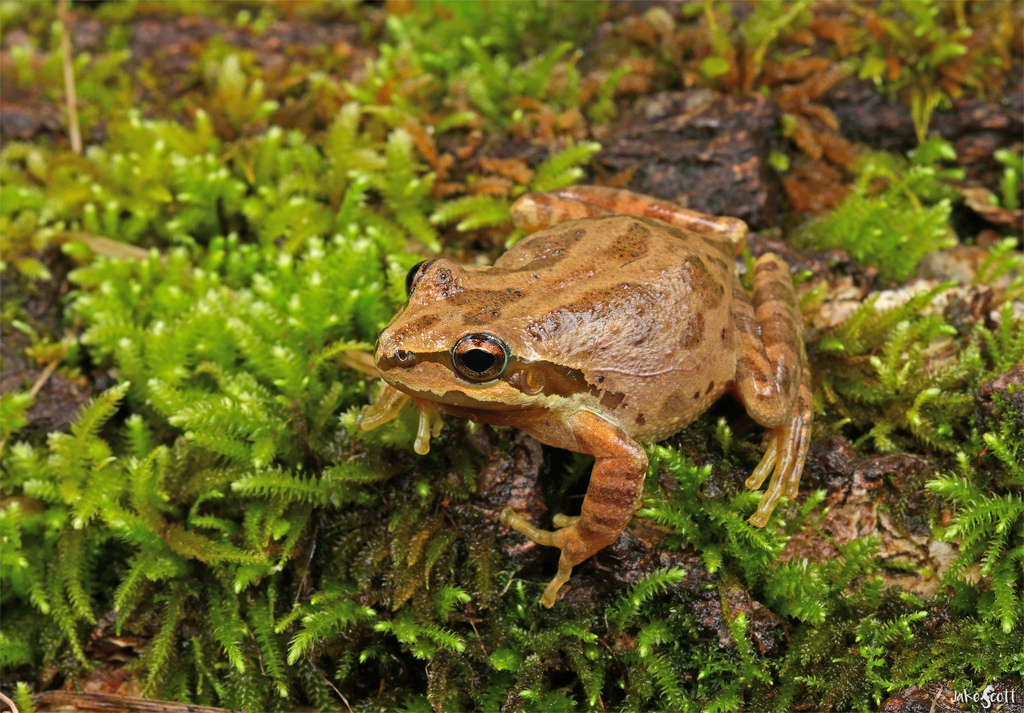
Pacific chorus frog
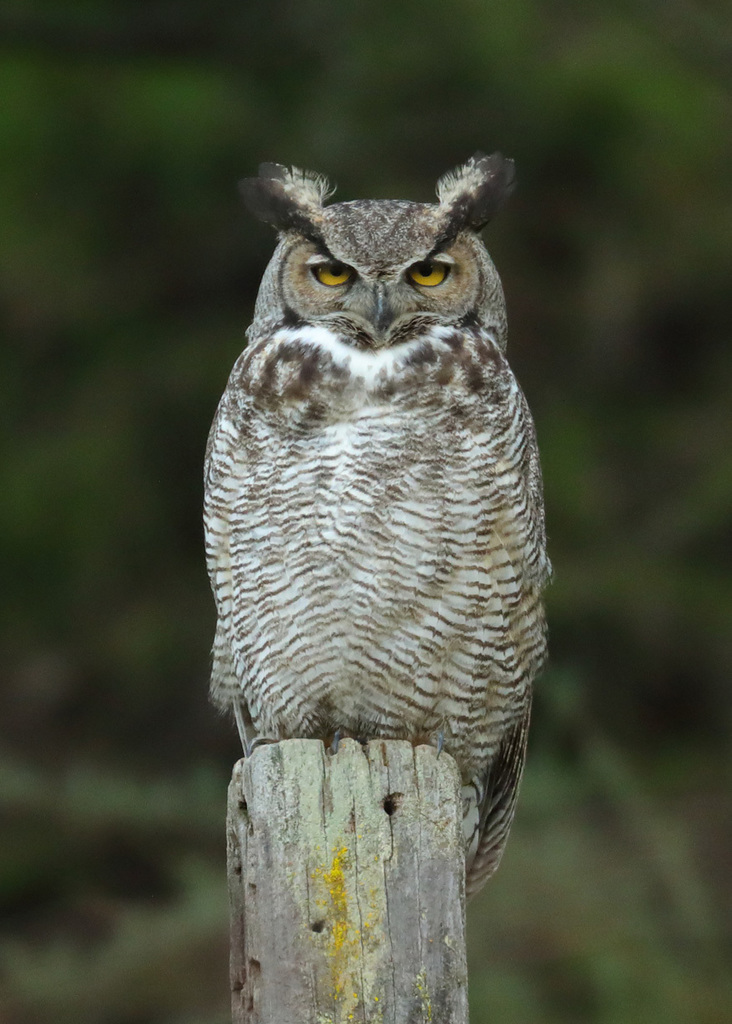
Great Horned Owl

Sandhill Crane
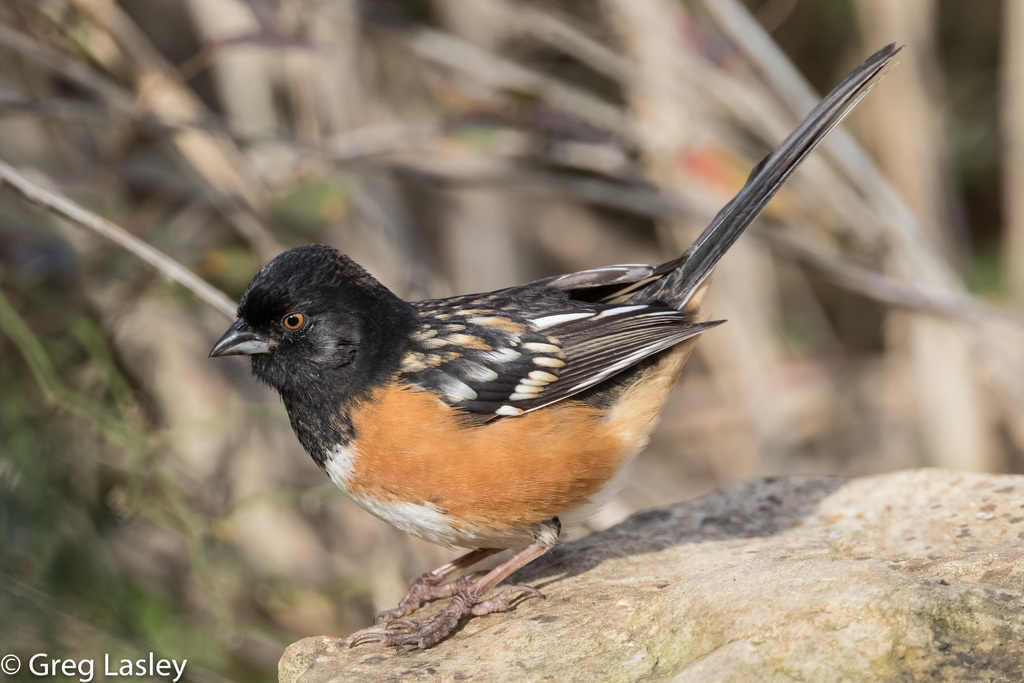
Spotted Towhee

California Scrub-Jay
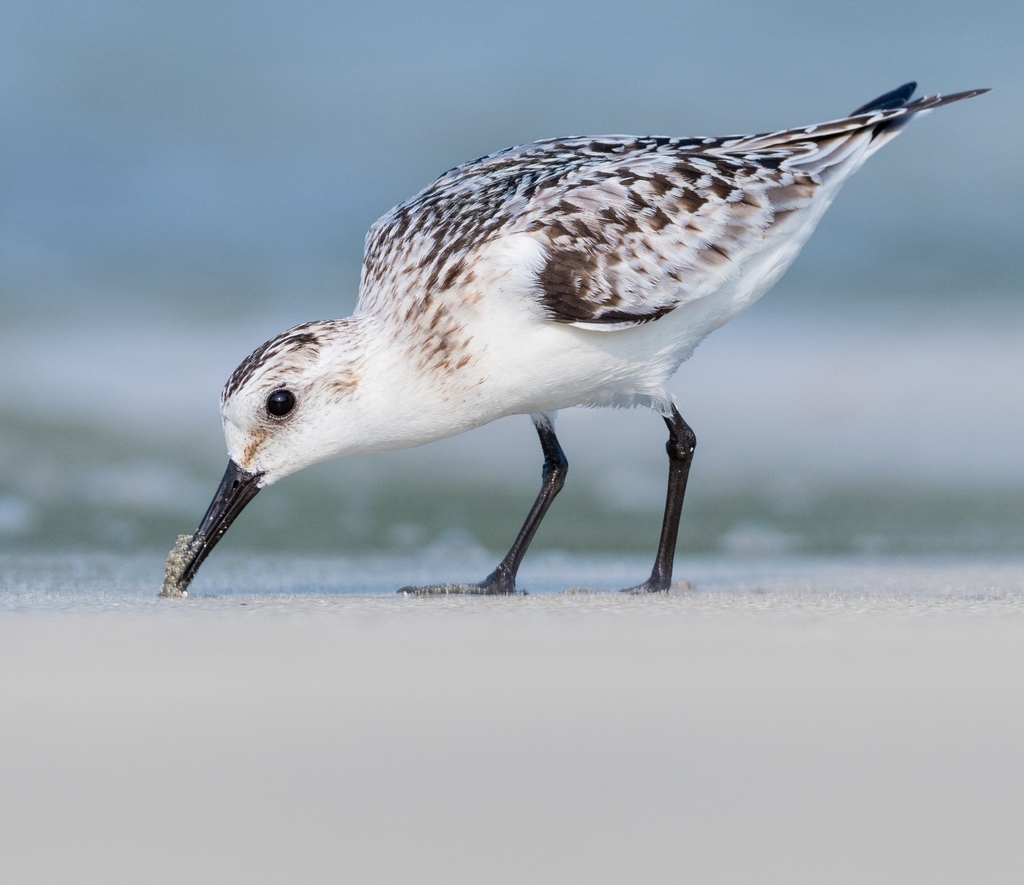
Sanderling

Ring-necked Duck

Eastern Newt

Little Blue Heron

Yellow-crowned Night-Heron

Willet

Ruby-throated Hummingbird

American Beaver

Common Gallinule
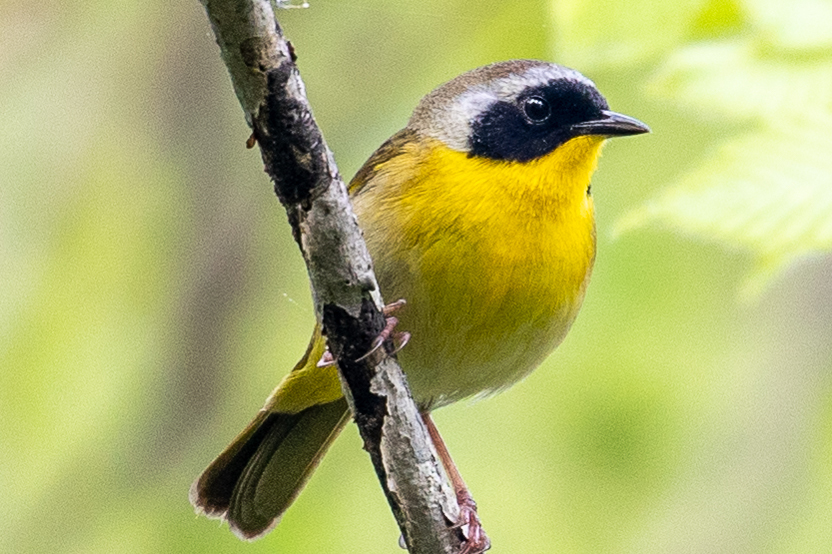
Common Yellowthroat

American yellow warbler
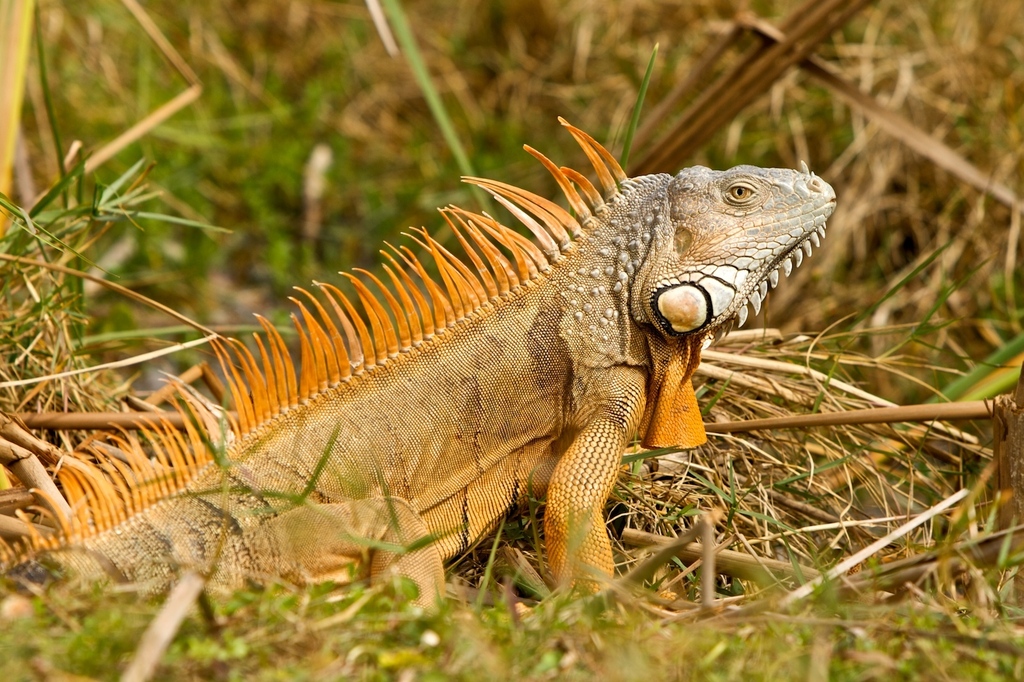
Green Iguana

Western Gull
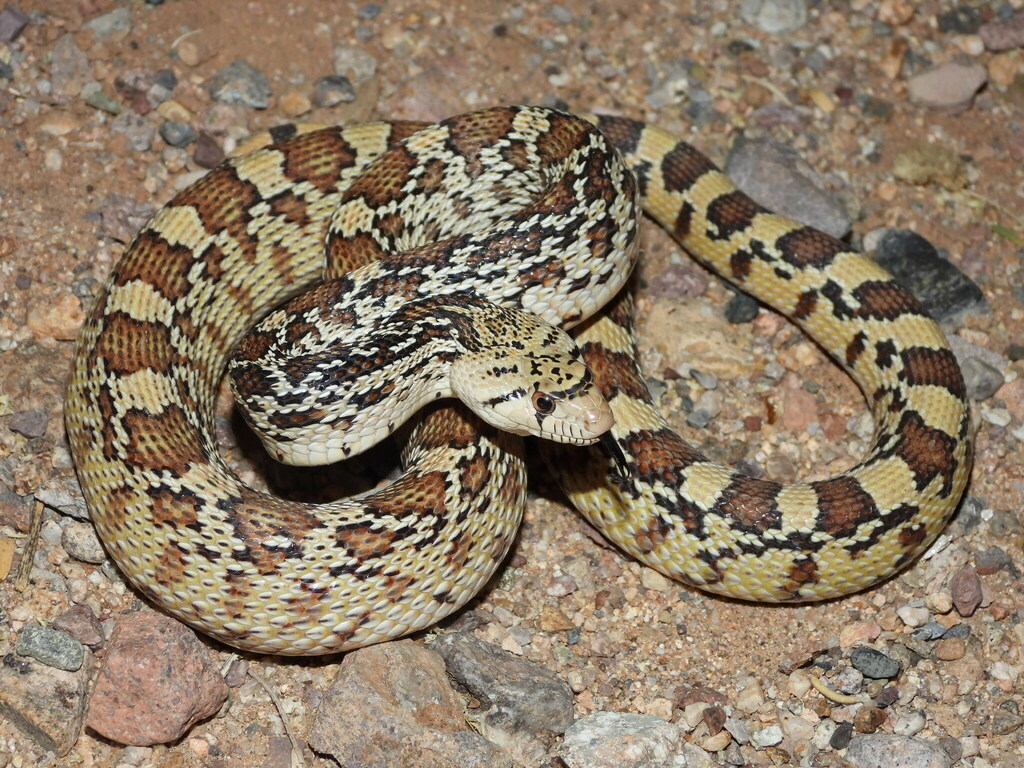
Gopher Snake

Hairy Woodpecker
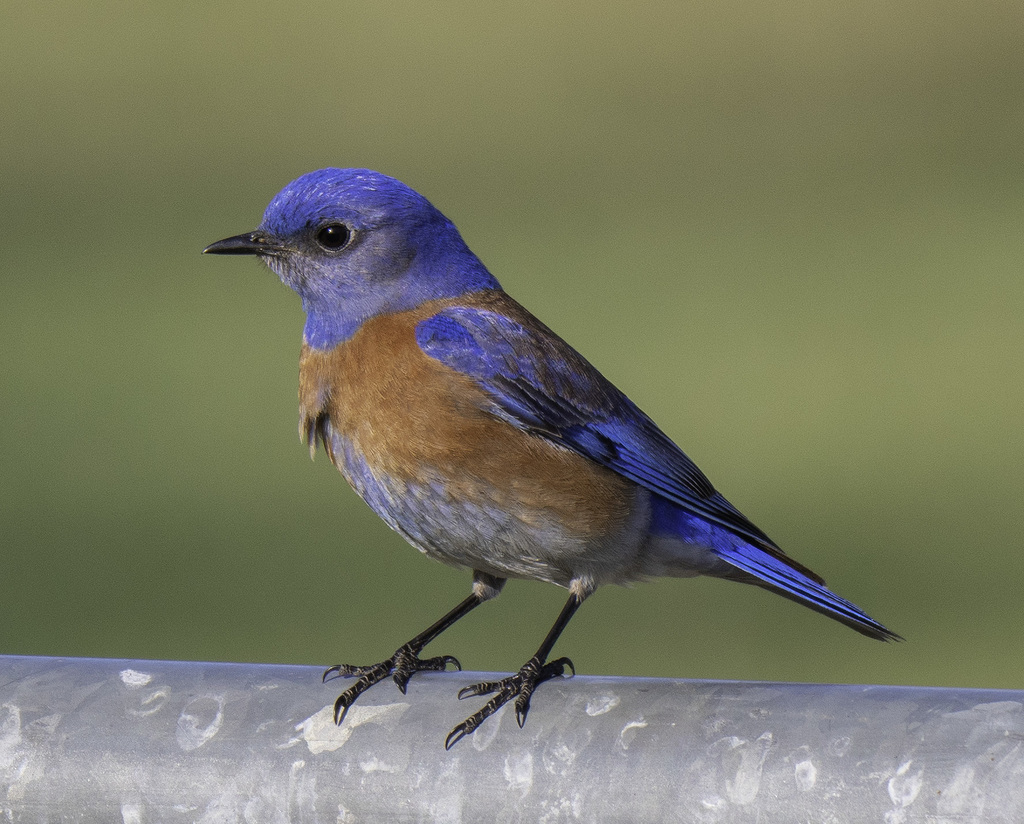
Western Bluebird

Barred Owl

Virginia Opossum

Greater Yellowlegs

Ruddy Turnstone

Northern Pintail

Blue-winged Teal
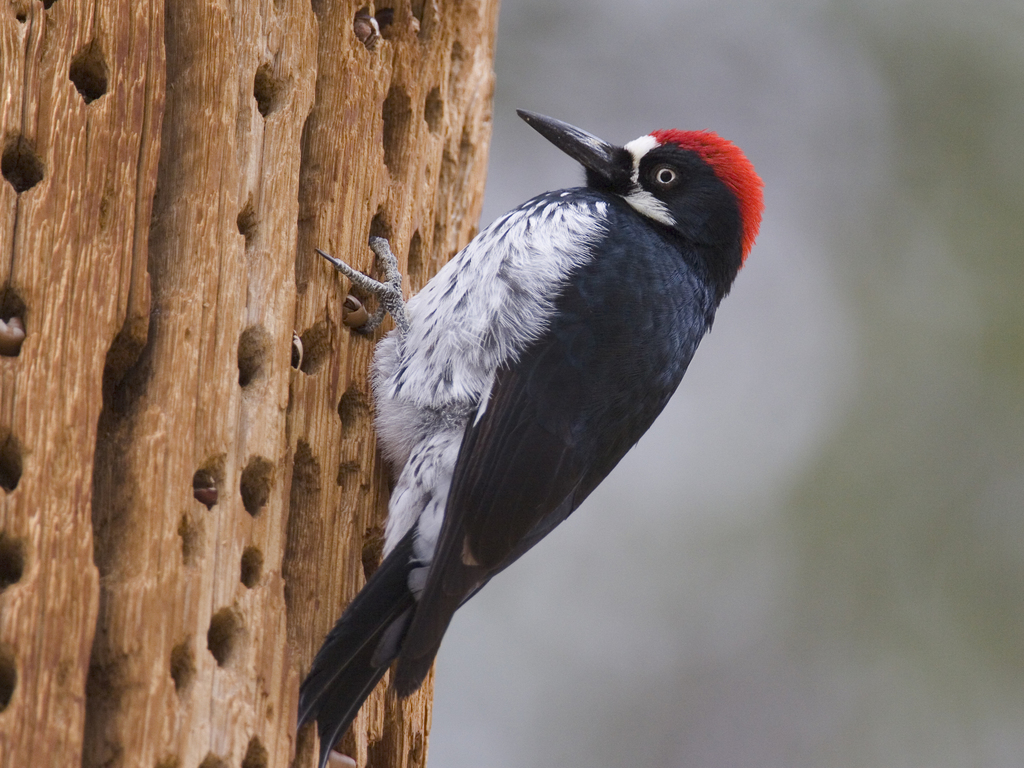
Acorn Woodpecker

Anhinga

Baltimore Oriole

Eastern Kingbird

Least Sandpiper
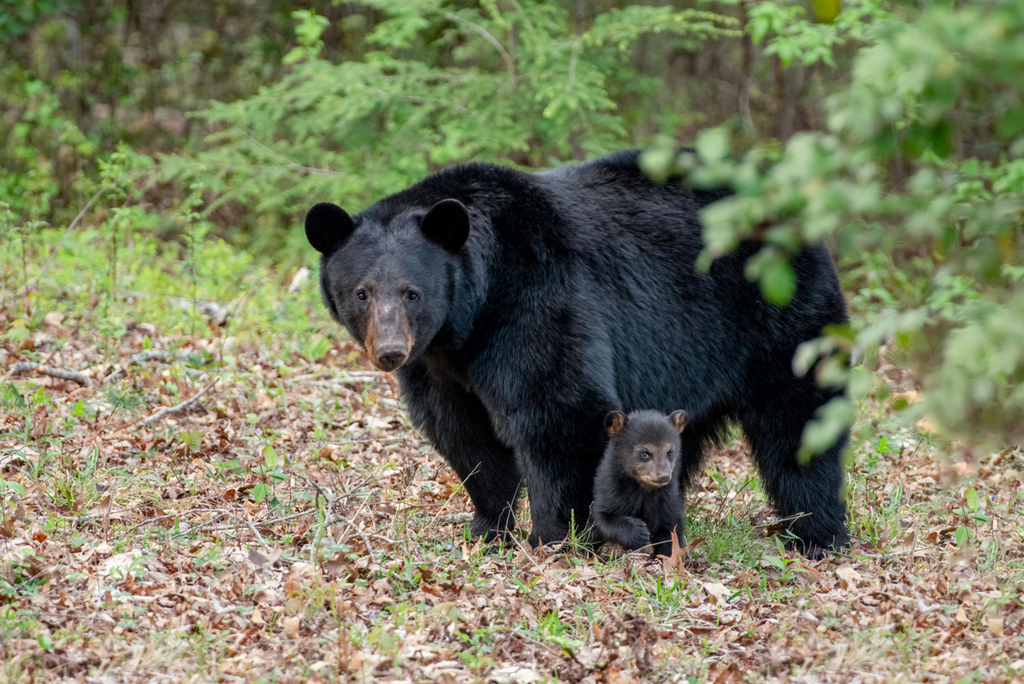
American Black Bear

Carolina Chickadee

Wood Frog

Common Loon

Olivaceous Cormorant

Hermit Thrush

Crested Caracara

Ruddy Duck
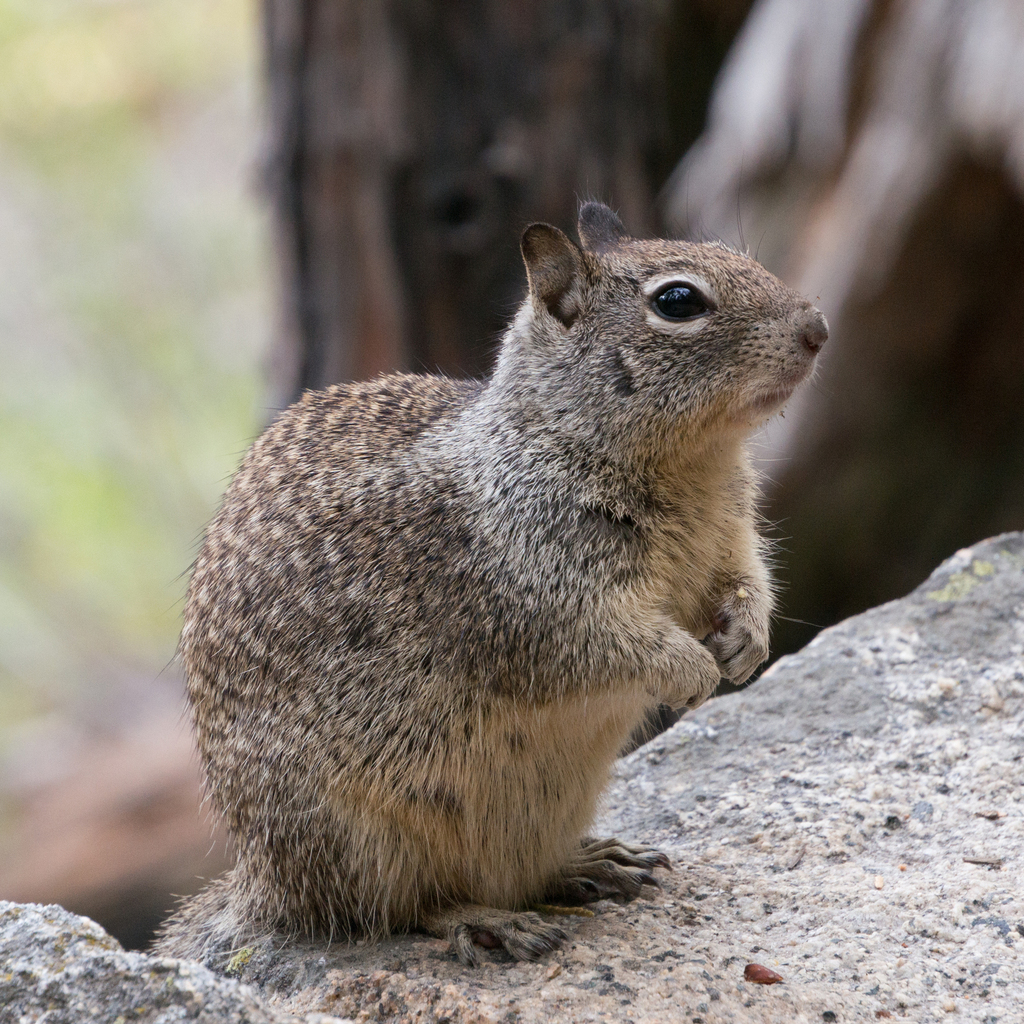
California Ground Squirrel

California Towhee

Spring Peeper

Northern Harrier

Lesser Black-backed Gull

Tricolored Heron

Yellow-bellied Sapsucker
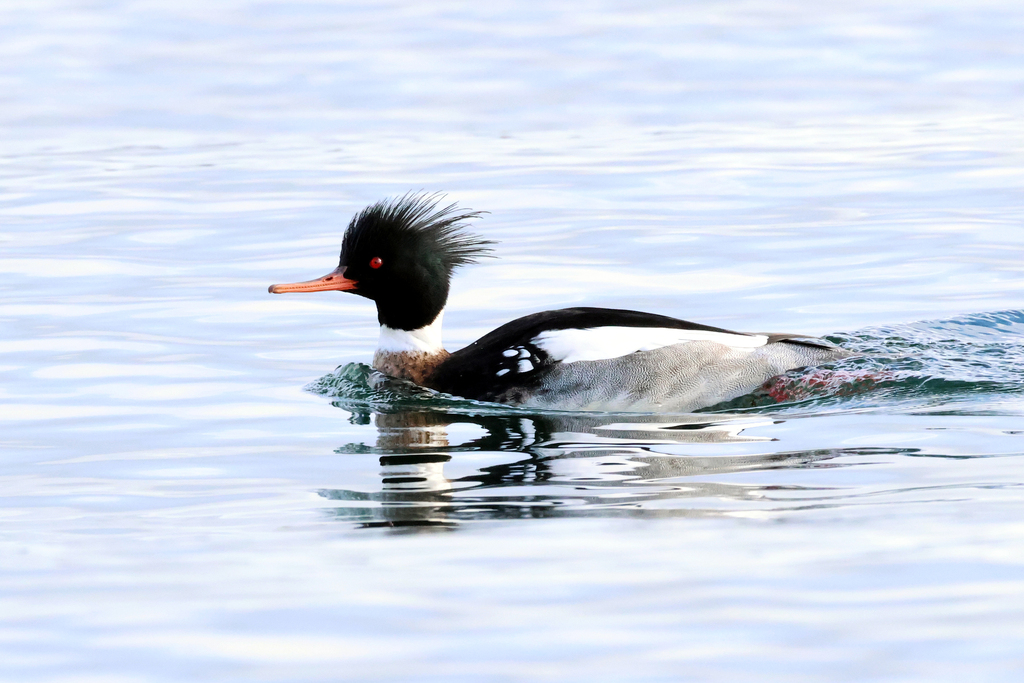
Red-breasted Merganser

Blue-gray Gnatcatcher
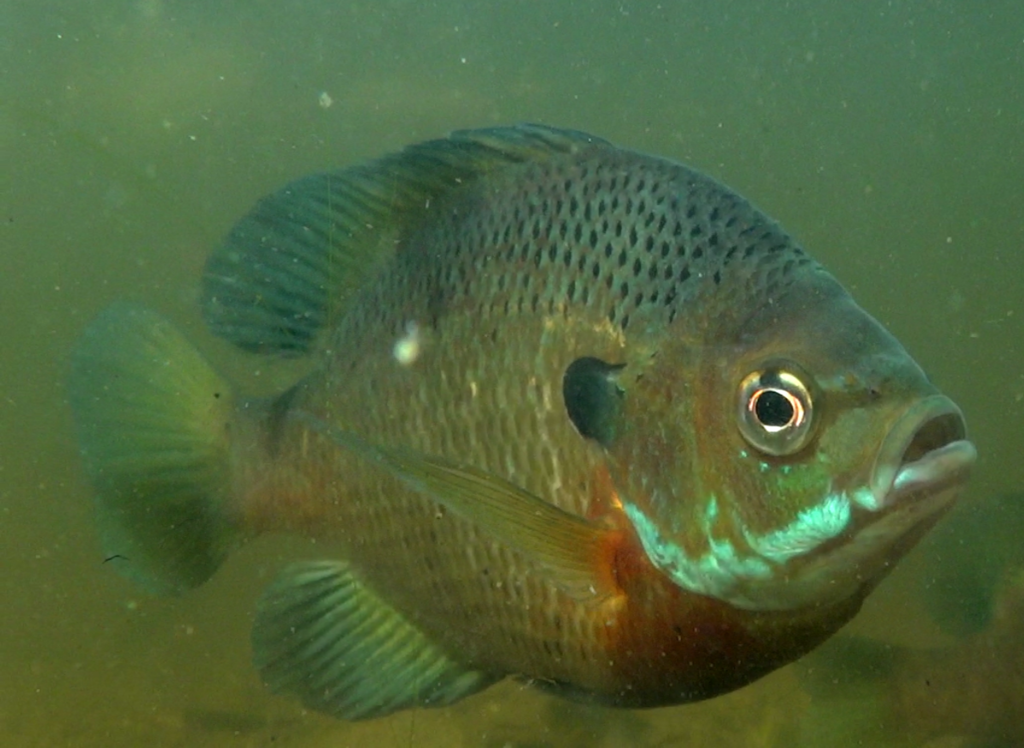
Bluegill

DeKay's Brownsnake

Steller's Jay

Palm Warbler

Elk

Peregrine Falcon

Harbor Seal

Woodchuck

Black-bellied Plover
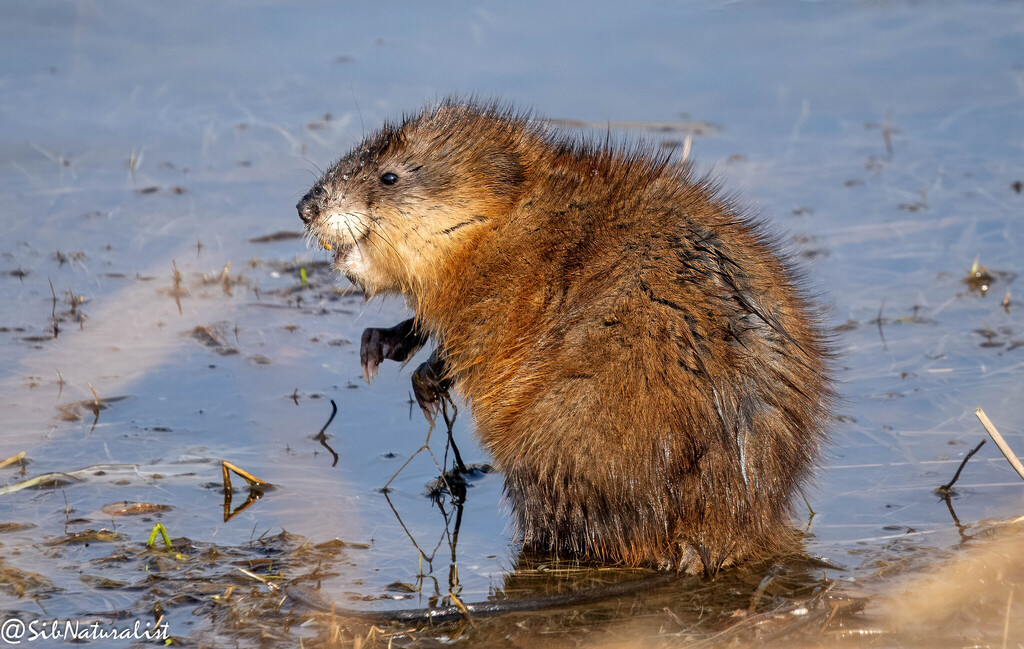
Muskrat

Orange-crowned Warbler
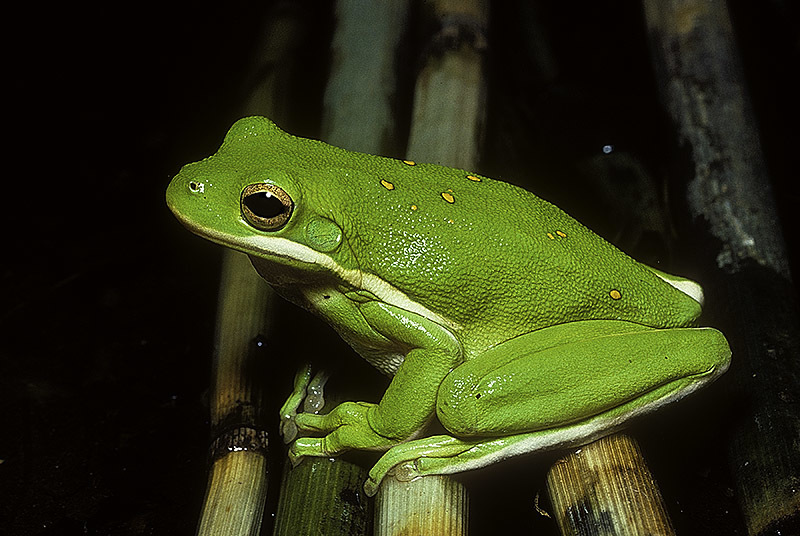
Green Treefrog

Red-breasted Nuthatch
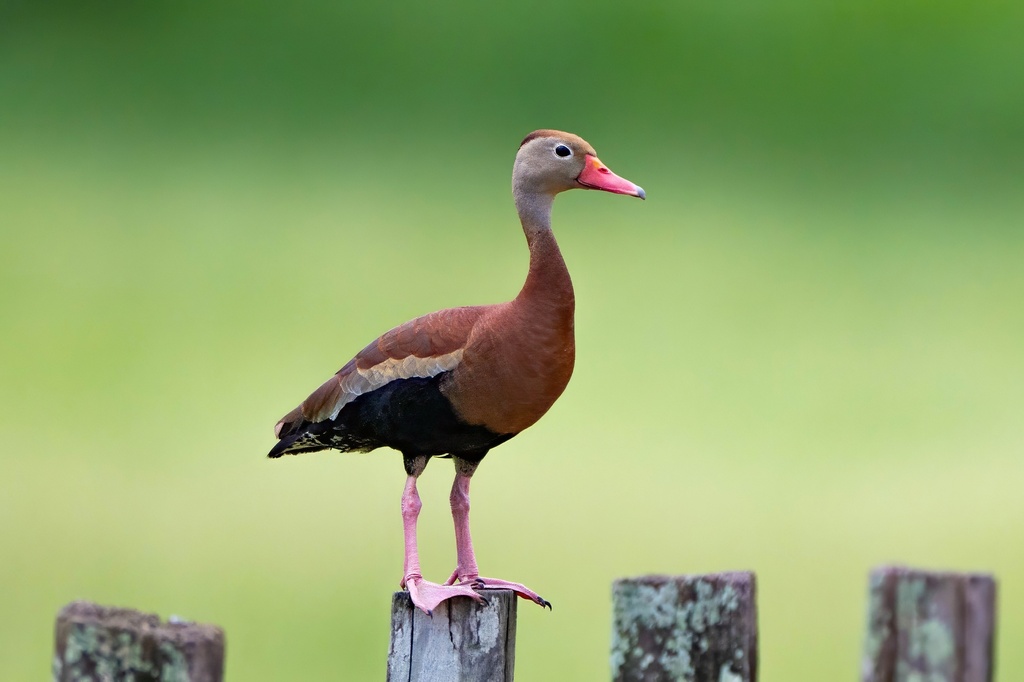
Black-bellied Whistling-Duck
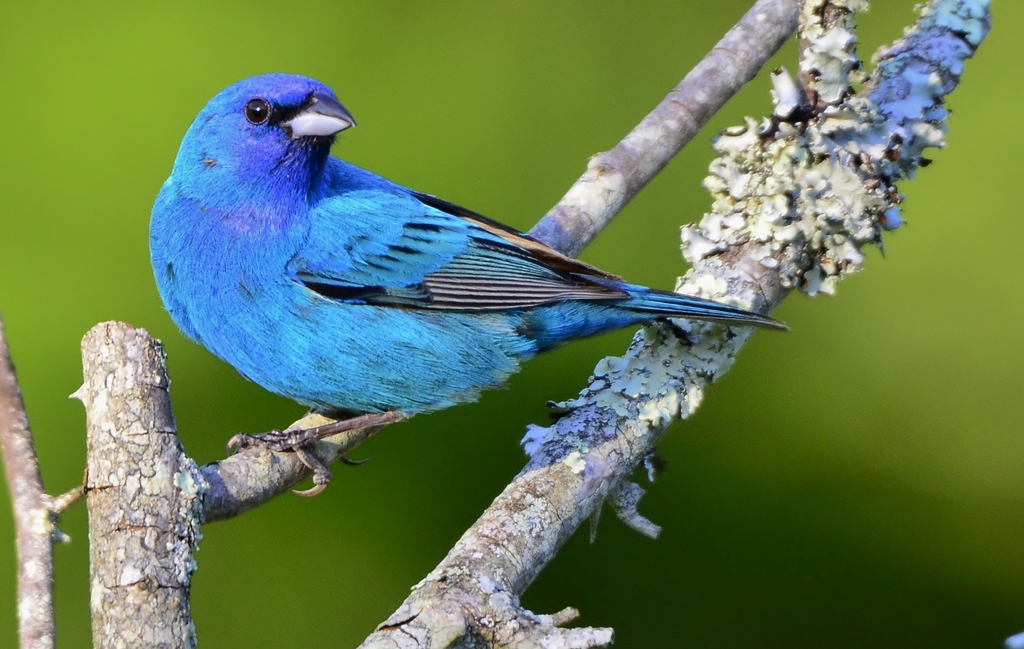
Indigo Bunting

Elk

Dunlin

North American Racer

Rose-breasted Grosbeak

Bewick's Wren

Lesser Scaup

California Quail

American Redstart

Say's Phoebe
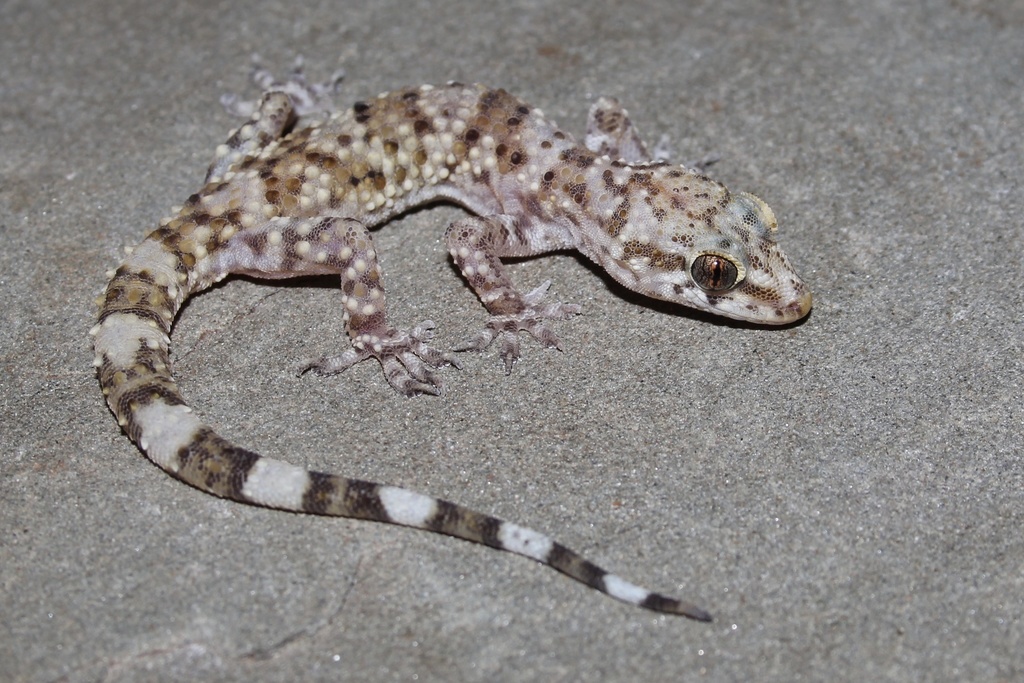
Mediterranean House Gecko

Bushtit

House Wren

Black-and-white Warbler

Summer Tanager
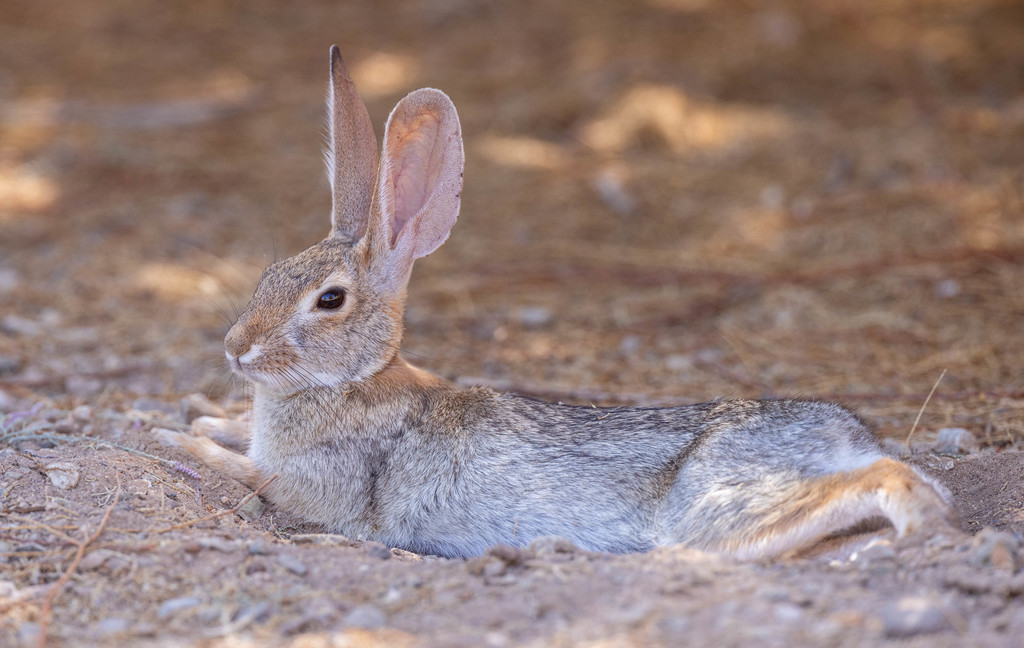
Desert Cottontail

Wild Boar

Brewer's Blackbird

Golden-crowned Sparrow

Brown Thrasher

Bobcat

Caspian Tern

Loggerhead Shrike

American Avocet

Striped Skunk

Gulf Coast Toad

Pine Siskin
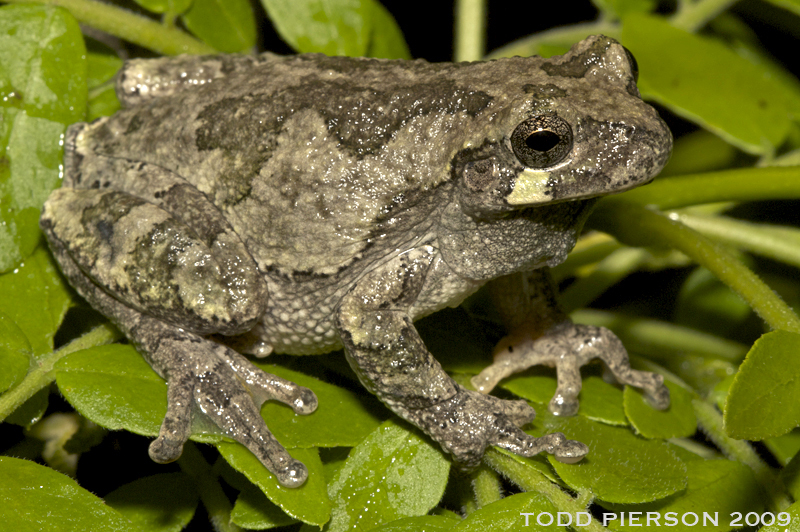
Gray Tree Frog

Royal Tern

Ringneck Snake

Burrowing Owl
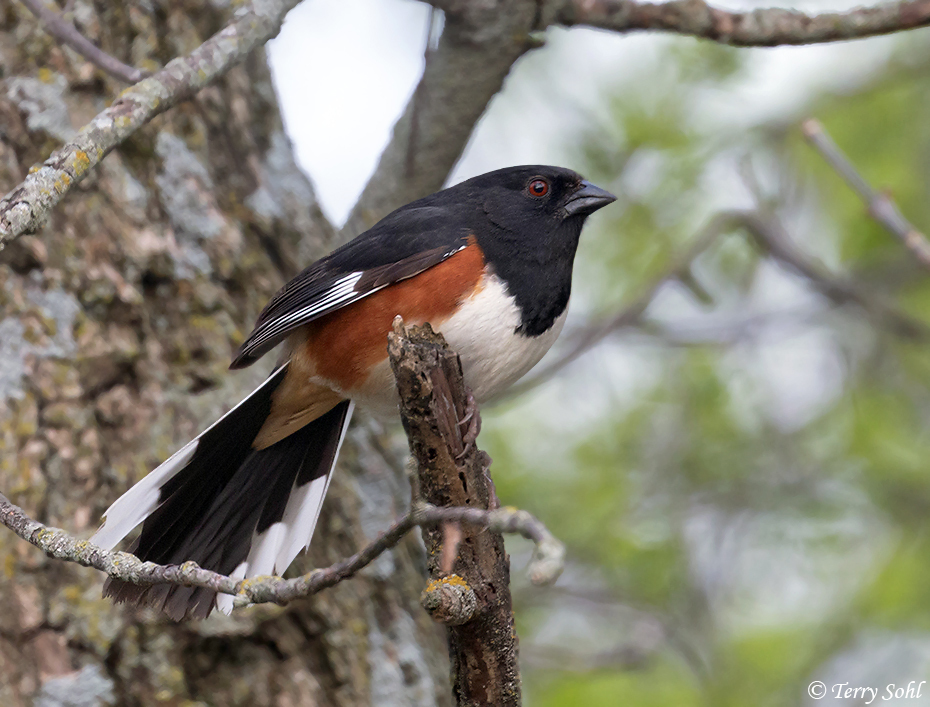
Eastern Towhee

Western Toad

Spotted Salamander

Black-billed Magpie

Greater White-fronted Goose

Lincoln's Sparrow

Semipalmated Plover
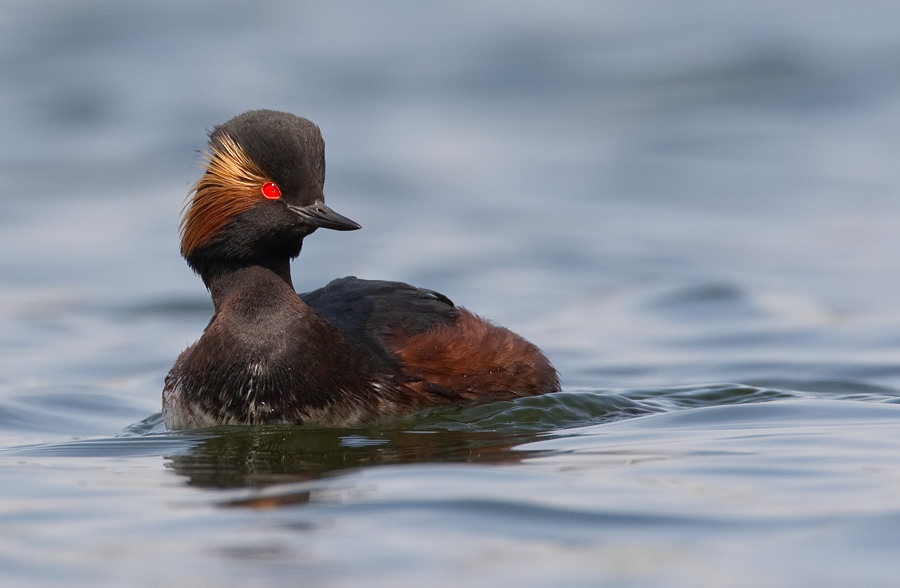
Eared Grebe
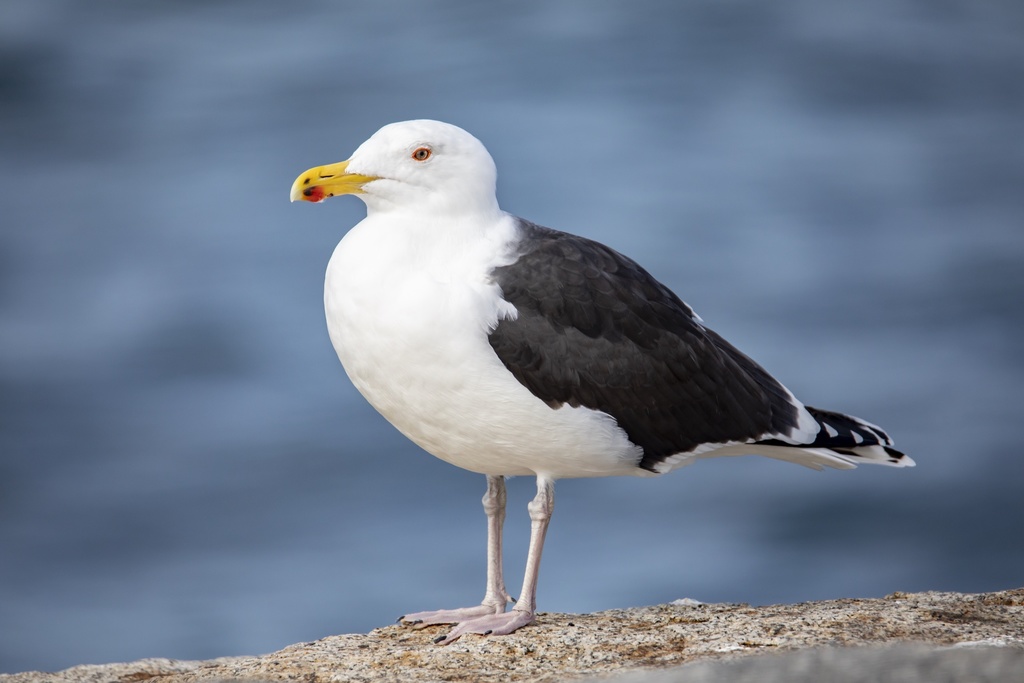
Great Black-backed Gull

Greater Roadrunner
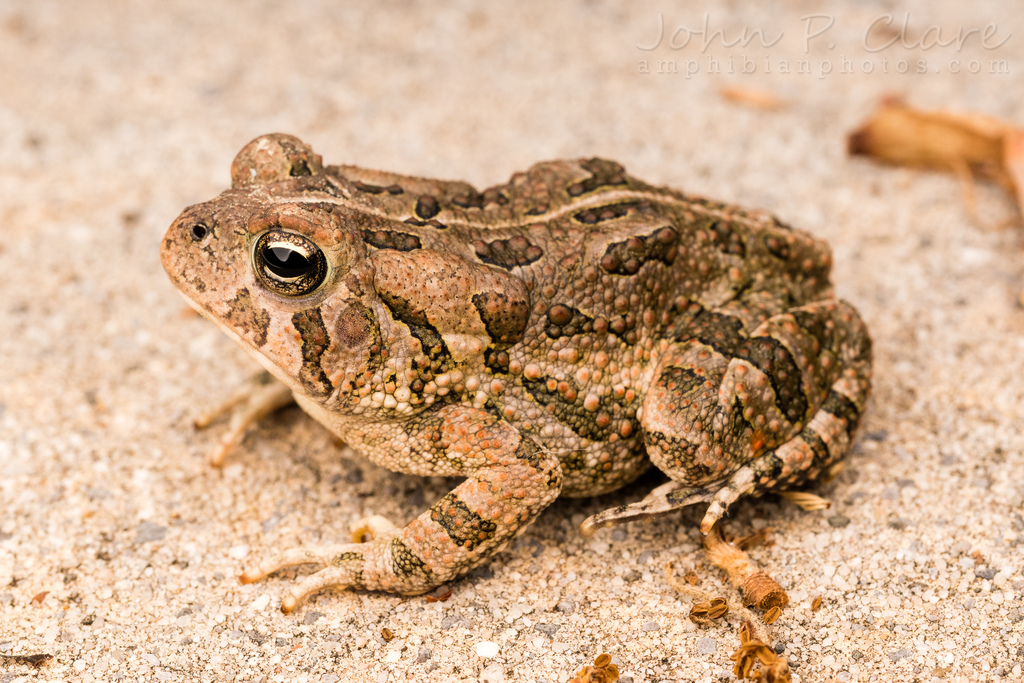
Fowler's Toad

Gray Fox
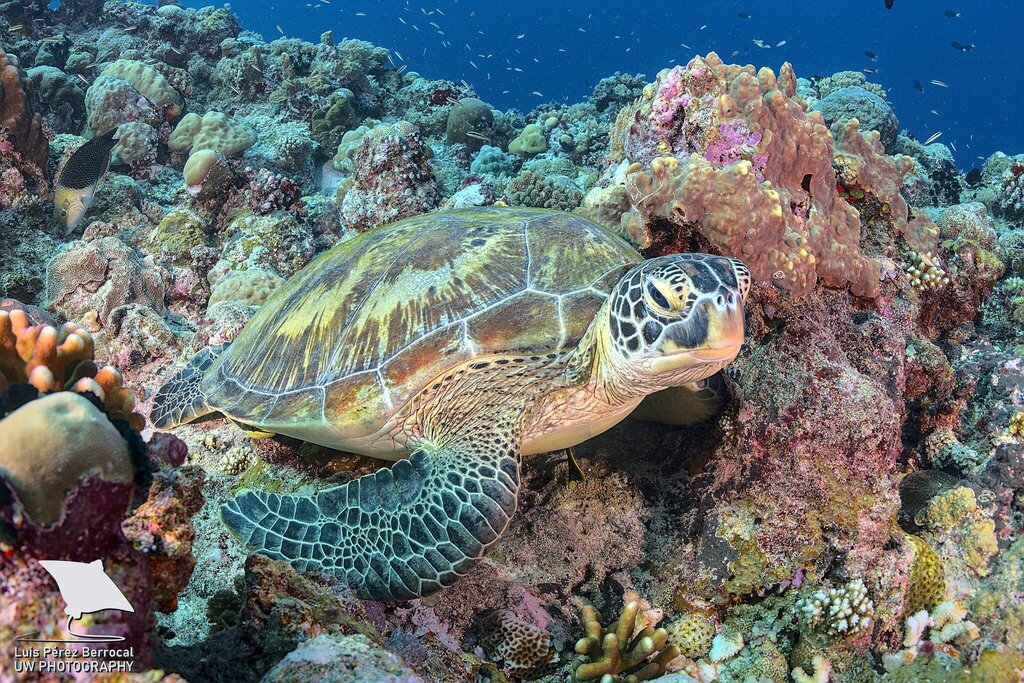
Green Turtle
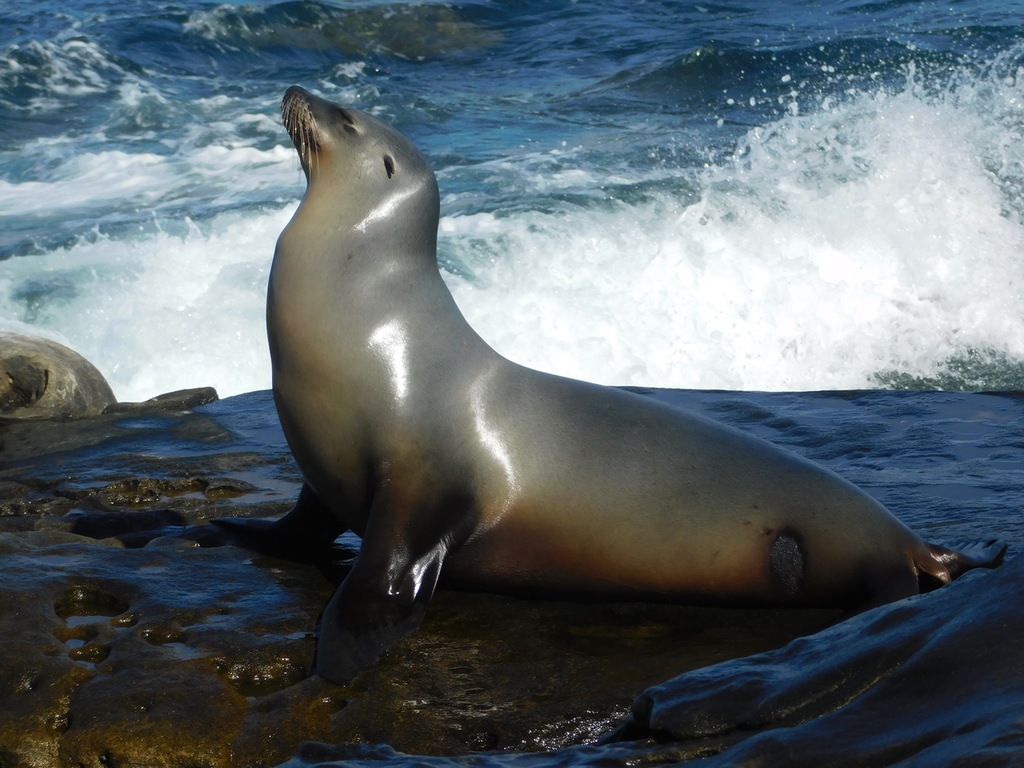
California Sea Lion

California Newt

Brown Creeper

Merlin

Purple Finch

Roseate Spoonbill

Snow Goose
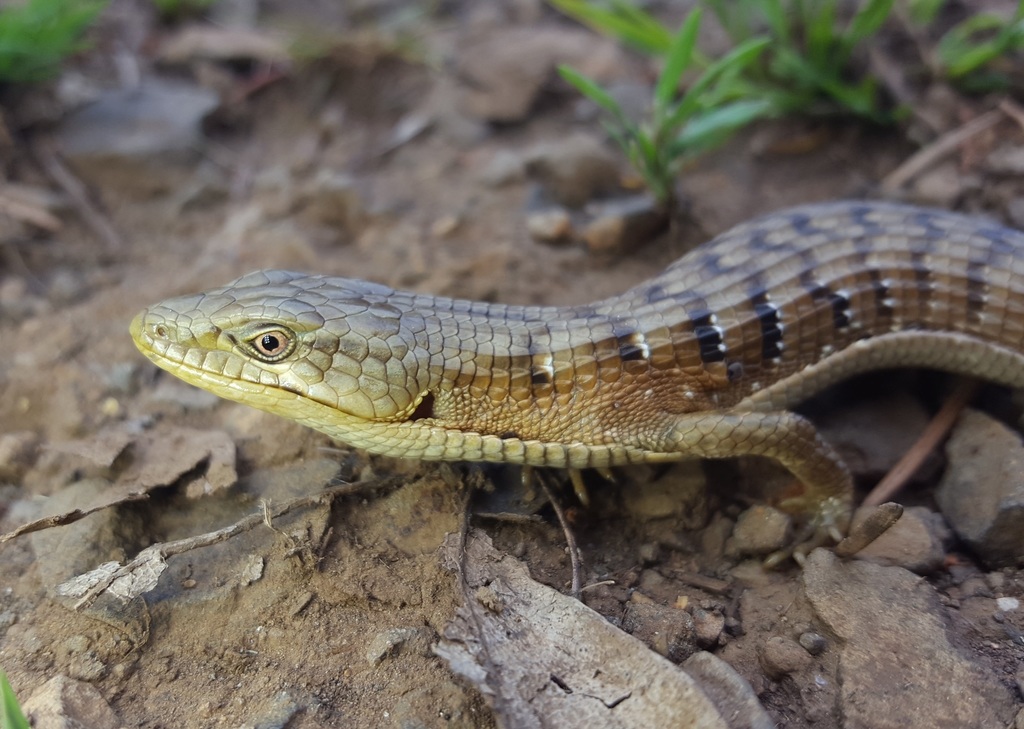
Southern Alligator Lizard

Wilson's Warbler
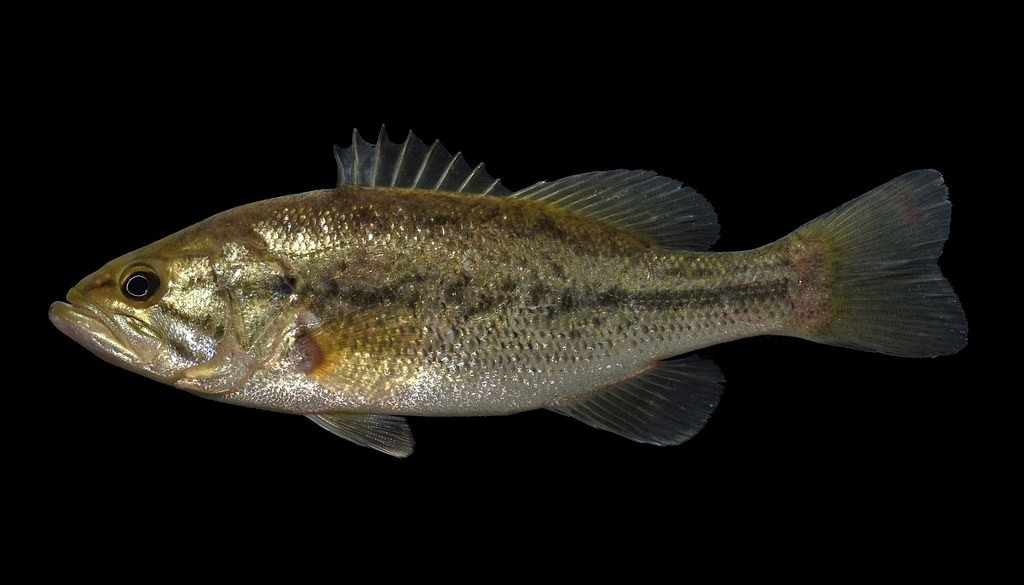
Largemouth Bass

Coypu

White-faced Ibis
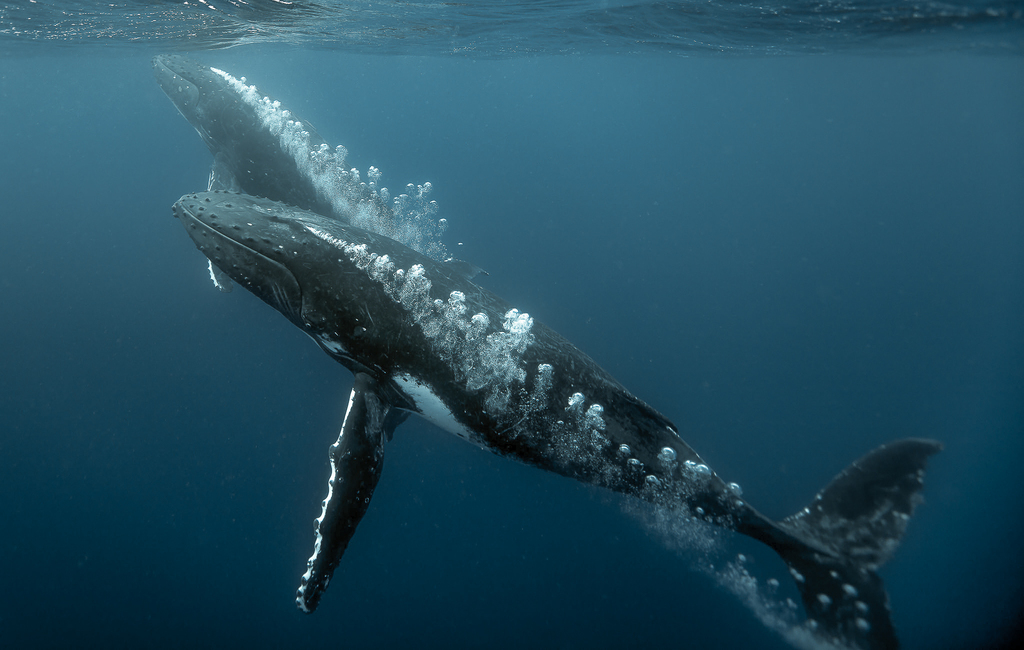
Humpback Whale

Common Eider

Texas Spiny Lizard

Common Five-lined Skink
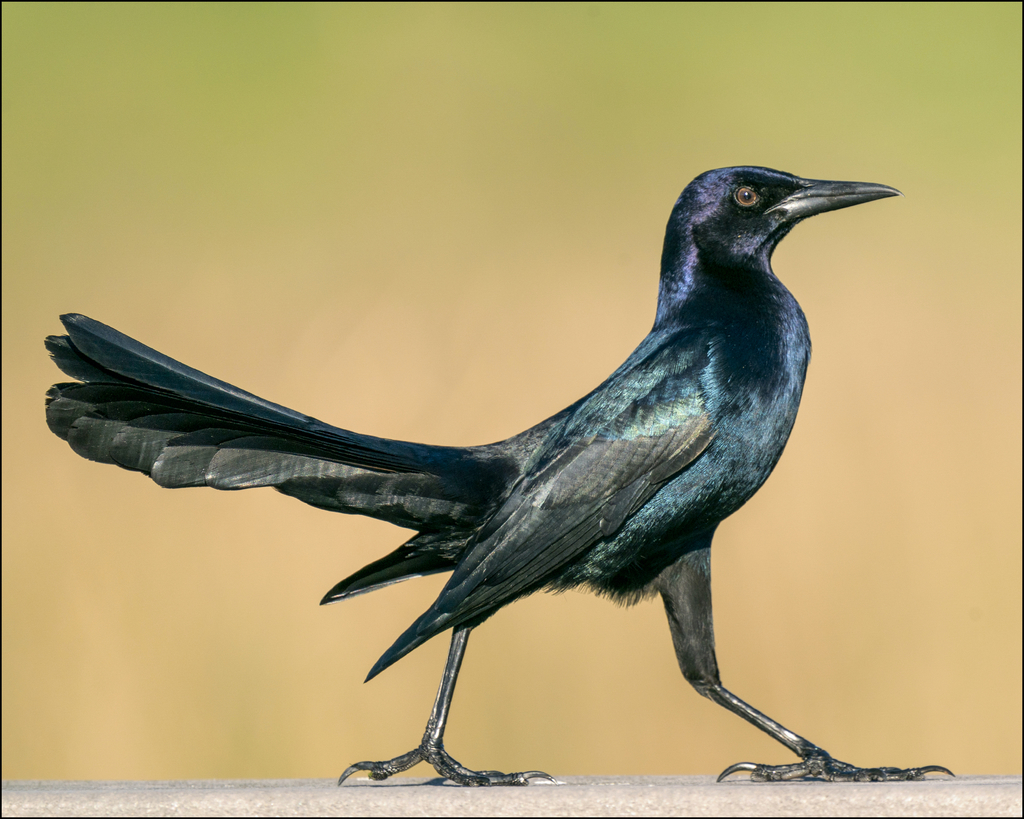
Boat-tailed Grackle

Western Kingbird

Mexican Long-nosed Armadillo
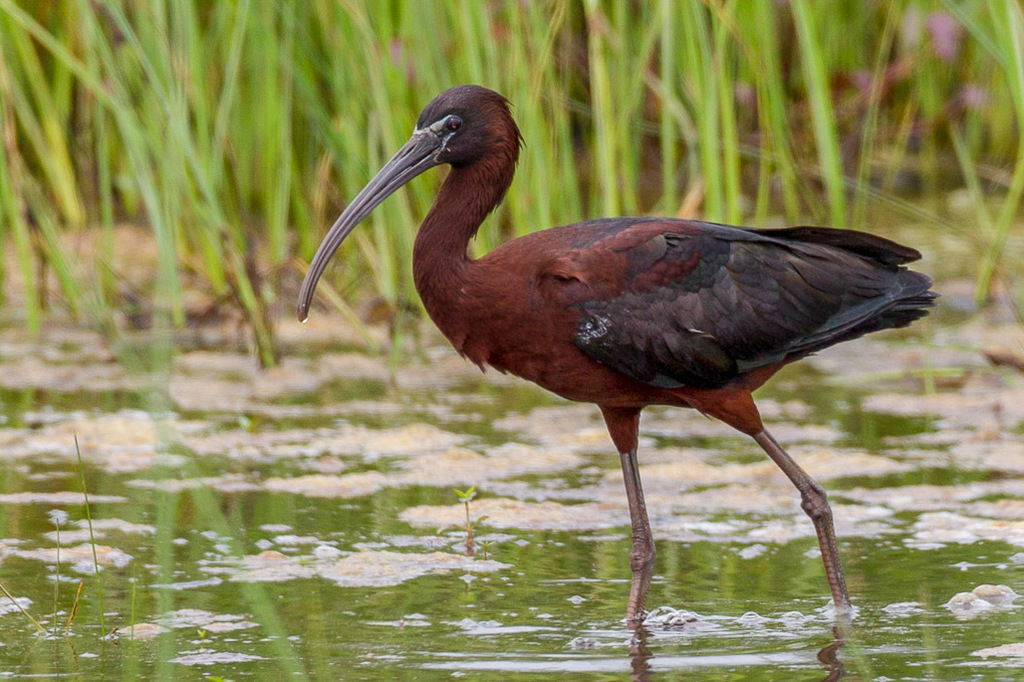
Glossy Ibis

Wood Stork

Blanchard's Cricket Frog

Painted Bunting
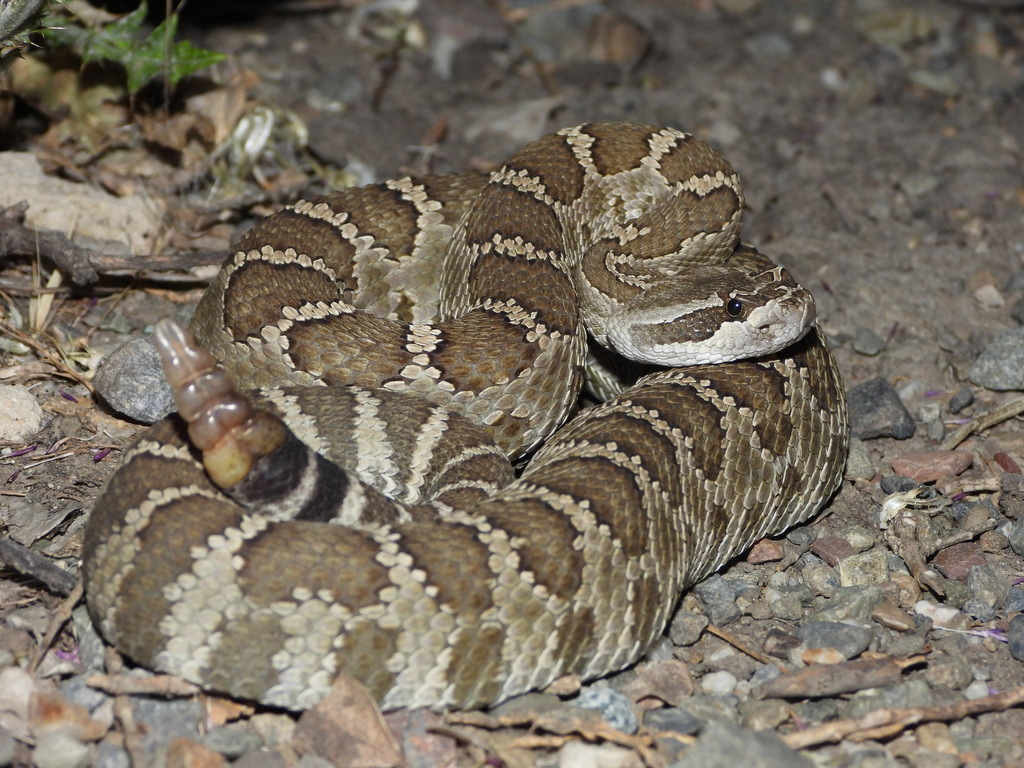
Western Rattlesnake

Horned Grebe

California Gull
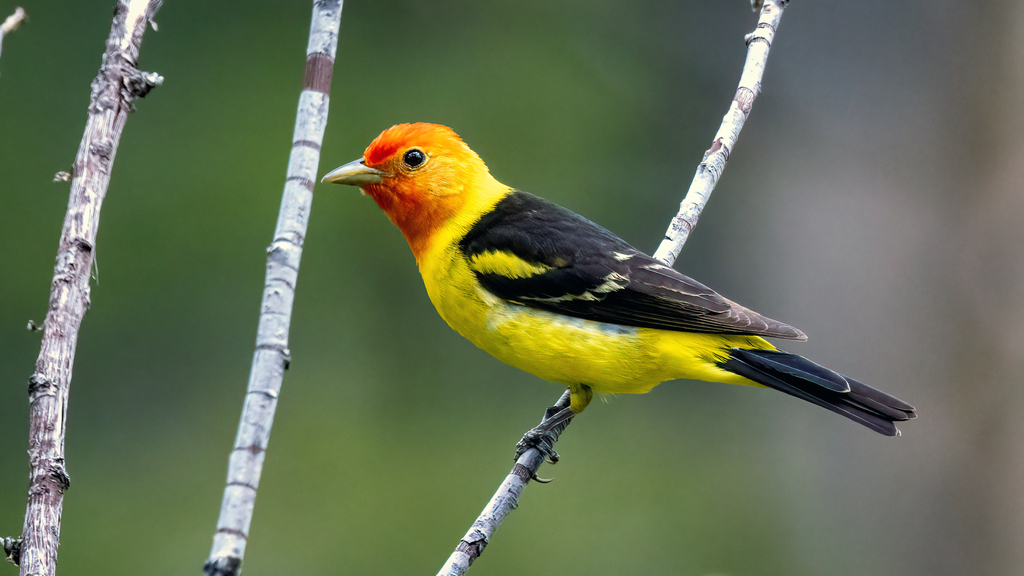
Western Tanager

Golden-crowned Kinglet

Cinnamon Teal

Lark Sparrow

Lesser Yellowlegs

Red-eyed Vireo

Hudsonian Whimbrel
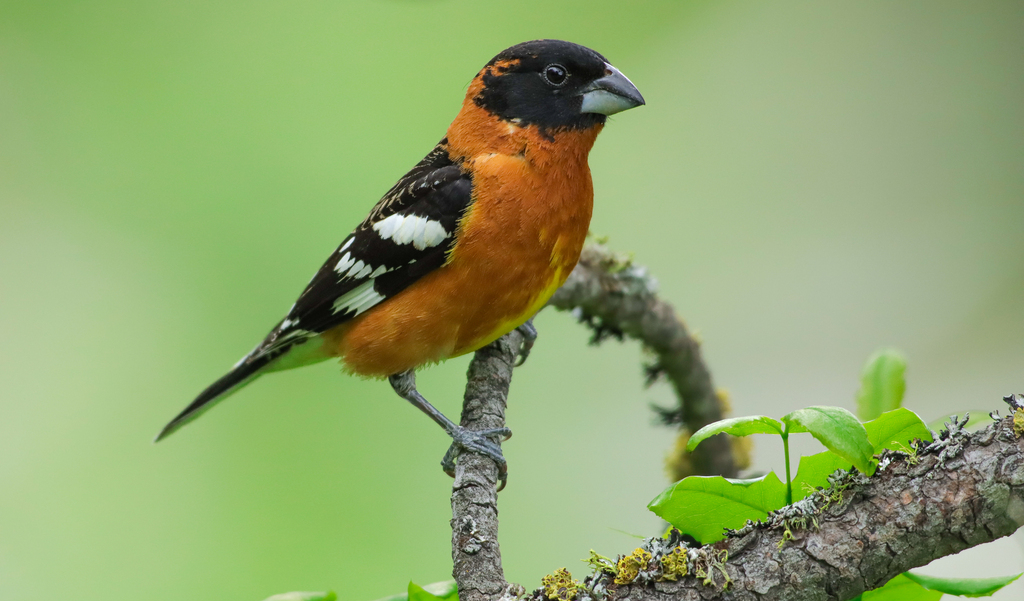
Black-headed Grosbeak

Western Meadowlark
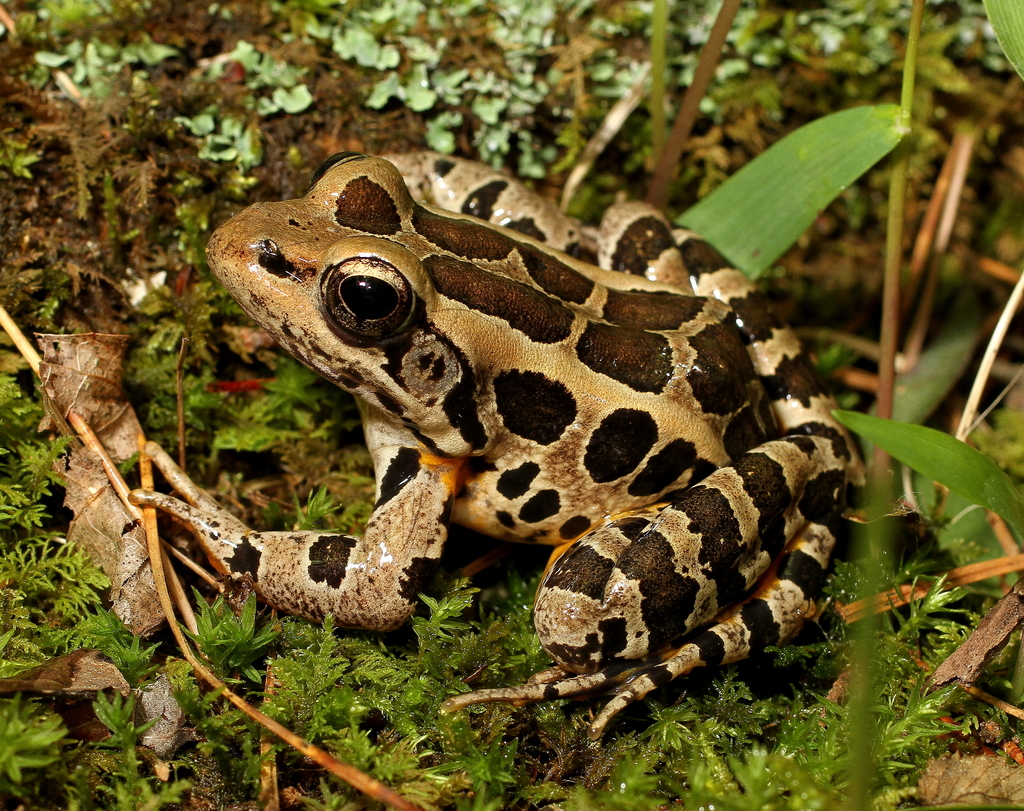
Pickerel Frog

Pine Warbler

Cliff Swallow

Hooded Oriole

Northern Parula

Curve-billed Thrasher

Red-headed Woodpecker

American Tree Sparrow

Surf Scoter

Solitary Sandpiper
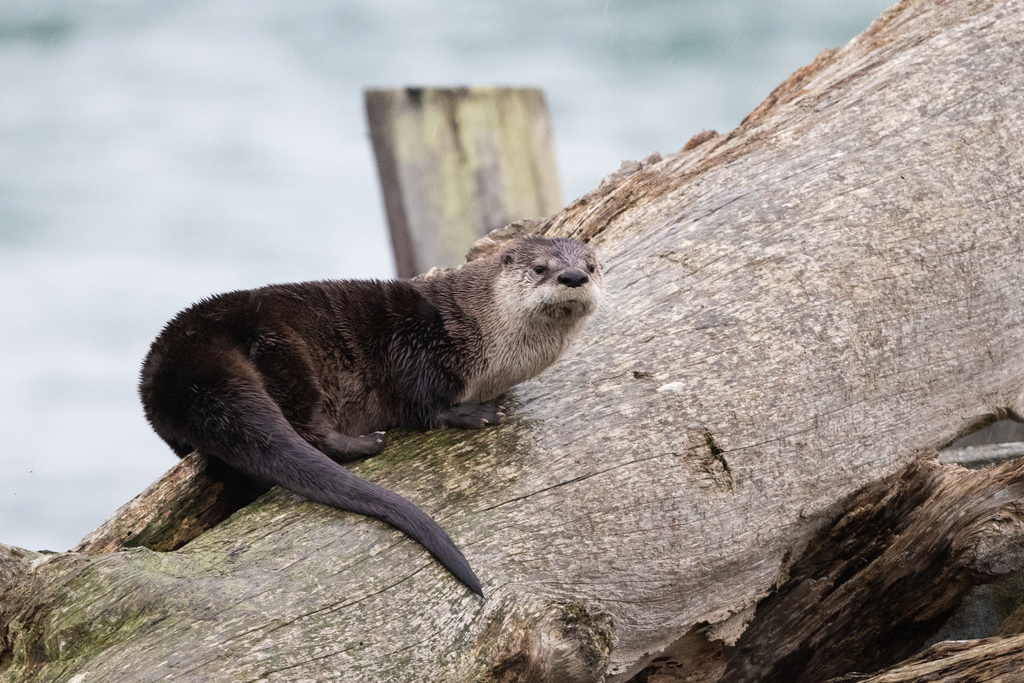
Northern River Otter

Forster's Tern

Swainson's Hawk

Common Peafowl

Cassin's Kingbird

Northern Rough-winged Swallow
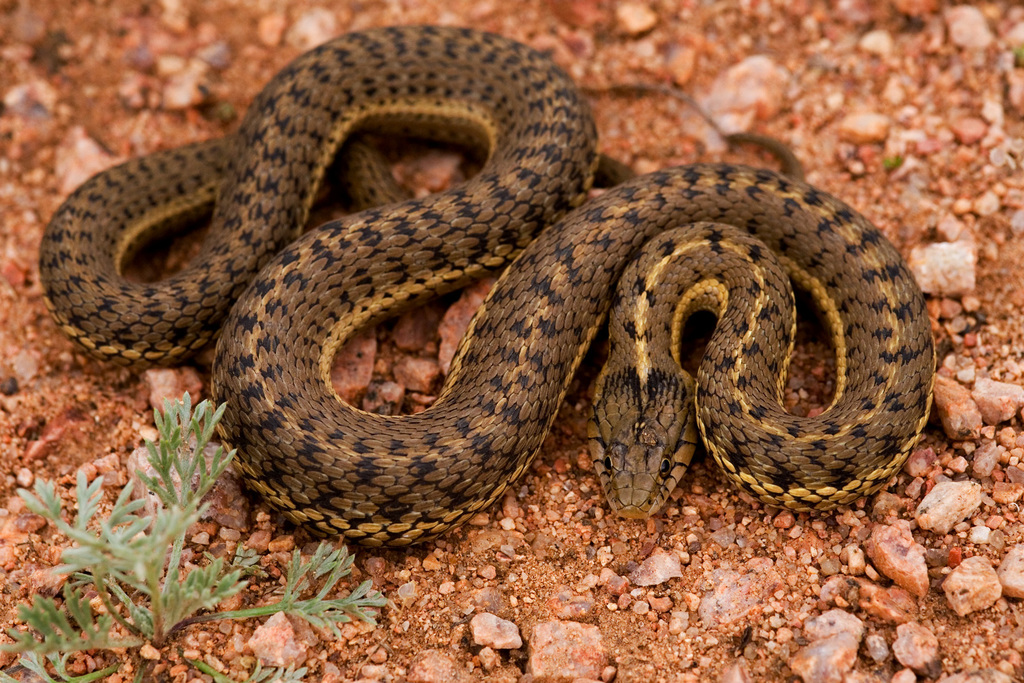
Western Terrestrial Garter Snake

Southern Leopard Frog

Fox Sparrow
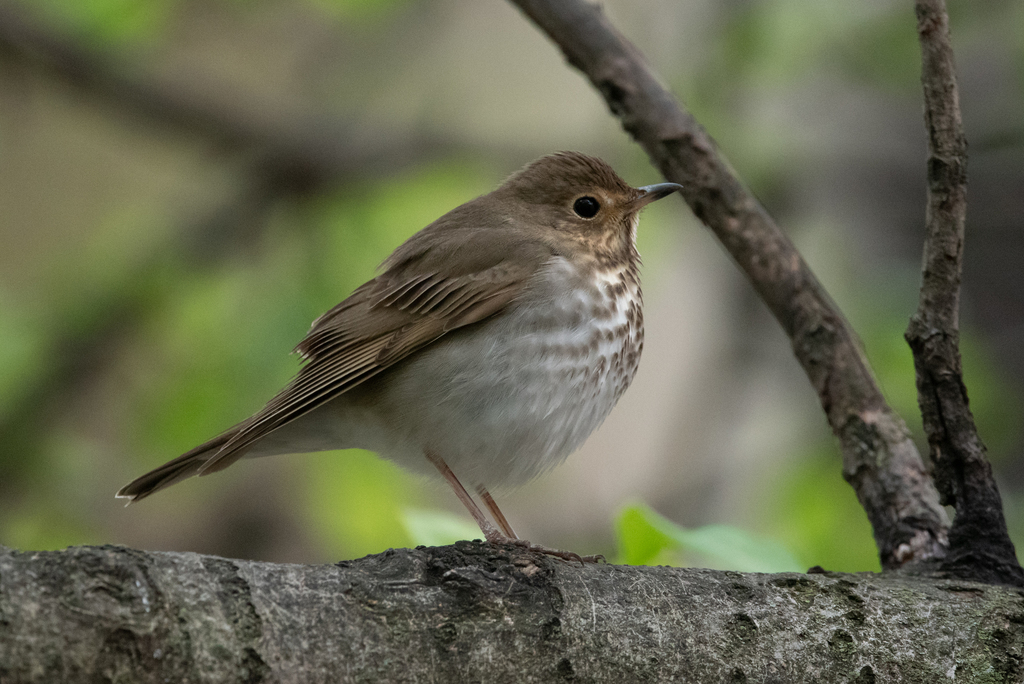
Swainson's Thrush

Scissor-tailed Flycatcher

Greater Scaup

Redhead

Horned Lark

Swamp Sparrow
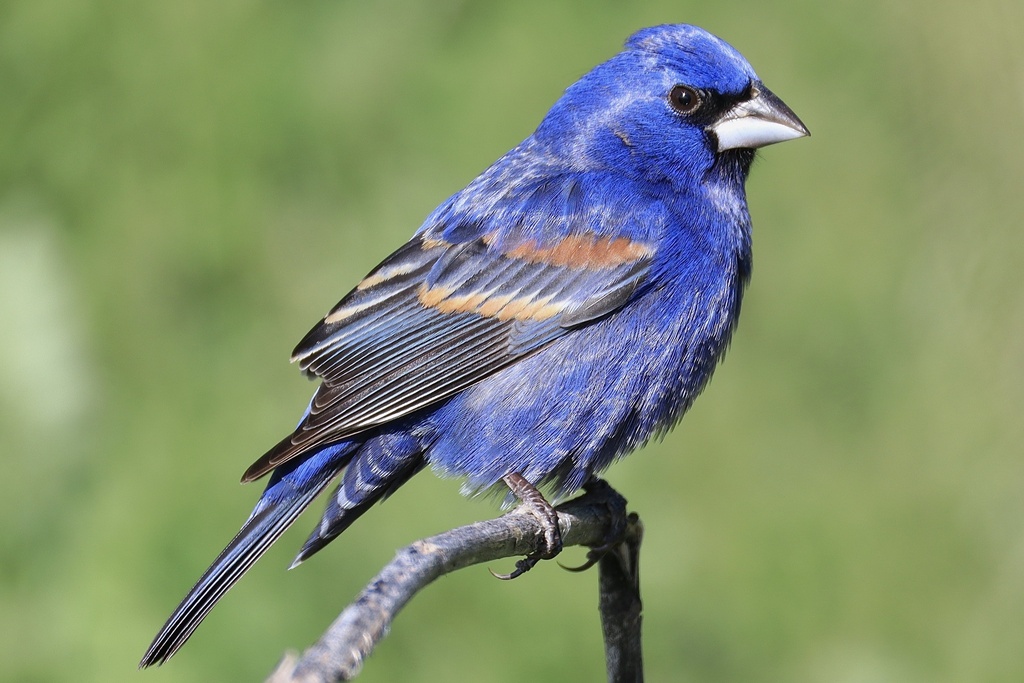
Blue Grosbeak

Bighorn Sheep

Great Crested Flycatcher

Gopher Tortoise

Purple Martin

Broad-winged Hawk

Limpkin

California Slender Salamander

Nashville Warbler

Marbled Godwit

Chestnut-backed Chickadee
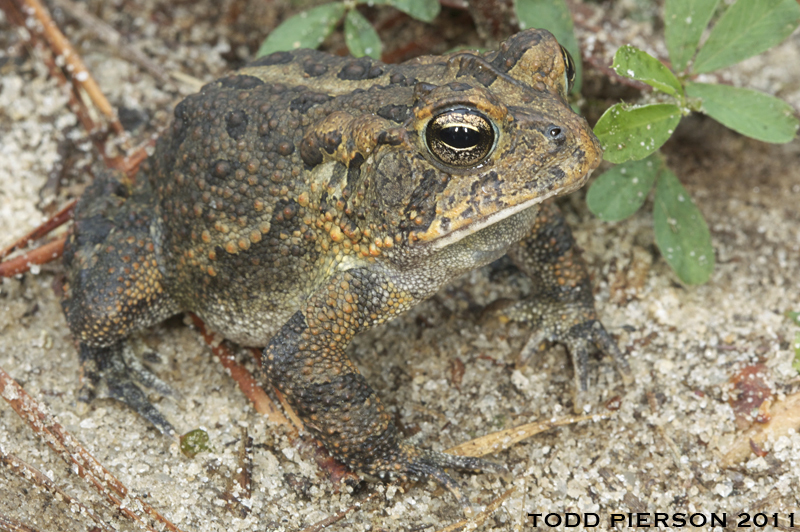
Southern Toad

Red Crossbill
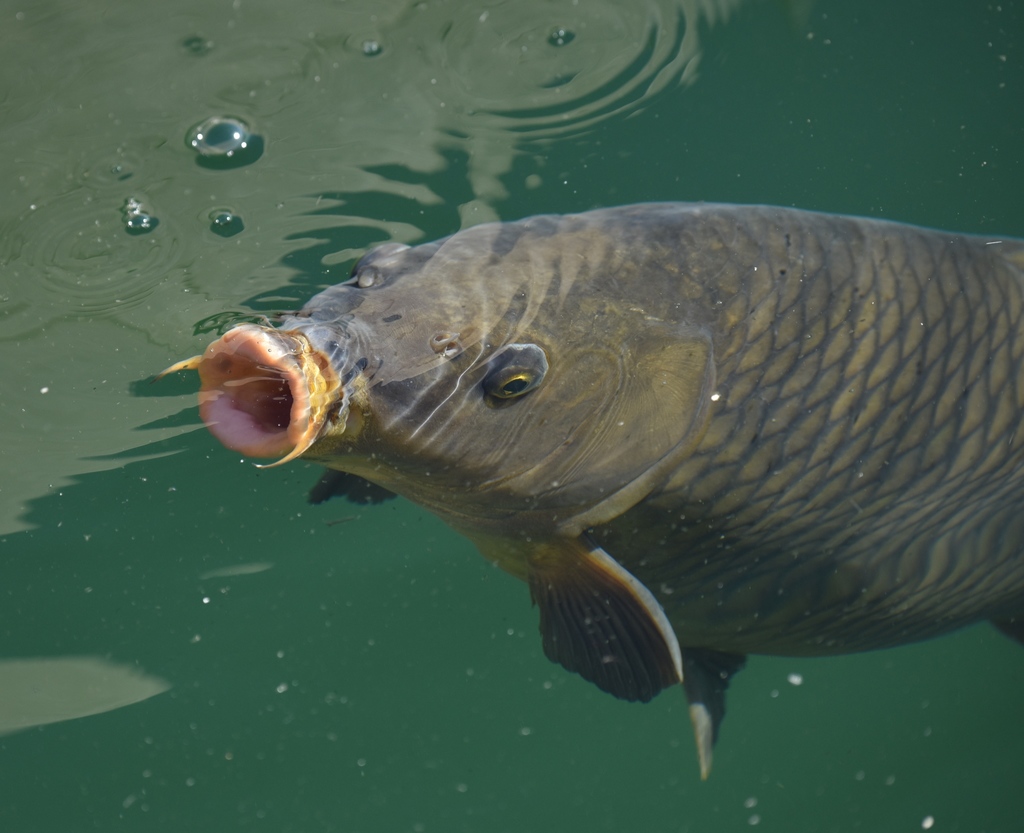
Common Carp

Ladder-backed Woodpecker

Common Porcupine

Ovenbird

Nutmeg Mannikin
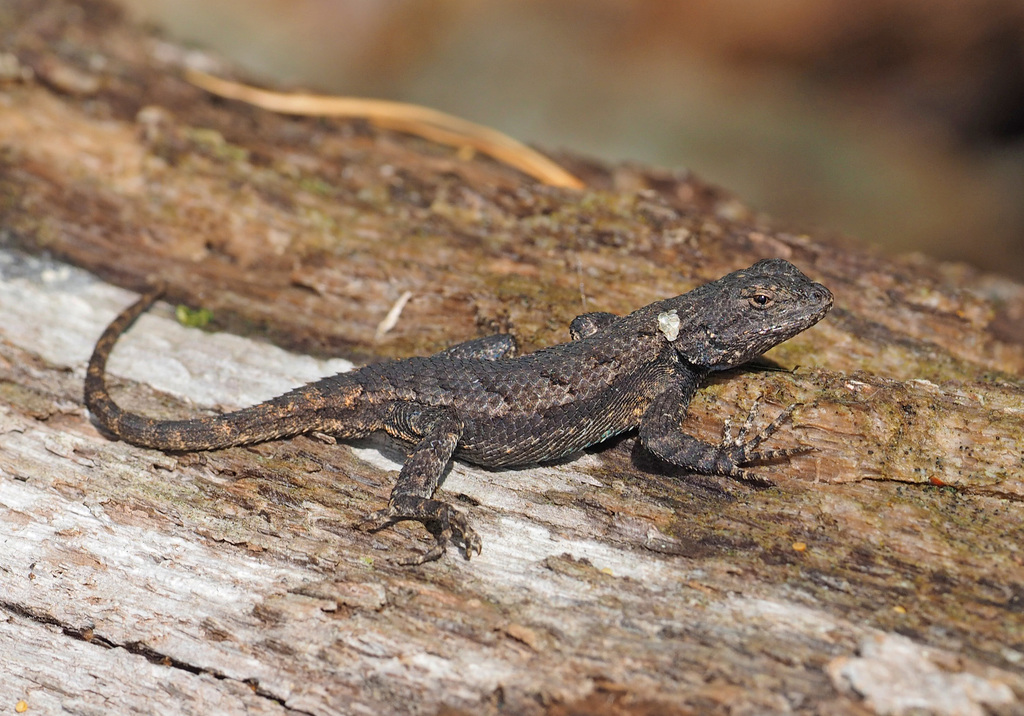
Eastern Fence Lizard
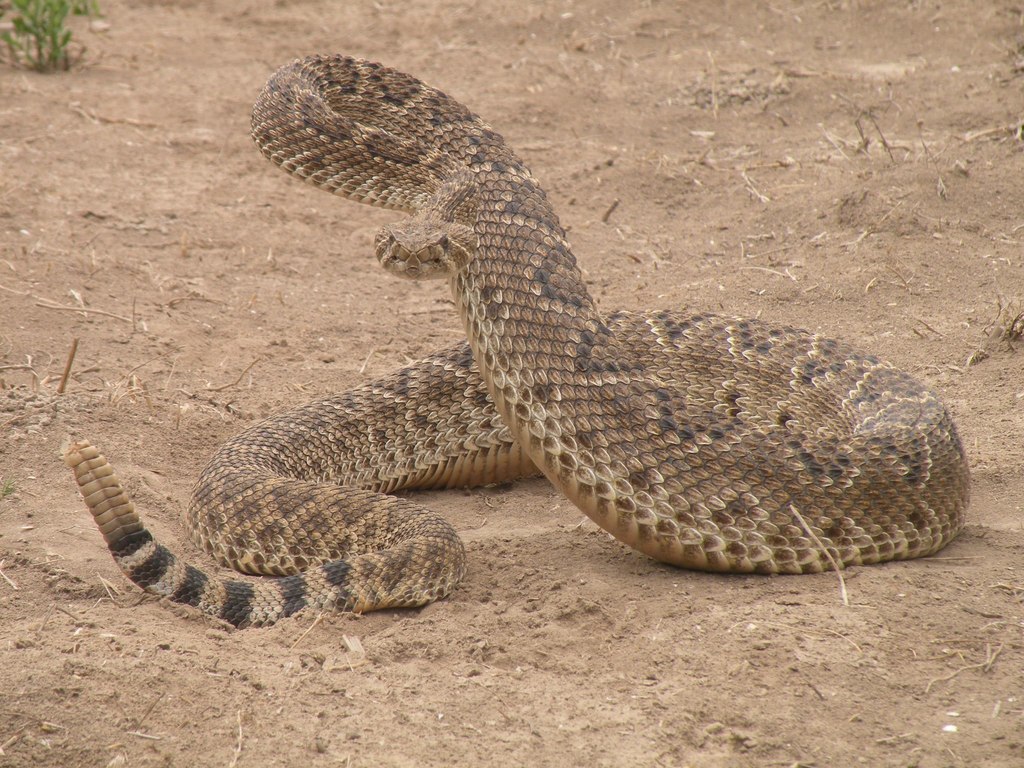
Western Diamondback Rattlesnake

Eastern Wood-Pewee

Magnolia Warbler

Black-throated Green Warbler

American Black Duck

Long-billed Curlew

Bonaparte's Gull

Field Sparrow

Long-tailed Duck
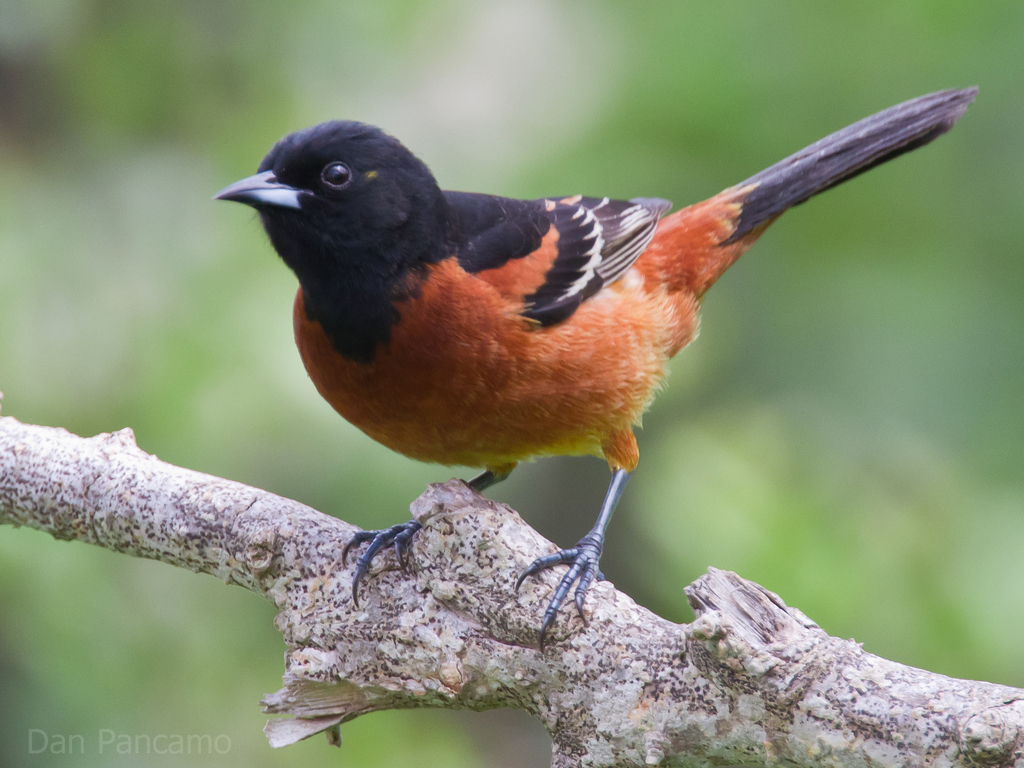
Orchard Oriole
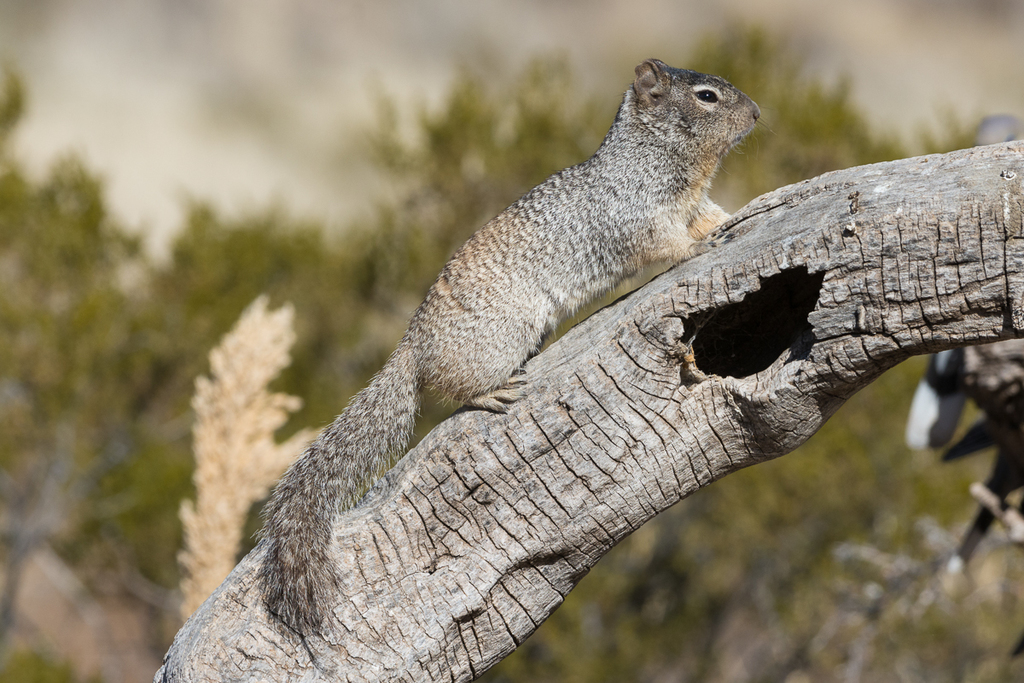
Rock Squirrel

Scarlet Tanager
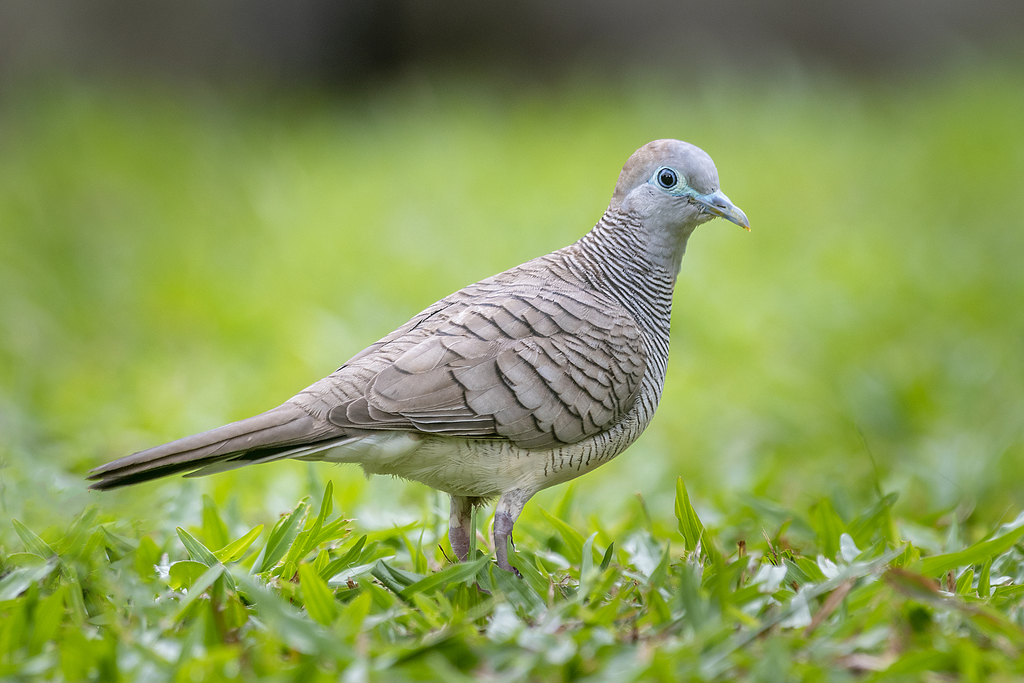
Zebra Dove

Brant

Cuban Treefrog

Ensatina

Yellow-headed Blackbird

Tropical House Gecko

Sharp-shinned Hawk
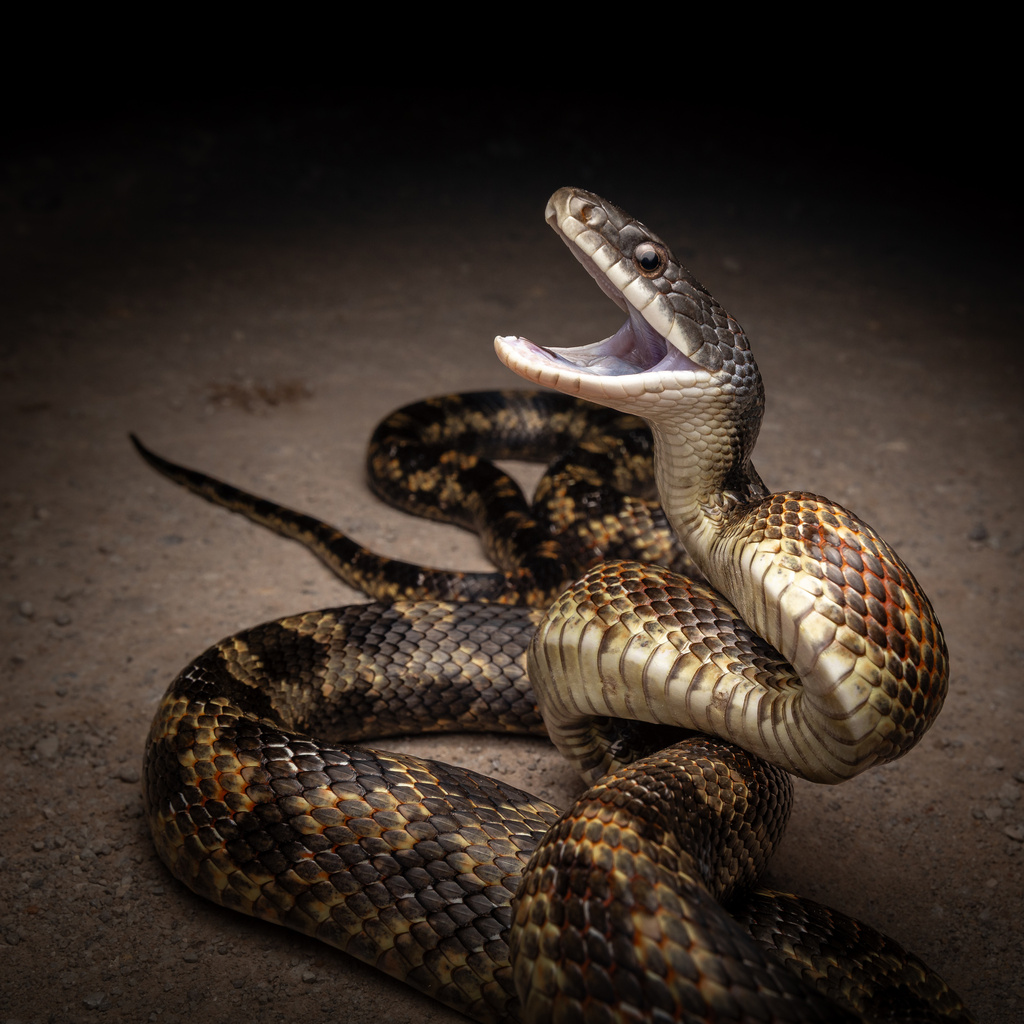
Western Rat Snake

Townsend's Warbler
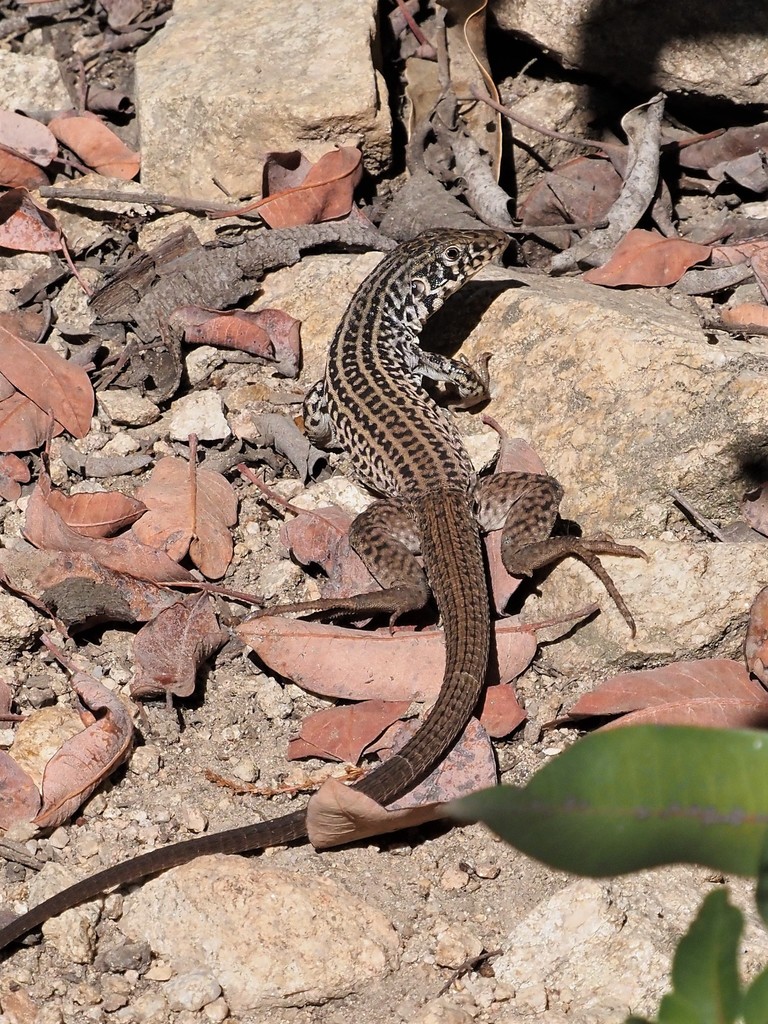
Western Whiptail
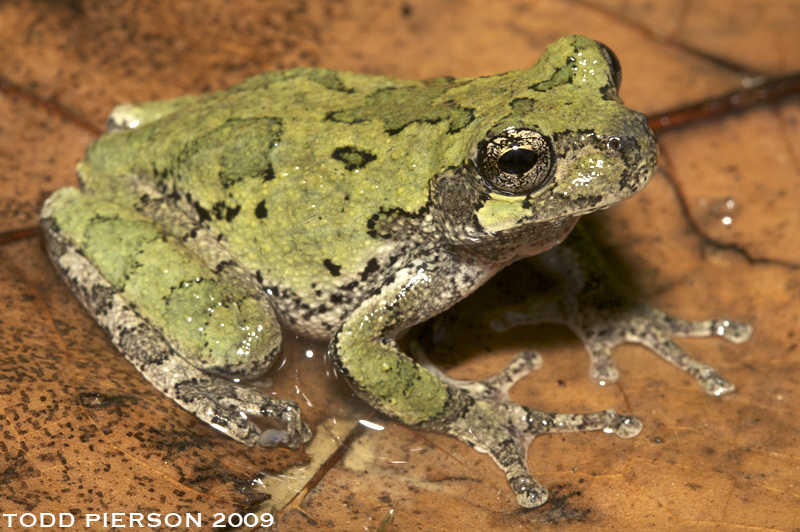
Cope's Gray Tree Frog

Norway Rat

Wilson's Snipe
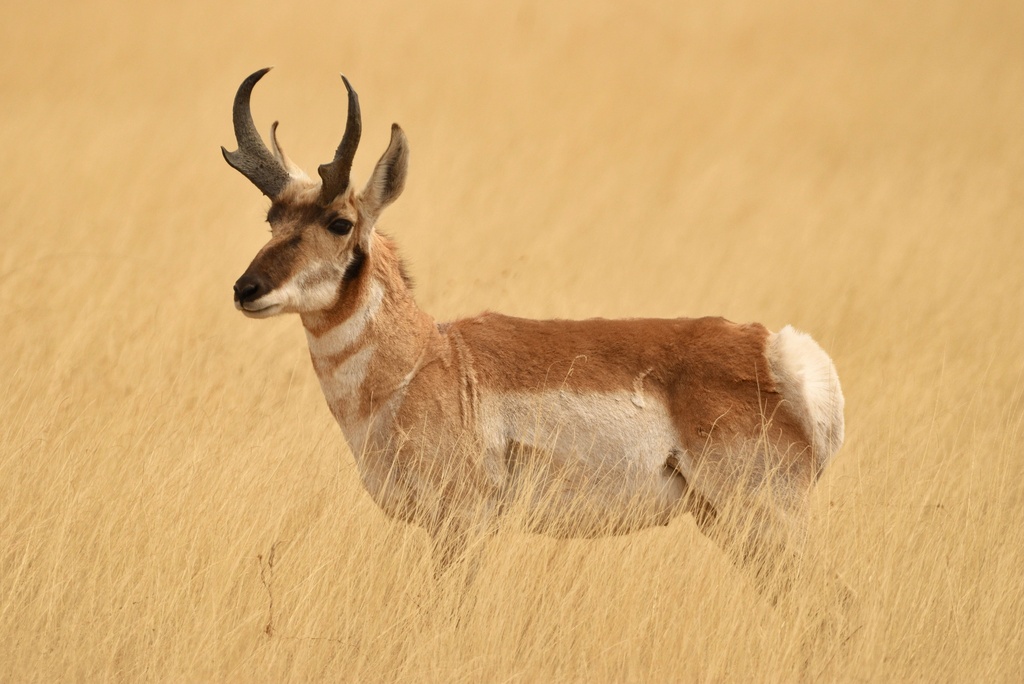
Pronghorn

Heermann's Gull

American Bison

White-eyed Vireo

Sandwich Tern

American Oystercatcher

Black Skimmer

White-tailed Kite

American Pipit

Tennessee Warbler

Black-chinned Hummingbird

Eastern Rat Snake

Plain-bellied Water Snake

Golden Eagle
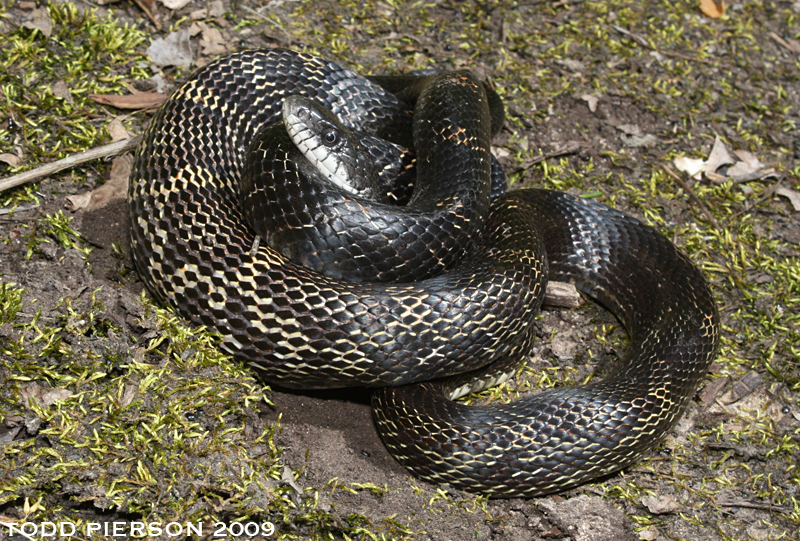
Gray Ratsnake

Chestnut-sided Warbler

Rough-skinned Newt

Common Murre
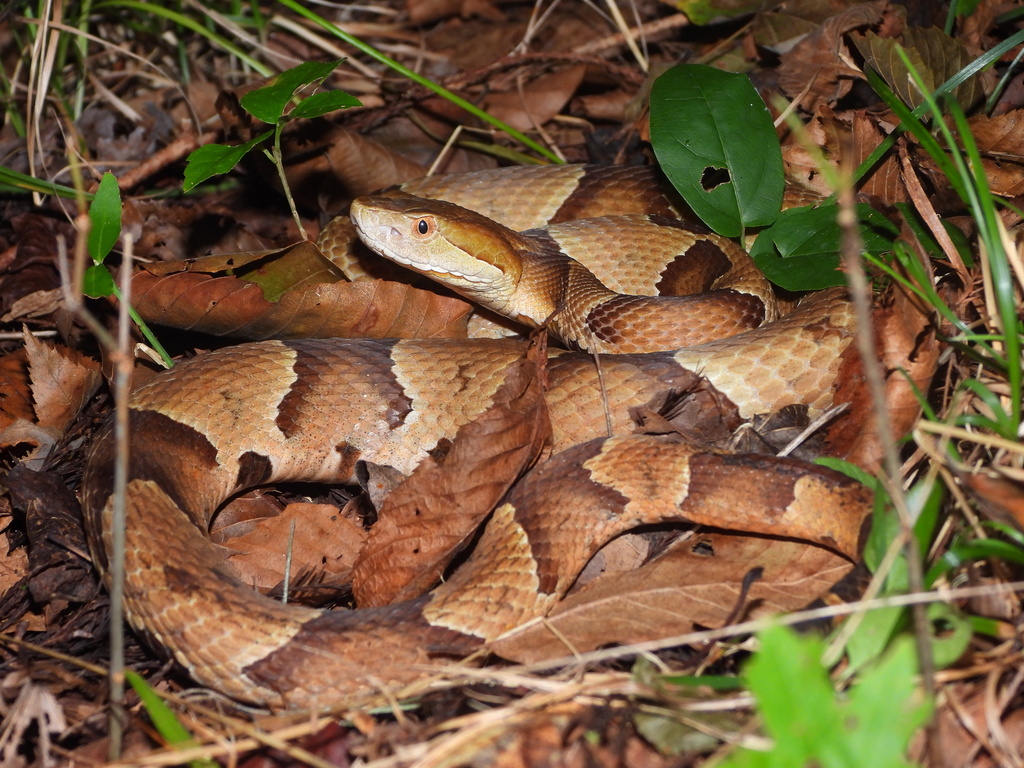
Eastern Copperhead

Golden-mantled Ground Squirrel
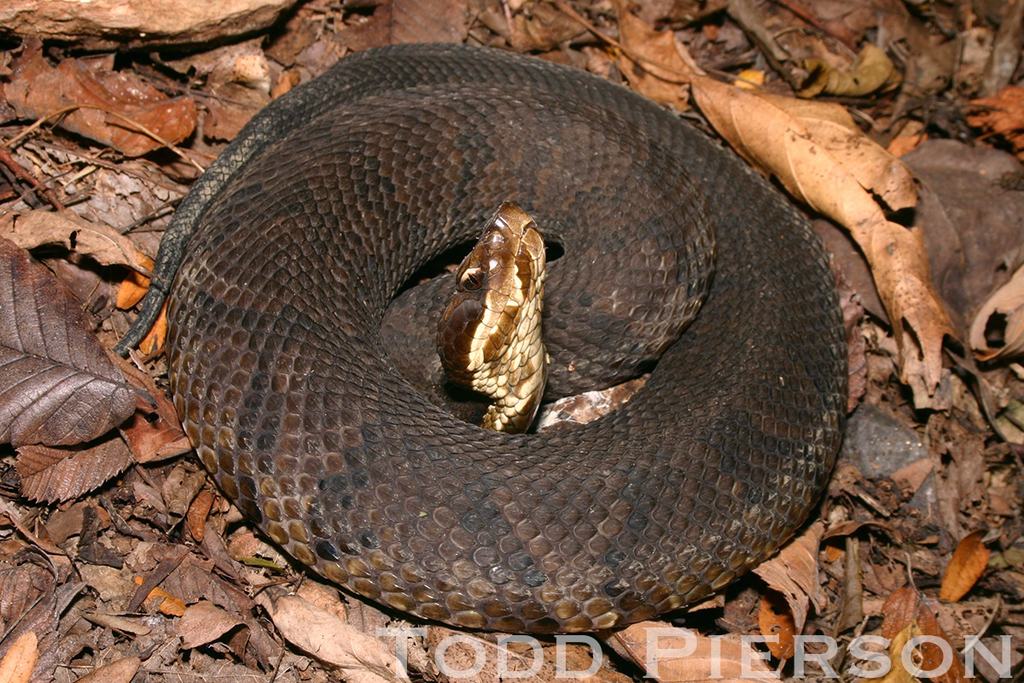
Northern Cottonmouth

Phainopepla

Rainbow Trout

Western Grebe
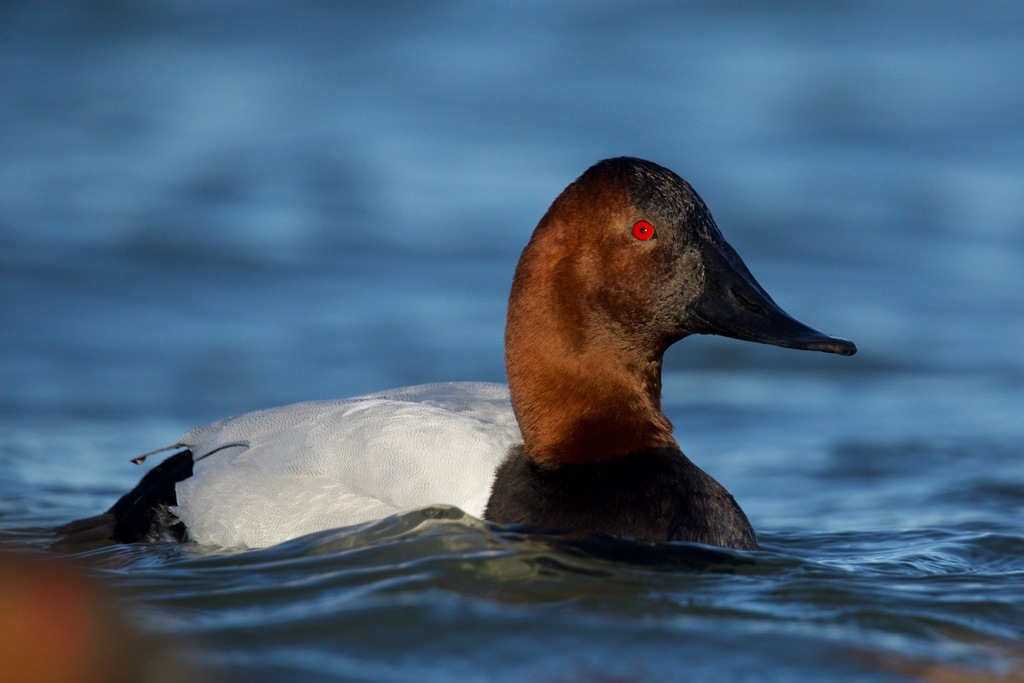
Canvasback

Black-tailed Jackrabbit

Northern Gannet
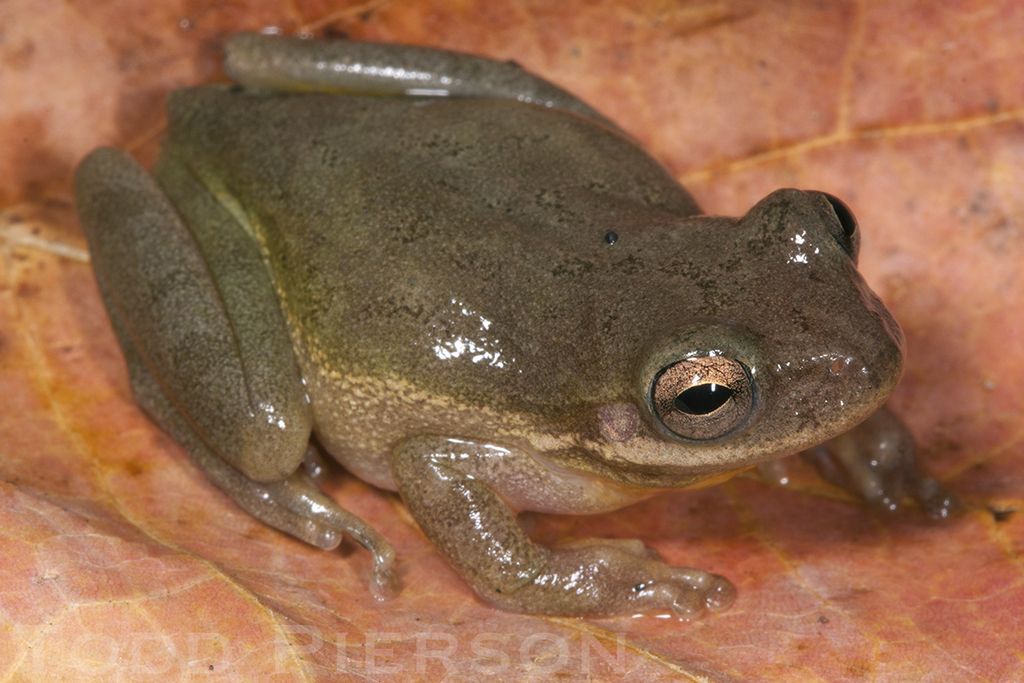
Squirrel Tree Frog

Allen's Hummingbird

Banded Water Snake

Black Oystercatcher

Harris' Hawk

Eastern Milksnake

Mountain Bluebird

Nuttall's Woodpecker

Warbling Vireo
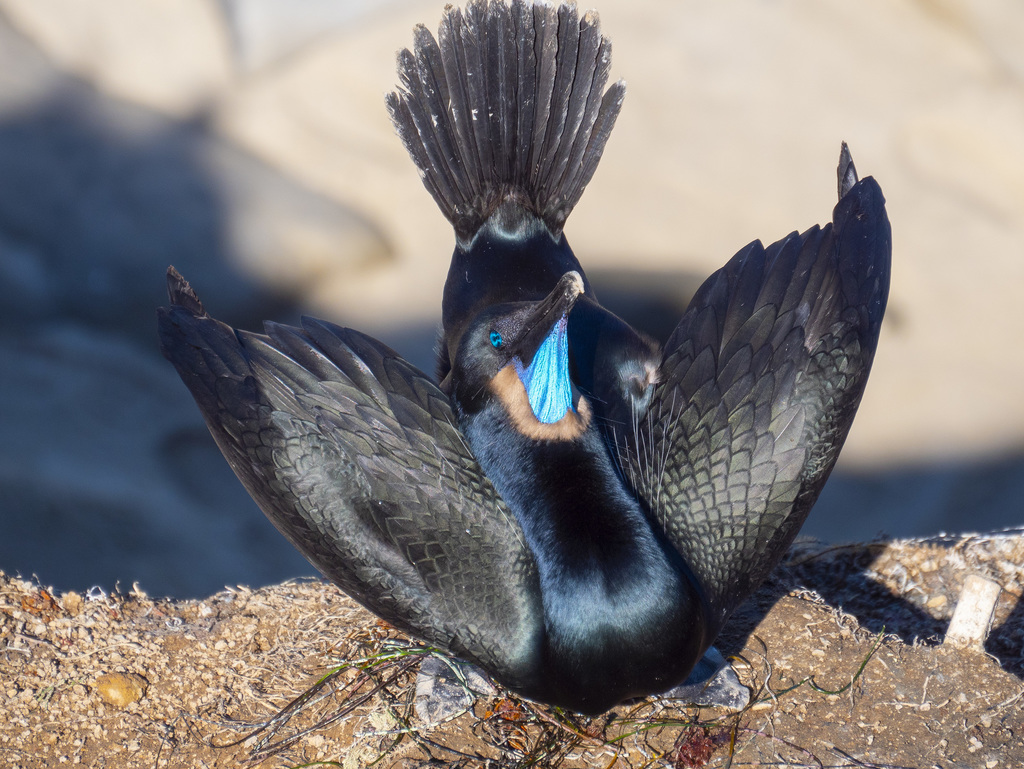
Townsend's Cormorant

Bottlenose Dolphin

Spiny Softshell Turtle

Redbelly Snake

Three-toed Box Turtle

Tundra Swan

American Mink
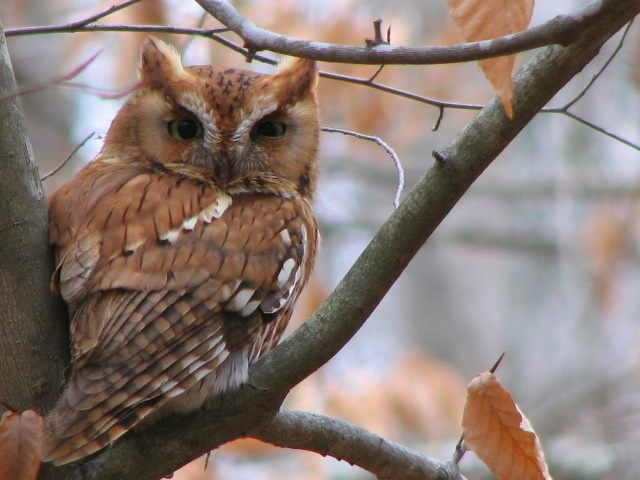
Eastern Screech-Owl

Ash-throated Flycatcher

Mississippi Kite

Gray Jay
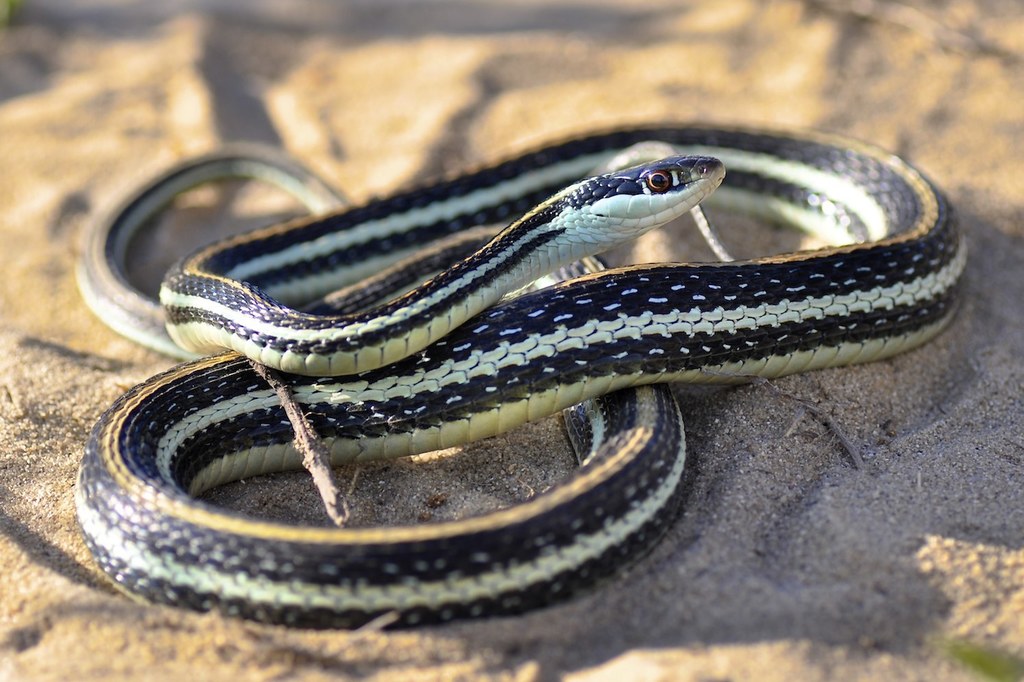
Western Ribbon Snake

Rough Green Snake

Vesper Sparrow
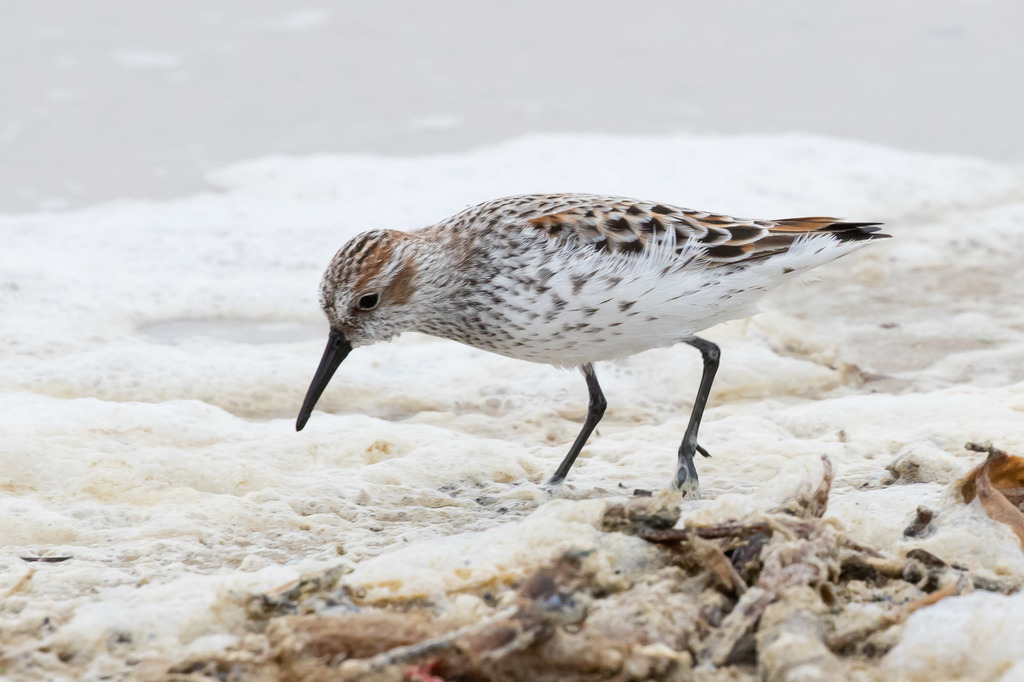
Western Sandpiper

Reddish Egret

Little Brown Skink

Bullock's Oriole

Western Gray Squirrel

American Purple Gallinule

Rufous Hummingbird

Violet-green Swallow

Black-throated Sparrow

Cactus Wren

Rock Wren

Yellow-bellied Marmot

Eastern Meadowlark

Western Mosquitofish
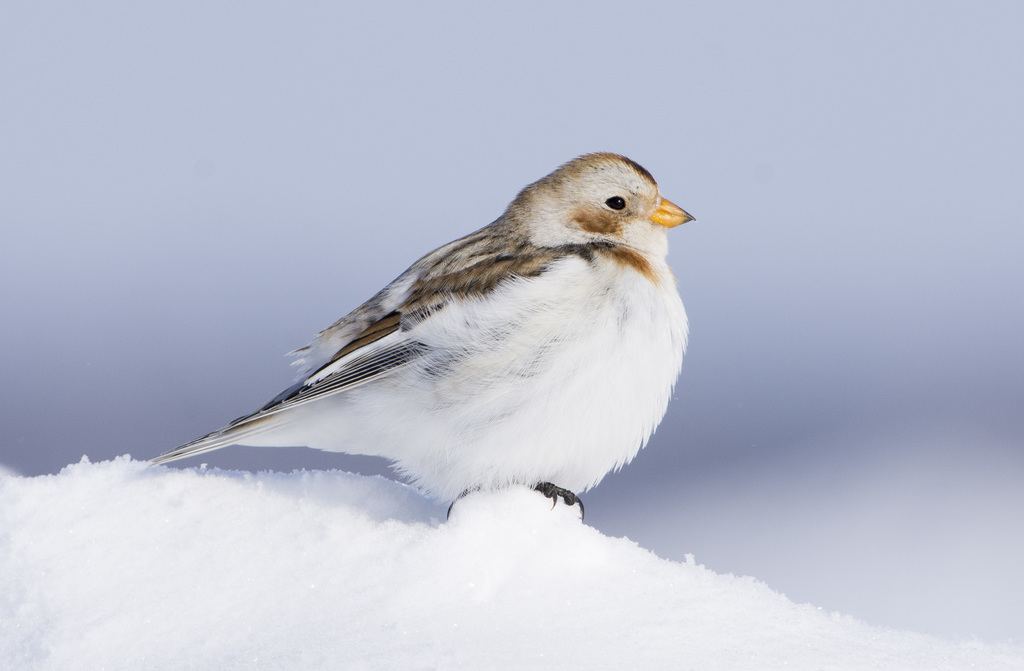
Snow Bunting

Desert Spiny Lizard

Ornate Tree Lizard

Common Spotted Whiptail

Band-tailed Pigeon

Oak Titmouse

Gambel's Quail
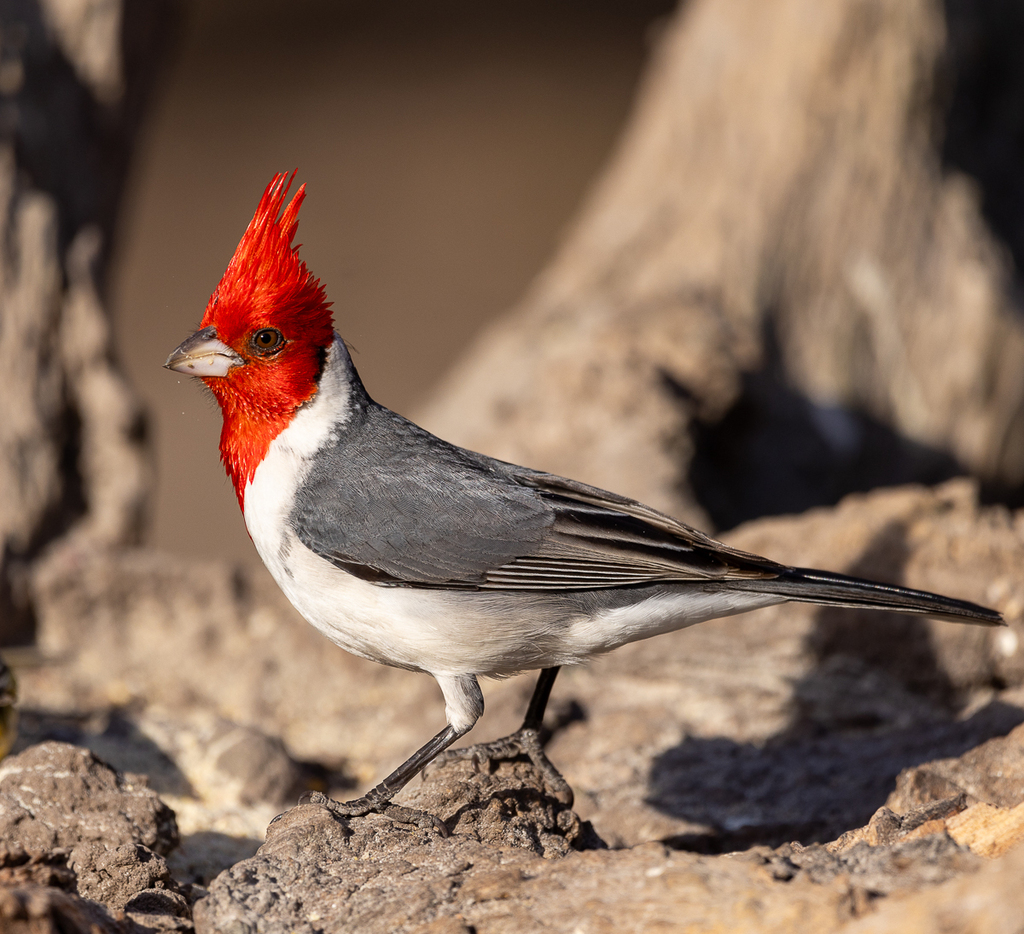
Red-crested Cardinal

Mountain Chickadee
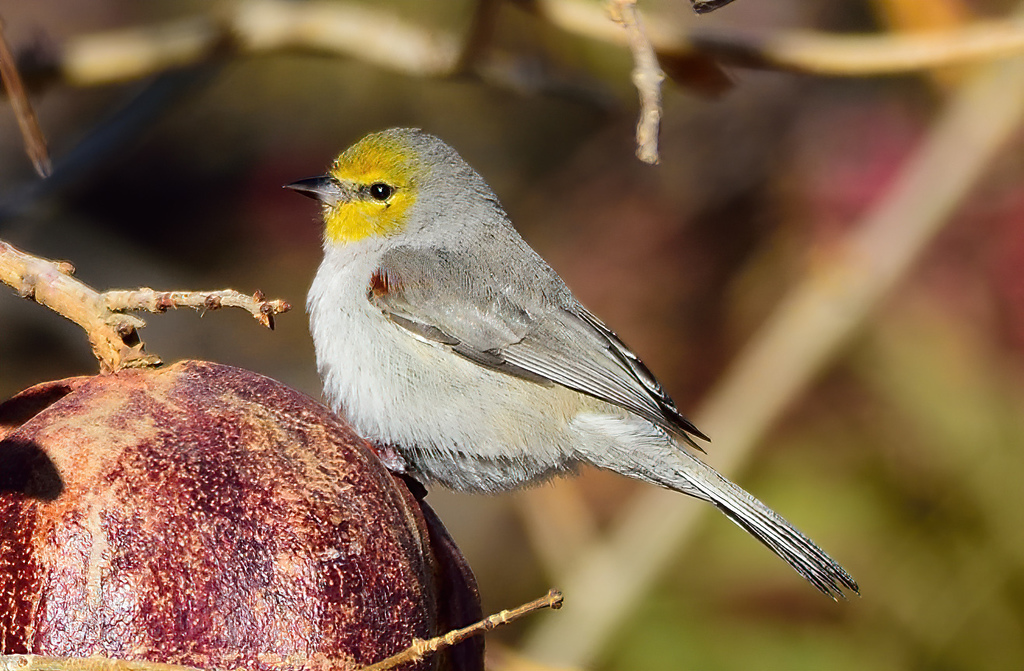
Verdin
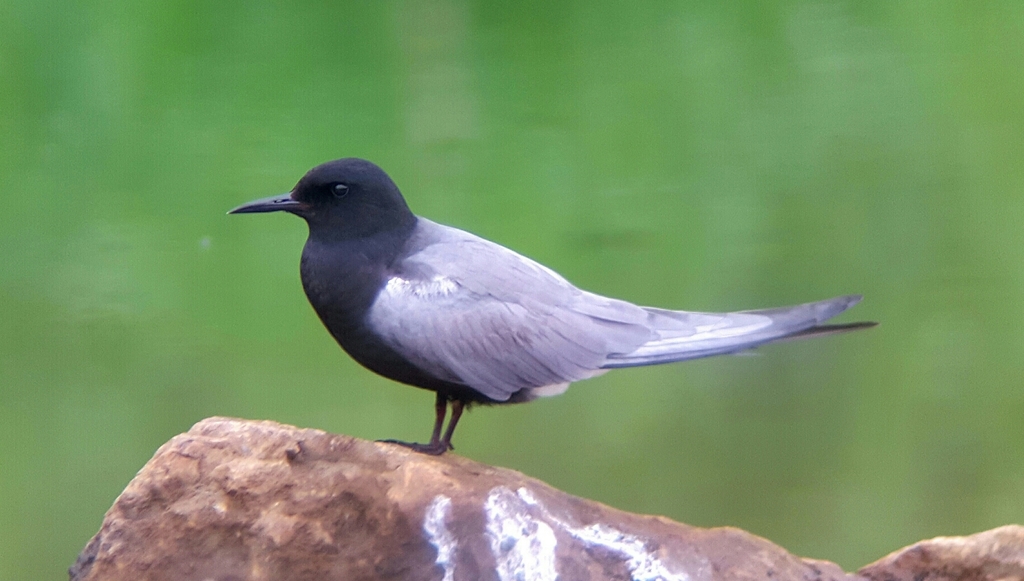
Black Tern

Harlequin Duck
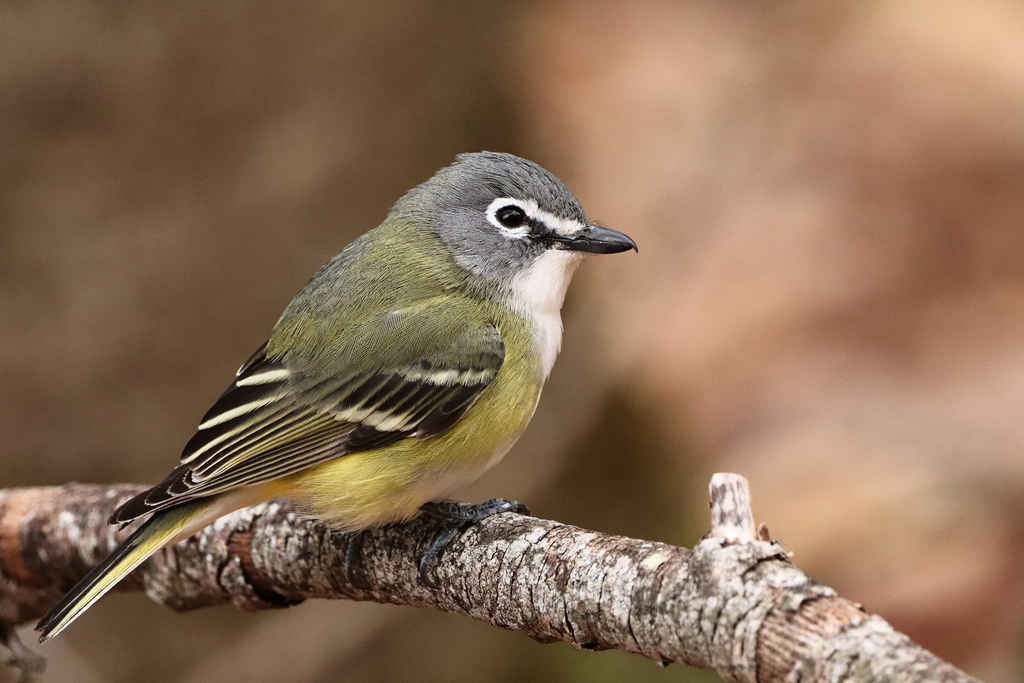
Blue-headed Vireo

Blackburnian Warbler
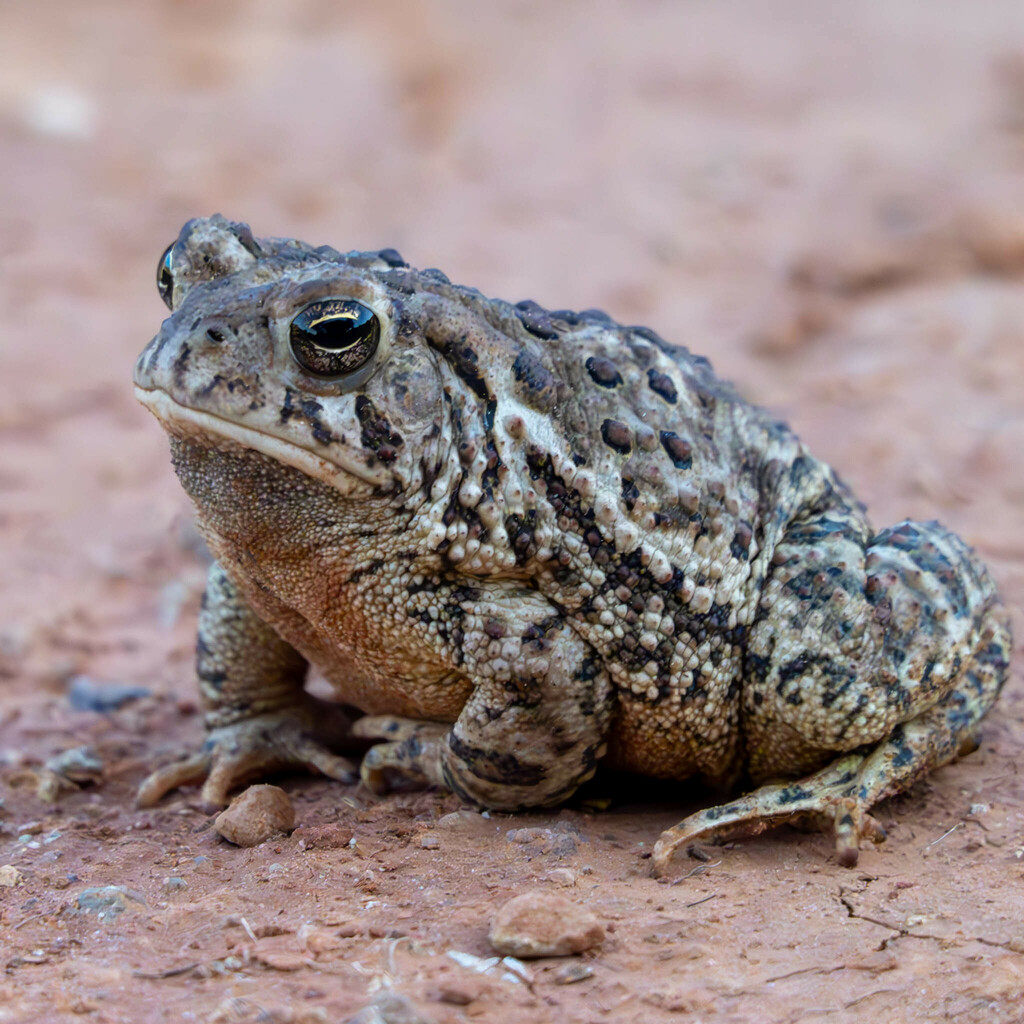
Woodhouse's Toad

Marsh Wren
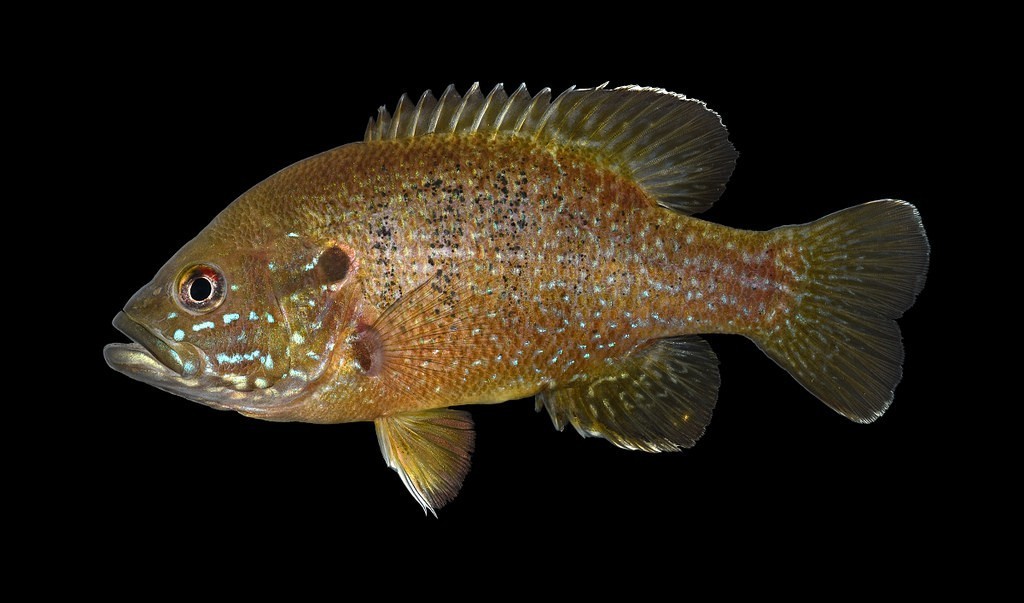
Green Sunfish

Cape May Warbler
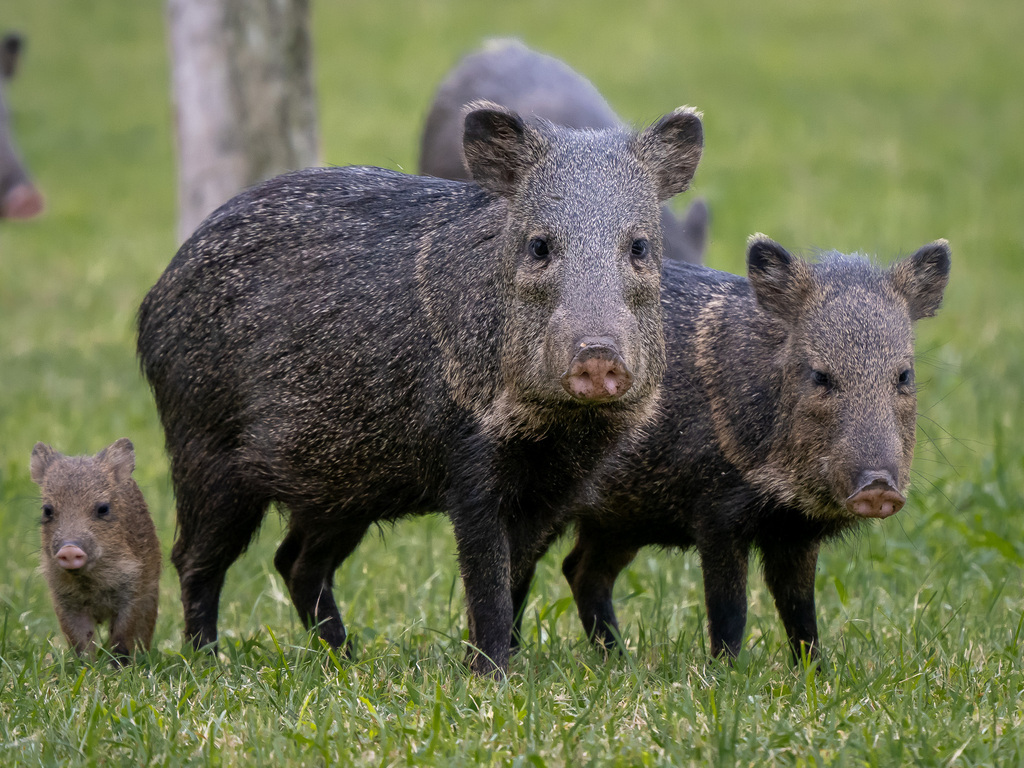
Collared Peccary

Northern Curly-tailed Lizard

Semipalmated Sandpiper

Glaucous-winged Gull

Pectoral Sandpiper

Western Wood-Pewee

Wood Thrush
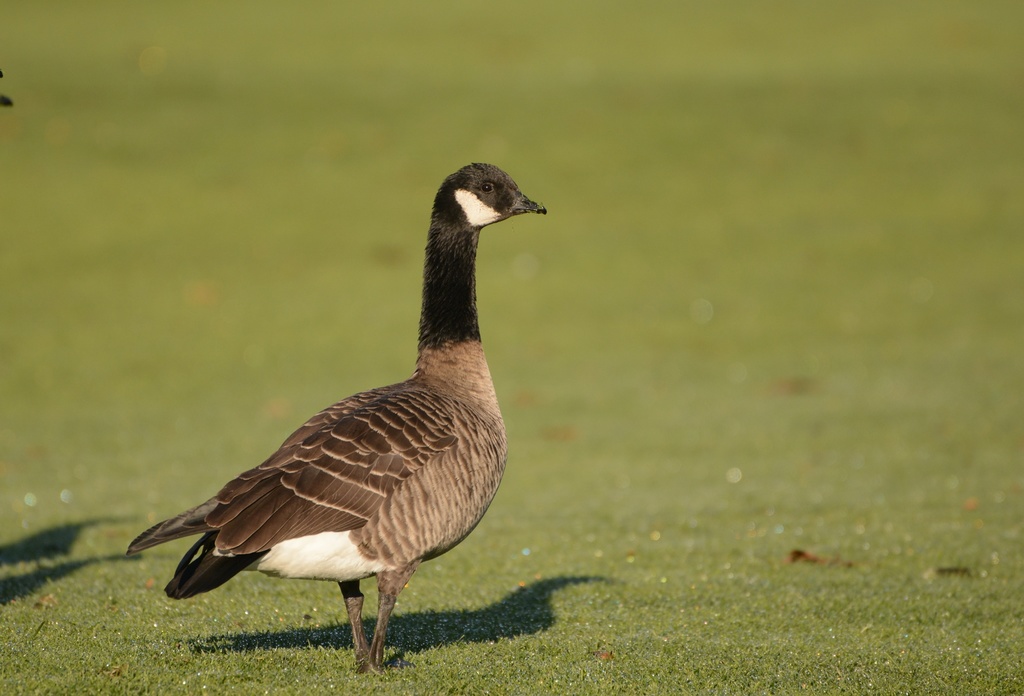
Cackling Goose

Short-eared Owl

Long-billed Dowitcher

Sea Otter

Northern Waterthrush
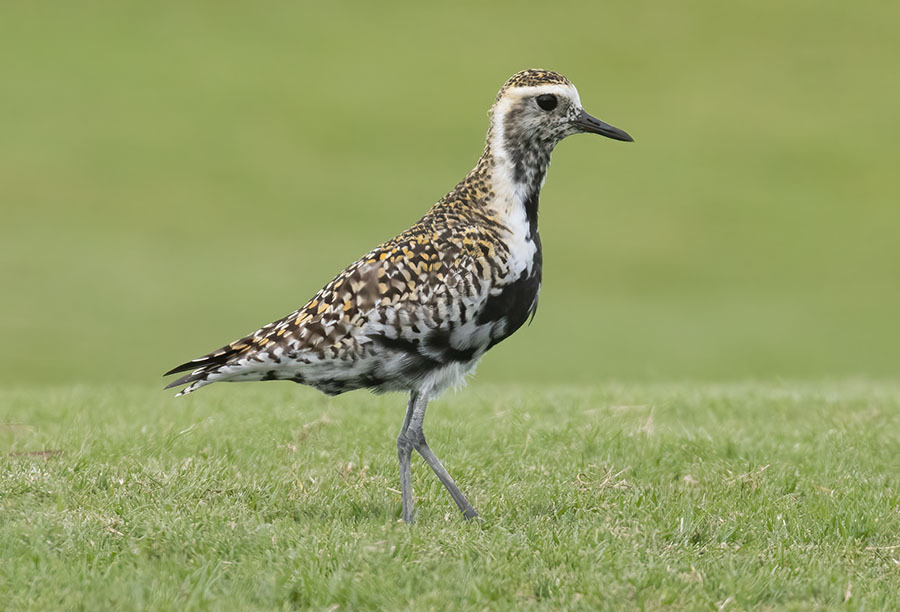
Pacific Golden-Plover

Bay-breasted Warbler
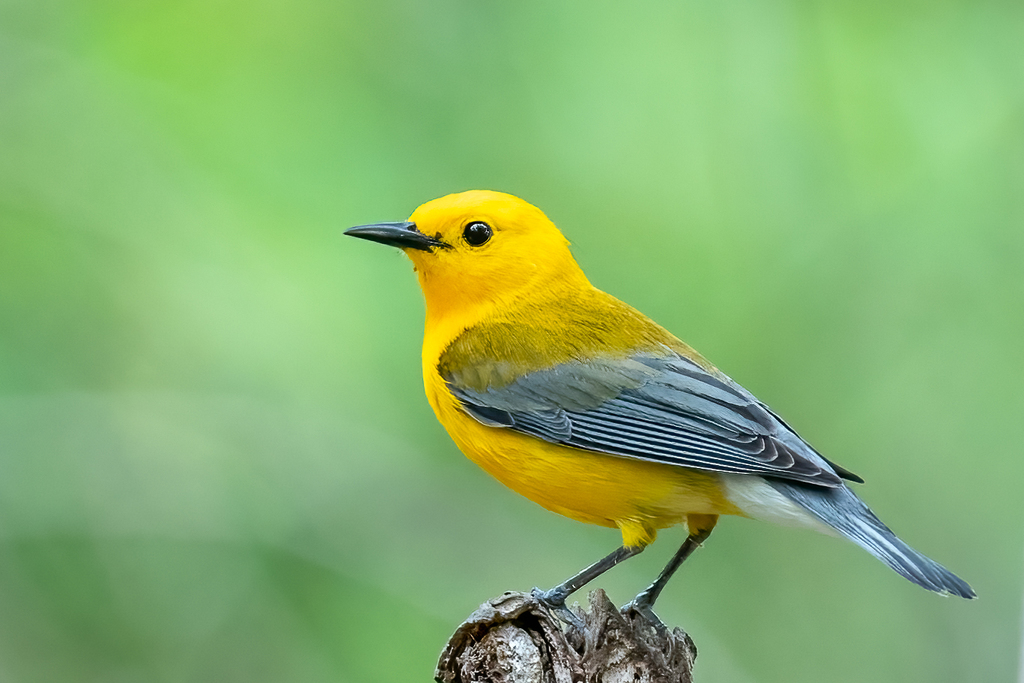
Prothonotary Warbler

Pumpkinseed Sunfish

Black-throated Blue Warbler

Short-billed Gull

Douglas' Squirrel

Northern Two-lined Salamander

Black-tailed Prairie Dog

Smallmouth Bass
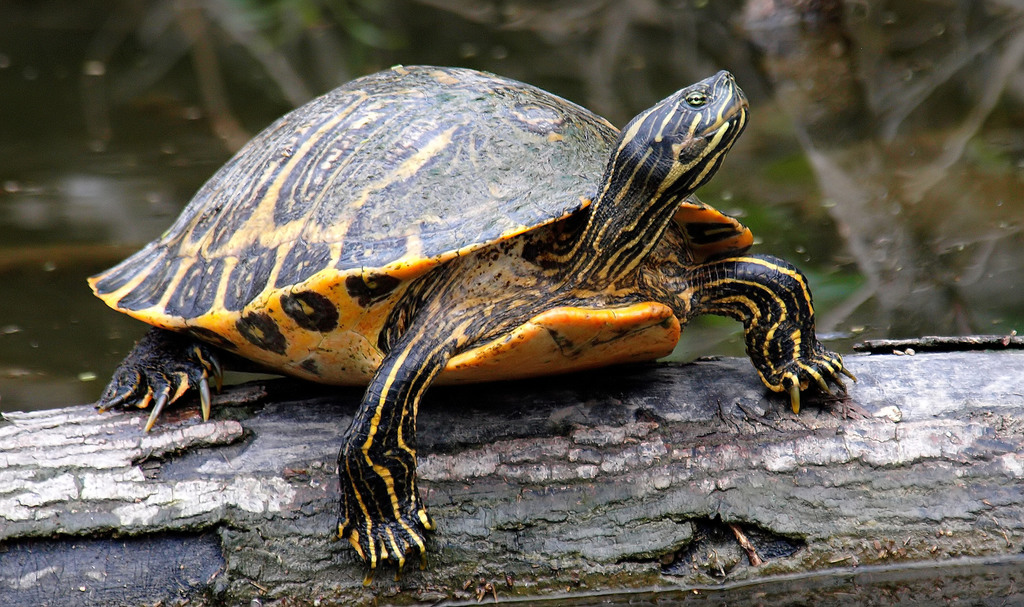
River Cooter

Gila Woodpecker

Pelagic Cormorant

Lazuli Bunting

Common Nighthawk
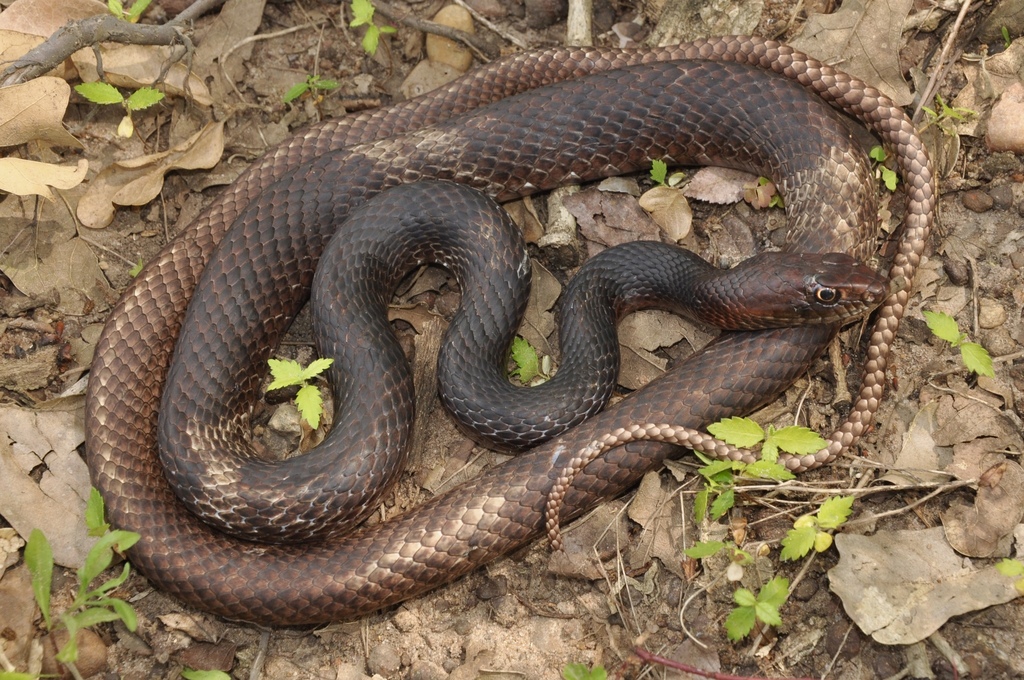
Coachwhip

Dickcissel

Wilson's Phalarope

Red-necked Phalarope

Barrow's Goldeneye

Clay-colored Sparrow

Snowy Plover

Varied Thrush
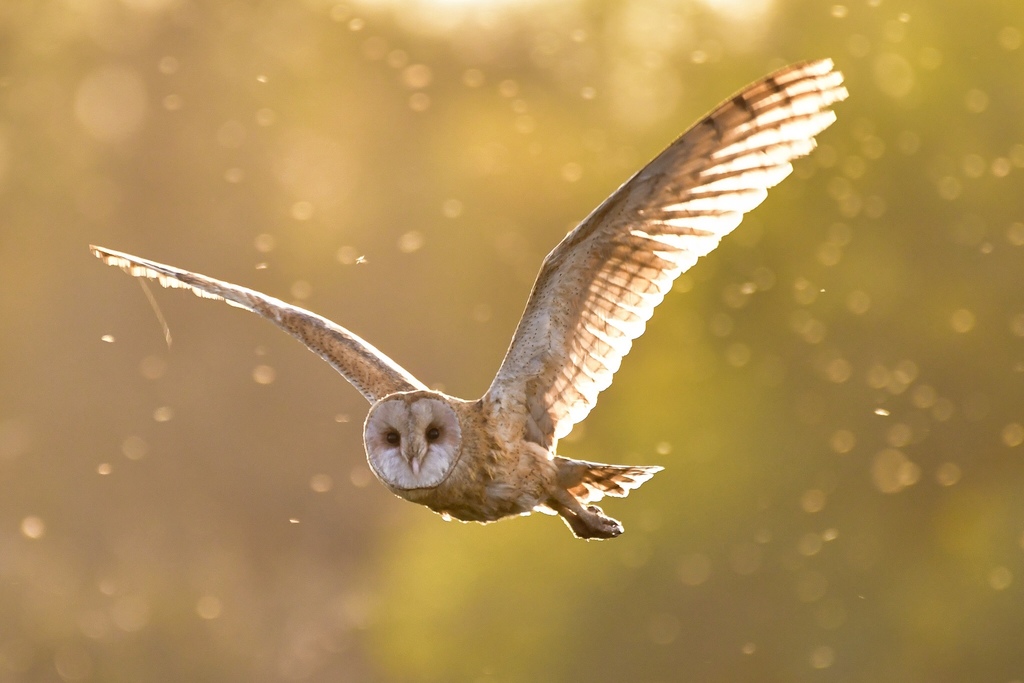
American Barn Owl

California Thrasher

Yellow-billed Cuckoo

Brown Bear

Common Ground-Dove

Black-legged Kittiwake
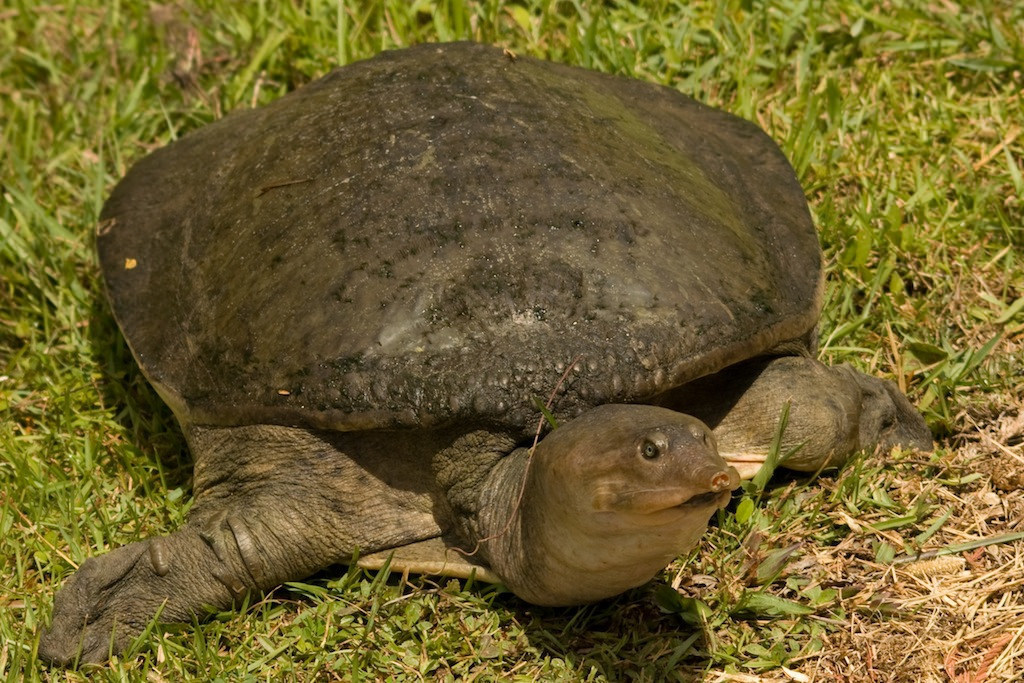
Florida Softshell Turtle

Northern Short-tailed Shrew
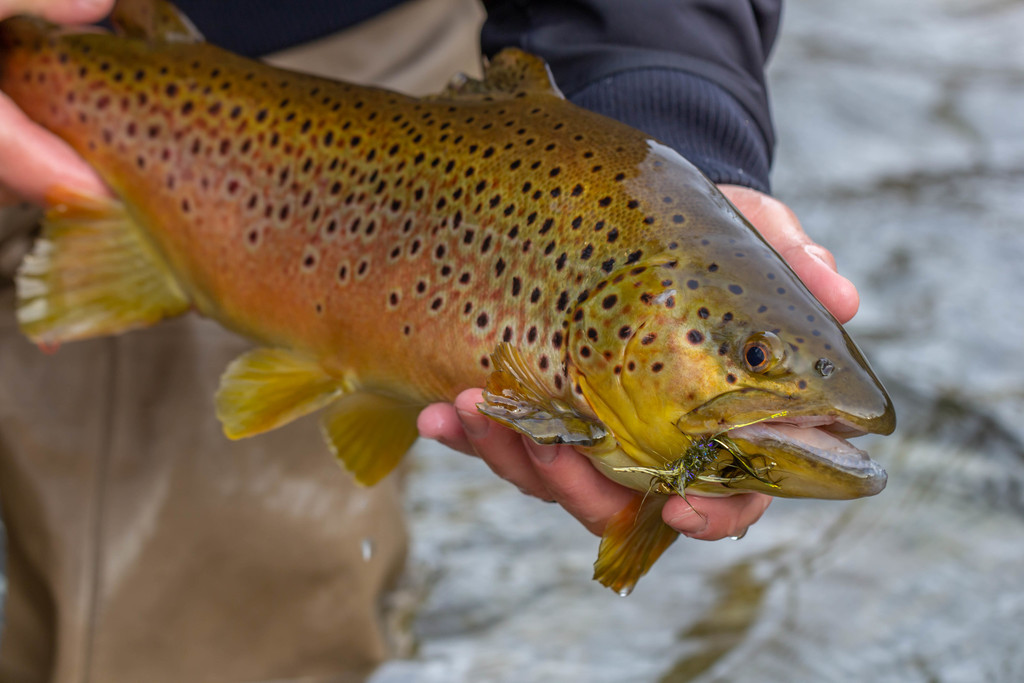
Brown Trout
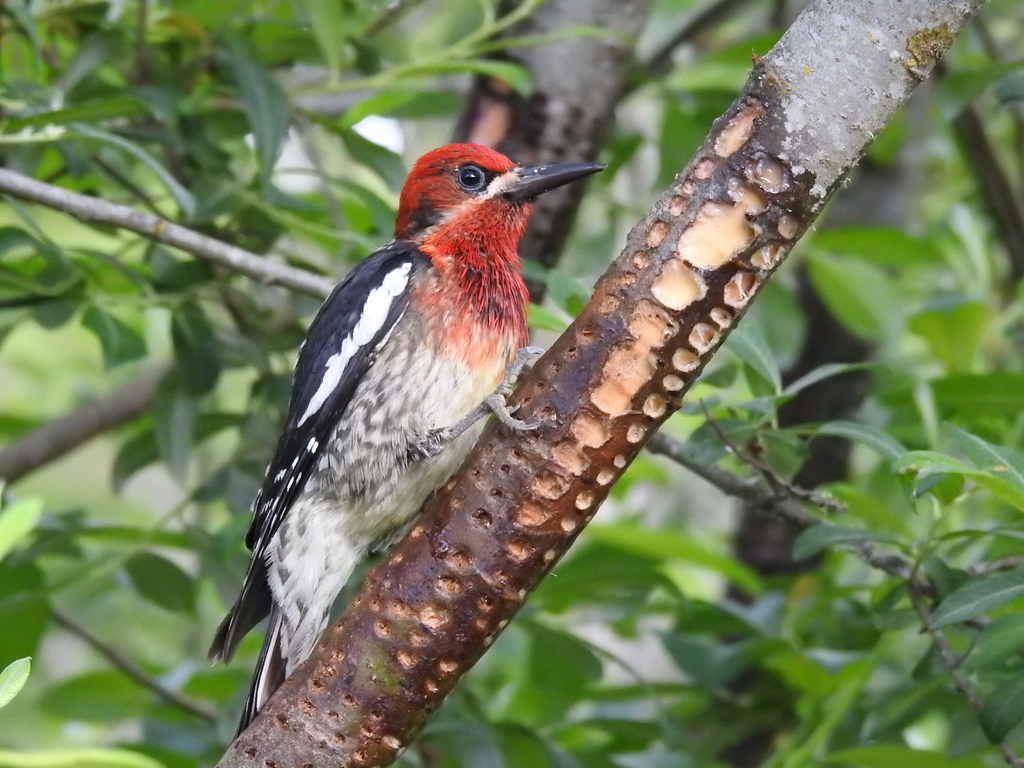
Red-breasted Sapsucker

Costa's Hummingbird

Black-crested Titmouse
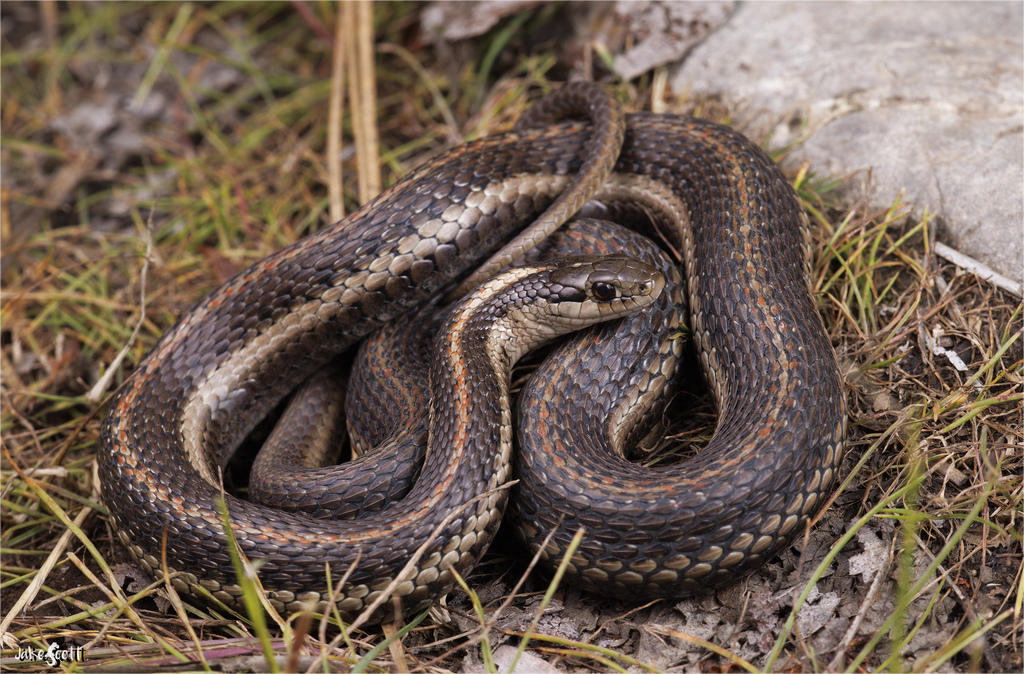
Northwestern Garter Snake
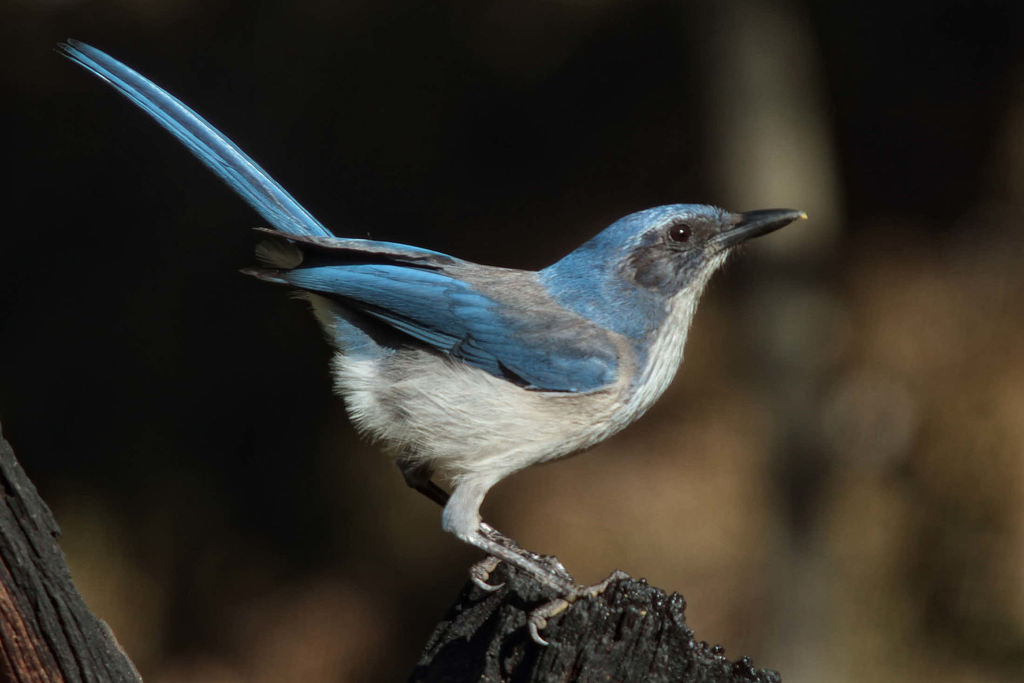
Woodhouse's Scrub-Jay

Sora

Red-throated Loon

Franklin's Gull
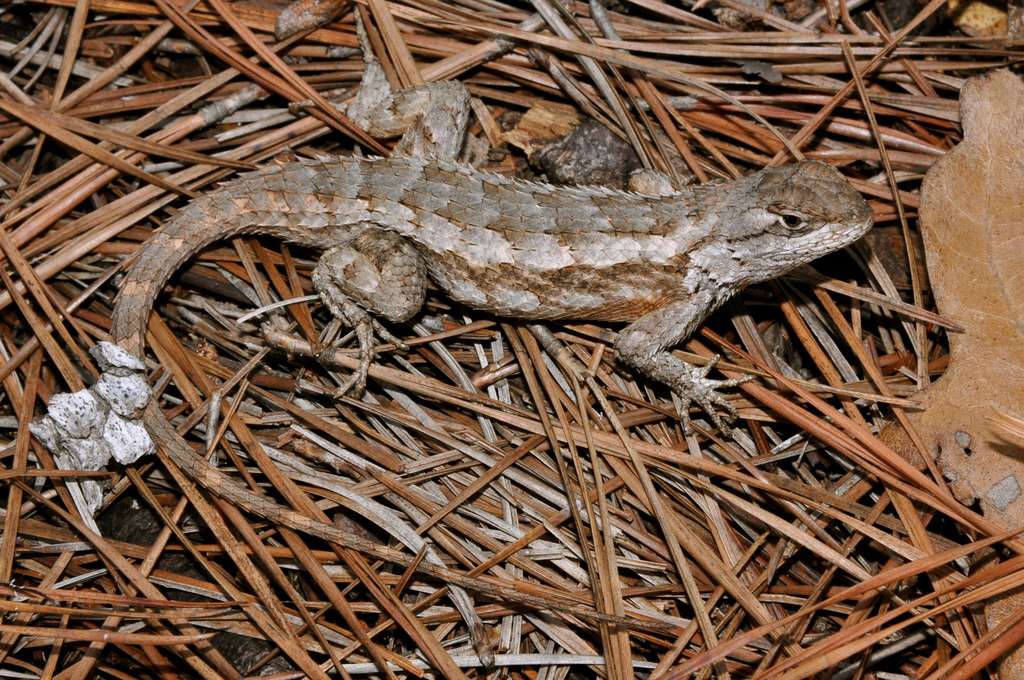
Prairie Lizard
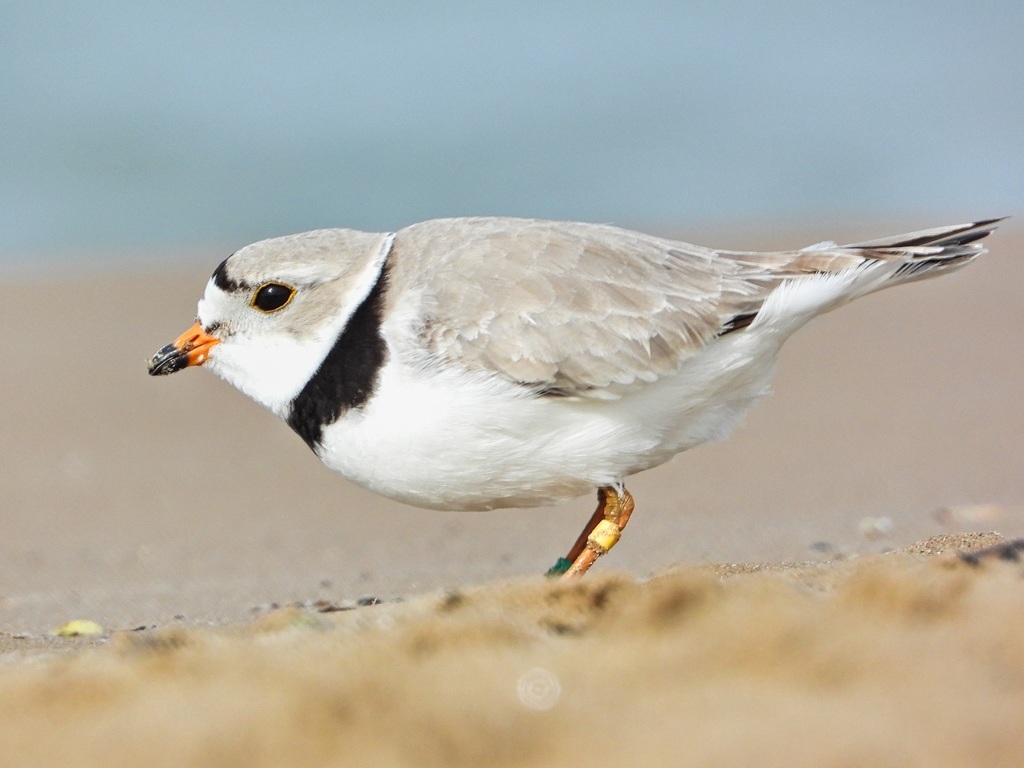
Piping Plover

Eastern Mosquitofish

Mountain Lion
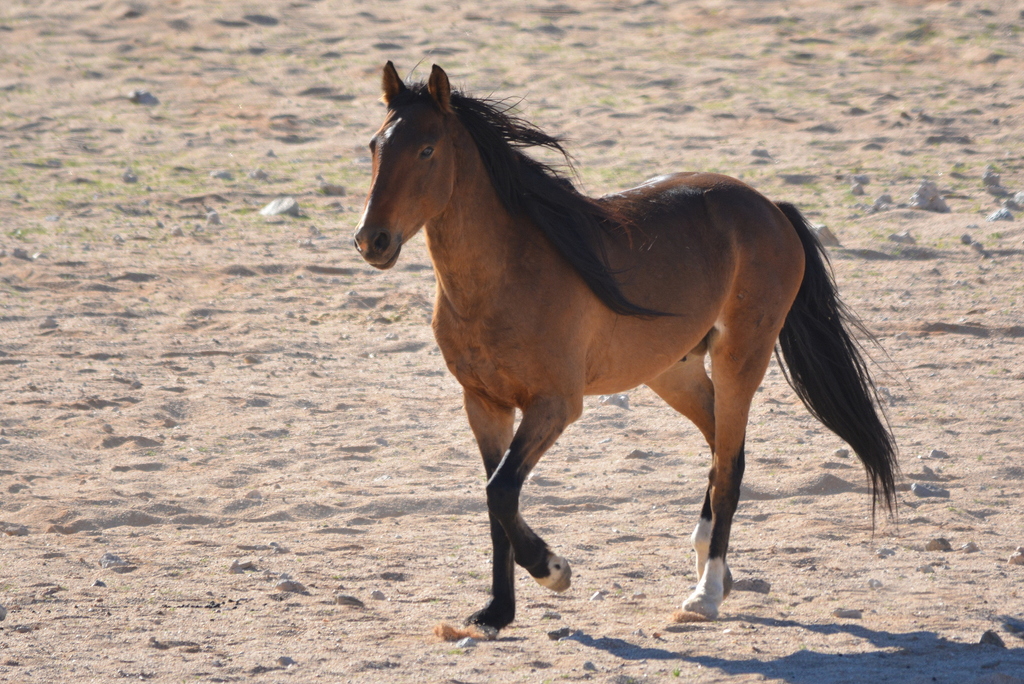
Domestic Horse

African Redhead Agama

Yellow-throated Warbler

Northern Slimy Salamander
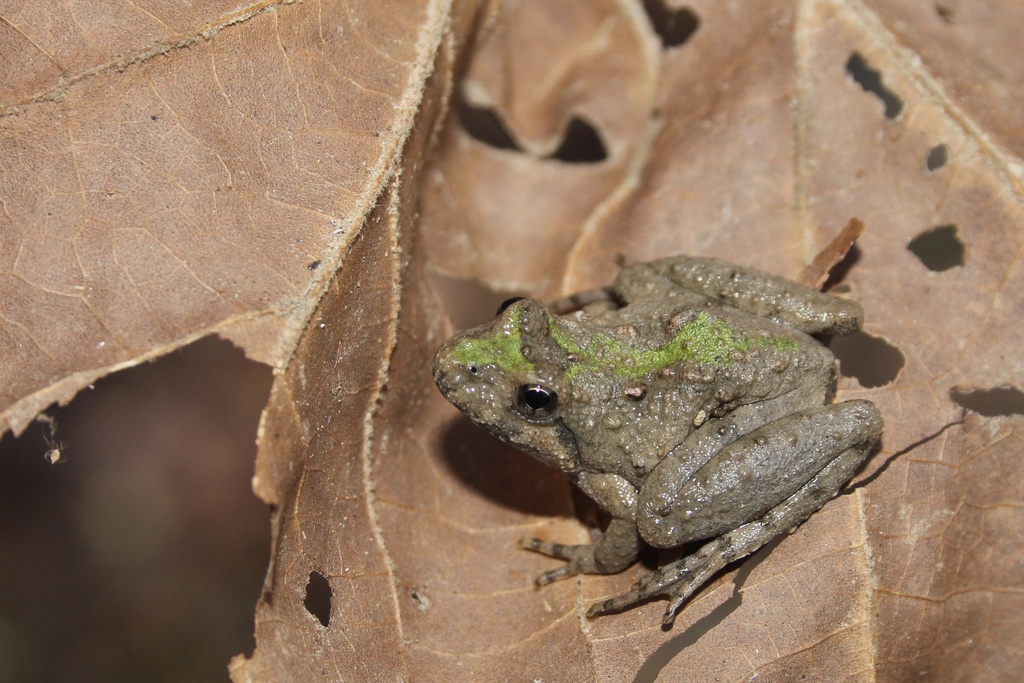
Northern Cricket Frog

Yellow-breasted Chat

Bobolink

California King Snake
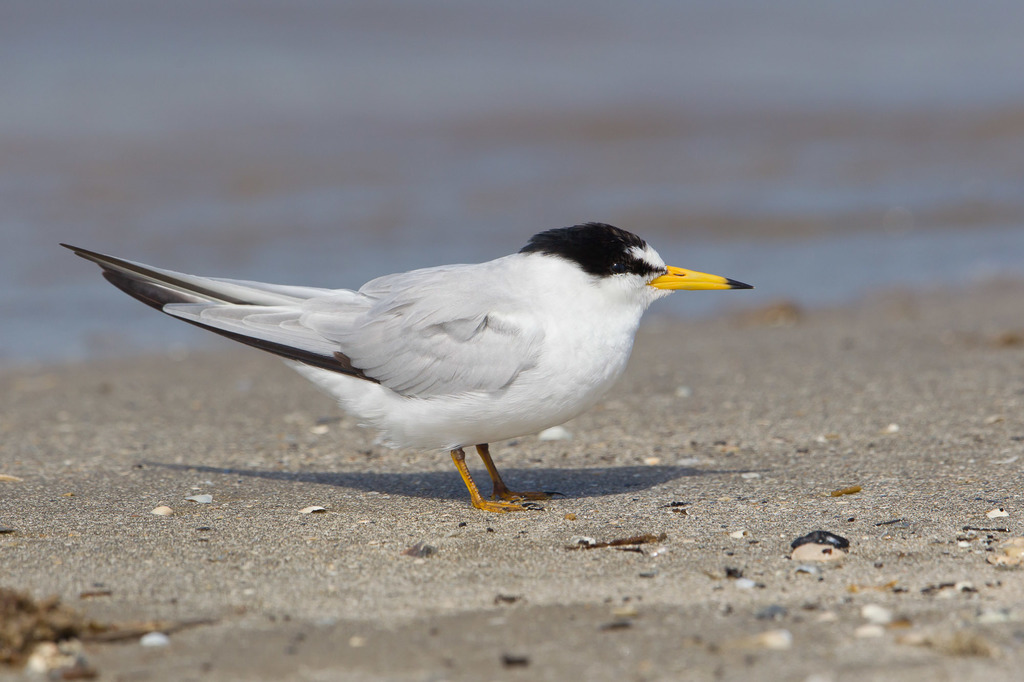
Least Tern

Pacific-slope Flycatcher

Pigeon Guillemot

Diamondback Watersnake
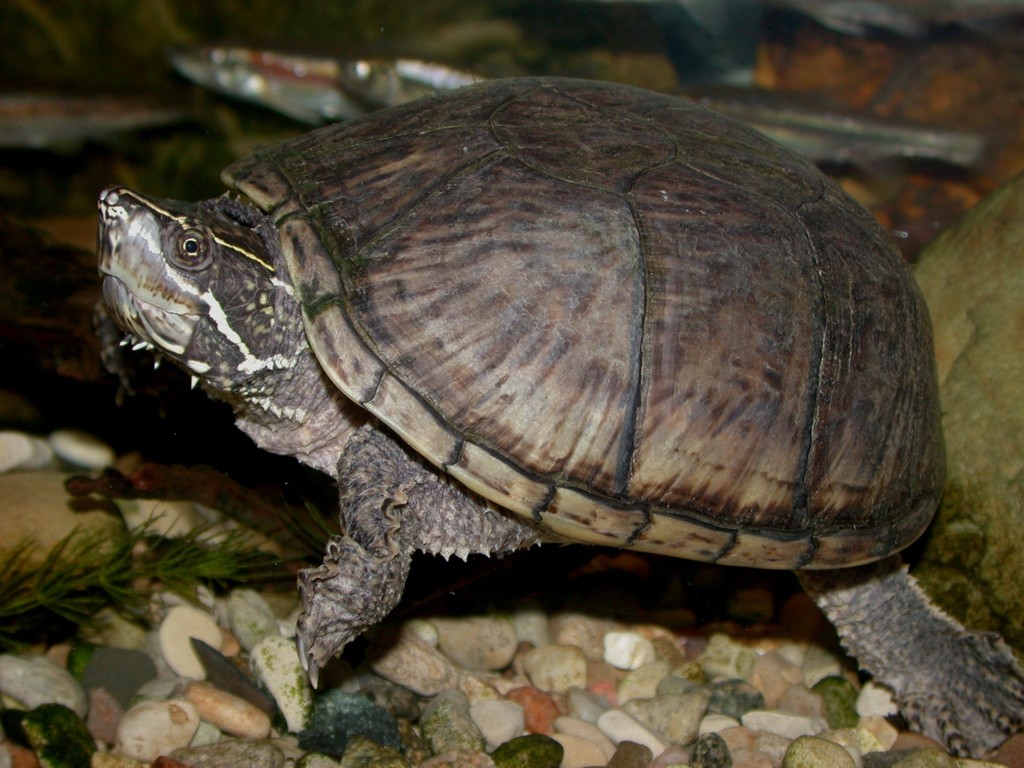
Common Musk Turtle

Blackpoll Warbler
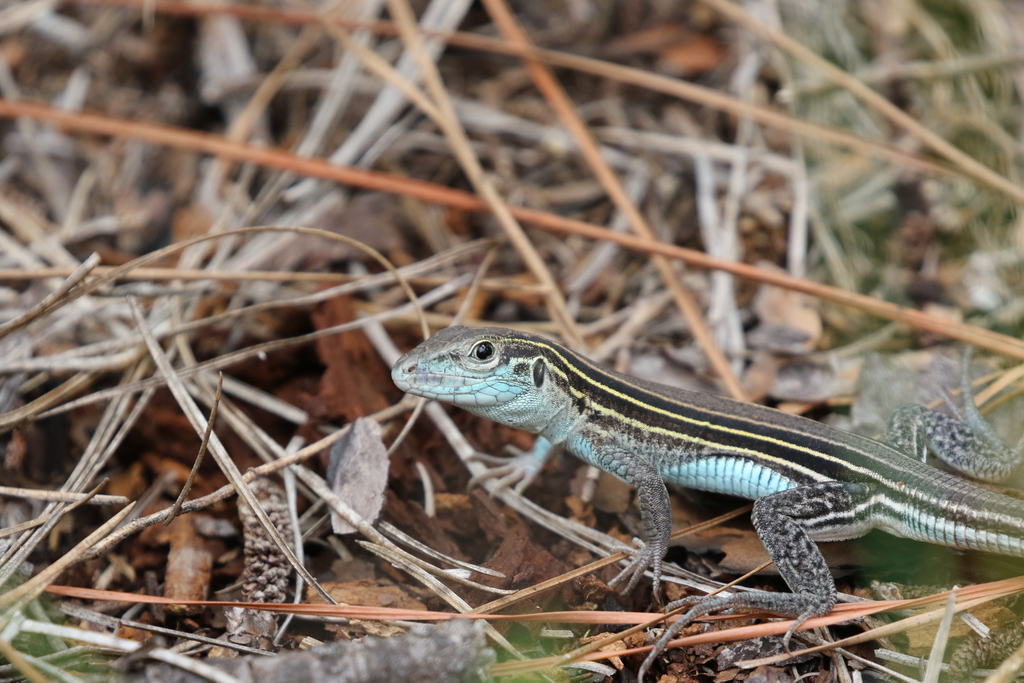
Six-lined Racerunner

Zebra-tailed Lizard

Rusty Blackbird

Green Jay

Southern Two-lined Salamander

Creek Chub
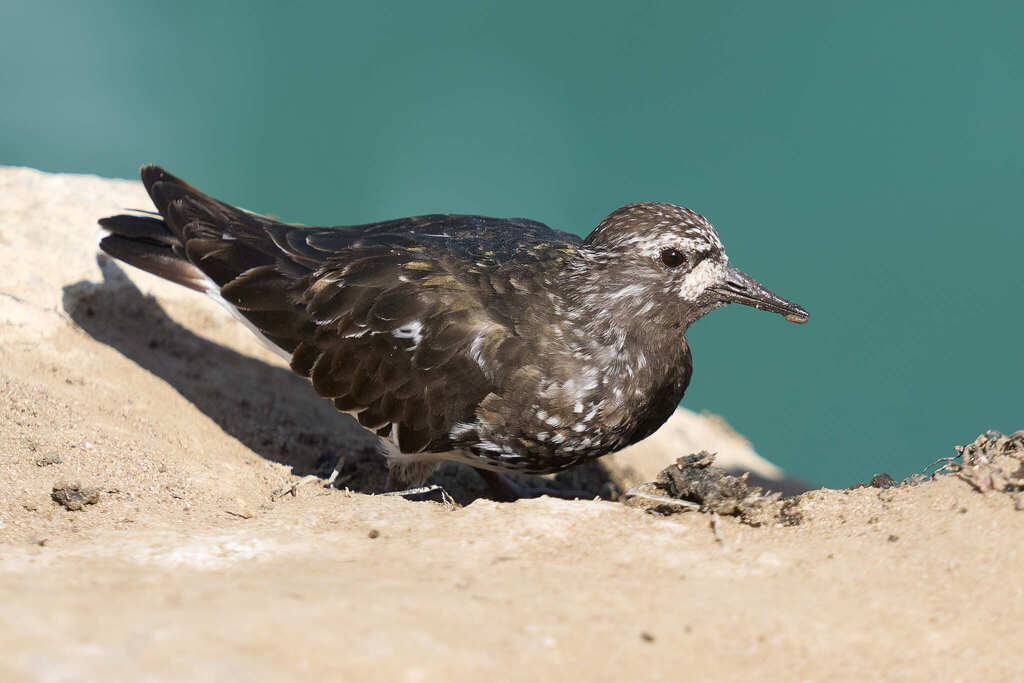
Black Turnstone
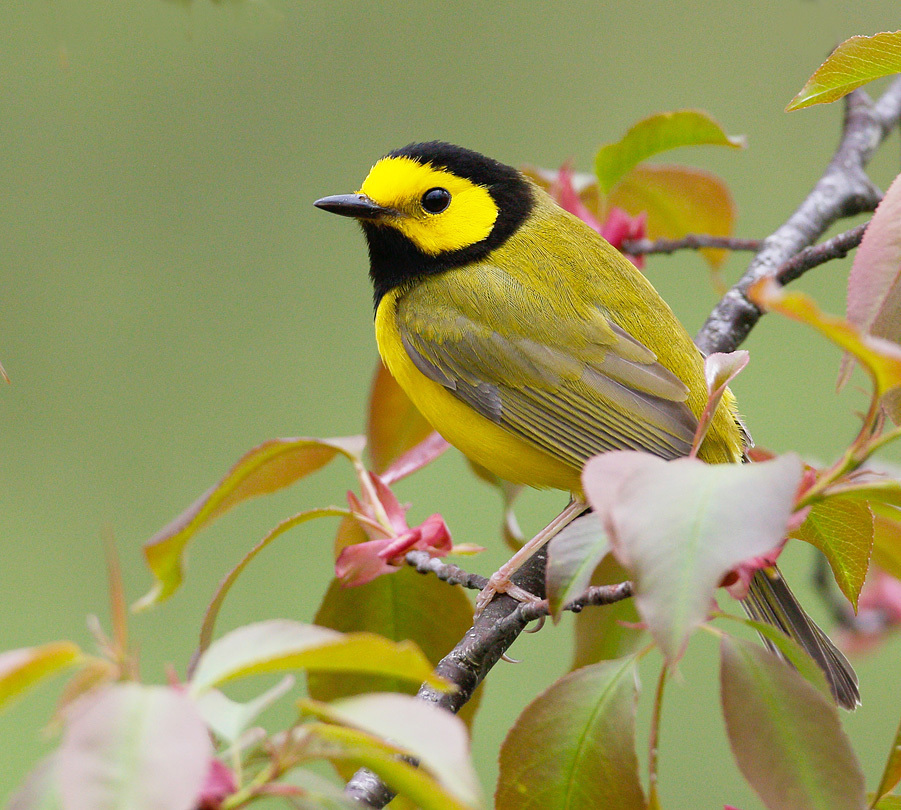
Hooded Warbler
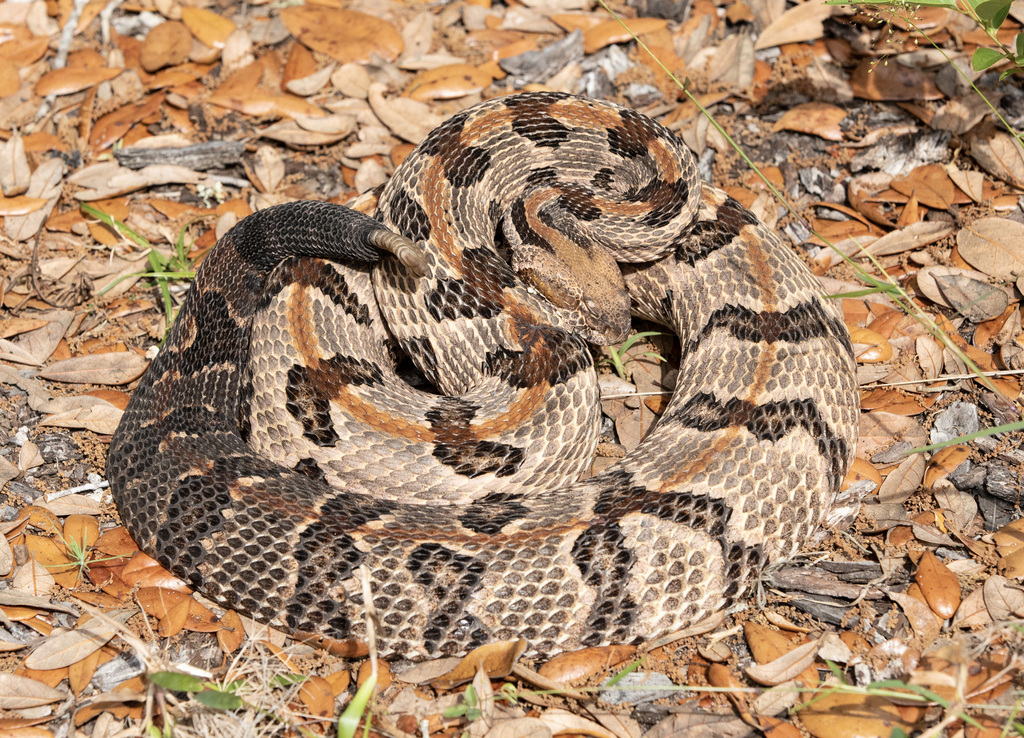
Timber Rattlesnake

American Swallow-tailed Kite

Common Waxbill

Prairie Warbler

American Dipper

Rough Earthsnake
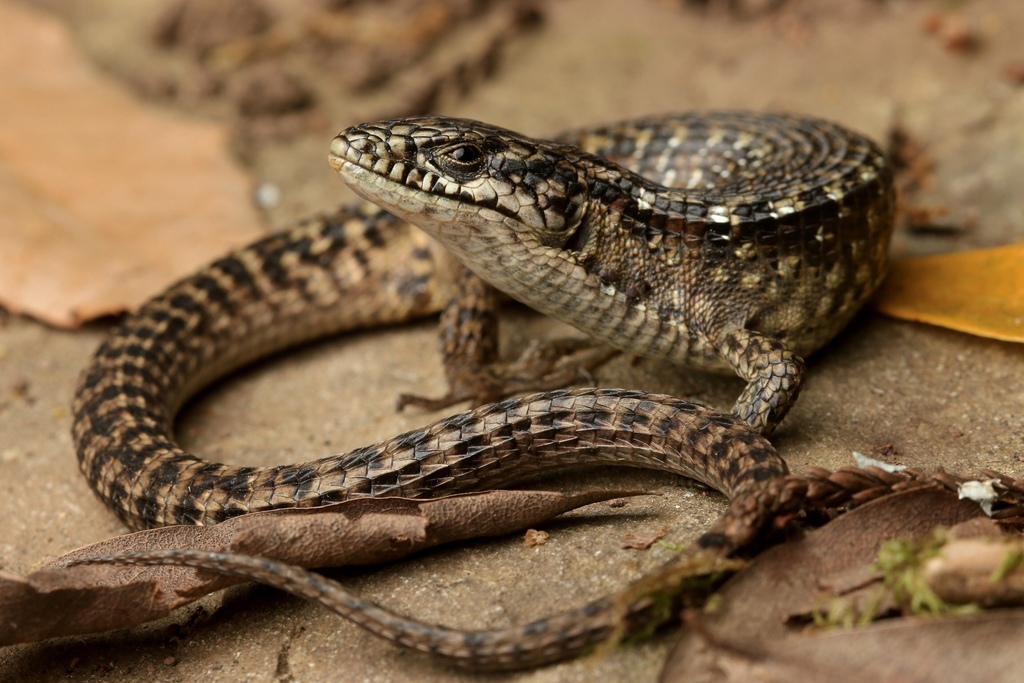
Northern Alligator Lizard
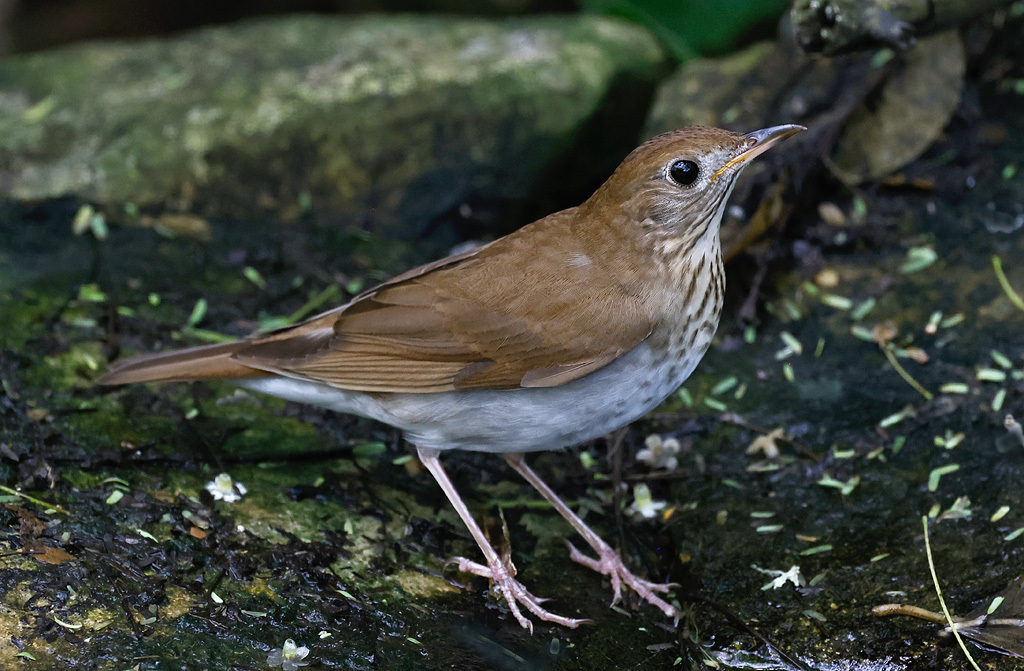
Veery

White-tipped Dove

Pygmy Nuthatch

American Woodcock

Brook Trout

Townsend's Solitaire

Northern Elephant Seal

American White-winged Scoter

American Bittern

Fish Crow

Boreal Chorus Frog

American Pika

Olive-sided Flycatcher
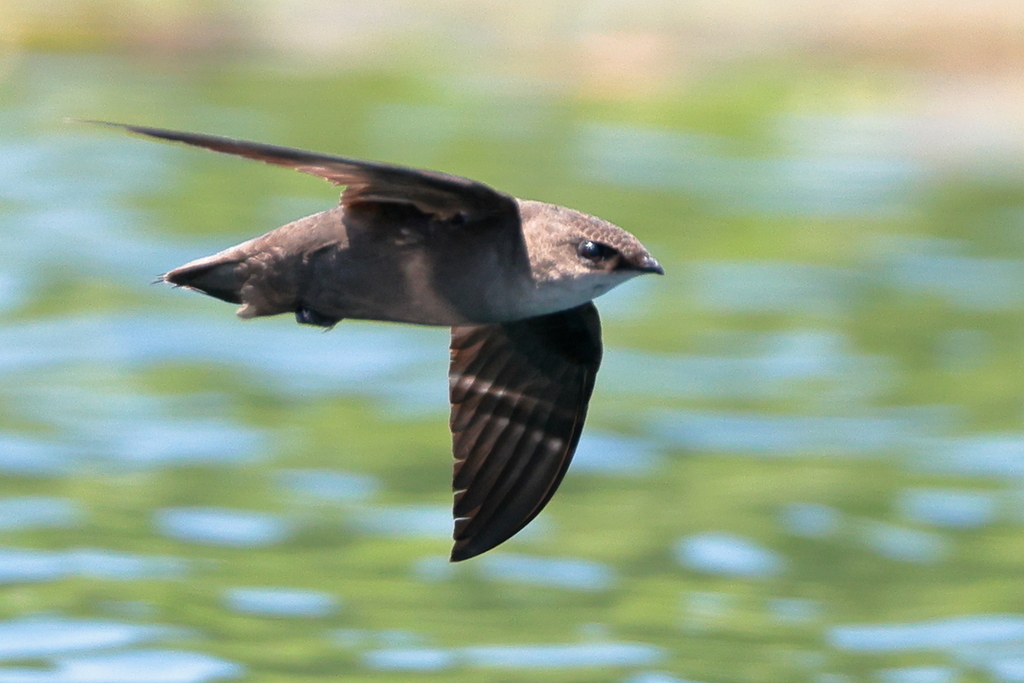
Chimney Swift

Moorish Idol

Black-throated Gray Warbler
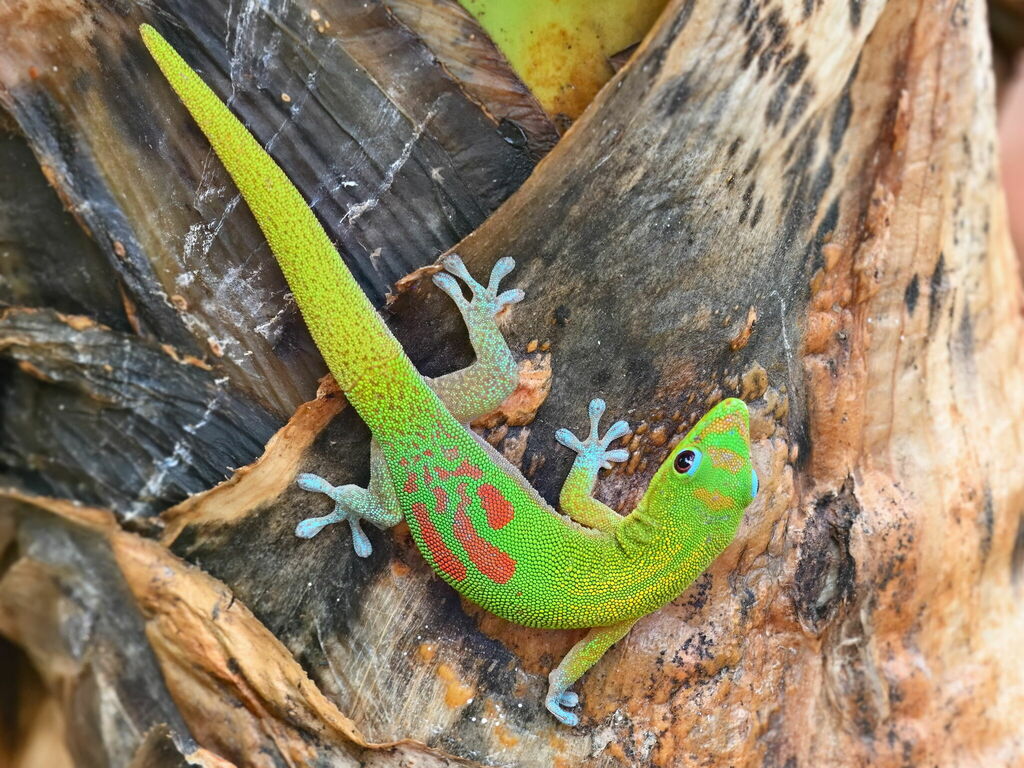
Gold Dust Day Gecko
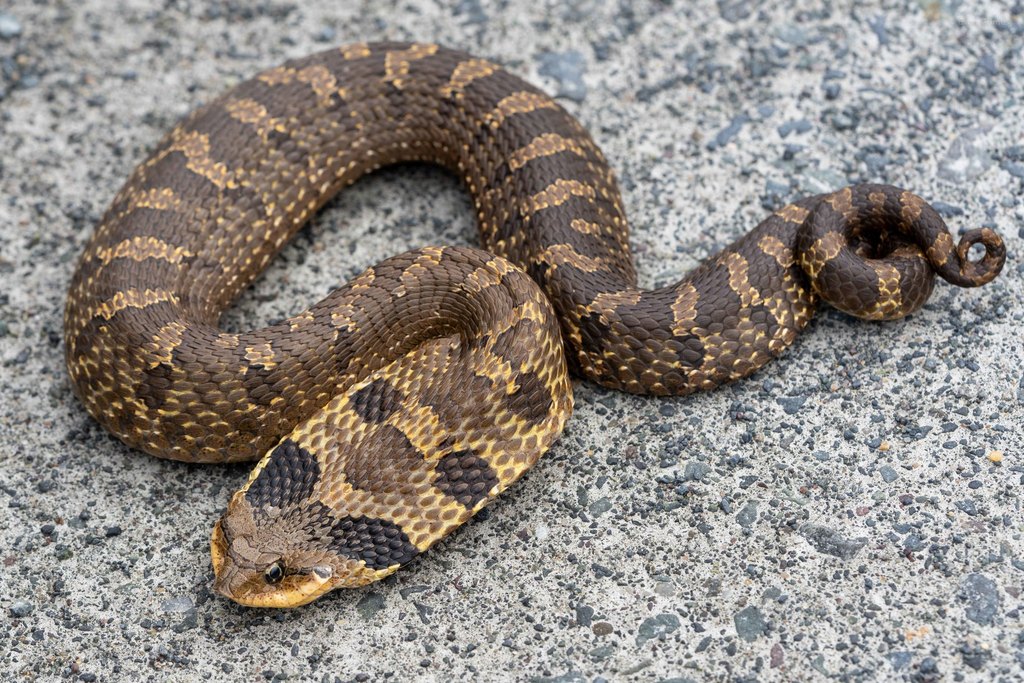
Eastern Hognose Snake

Marbled Salamander

Pyrrhuloxia

Black Rat
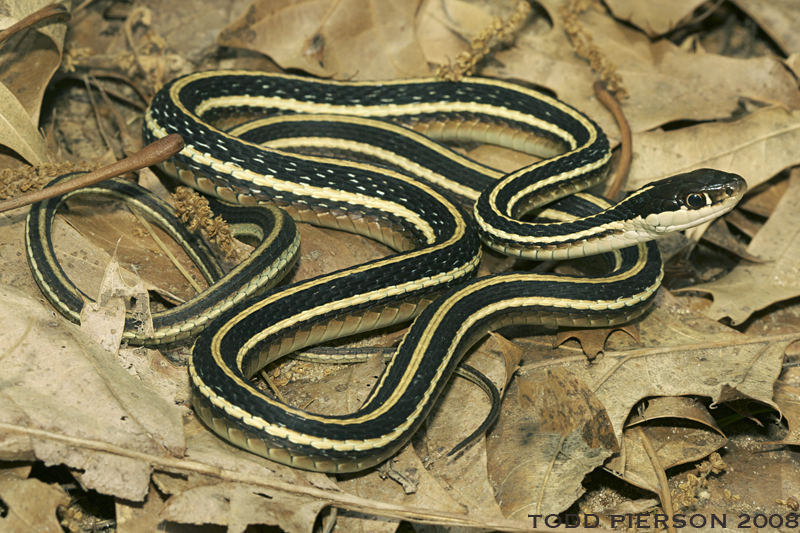
Ribbon Snake

Diamondback Terrapin

Atlantic Sergeant Major
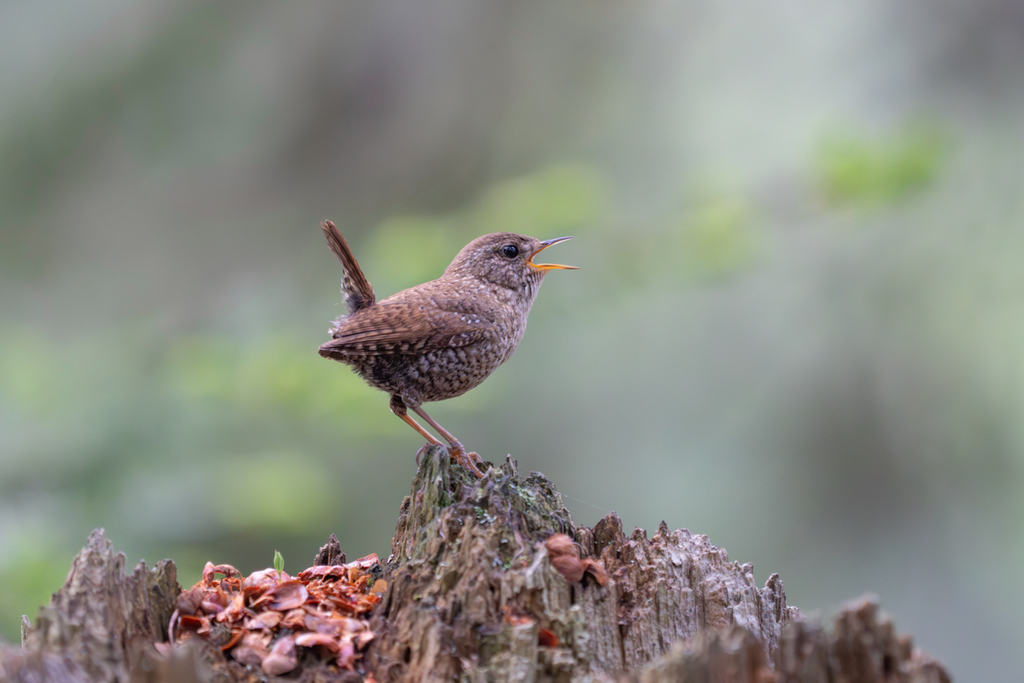
Winter Wren

Brush Rabbit

Red Knot

Texas Horned Lizard

Western Skink
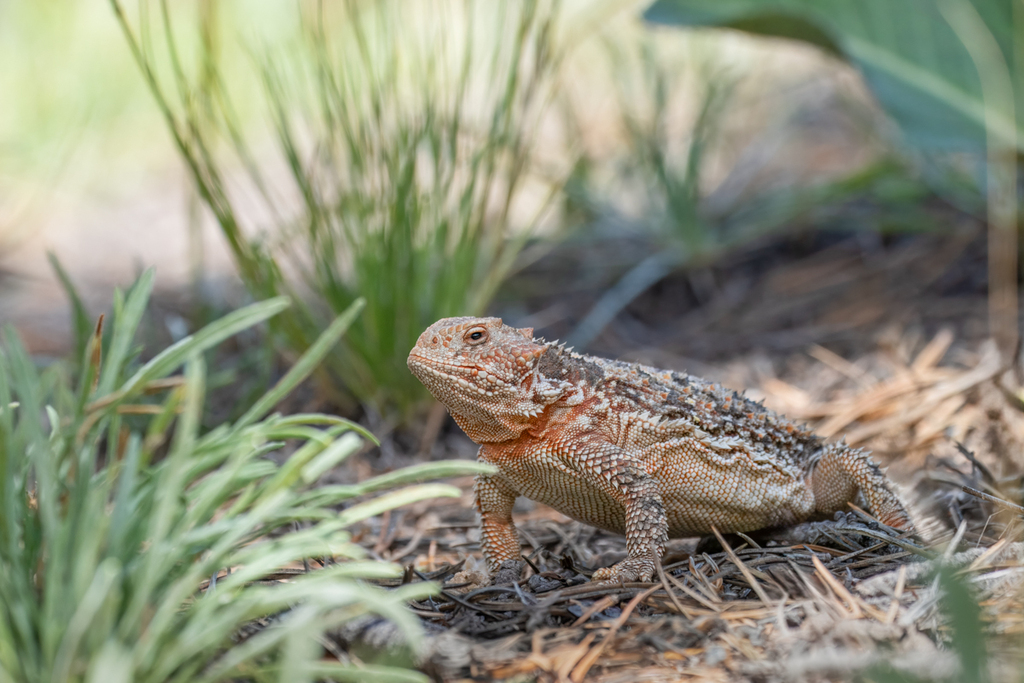
Greater Short-horned Lizard
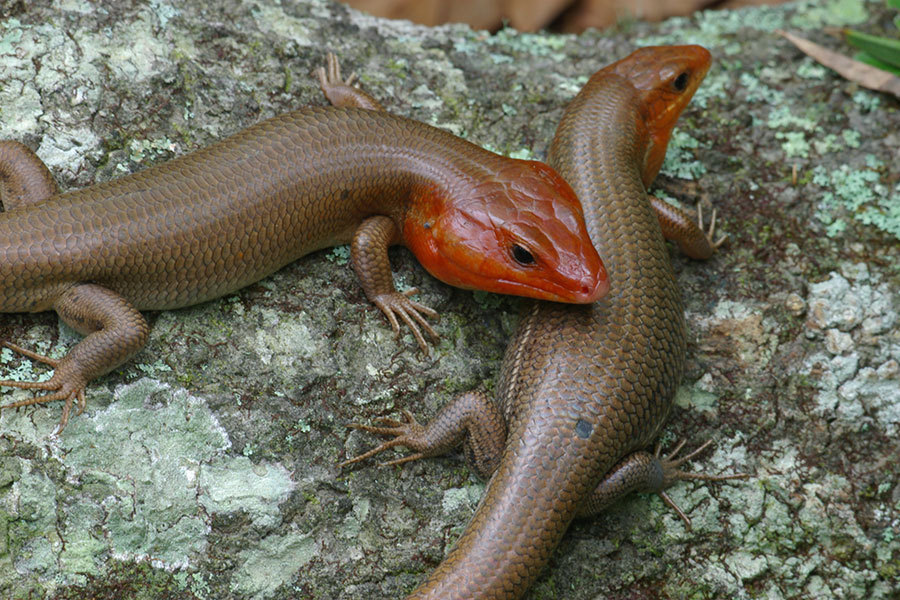
Broadhead Skink
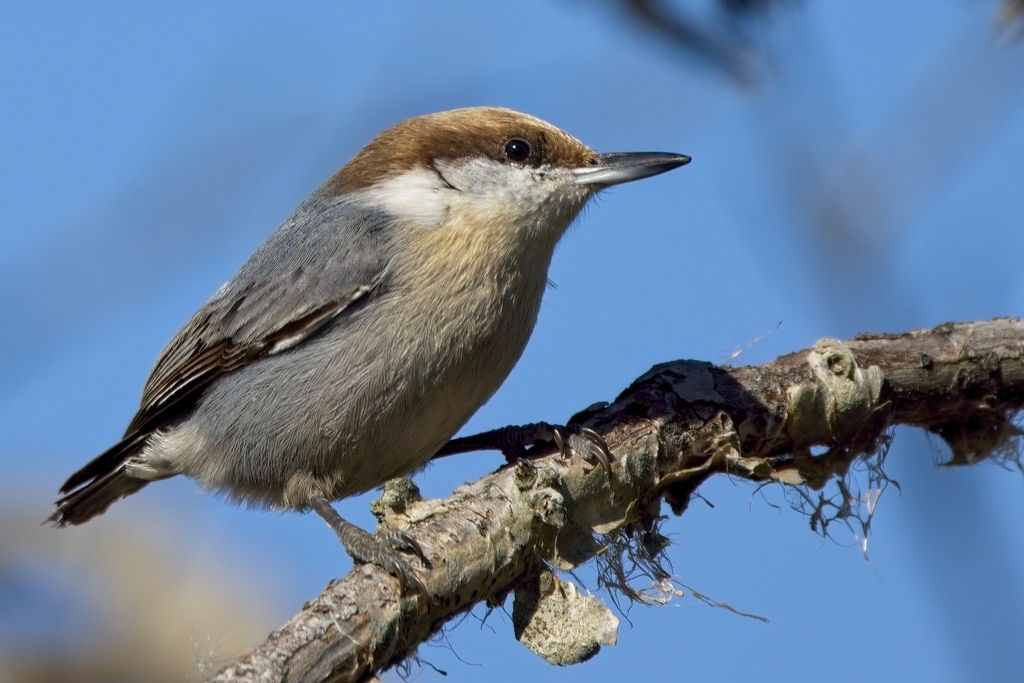
Brown-headed Nuthatch

Sagebrush Lizard

Grasshopper Sparrow

Short-billed Dowitcher

Plateau Fence Lizard

Greater Earless Lizard

Arboreal Salamander

Marsh Rabbit

Clark's Nutcracker

Rose-bellied Lizard

House Mouse

Northern Red-legged Frog

West Indian Manatee

Eastern Worm Snake

Channel Catfish

Gray Wolf

Red-spotted Toad

Killer Whale

Mourning Gecko
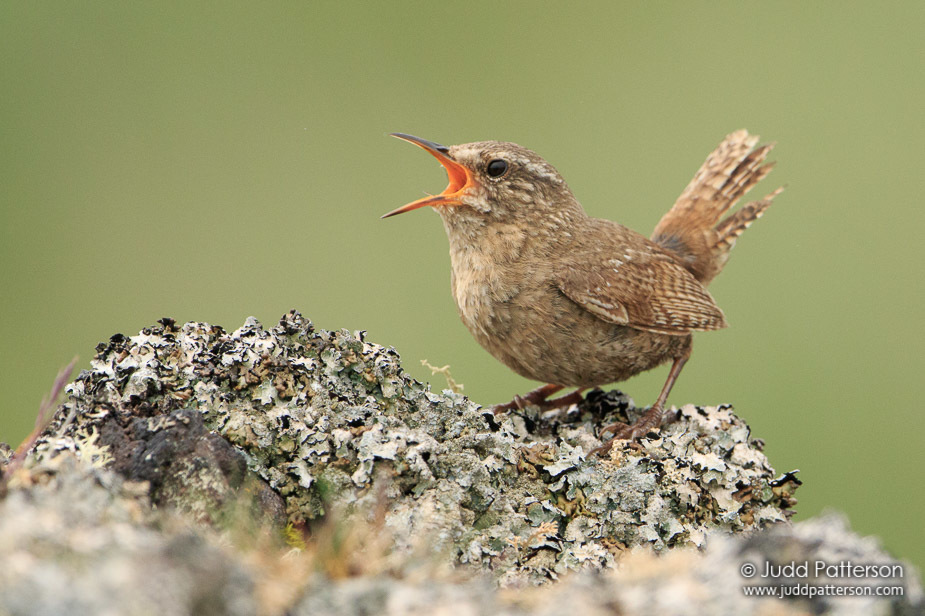
Pacific Wren

Common Dolphin

Louisiana Waterthrush

Eastern Collared Lizard

Yellow Perch

Eastern Narrow-mouthed Toad

Western Box Turtle

Greenhouse Frog

Mottled Duck
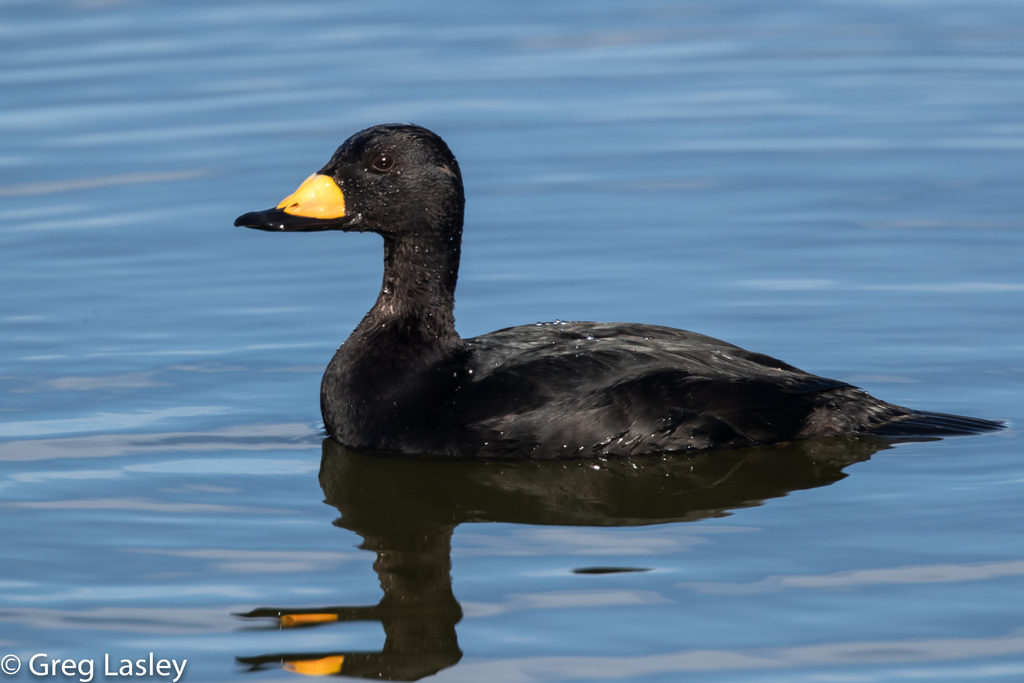
Black Scoter

Common Chuckwalla

Rufous-crowned Sparrow

Harris's Sparrow
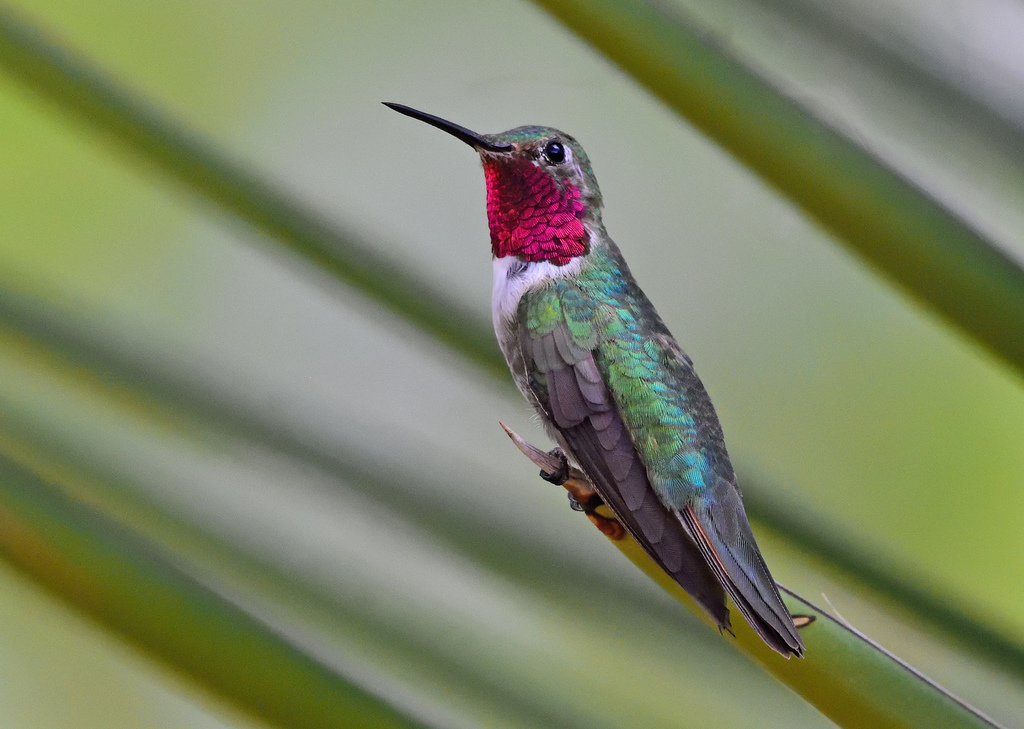
Broad-tailed Hummingbird
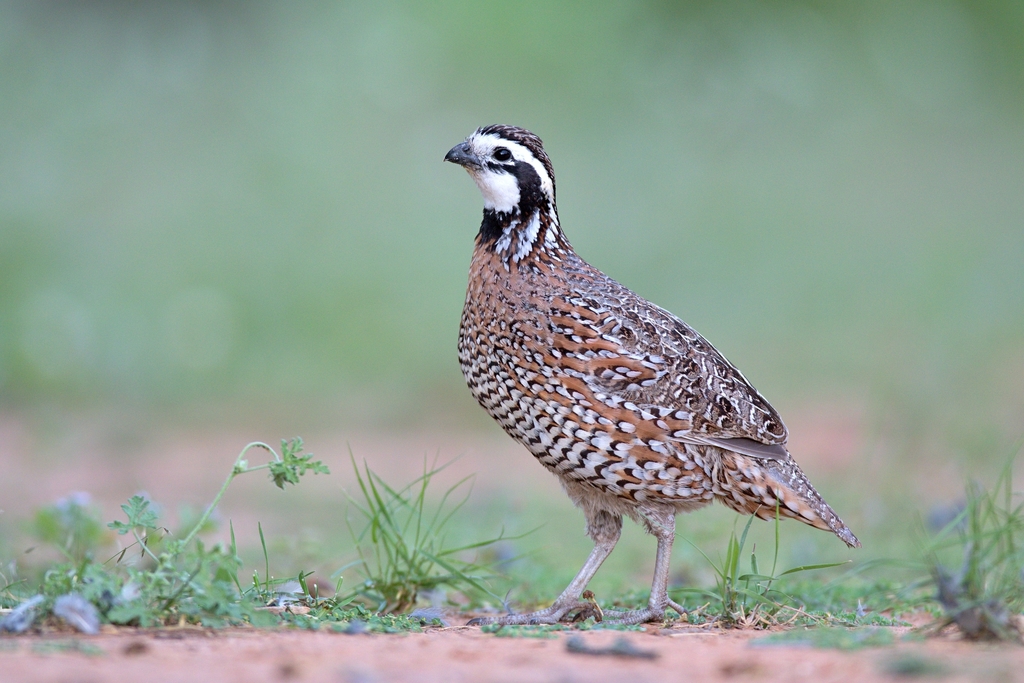
Northern Bobwhite

Redbreast Sunfish

Least Flycatcher
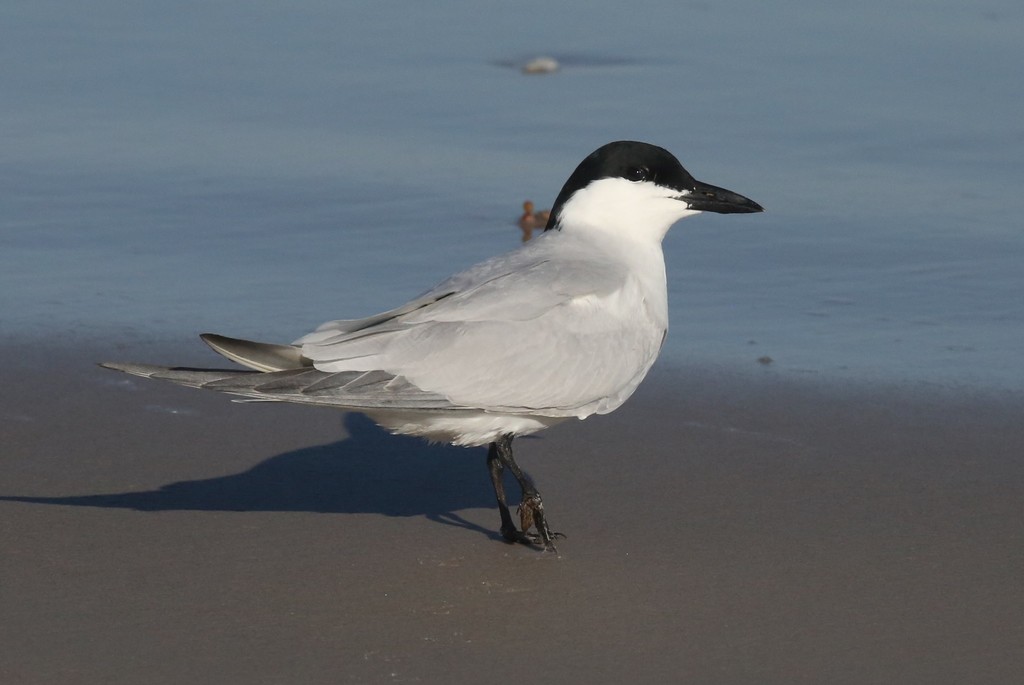
Gull-billed Tern
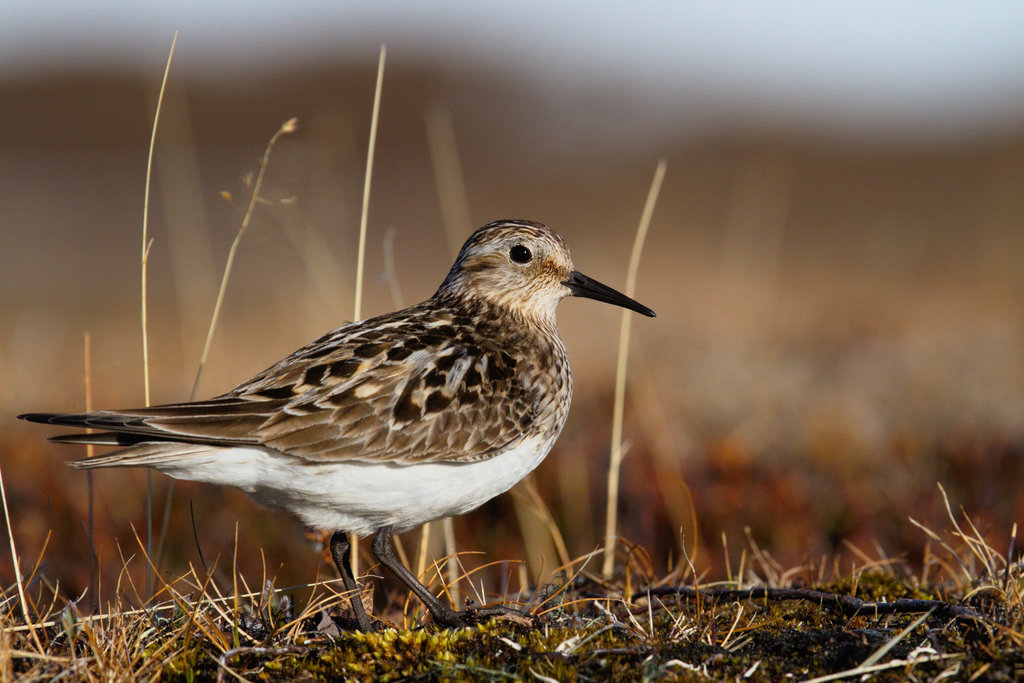
Baird's Sandpiper

Dusky Salamander
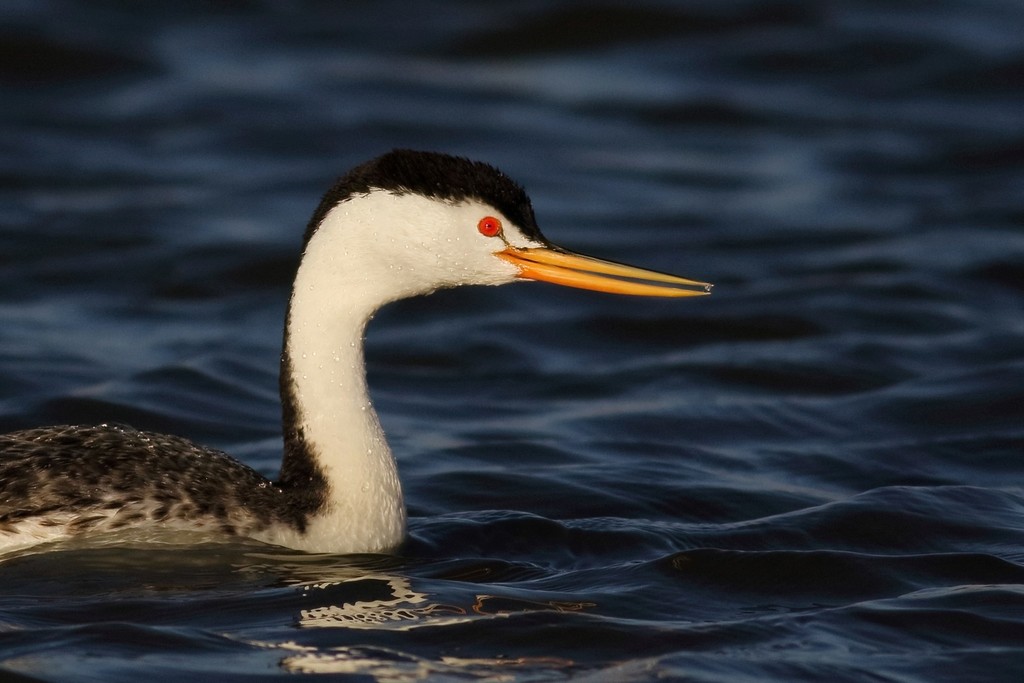
Clark's Grebe
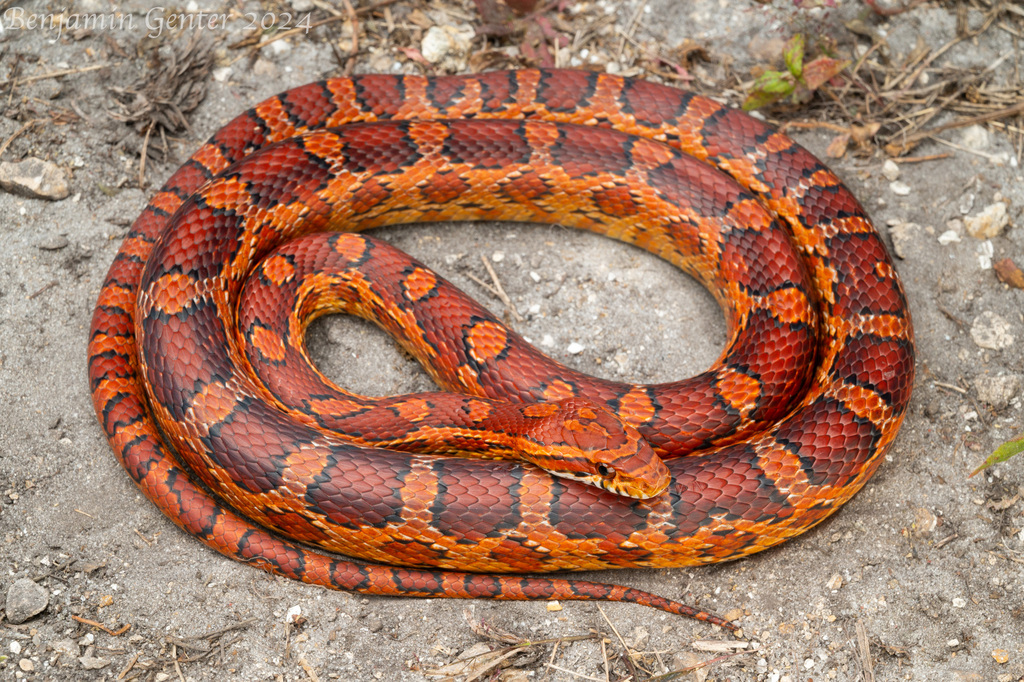
Corn Snake
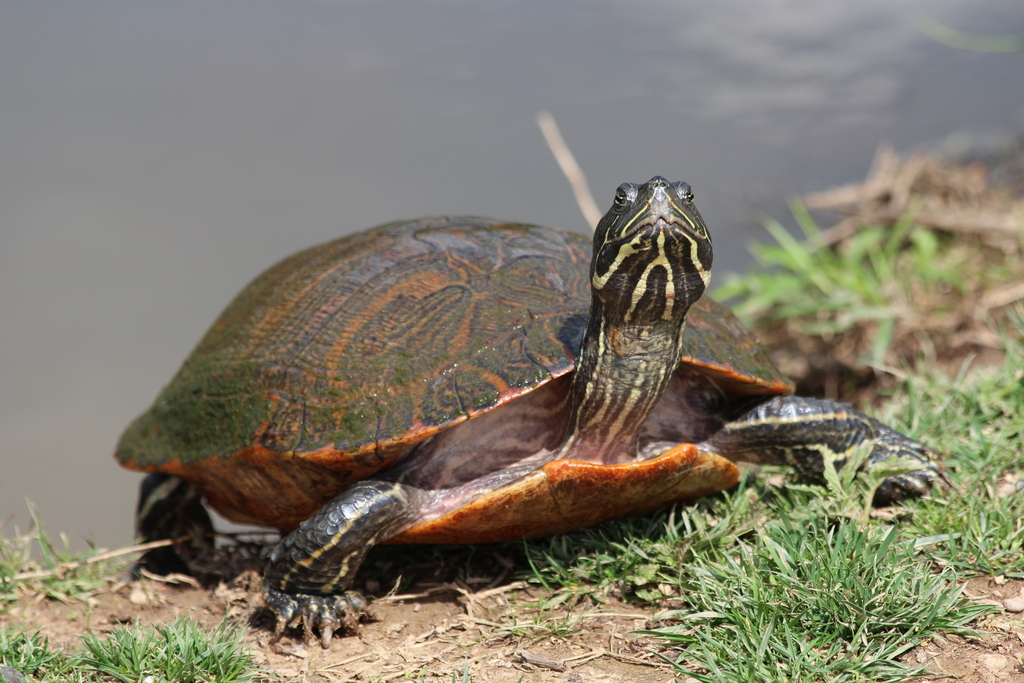
Northern Red-bellied Cooter
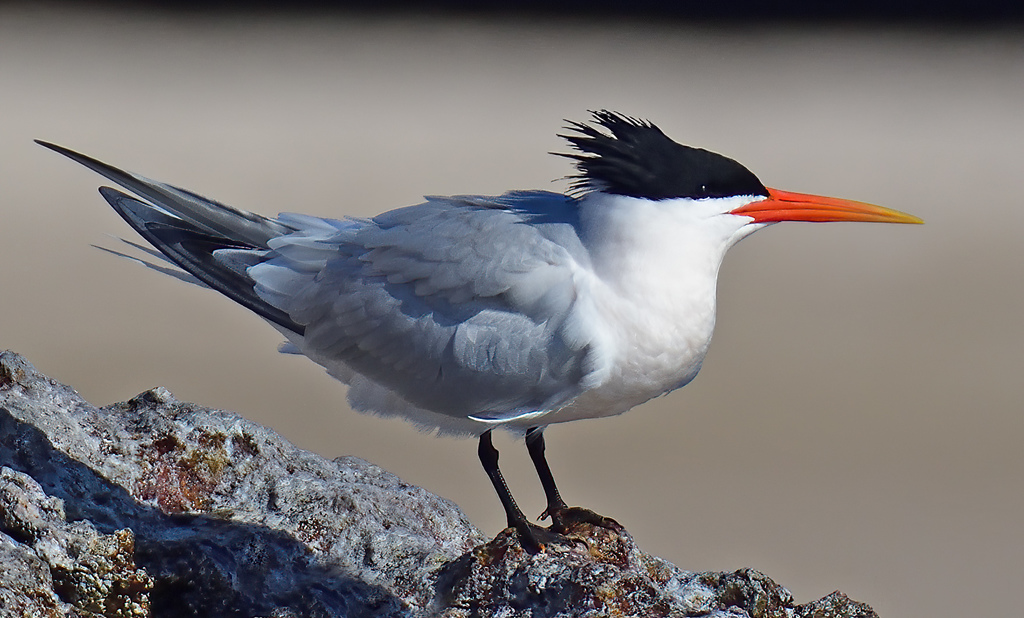
Elegant Tern

Red-crowned Parrot

Stilt Sandpiper

Rock Bass

Black Crappie

Western Pond Turtle

Canyon Tree Frog
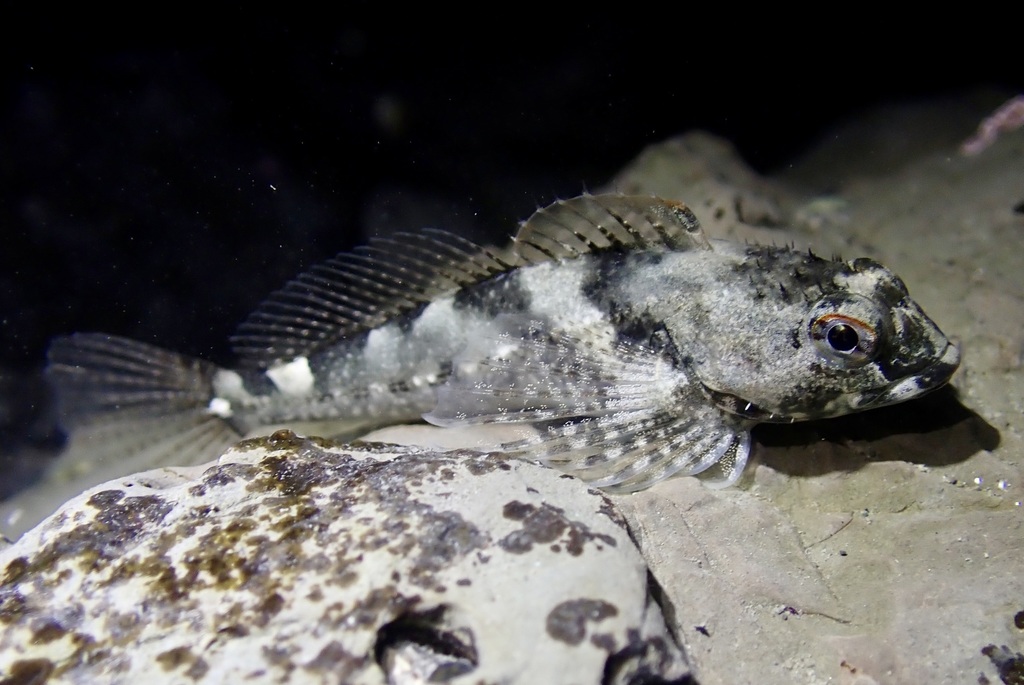
Tidepool Sculpin
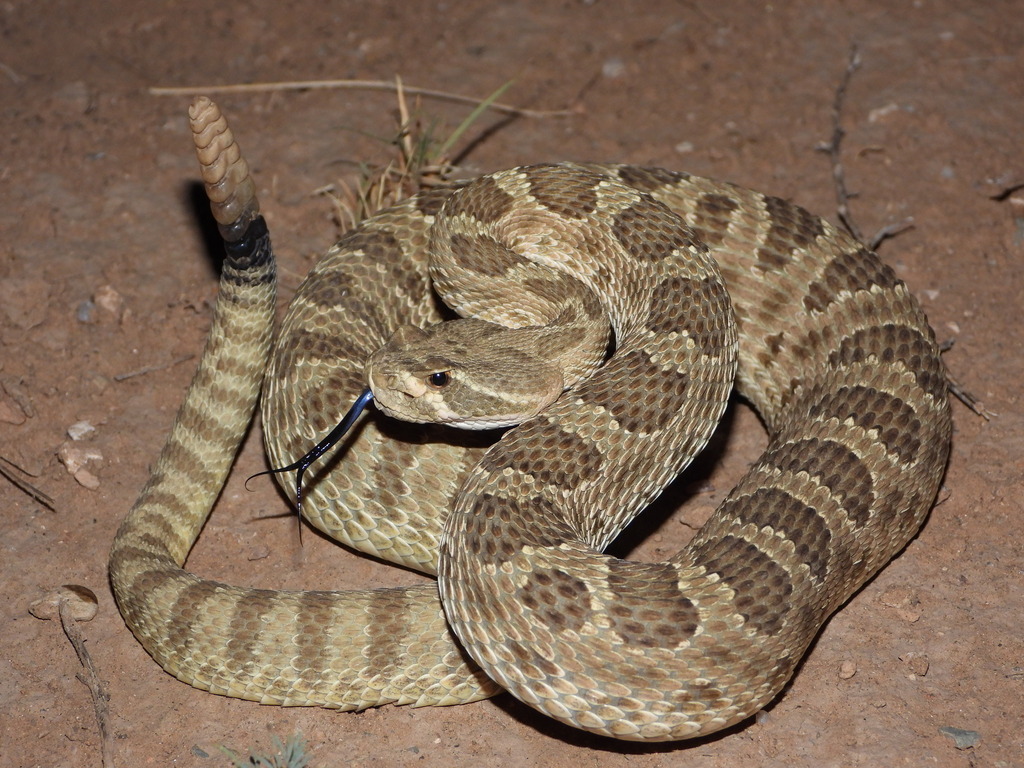
Prairie Rattlesnake

Gray Kingbird

Plains Garter Snake

Mountain Goat

Hutton's Vireo

Ferruginous Hawk

Desert Iguana

Three-spined Stickleback
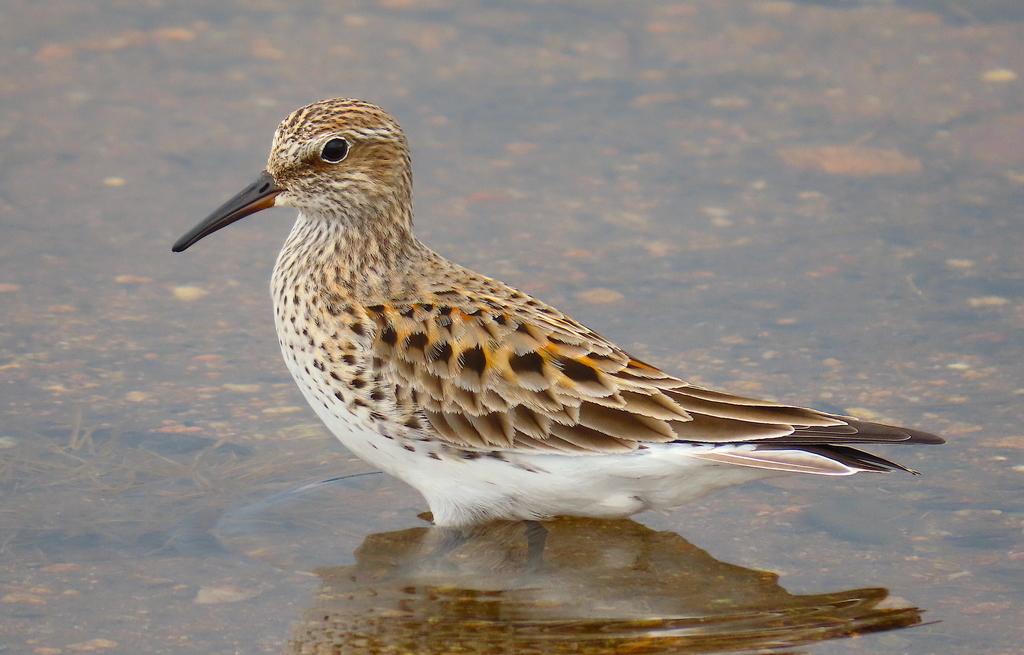
White-rumped Sandpiper

Green-tailed Towhee

Mexican Jay

Yellow-throated Vireo

Brown Booby

Coast Horned Lizard

Allegheny Mountain Dusky Salamander

Blue-spotted Cornetfish

White-tailed Hawk

Glaucous Gull

Brewer's Sparrow

Cassin's Finch
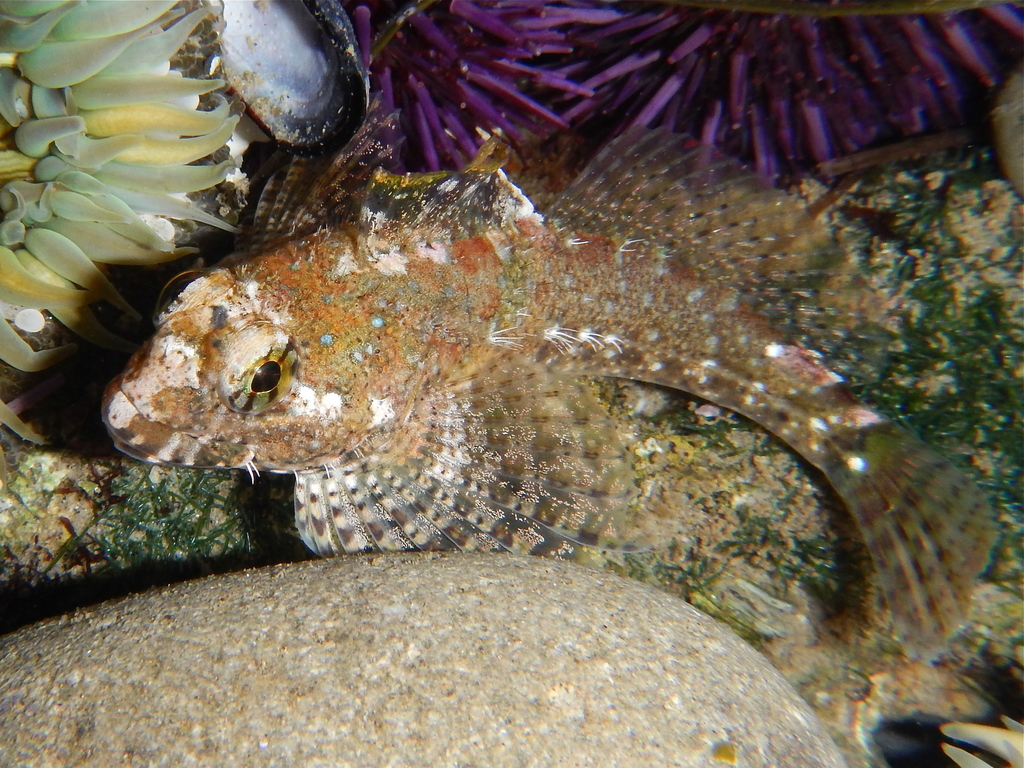
Wooly Sculpin
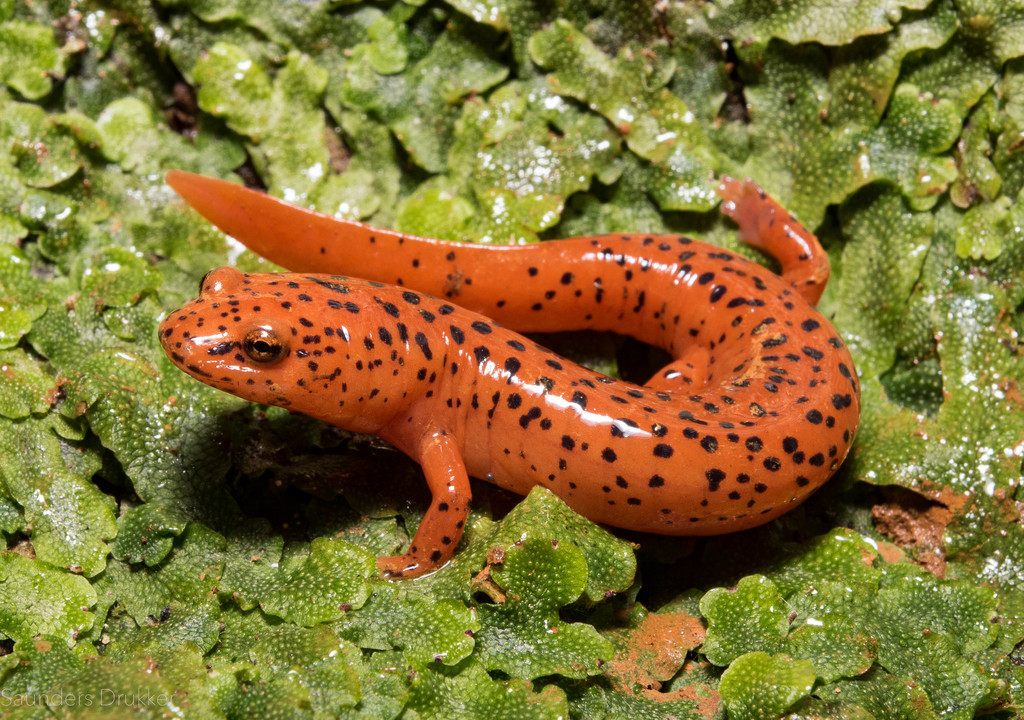
Red Salamander

Florida Redbelly Turtle

Texas Cooter

Canada Warbler

Wrentit

Ross's Goose

Canyon Wren

Fulvous Whistling-Duck

White-tailed Antelope Squirrel

Northern Sea Lion
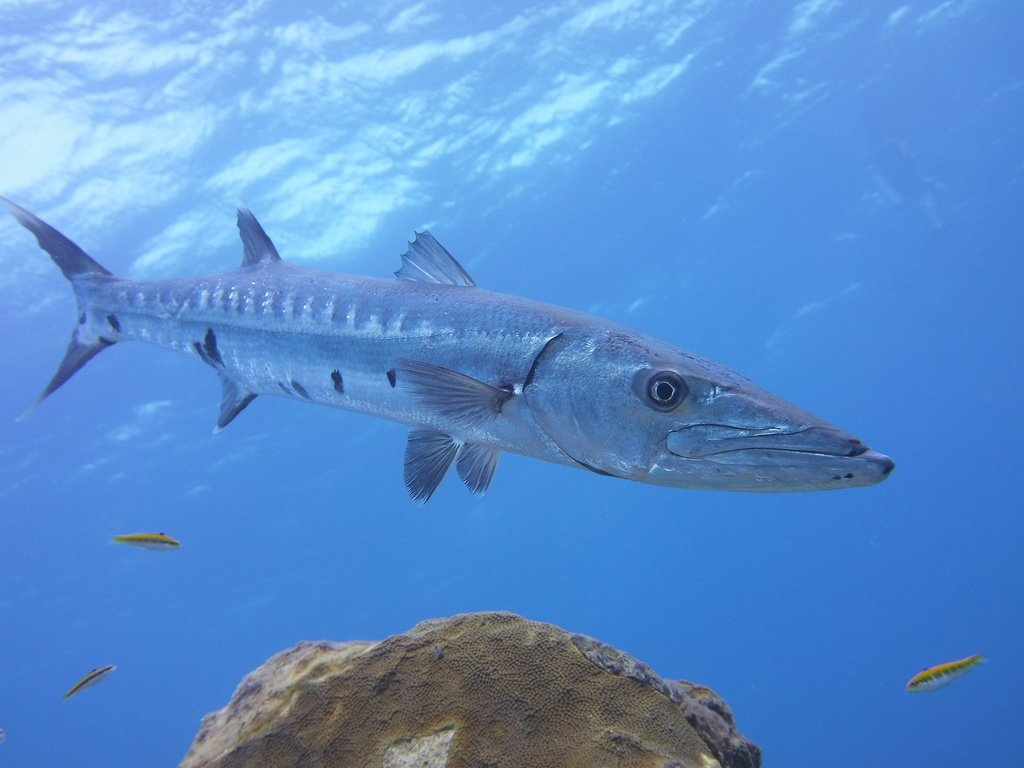
Great Barracuda
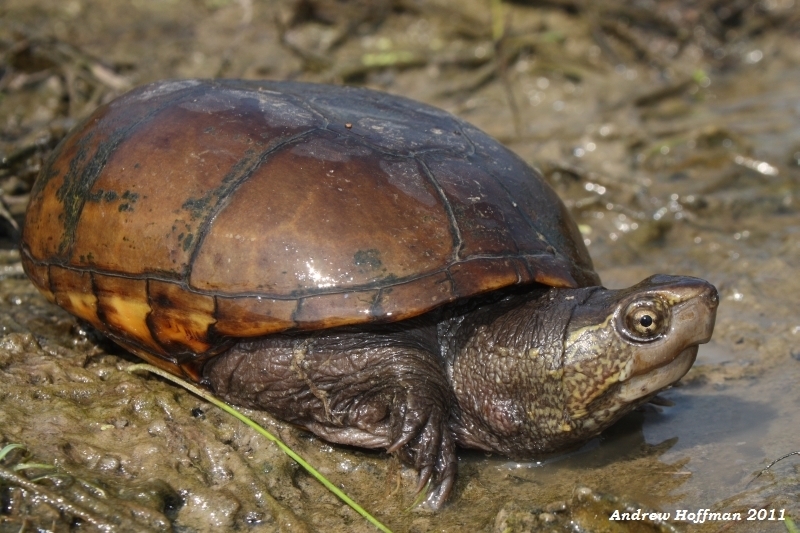
Eastern Mud Turtle

Rio Grande Leopard Frog

Threadfin Butterflyfish

Lapland Longspur

Chukar

California Treefrog

Couch's Spadefoot
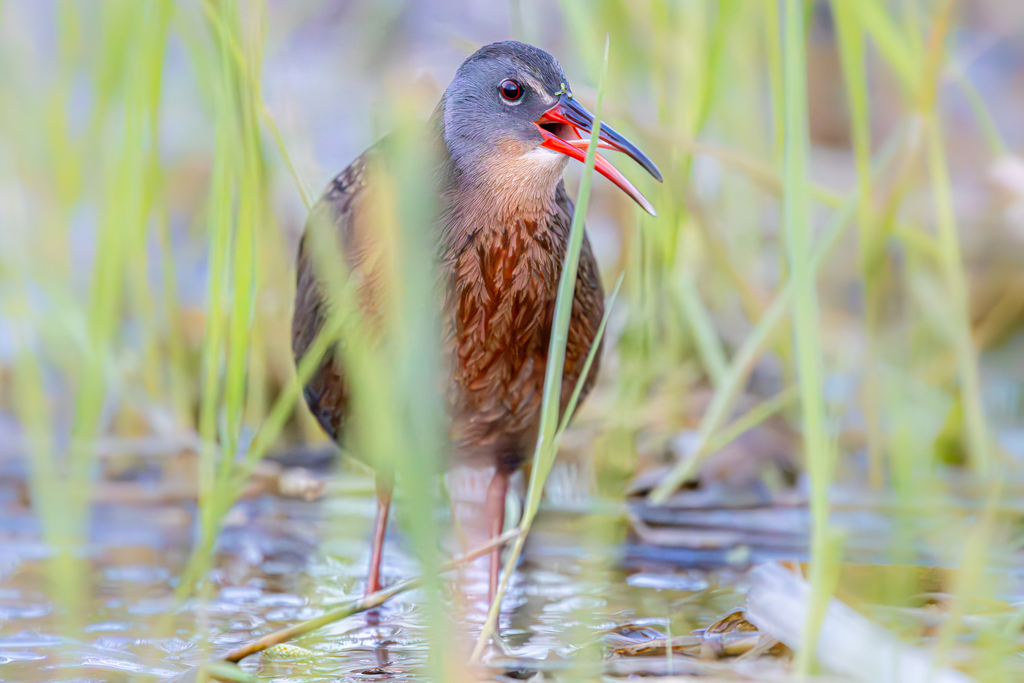
Virginia Rail
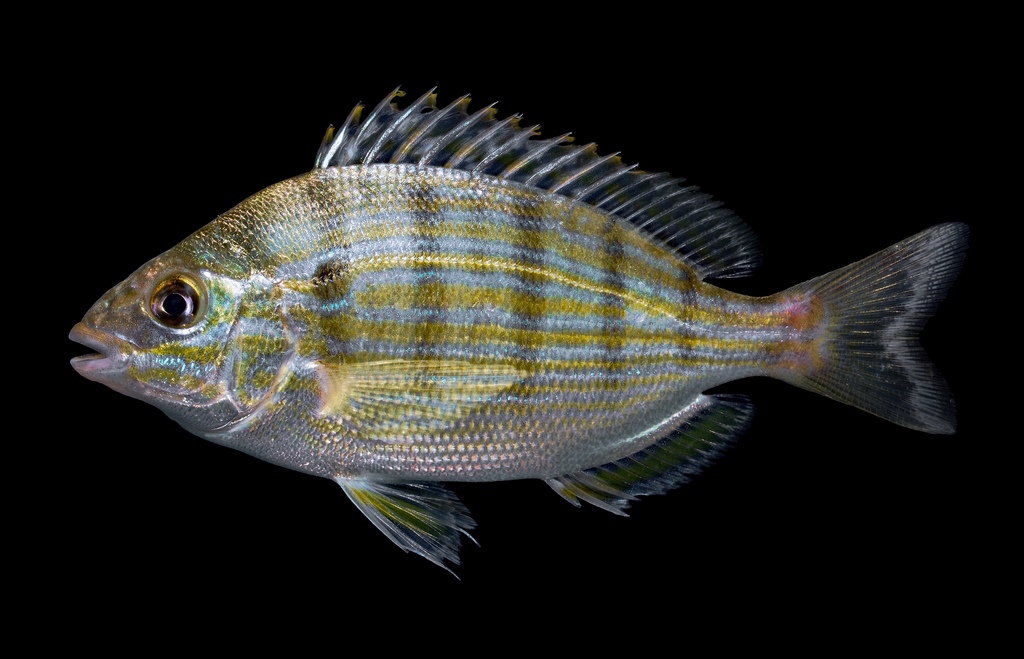
Pinfish

Northwestern Salamander

Checkered Garter Snake
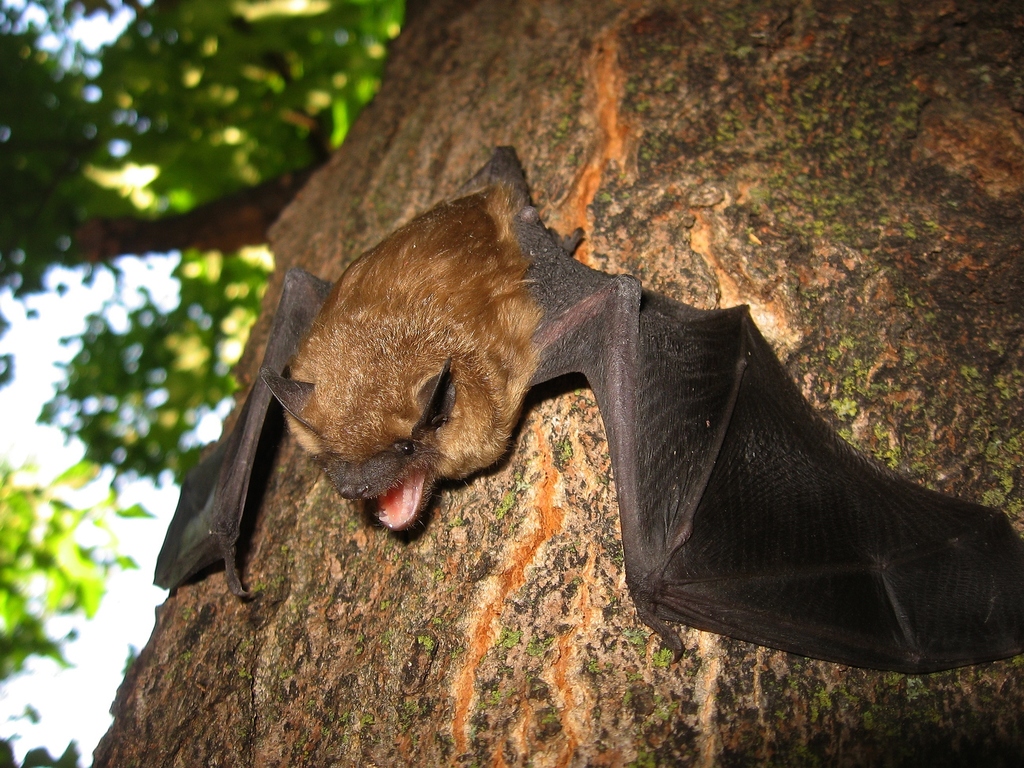
Big Brown Bat

Common Pauraque

Long-toed Salamander

Purple Sandpiper
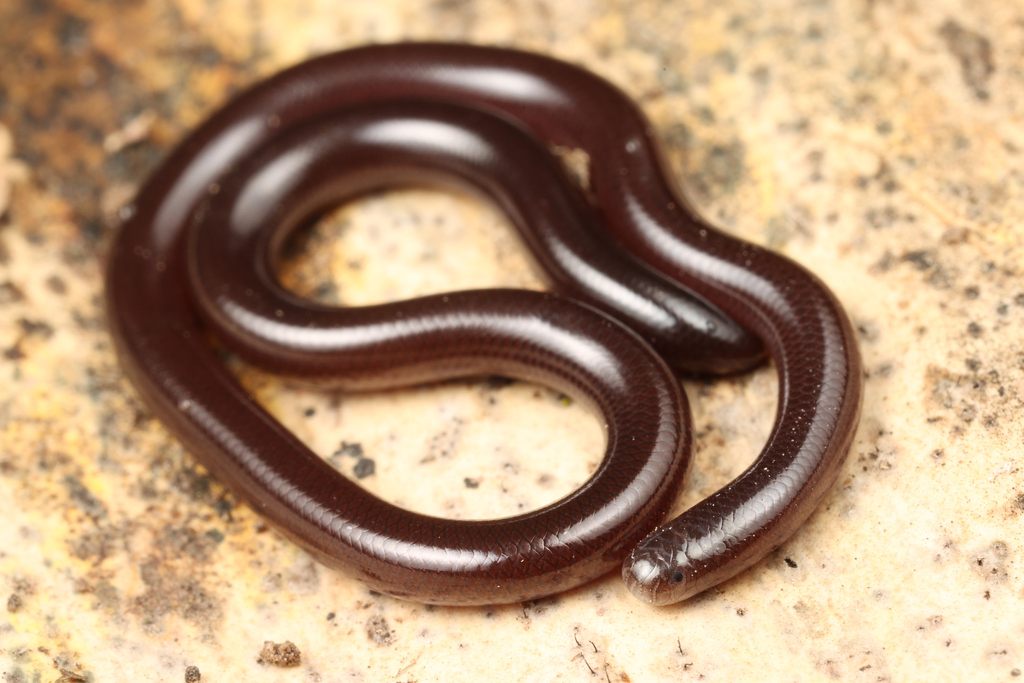
Khorat Blind Snake

Goldfish

Willow Flycatcher

American Golden-Plover

Granite Spiny Lizard

Desert Horned Lizard

Florida Cottonmouth
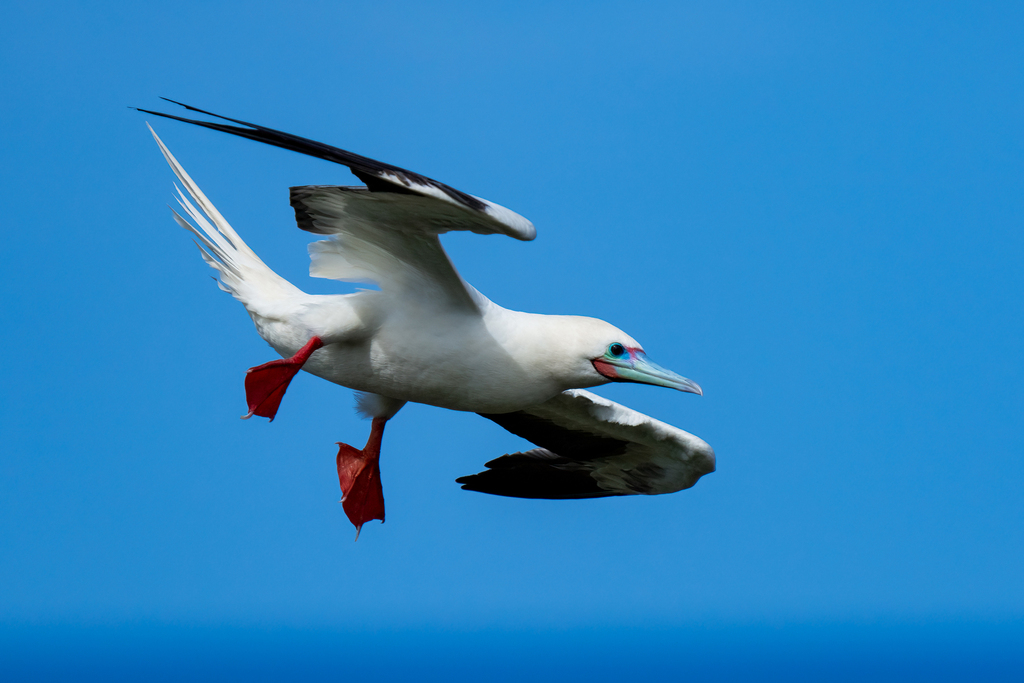
Red-footed Booby
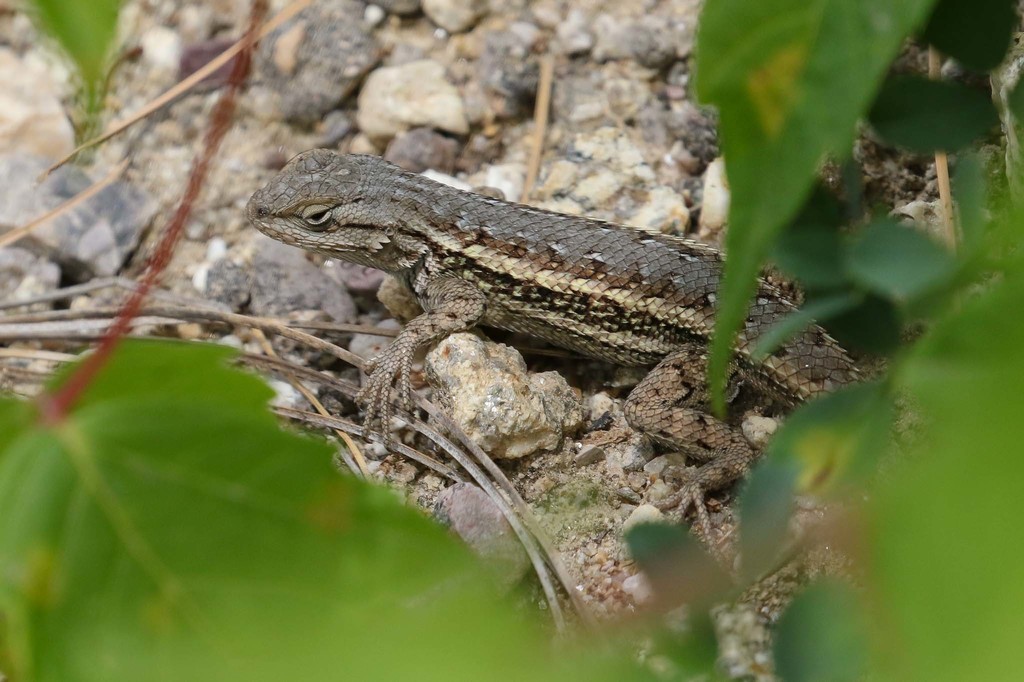
Southwestern Fence Lizard

Long-tailed Salamander

Douglas' Ground Squirrel

Western Red-backed Salamander

Red-naped Sapsucker

Amur Carp

Hoary Marmot

Western Screech-Owl

Sooty Shearwater

Loggerhead Sea Turtle
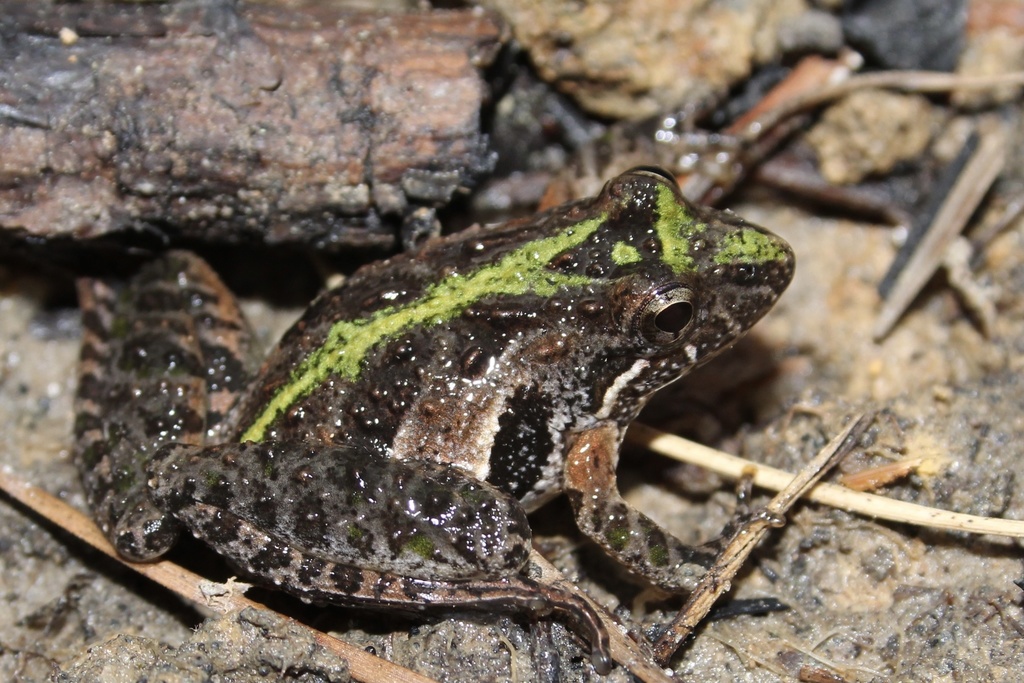
Southern Cricket Frog
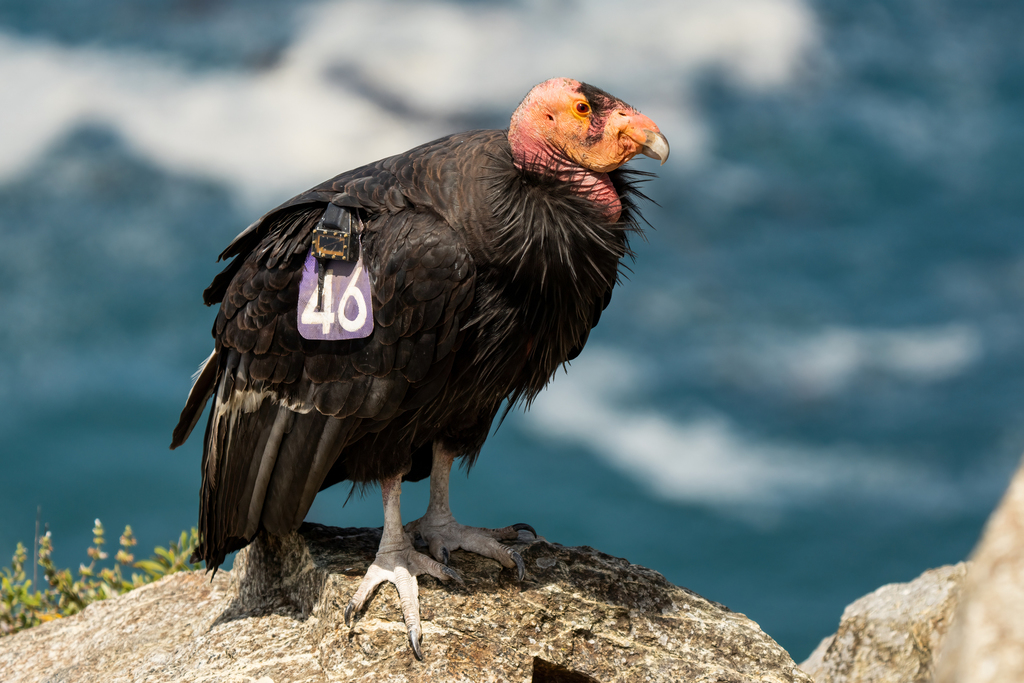
California Condor

King Salmon

Wilson's Plover
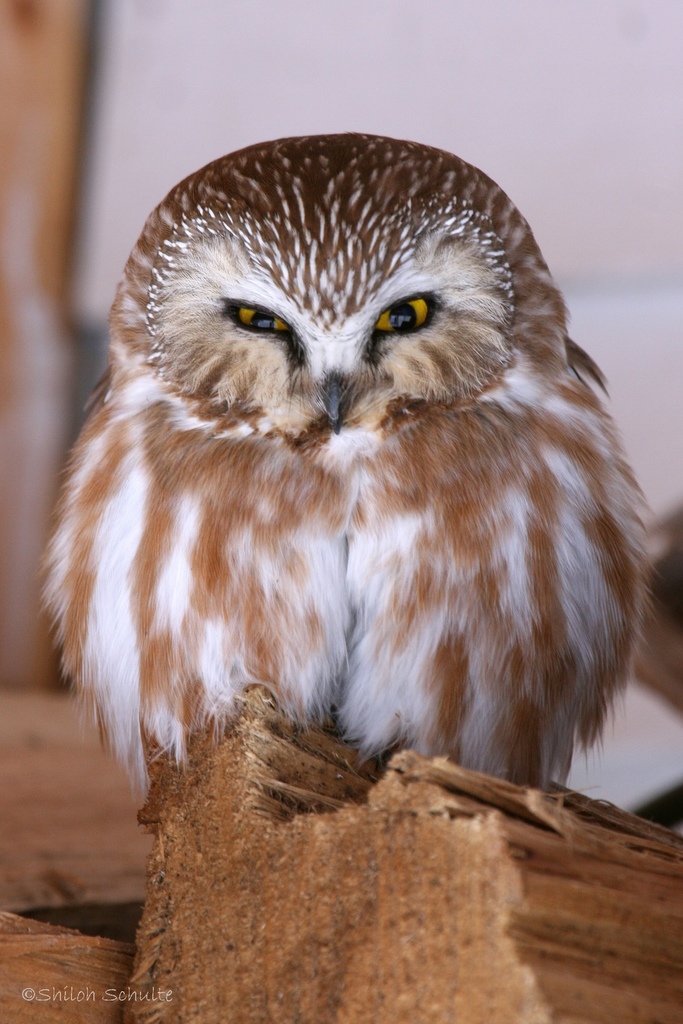
Northern Saw-whet Owl

White Sucker
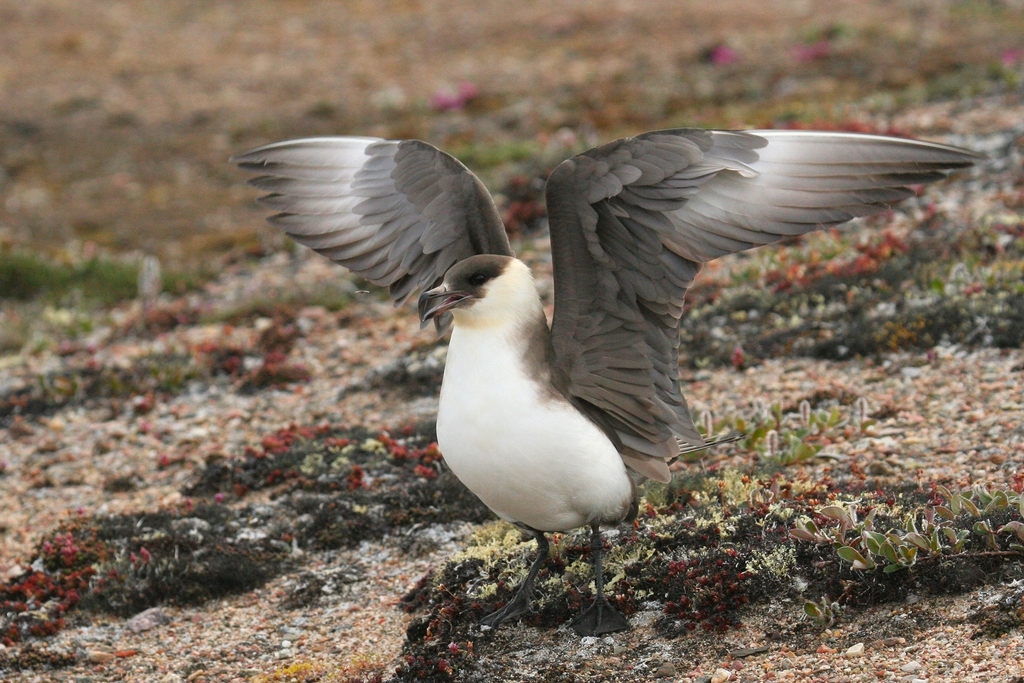
Parasitic Jaeger
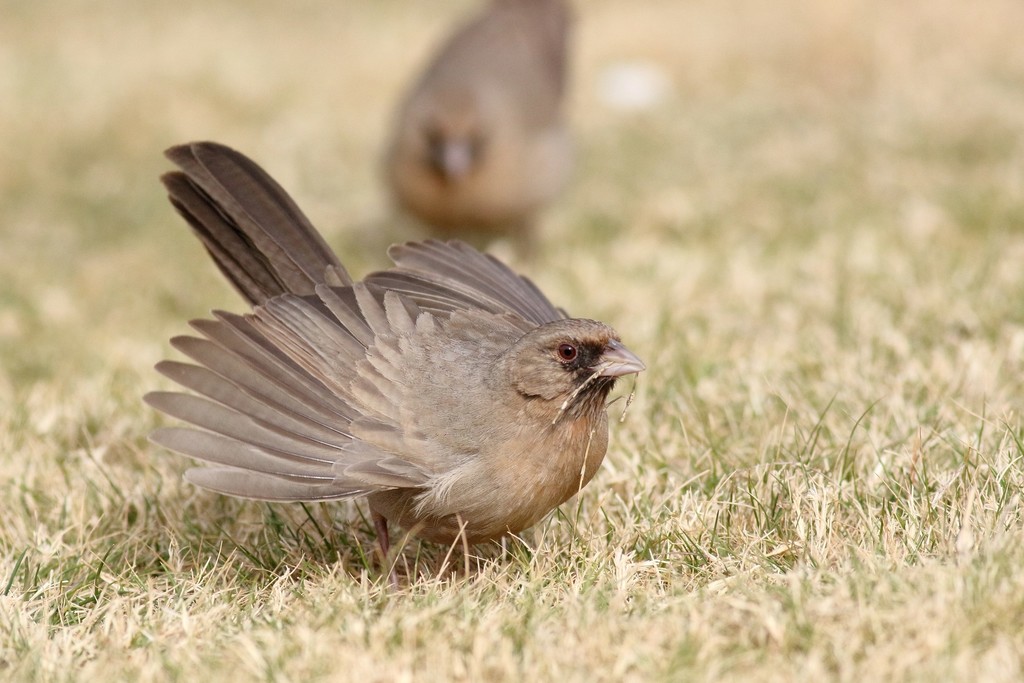
Abert's Towhee

Dusky Grouse

Peninsular Cooter

Donkey

Zone-tailed Hawk

MacGillivray's Warbler
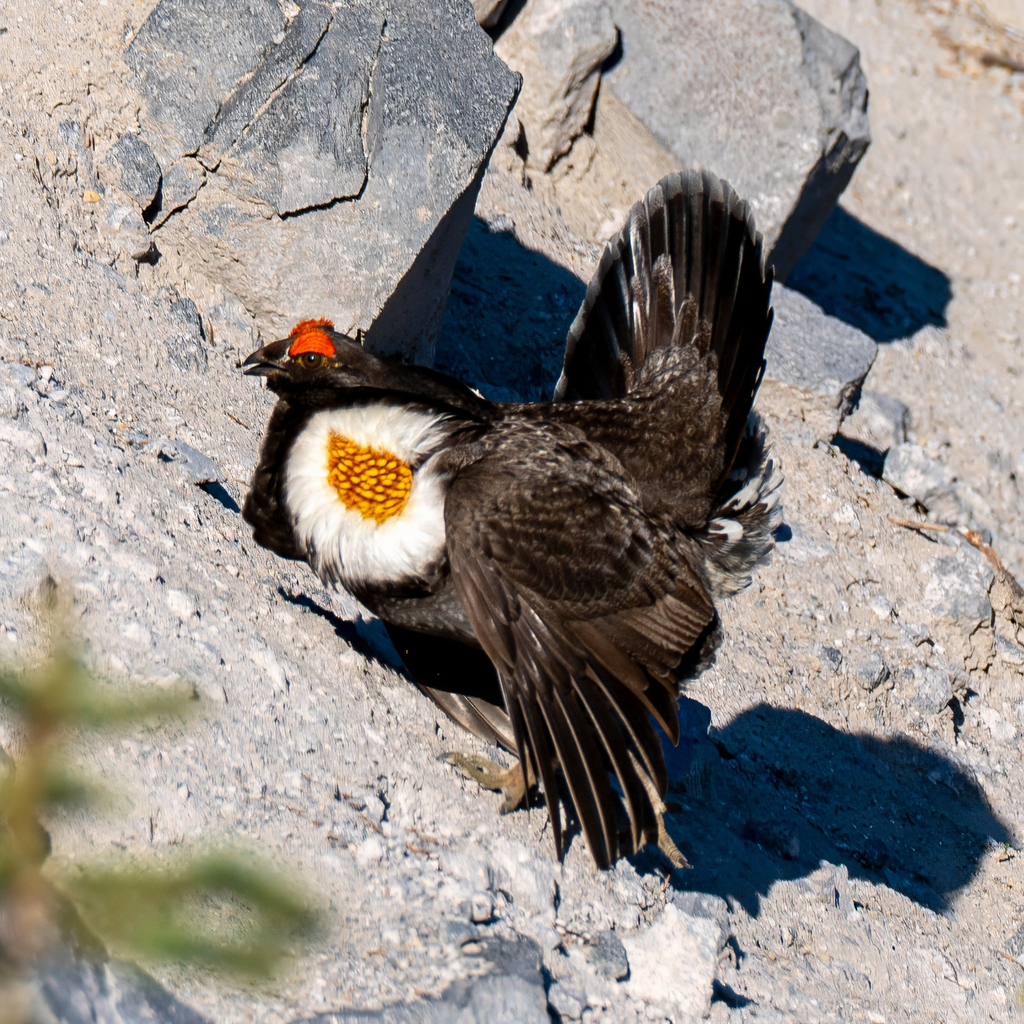
Sooty Grouse

Eastern Spadefoot

Grey Snapper

Long-nosed Leopard Lizard

Lewis's Woodpecker

Rainbow Darter

Nanday Parakeet

Mountain Spiny Lizard

Bark Anole
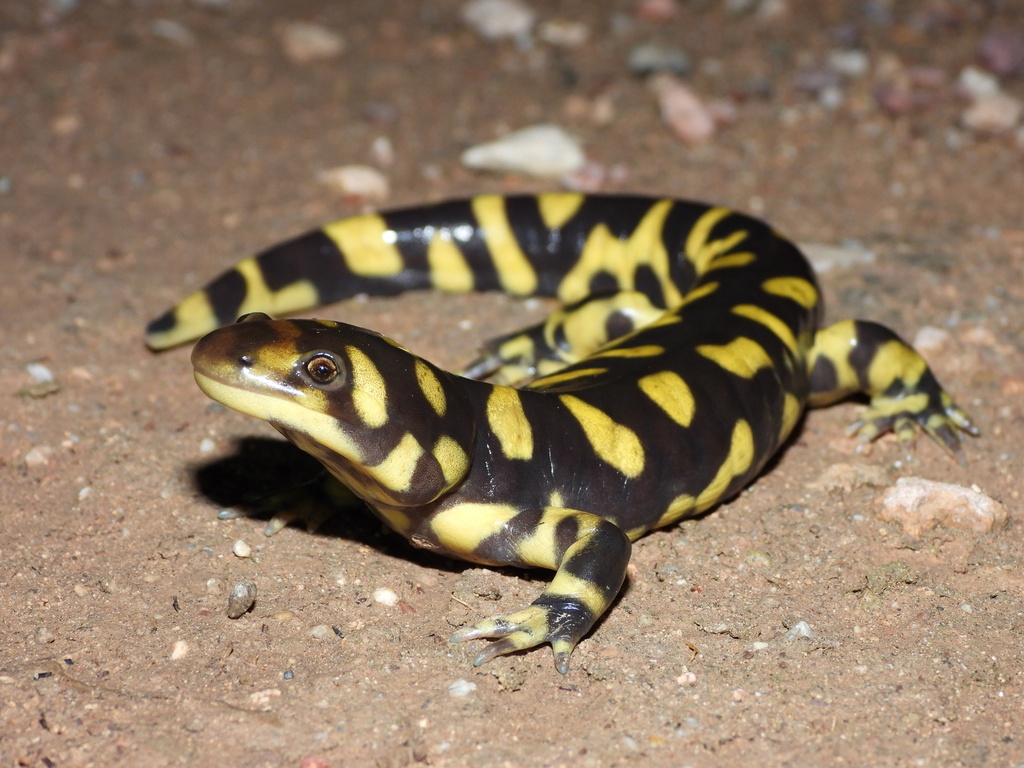
Western Tiger Salamander

Scott's Oriole

Flathead Mullet

Least Bittern

Smooth Greensnake

Blue-winged Warbler
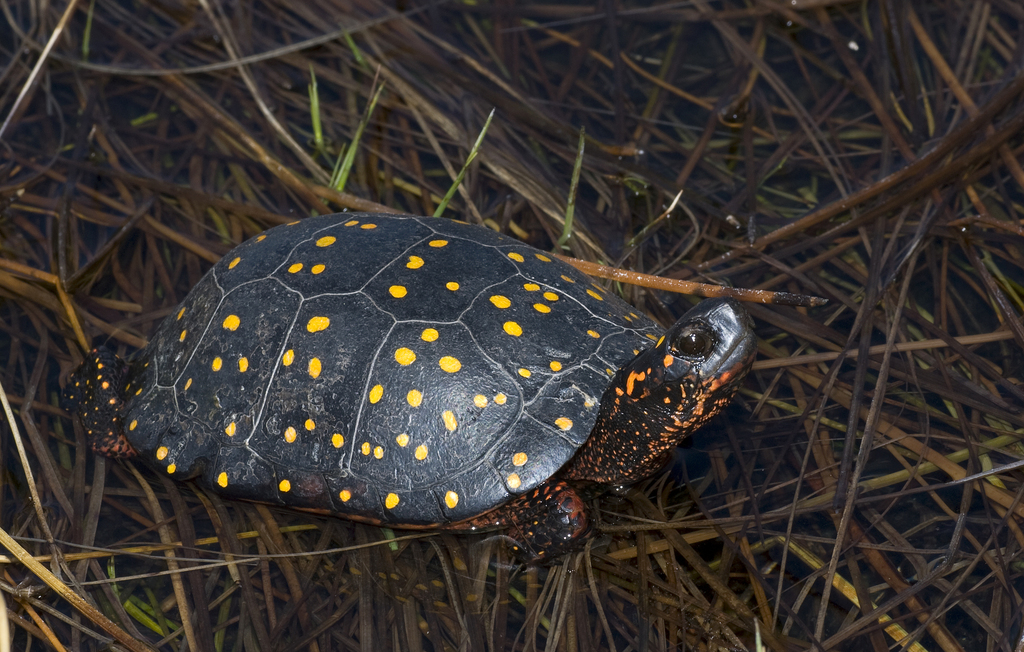
Spotted Turtle

Least Chipmunk

Four-toed Salamander

Red Diamond Rattlesnake

Lark Bunting

Rivoli's Hummingbird
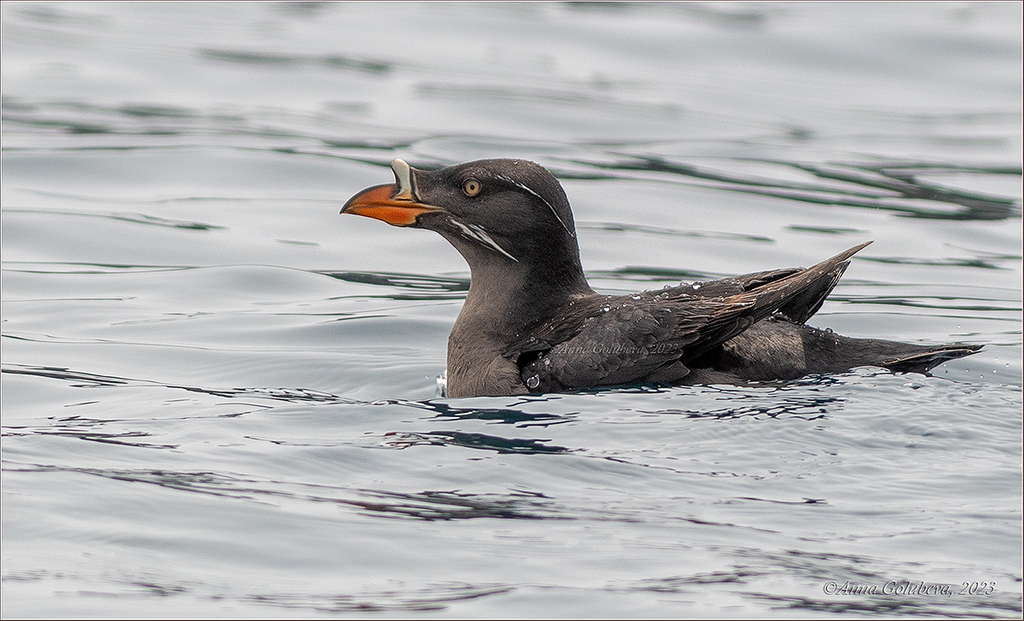
Rhinoceros Auklet

French Grunt

Coho Salmon

Yellow-billed Cardinal

California Red-legged Frog

Thirteen-lined Ground Squirrel

Bell's Vireo

Wandering Tattler

Yellow-billed Magpie

Clark's Spiny Lizard

Pygmy Rattlesnake

American Badger

Coastal Giant Salamander

Cave Salamander

White-throated Swift

Schoolmaster Snapper
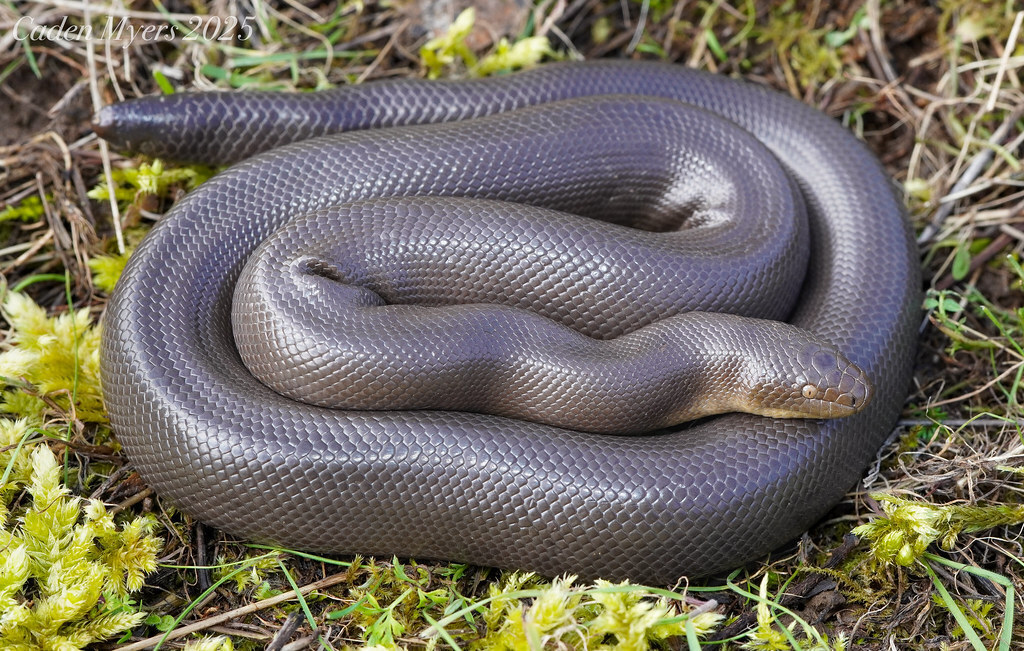
Northern Rubber Boa

Long-tailed Weasel

Western Black-tailed Rattlesnake

Pacific Trumpetfish
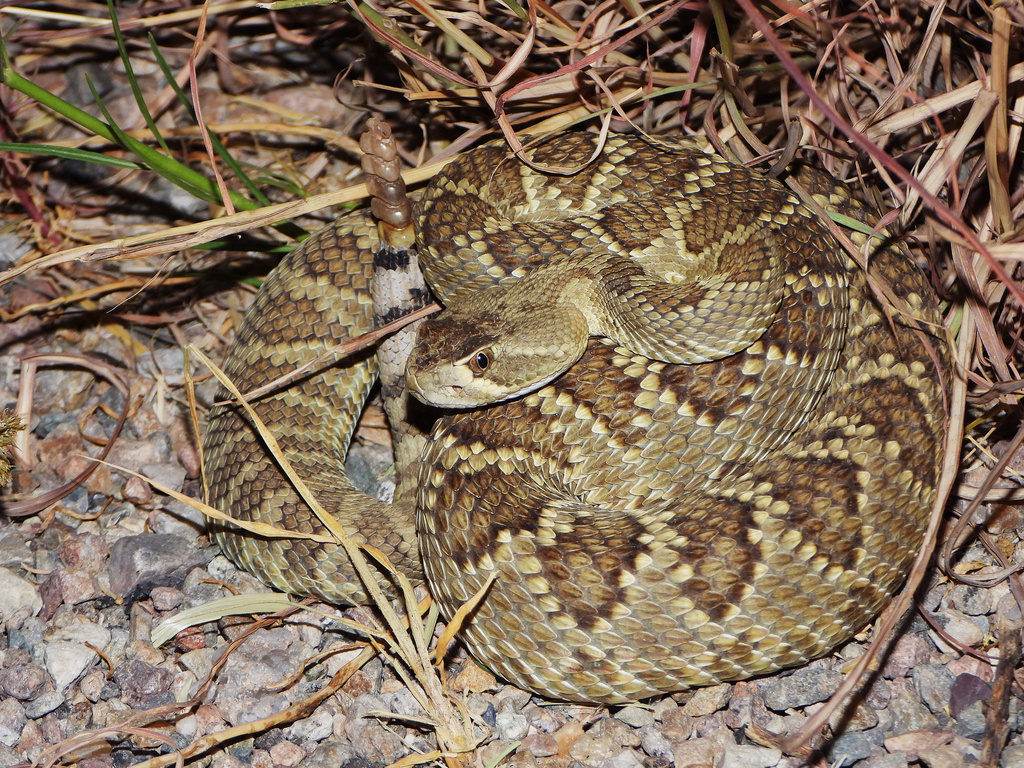
Mohave Rattlesnake

Western Banded Gecko

Hispid Cotton Rat

Domestic Cattle

Clapper Rail

Surfbird

Upland Sandpiper
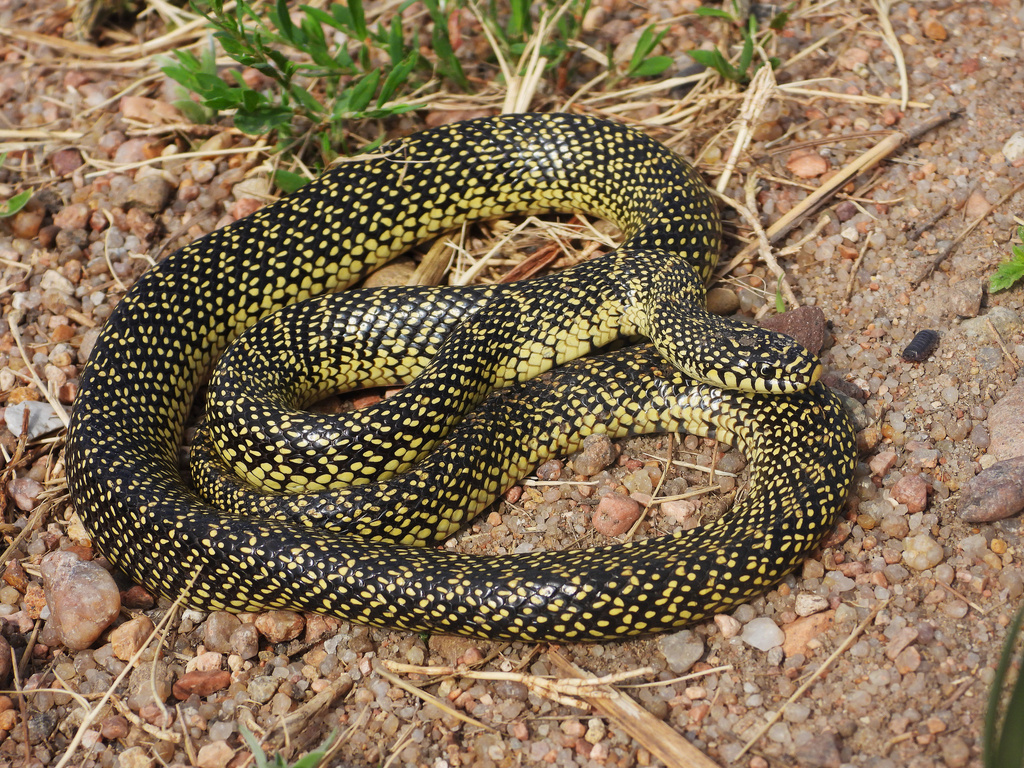
Speckled Kingsnake

Sage Thrasher

Long-nosed Snake

Hawaiian Goose

Painted Redstart

Long-billed Thrasher

Philadelphia Vireo
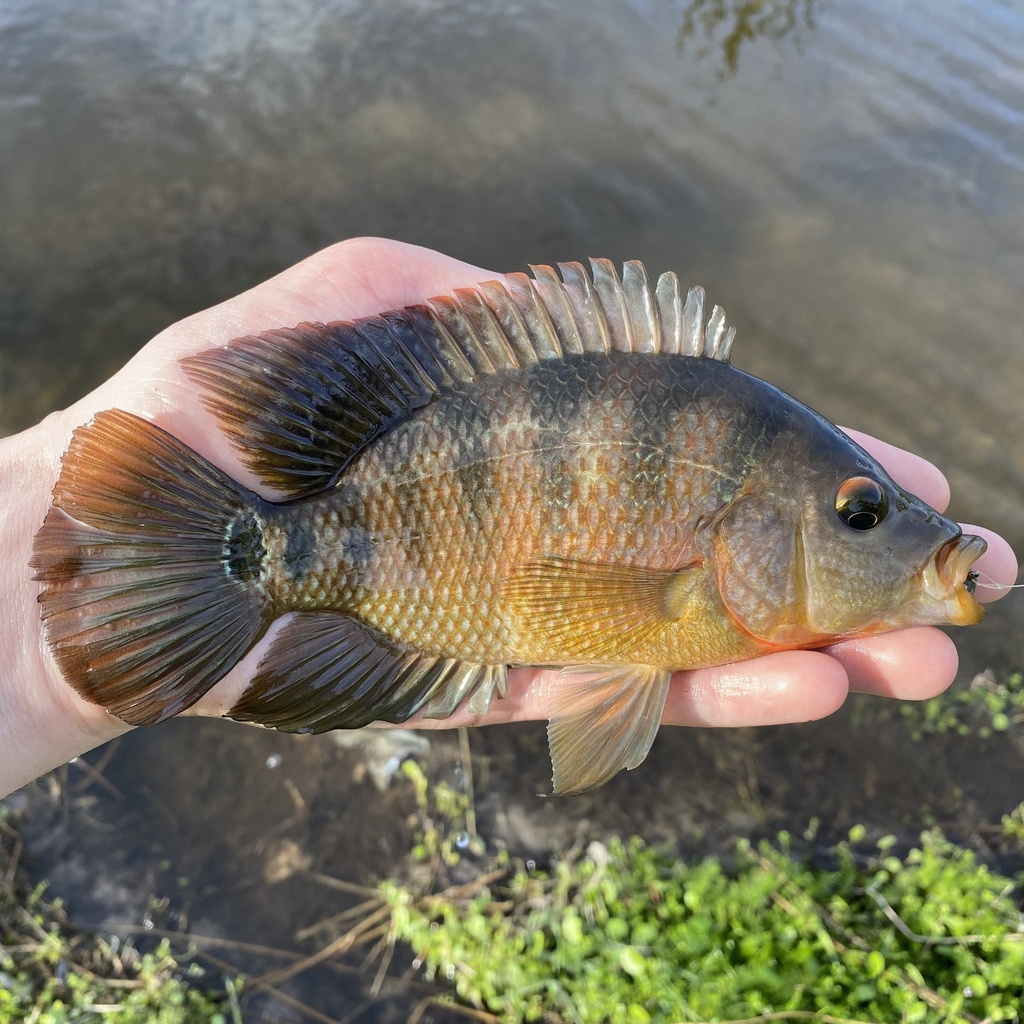
Mayan Cichlid

Texas Tortoise

Foothill Yellow-legged Frog

Calliope Hummingbird

Mourning Warbler
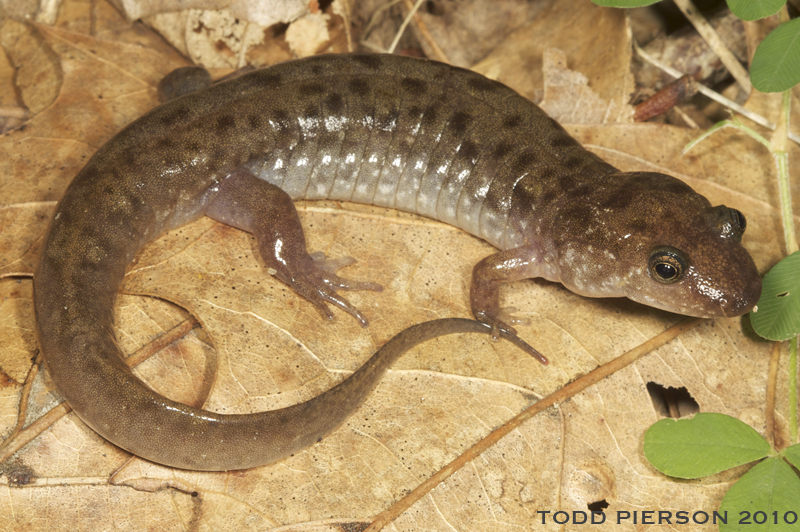
Seal Salamander

Pacific Loon

Bluefin Trevally

Great Plains Ratsnake

Warmouth Sunfish

Lawrence's Goldfinch

American Gizzard Shad
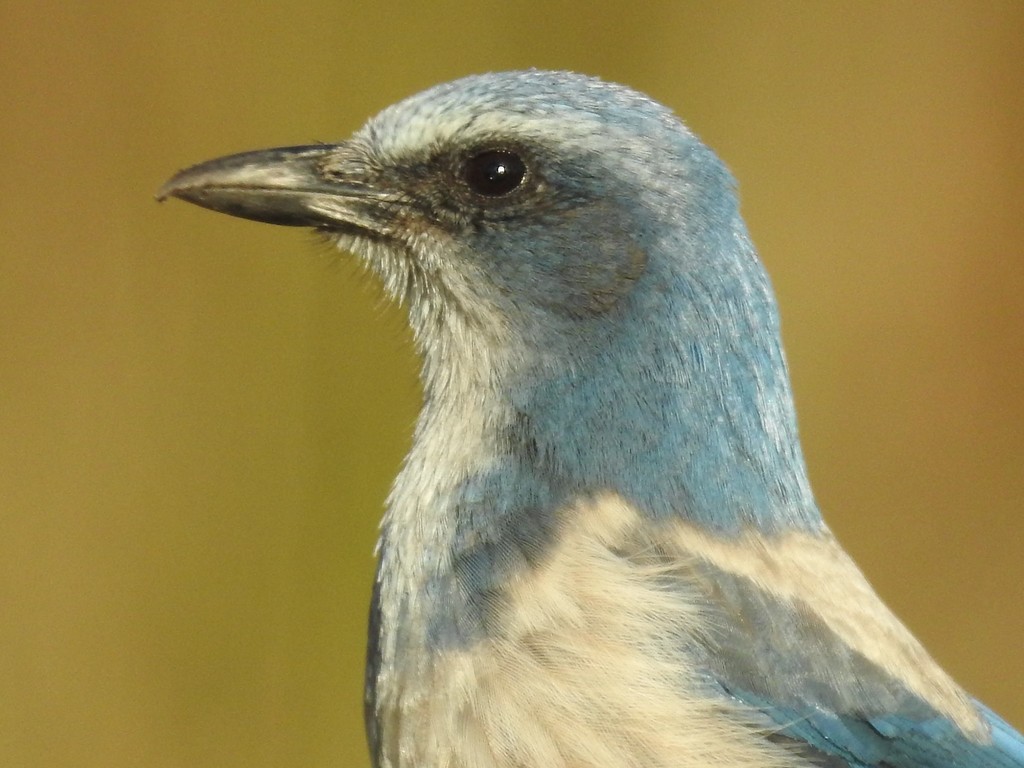
Florida Scrub Jay

Southeastern Five-lined Skink
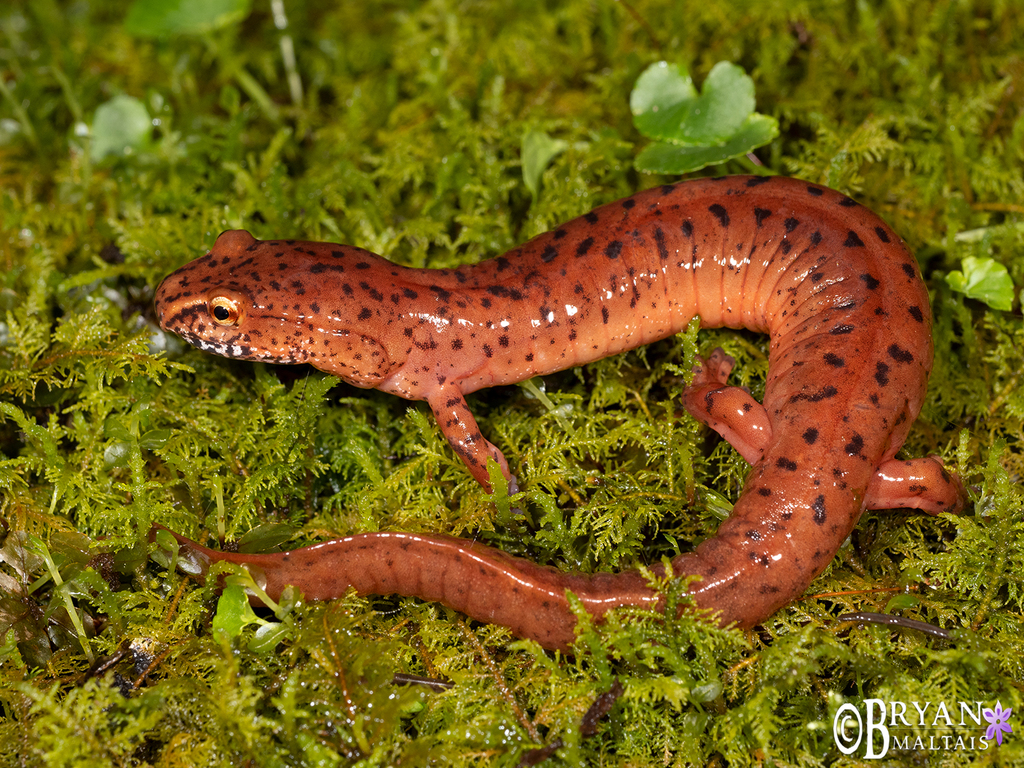
Spring Salamander

Mexican Free-tailed Bat

Broad-banded Copperhead

Whooping Crane
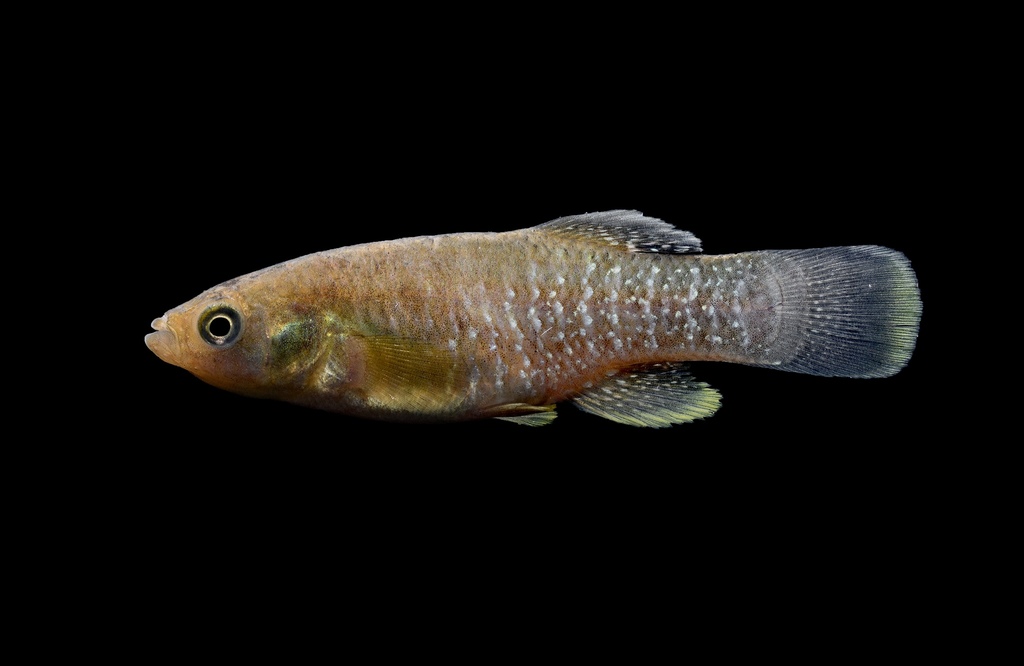
Mummichog

Striped Racer

Prairie Falcon

Mountain Cottontail

Chuck-will's-widow

Fantail Darter

Slippery Dick

Common Porpoise

Freshwater Drum

Black-bellied Slender Salamander

Gray Whale

Brown Noddy

Lesser Nighthawk
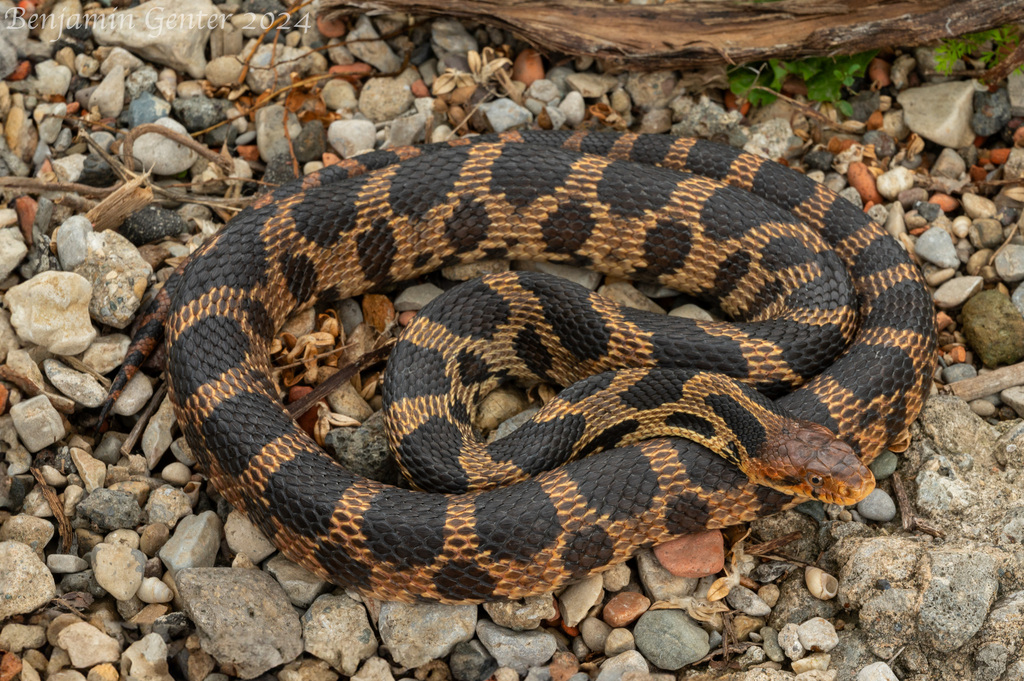
Eastern Foxsnake

Hudsonian Godwit
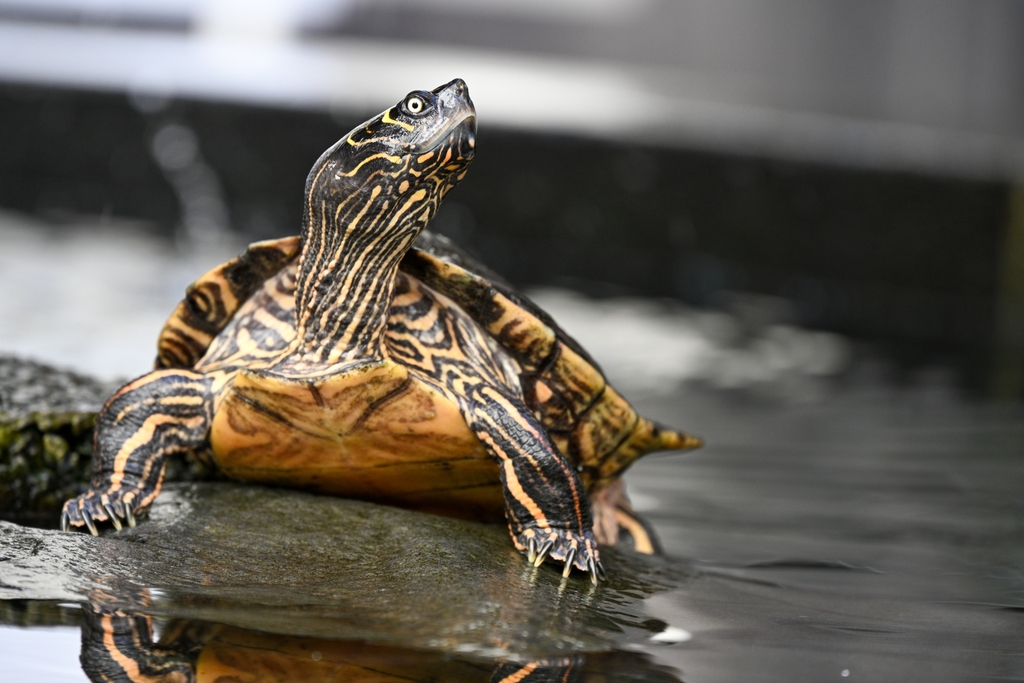
False Map Turtle

Spotted Boxfish

Sidewinder

Golden Shiner

Brown-crested Flycatcher
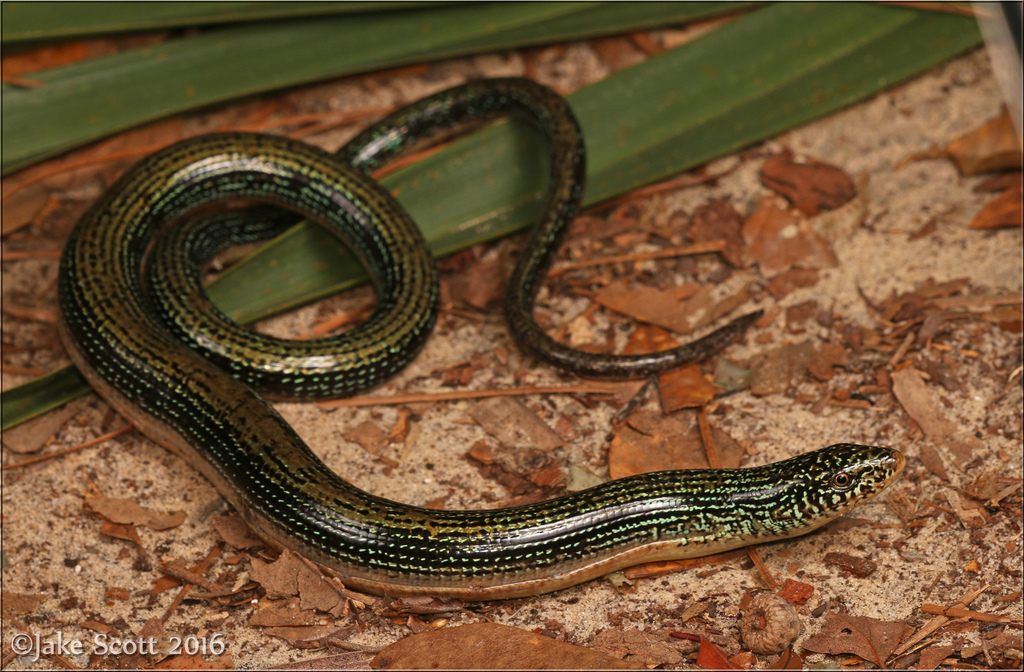
Eastern Glass Lizard

Buff-bellied Hummingbird

Fisher
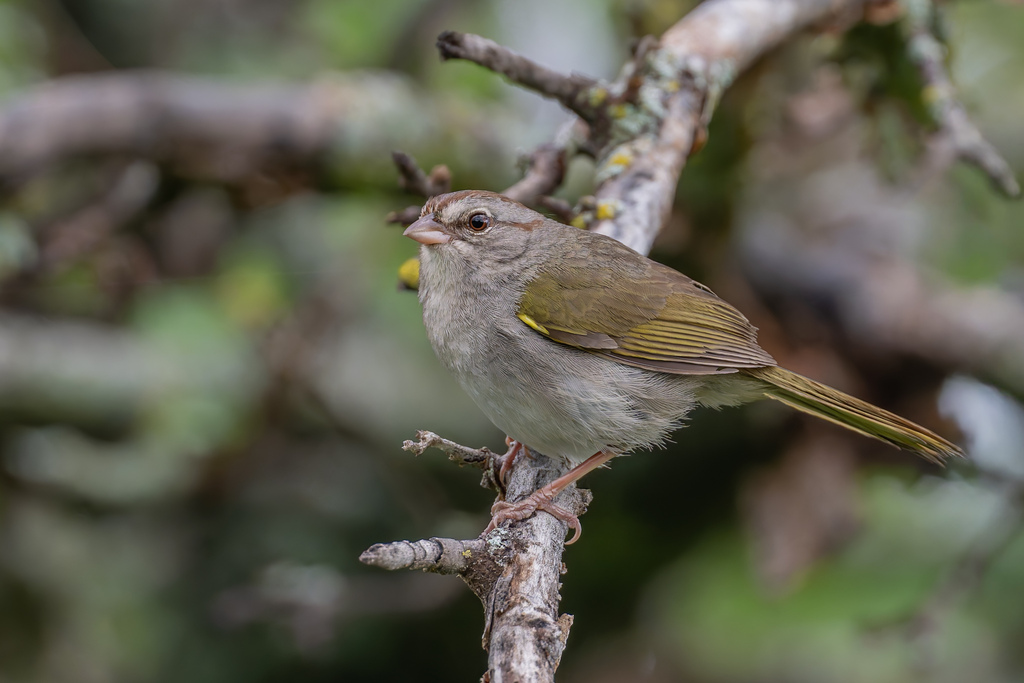
Olive Sparrow

Florida Largemouth Bass

Hermit Warbler

Longnose Gar

Common Shiner

Columbia Spotted Frog
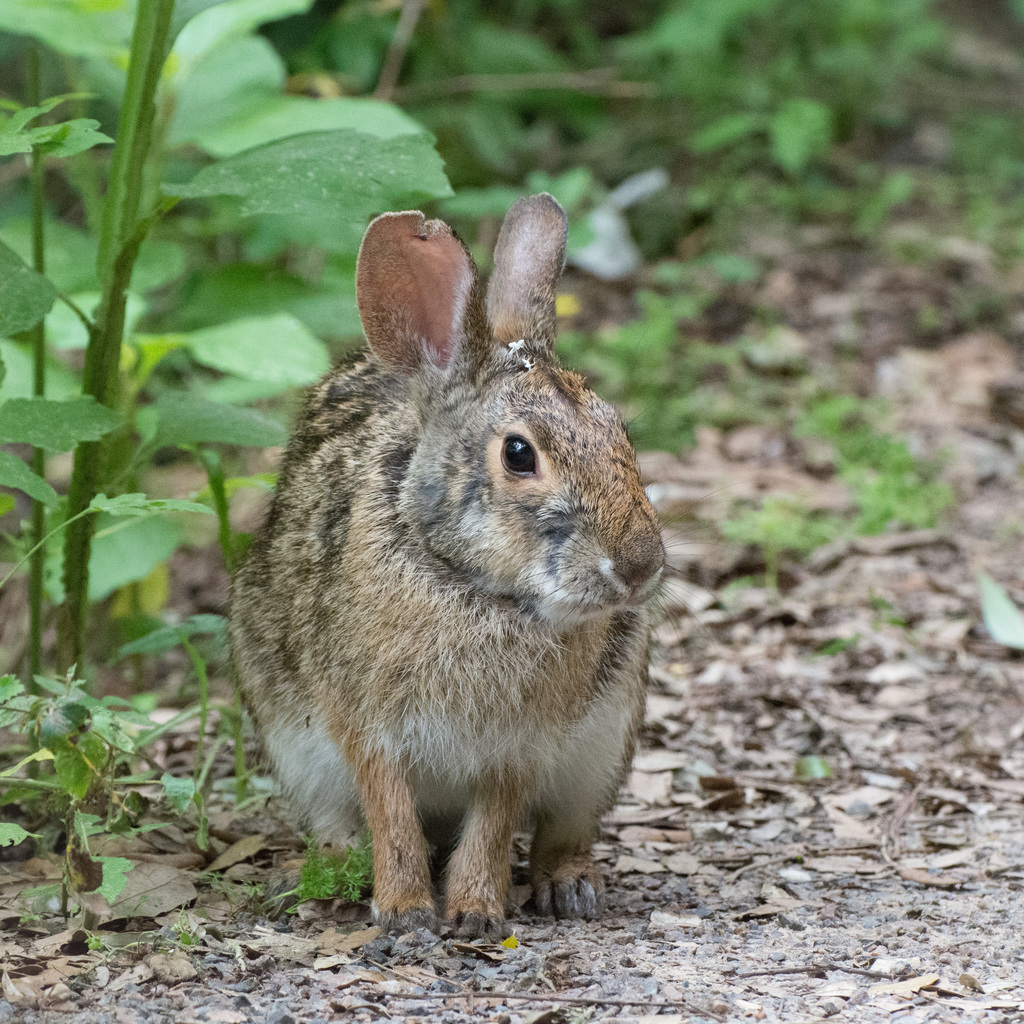
Swamp Rabbit

Knight Anole

Brown Bullhead Catfish

Colorado River Toad

White-headed Woodpecker

Raccoon Butterflyfish
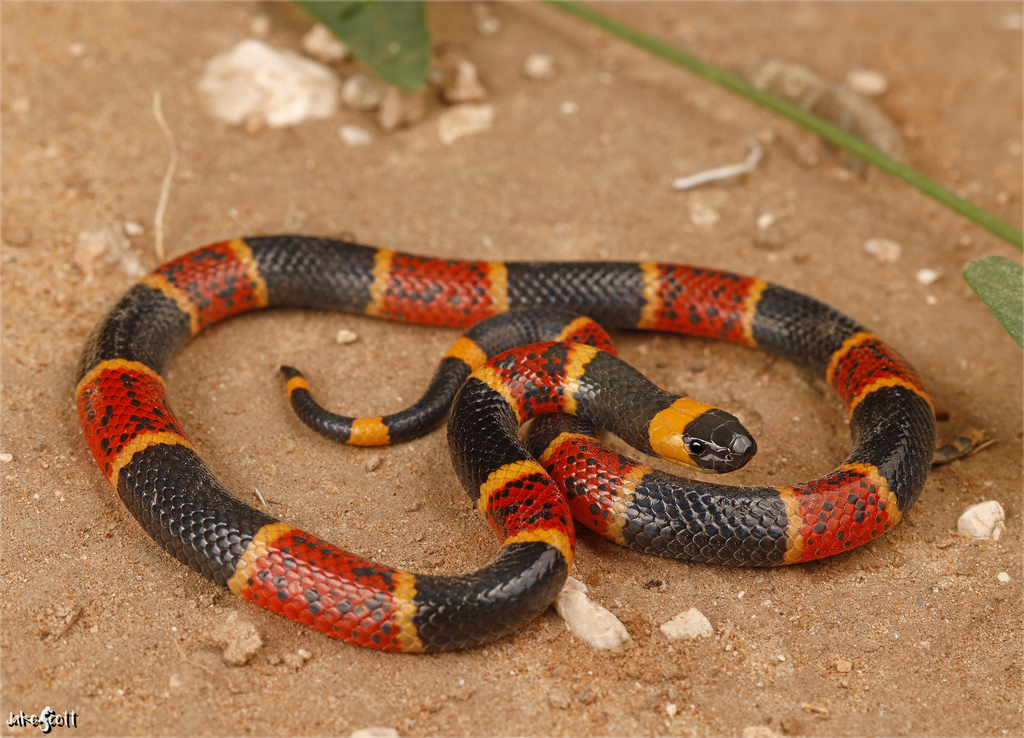
Texas Coralsnake

Bluestriped Grunt

Brown Watersnake

Redear Sunfish

Florida Gar

Agassiz’s Desert Tortoise

Bird Wrasse

Pine Woods Tree Frog

Southern Flying Squirrel

Abert's Squirrel

Golden-winged Warbler

Bullethead Parrotfish

Sailfin Molly

Hammond's Flycatcher
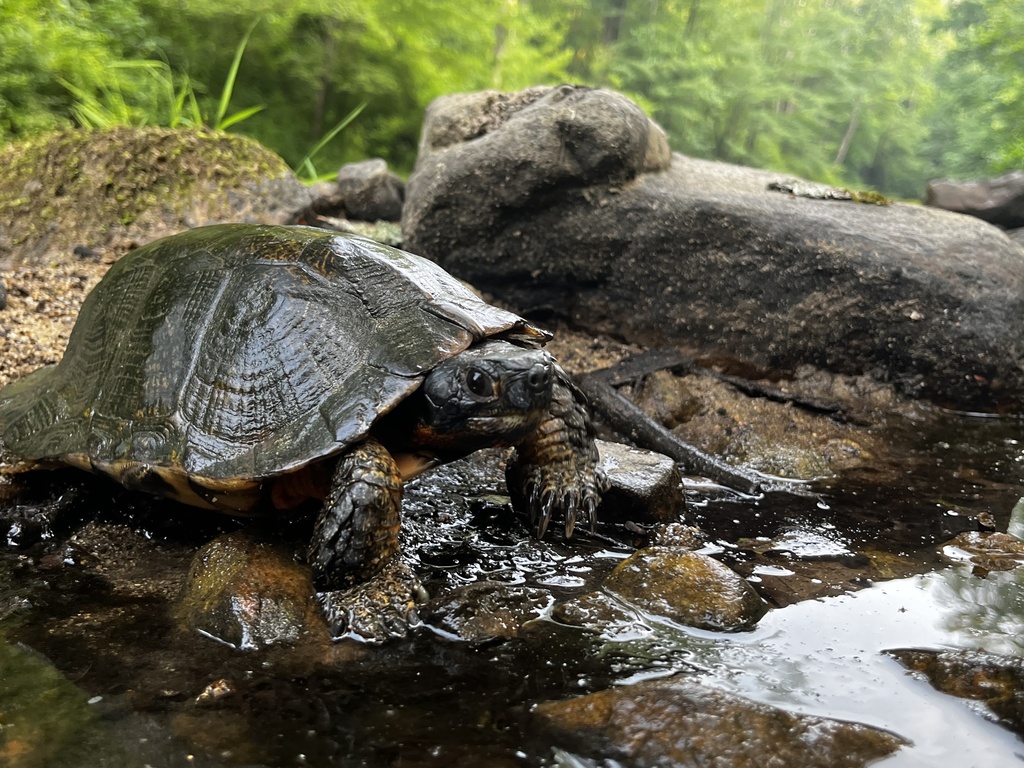
Wood Turtle

Day Octopus
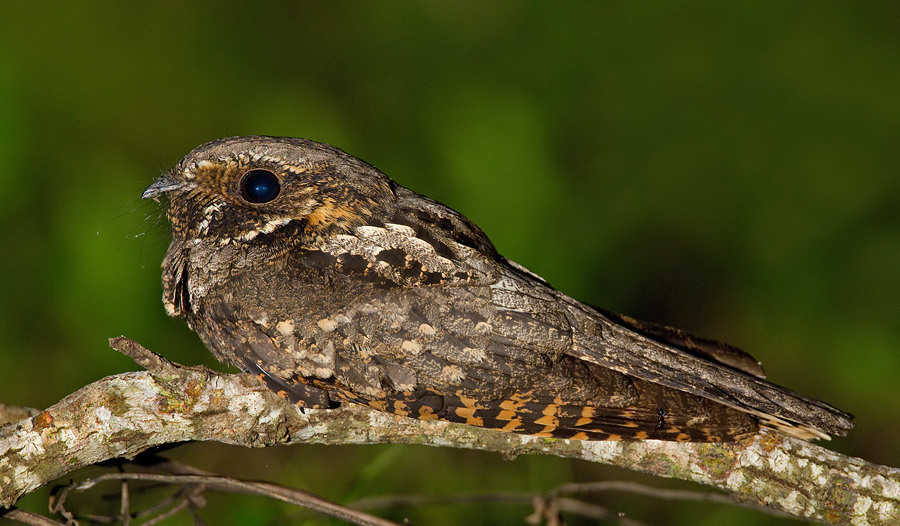
Eastern Whip-poor-will

Southern Sagebrush Lizard

Black-tailed Gnatcatcher

Great Shearwater

Bluntnose Minnow
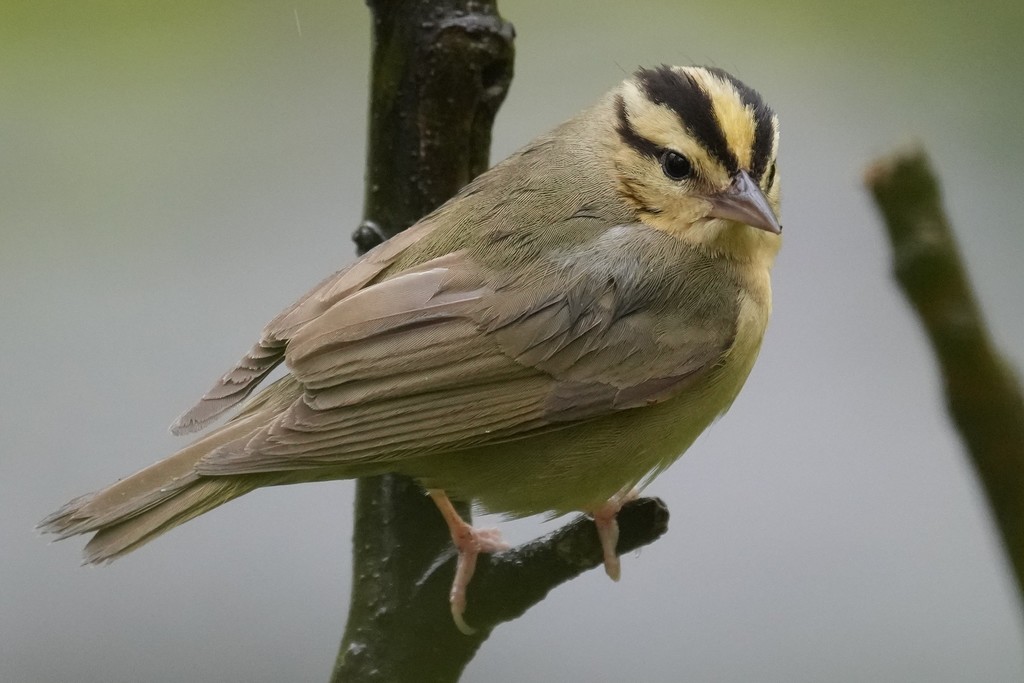
Worm-eating Warbler

Striped Bass

Northern Zigzag Salamander

Acadian Flycatcher

Grey Francolin

Sharp-tailed Snake
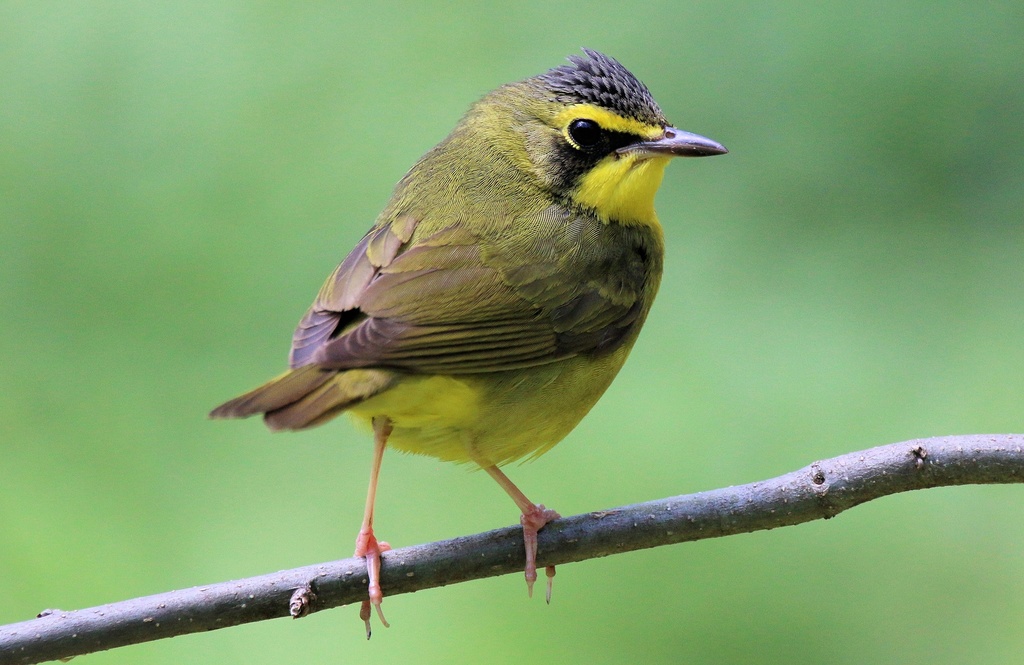
Kentucky Warbler

Gray-cheeked Thrush

Cave Swallow

Race-runner
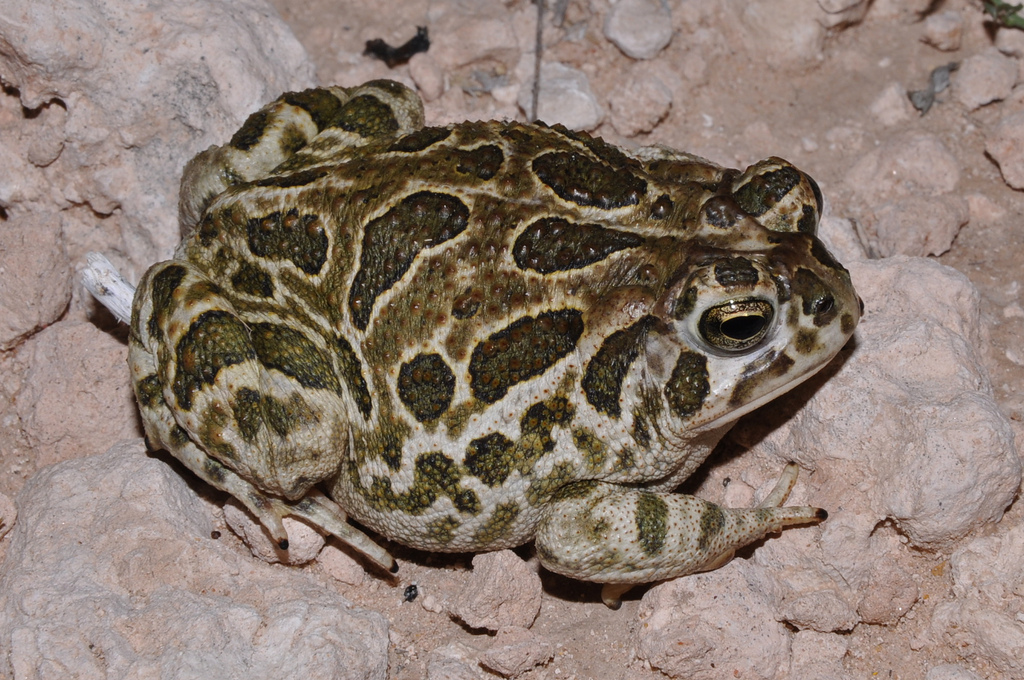
Great Plains Toad

Striped Shiner
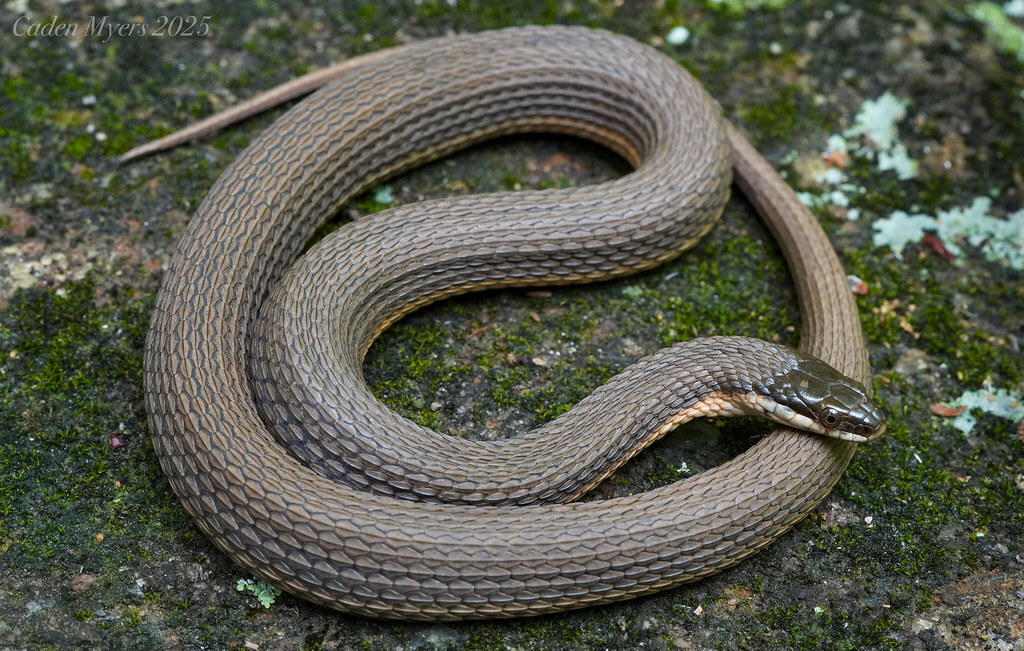
Queen Snake

Scaled Quail

Bluespine Unicornfish
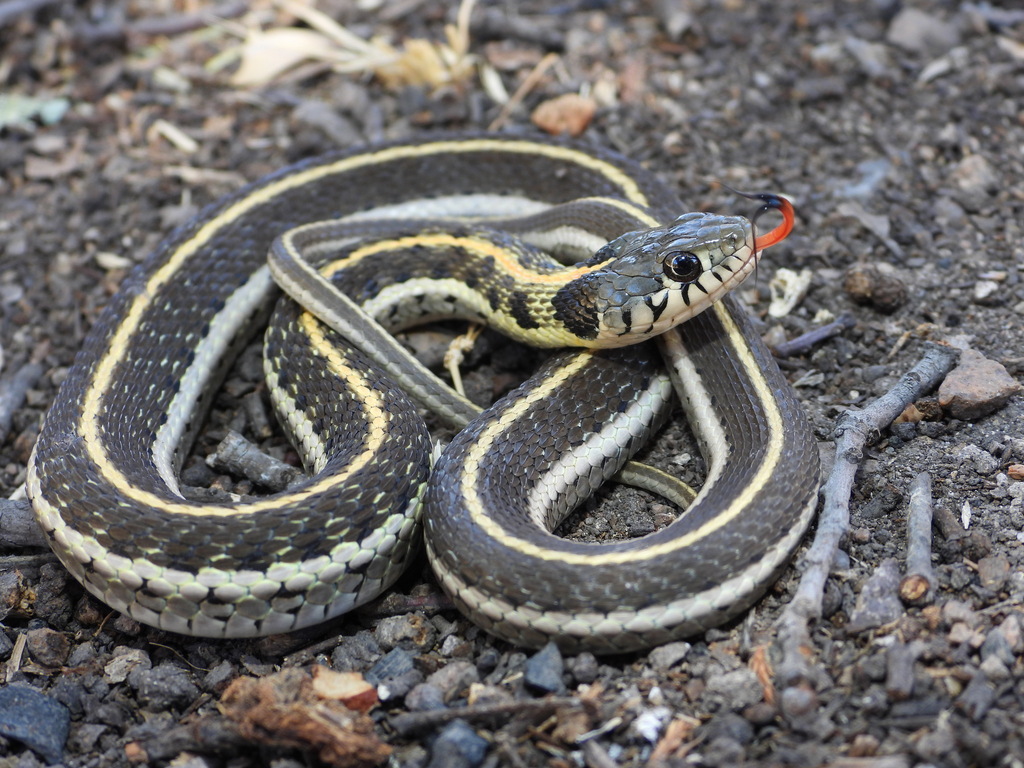
Black-necked Gartersnake

Sheep
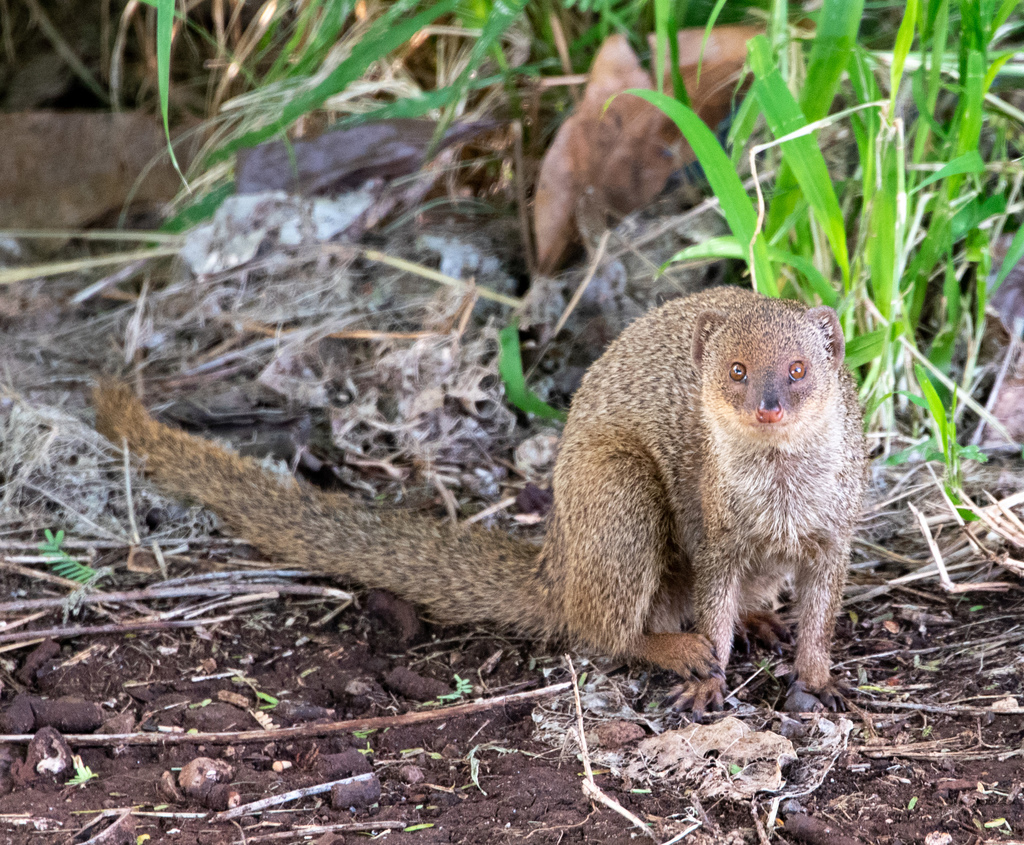
Small Indian Mongoose

Great Frigatebird
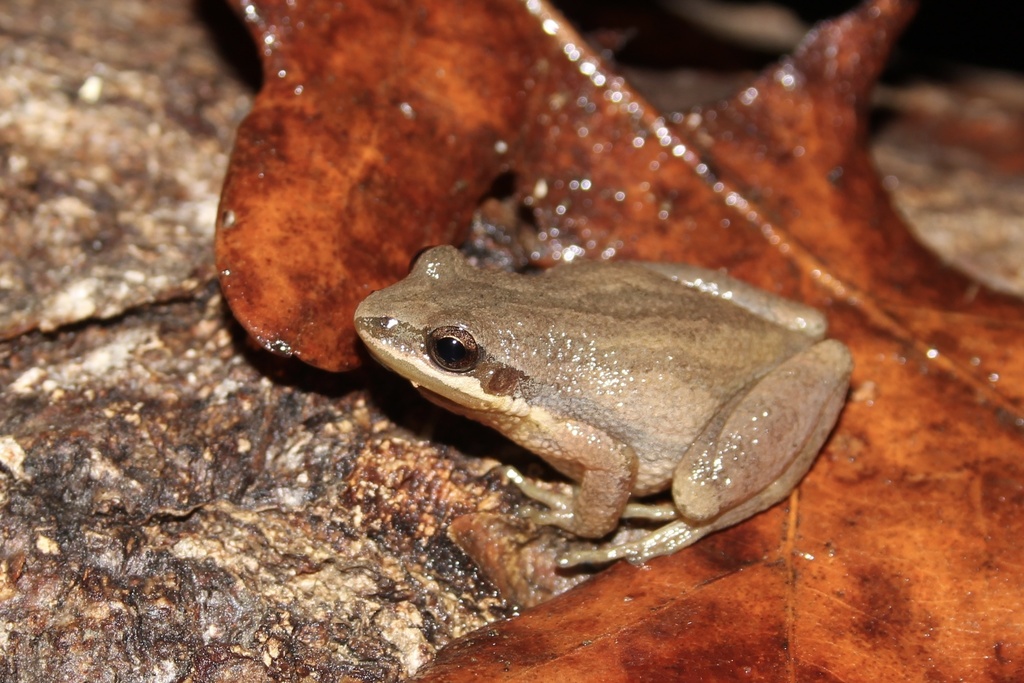
Upland Chorus Frog

Western Narrow-mouthed Toad

Blackspot Sergeant

Garibaldi

Hardhead Catfish

Banded Killifish

Eastern Red Bat

Walleye

Peacock Grouper

Longear Sunfish

Eastern Mole

Nile Tilapia

Townsend's Chipmunk

Common Kingsnake

Scrawled Filefish

White-footed Mouse

Java Sparrow

Central Stoneroller

Redlip Parrotfish

Southwestern Speckled Rattlesnake
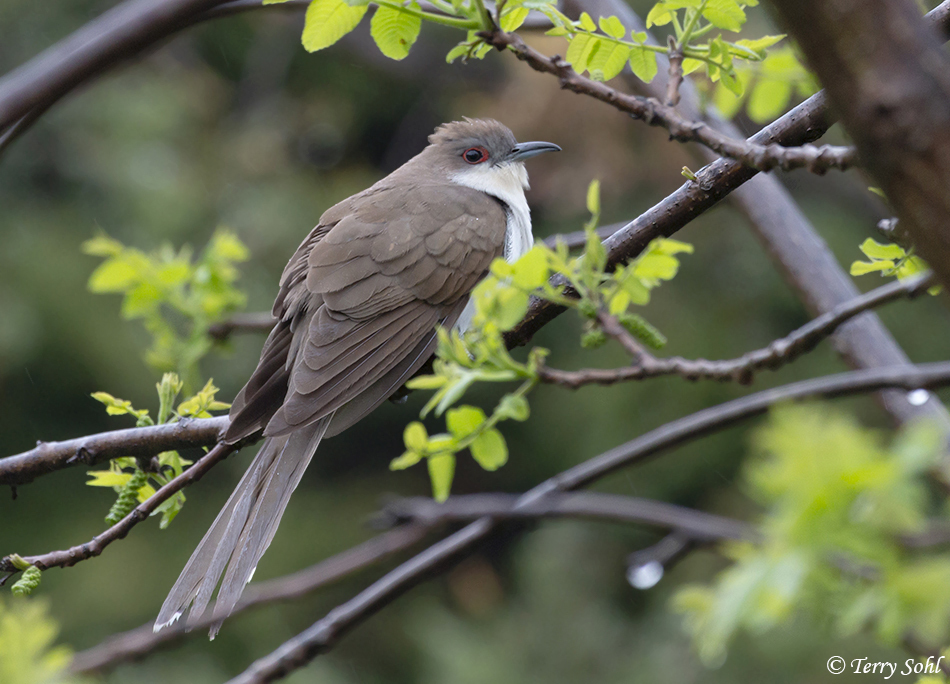
Black-billed Cuckoo

Tamanend's Bottlenose Dolphin

Lagoon Triggerfish

Southern Stingray

Brown Surgeonfish

Western Blacknose Dace

Wedge-tailed Shearwater

Slender Glass Lizard

Yellowstripe Goatfish

Fathead Minnow

Round-tailed Ground Squirrel
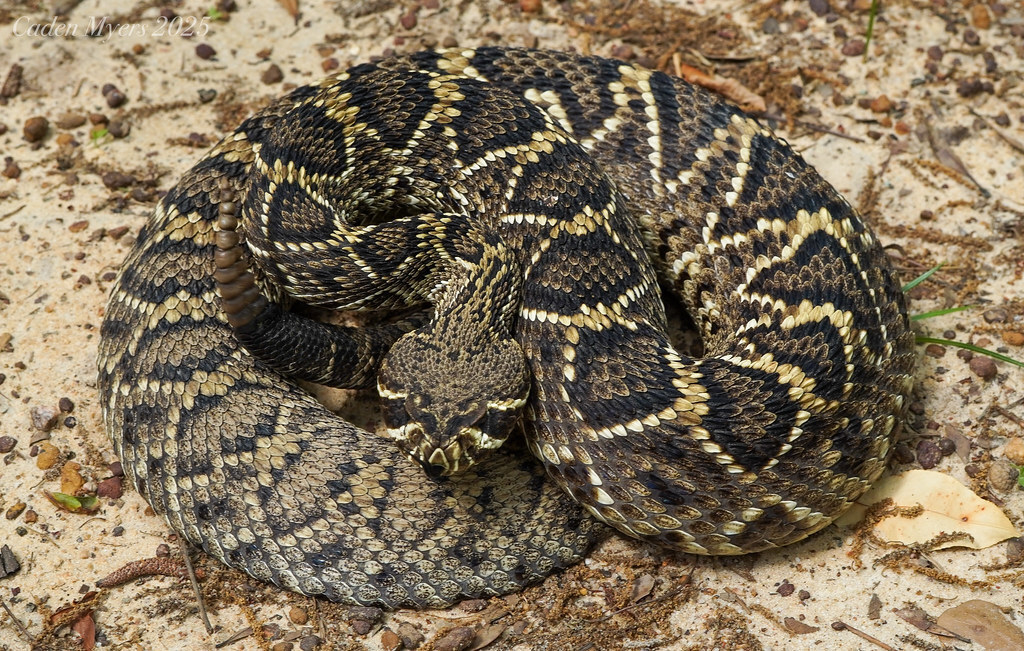
Eastern Diamondback Rattlesnake
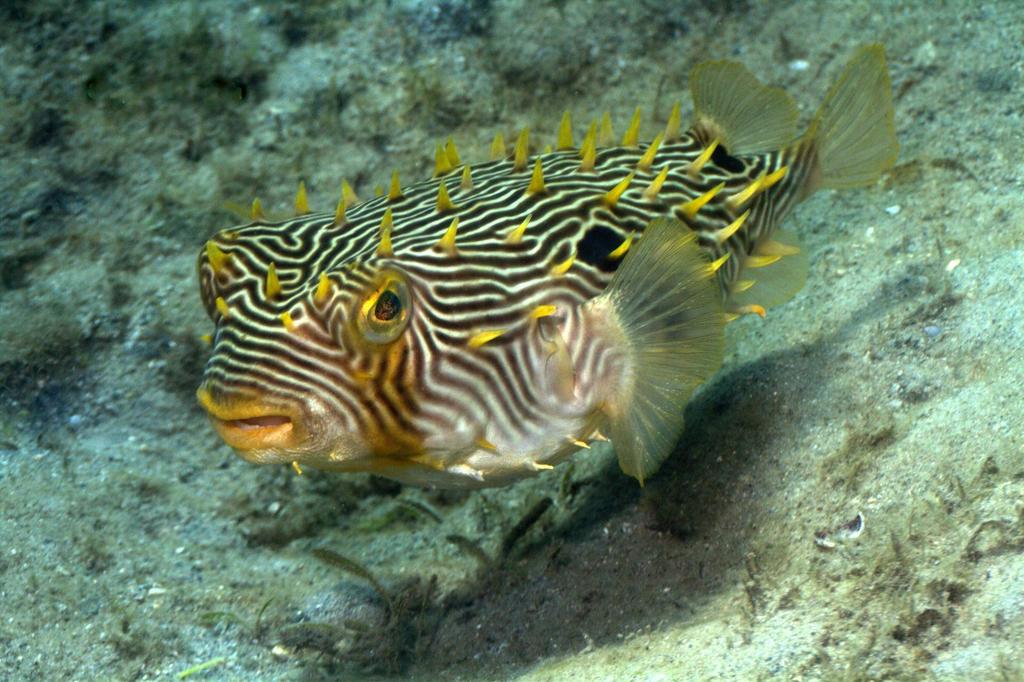
Striped Burrfish

Northern Sedge Wren

Chestnut Munia

Crevice Spiny Lizard

Snowflake Moray

Pacific Sailfin Tang

Orangespine Unicornfish

Aquatic Garter Snake

Eastern Blacknose Dace

Black-footed Albatross

Island Fox

American Eel

Uinta Ground Squirrel

Yellowtail Snapper

Atlantic Tarpon
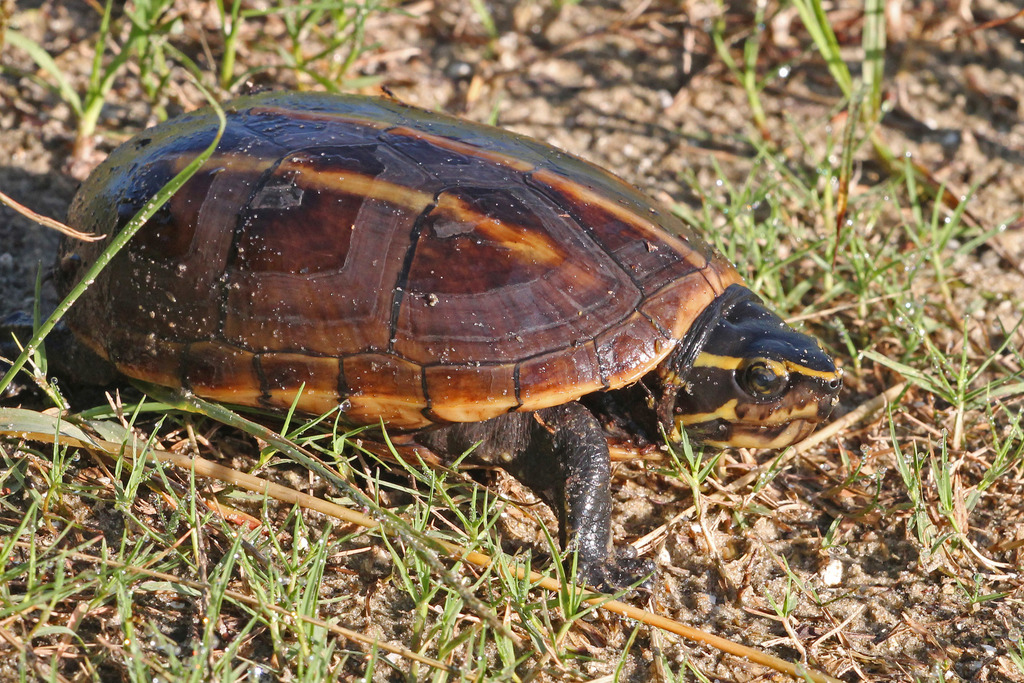
Striped Mud Turtle

Nurse Shark

Common Poorwill

Yellow-bellied Flycatcher

Striped Parrotfish

Red Phalarope

Fin Whale

Yellow Bullhead

Northern Pygmy-Owl

Blue-billed White-Tern

White-spotted Slimy Salamander

Desert Collared Lizard

Manybar Goatfish
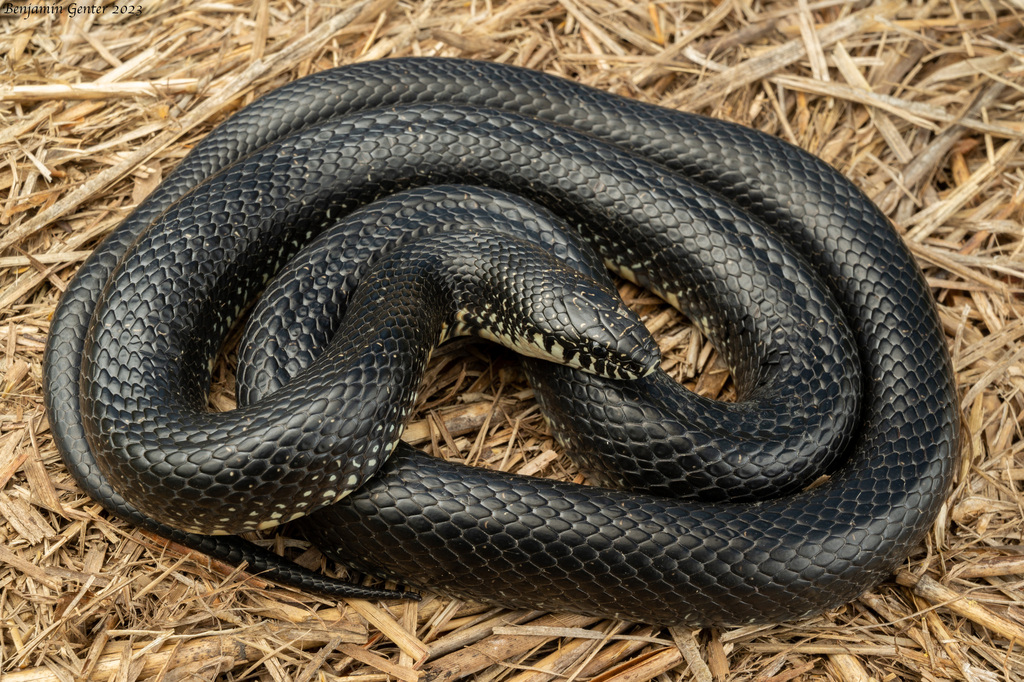
Black Kingsnake

Wilson's Storm Petrel

Meadow Vole

Cassin's Vireo

Ocean Sunfish

Tufted Puffin

Plains Leopard Frog

Red-masked Parakeet

Blue Ridge Two-lined Salamander

Peach-faced Lovebird

Western Slimy Salamander

California Giant Salamander

Lucy's Warbler

Pomarine Jaeger

White-crowned Pigeon

Laysan Albatross

Northern Hog Sucker

Smooth Earthsnake

Merriam's Chipmunk

Couch's Kingbird
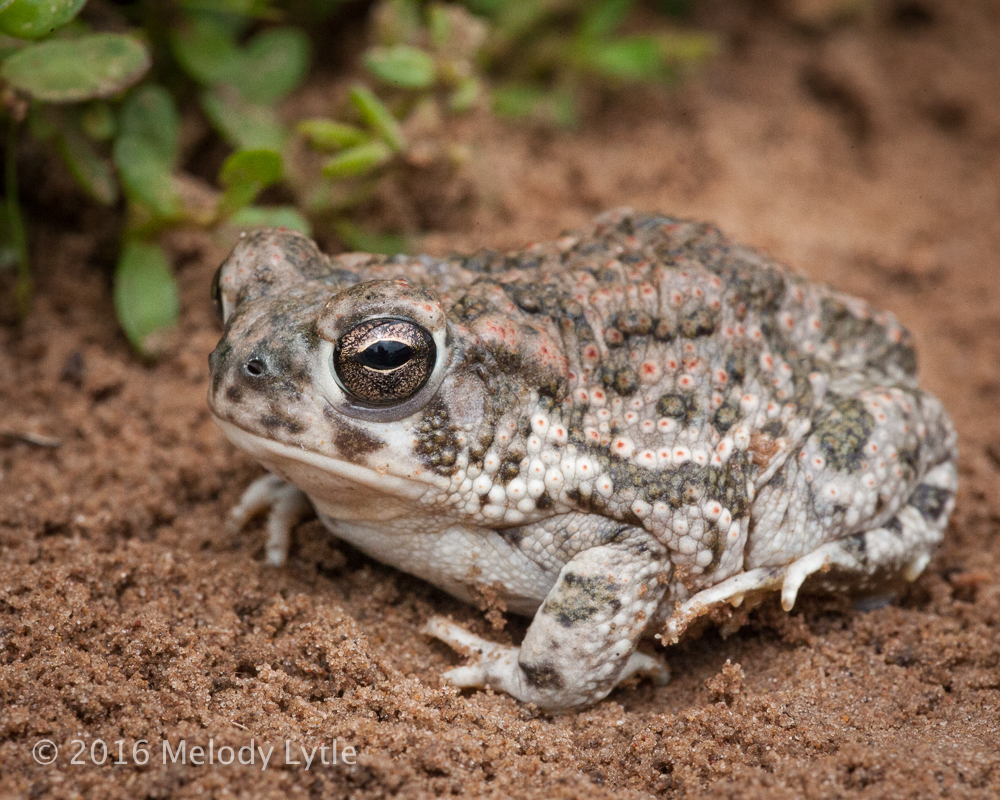
Texas Toad

Williamson's Sapsucker
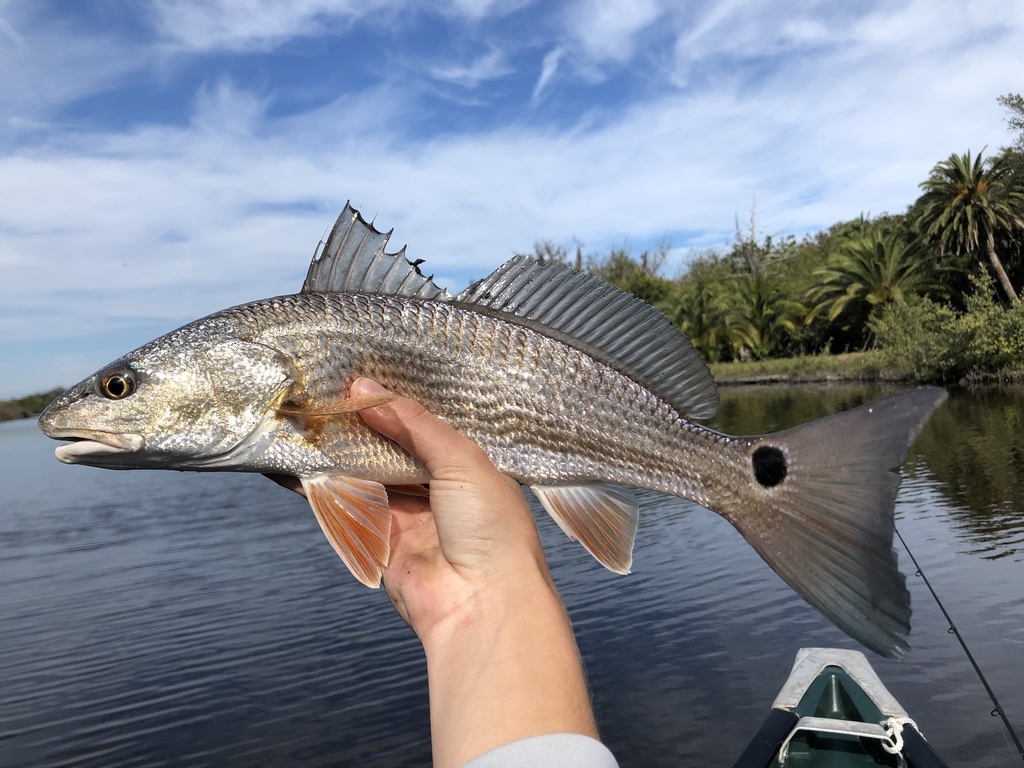
Red Drum

Sockeye Salmon

Spotted Gar

Black Triggerfish

Gray-crowned Rosy-Finch

Cliff Chipmunk
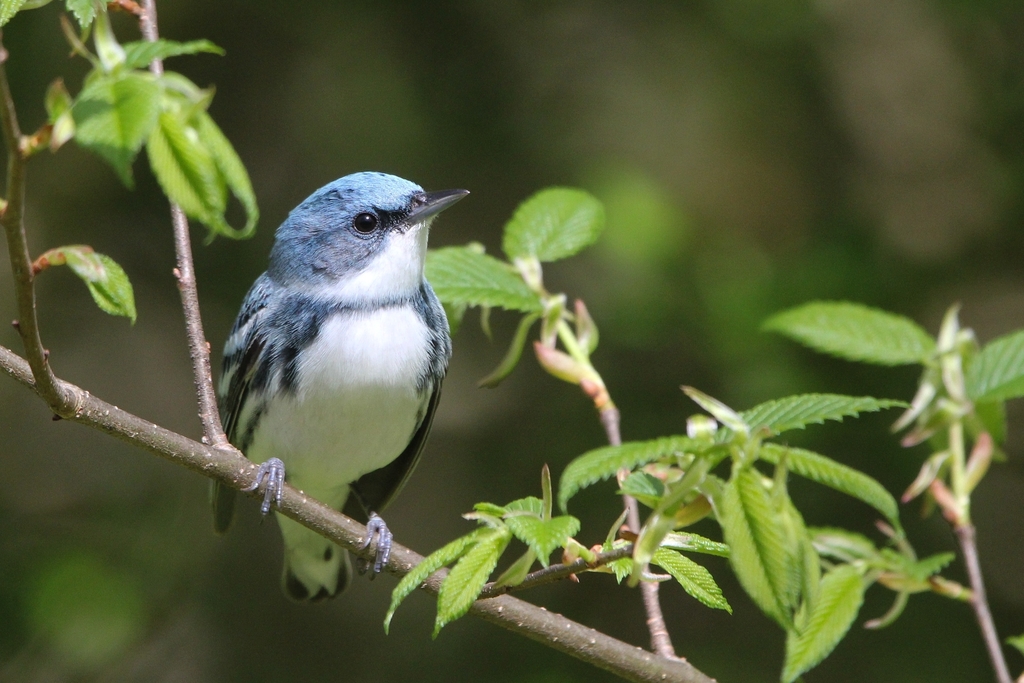
Cerulean Warbler

Haller's Round Ray

Bridled Titmouse

Black Bullhead
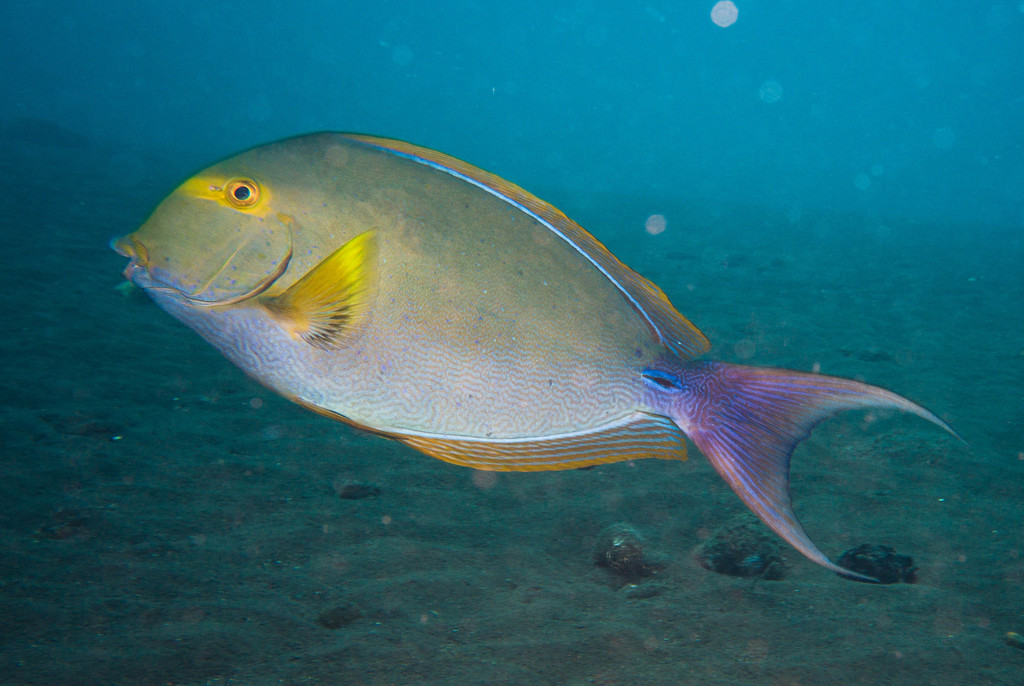
Yellowfin Surgeonfish

White Perch
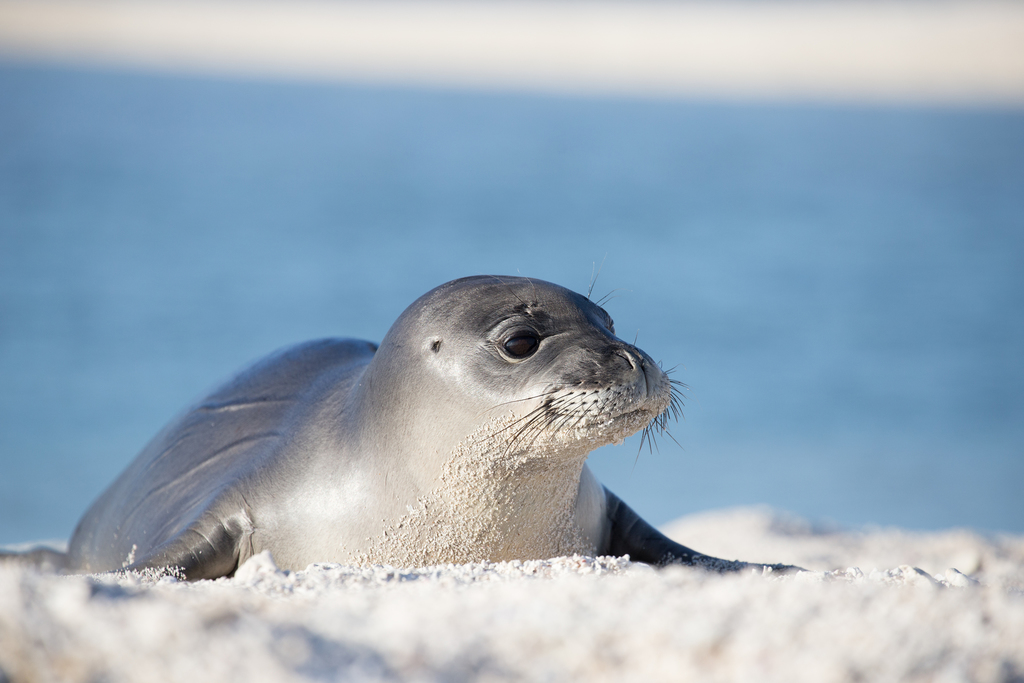
Hawaiian Monk Seal

Sabine's Gull

Greenside Darter

Tricolored Blackbird

Sheepshead Minnow

Harris' Antelope Squirrel

Sonoran Spotted Whiptail

Two-striped Garter Snake

Chum Salmon

Atlantic Menhaden

Gray Flycatcher

Barking Tree Frog

Camp's Chirping Frog

Sheepshead

Leopard Shark

Plumbeous Vireo

Opaleye
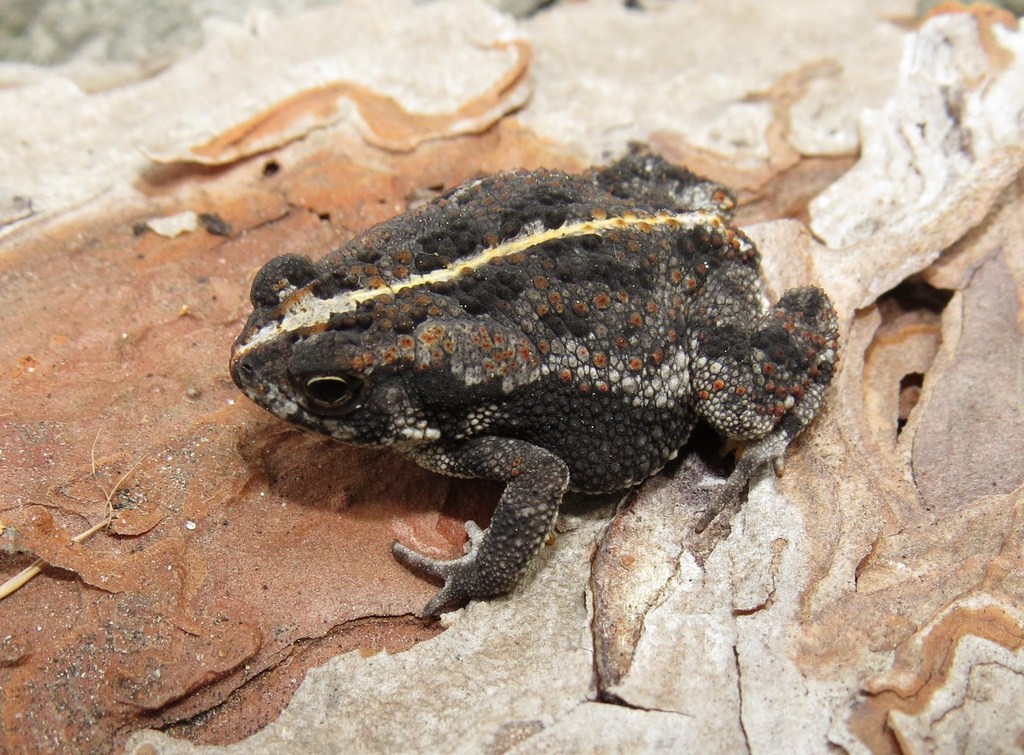
Oak Toad

Yellow-bellied Kingsnake

Blackstripe Topminnow

Arctic Ground Squirrel
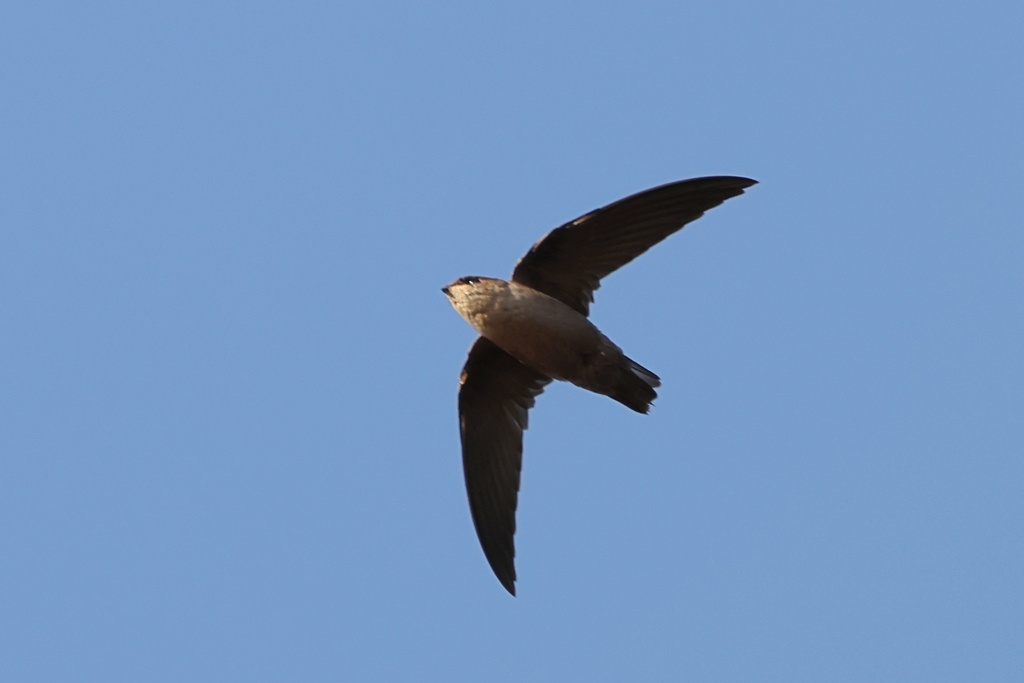
Vaux's Swift

Bimac

East Pacific Red Octopus

Chain Pickerel

Orangethroat Darter

White Grunt

Yellow-headed Parrot

Gila Monster

Ornate Butterflyfish

Long-snouted Spinner Dolphin

Red-billed Leiothrix

Small-mouthed Salamander

Ridgway's Rail

White-tailed Tropicbird

Johnny Darter

Tricolored Bat

Southern Red-backed Salamander

Chihuahuan Spotted Whiptail

Cascade Golden-mantled Ground Squirrel

Texas Blind Snake

Kalij Pheasant

Yellowtail Coris

Marbled Murrelet

Risso's Dolphin
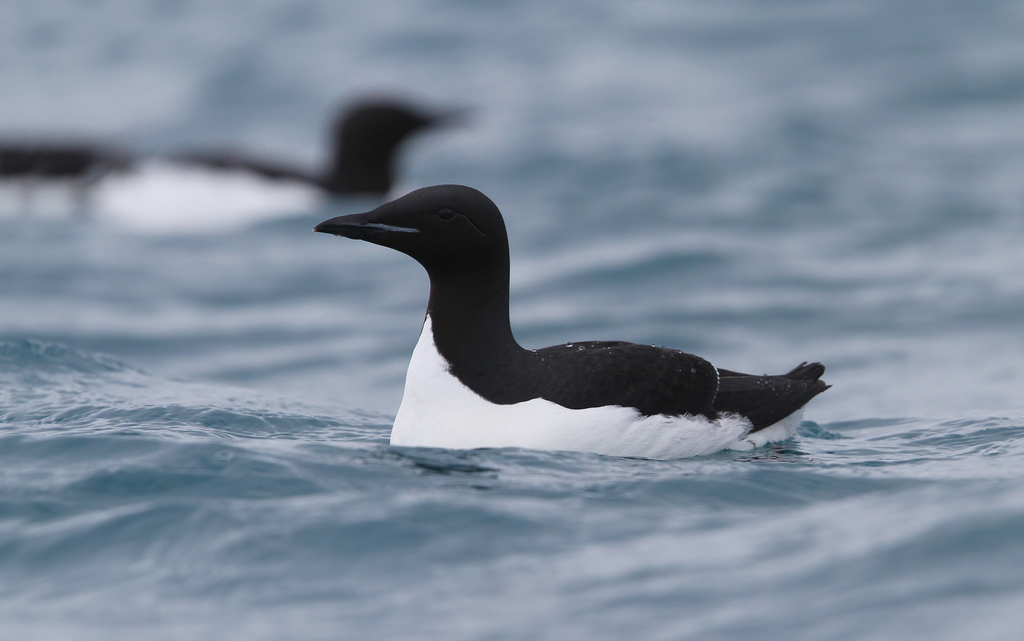
Thick-billed Murre

Three-lined Salamander

Pink-footed Shearwater

Mitred Parakeet

Golden-cheeked Warbler

American Goshawk

Arizona Gray Squirrel

Yellow Tang

Pink Salmon

Orangeband Surgeonfish
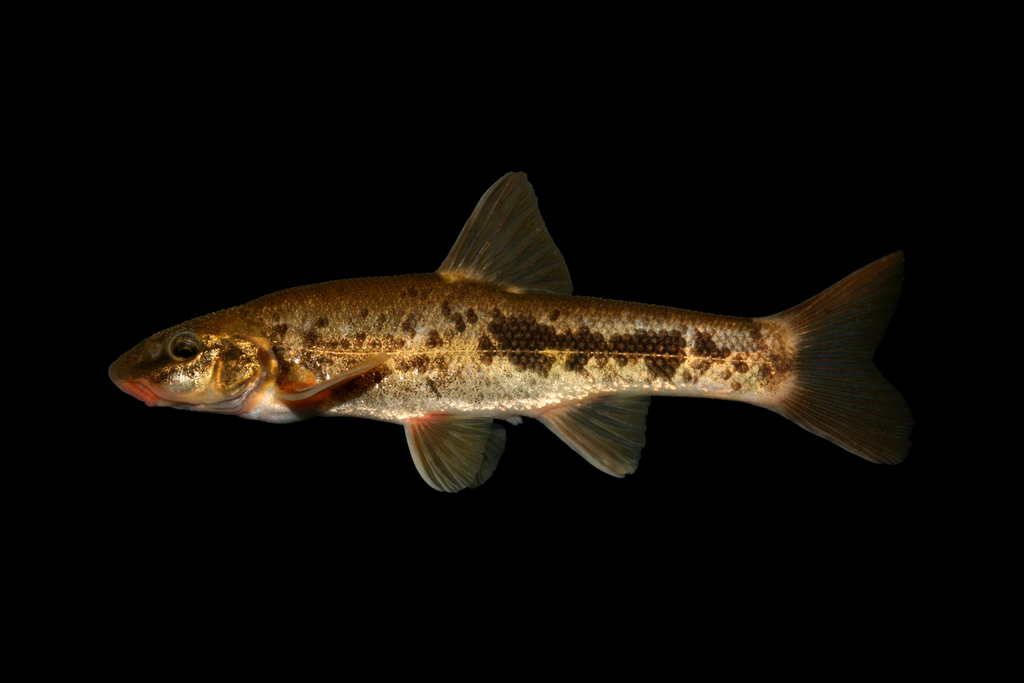
Longnose Dace

Speckled Trout

Forcepsfish

White Crappie

Fallfish
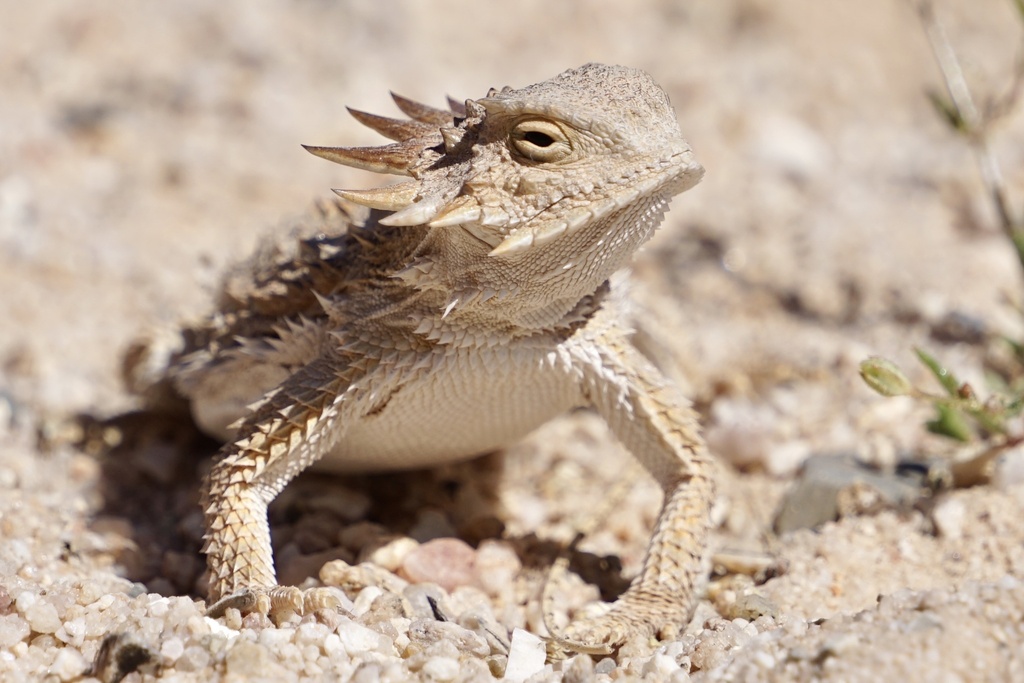
Regal Horned Lizard

Greater Sage Grouse

Buff-breasted Sandpiper

Belding's Ground Squirrel

California Gnatcatcher

King Eider

Striped Whipsnake

Red-cockaded Woodpecker
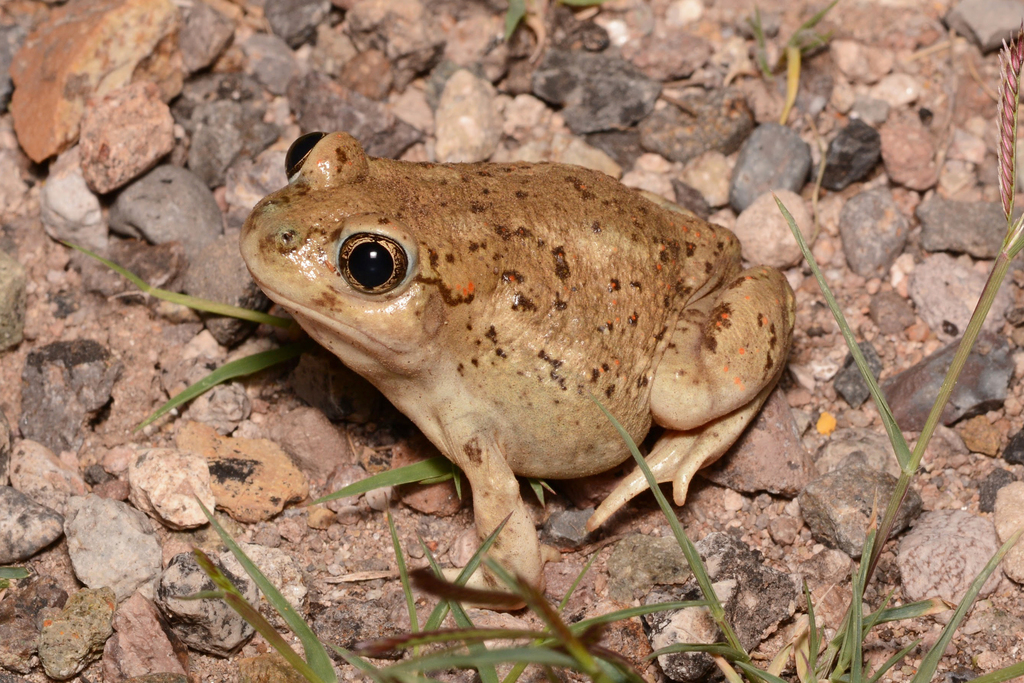
Mexican Spadefoot

Tiger Salamander

Botta's Pocket Gopher

Lingcod

Texas Cichlid
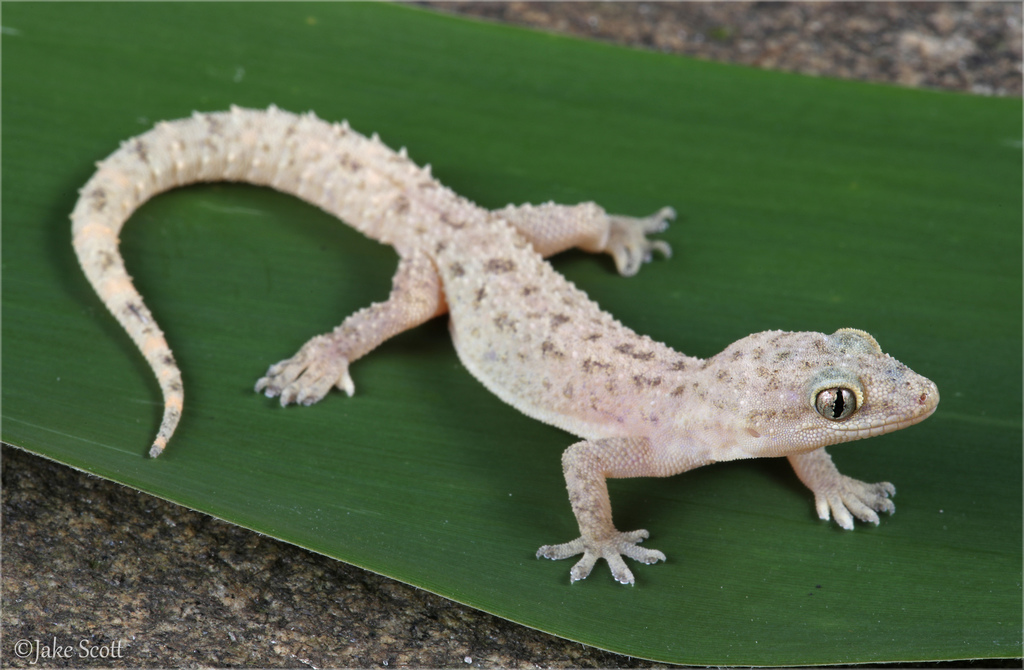
Spotted House Gecko

Reef Triggerfish

Whitemouth Moray

Northern Clingfish
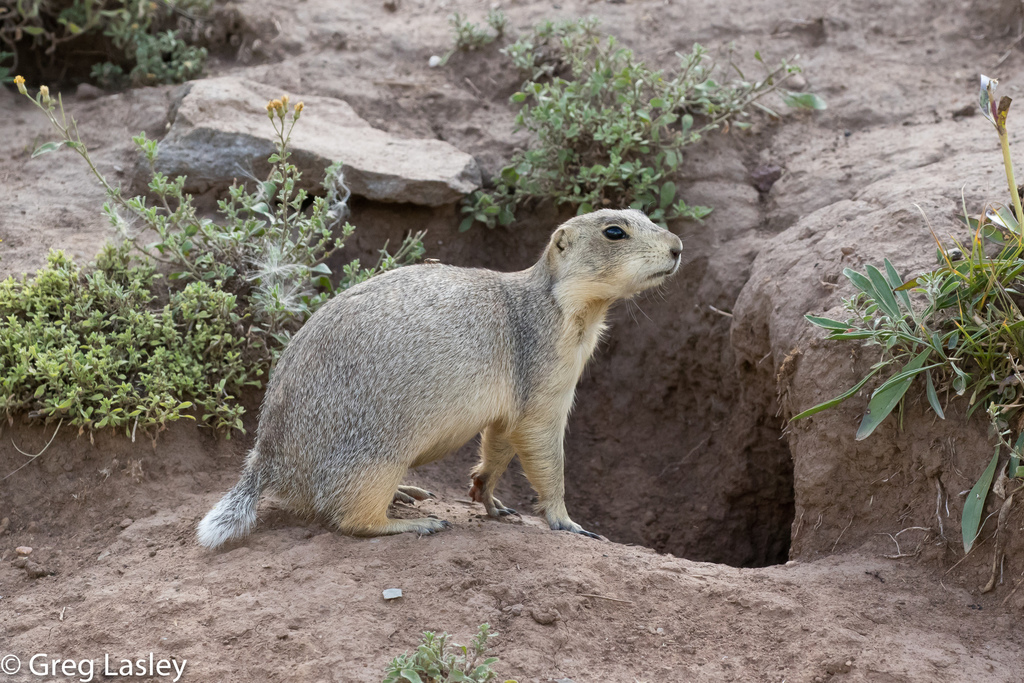
Gunnison's Prairie Dog

Cascades Frog

West Gulf Rough-scaled Lizard

Kelp Bass

Pig Frog

Garden Slender Salamander

Audubon's Oriole

Western Deer Mouse

Crocodile Needlefish

Yellowfin Mojarra

Masked Booby

Great Plains Skink

Saddle Wrasse

Nelson's Sharp-tailed Sparrow

Grass Carp
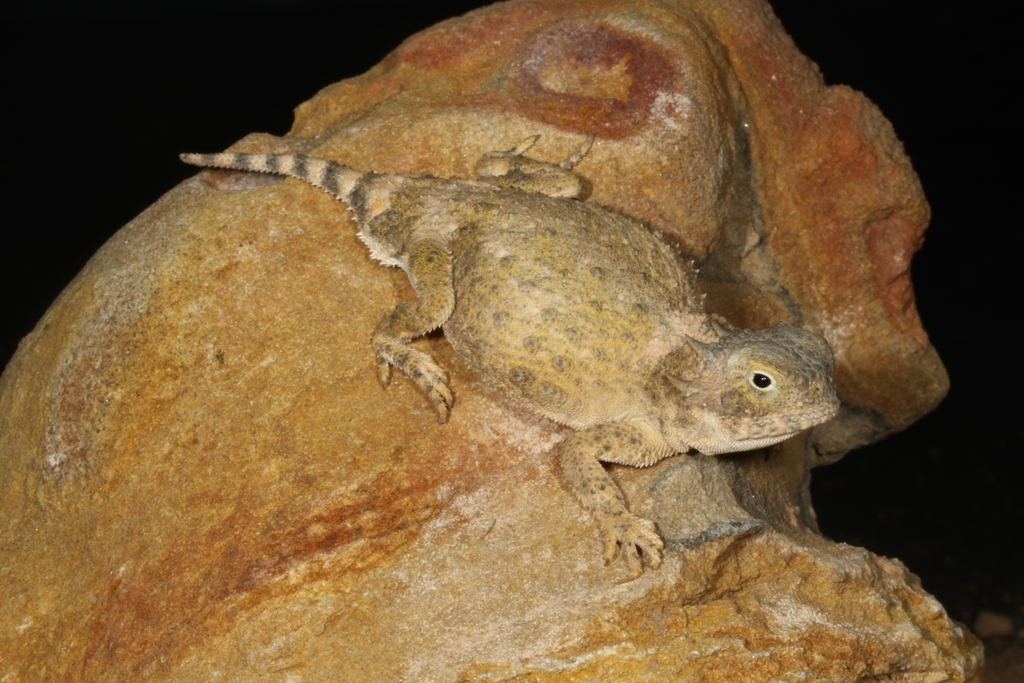
Roundtail Horned Lizard

Bluefish

Sooty Tern

White-tailed Ptarmigan
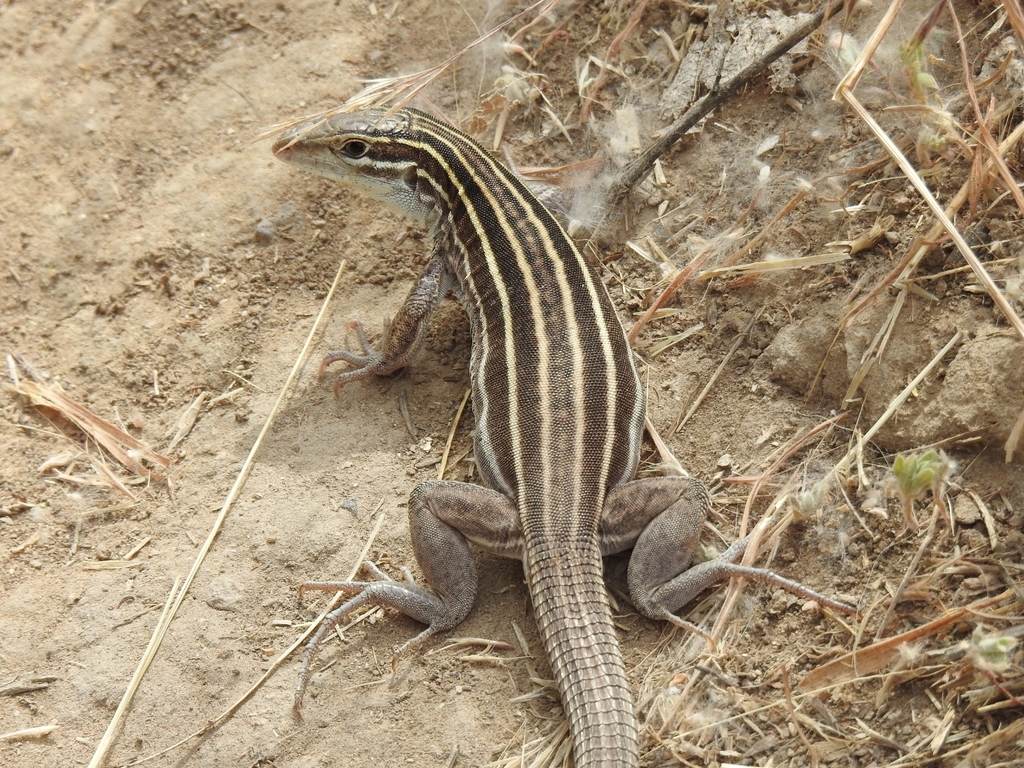
Plateau Striped Whiptail

Porkfish
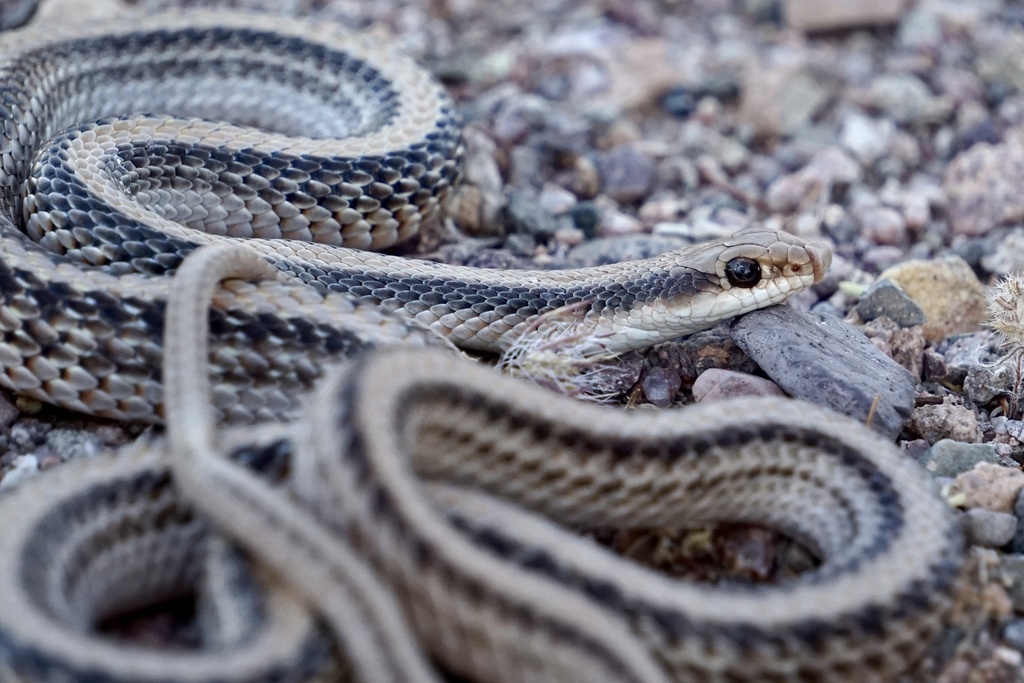
Western Patch-nosed Snake

Dunn's Salamander

Northern Gray-cheeked Salamander

Western Earless Lizard

Gilded Flicker

Alder Flycatcher

Spot Croaker

Arc-eye Hawkfish

Cabezon

Sierra Newt

Palenose Parrotfish

Southwestern Red Squirrel

Saddle Butterflyfish

Yellowmargin Moray

Blue-throated Hummingbird

Grey Angelfish

Checkered Puffer
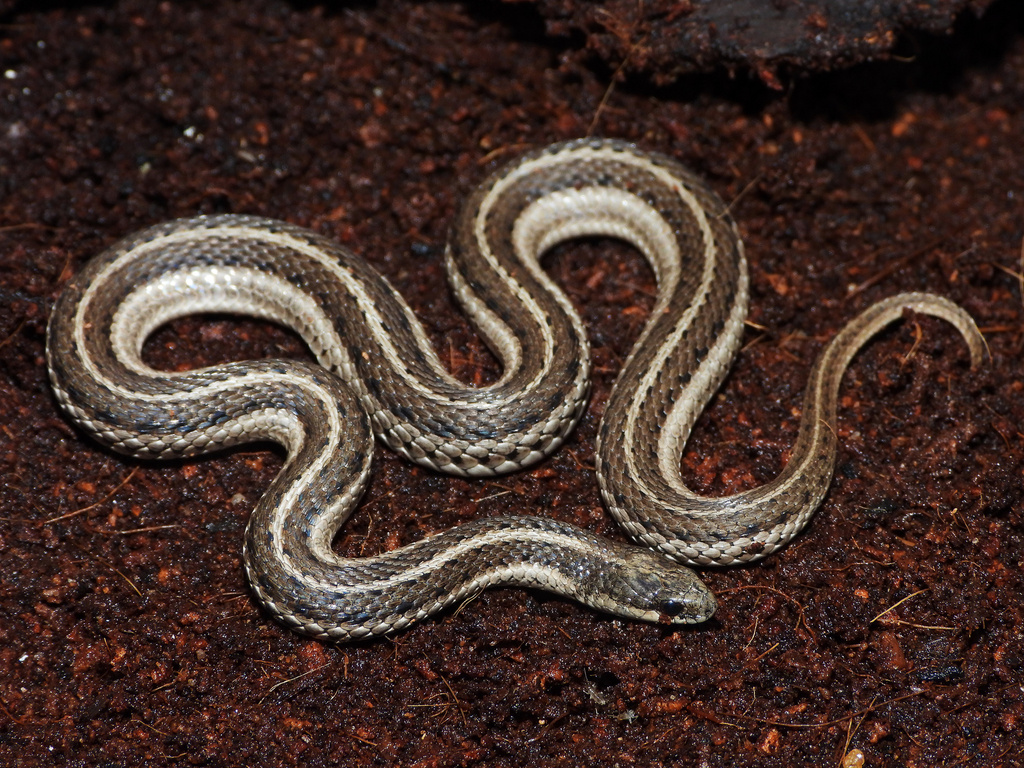
Lined Snake

ʻApapane

Long-tailed Jaeger

Yellowfin Goatfish
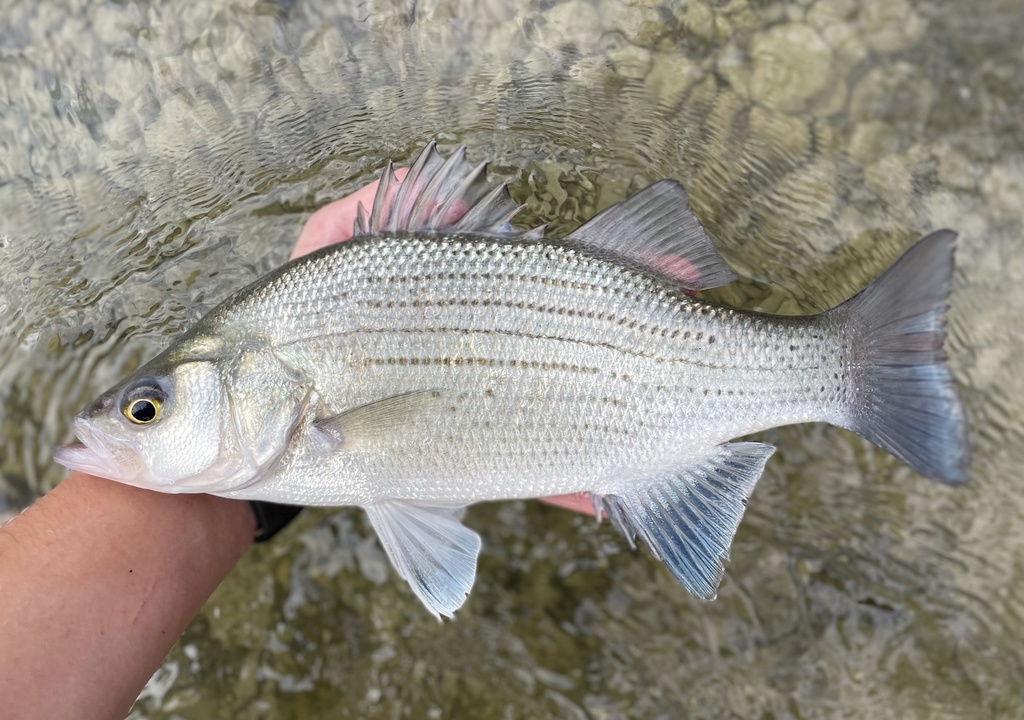
White Bass
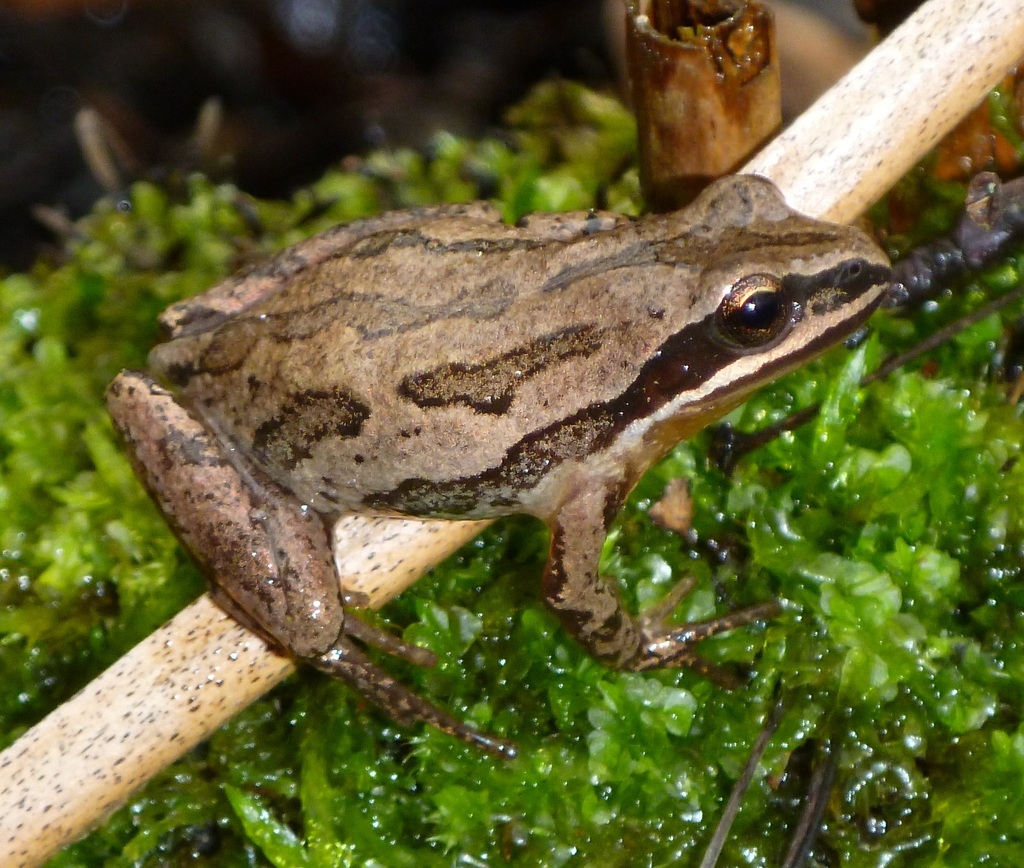
Western Chorus Frog

Dusky-footed Woodrat

Flat-headed Snake
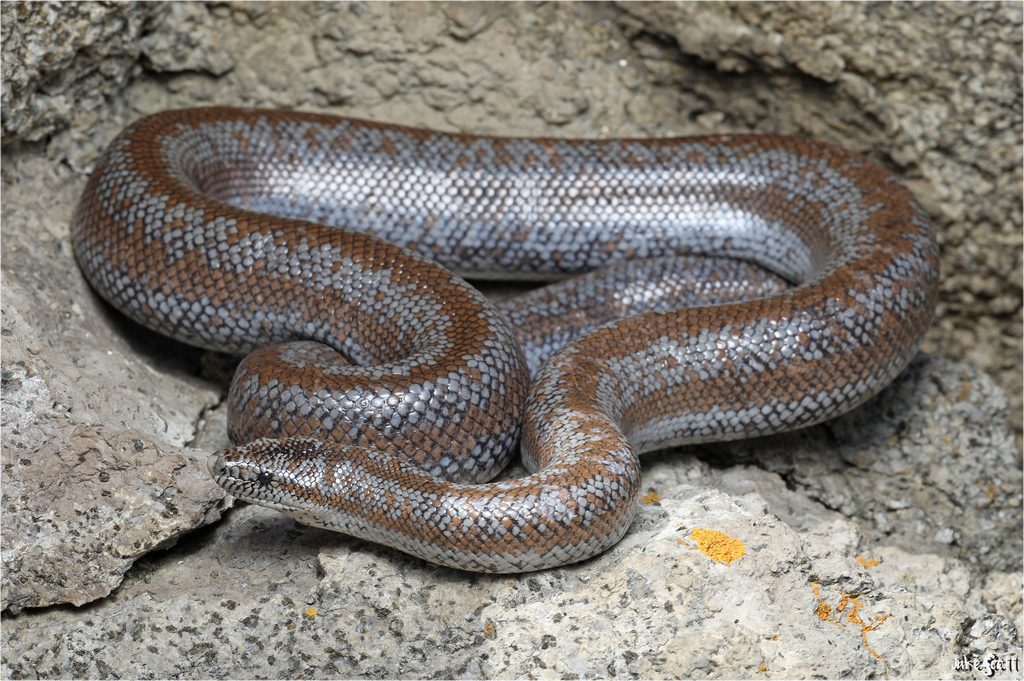
Northern Three-lined Boa

Scarletsnake

Rockmover Wrasse

Western Spadefoot

Black-spotted Cutthroat Trout

Blue Ridge Dusky Salamander

Guppy

Diploid Checkered Whiptail

Sharpnose Puffer

Juniper Titmouse

Arizona Woodpecker

Scrawled Cowfish

Pinyon Jay

Spot-breasted Oriole
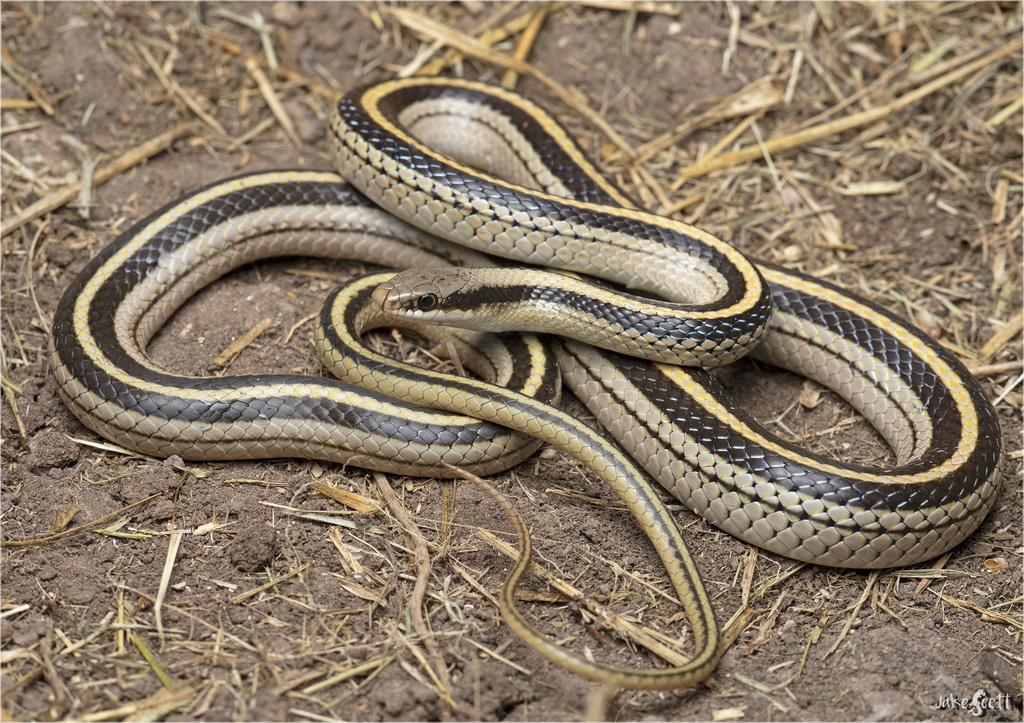
Texas Patch-nosed Snake
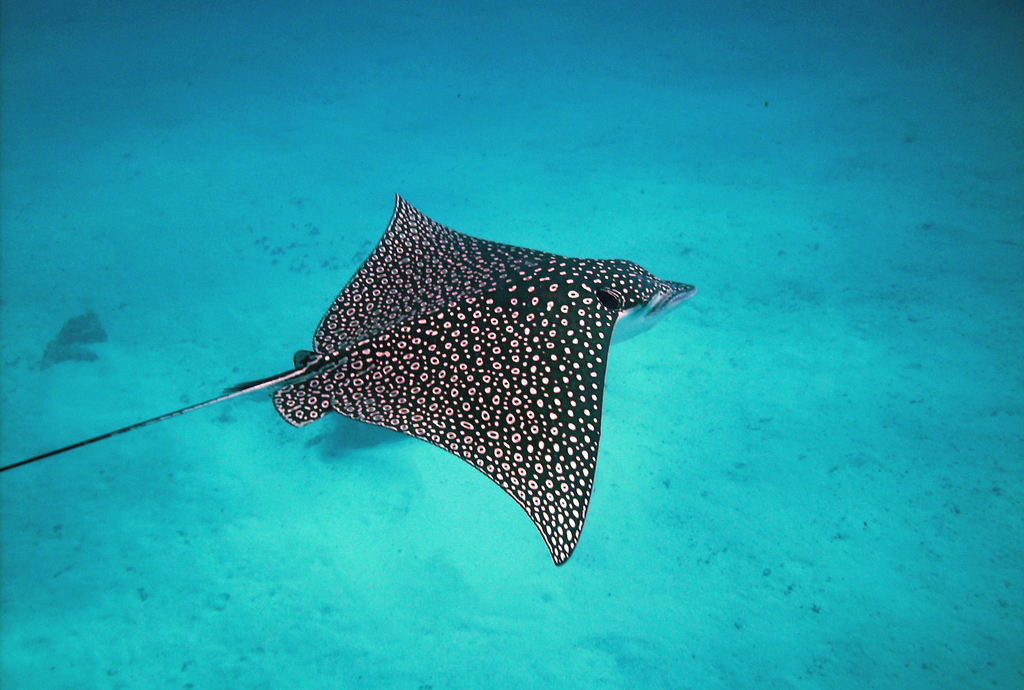
Spotted Eagle Ray

Pacific Staghorn Sculpin

Pinktail Triggerfish

American Pickerel

Yellow and Blue Seaperch

Florida Green Watersnake

Mottled Sculpin

Atlantic Croaker

Shiner Surfperch

Red-bellied Newt

Bat Ray

Atlantic Stingray

Black-capped Vireo

Northern Tessellated Darter

Black-vented Shearwater

Rock Rattlesnake

Atlantic Spadefish

Grace's Warbler
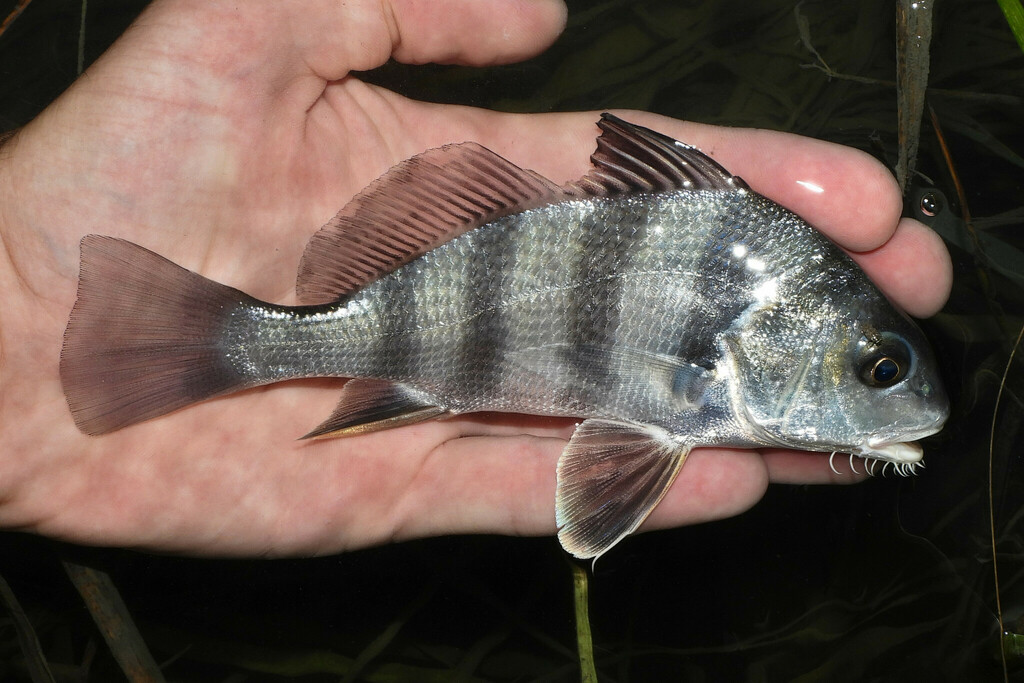
Oyster Drum

Jefferson Salamander

Glossy Snake

Silver-haired Bat

Crevalle Jack

Blue Whale

Dall Sheep
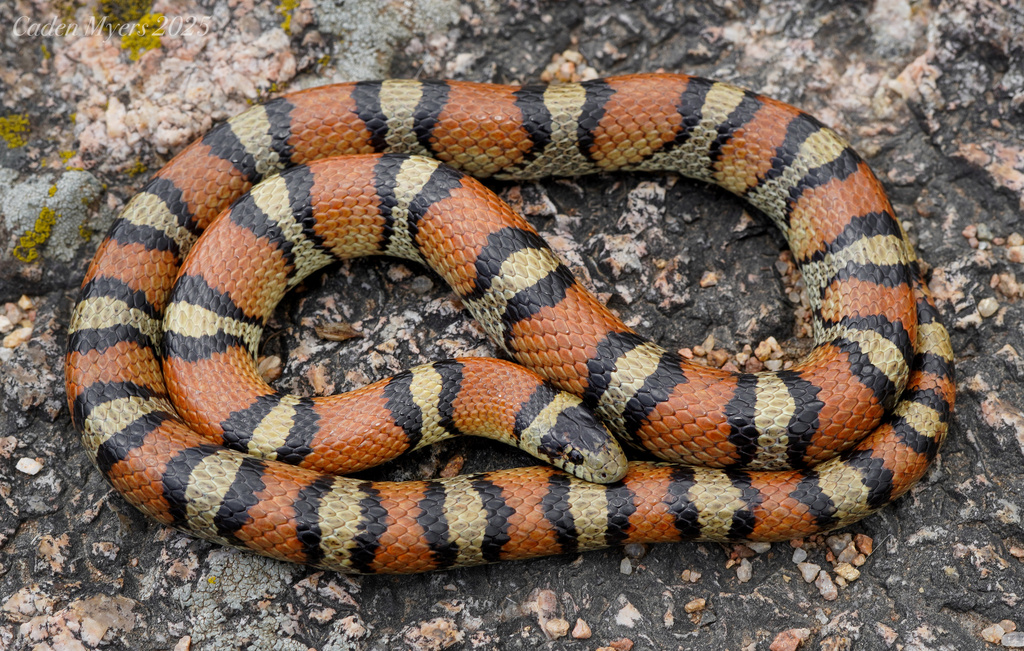
Western Milksnake

Lei Triggerfish

Eastern Black-tailed Rattlesnake

California Vole

Teardrop Butterflyfish
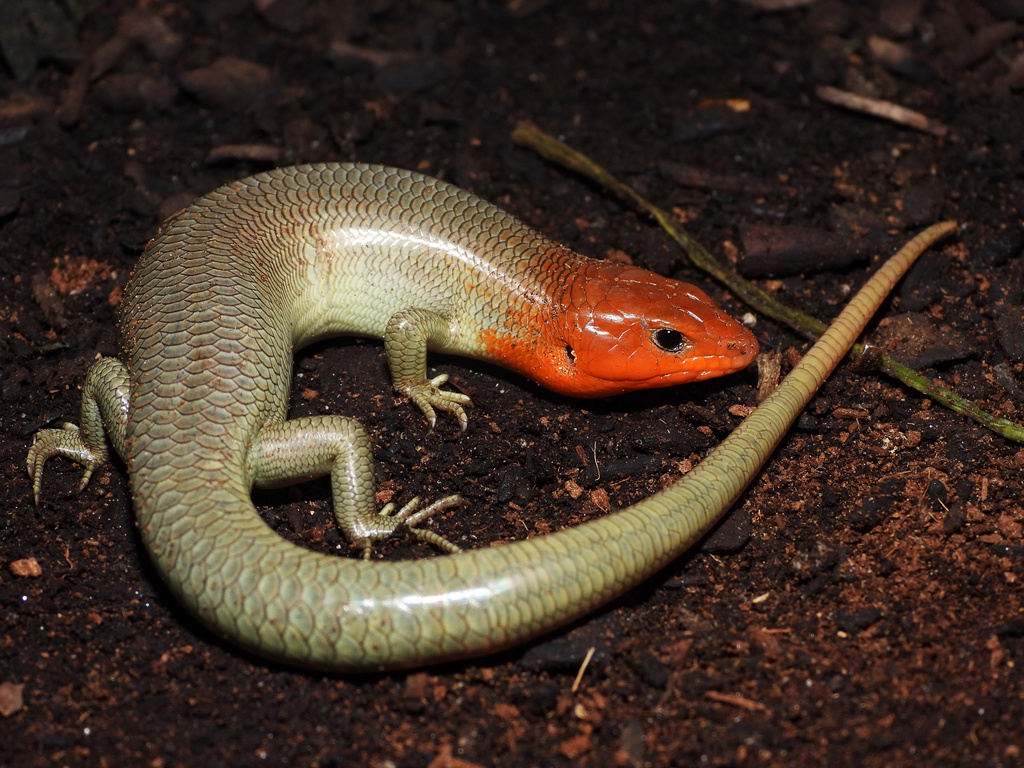
Gilbert's Skink

Common Snook

Spotfin Shiner

Saltmarsh Snake
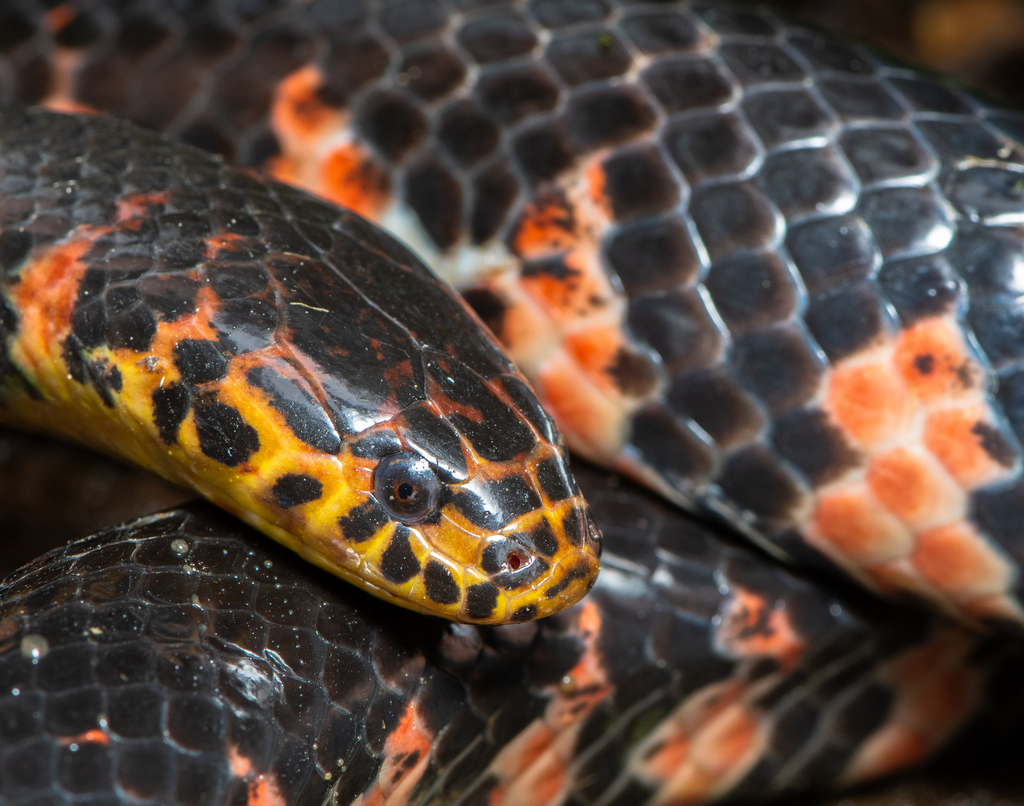
Mudsnake

Spotted Sunfish

LeConte's Sparrow

Blue Tilapia

California Market Squid
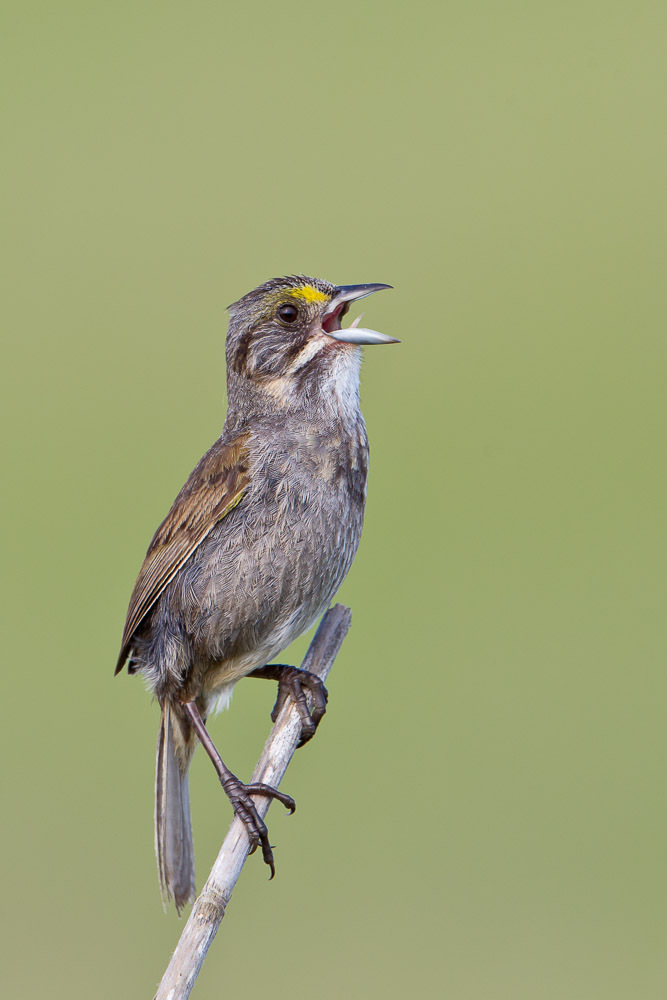
Seaside Sparrow

Hogfish
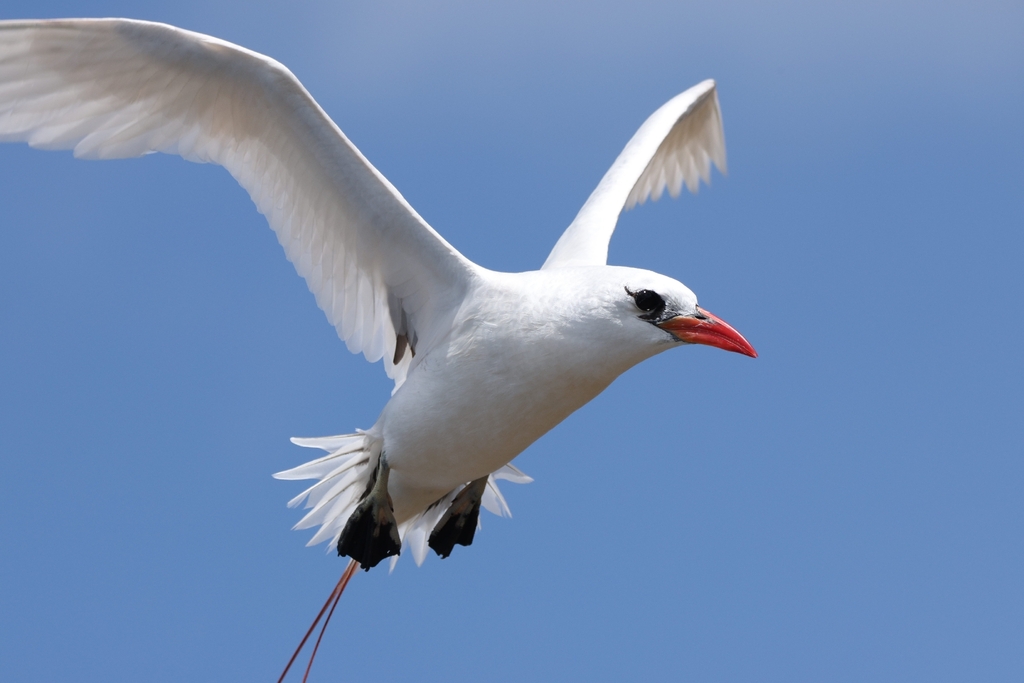
Red-tailed Tropicbird
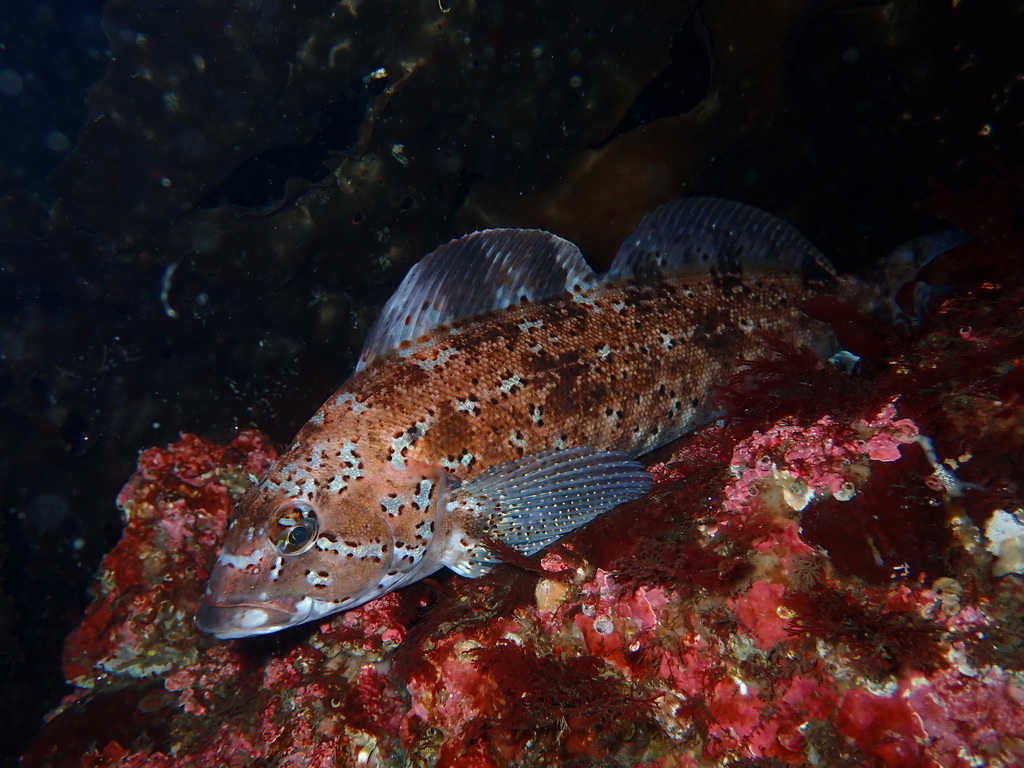
Kelp Greenling
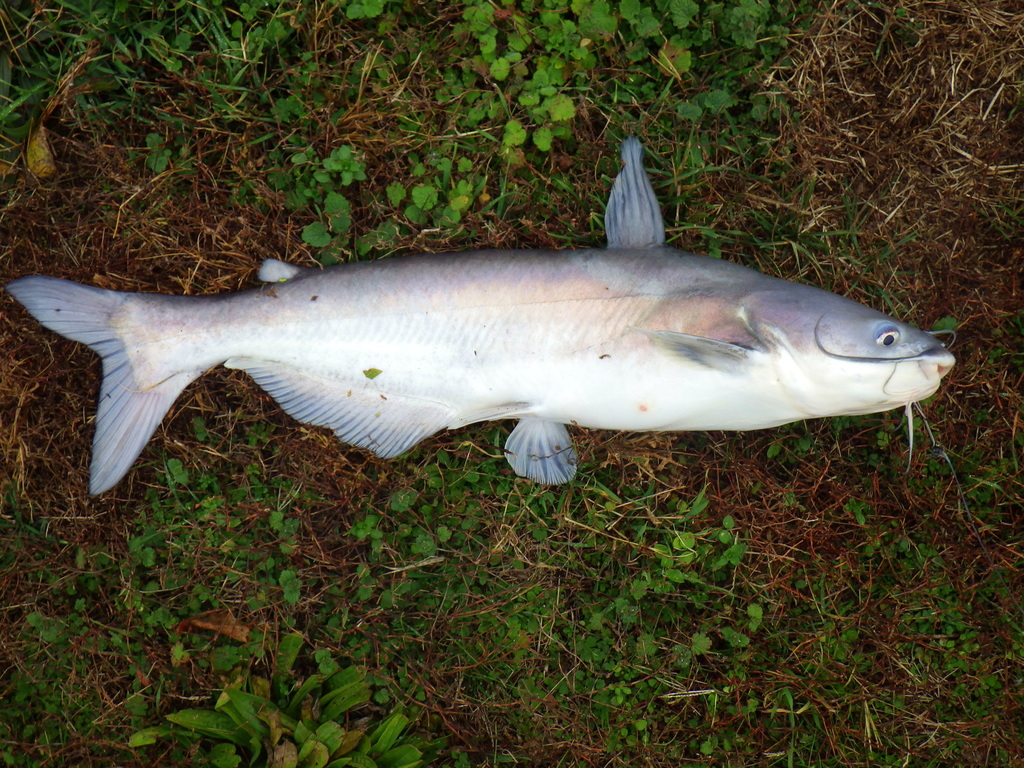
Blue Catfish

Cassin's Sparrow

Elegant Earless Lizard
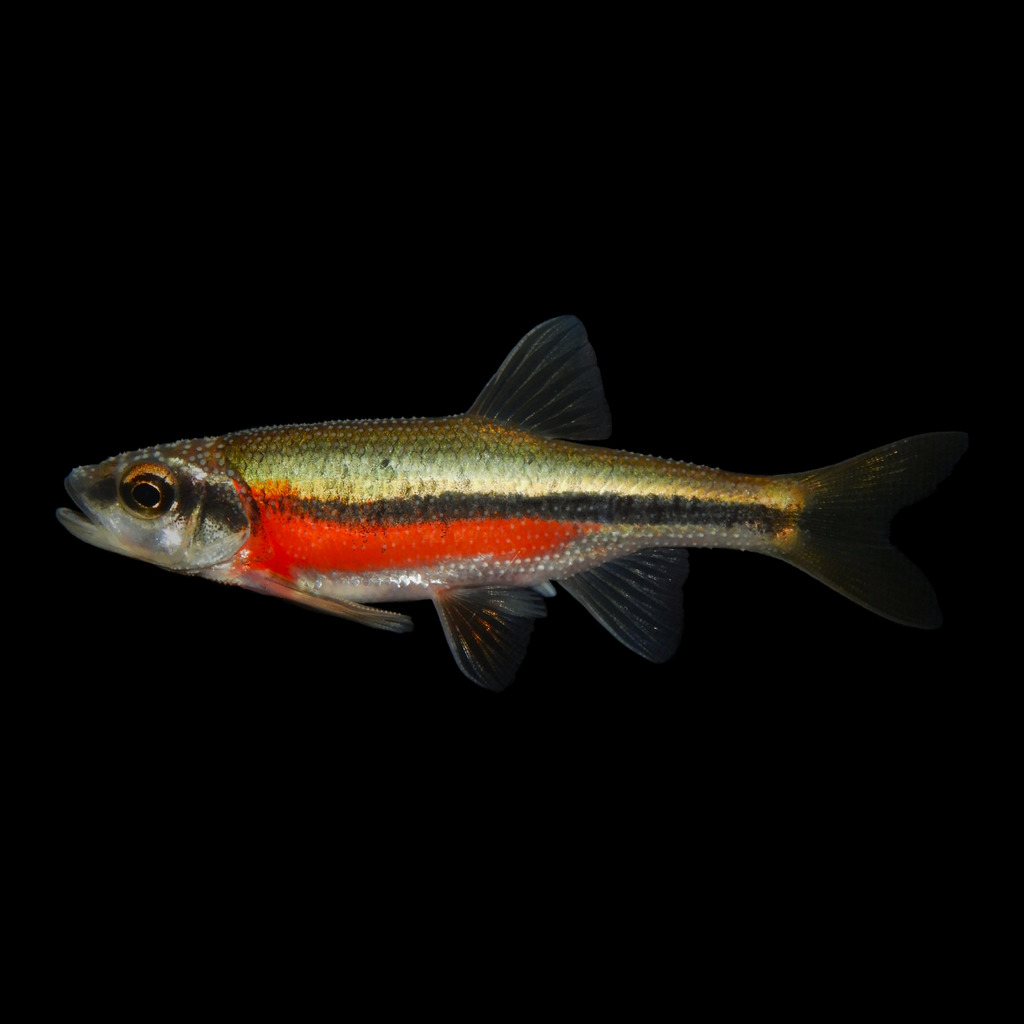
Rosyside Dace

Mountain Quail

Dovekie

Spotted Bass

Rock Gunnel

Lucifer Hummingbird
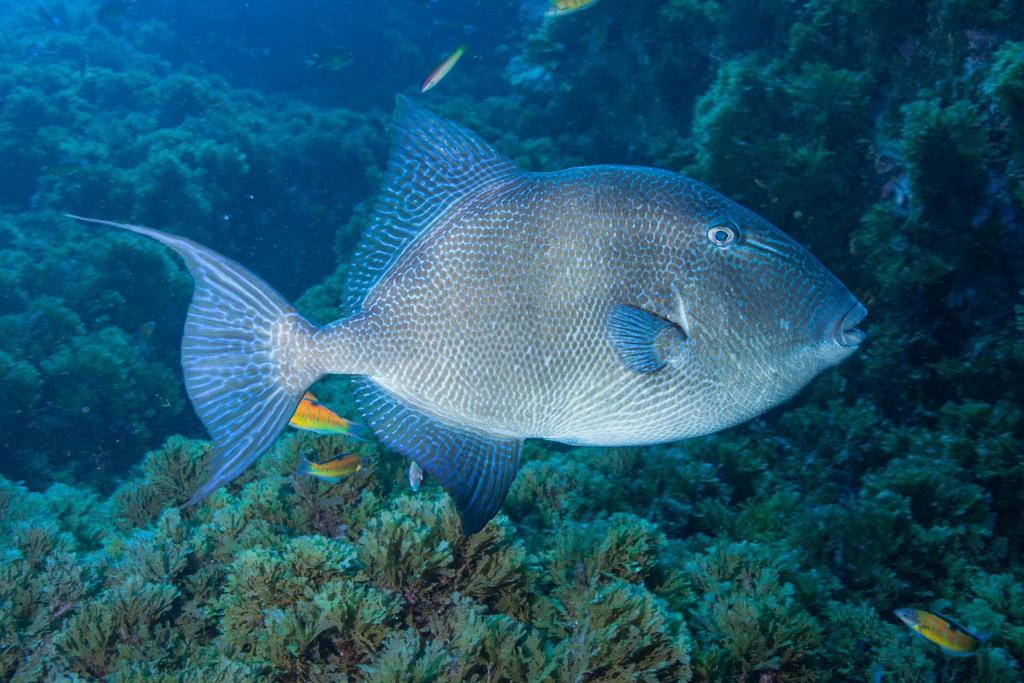
Grey Triggerfish

Blacktail Snapper

Blue Runner

Black Sea Bass

Uinta Chipmunk

Muskox

Keeled Earless Lizard
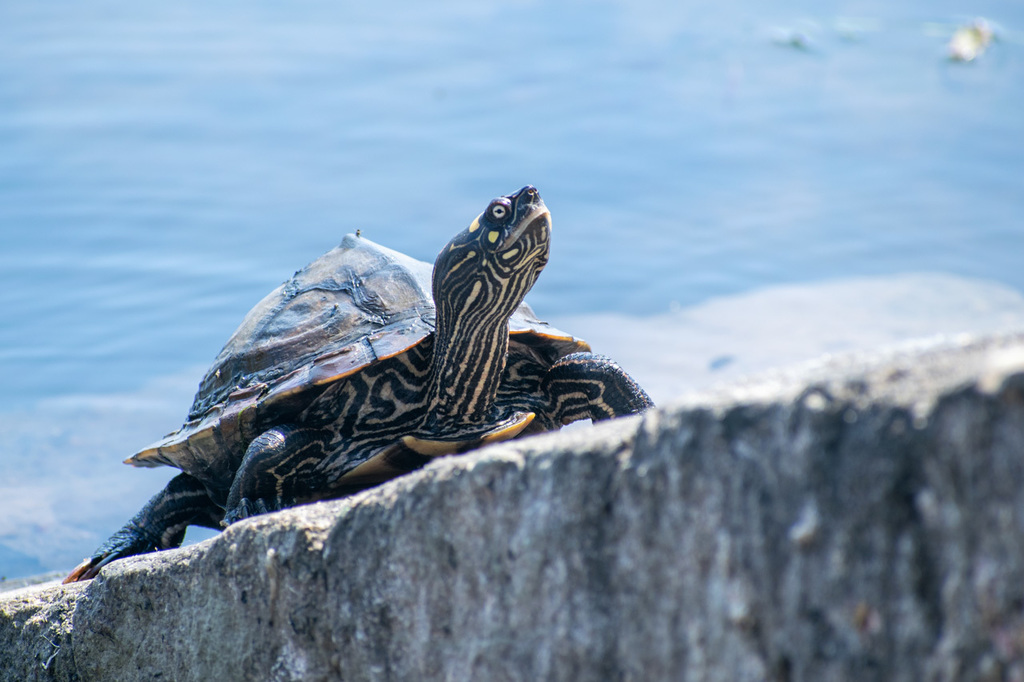
Ouachita Map Turtle
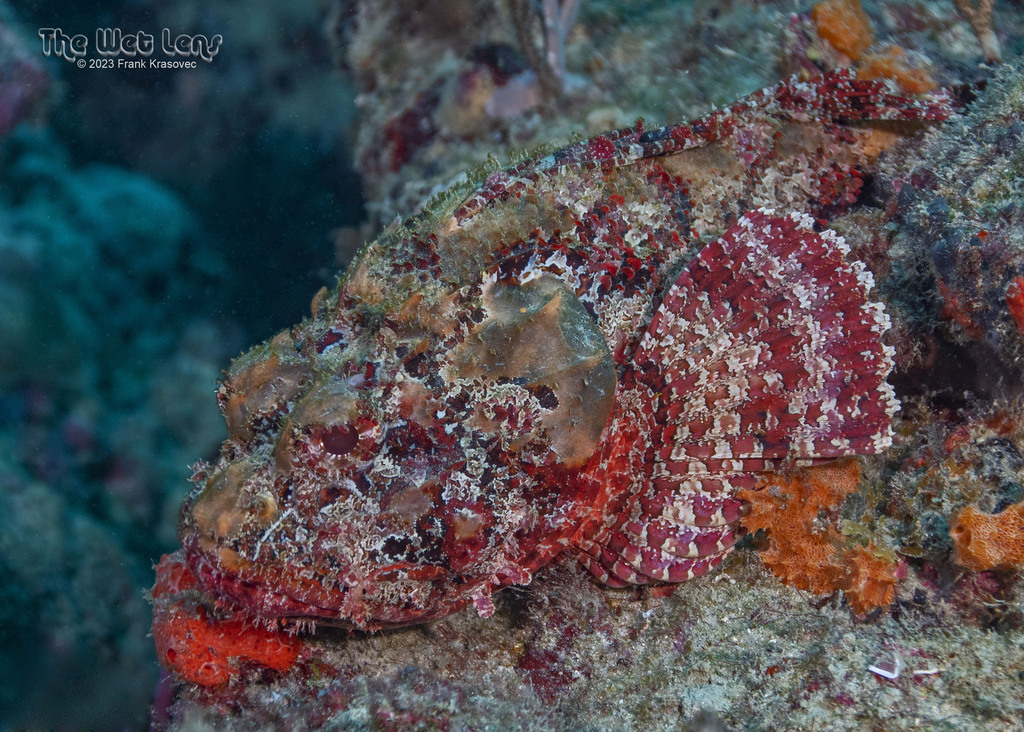
Spotted Scorpionfish

Brassy Chub

Bell's Sparrow

Great Basin Spadefoot

Puddingwife

Cutthroat Trout

Henslow's Sparrow

Green Salamander
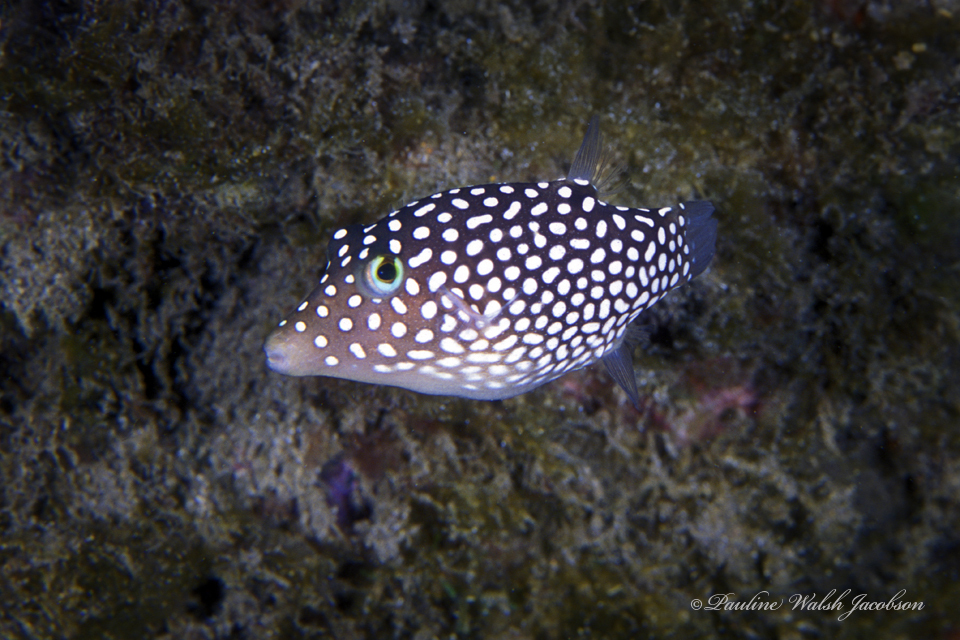
Hawaiian Spotted Toby

Sagebrush Sparrow

Rufous-winged Sparrow

Coastal Tailed Frog
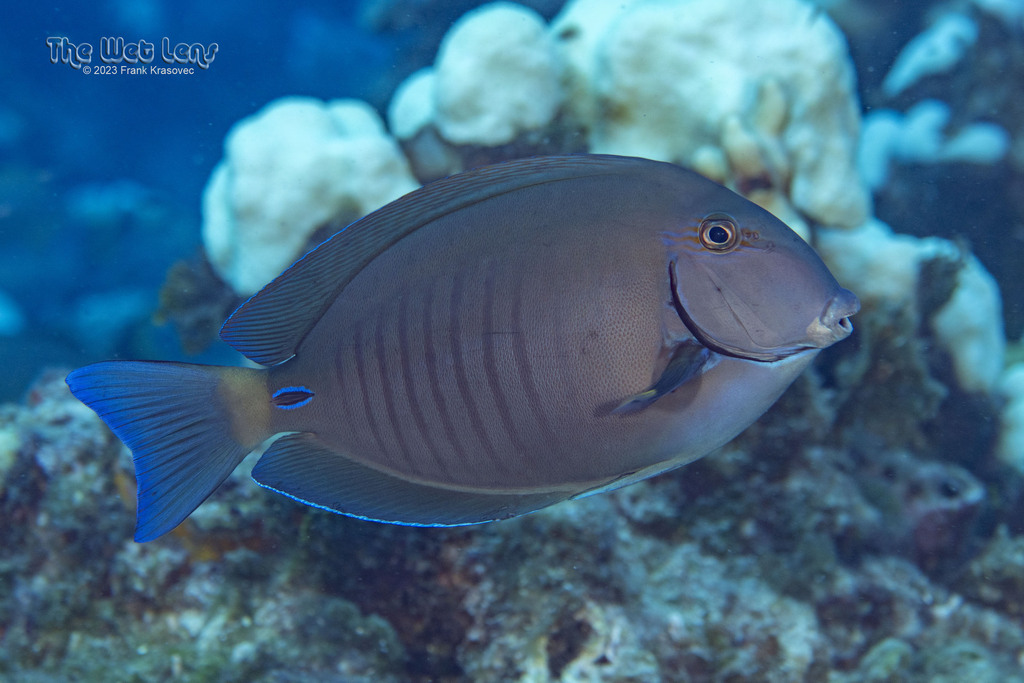
Doctorfish Tang

Gafftopsail Catfish

Hawaiian Coot

Lane Snapper
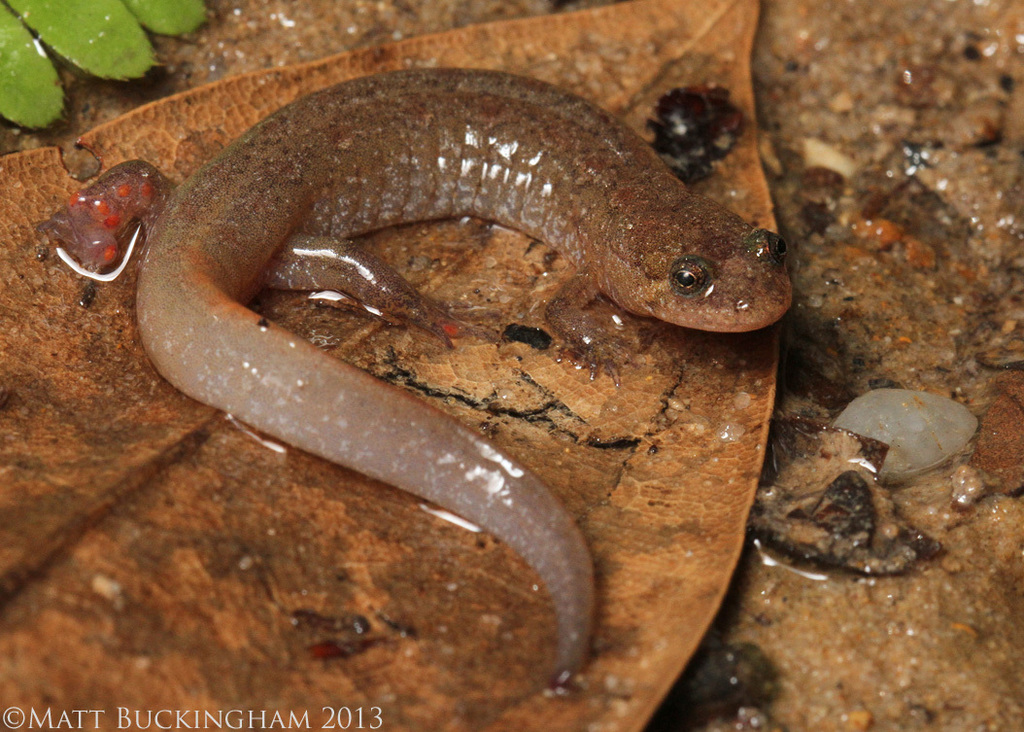
Spotted Dusky Salamander
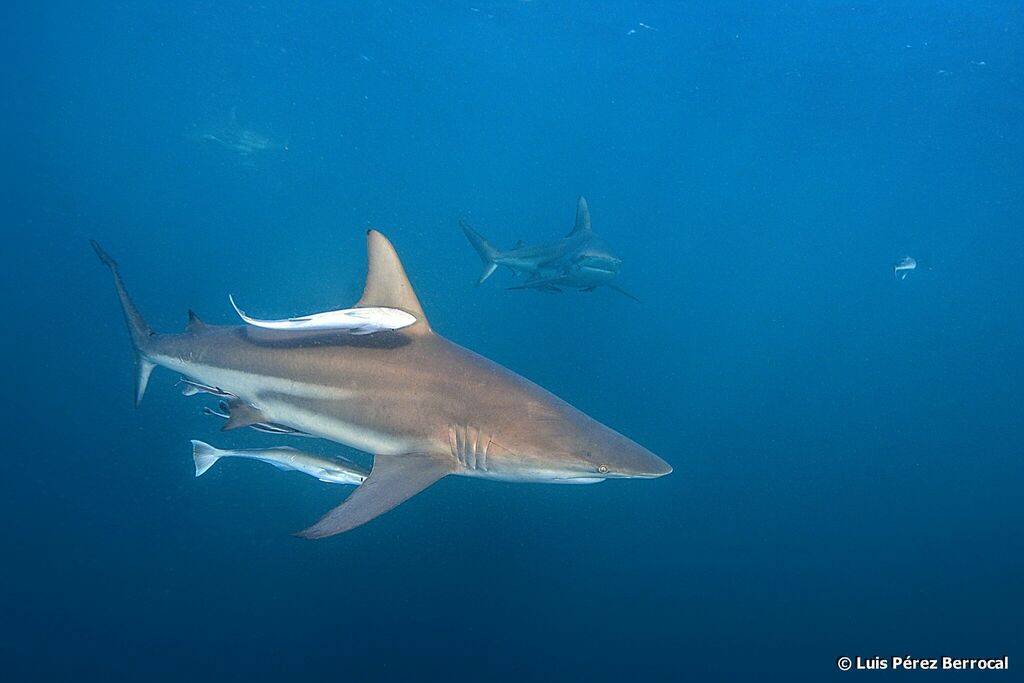
Blacktip Shark
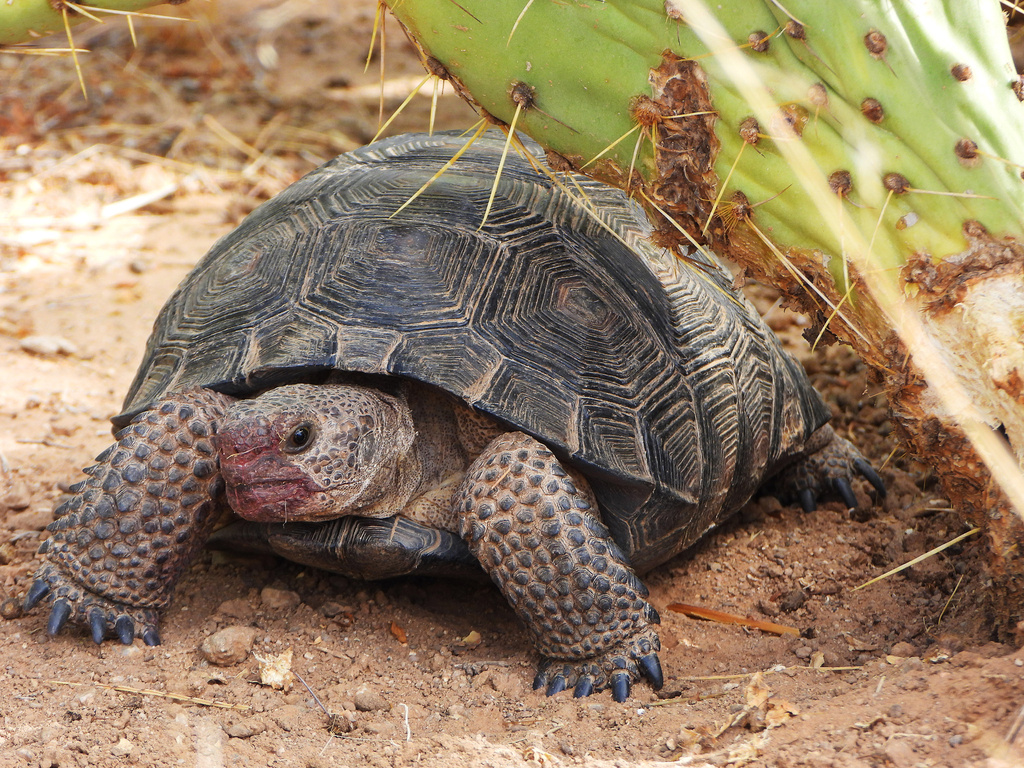
Morafka’s Desert Tortoise

Eyetail Bowfin
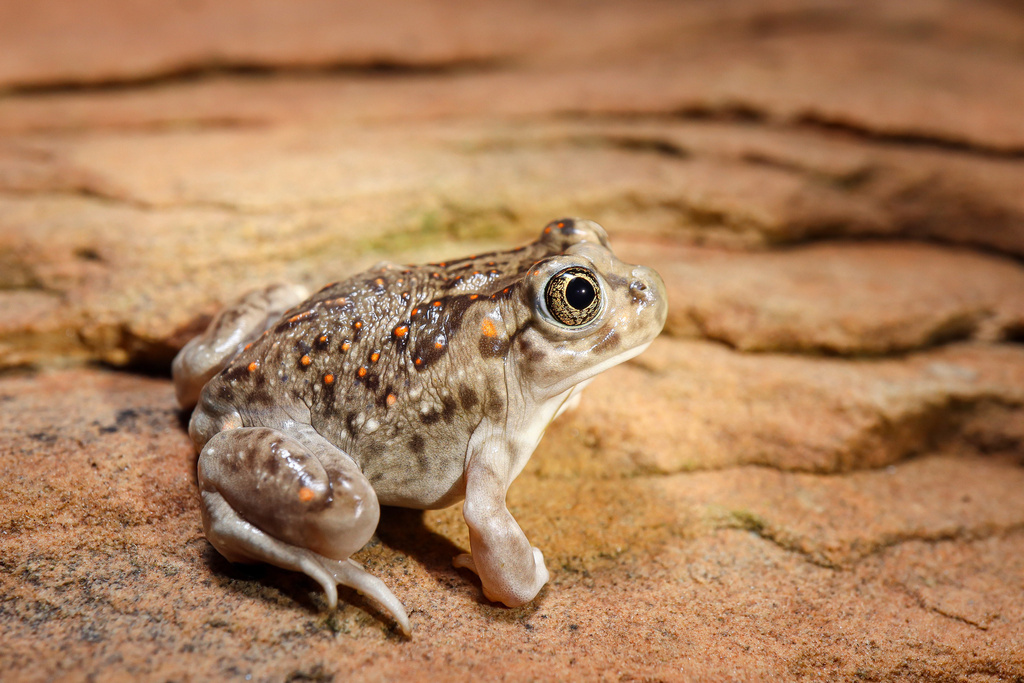
Plains Spadefoot

Kelp Pipefish

Crested Goby

Caribbean Reef Squid

Spotfin Butterflyfish

Desert Kingsnake

Logperch
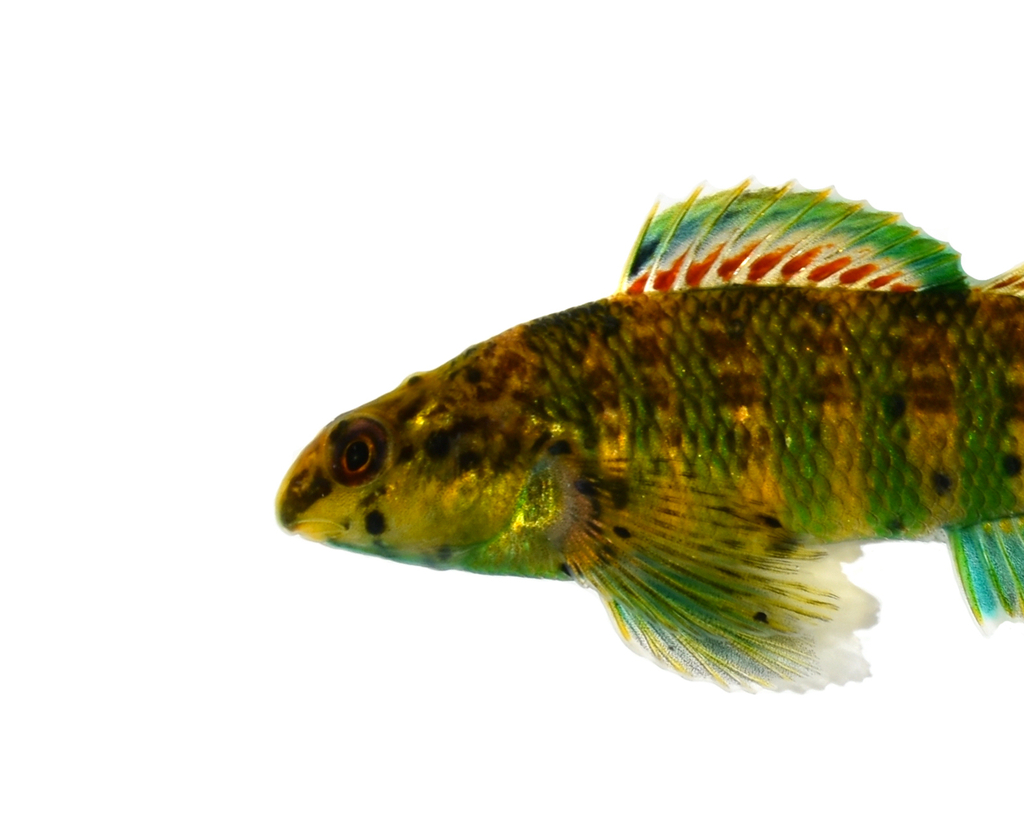
Banded Darter

Aoudad
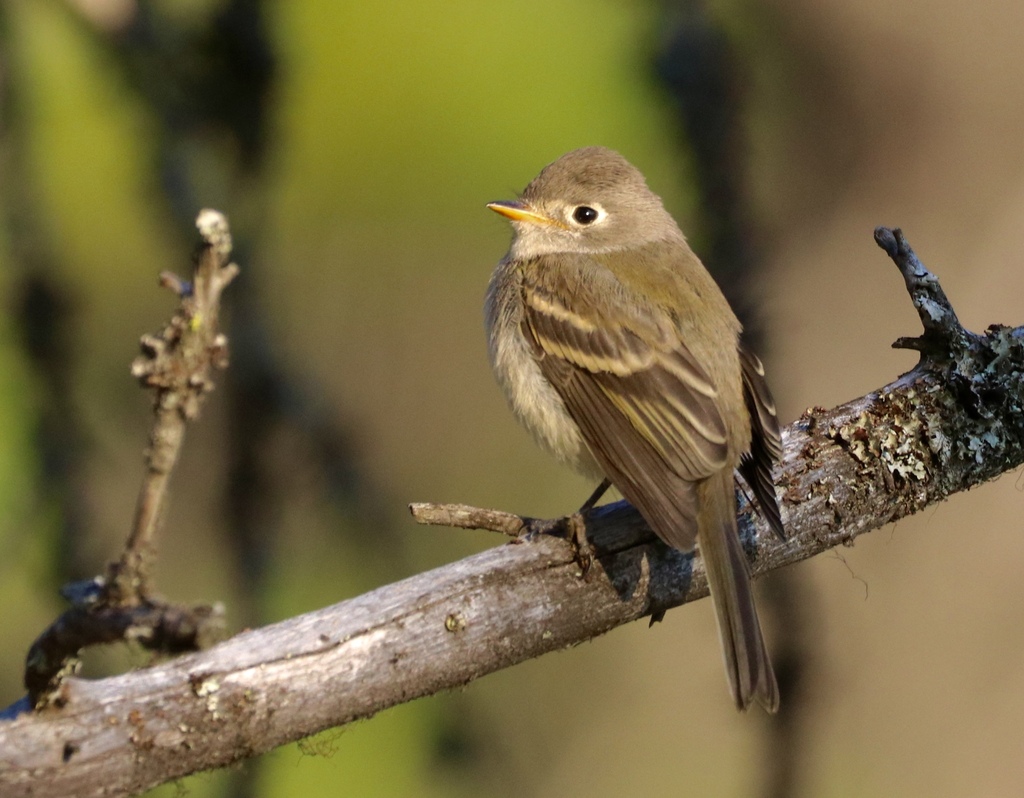
Dusky Flycatcher

Desert Nightsnake
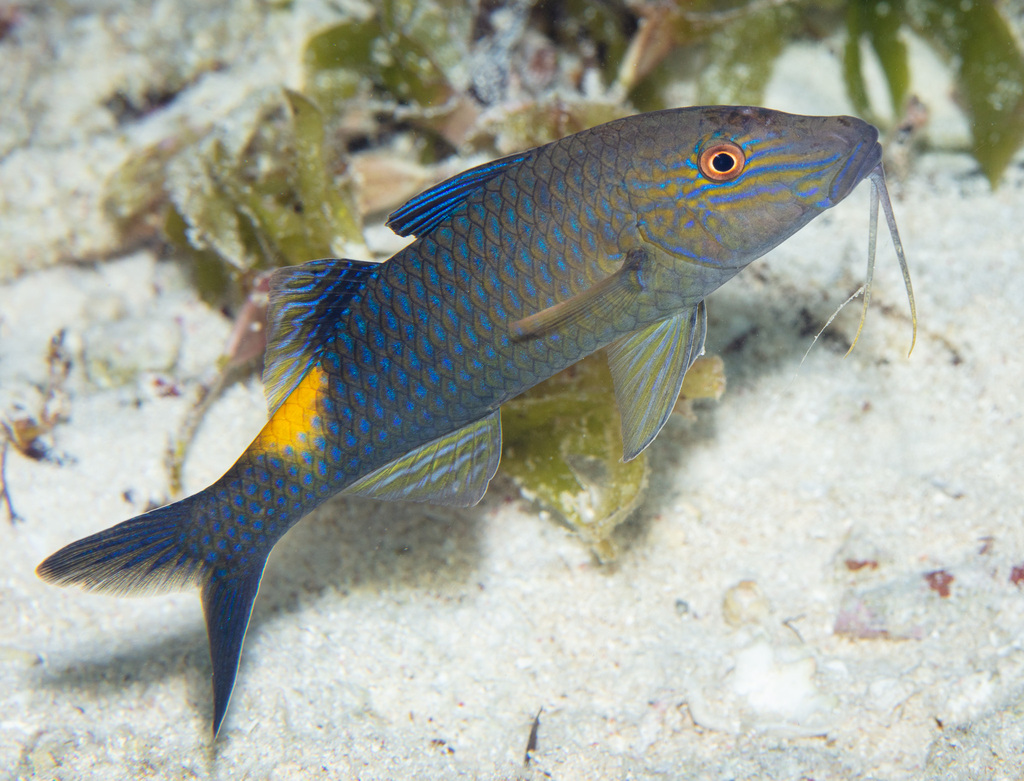
Blue Goatfish

Crissal Thrasher
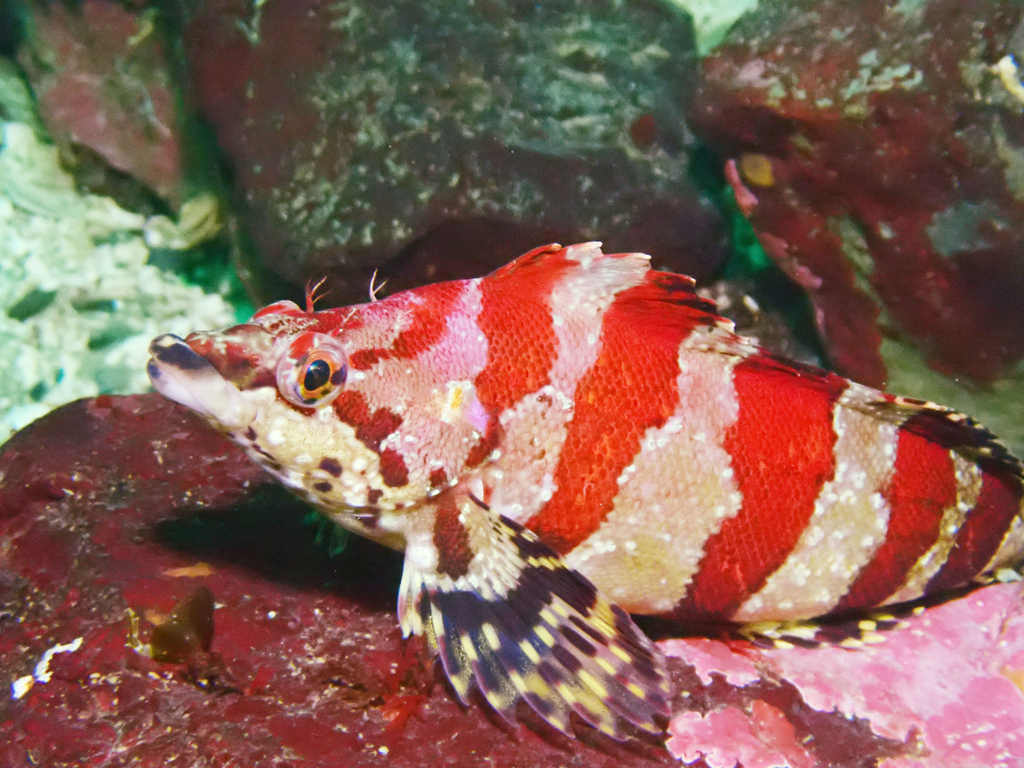
Painted Greenling

California Sheephead
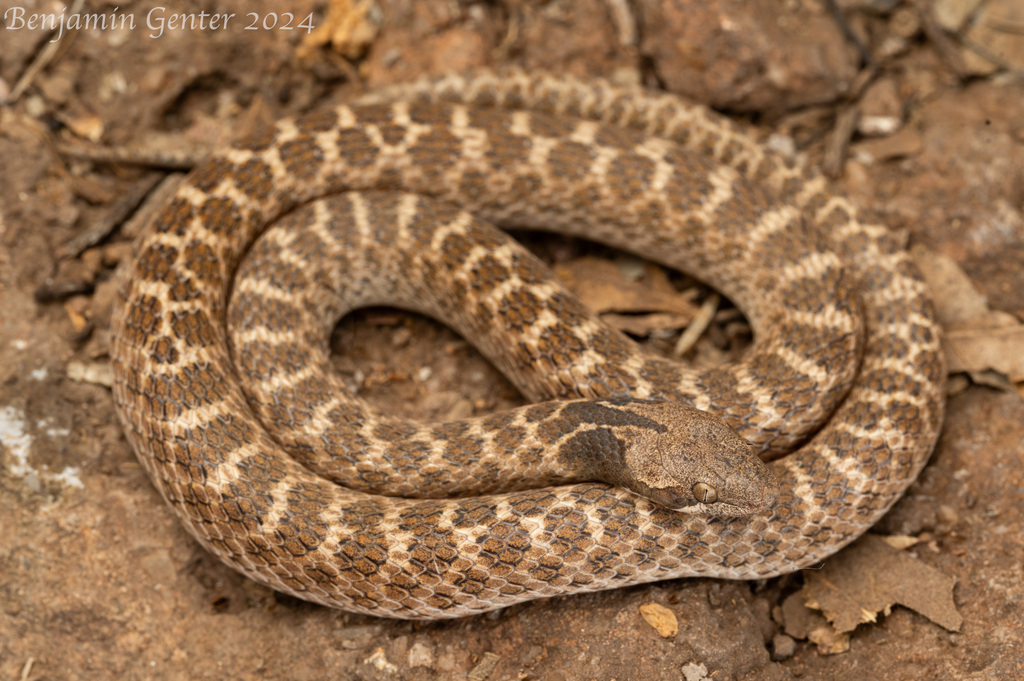
Chihuahuan Nightsnake
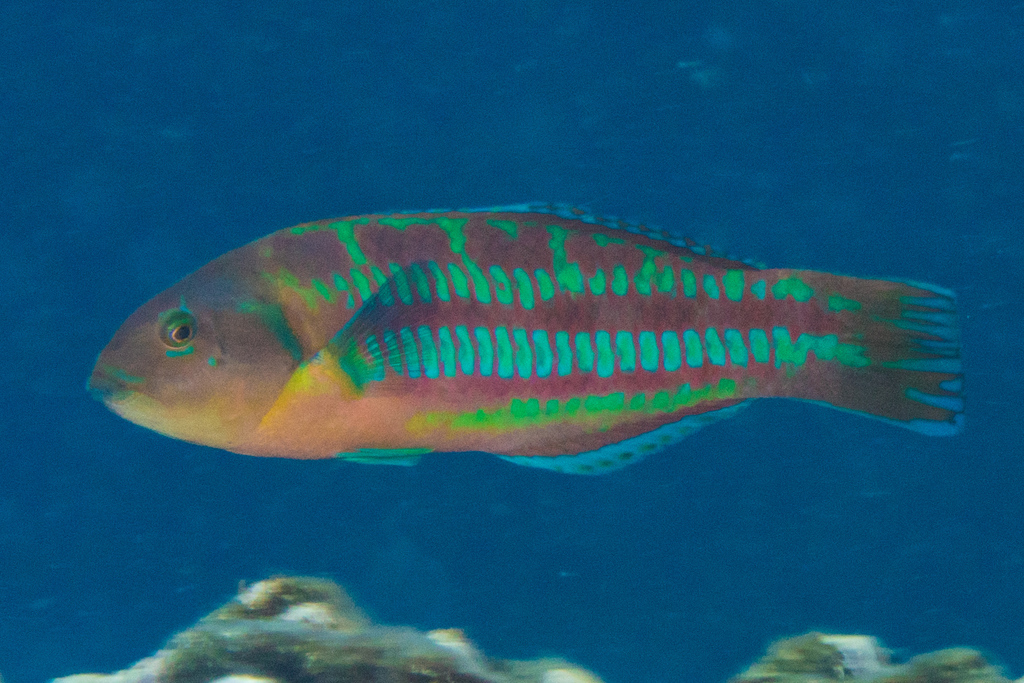
Christmas Wrasse

Coast Night Snake

Roseate Tern

American Shrew-mole
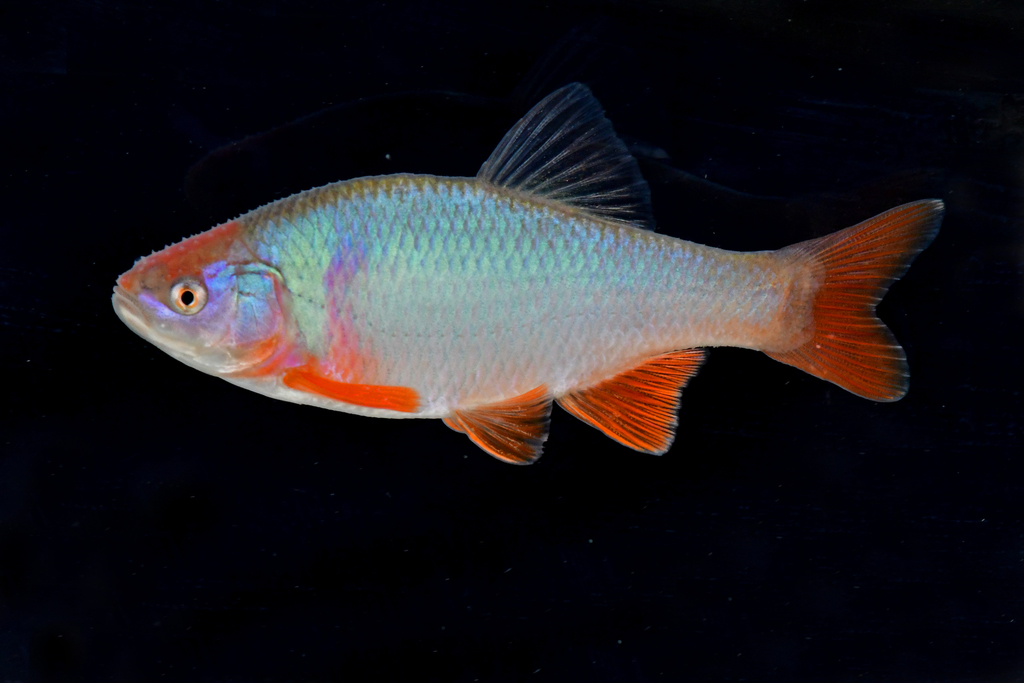
Red Shiner
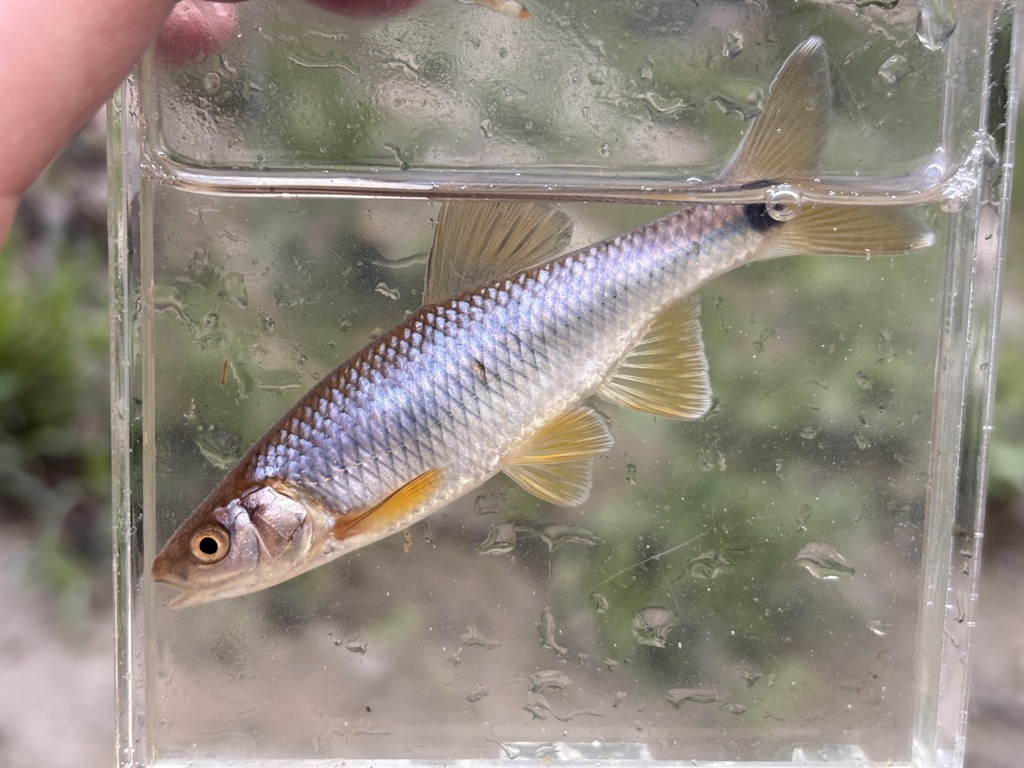
Blacktail Shiner

Striped Killifish
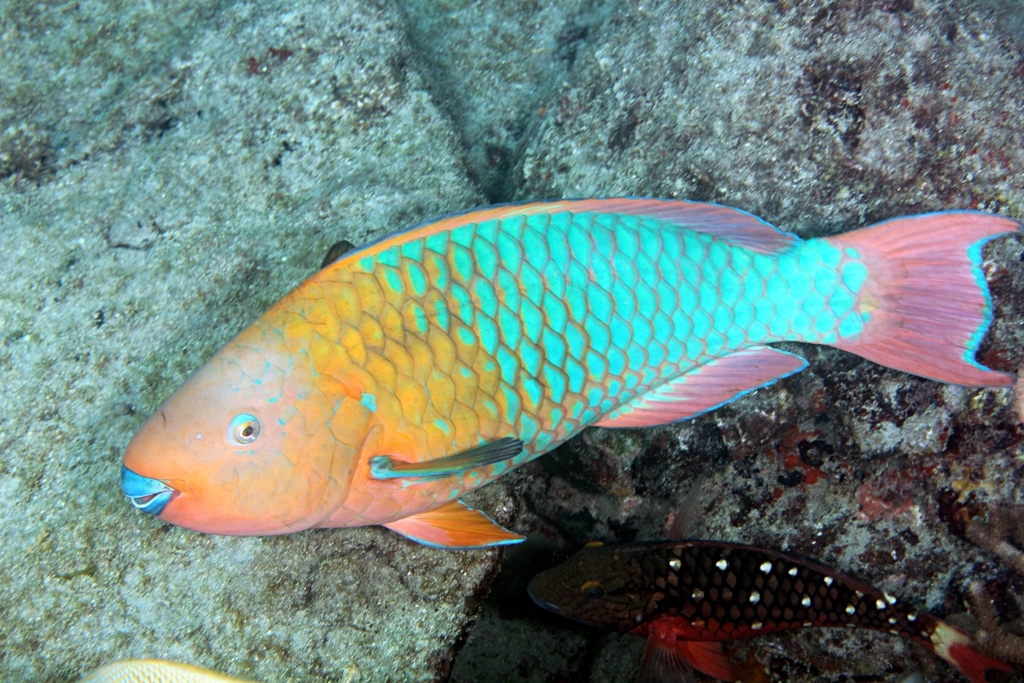
Rainbow Parrotfish
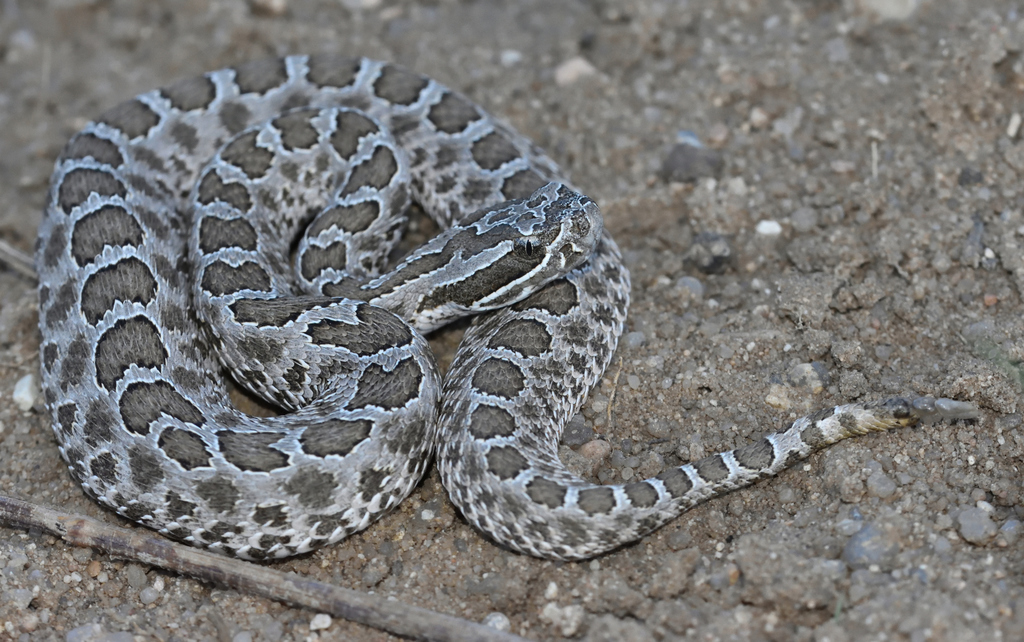
Western Massasauga

Tomtate

Swainson's Warbler
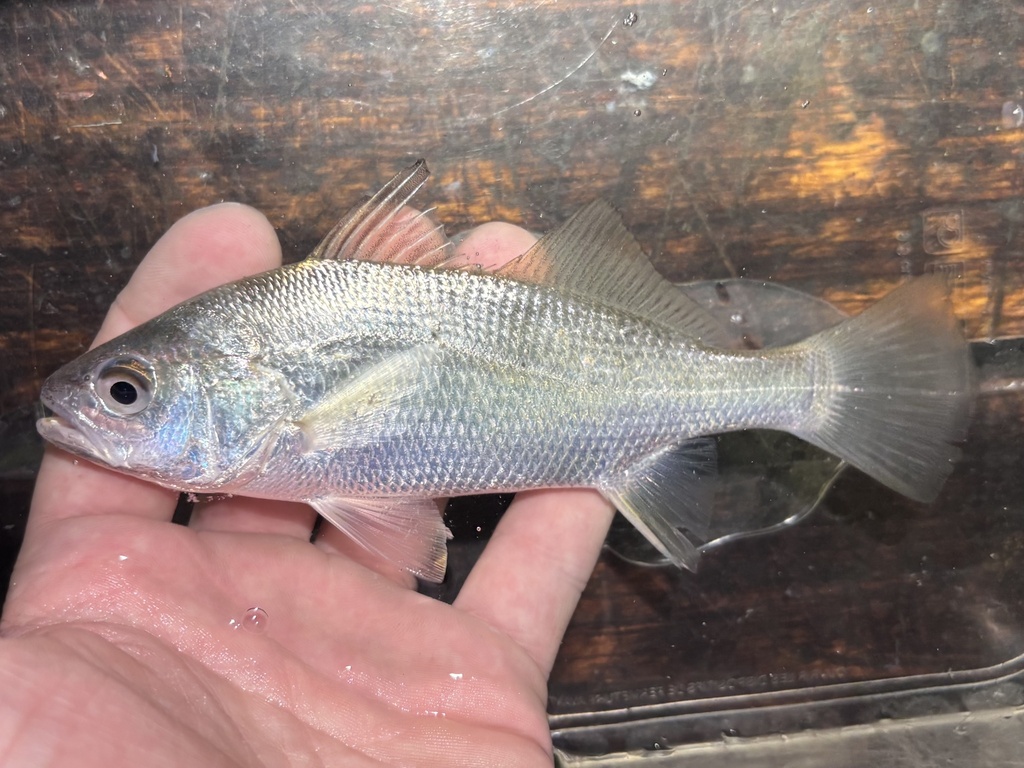
Silver Perch

Giant Frogfish

Broad-footed Mole

Wandering Salamander

Franklin's Ground Squirrel
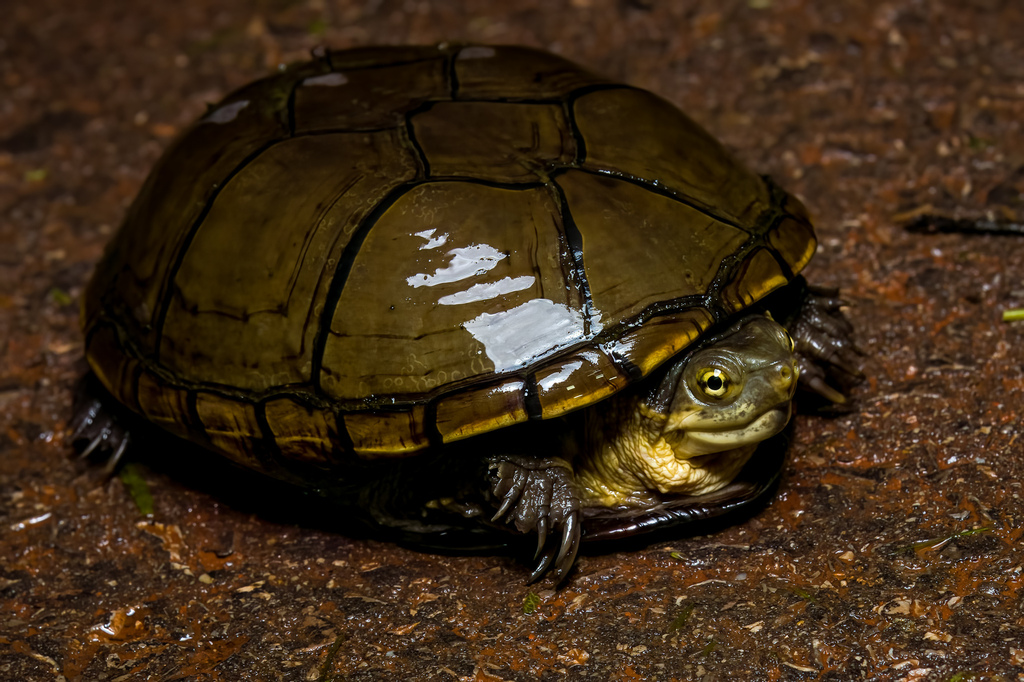
Yellow Mud Turtle
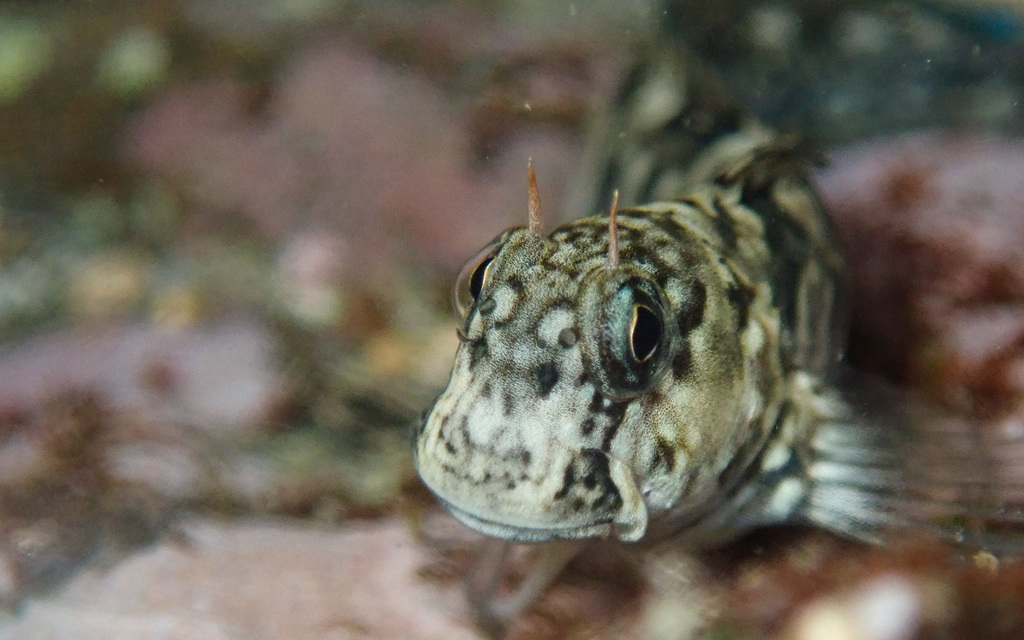
Zebra Blenny
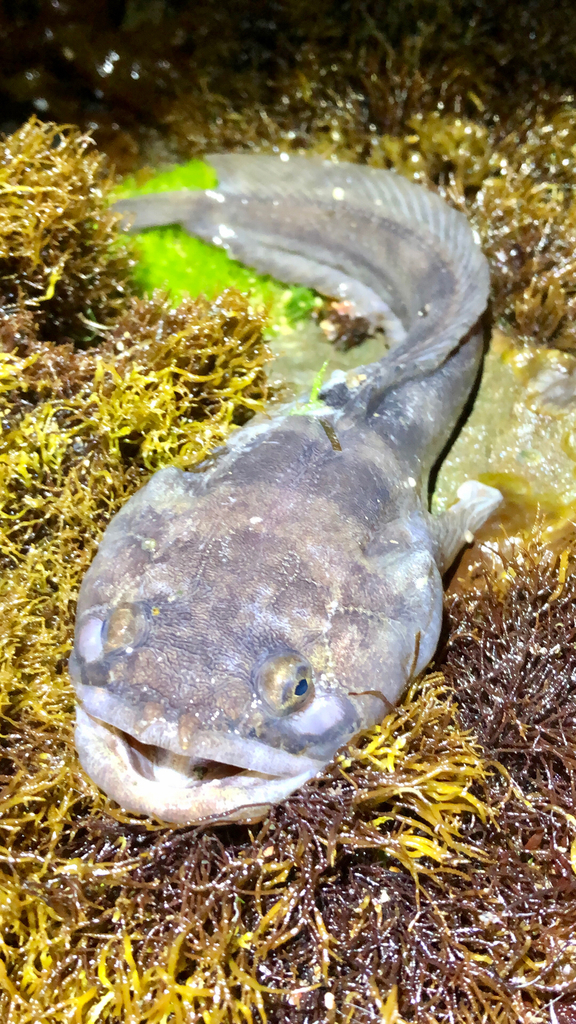
Plainfin Midshipman

Arizona Alligator Lizard

Mississippi Green Watersnake
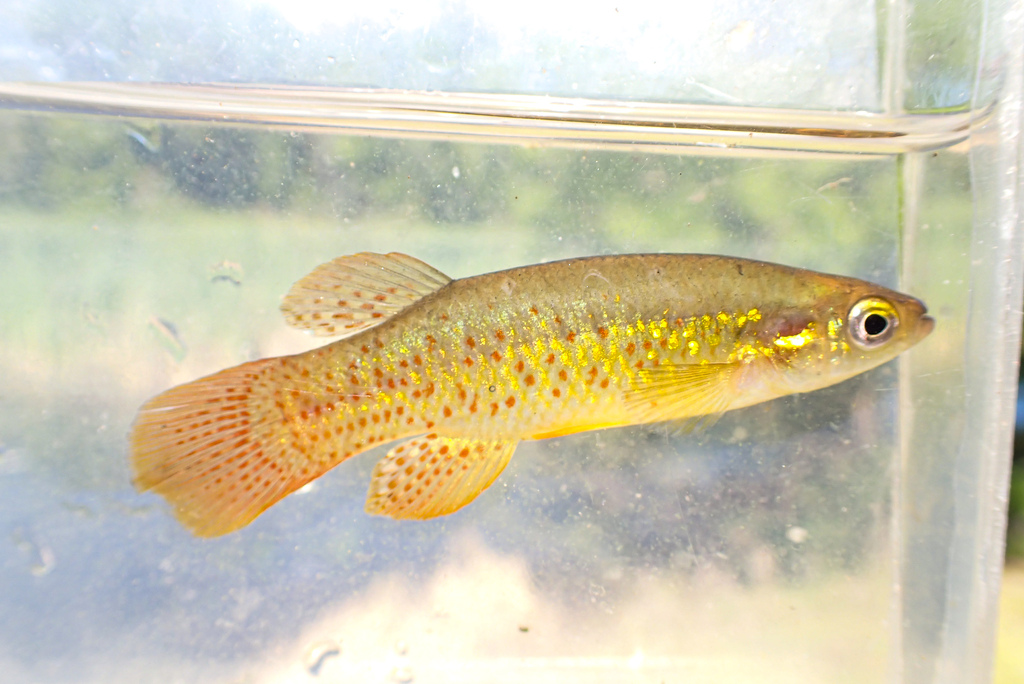
Golden Topminnow

Clearnose Skate

Burmese Python
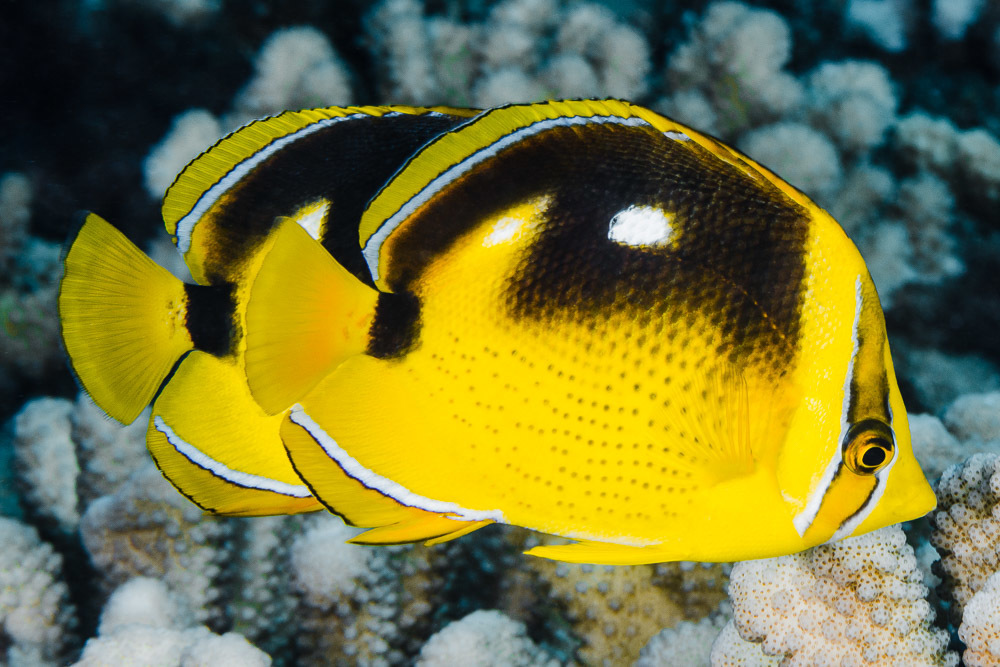
Fourspot Butterflyfish
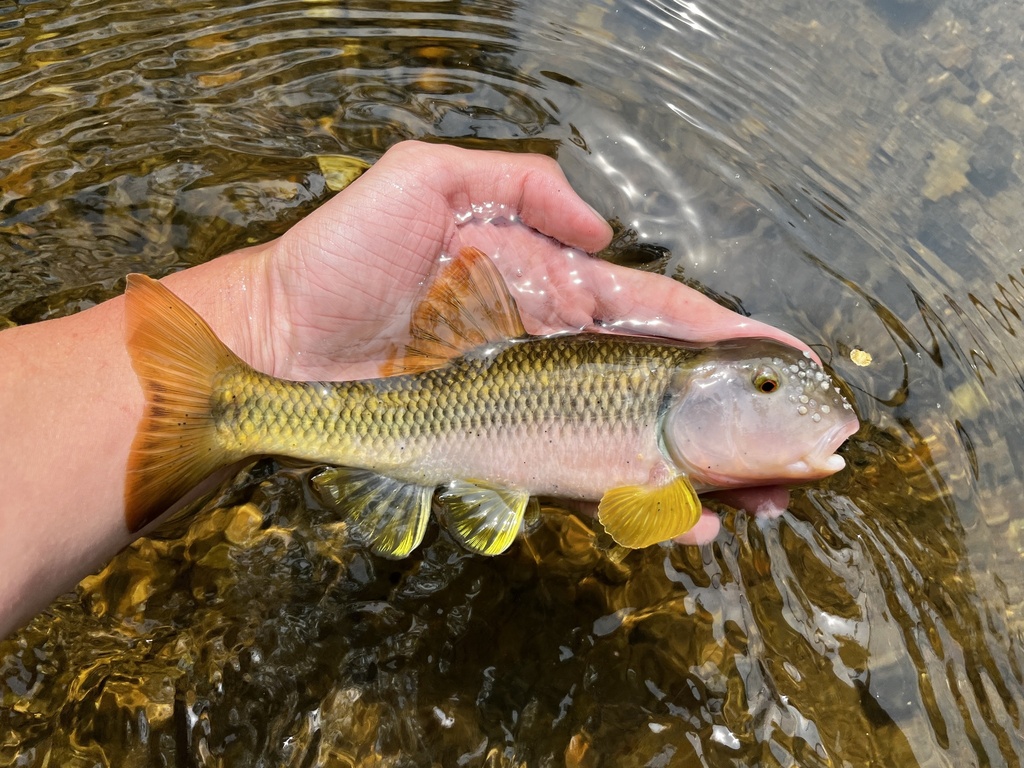
River Chub
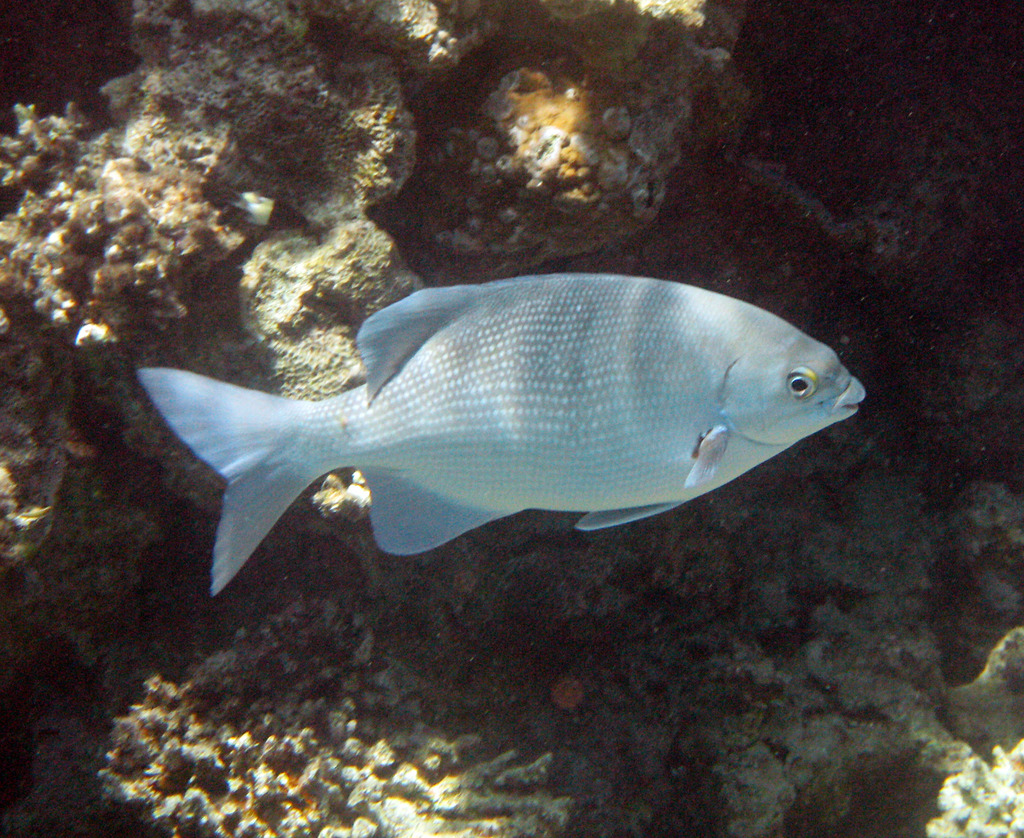
Highfin Chub

Brewer's Mole
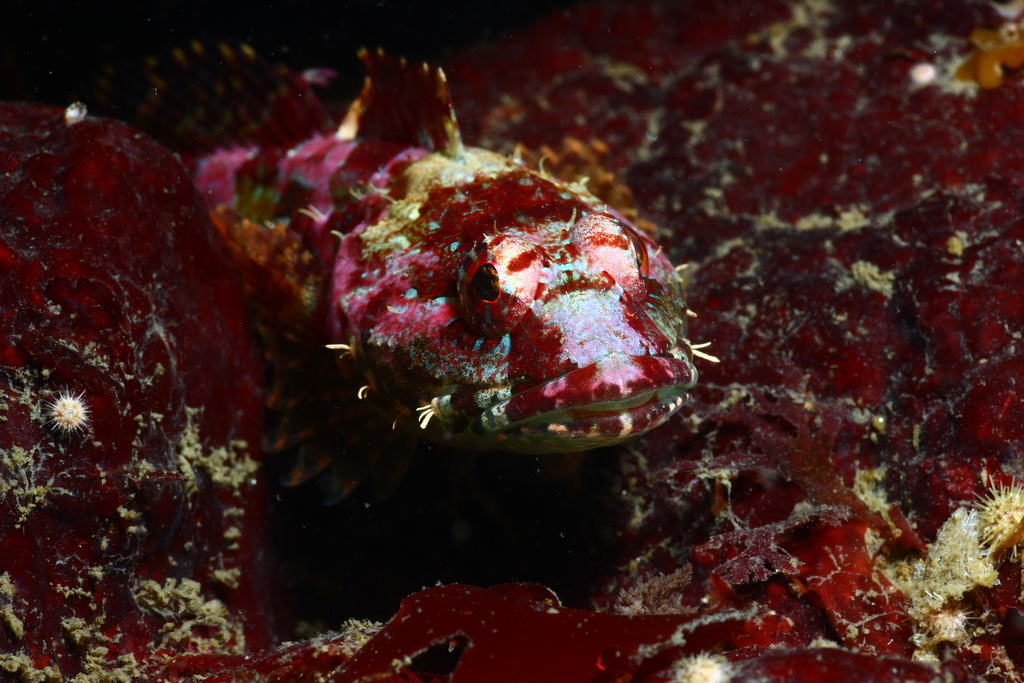
Smoothhead Sculpin

Flathead Catfish

Wyoming Ground Squirrel
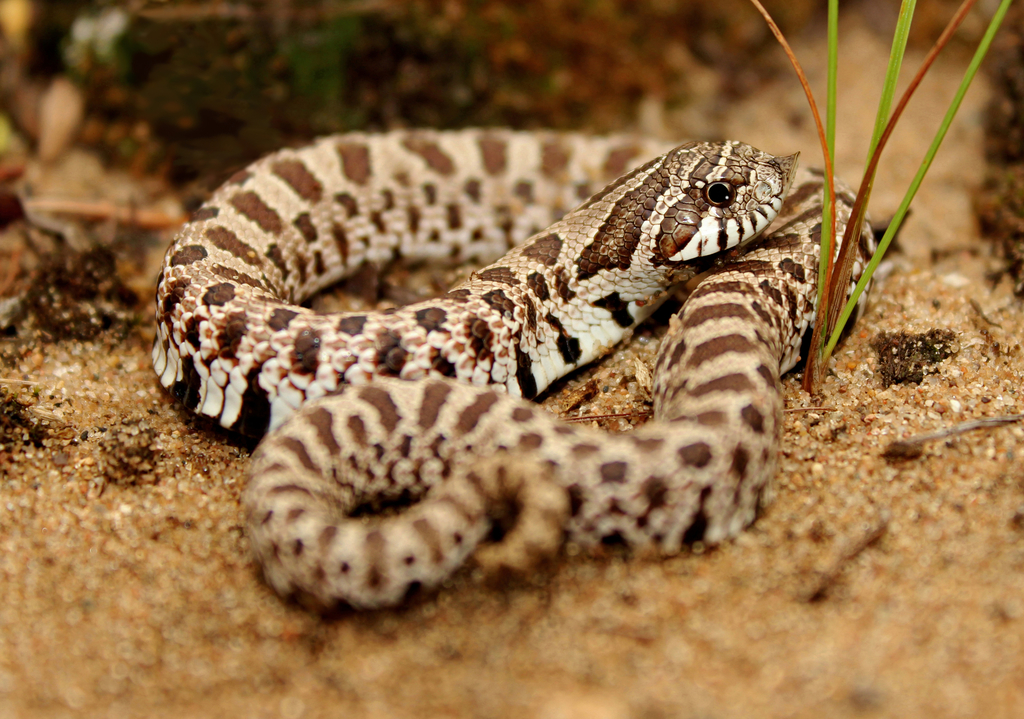
Plains Hognose Snake
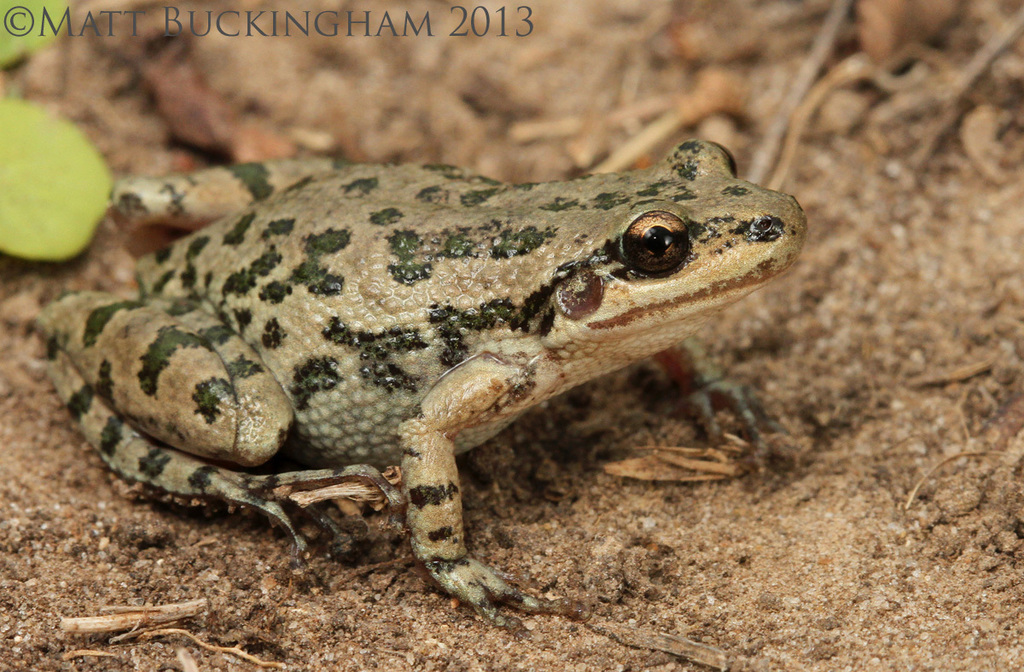
Spotted Chorus Frog

Common Hog-nosed Skunk
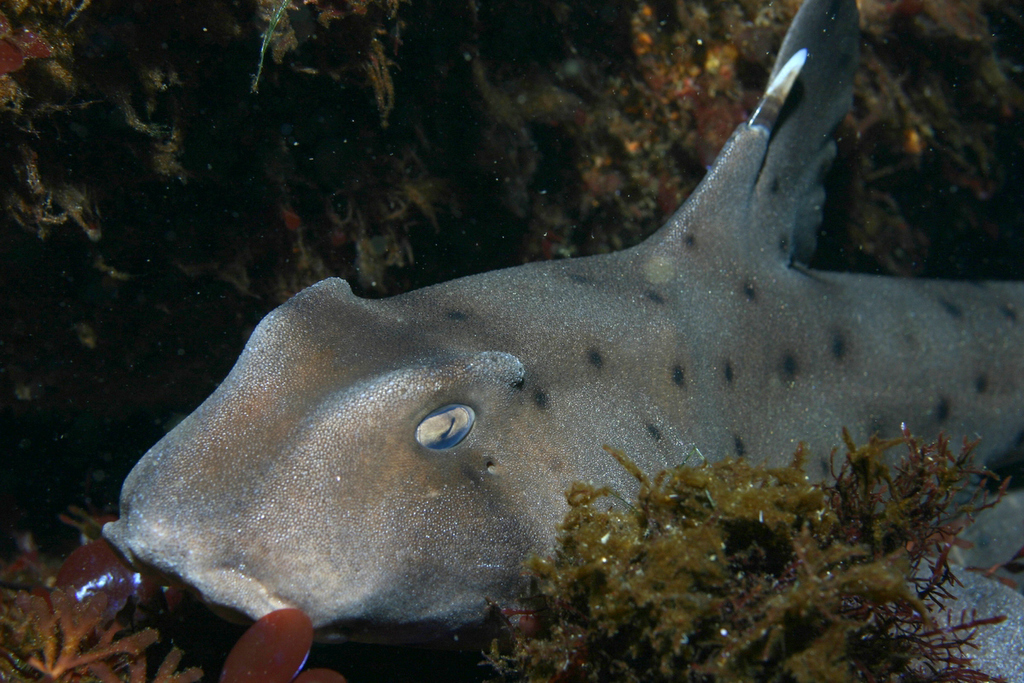
Horn Shark

Atlantic Silverside
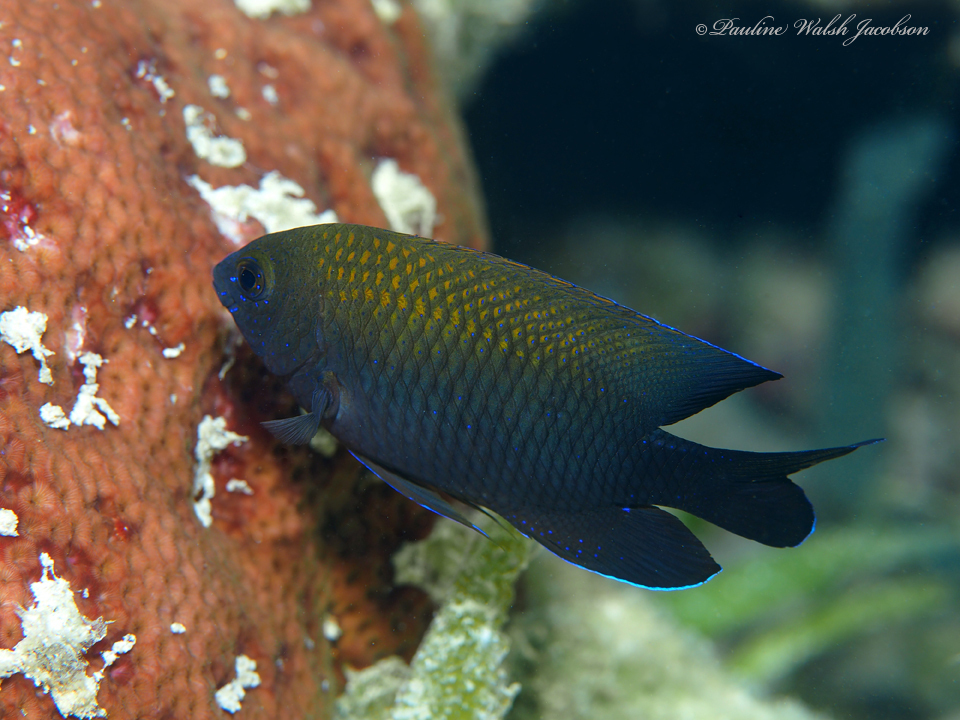
Beaugregory
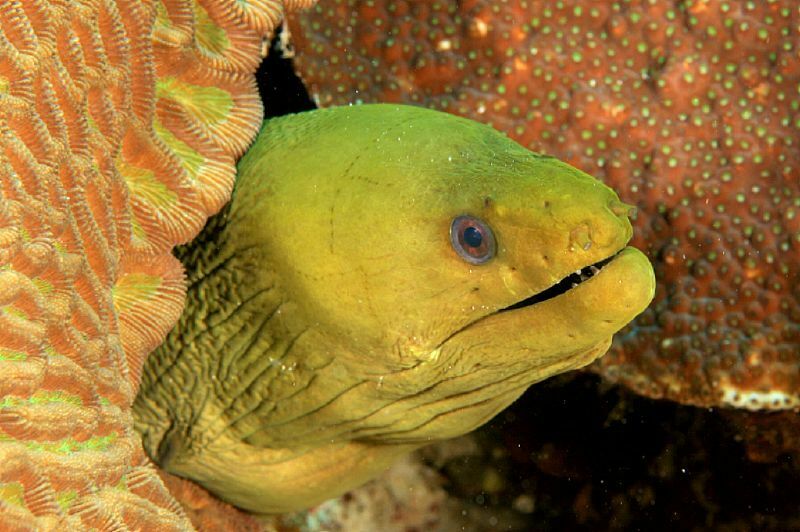
Green Moray
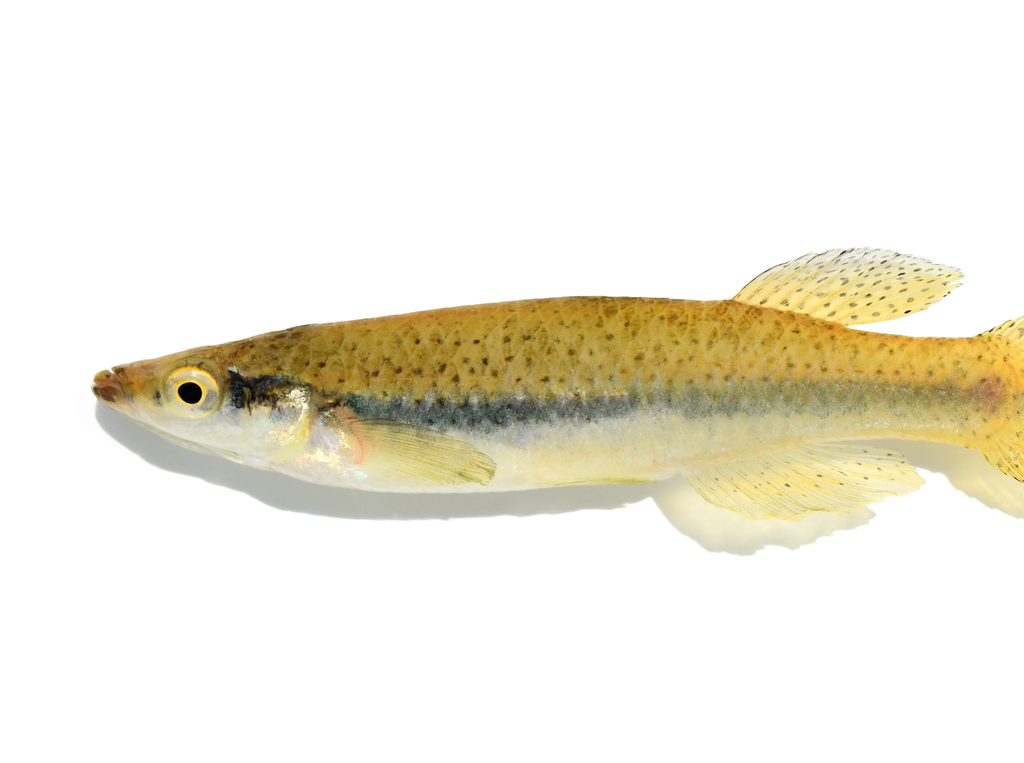
Blackspotted Topminnow

Ladyfish

Hornyhead Chub
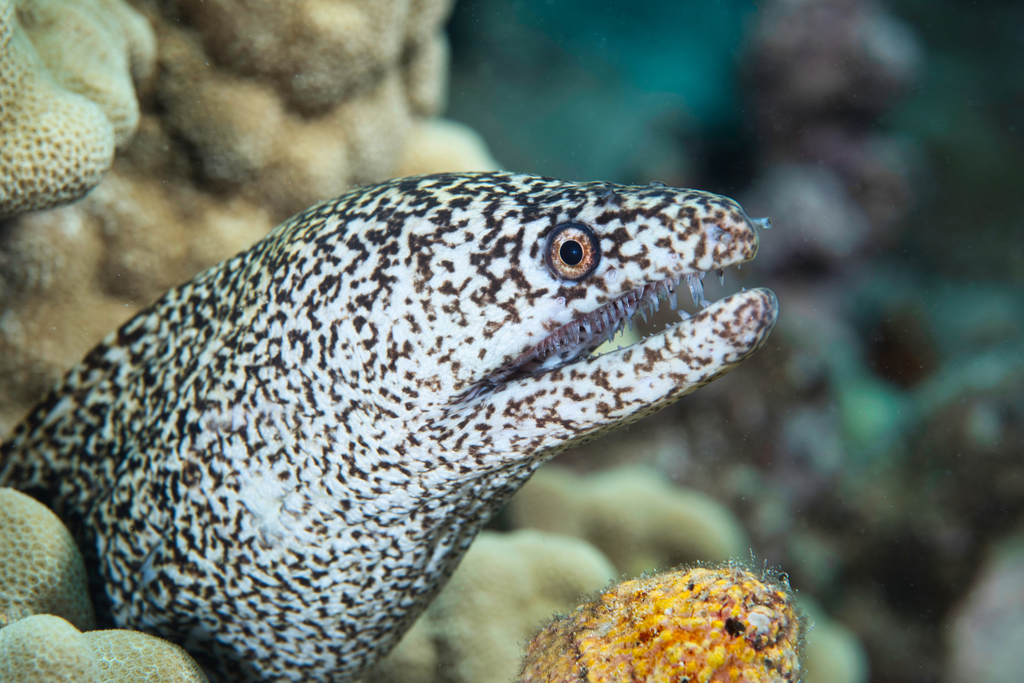
Abbott's Moray

Texas Alligator Lizard
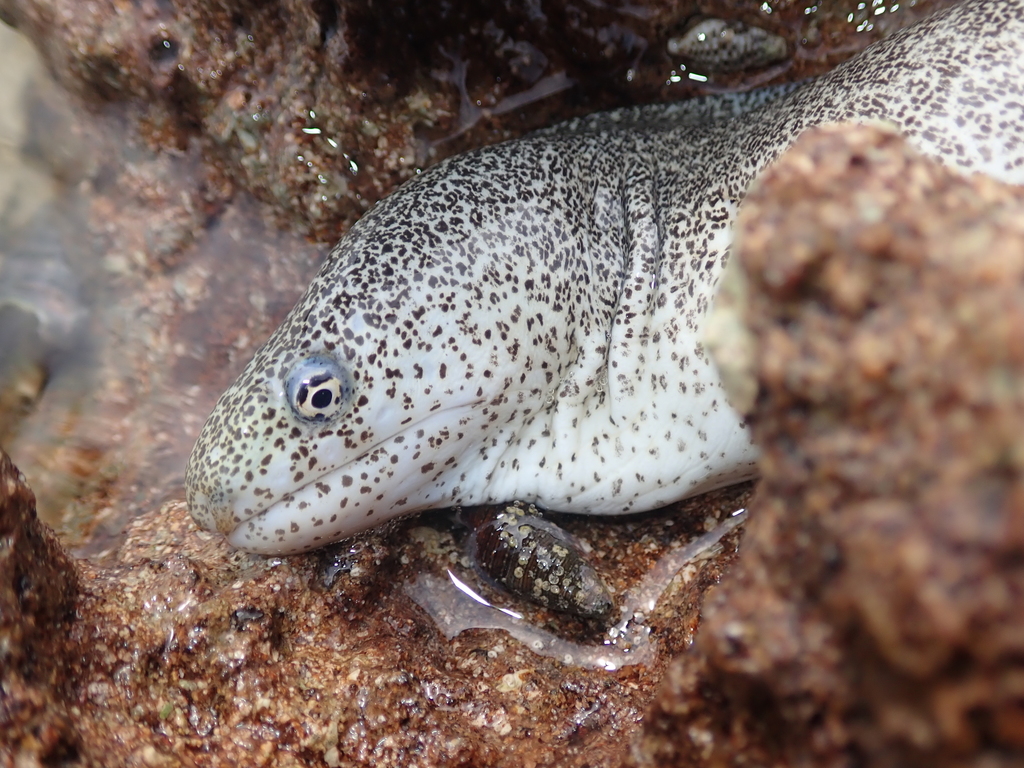
Peppered Moray

Red-cheeked Salamander

Atlantic Needlefish
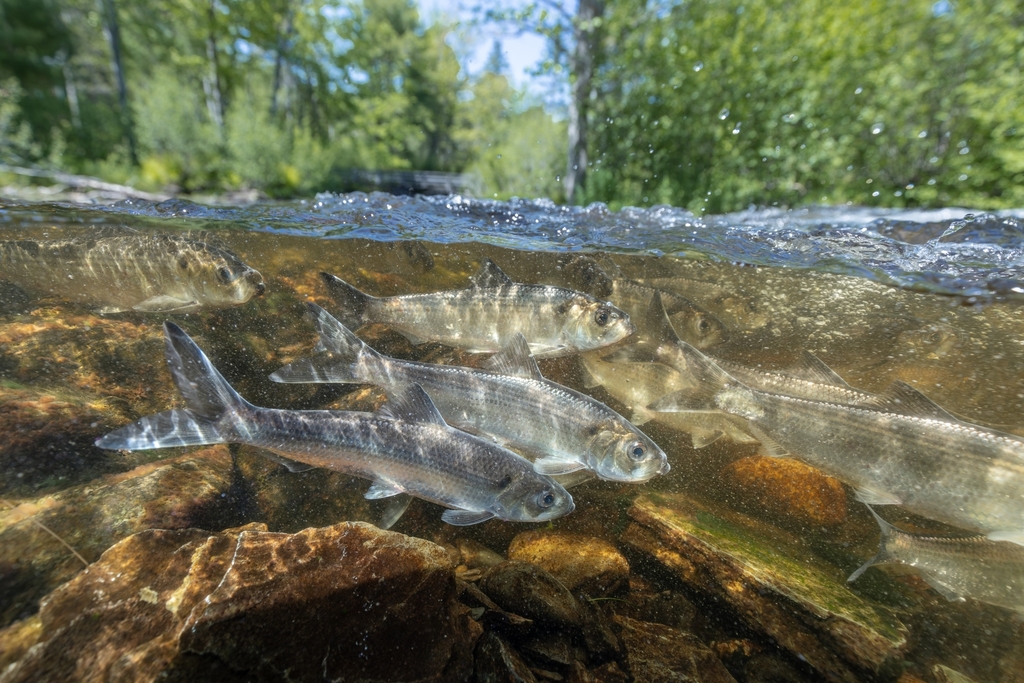
Alewife
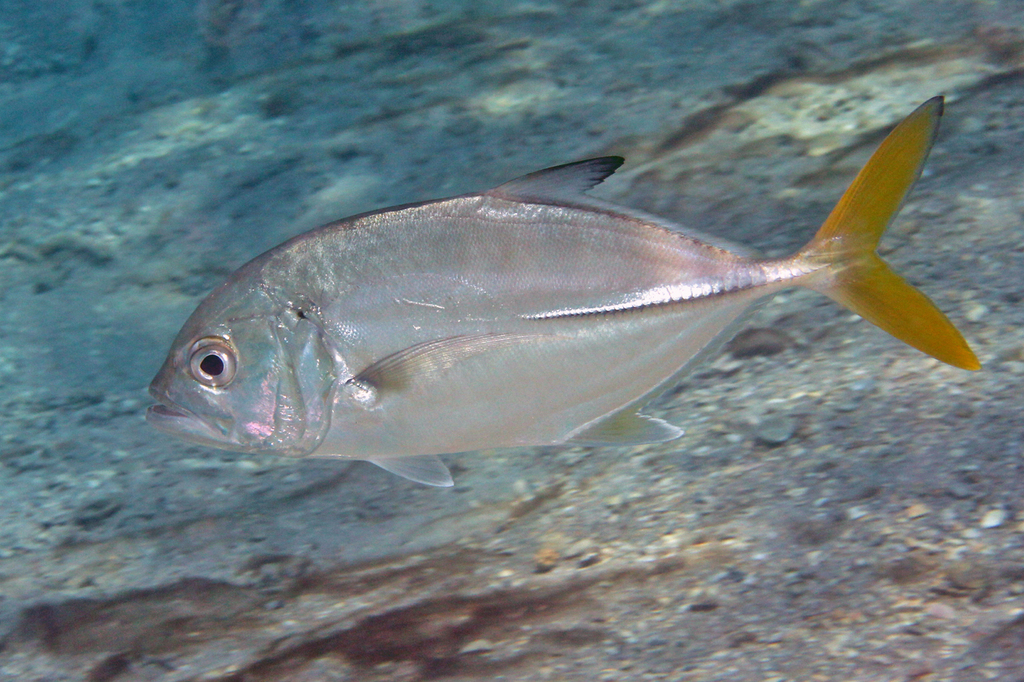
Horse-eye Jack

Topsmelt Silverside
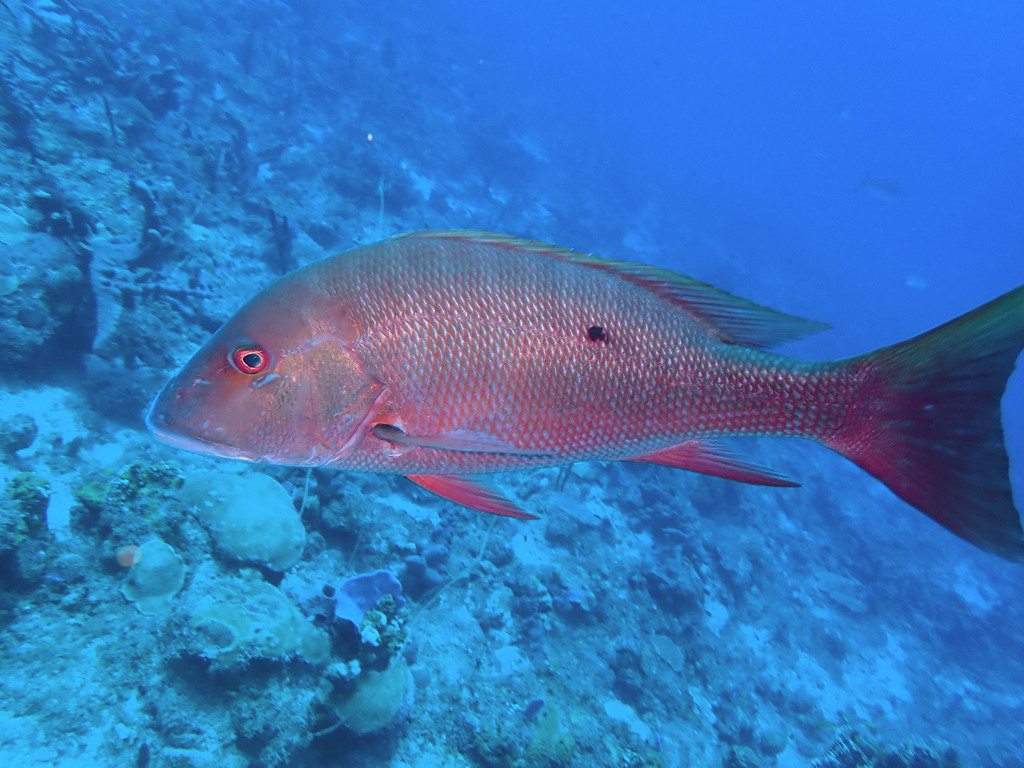
Mutton Snapper

Fluffy Sculpin

Masked Shrew

Giant Pacific Octopus

Florida Pompano

Green Toad

Pacific sandlance

Redside Shiner
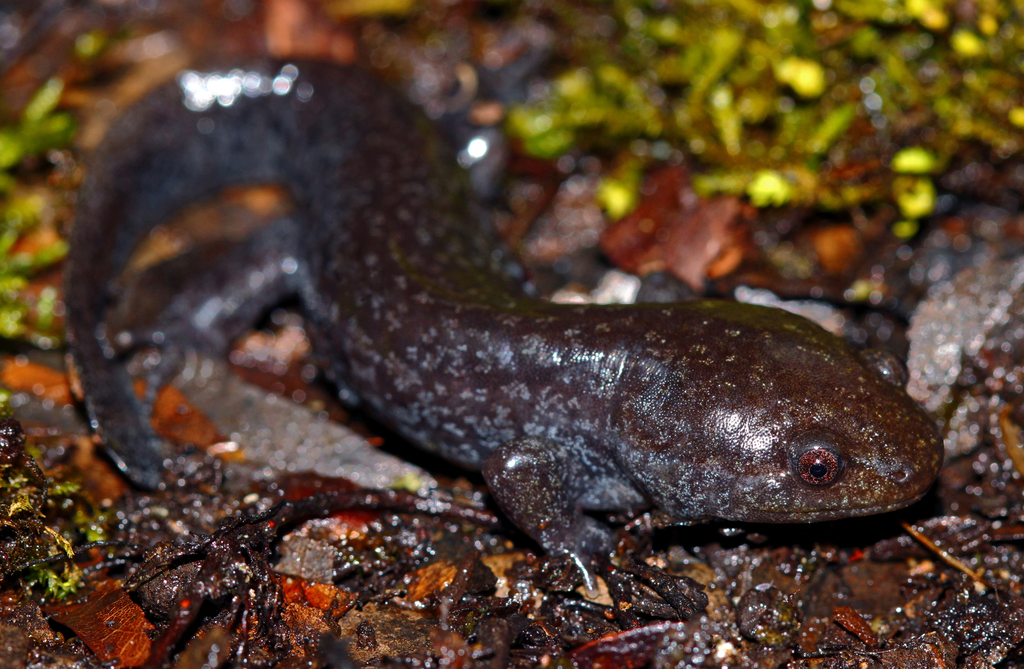
Mole Salamander
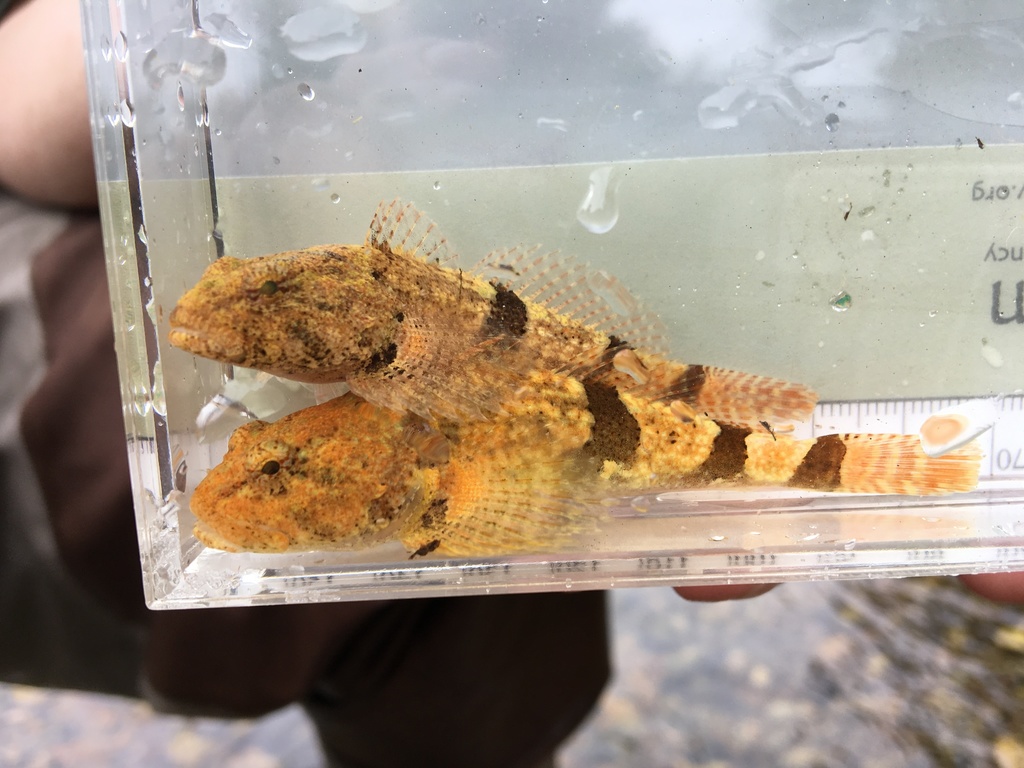
Banded Sculpin

Conner

Northern Snakehead
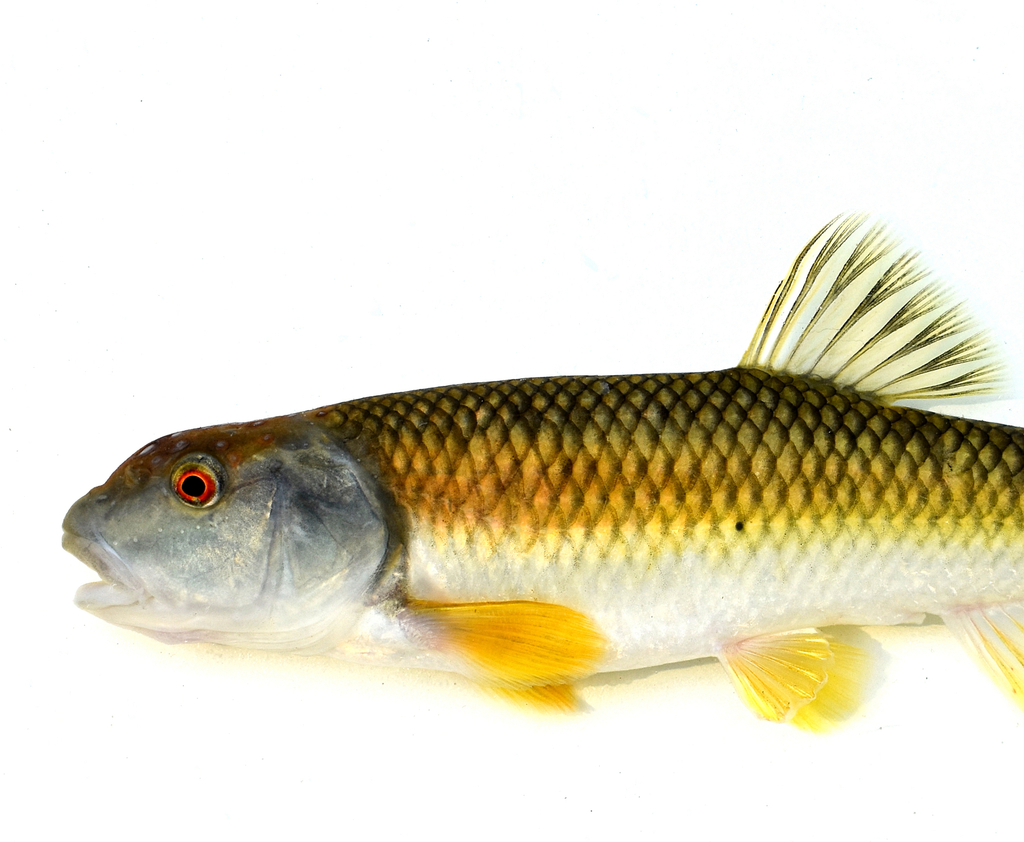
Bluehead Chub

Hoary Bat

Rio Grande Ground Squirrel

Dollar Sunfish

Desert Night Lizard

Ringtail Surgeonfish

Dusky Smooth-hound

Northern Seahorse

Hogfish

Rough-tailed Gecko

Banded Rock Lizard

Prairie Skink
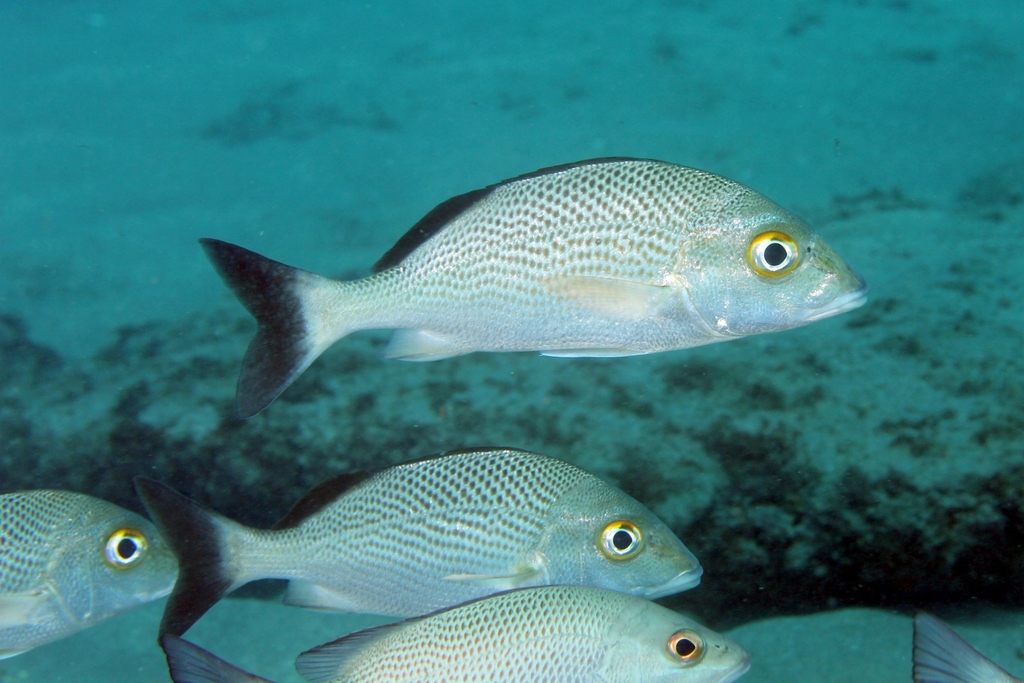
Sailor's Choice

Southwestern Pond Turtle
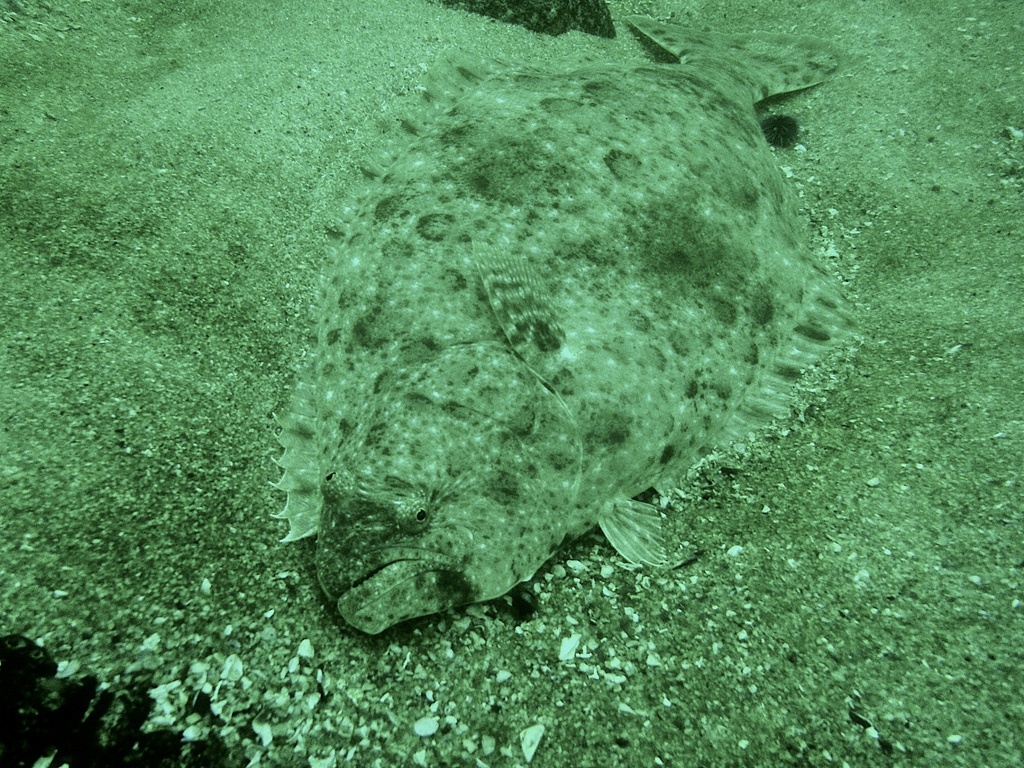
California Halibut
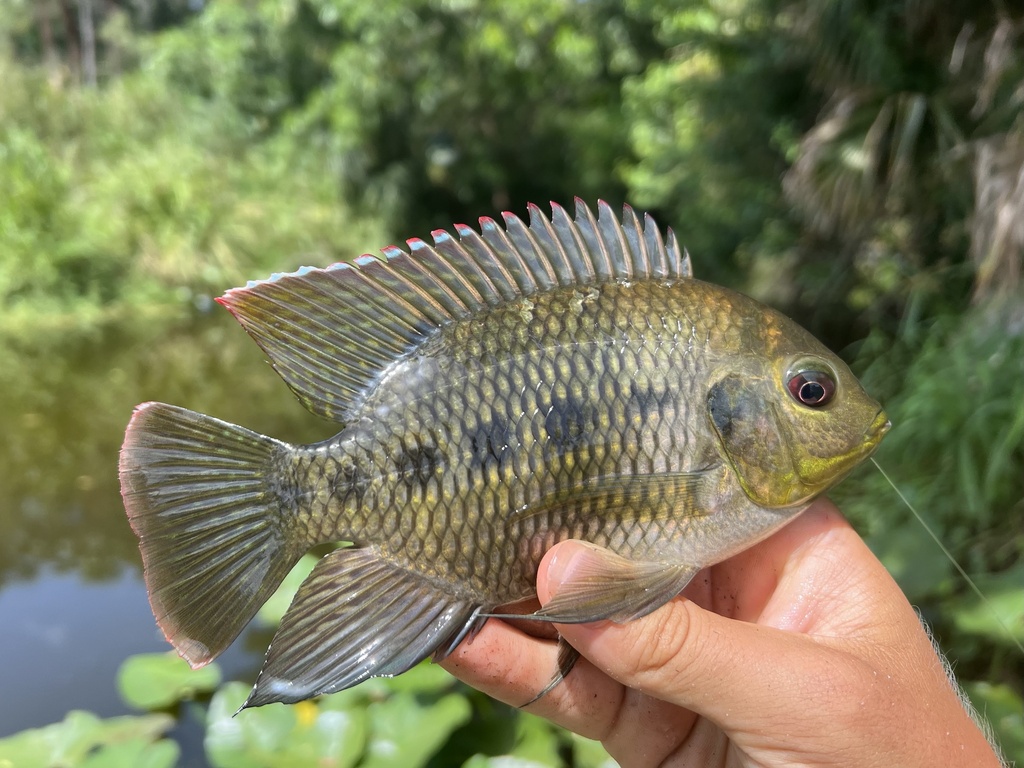
Spotted Tilapia

Common Dolphinfish

Western Aquatic Garter Snake

Northern Sunfish

Great Plains Ground Snake
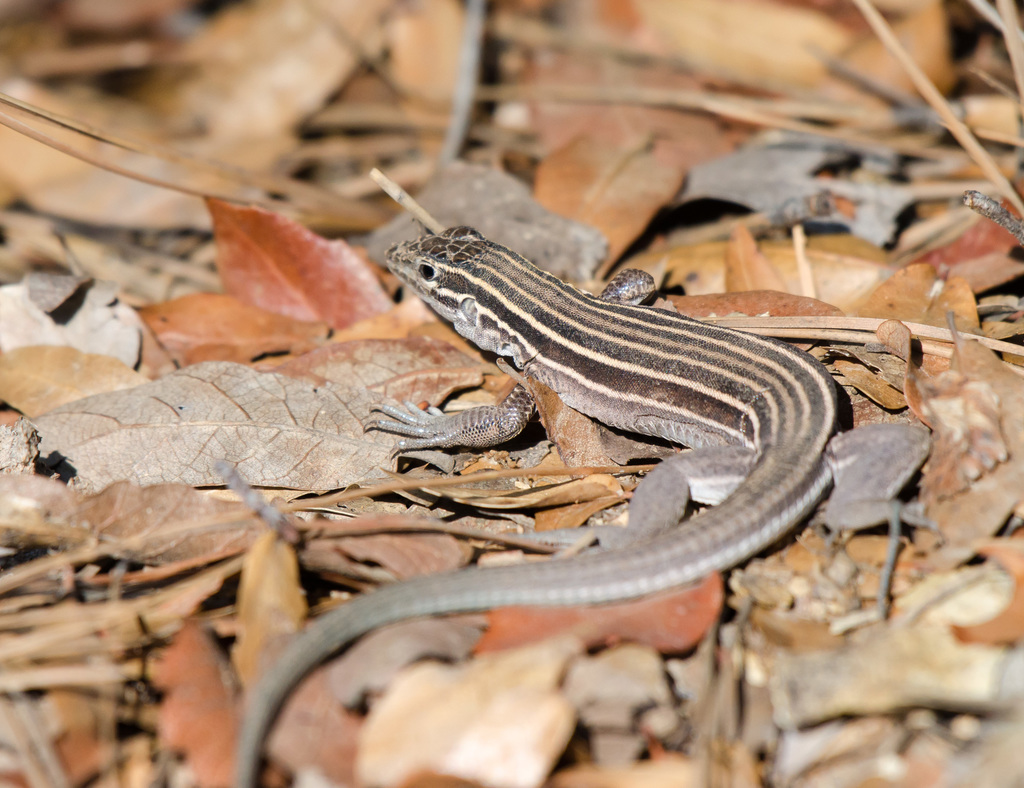
Desert Grassland Whiptail

Southern Kingfish
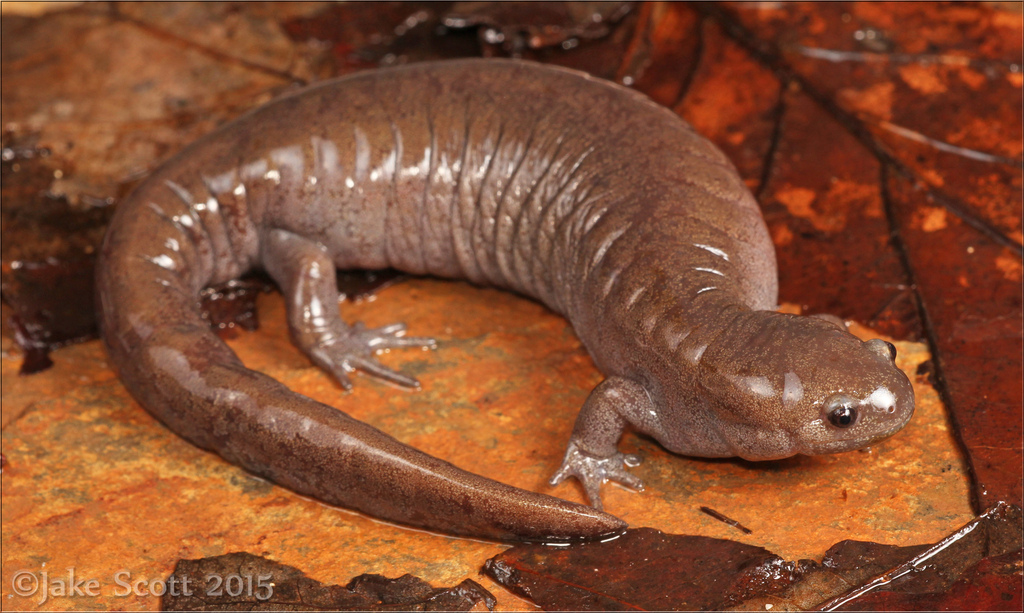
Streamside Salamander
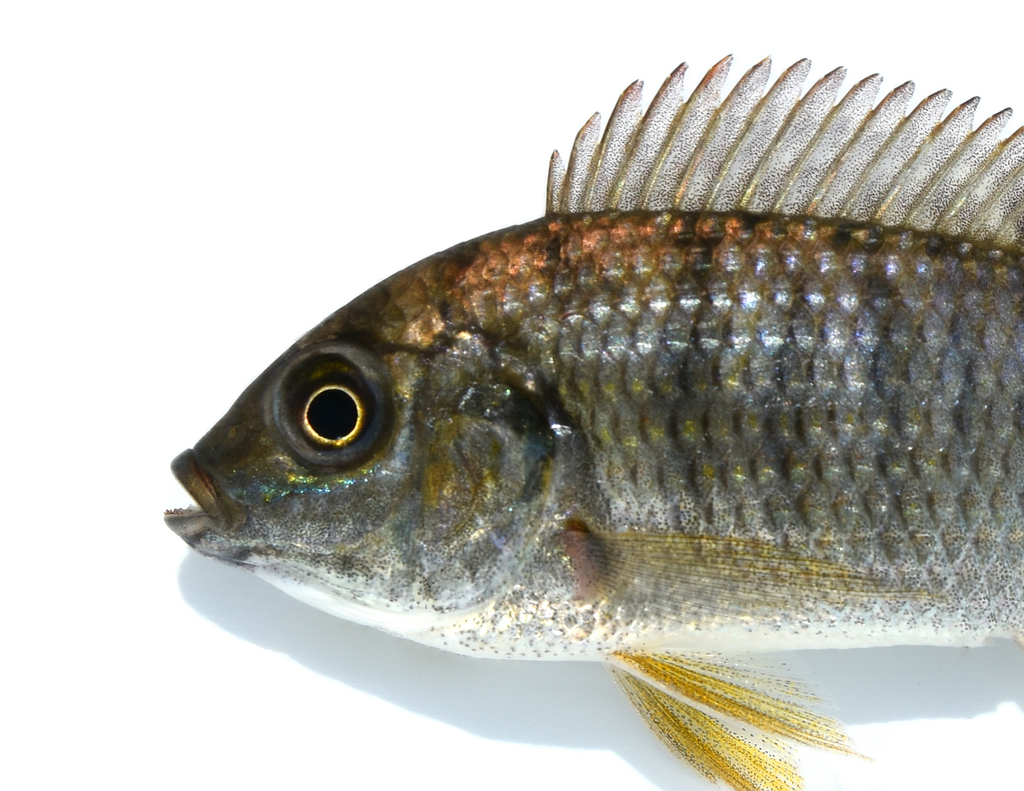
Blackchin Tilapia

Oyster Toadfish

Pallid Bat

Pine Woods Littersnake
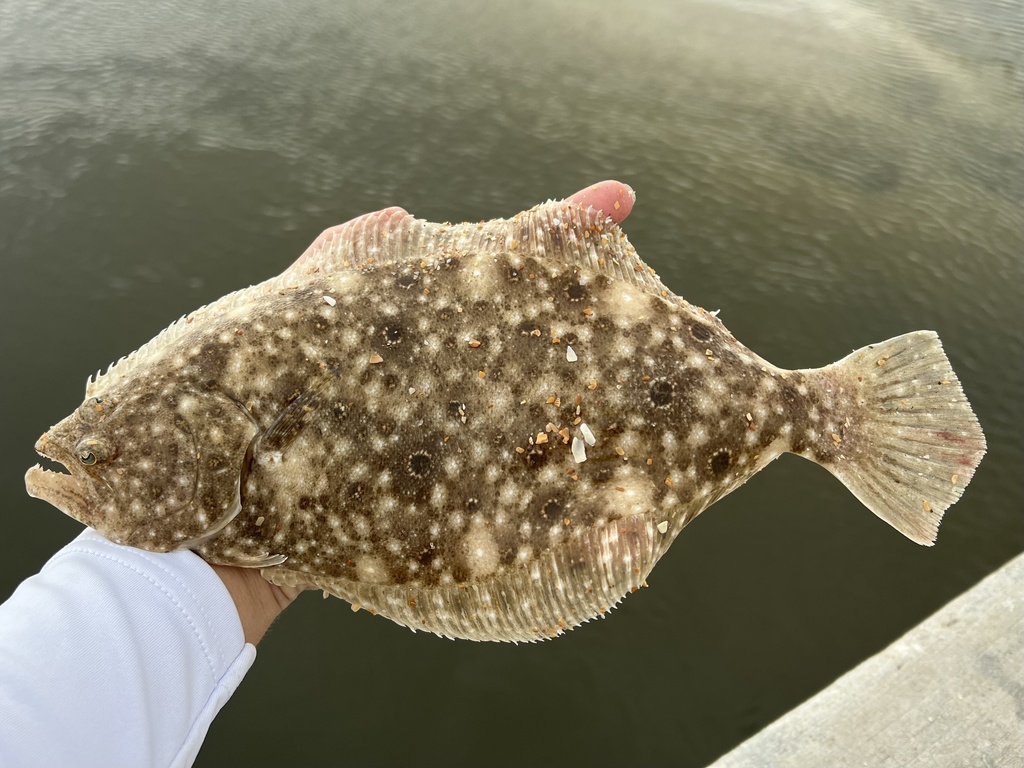
Fluke
Inshore Lizardfish

Southern Redbelly Dace

Speckled Dace
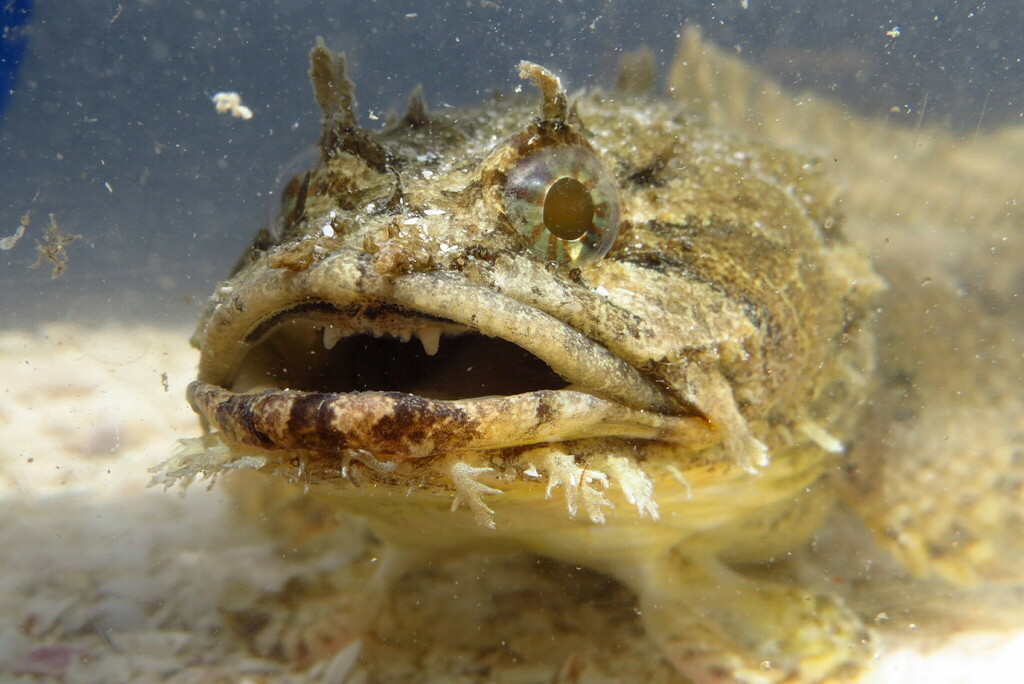
Gulf Toadfish
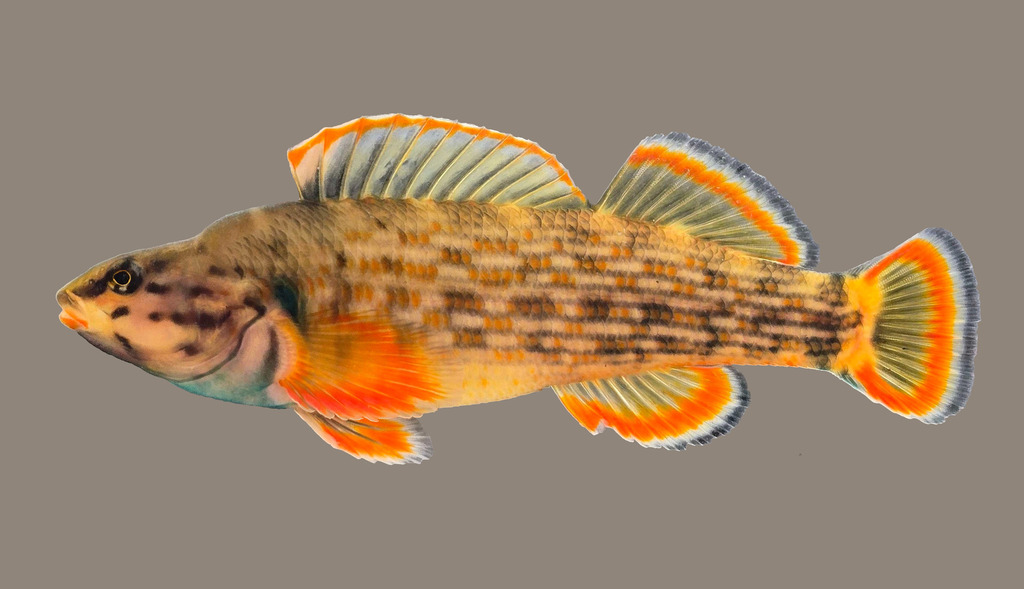
Redline Darter
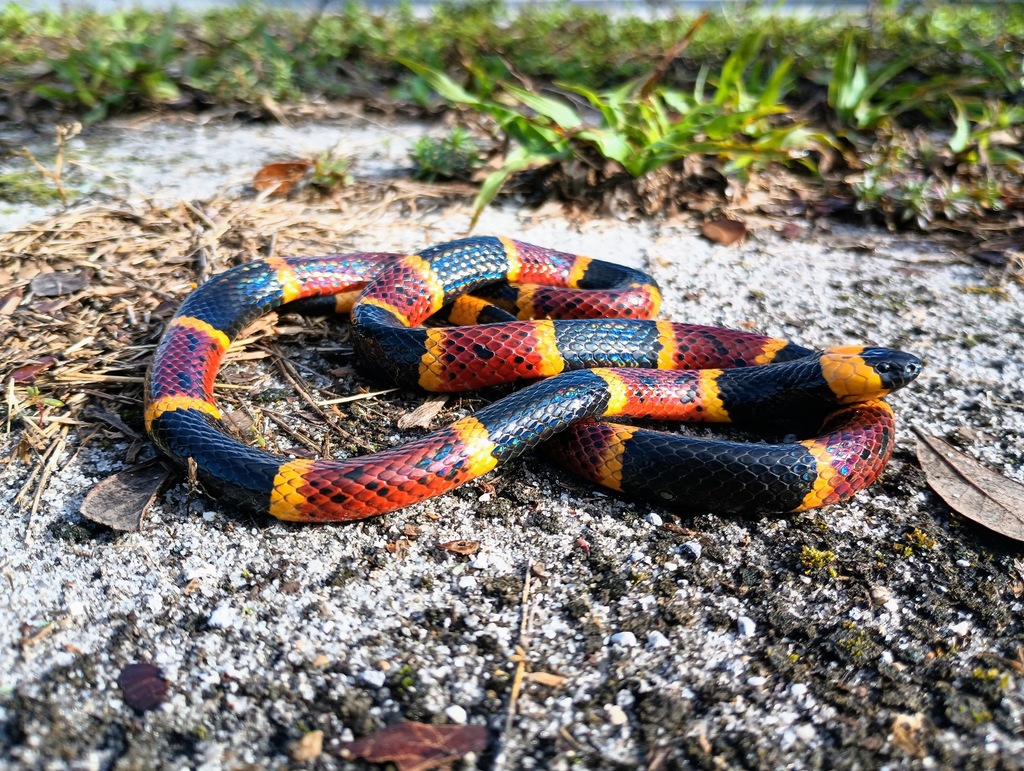
Eastern Coral Snake

Monkey-faced Prickleback
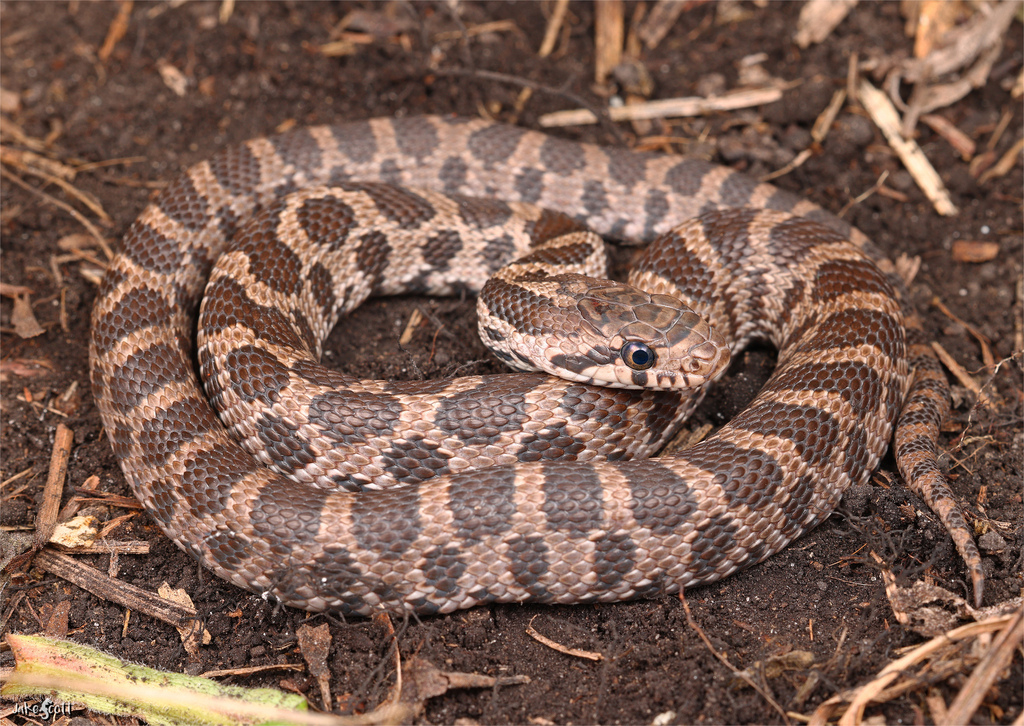
Western Foxsnake

Shovelhead
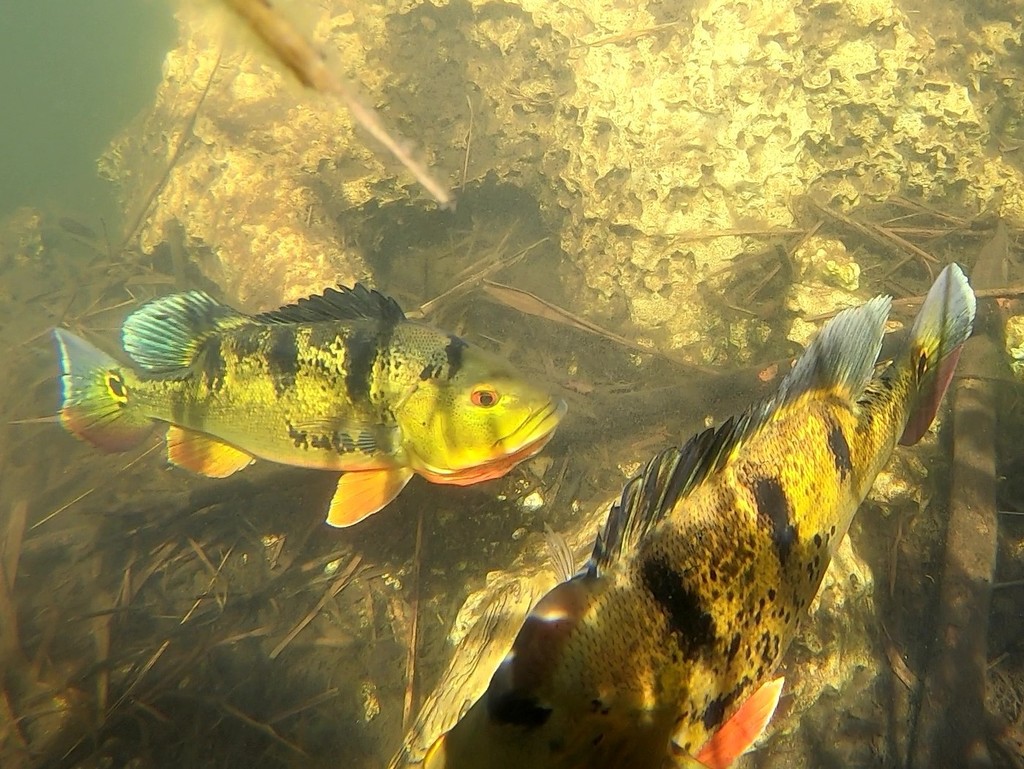
Peacock Bass
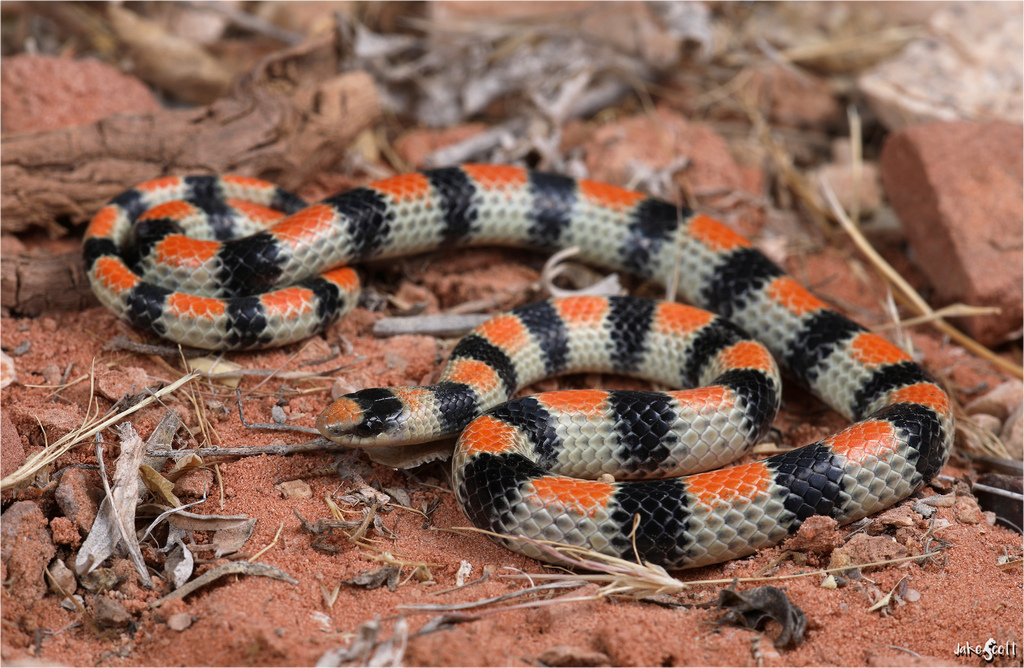
Ground Snake

Barred Filefish
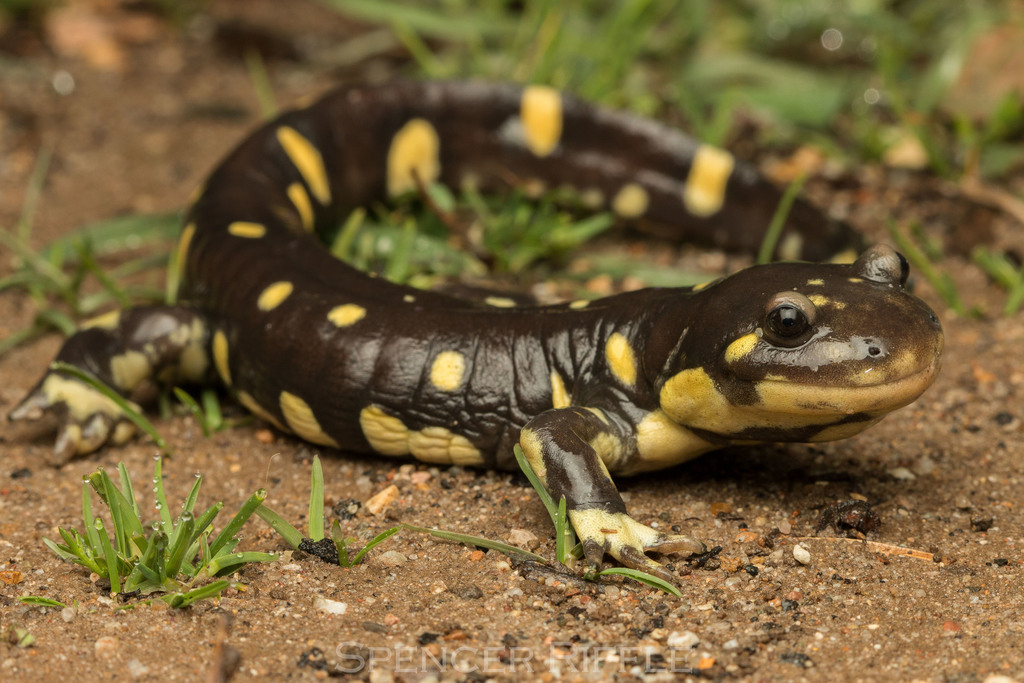
California Tiger Salamander

Kit Fox

Cajun Chorus Frog

Redspotted Sunfish
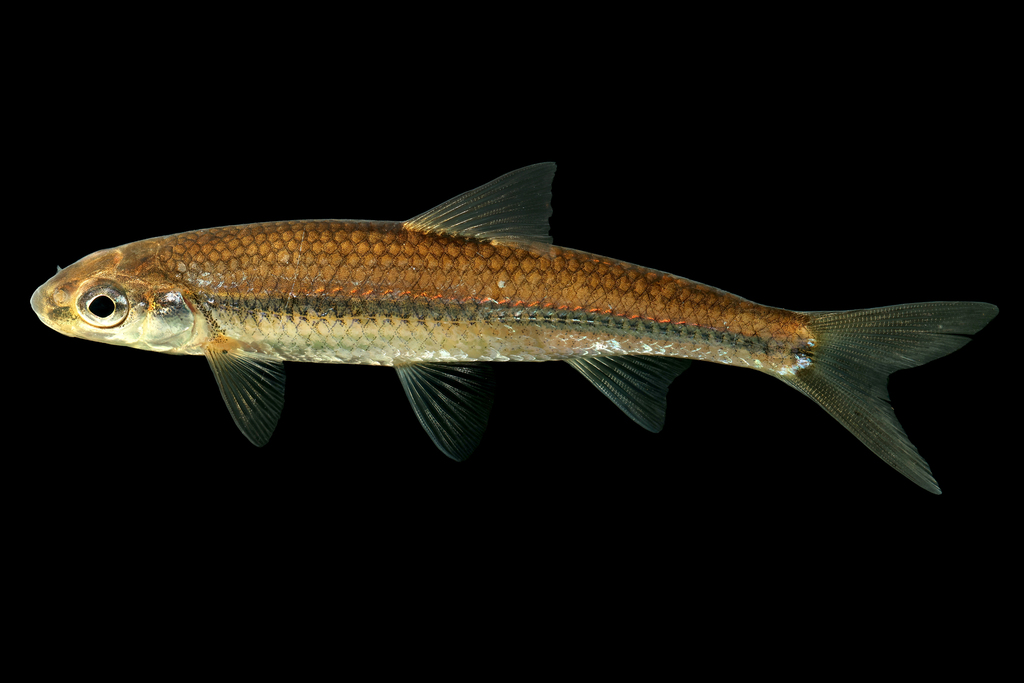
Spottail Shiner
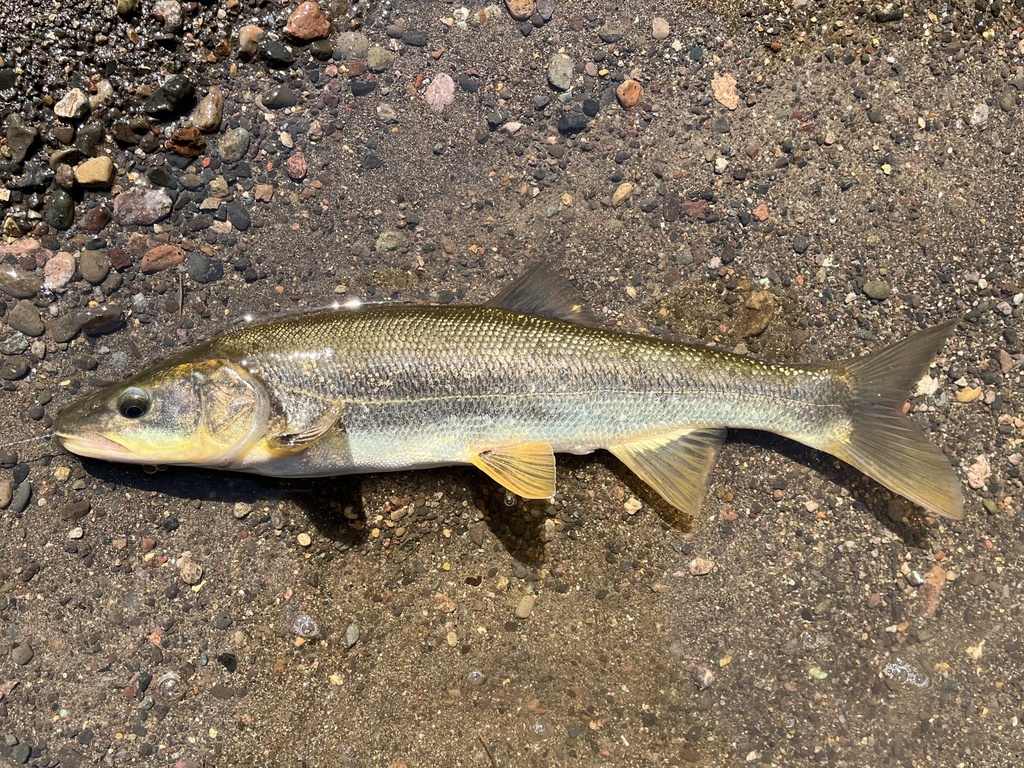
Northern Pikeminnow
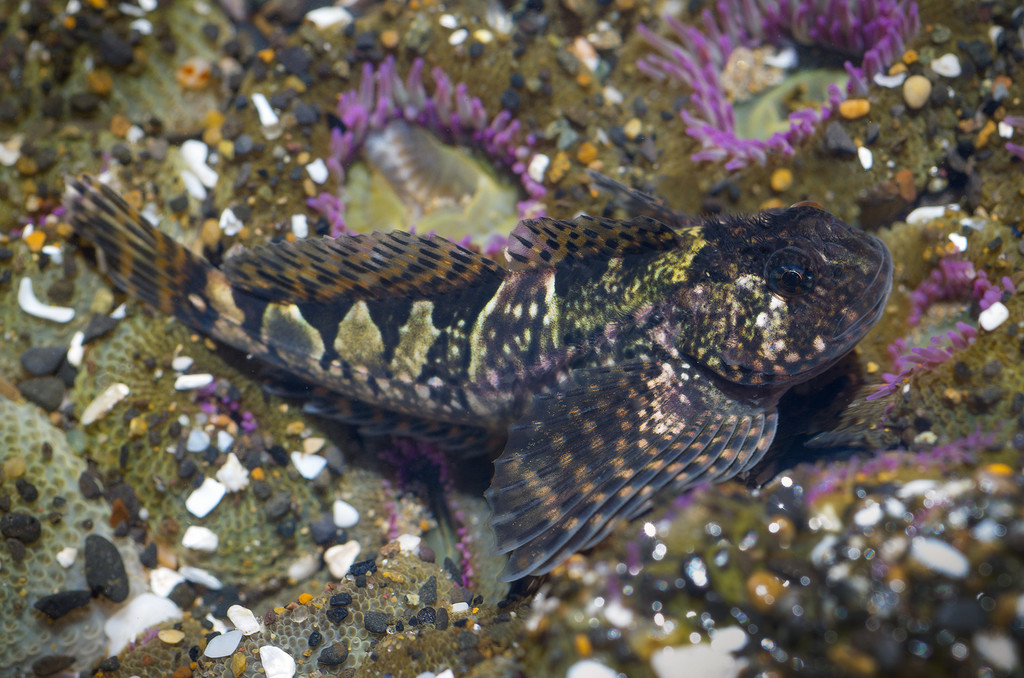
Mosshead Sculpin
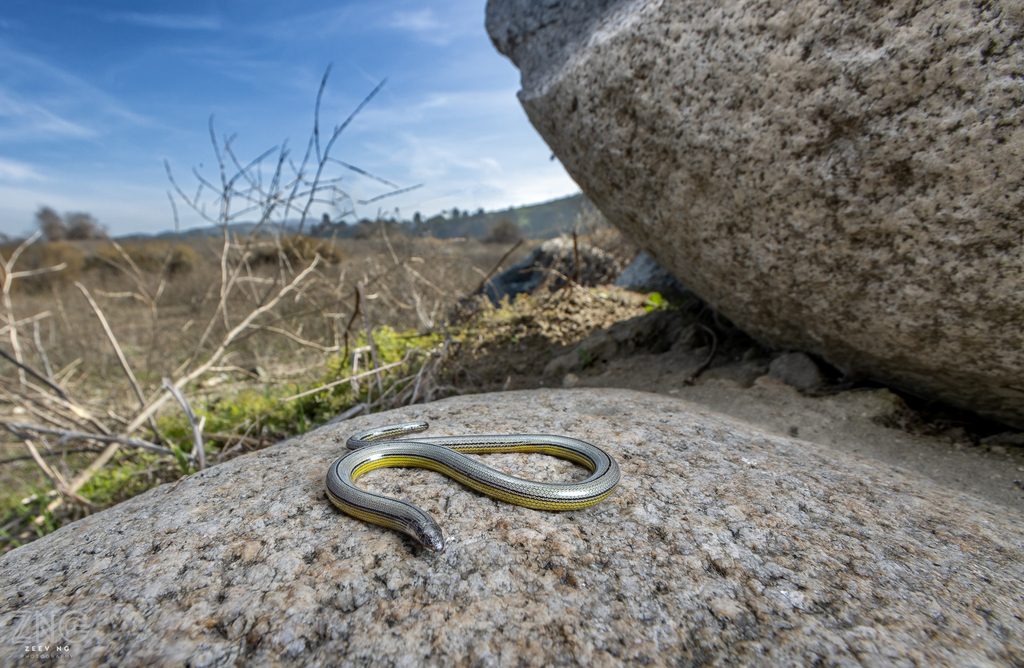
San Diegan Legless Lizard

Blue-spotted Sunfish
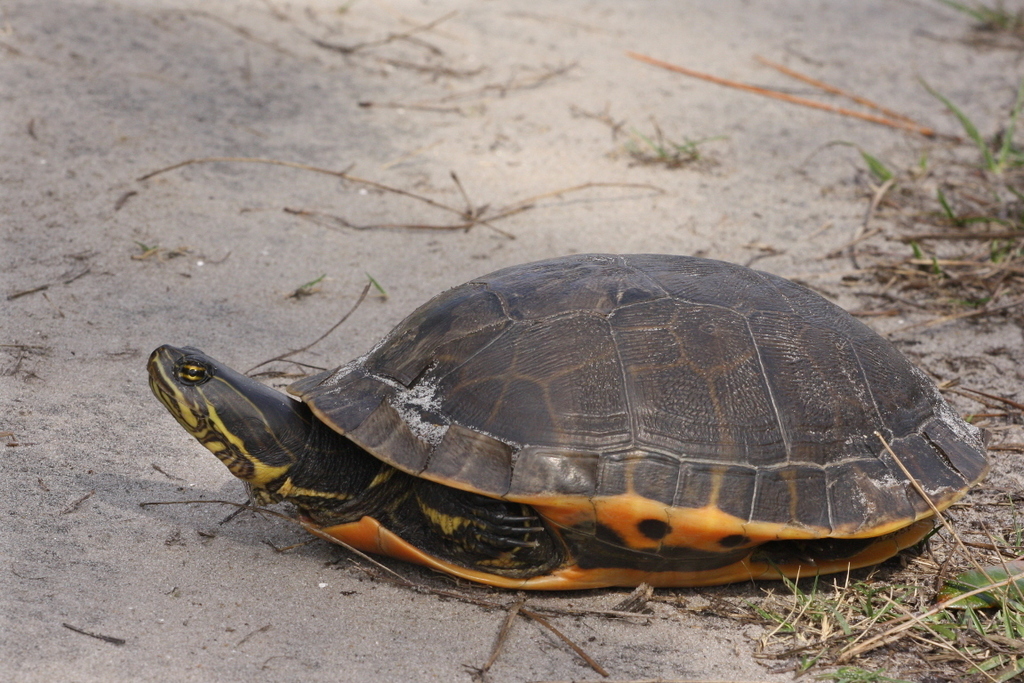
Chicken Turtle
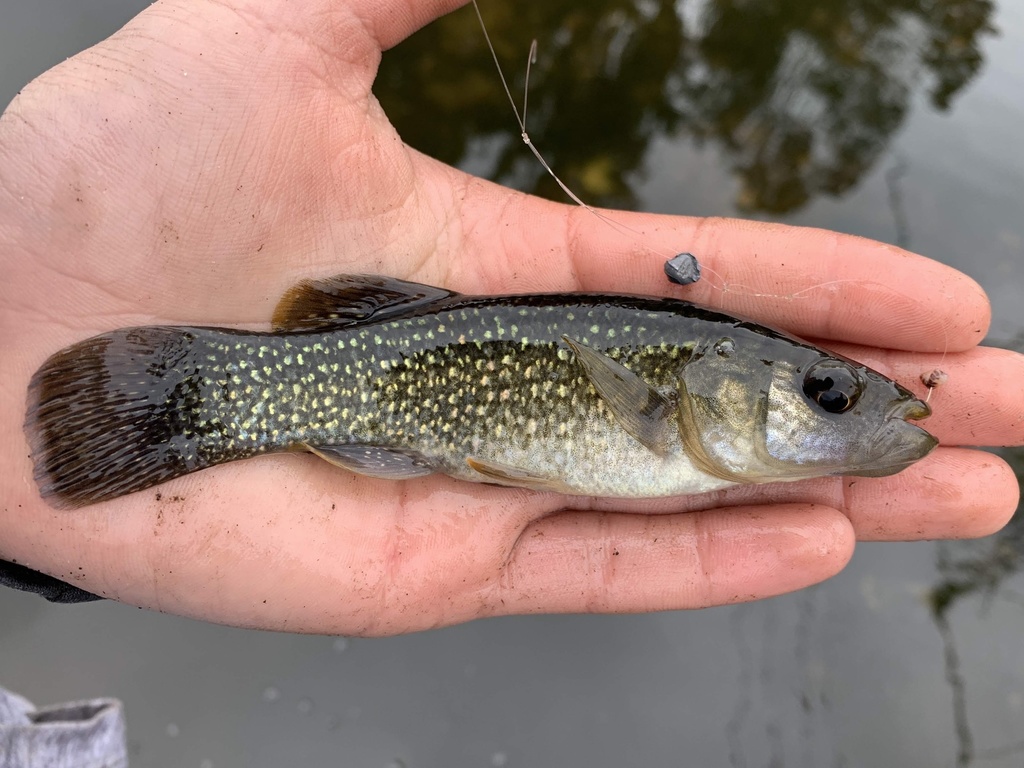
Gulf Killifish

Largescale Stoneroller
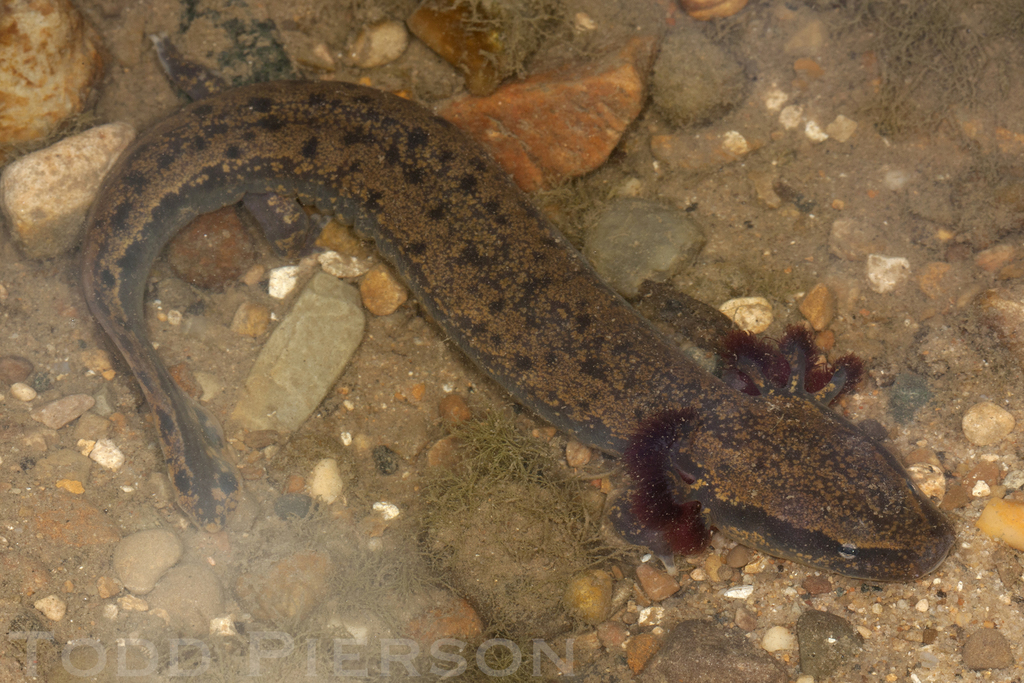
Mudpuppy
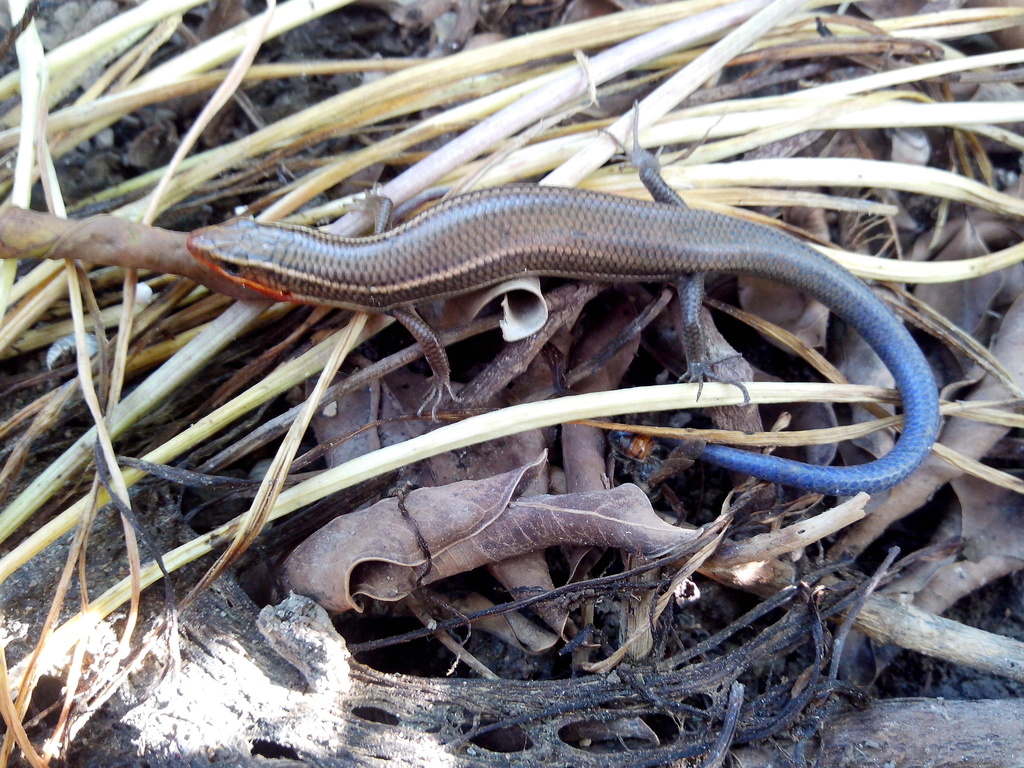
Four-lined Skink
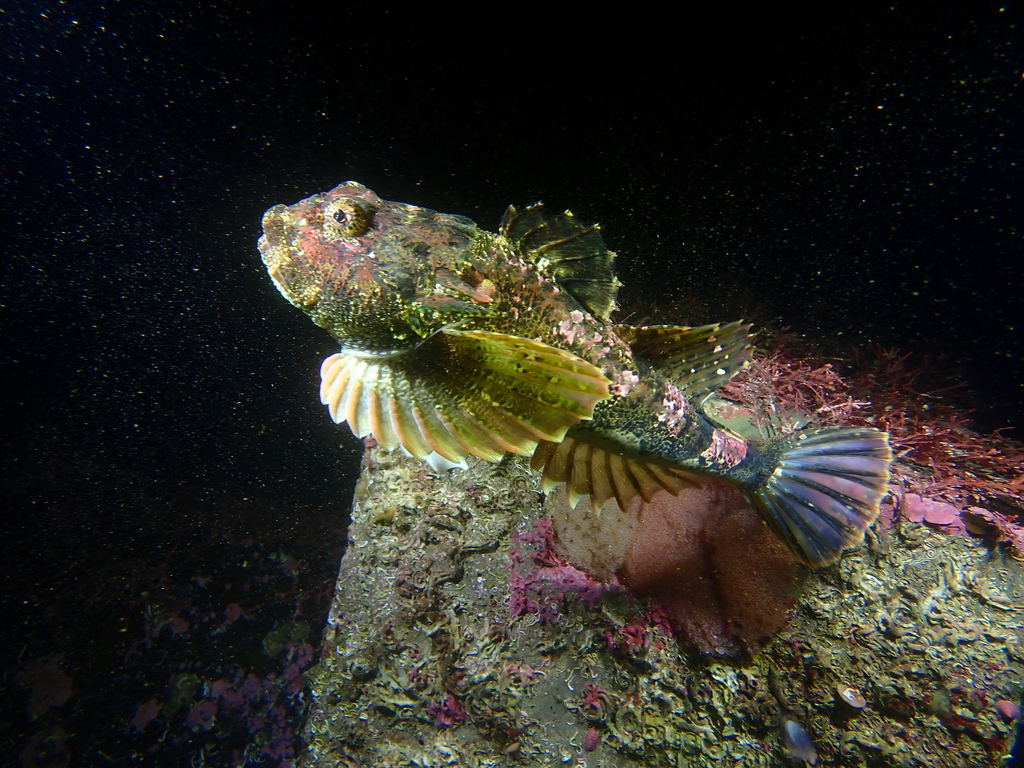
Buffalo Sculpin

Spotted Goatfish

Permit

Starry Flounder

Pacific Marten
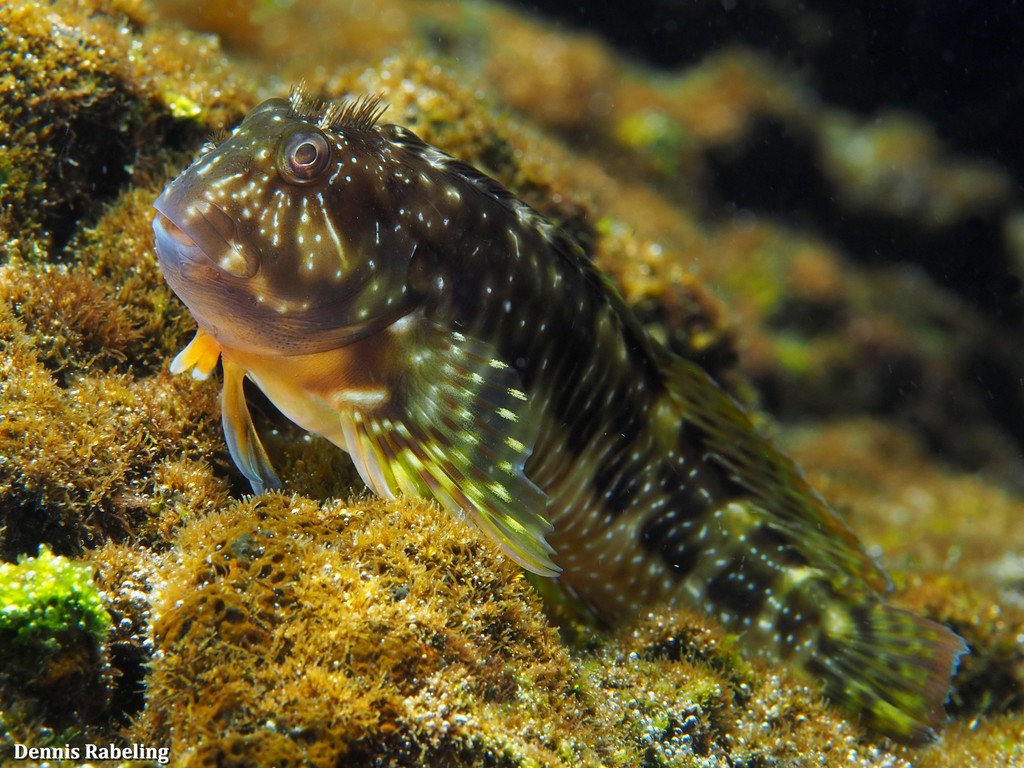
Molly Miller
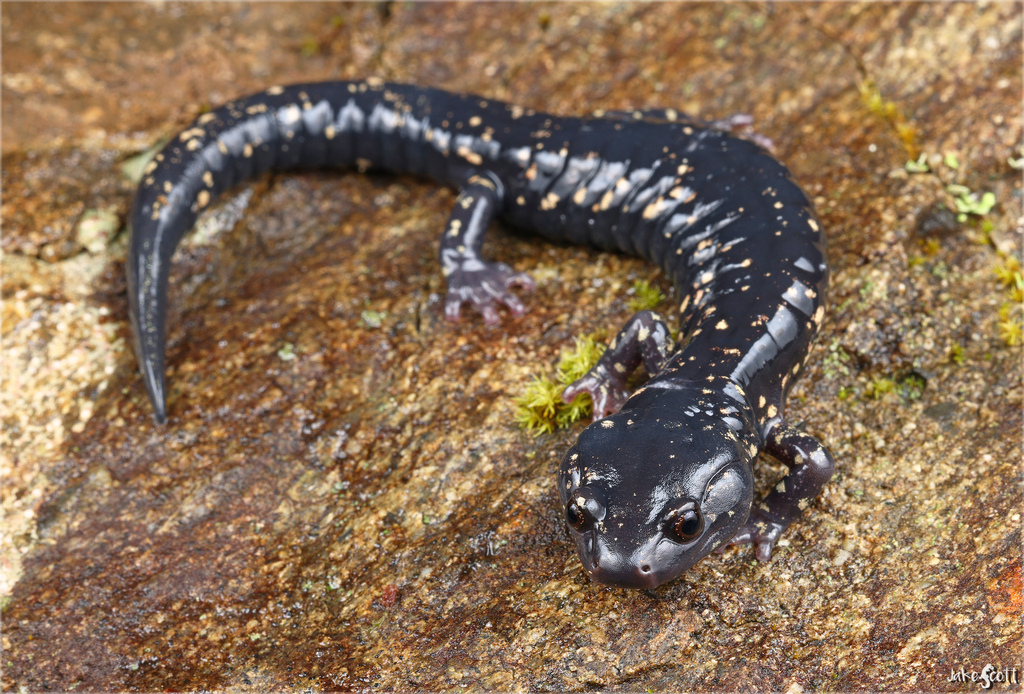
Speckled Black Salamander
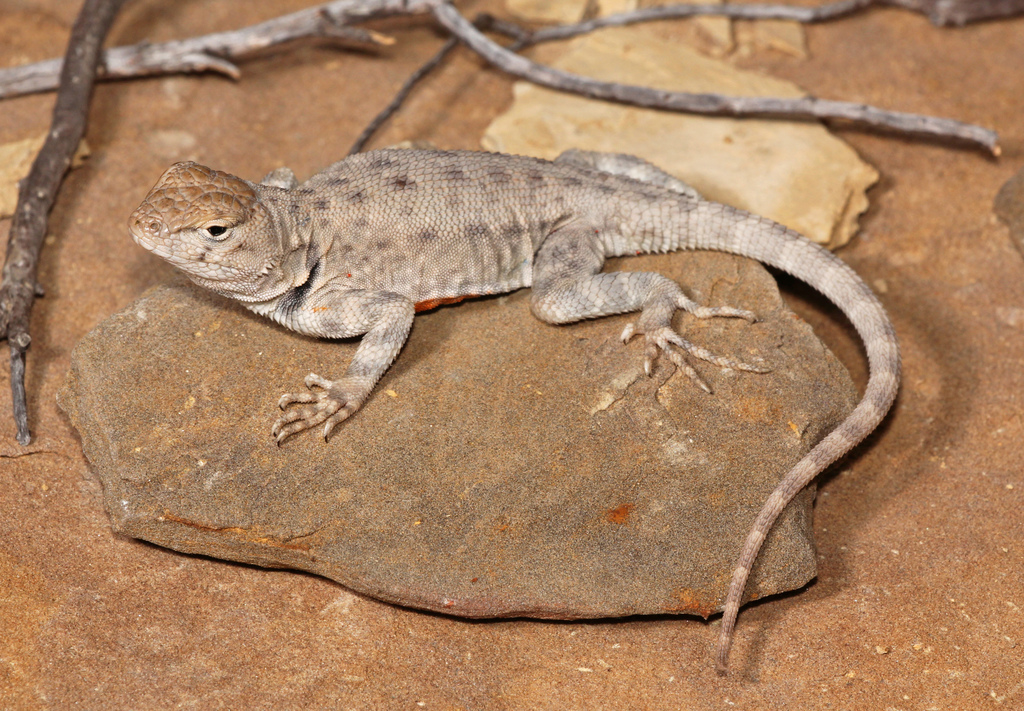
Canyon Lizard

Western Worm Snake

Guadalupe Bass
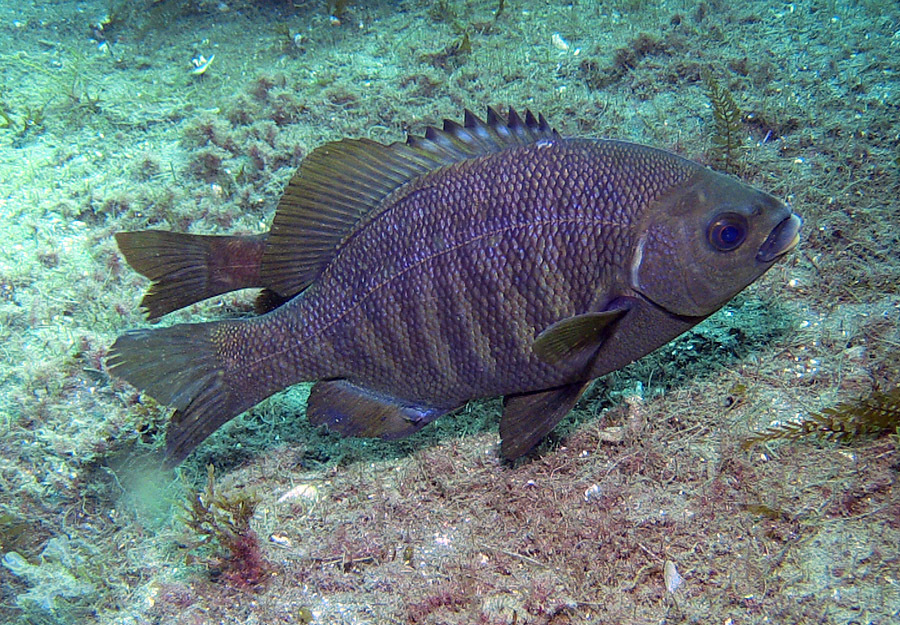
Black Surfperch
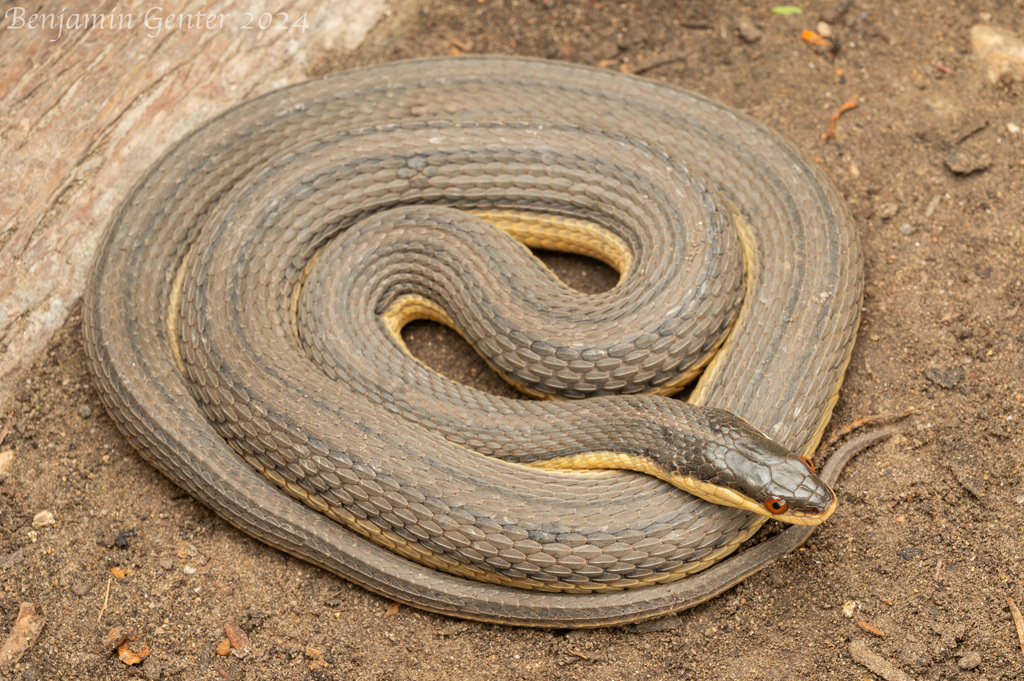
Graham's Crayfish Snake
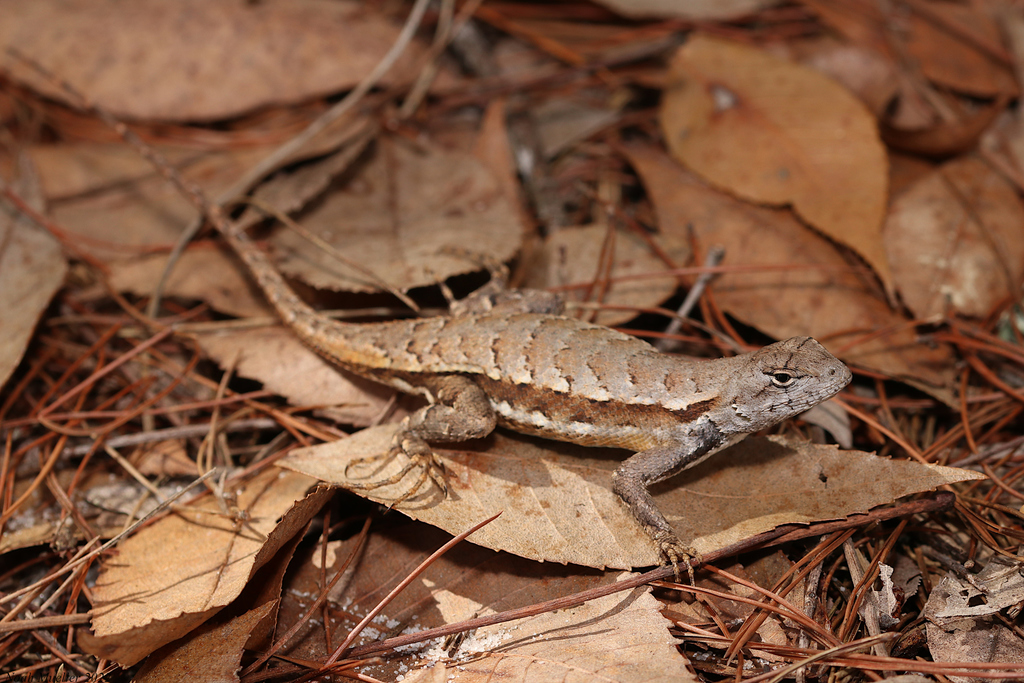
Florida Scrub Lizard
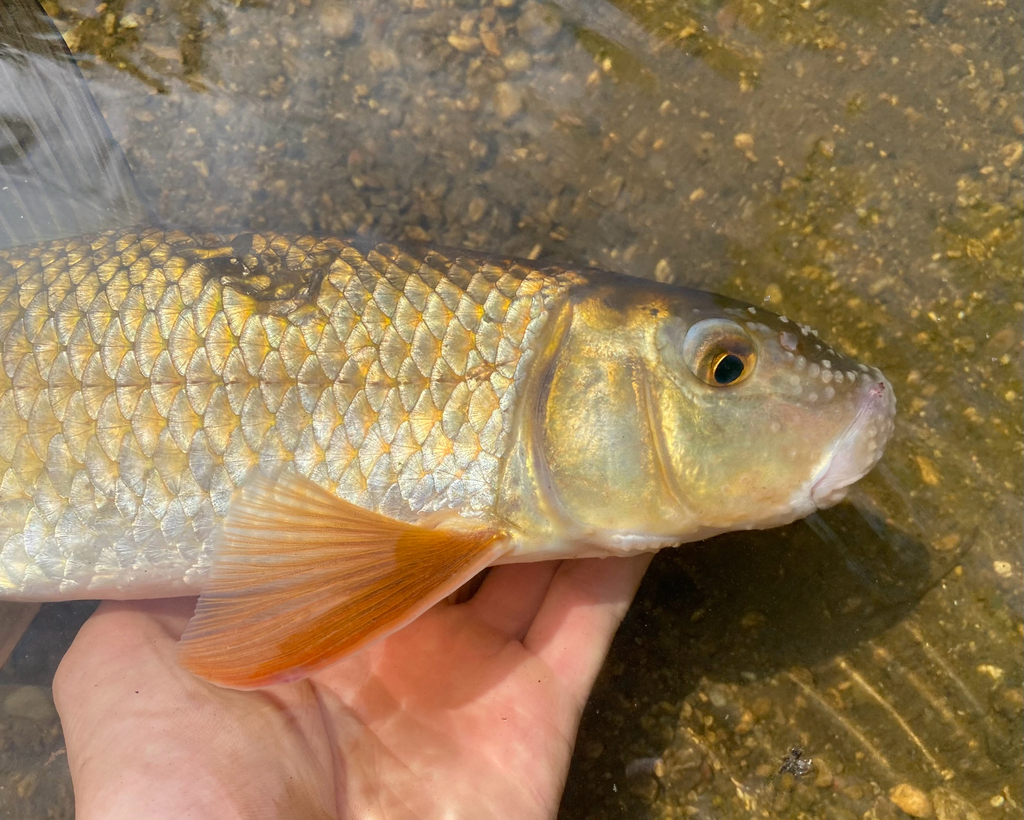
Golden Redhorse

Southern Zigzag Salamander

Western Meadow Vole
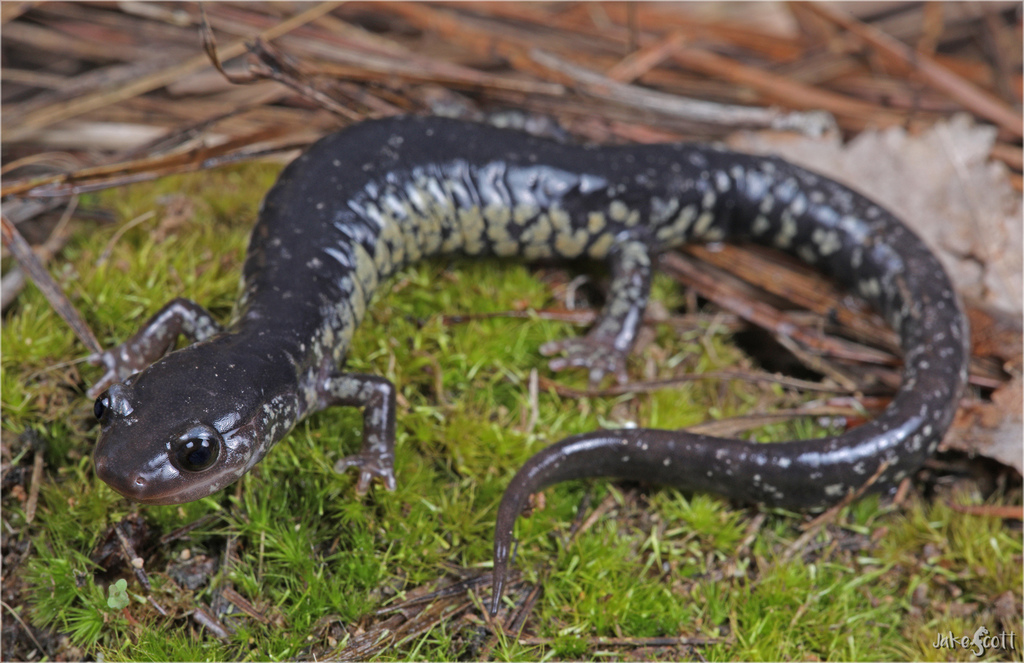
Mississippi Slimy Salamander
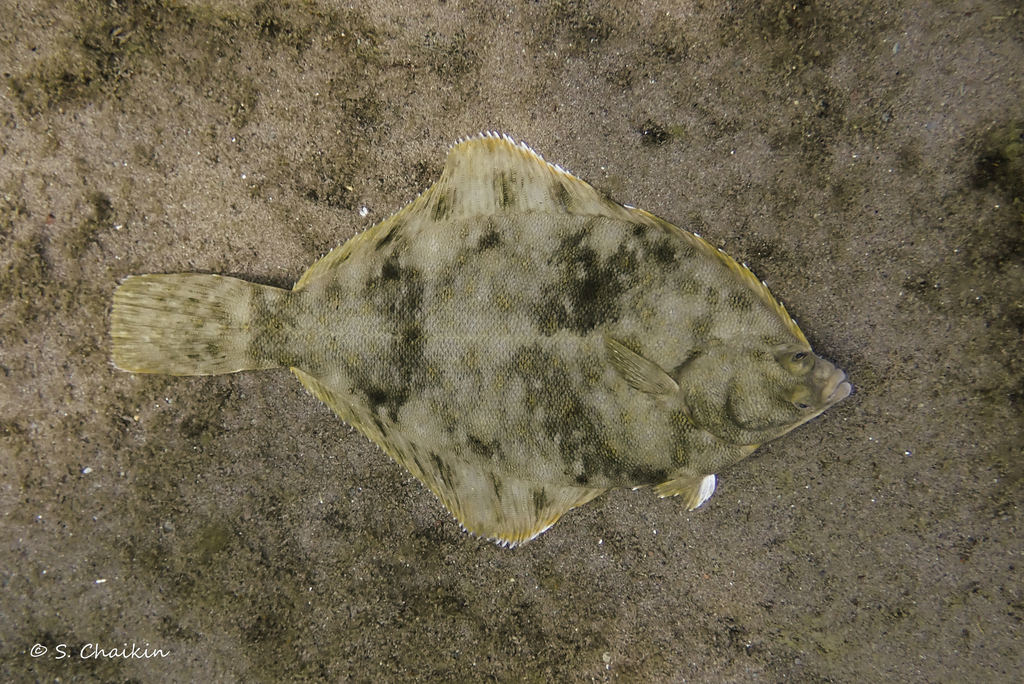
Winter Flounder

White-tailed Prairie Dog
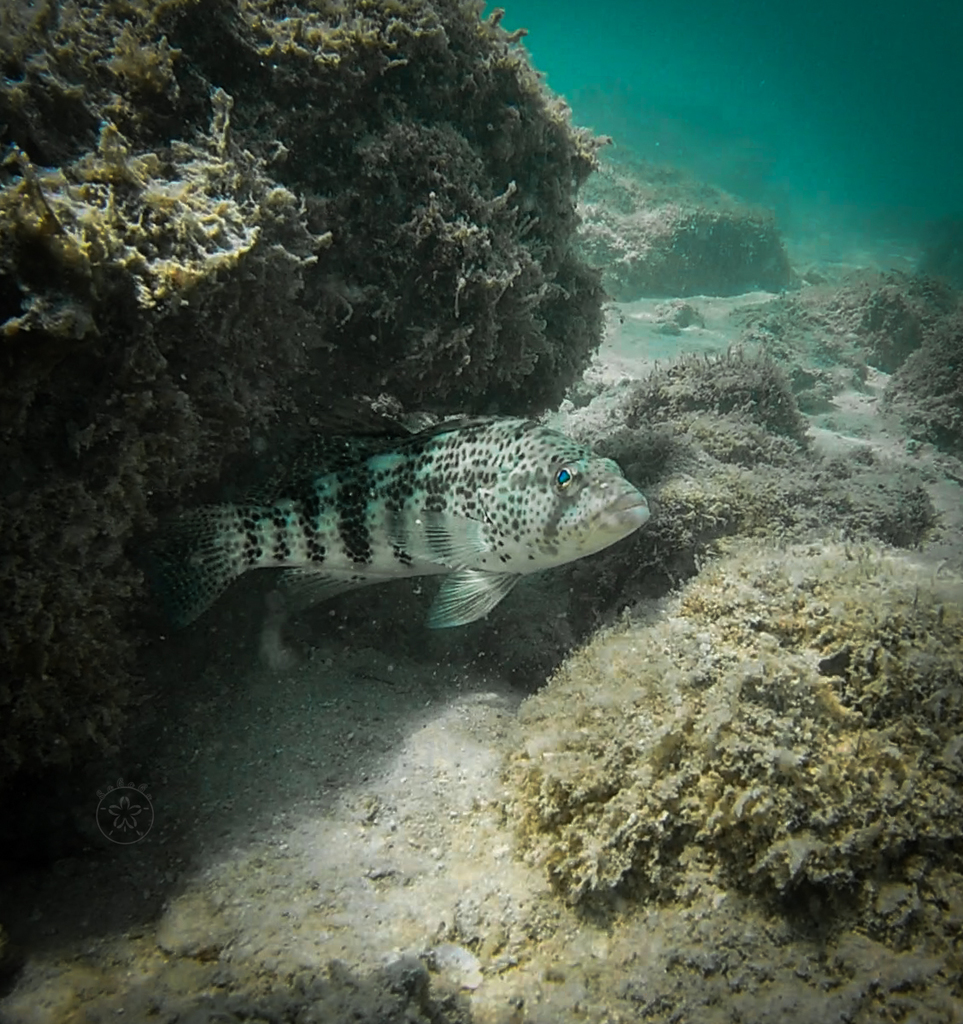
Spotted Sand Bass
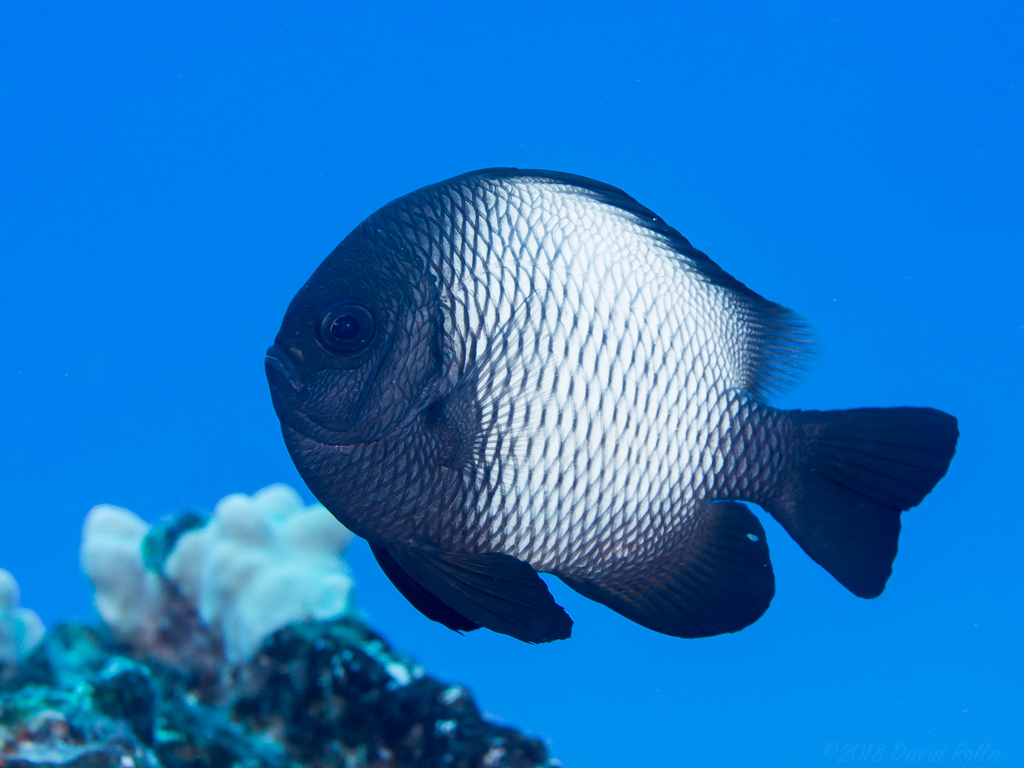
Hawaiian Dascyllus
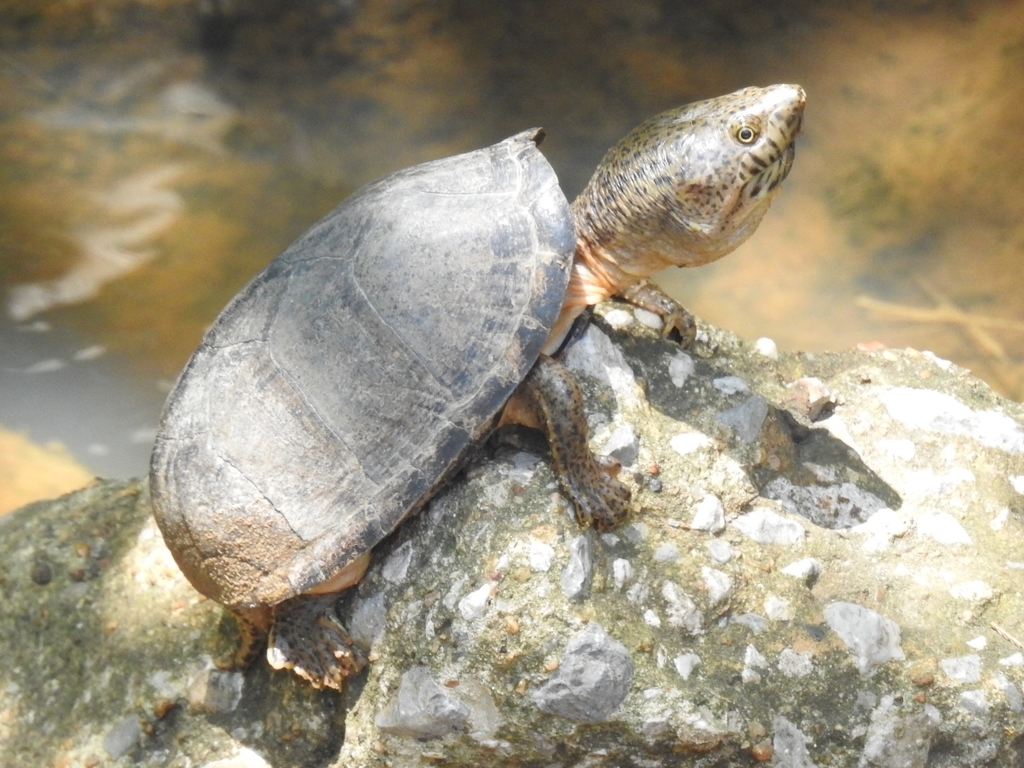
Razor-backed Musk Turtle
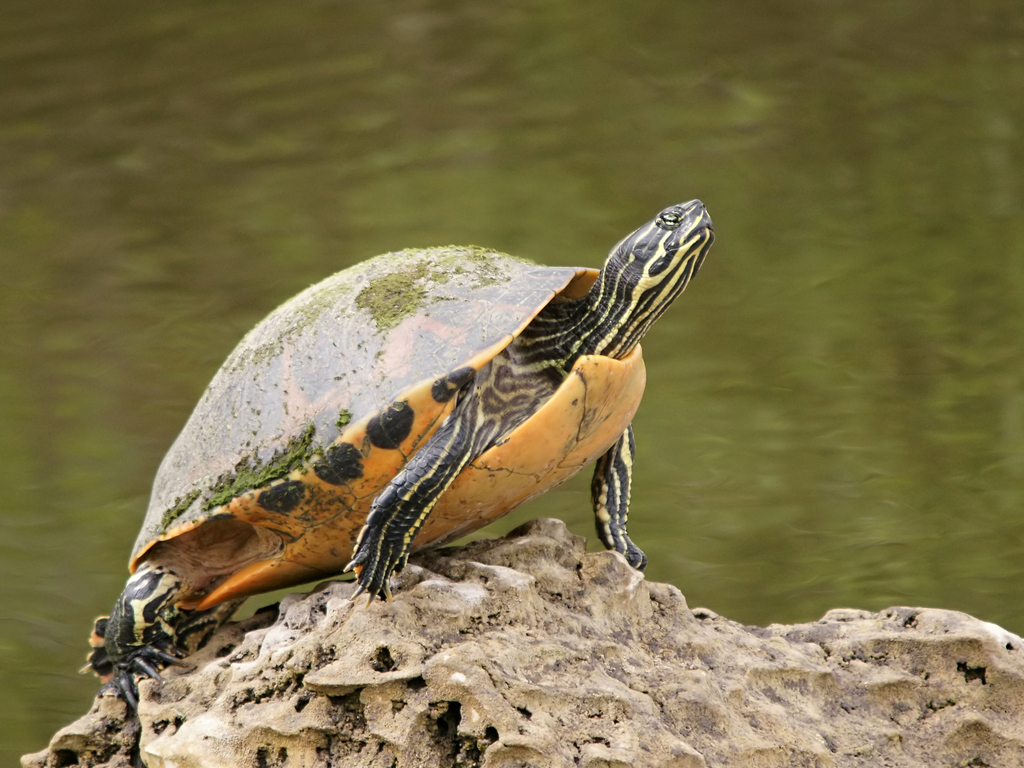
Coastal Plain Cooter

Shorthead Redhorse

Northern Anchovy

Bandtail Puffer
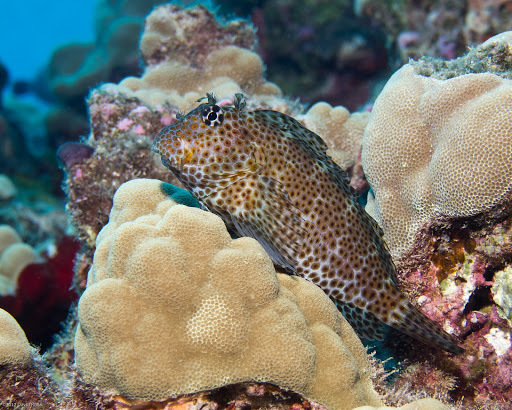
Shortbodied Blenny
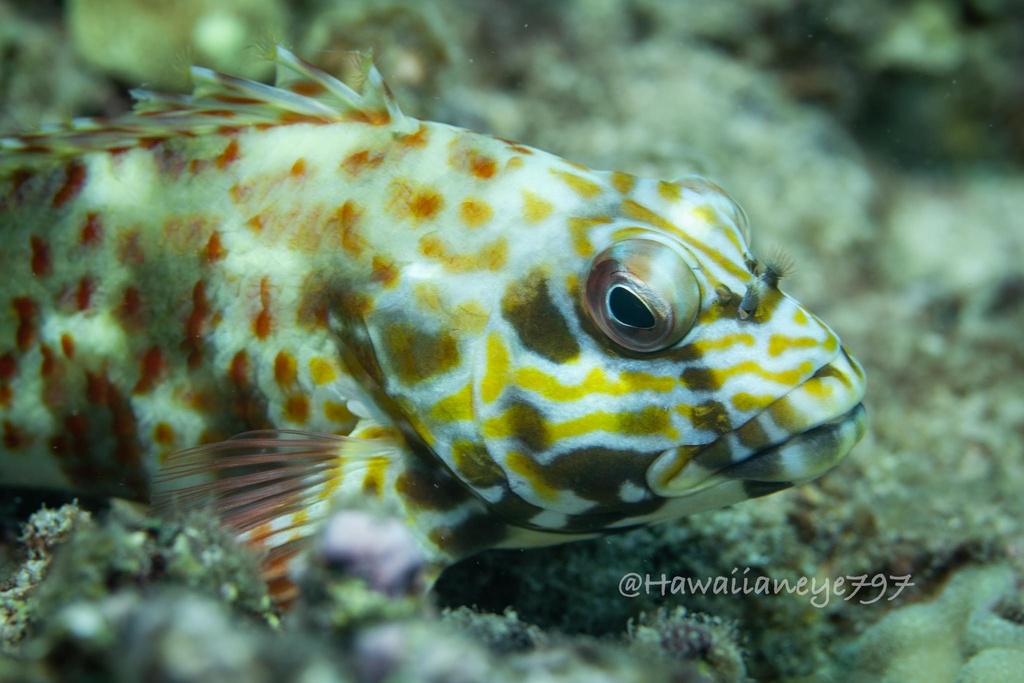
Stocky Hawkfish

Giant Kelpfish
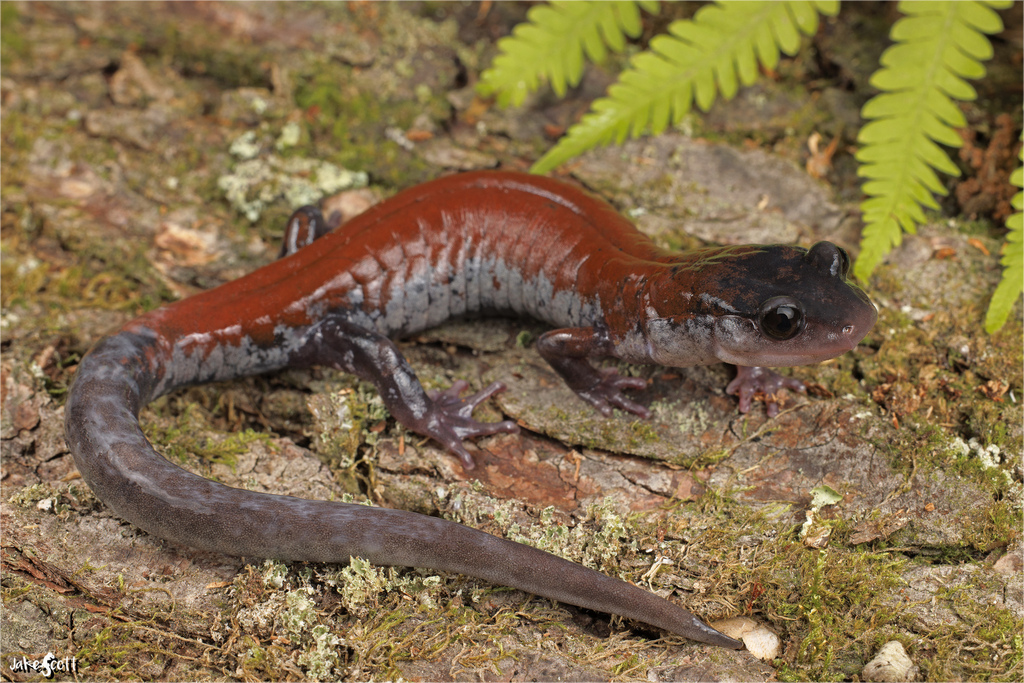
Yonahlossee Salamander
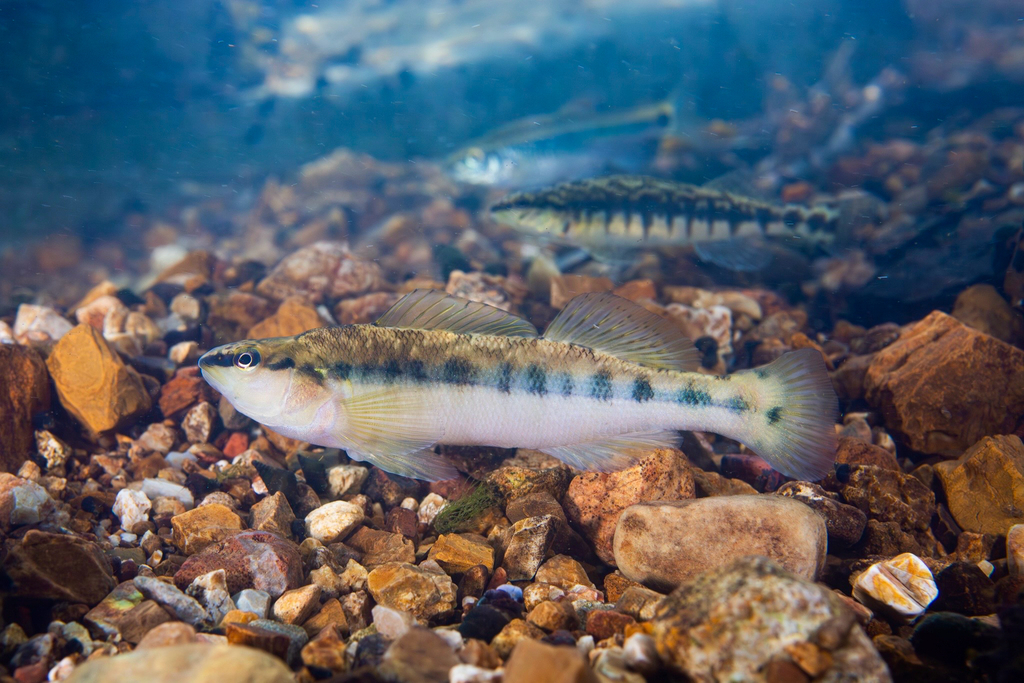
Blackbanded Darter
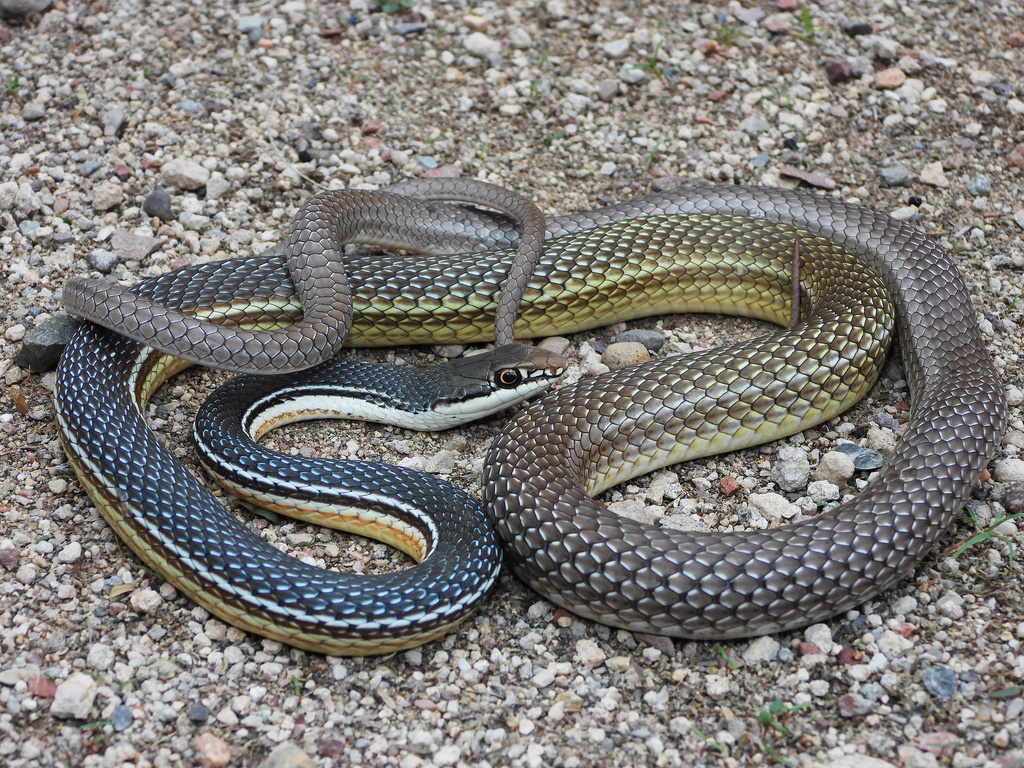
Sonoran Whipsnake

Scarlet Milksnake

Shovelnose Guitarfish

Stonecat Madtom
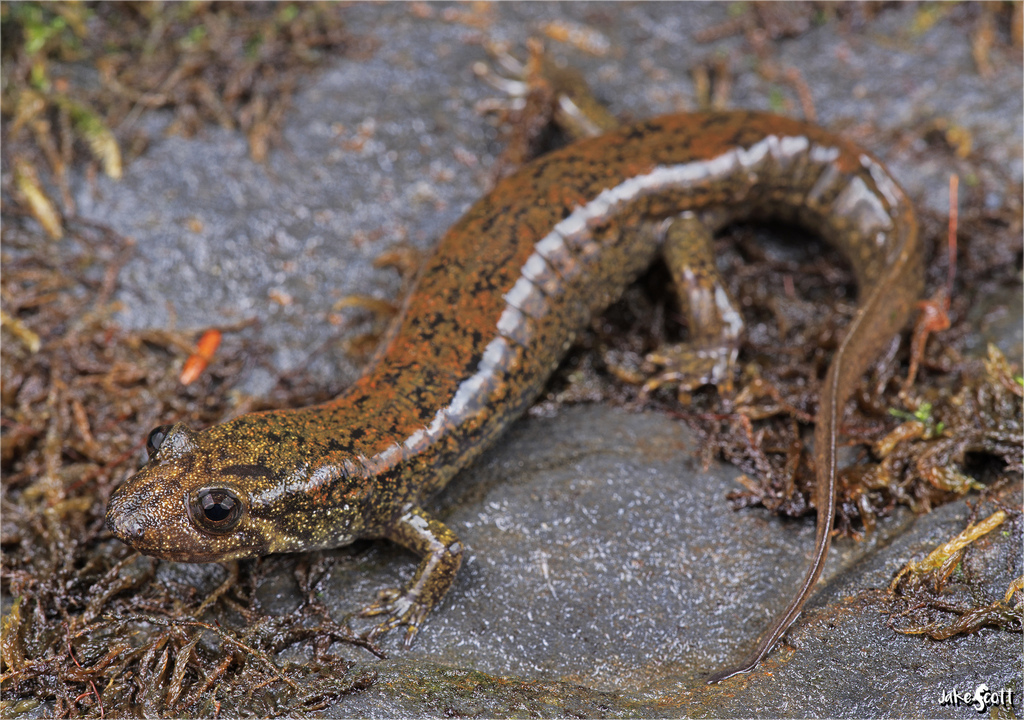
Cherokee Blackbelly Salamander
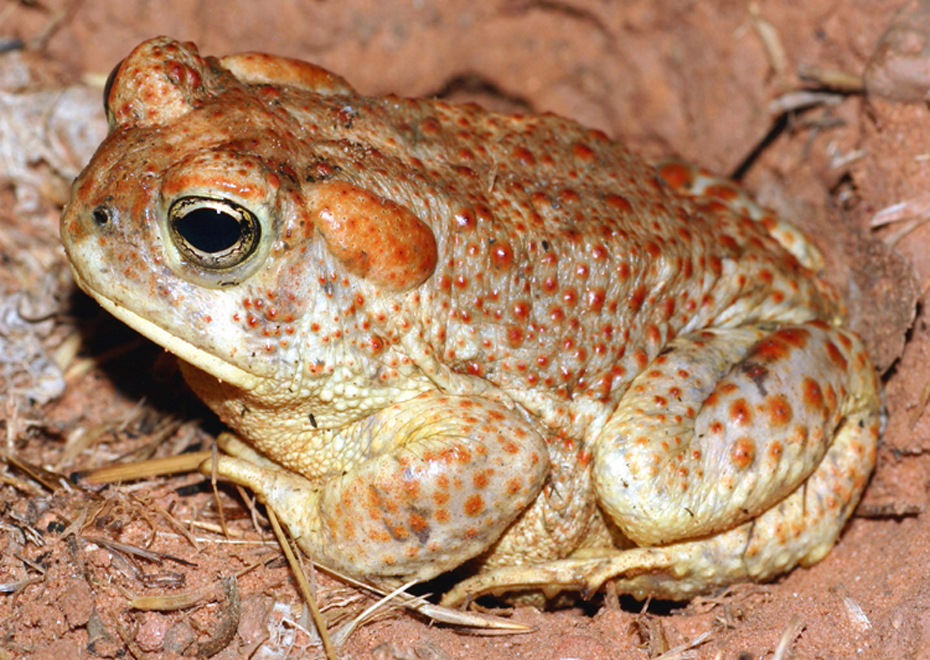
Arizona Toad

Chiricahua Leopard Frog
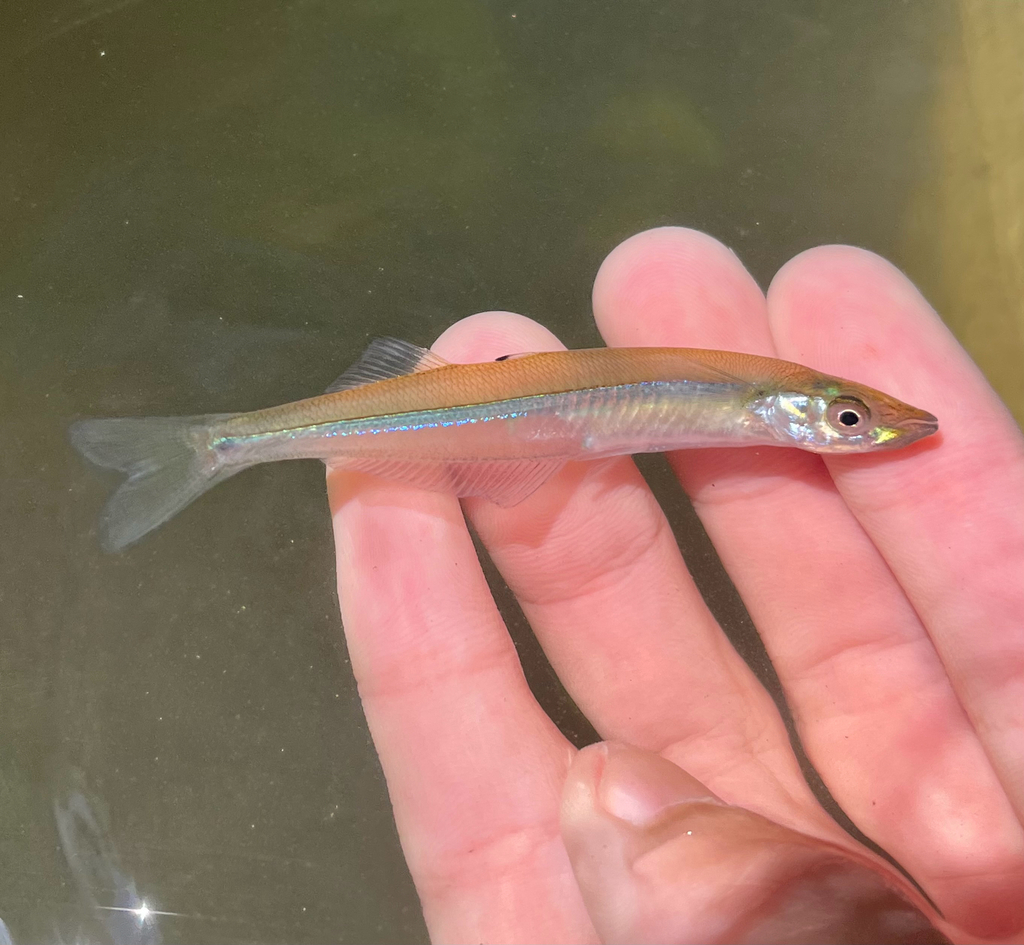
Brook Silverside

Emerald Shiner
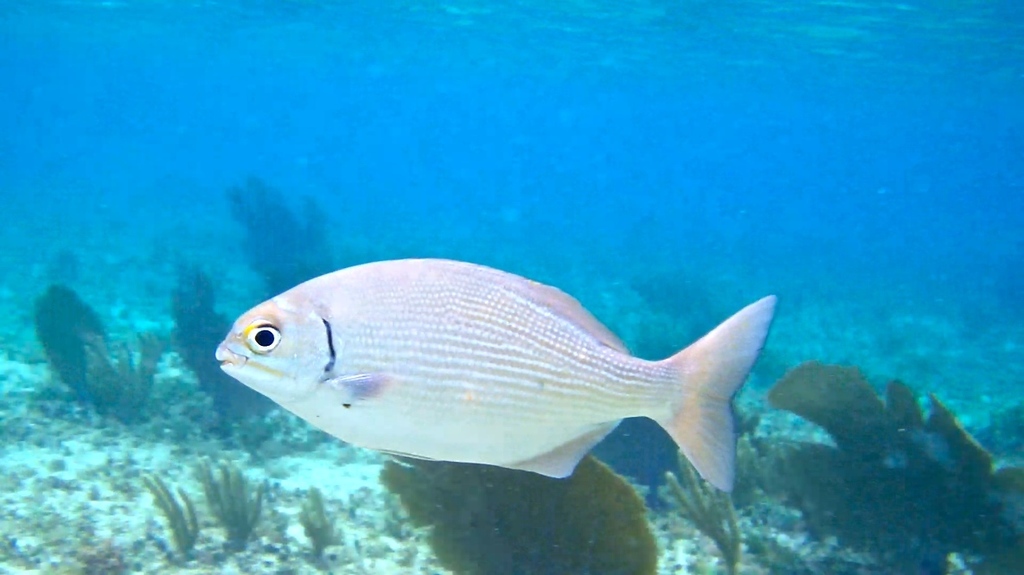
Bermuda Chub

Meadow Jumping Mouse

Striped Plateau Lizard
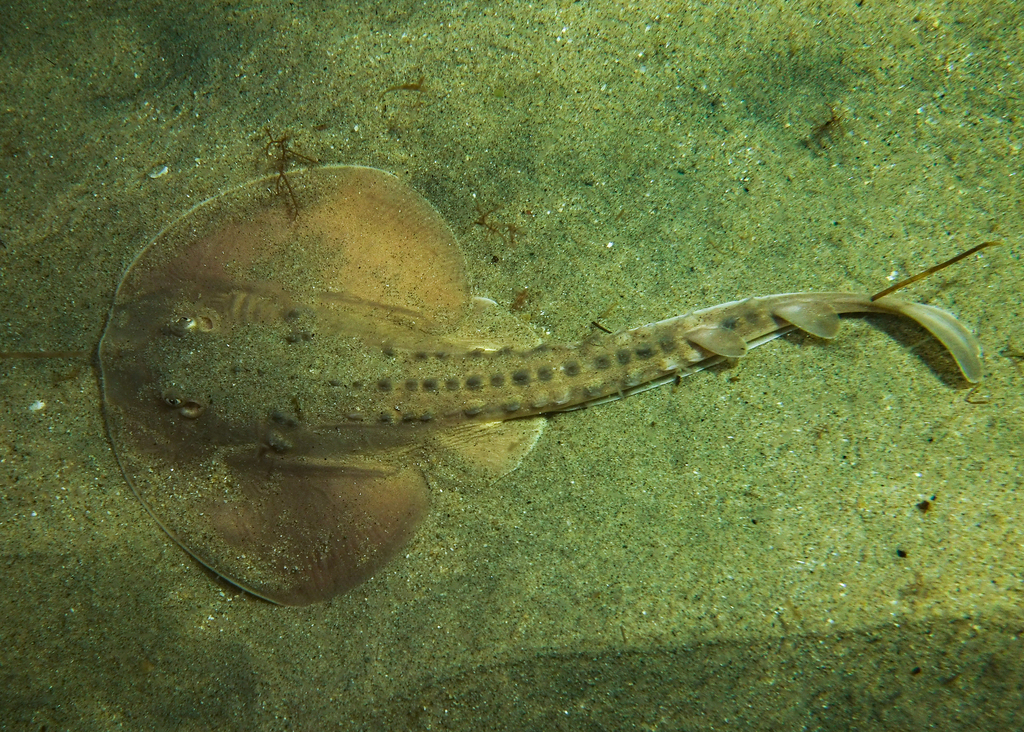
Thornback Guitarfish

Cliff Chirping Frog

Zebra Moray
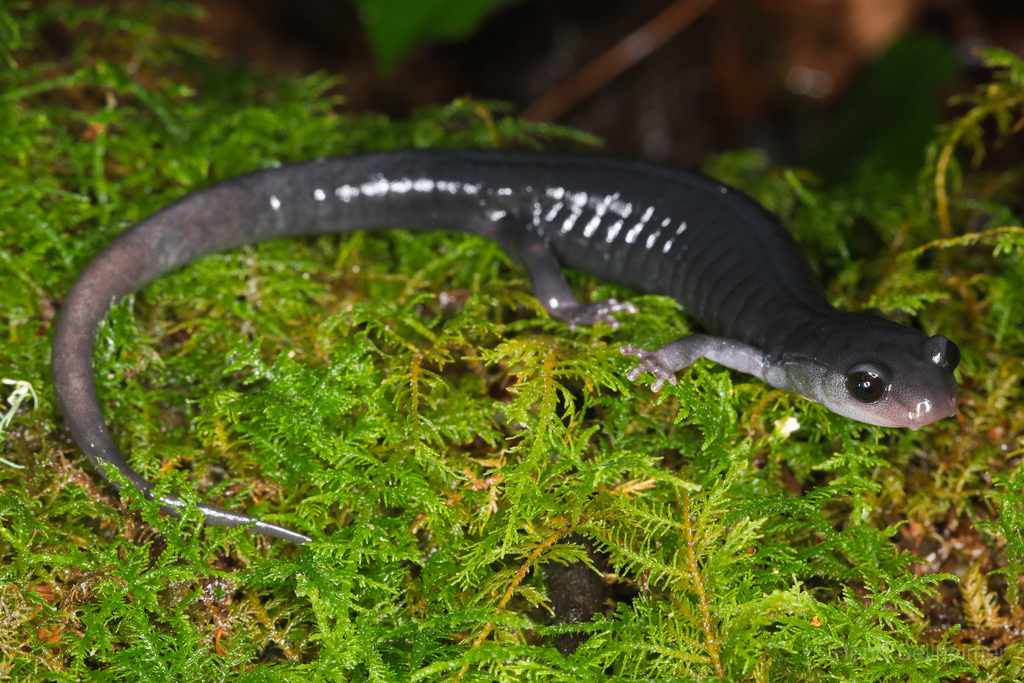
Southern Gray-cheeked Salamander

Least Killifish
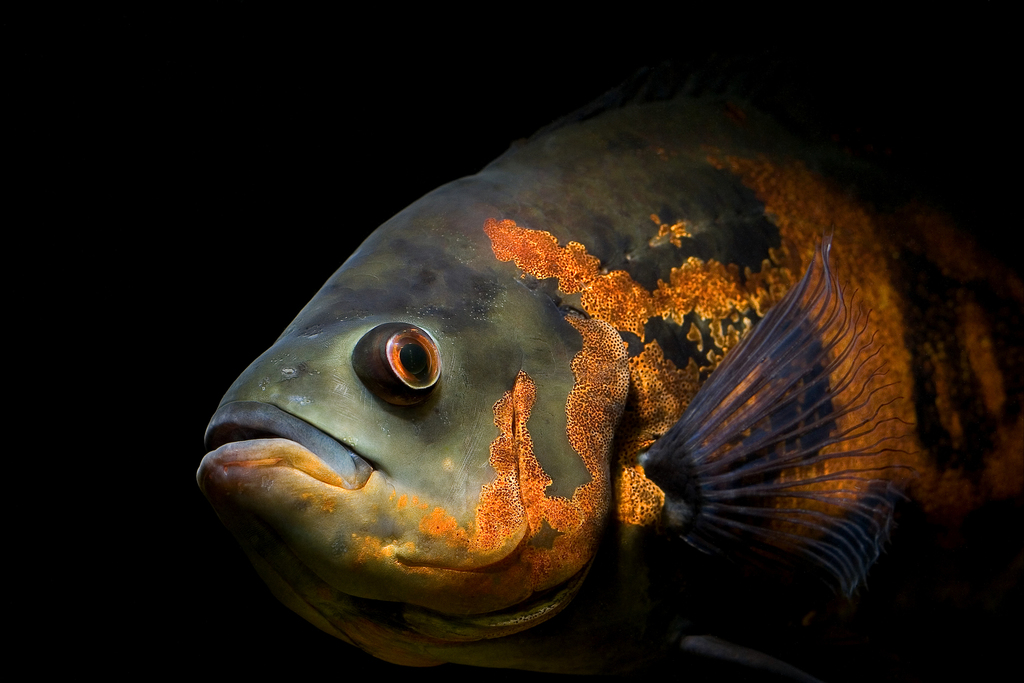
Oscar

Northern Pipefish

Goldring Surgeonfish

Atlantic Sharpnose Shark

Big Skate
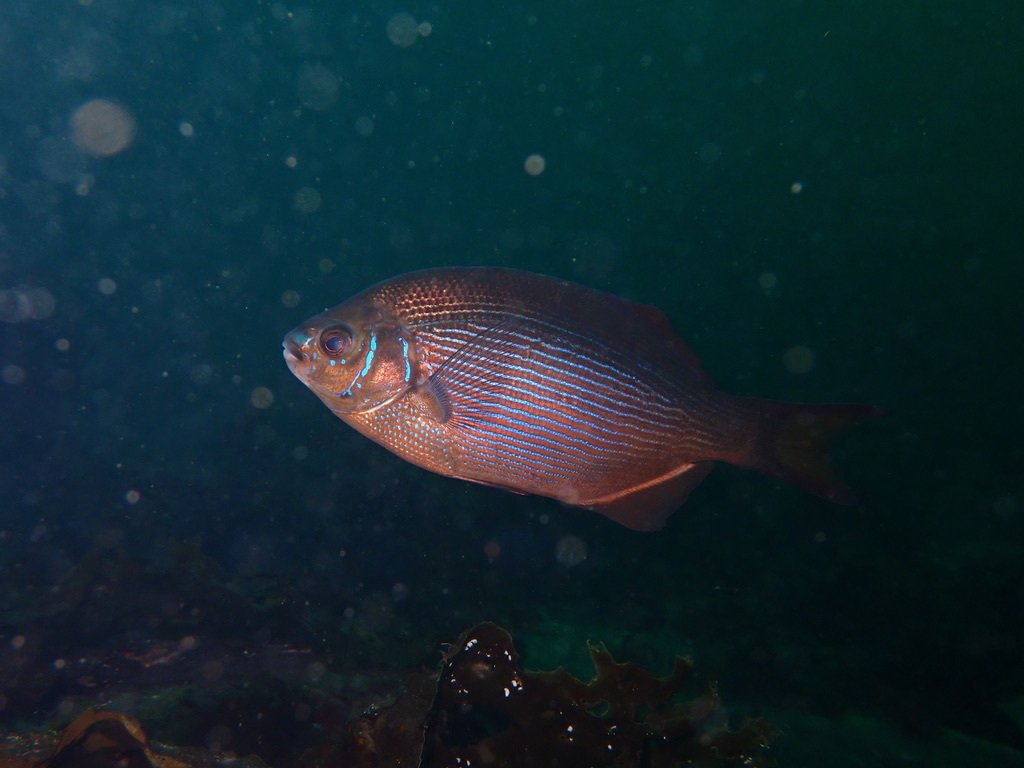
Striped Surfperch
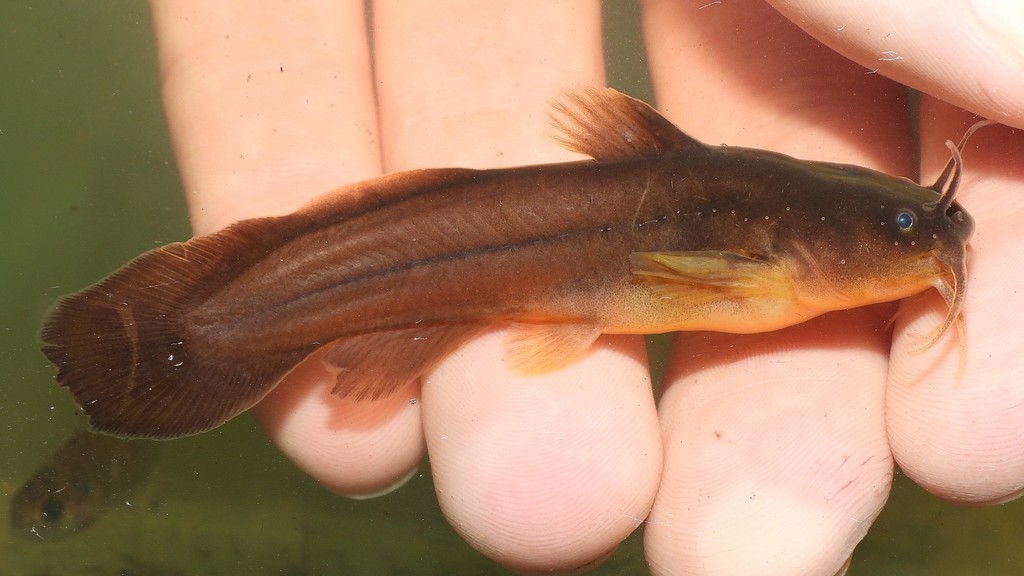
Tadpole Madtom

Spotted Ground Squirrel

Southern Torrent Salamander
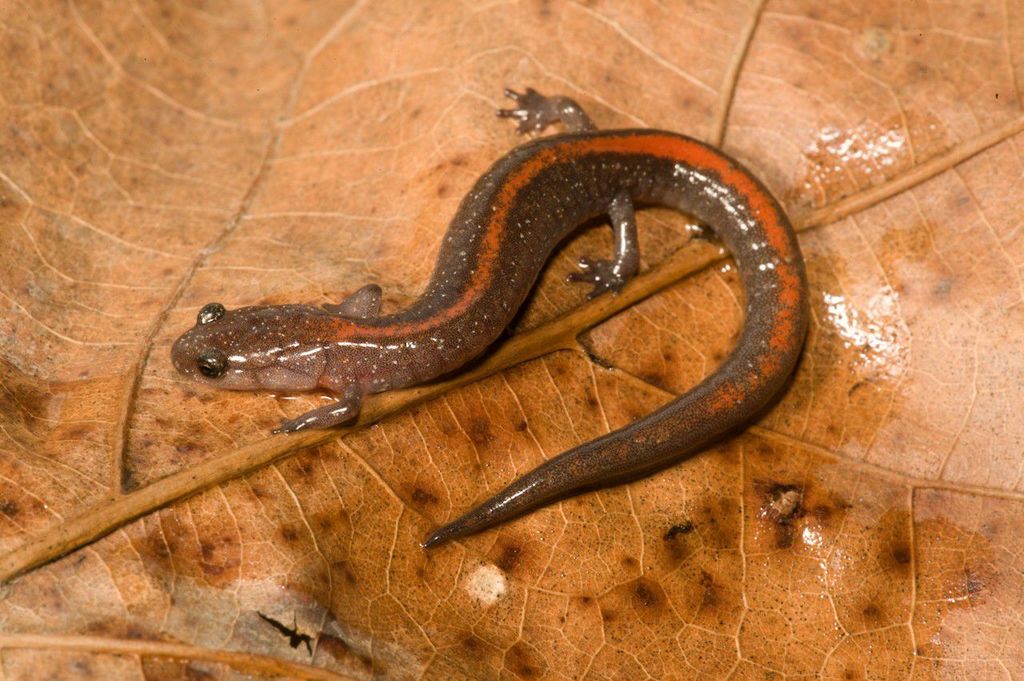
Ozark Salamander
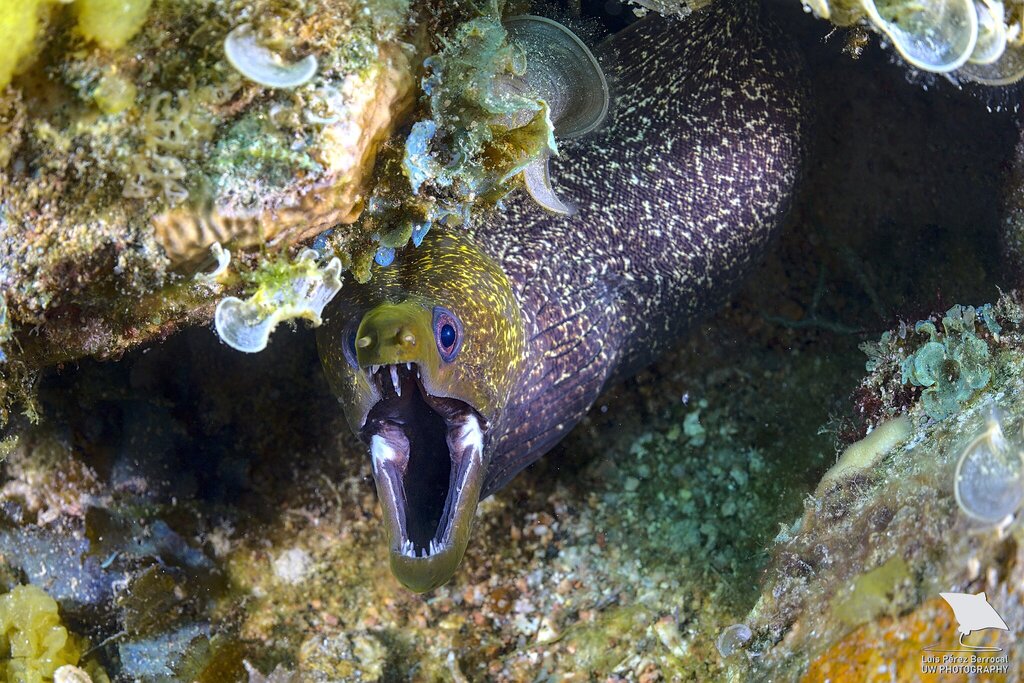
Undulated Moray

Great White Shark

Red-backed Mouse
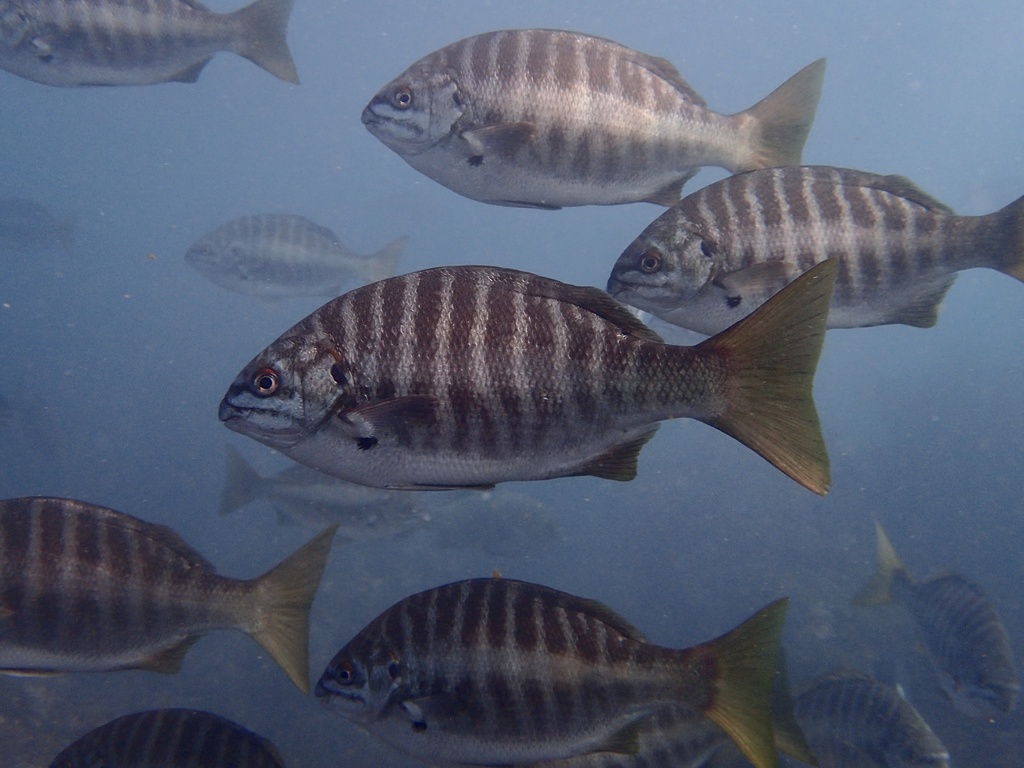
Zebra-perch Sea Chub
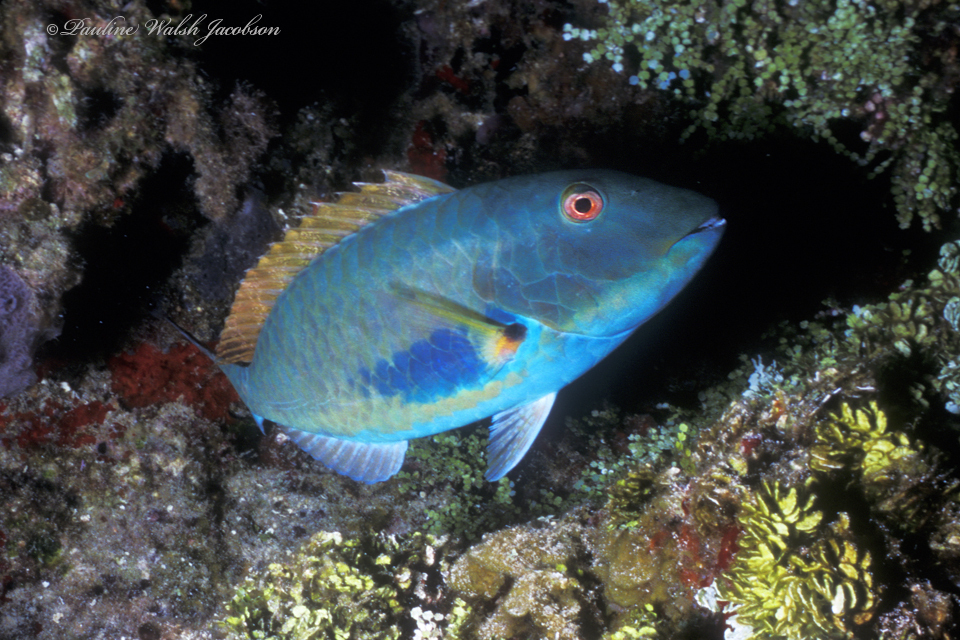
Redtail Parrotfish

Orangespotted Sunfish

Sonoma Chipmunk
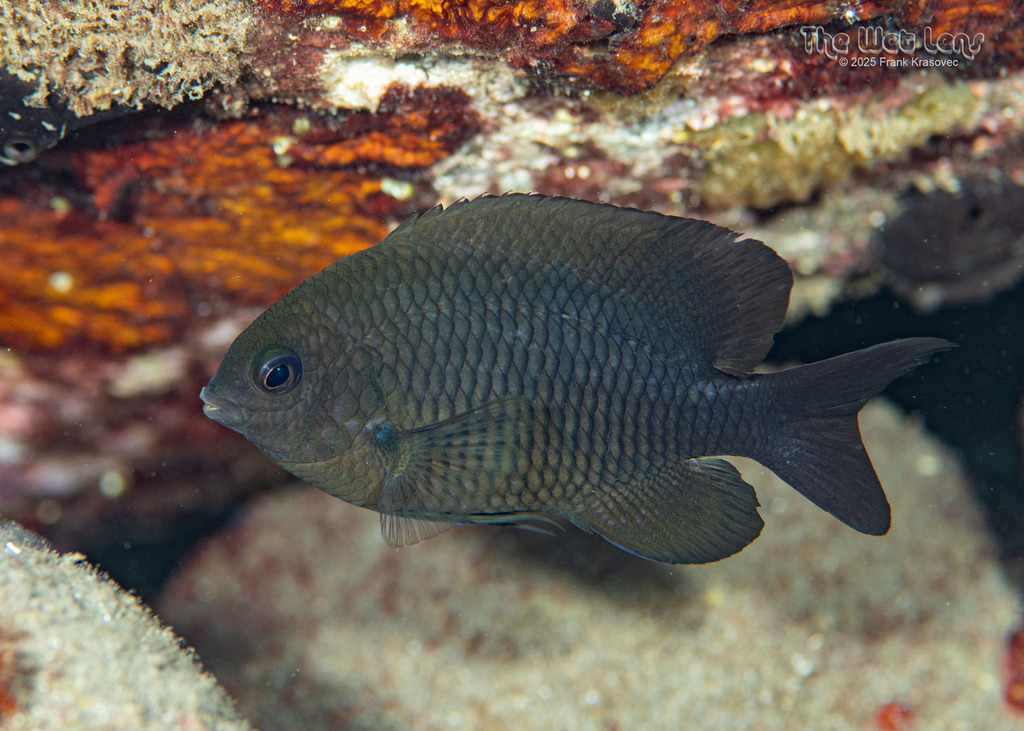
Dusky Damselfish
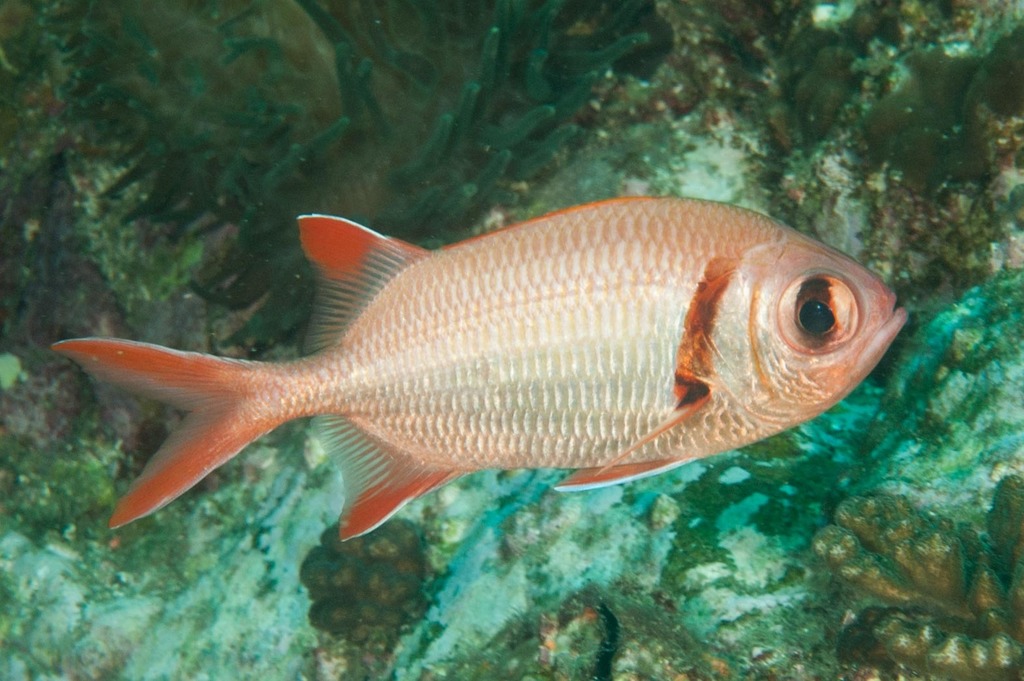
Pearly Soldierfish
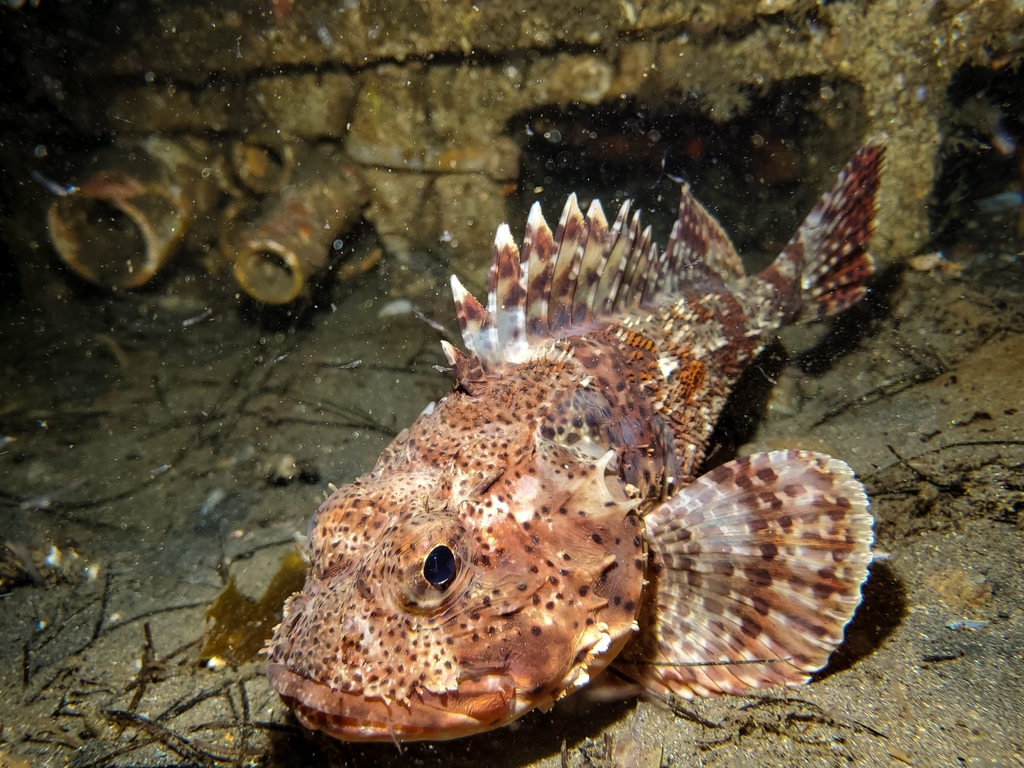
California Scorpionfish

Ravine Salamander

Two-toed Amphiuma

Brown Rockfish
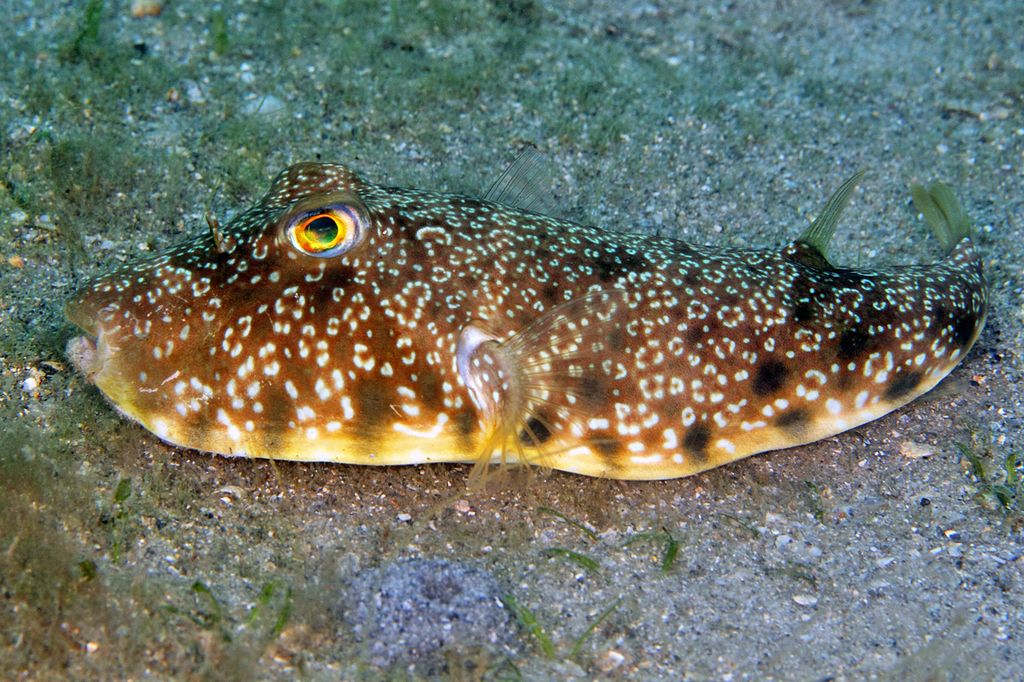
Southern Puffer

Northern Puffer

Plains Pocket Gopher
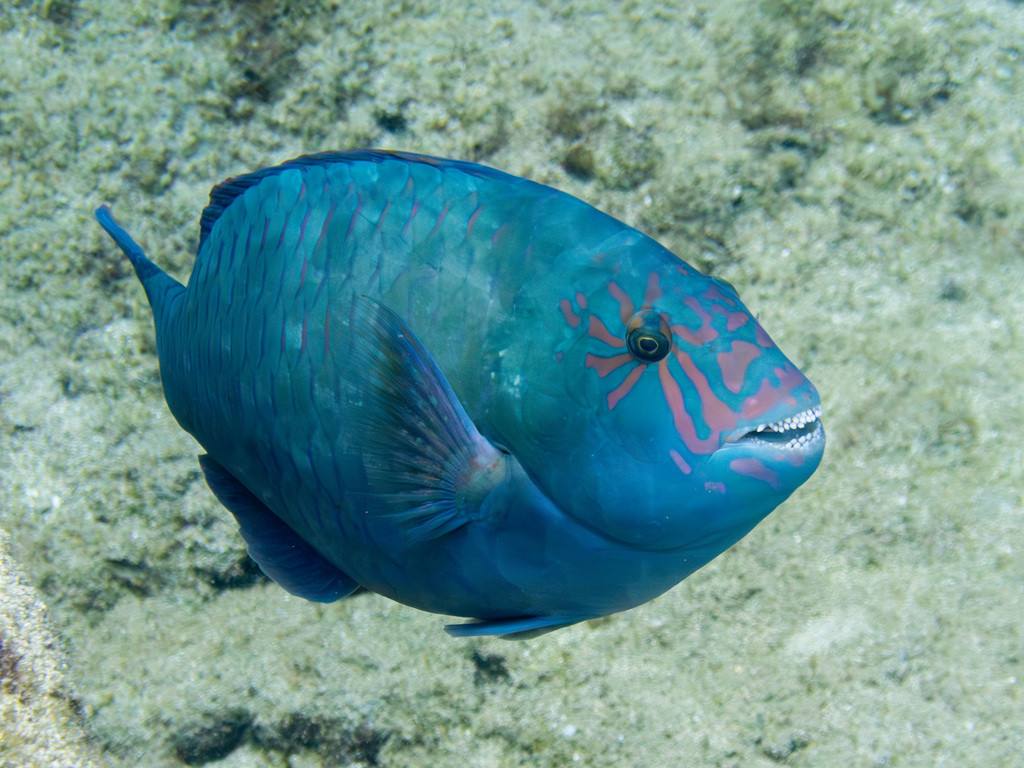
Stareye Parrotfish
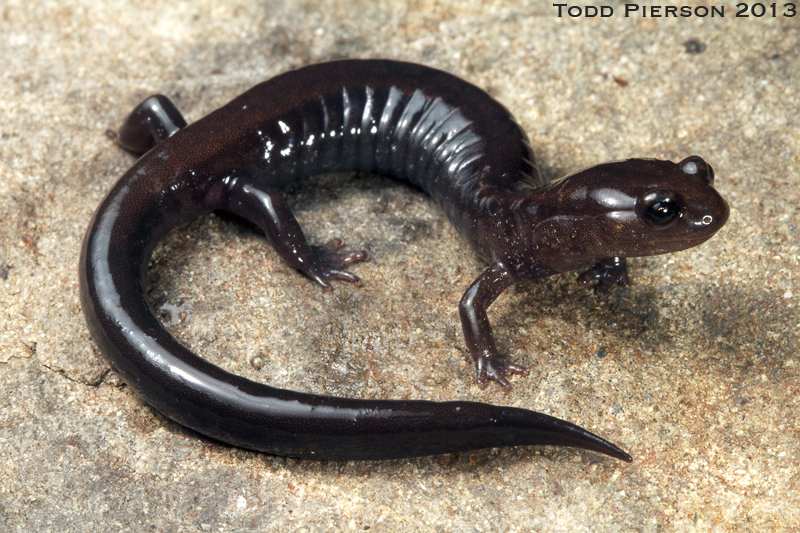
Del Norte Salamander
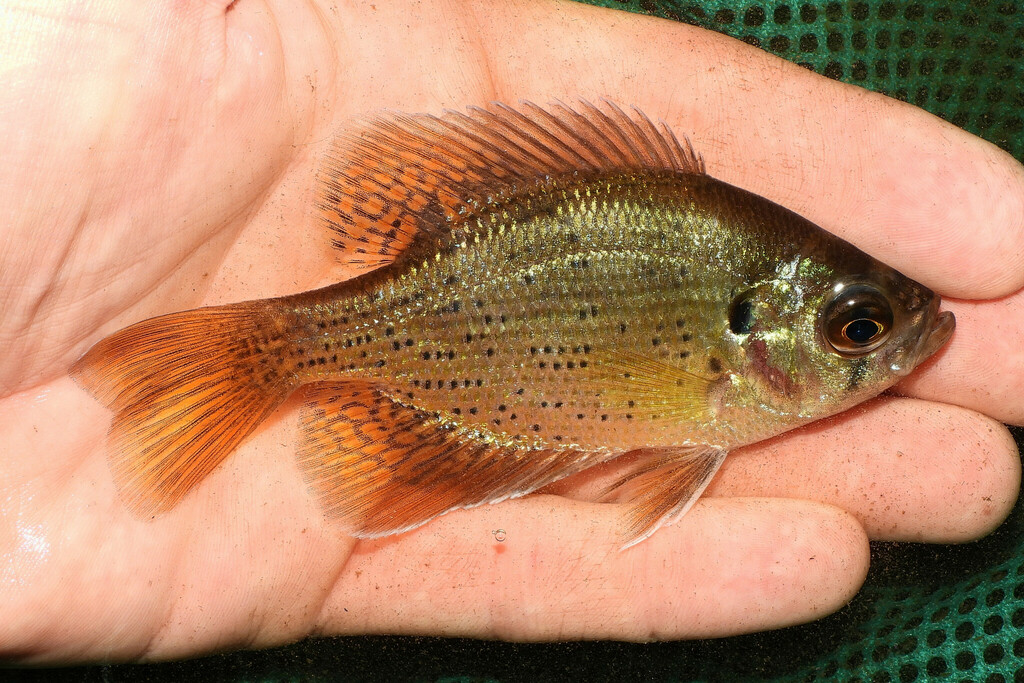
Flier

Mexican Fox Squirrel

Townsend's Big-eared Bat

Blacksmith Chromis

Clouded Salamander

Blue Rockfish
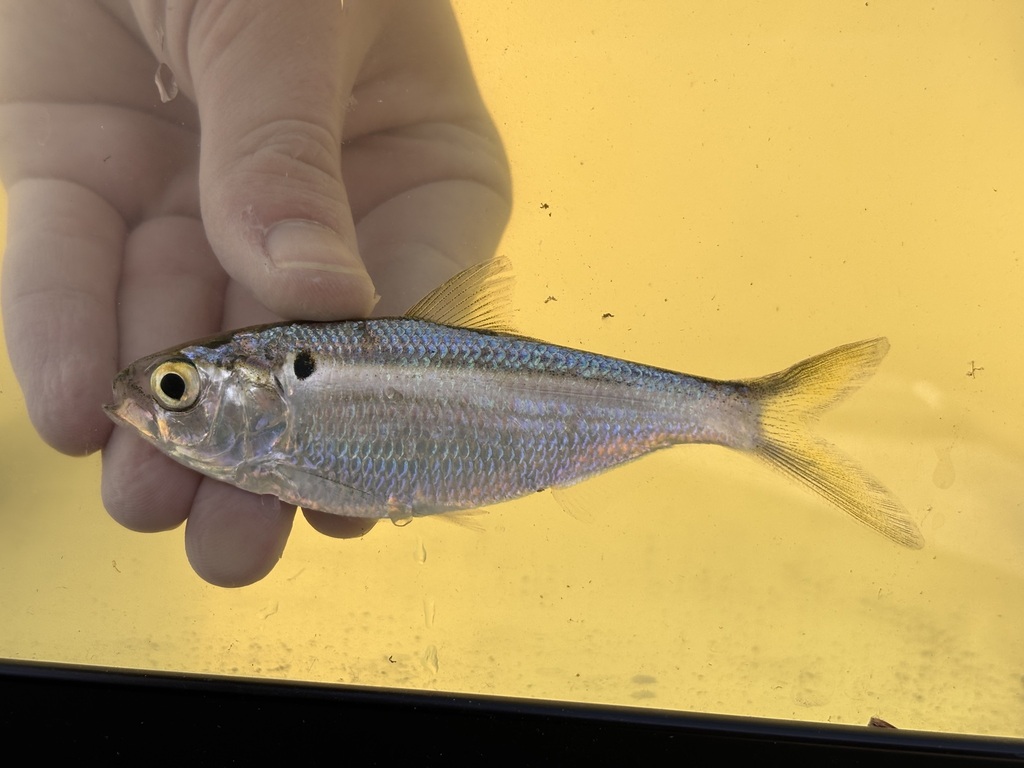
Threadfin Shad
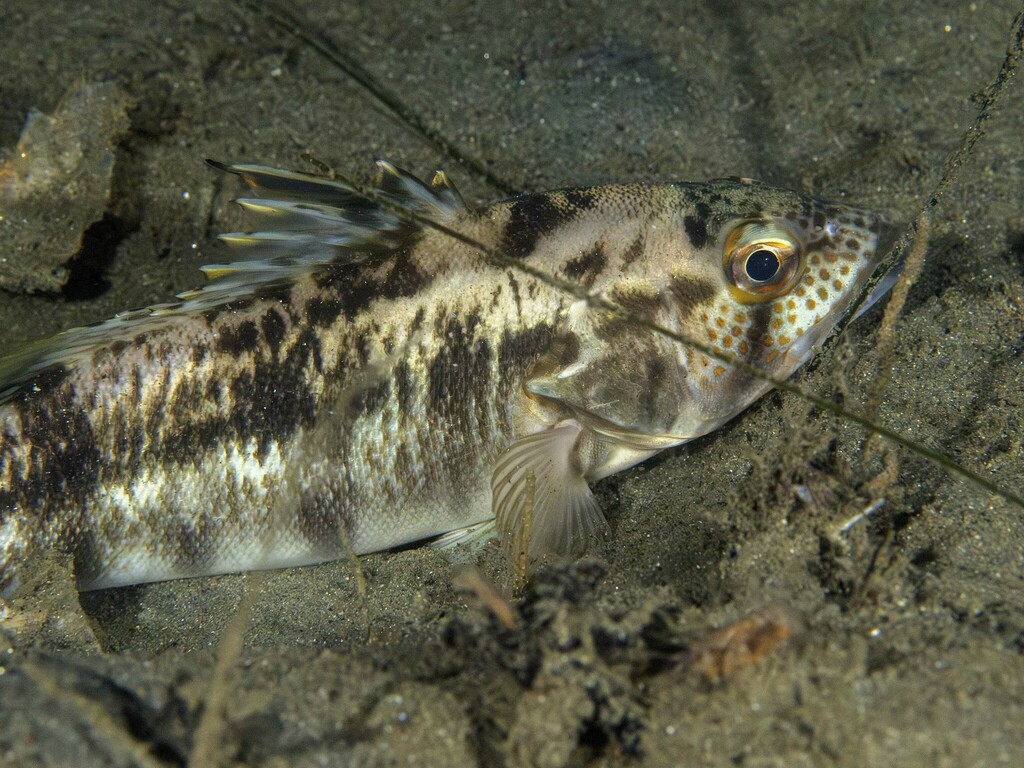
Sand Bass

Tautog
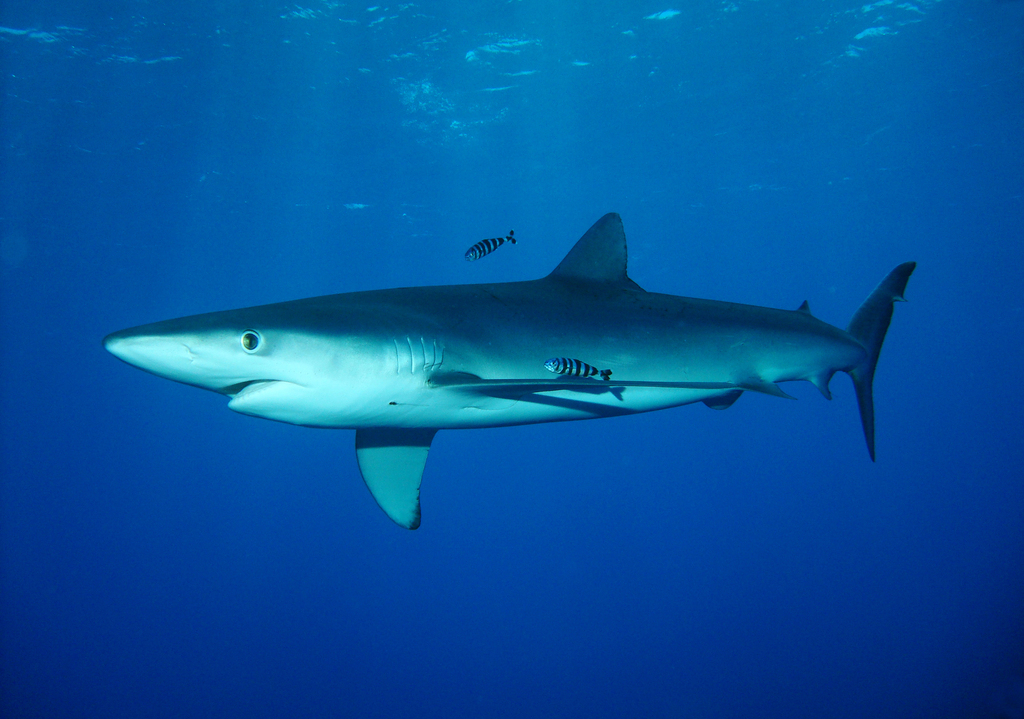
Blue Shark
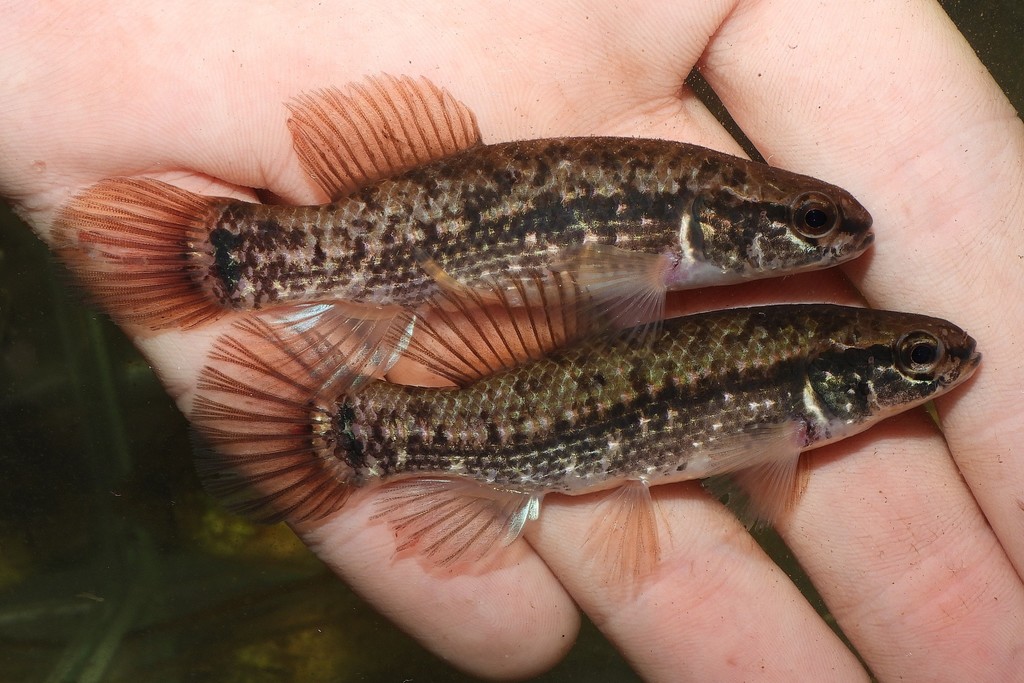
Eastern Mudminnow

Black Rockfish

Ruddy Bowfin
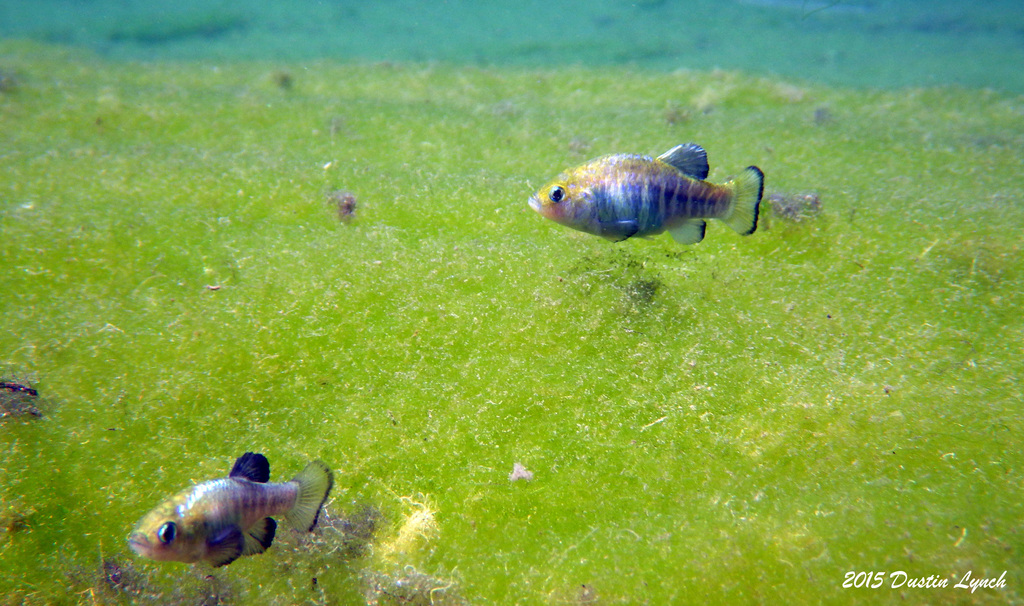
Amargosa Pupfish

Prickly Sculpin
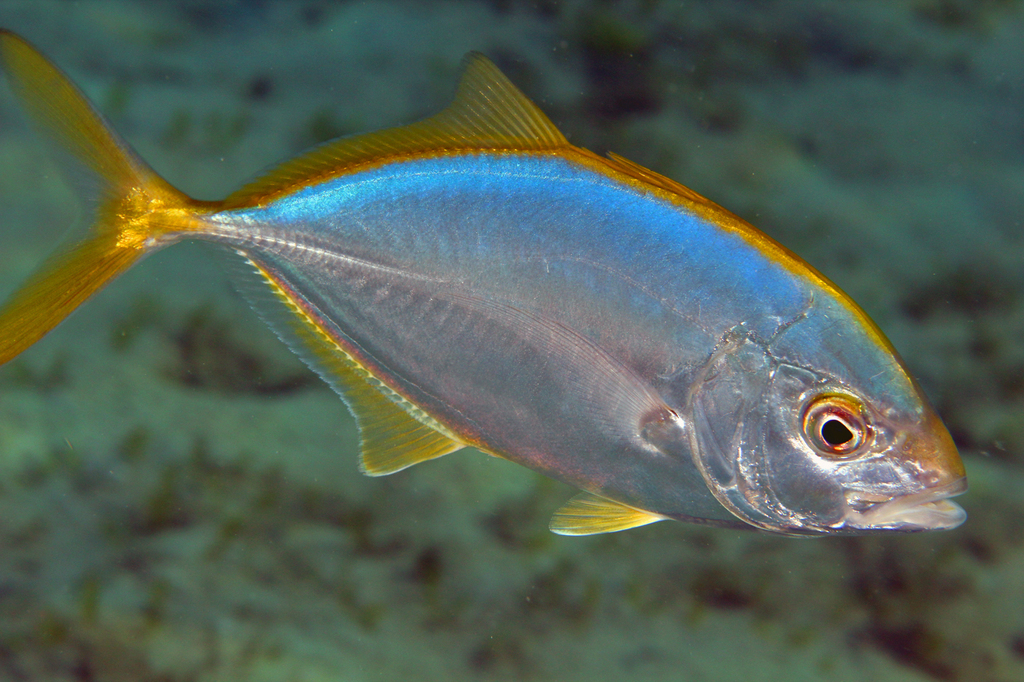
Yellow Jack

Southern Short-tailed Shrew
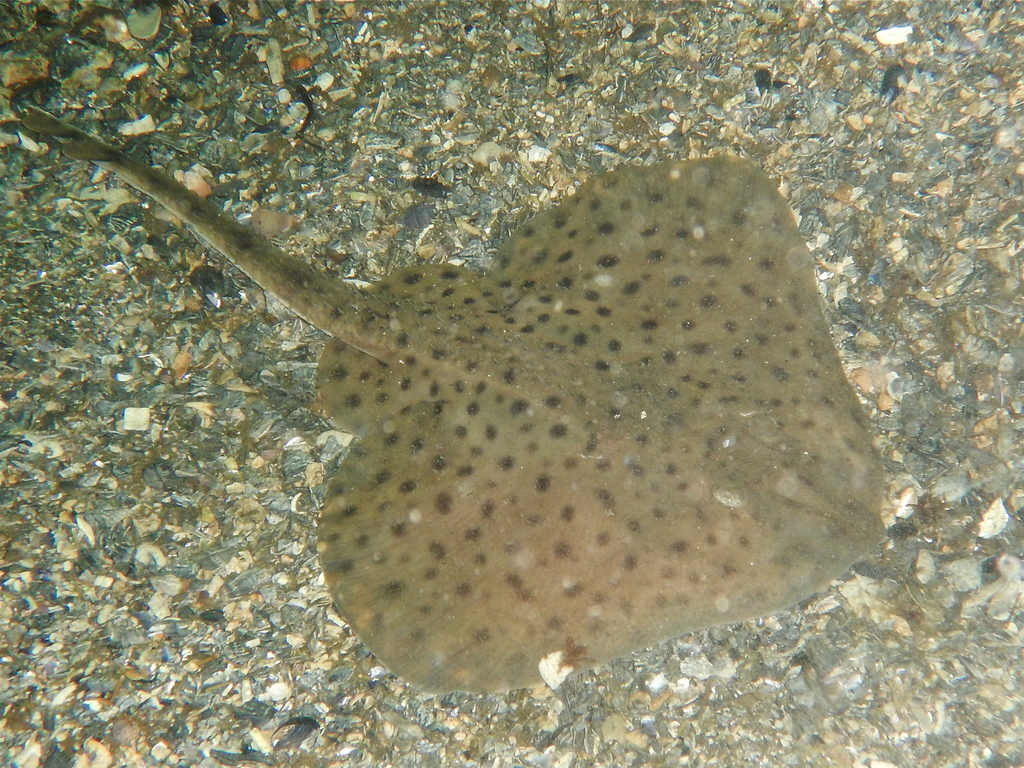
Little Skate
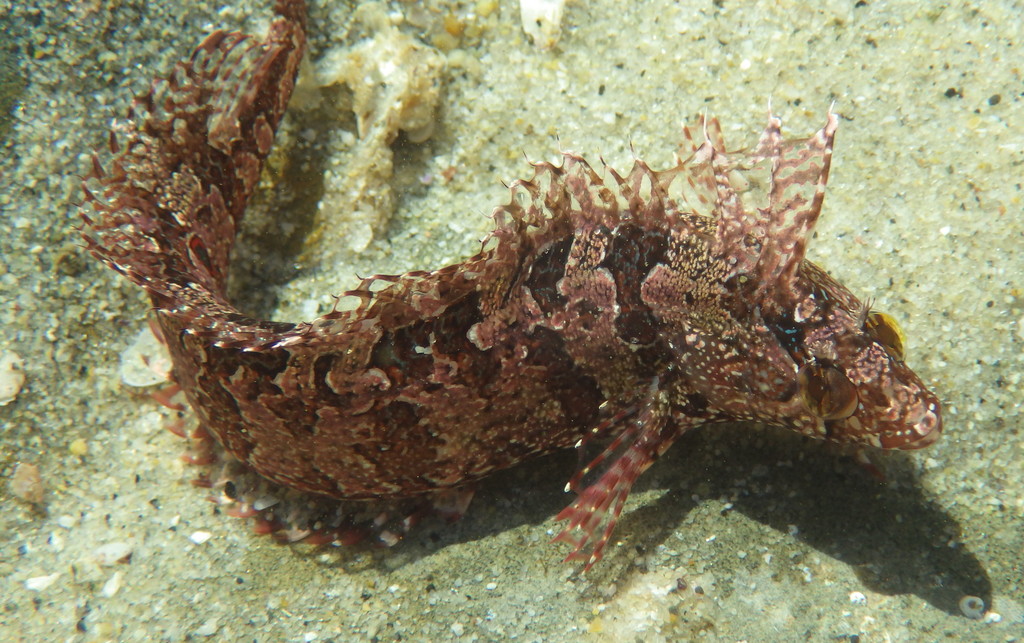
Spotted Kelpfish

Dall's Porpoise
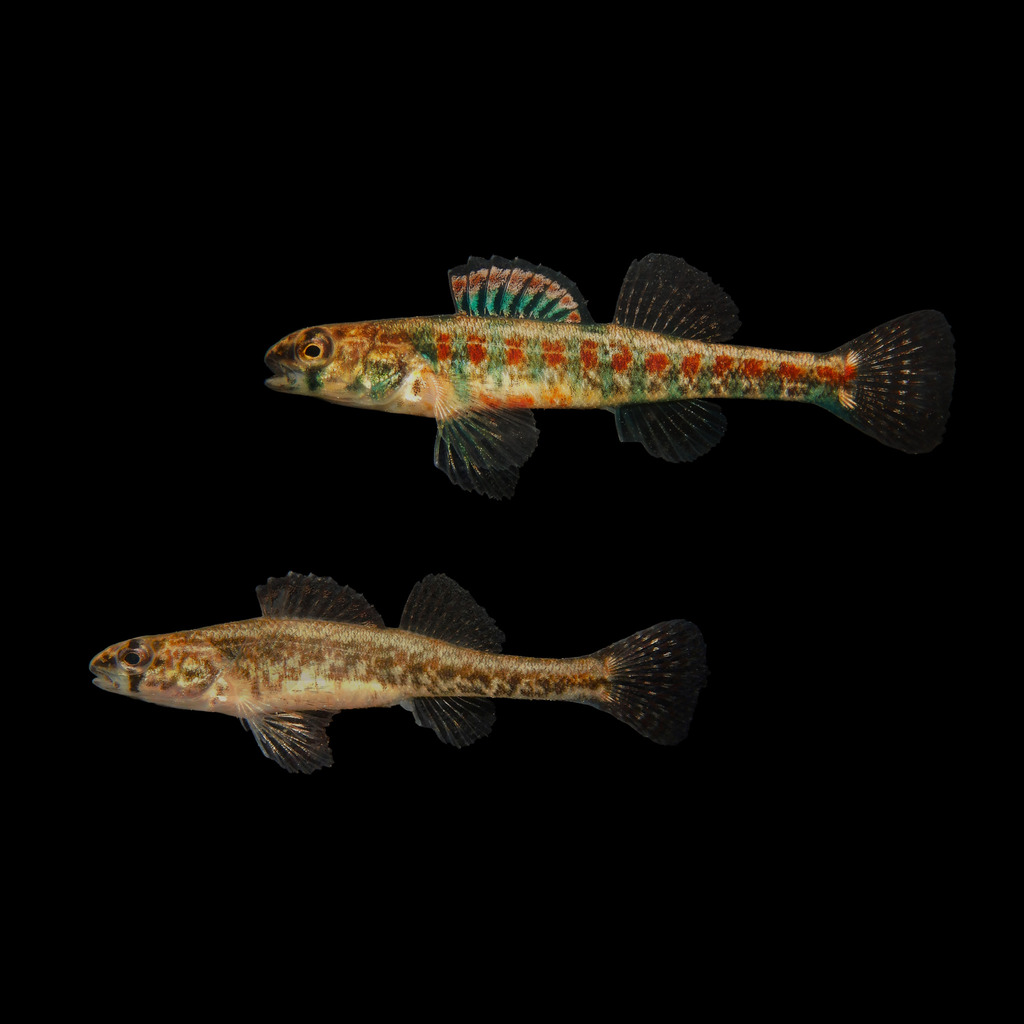
Iowa Darter

Northern Fur Seal

White Mullet
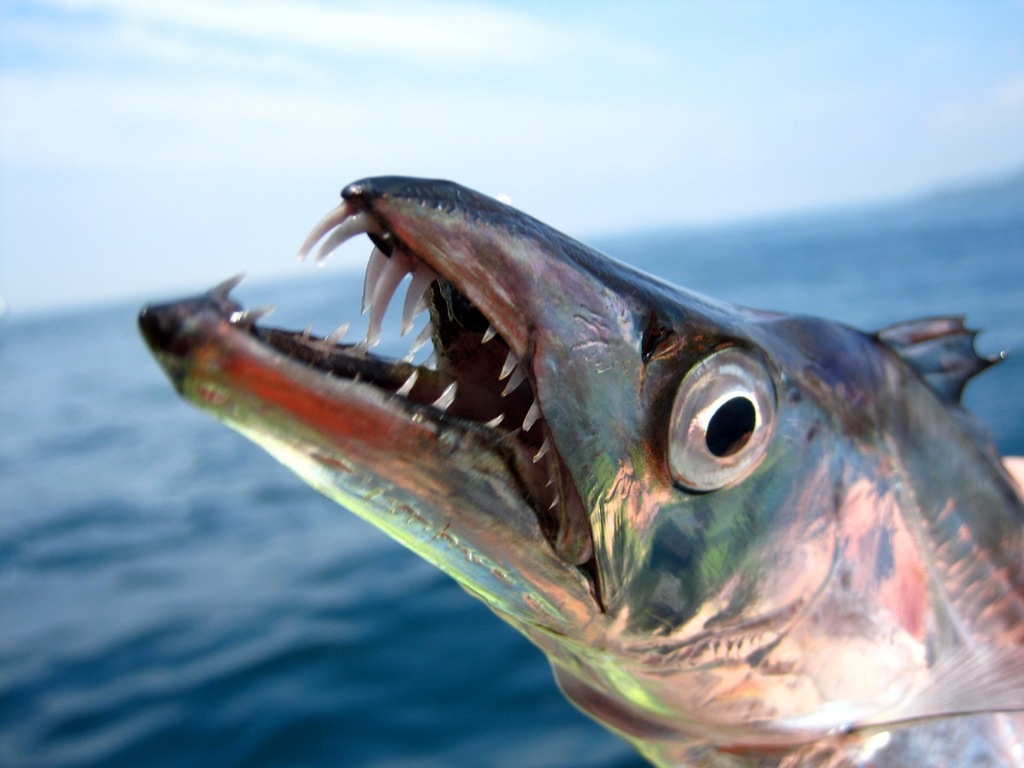
Largehead Hairtail

Vermilion Rockfish
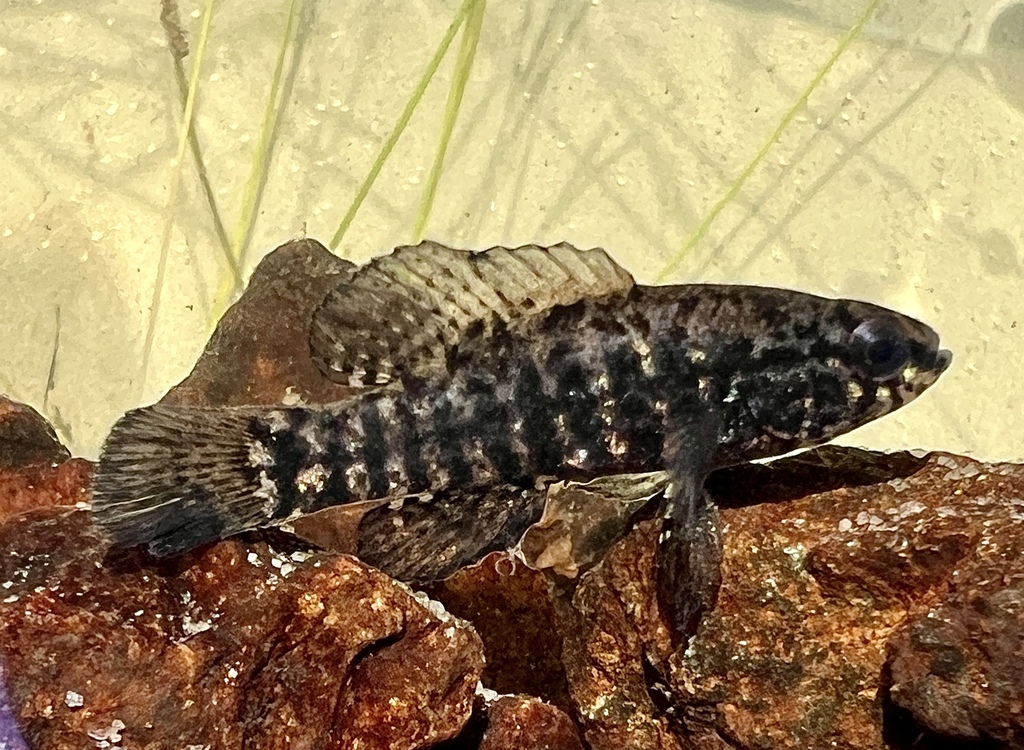
Banded Pygmy Sunfish
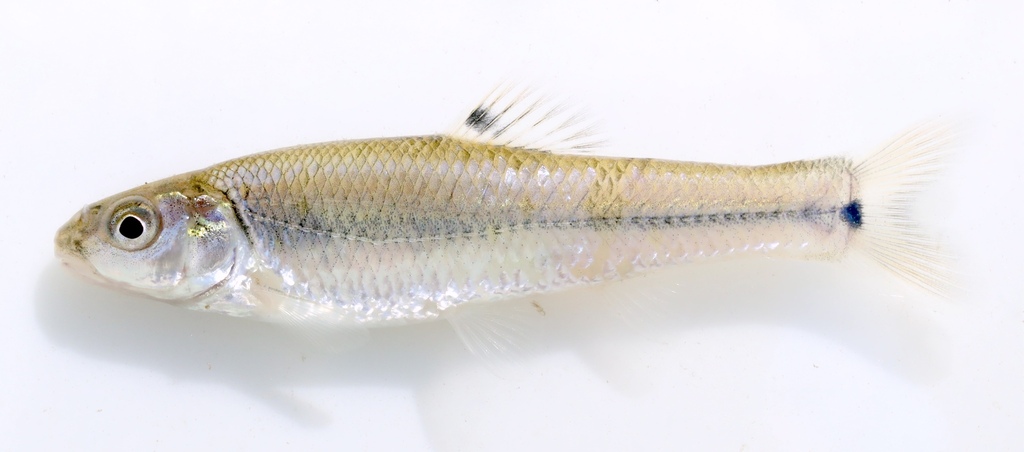
Bullhead Minnow
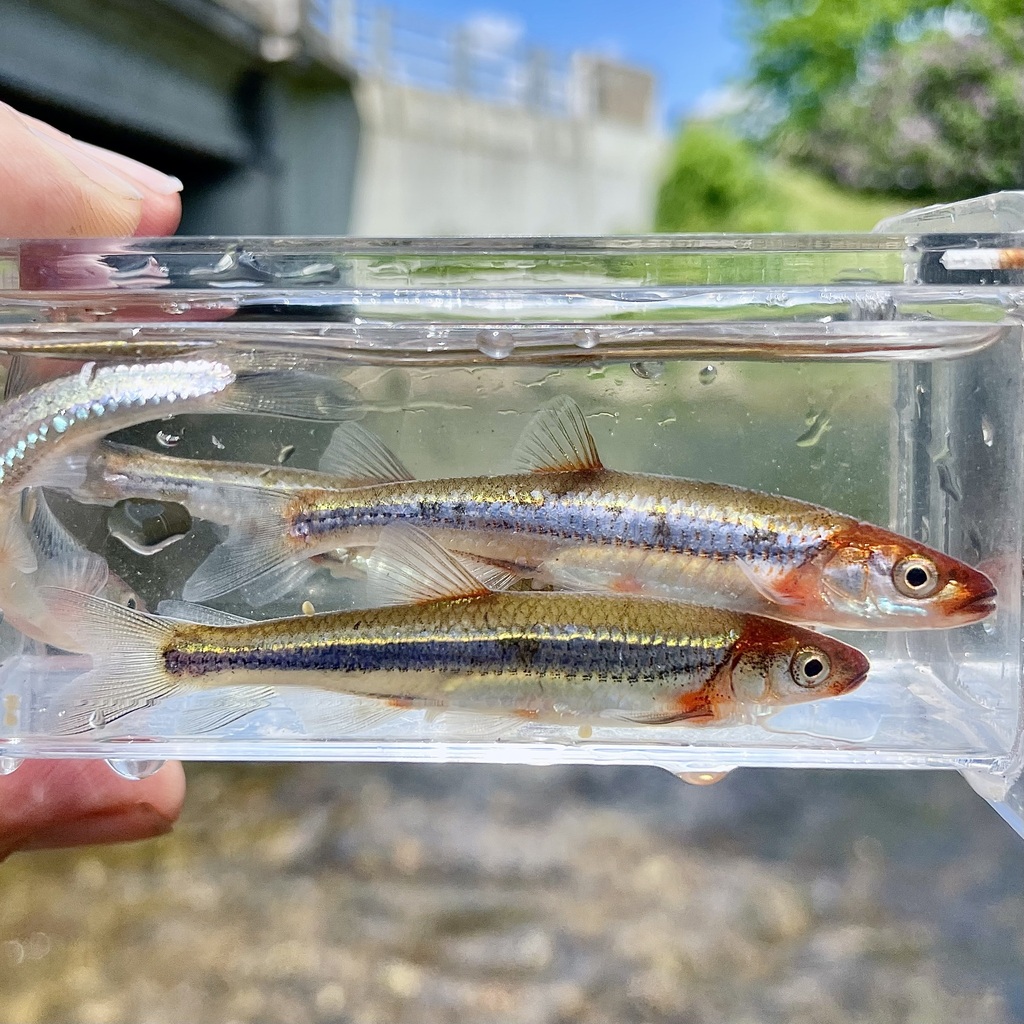
Rosyface Shiner

Merriam's Kangaroo Rat
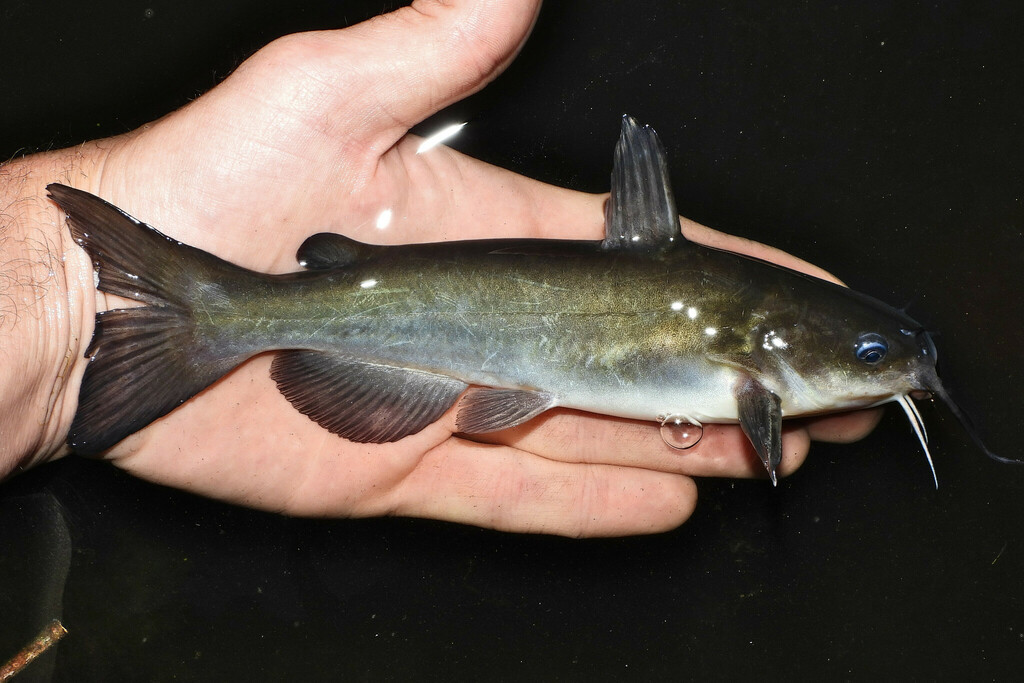
White Catfish

Longfin Inshore Squid

Highhat
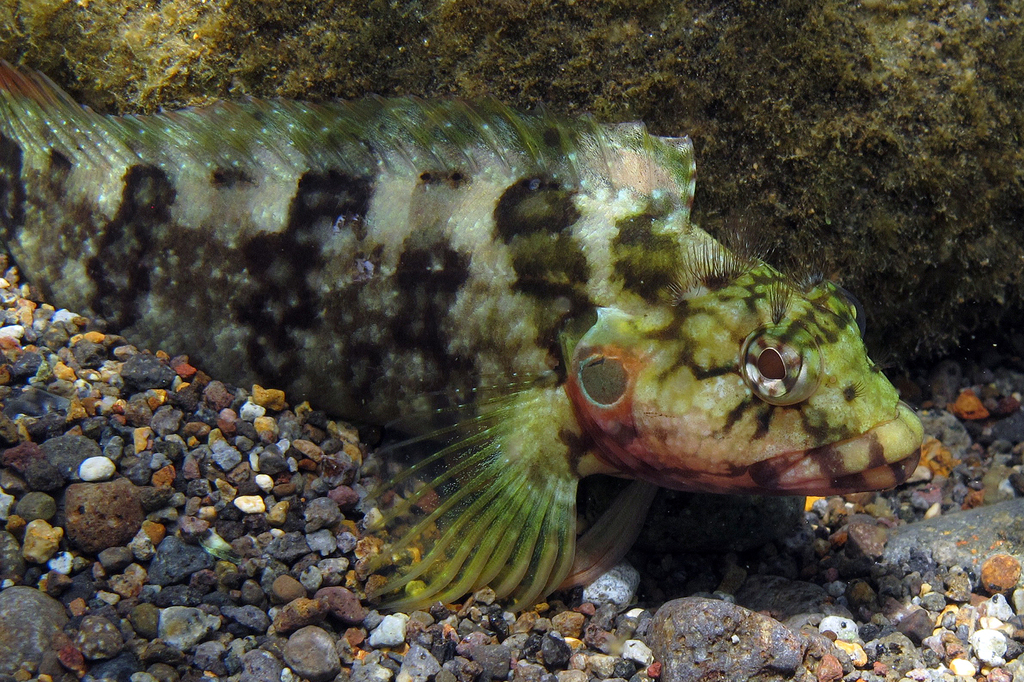
Hairy Blenny

Devil Scorpionfish
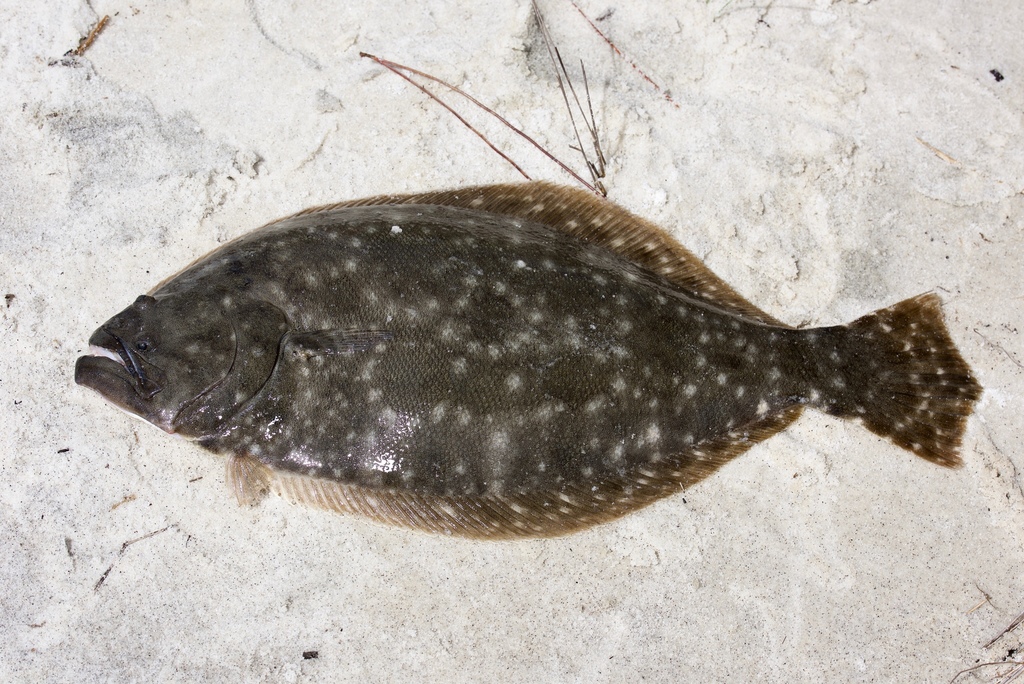
Southern Flounder
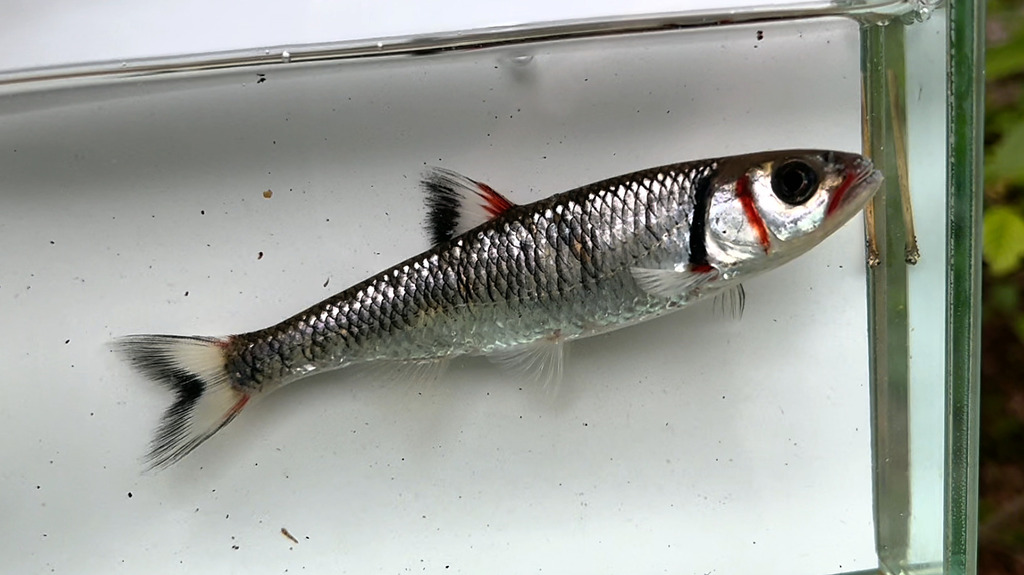
Warpaint Shiner
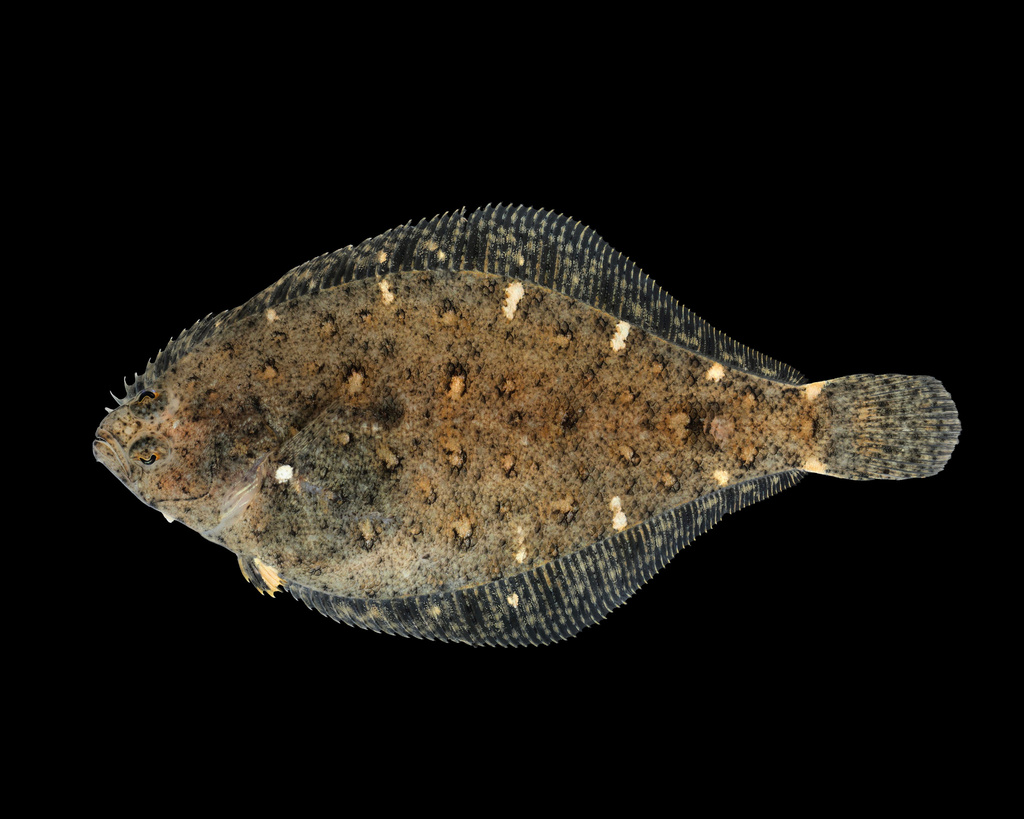
Speckled Sanddab
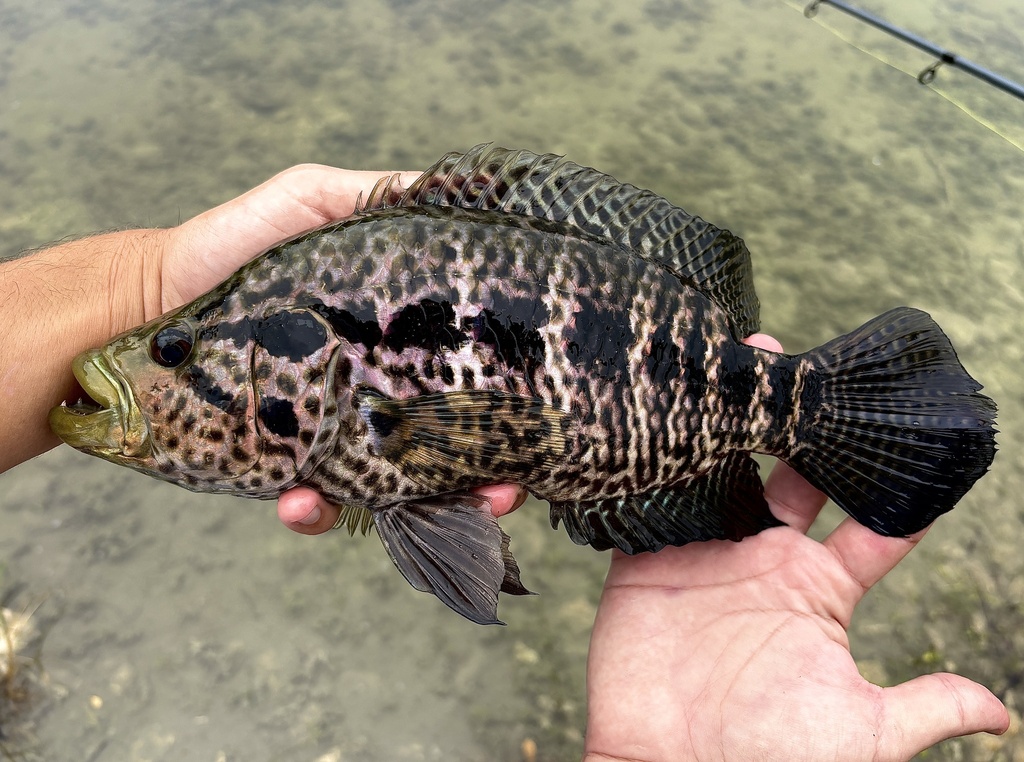
Jaguar Guapote

Atlantic Tripletail
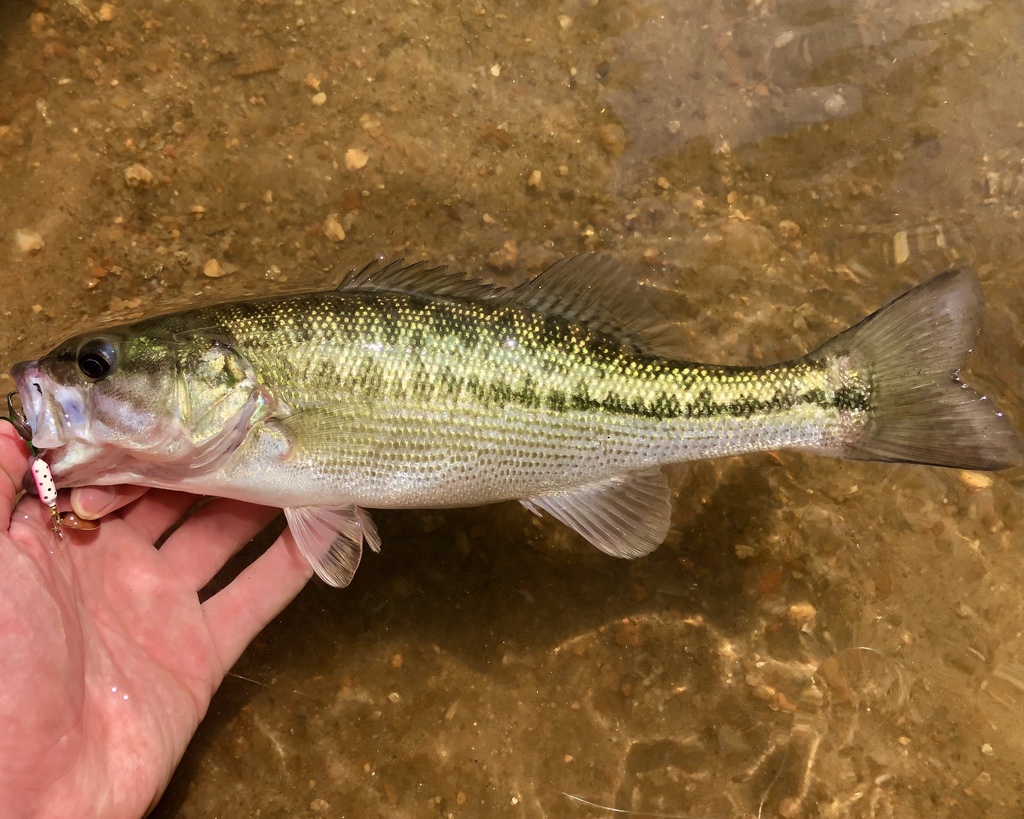
Alabama Bass
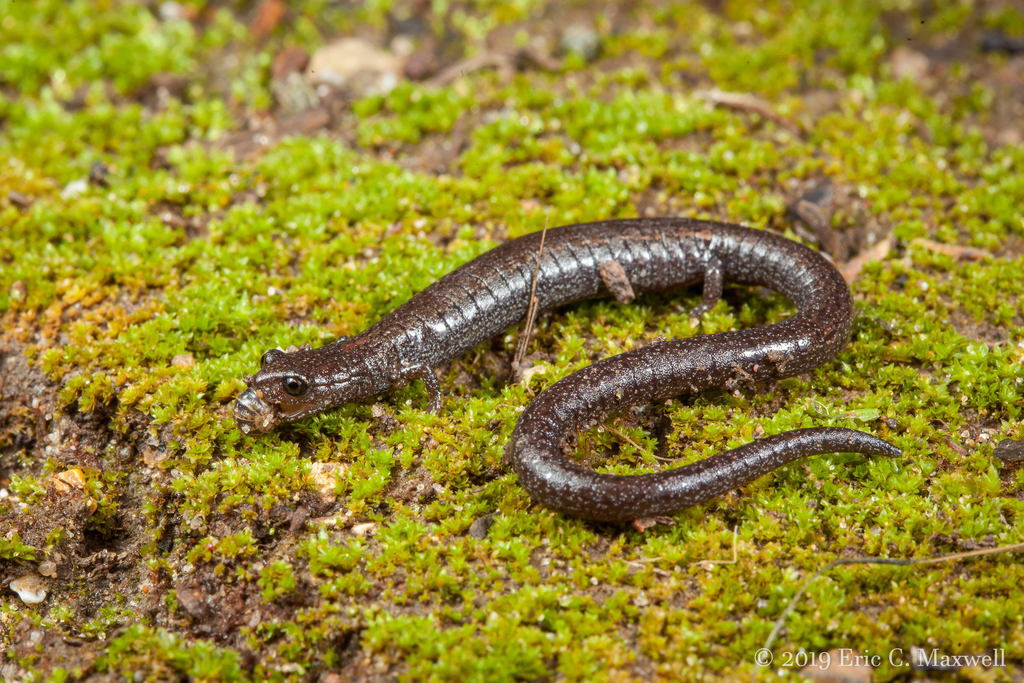
Gabilan Mountains Slender Salamander
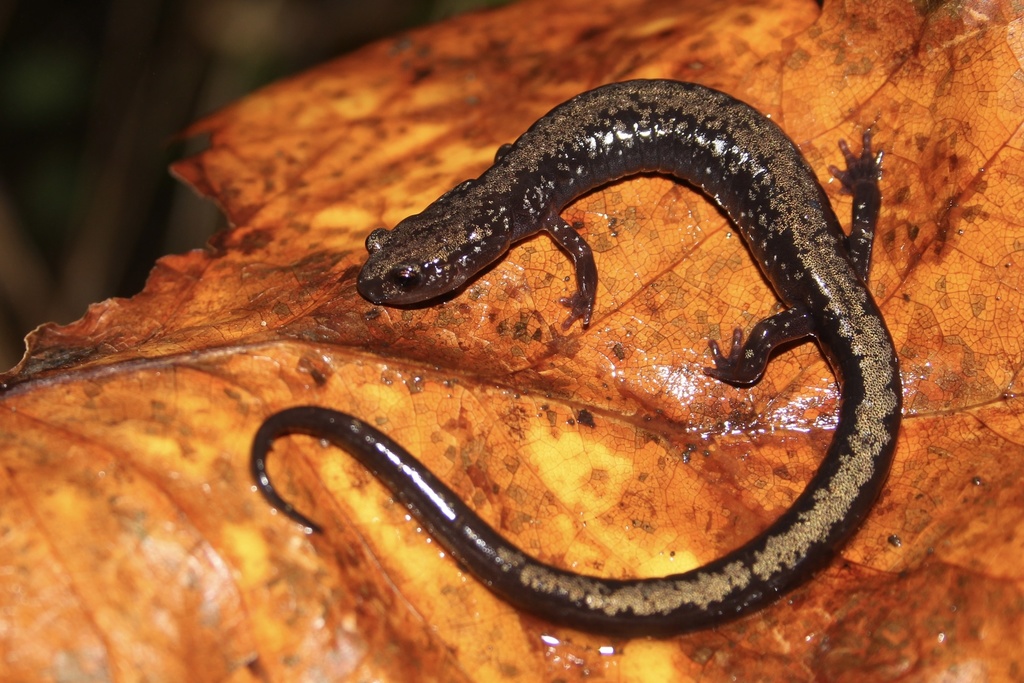
Peaks of Otter Salamander

Red Irish Lord

Longnose Killifish
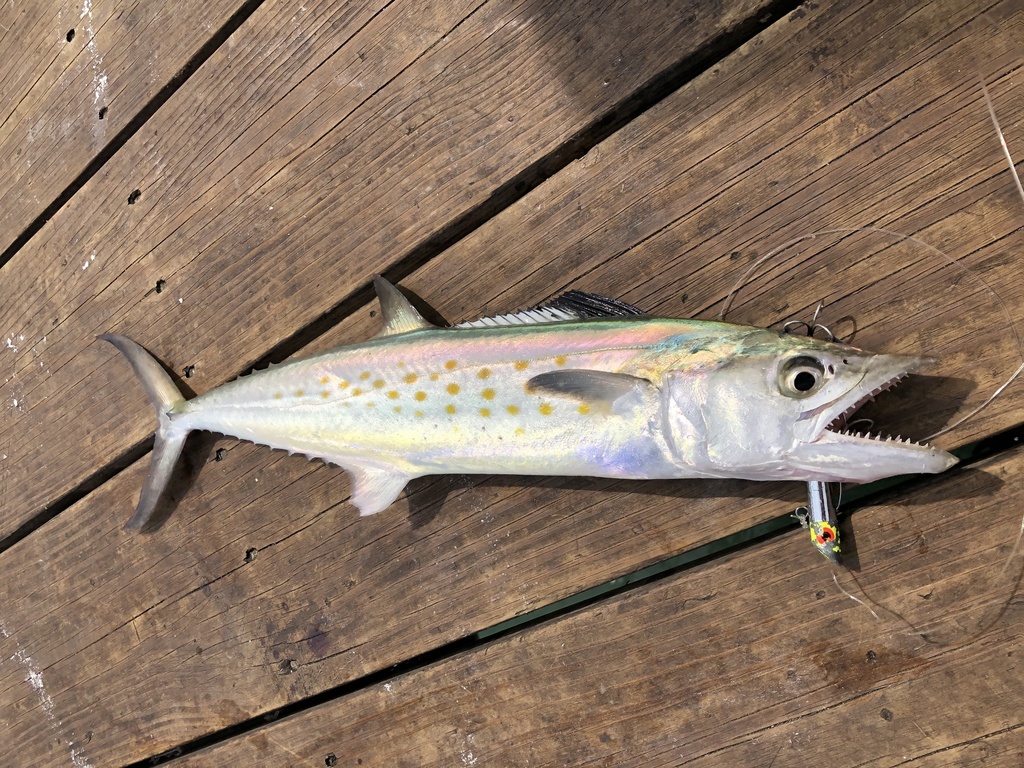
Atlantic Spanish Mackerel

Bay Blenny
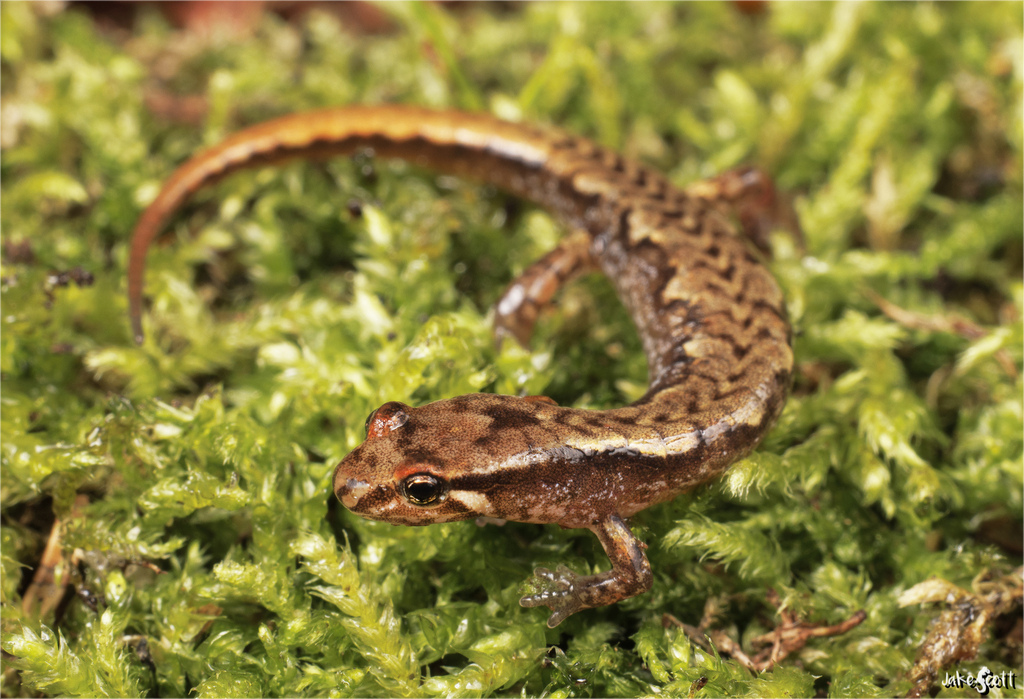
Northern Pygmy Salamander
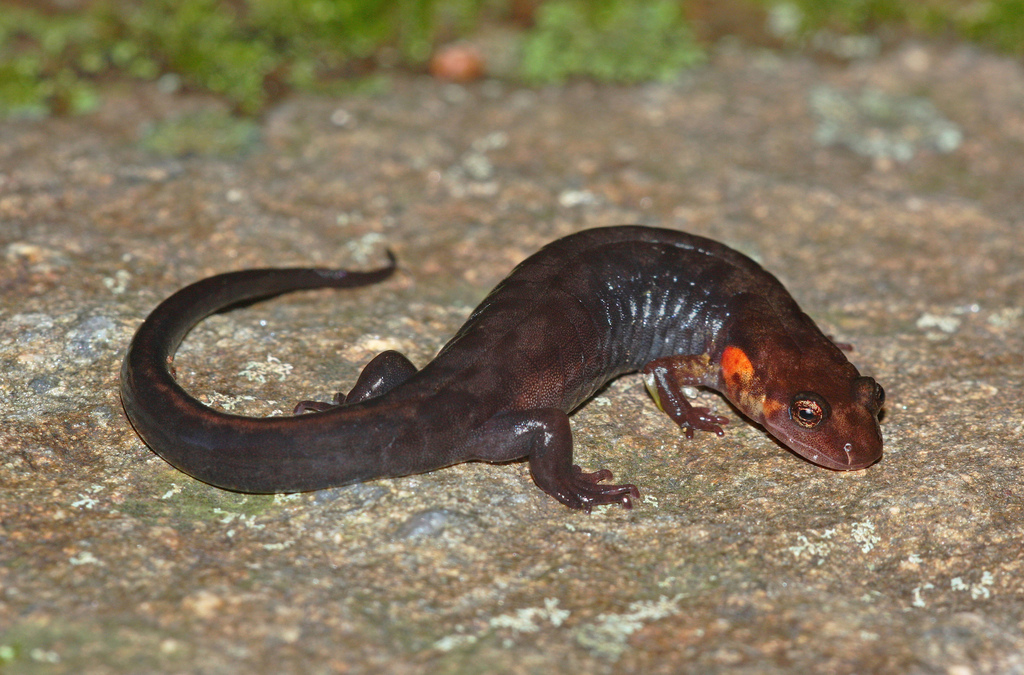
Imitator Salamander
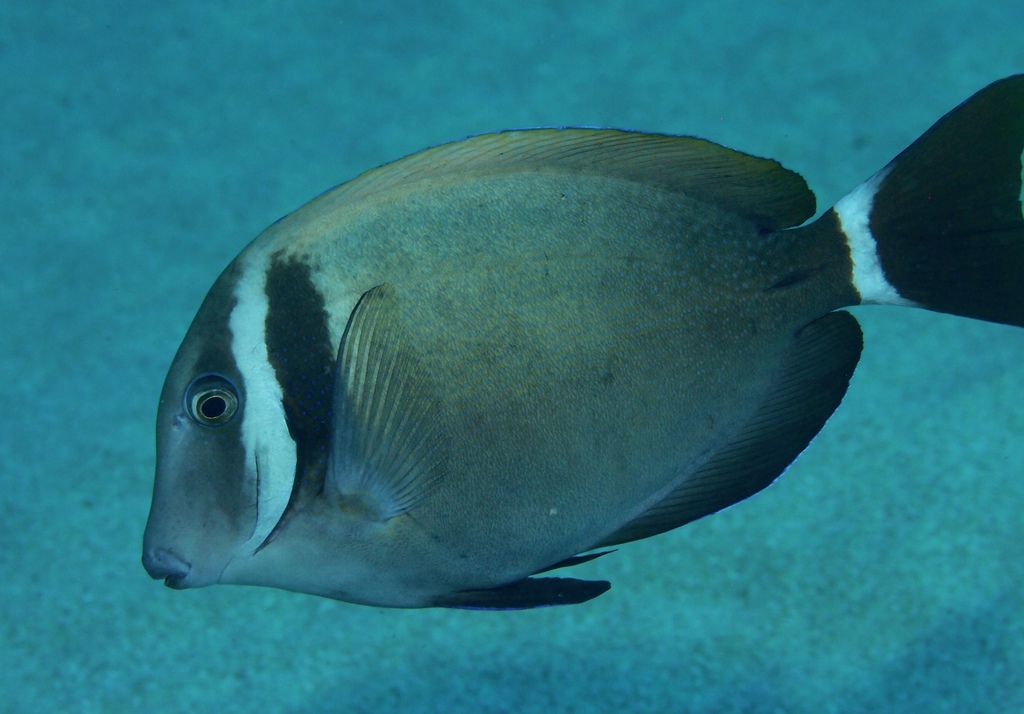
Whitebar Surgeonfish
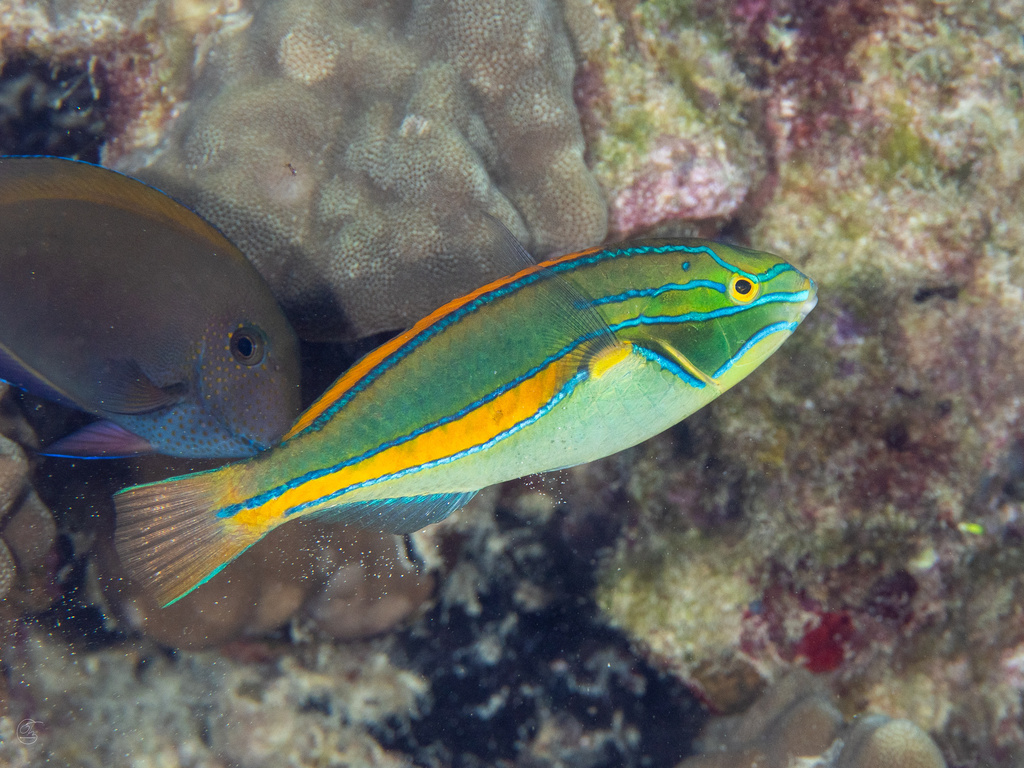
Belted Wrasse
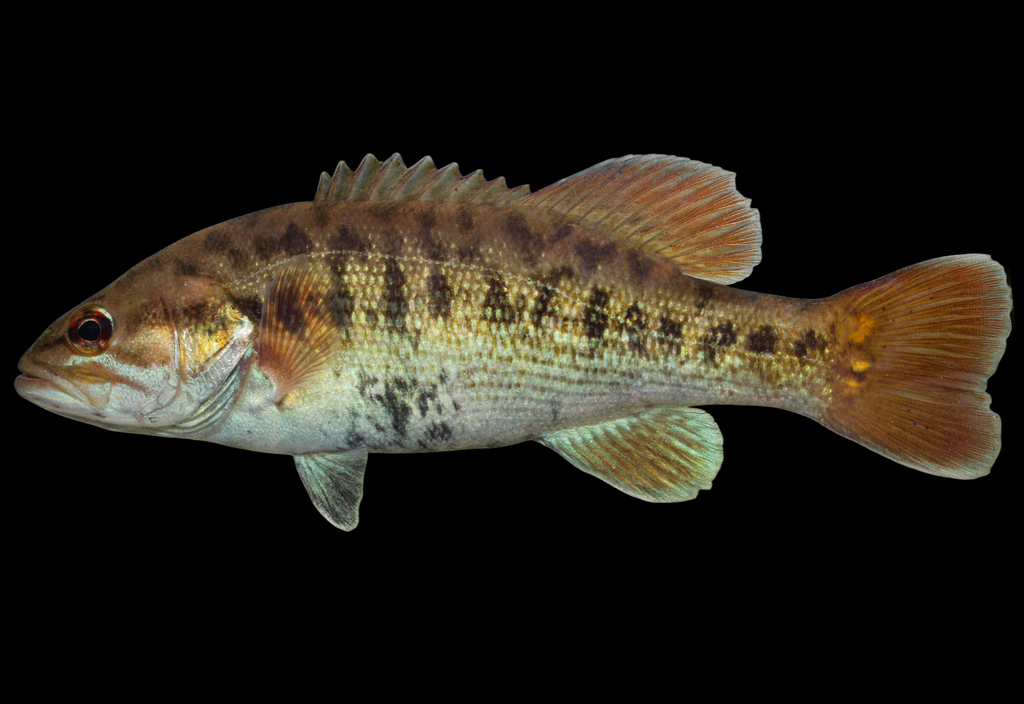
Redeye Bass

Walking Catfish

Smallmouth Buffalo
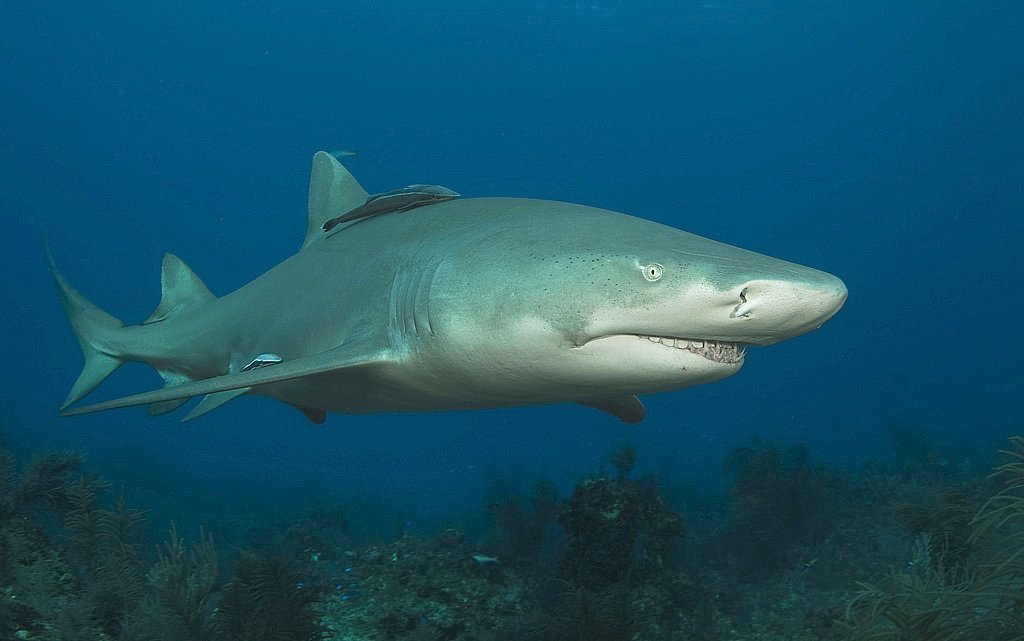
Lemon Shark
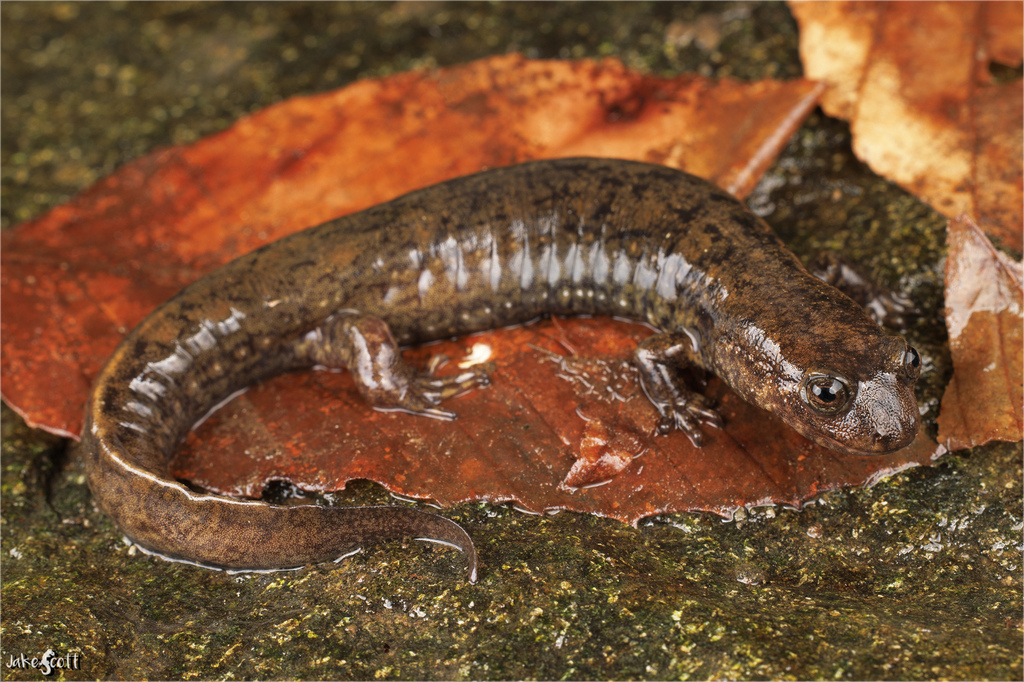
Blue Ridge Blackbelly Salamander

Black Grouper

Muskellunge

Hawaiian Sergeant Major
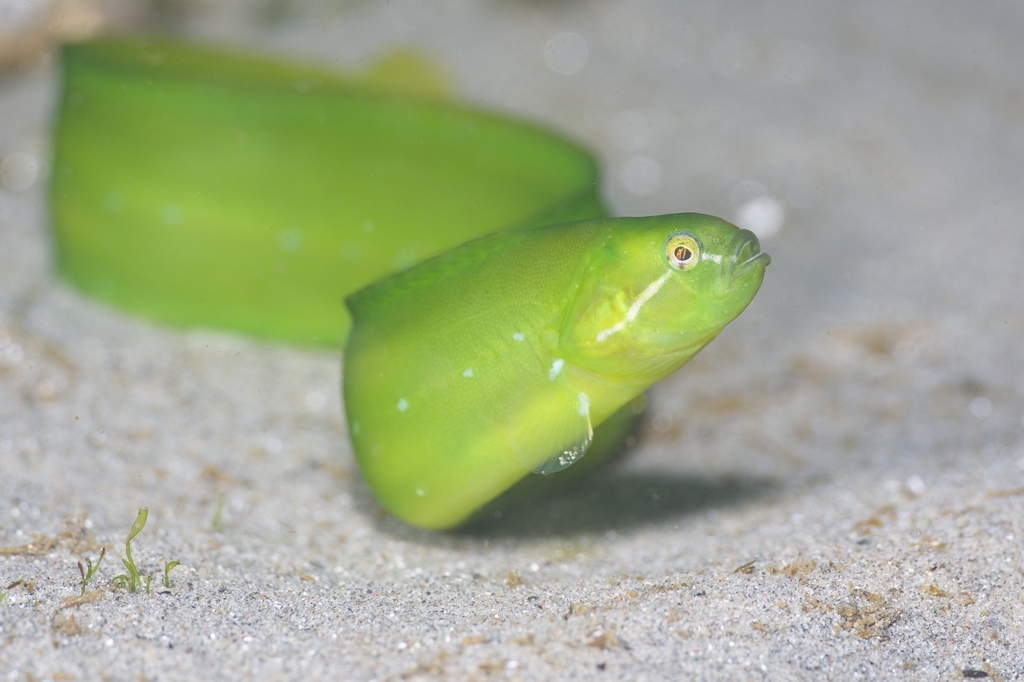
Penpoint Gunnel

Saddleback Gunnel
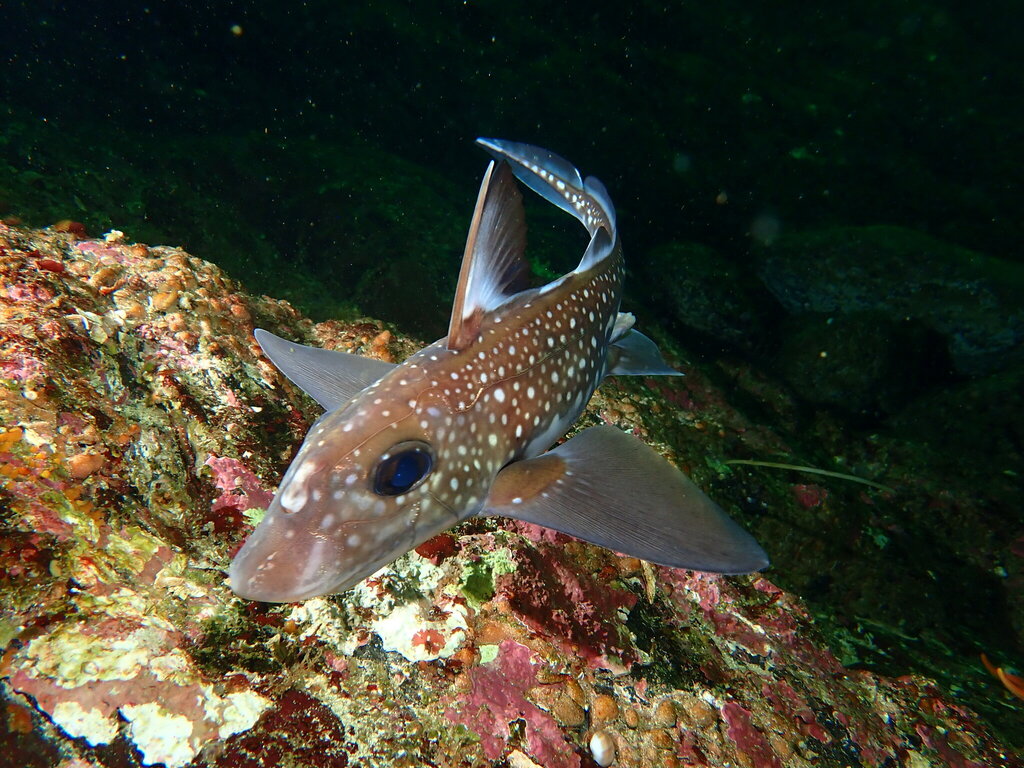
Spotted Ratfish

Cocoa Damselfish

Olympic Marmot

Wolverine
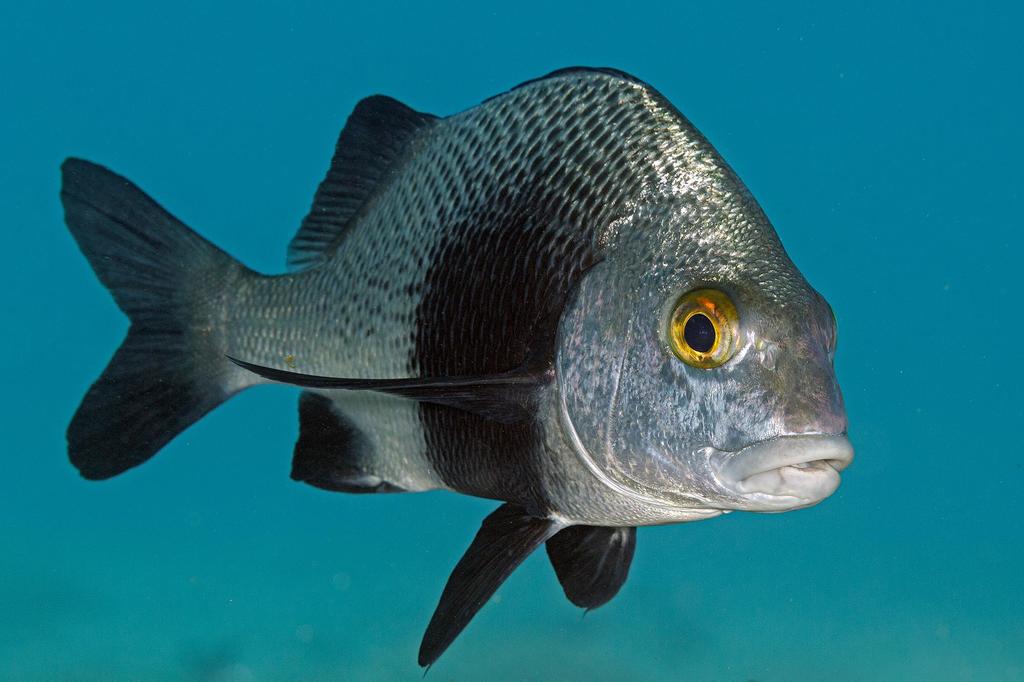
Black Margate

Bluefin Killifish

Hopi Chipmunk

Silver Carp
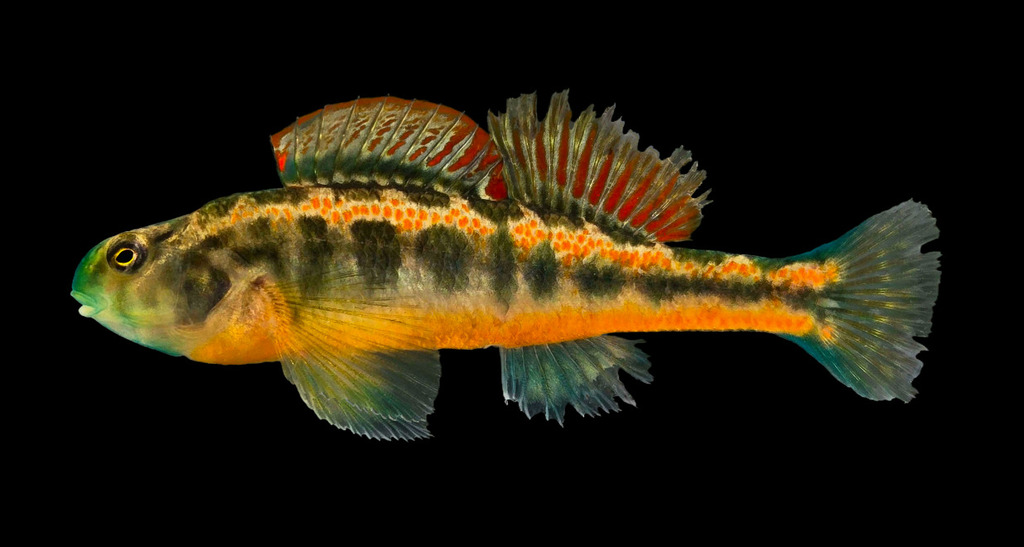
Tennessee Snubnose Darter
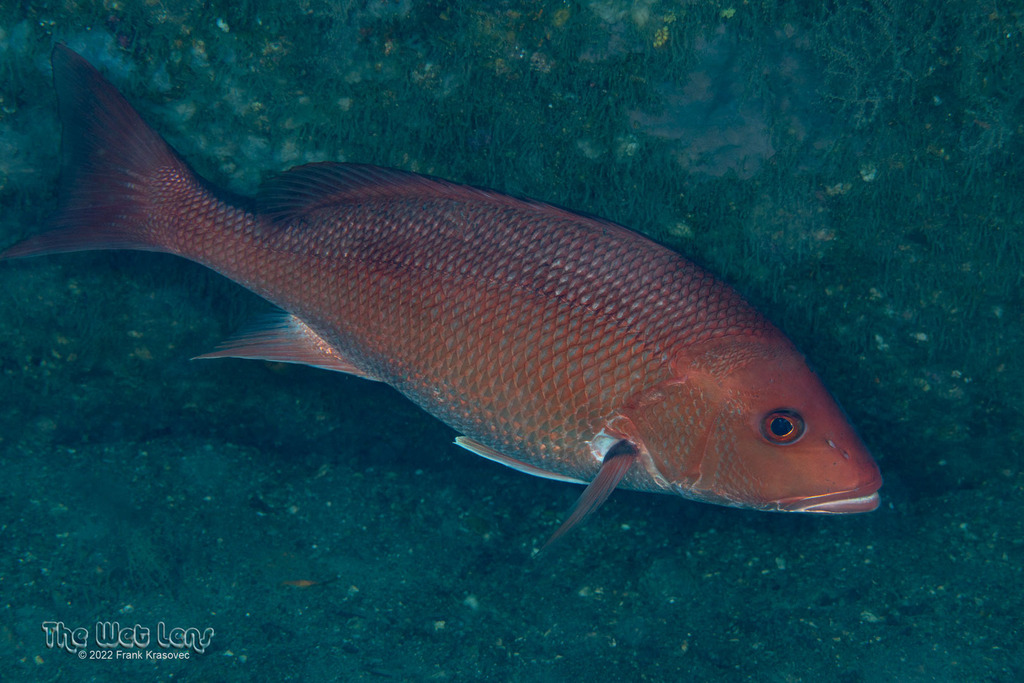
Northern Red Snapper
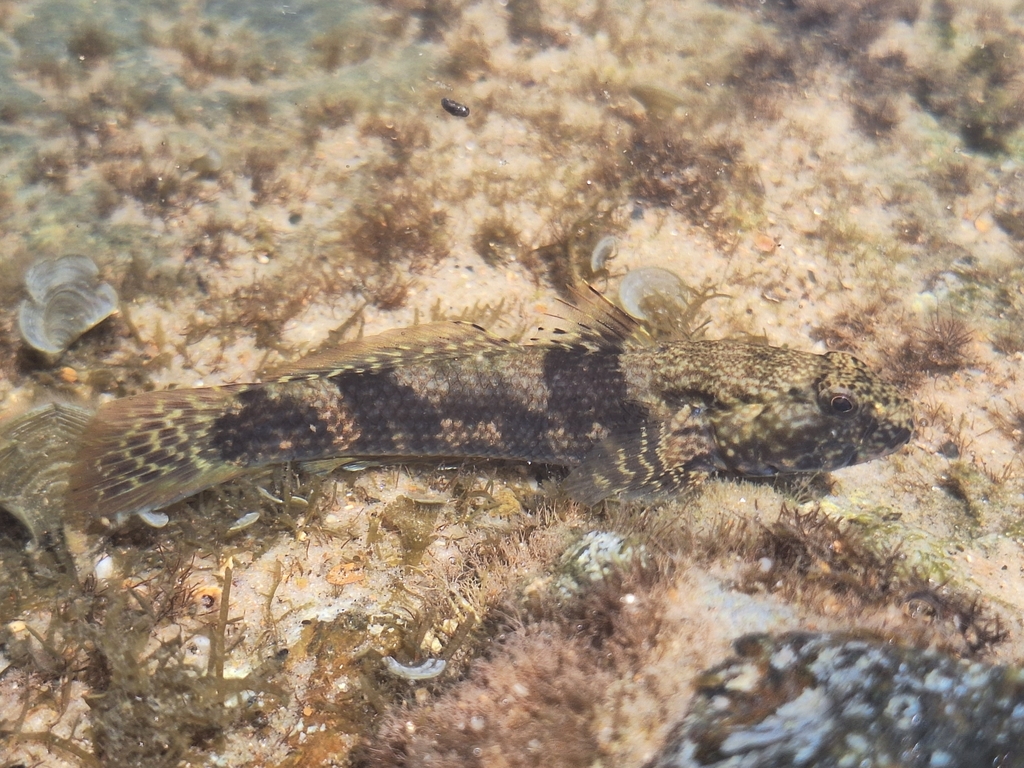
Frillfin Goby
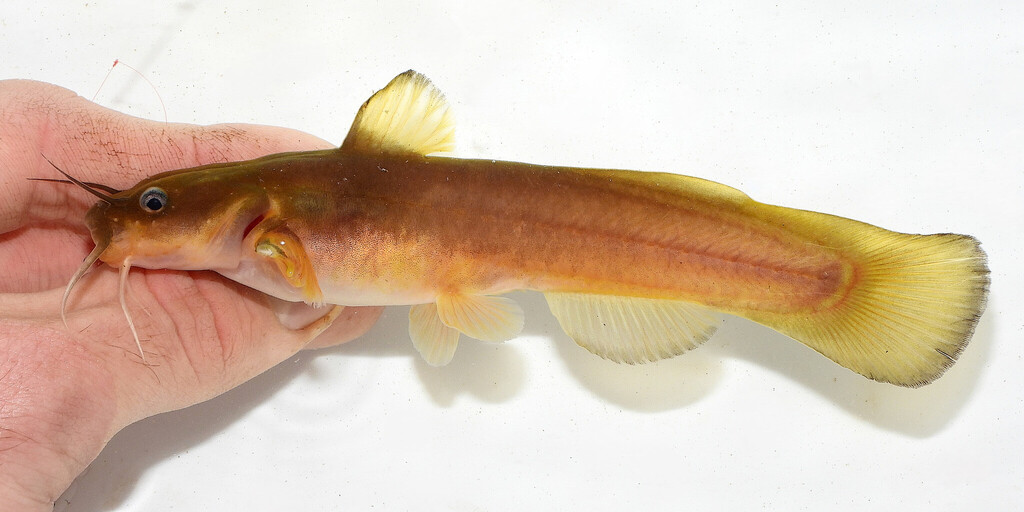
Margined Madtom

Evening Bat

Mountain Whitefish

Alligator Gar
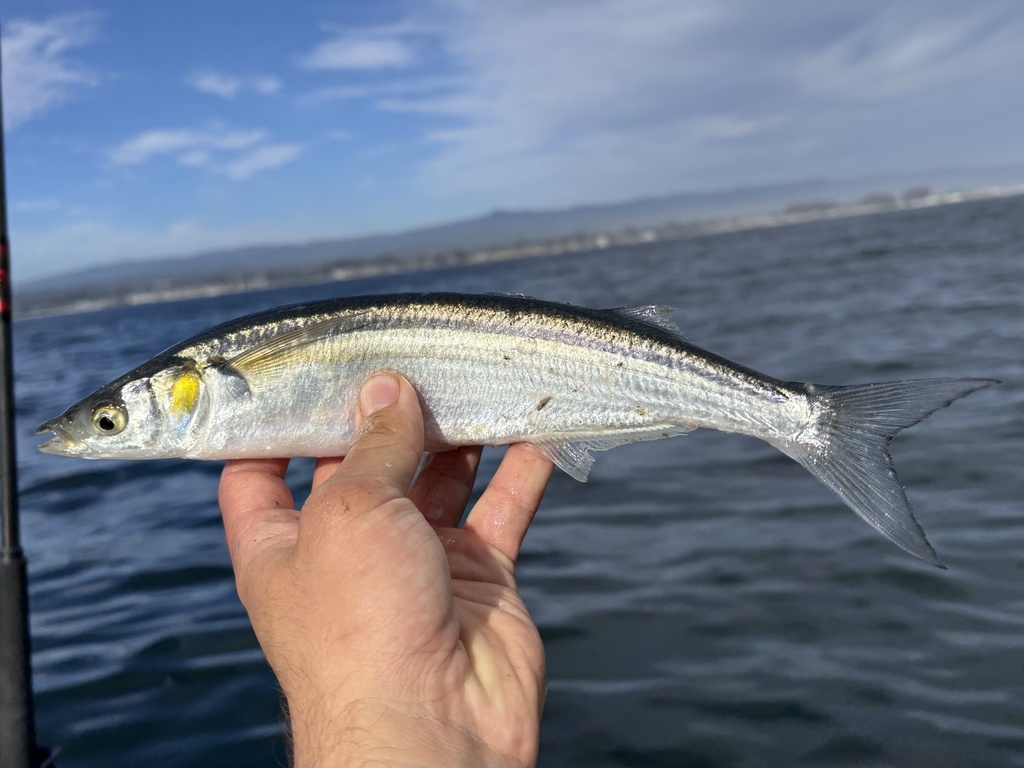
Jack Silverside

Little Grass Frog

Yellowfin Goby

Western Lesser Siren

Big Longnose Butterflyfish
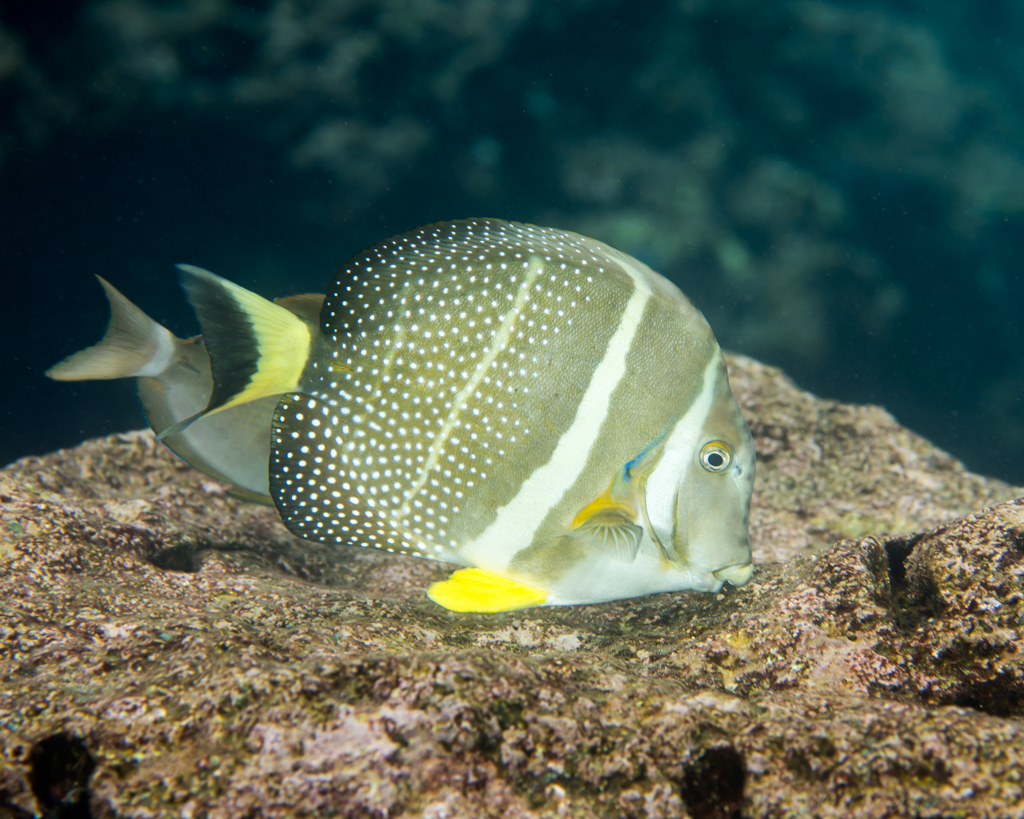
Whitespotted Surgeonfish
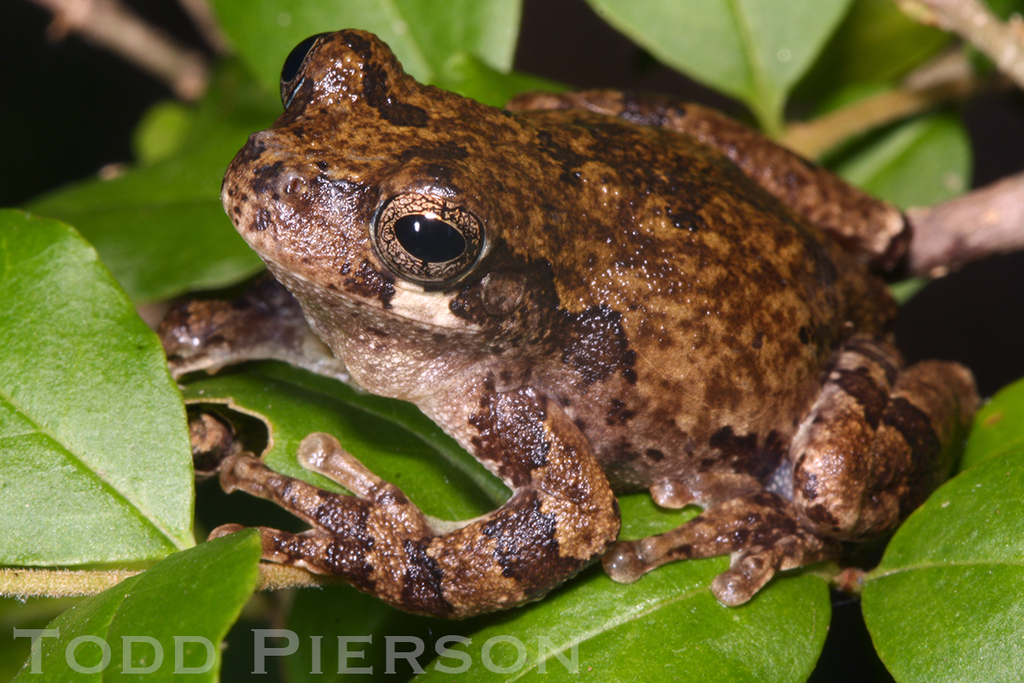
Bird-voiced Treefrog
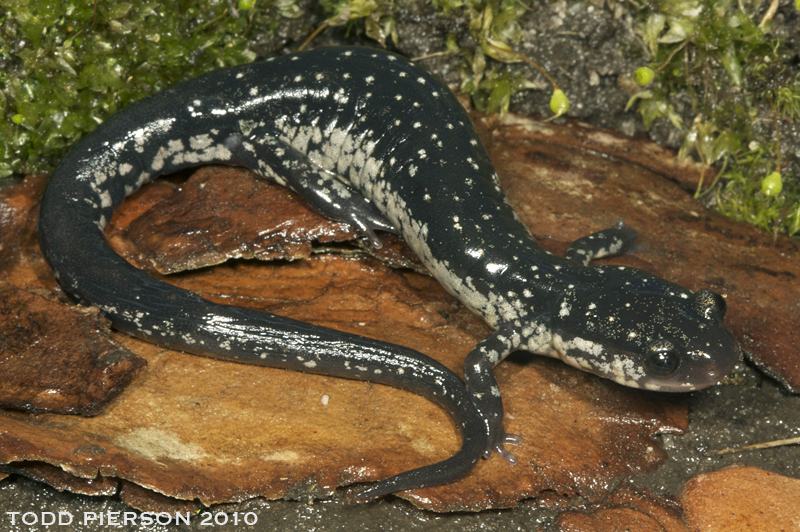
Atlantic Coast Slimy Salamander
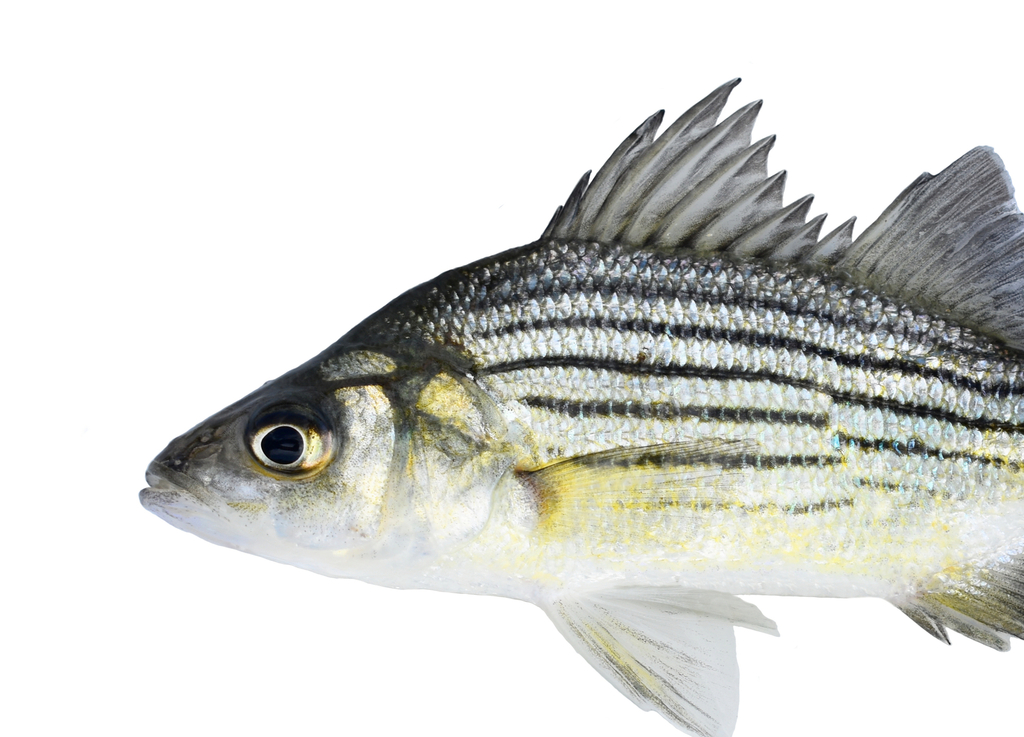
Yellow Bass
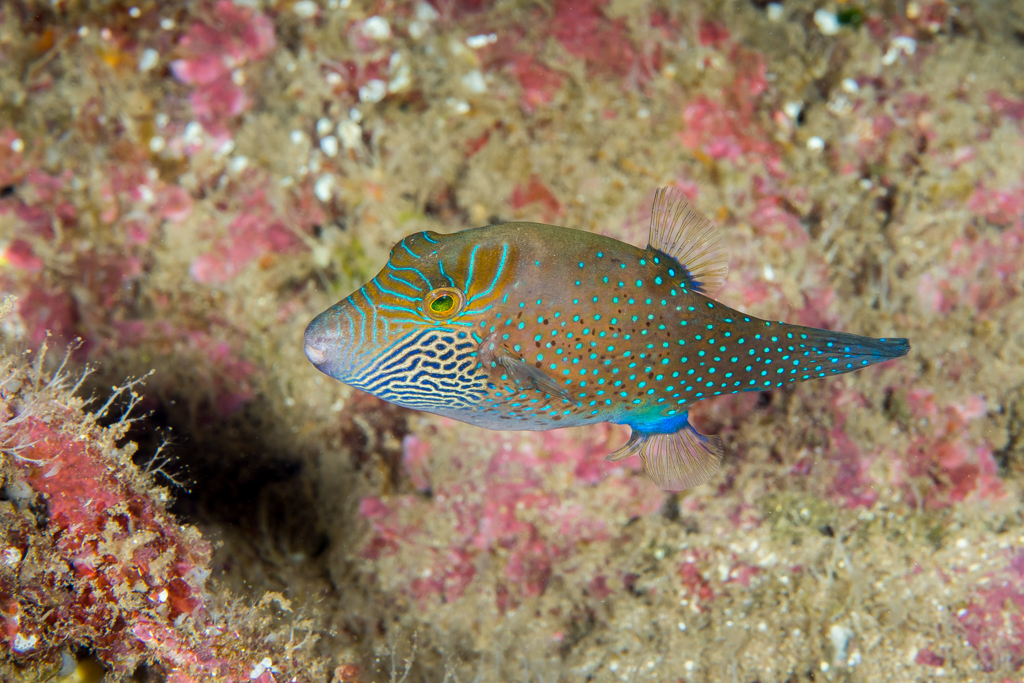
Spider-eye Puffer
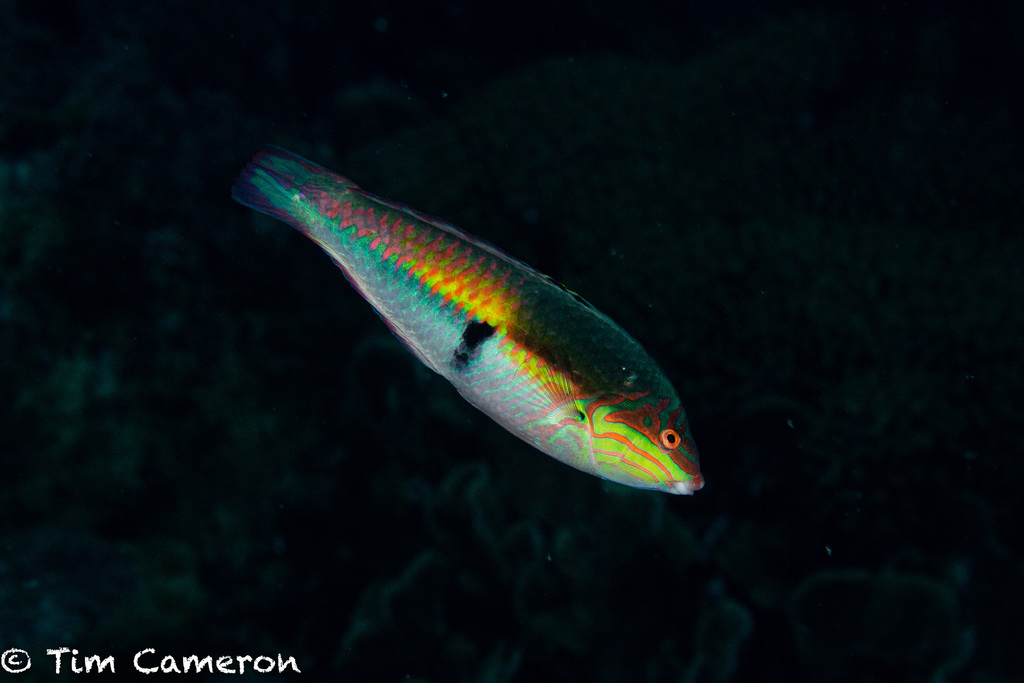
Clown Wrasse

Bushy-tailed Wood Rat
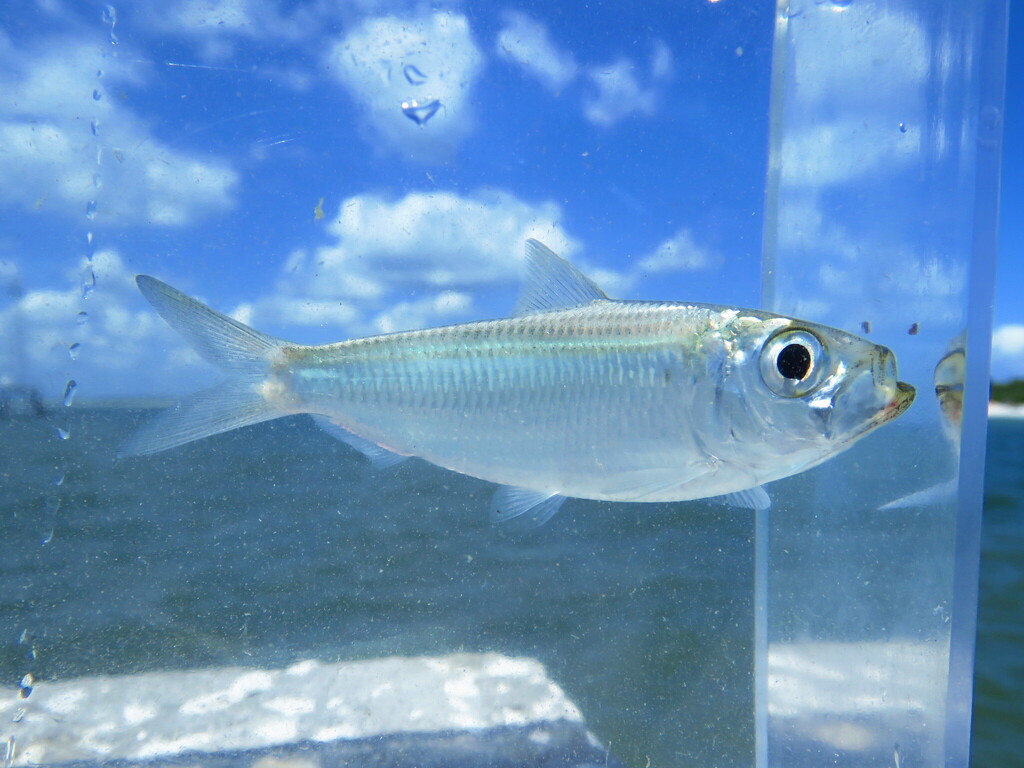
Scaled Sardine
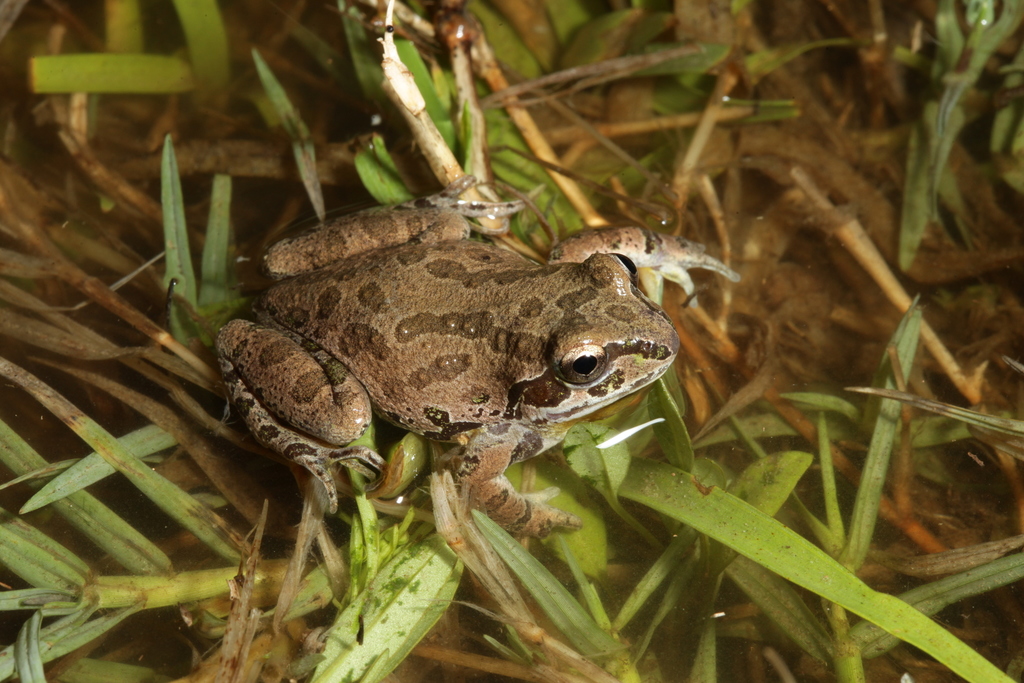
Strecker's Chorus Frog
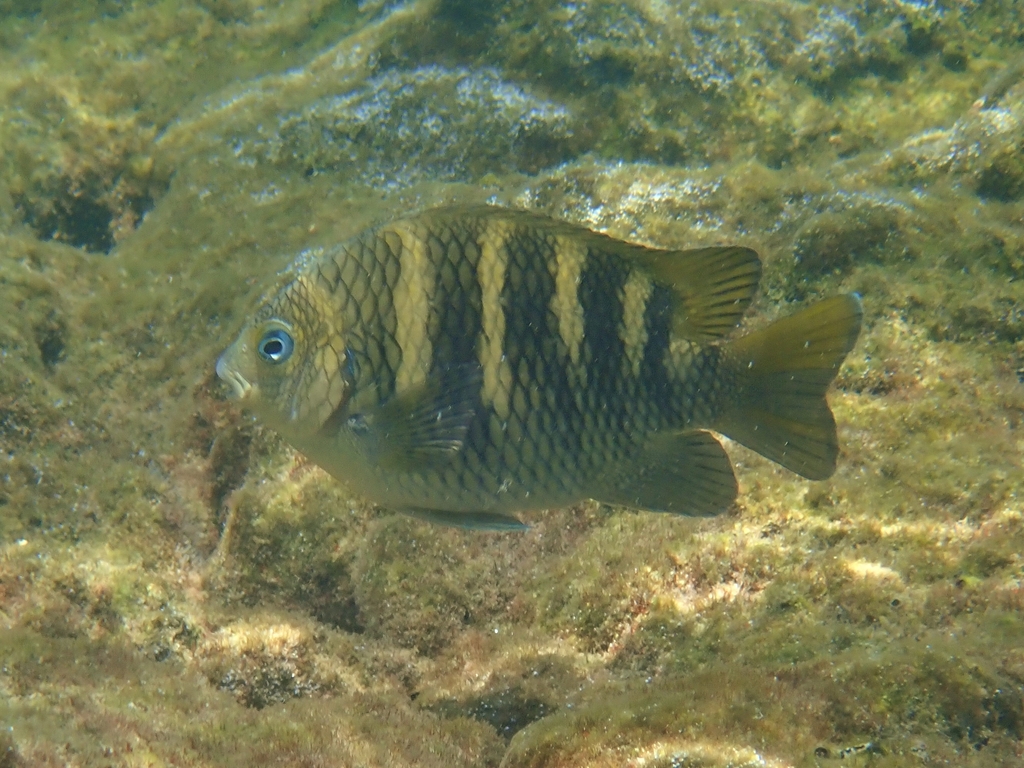
Night Sergeant

Coastal plain dwarf salamander

Lodgepole Chipmunk
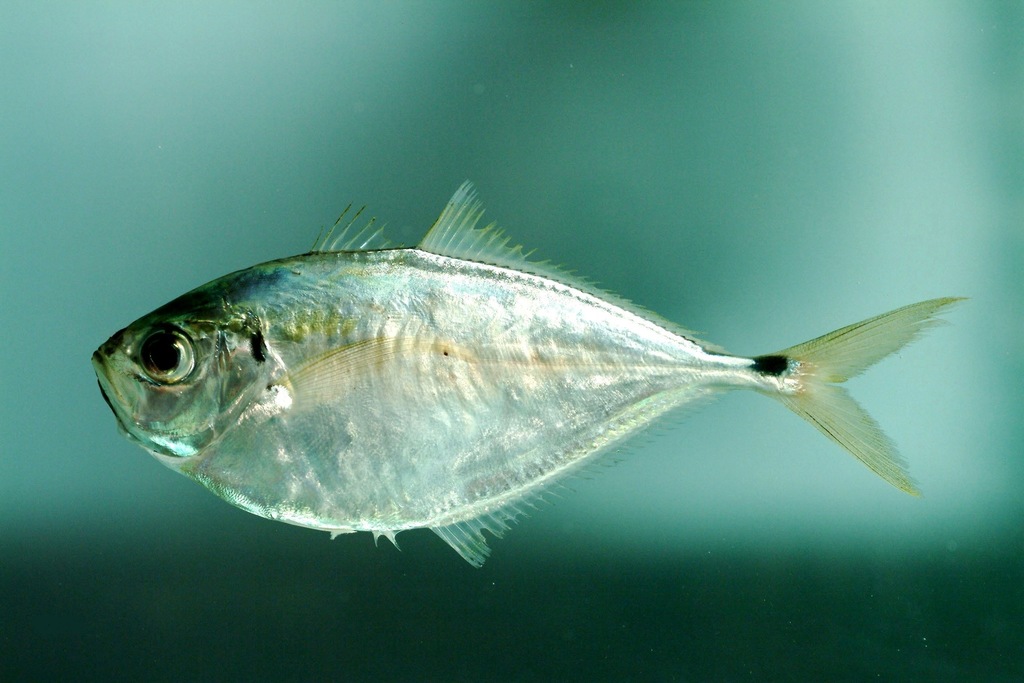
Atlantic Bumper
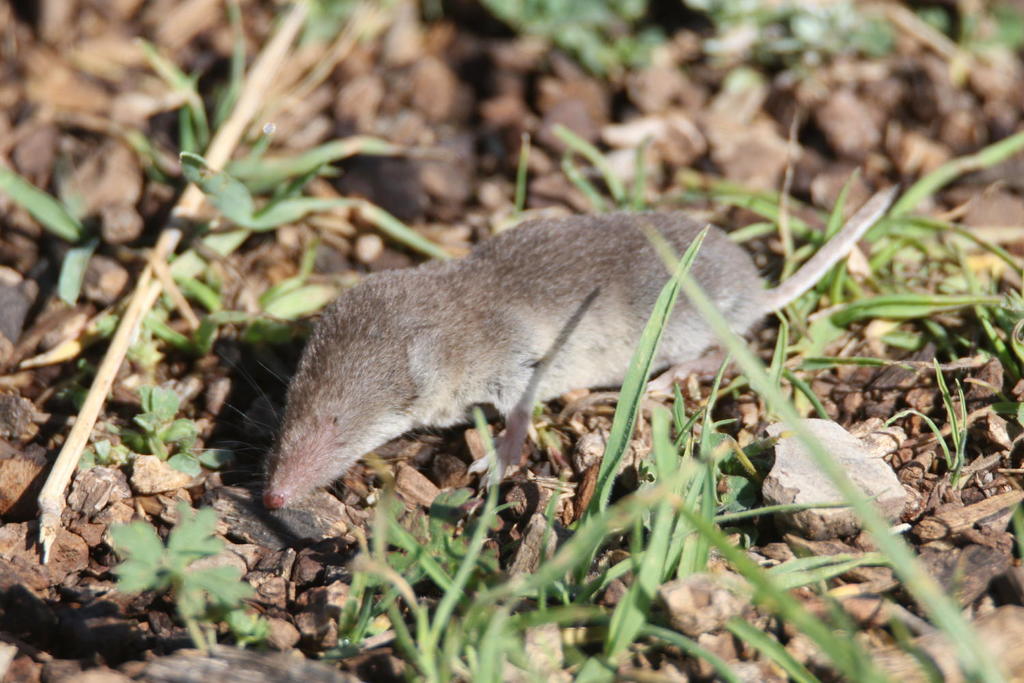
North American Least Shrew

Milkfish
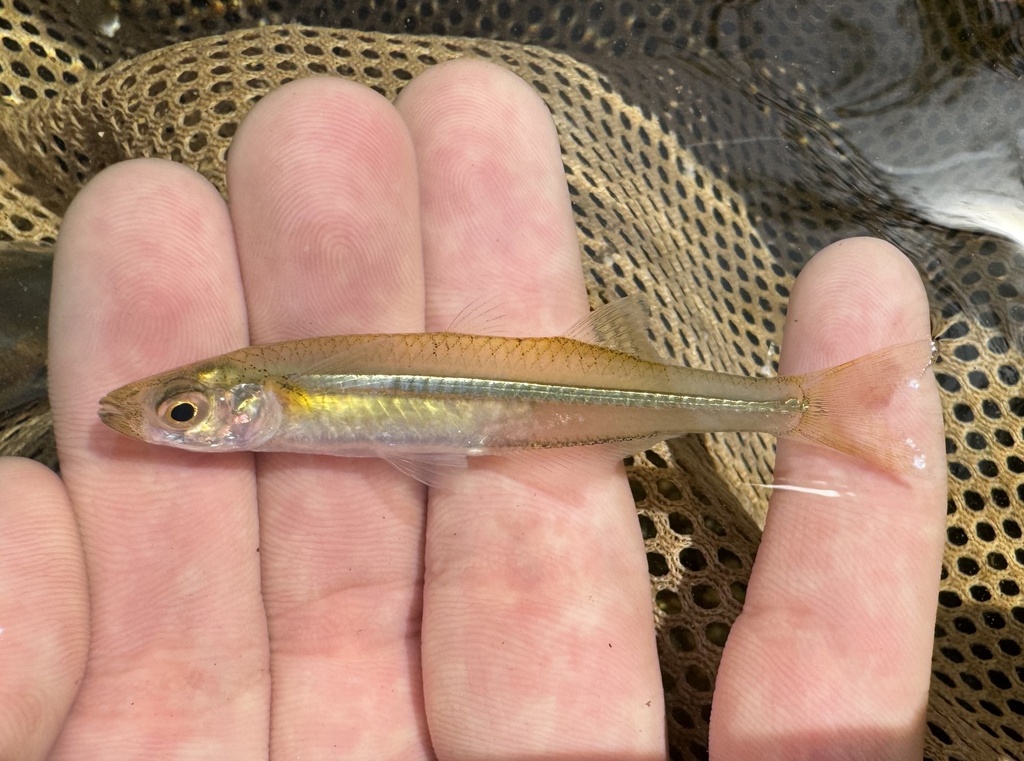
Inland Silverside
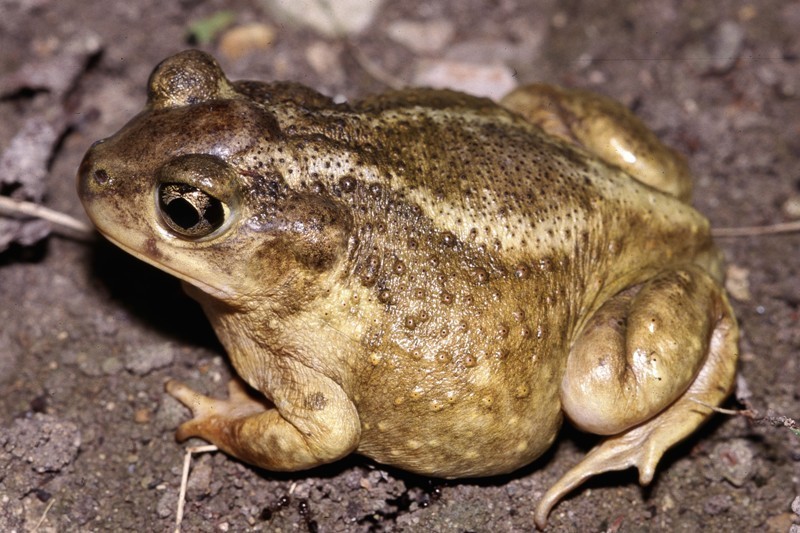
Hurter's Spadefoot

Canyon Bat

Sandbar Shark

Kelp Rockfish

Redfin Needlefish
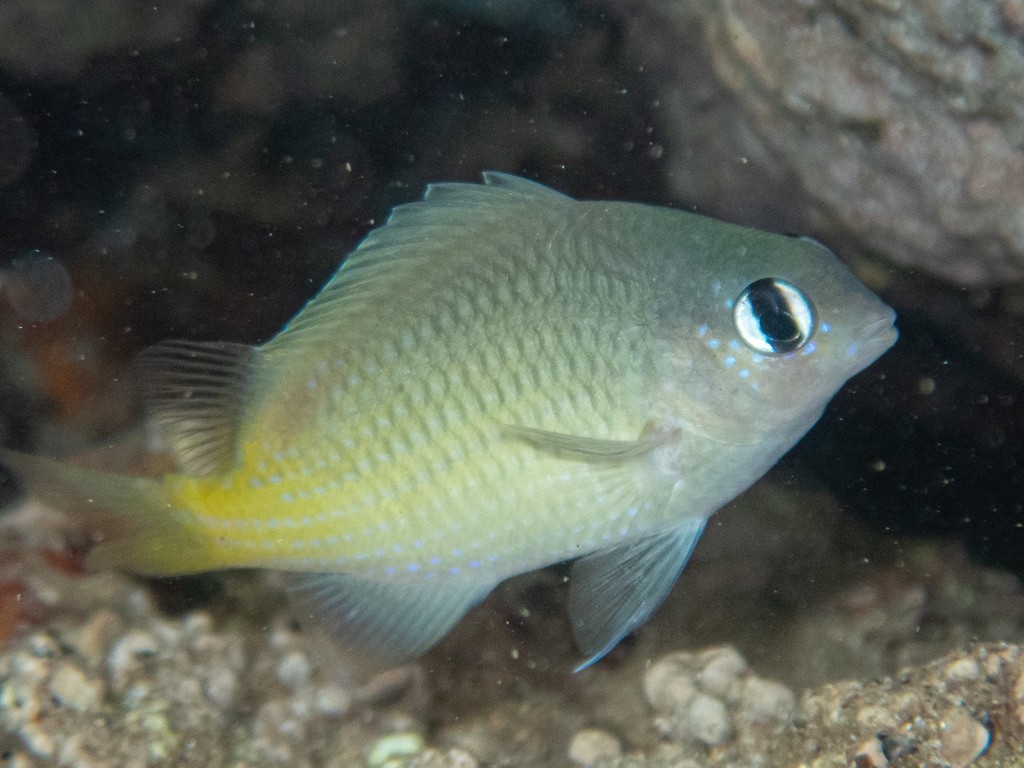
Bright-eye Damsel

Spiny Dogfish
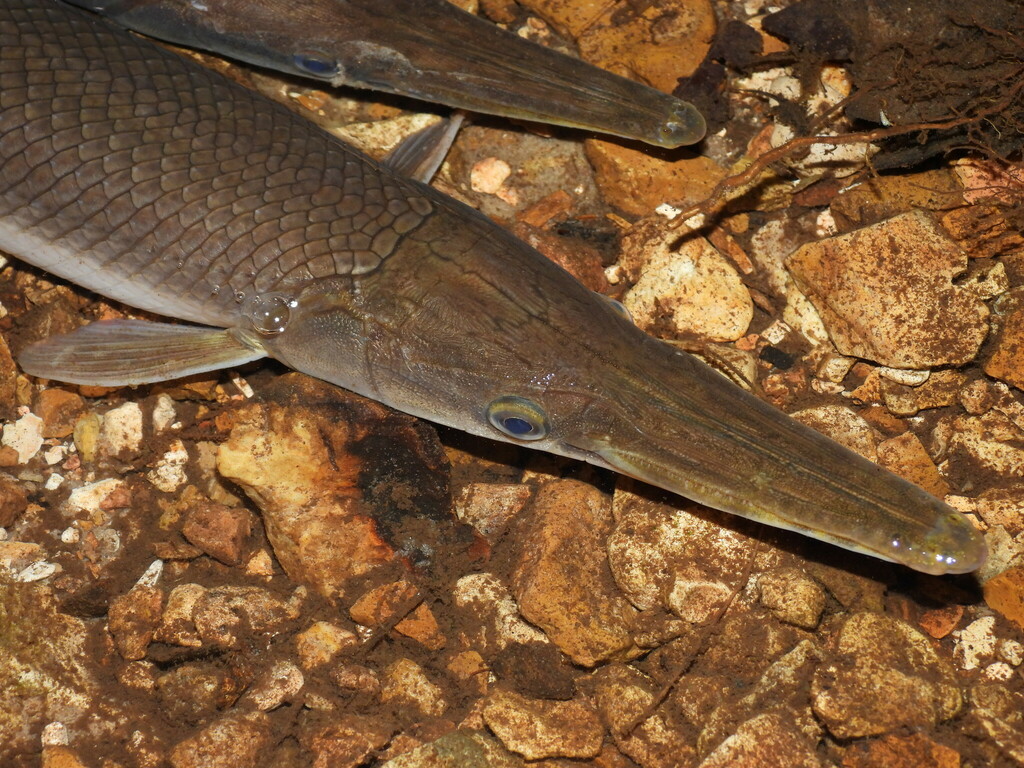
Shortnose Gar

Rainwater Killifish

Nelson's Antelope Squirrel
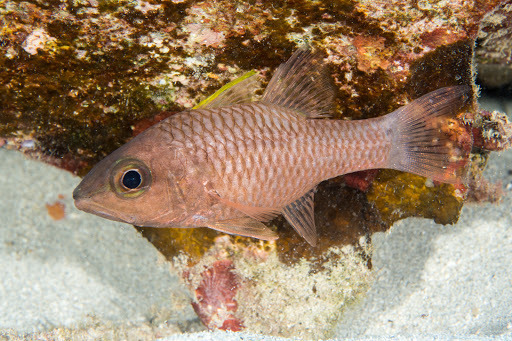
Iridescent Cardinalfish
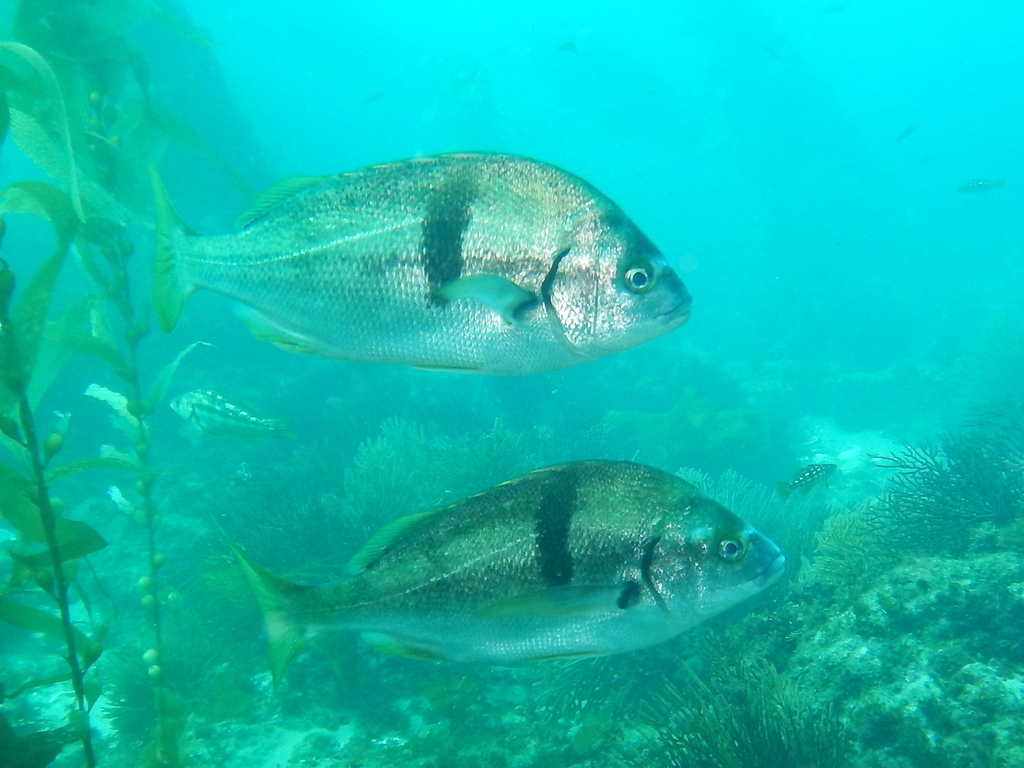
Sargo

Santa Lucia Mountains Slender Salamander

Sand Seatrout
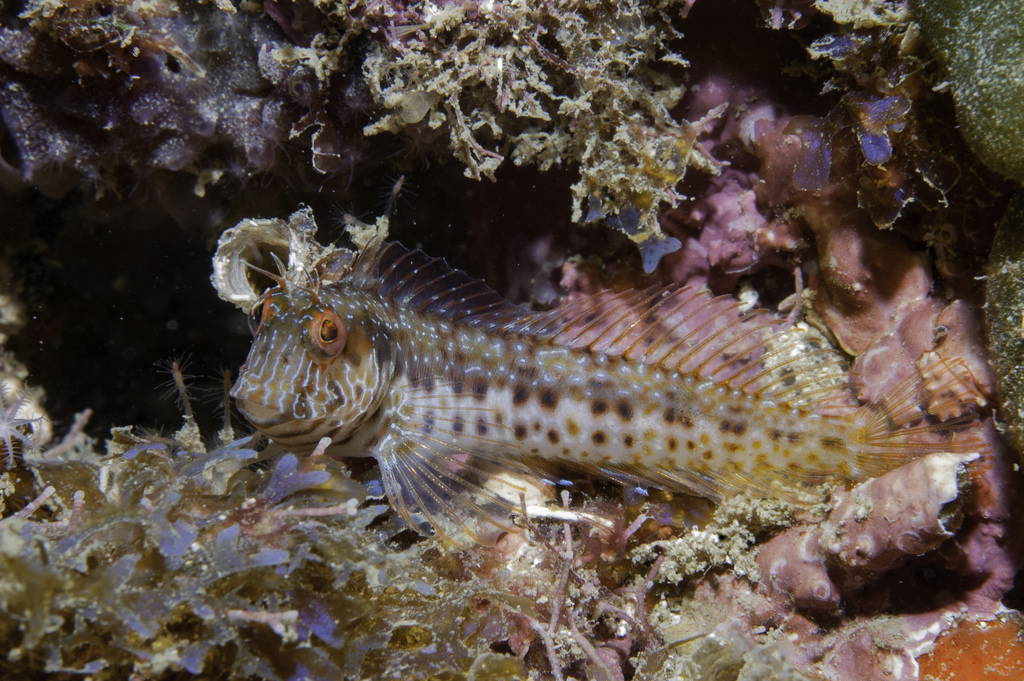
Seaweed Blenny
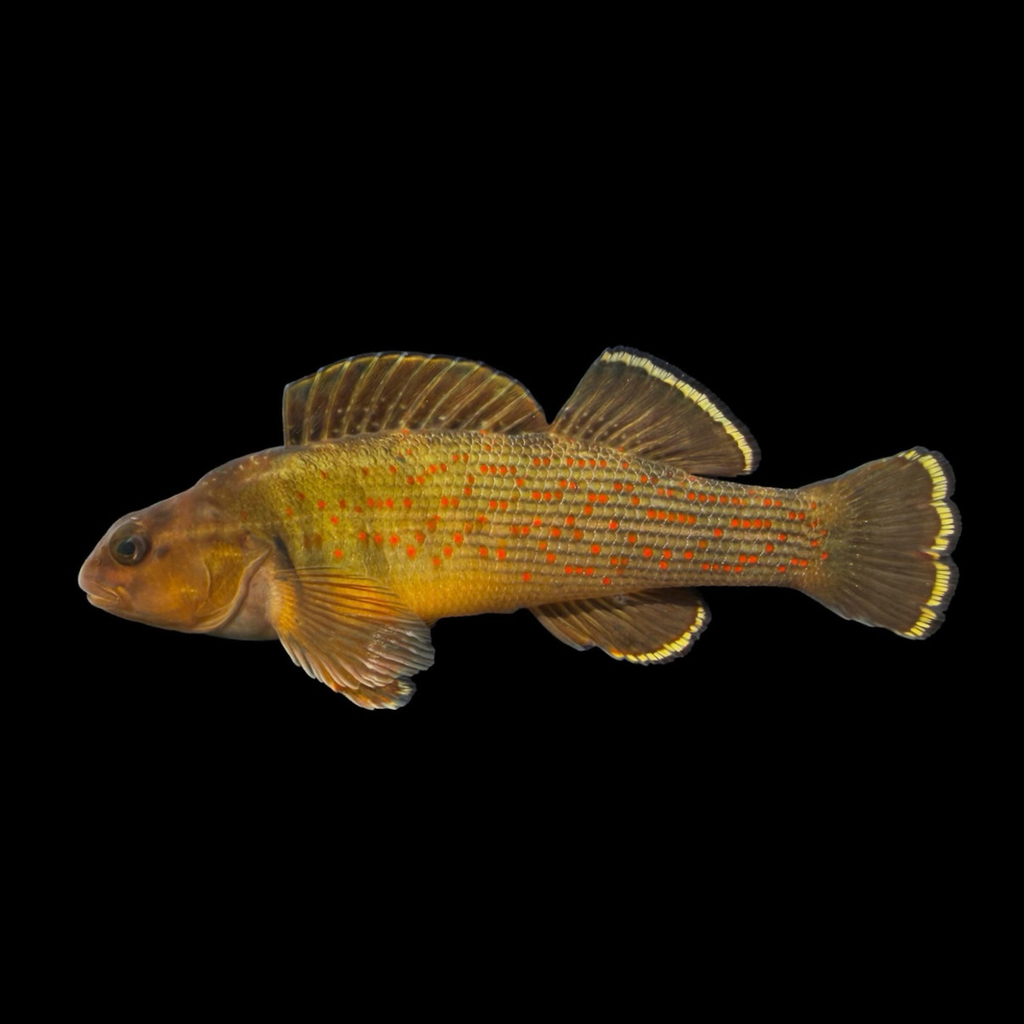
Bluebreast Darter

Hogchoker
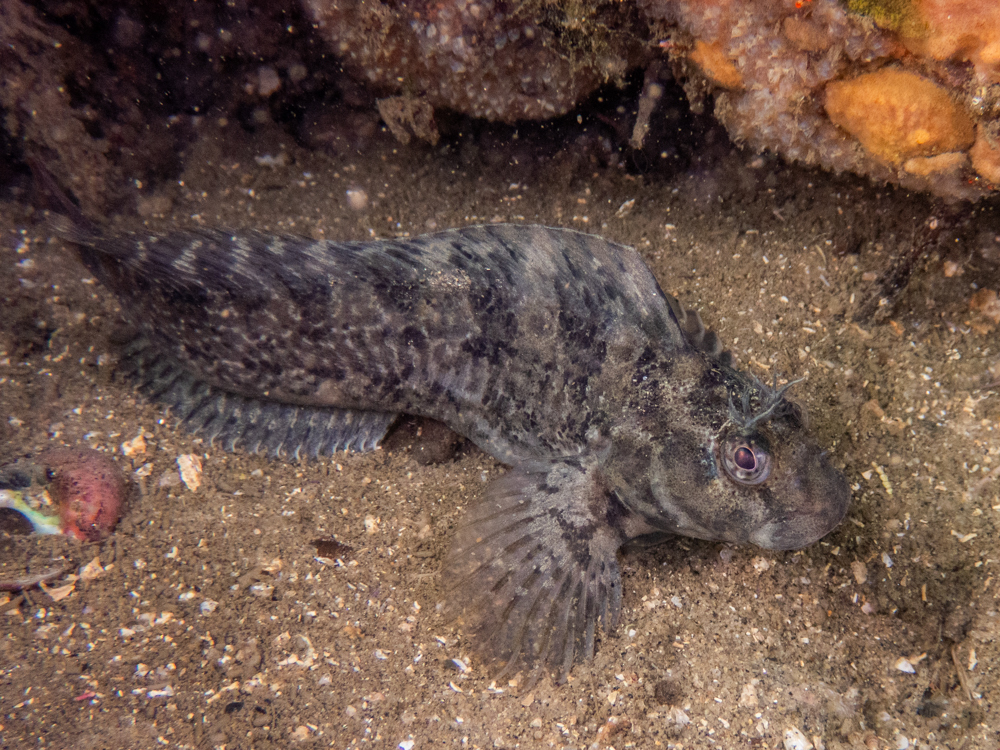
Notchbrow Blenny
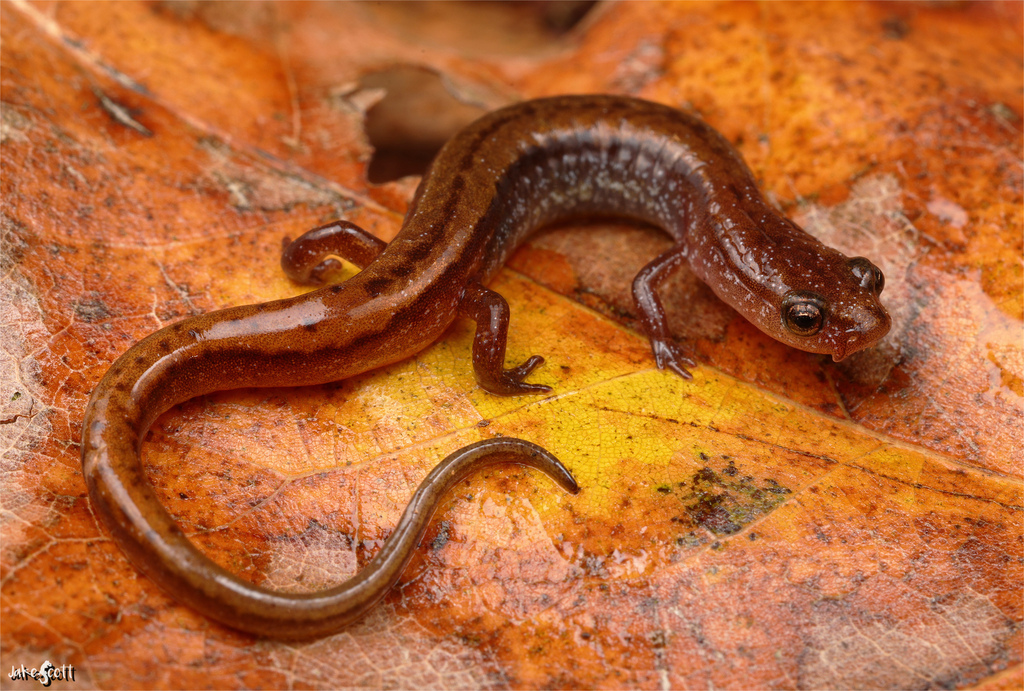
Western Dwarf Salamander

Hawaiian Cleaner Wrasse
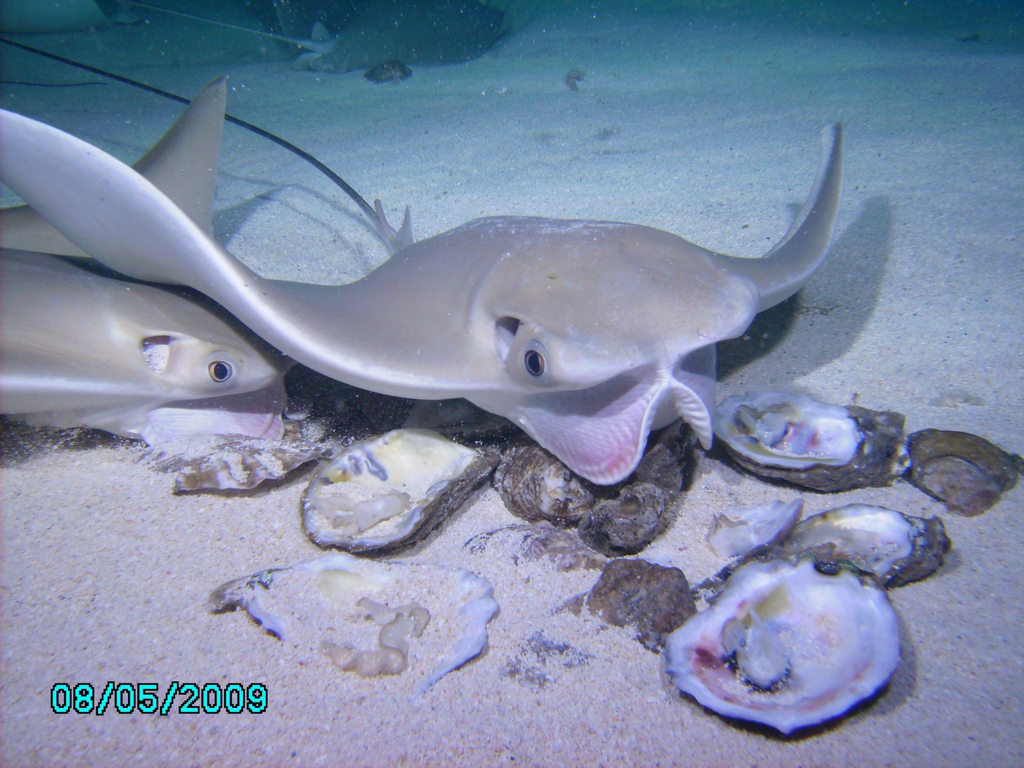
Cow-nosed Ray

Bay Anchovy
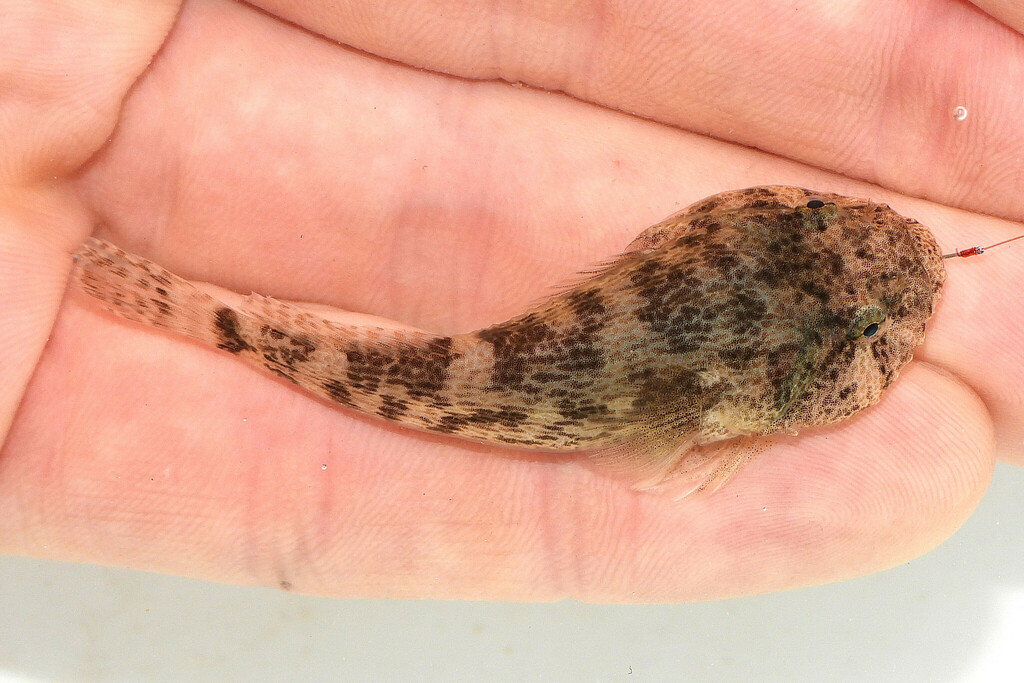
Skilletfish

Silver Redhorse

Texan Tetra
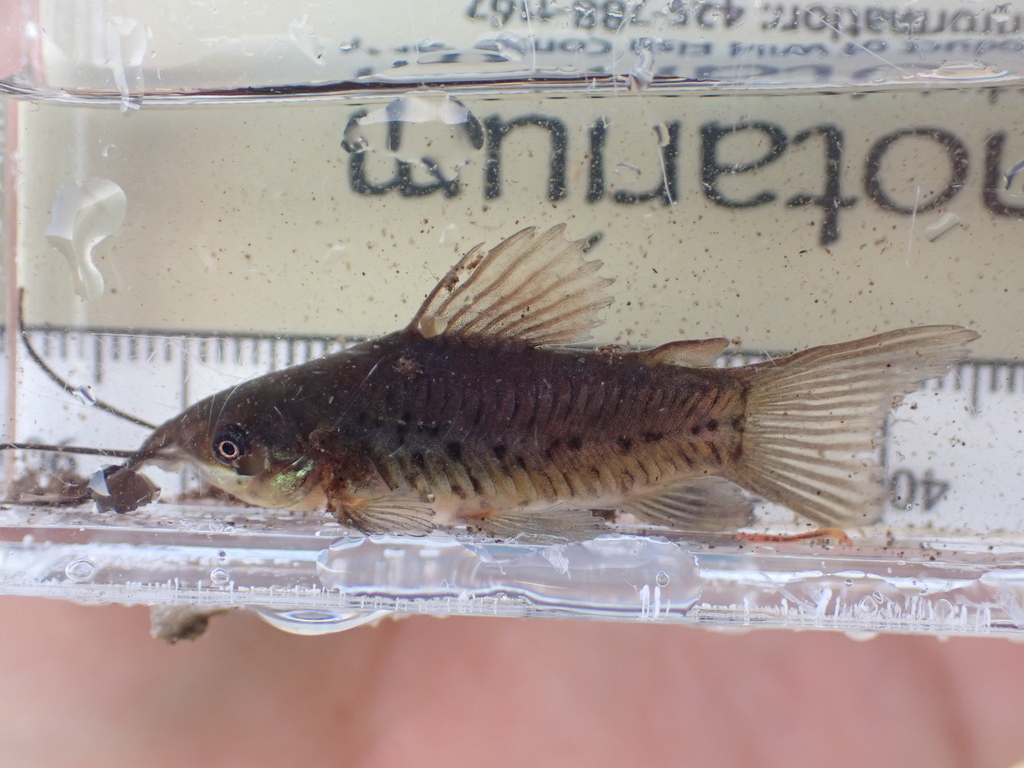
Brown Hoplo
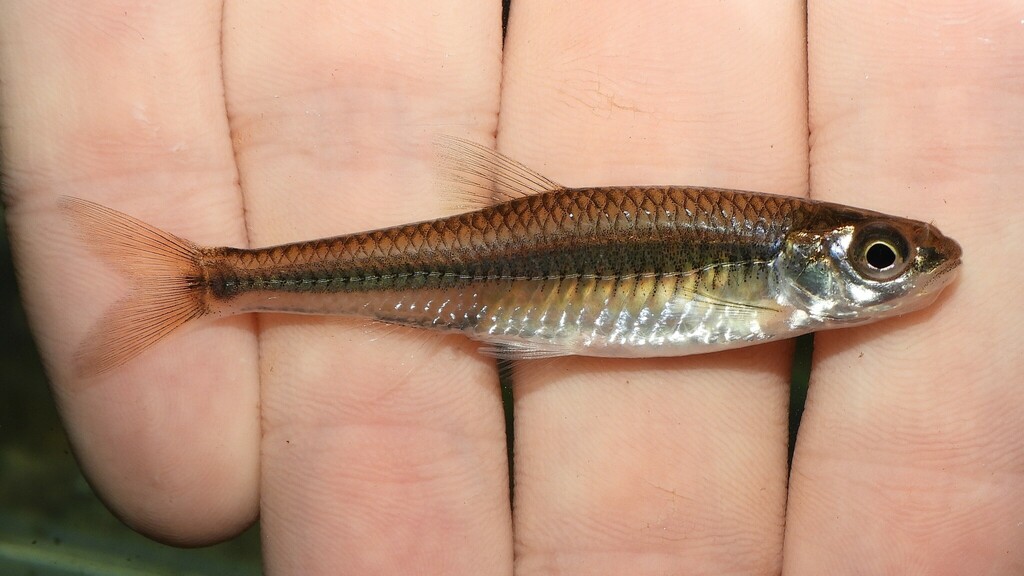
Mimic Shiner

Whip Coral Goby

Attwater's Pocket Gopher
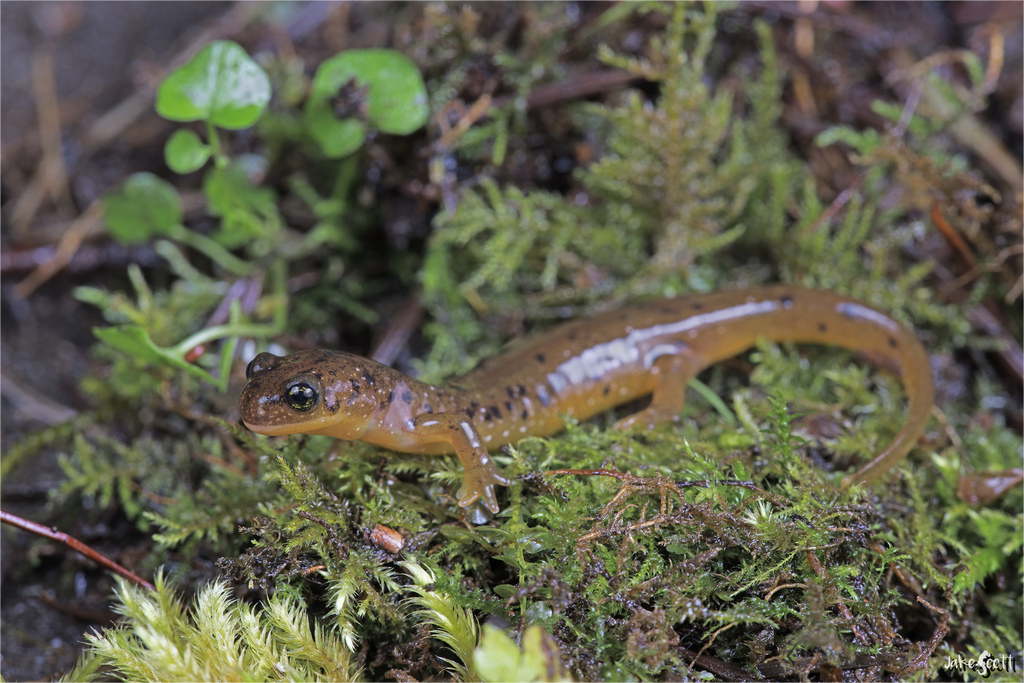
Cascade Torrent Salamander

Sacramento Sucker
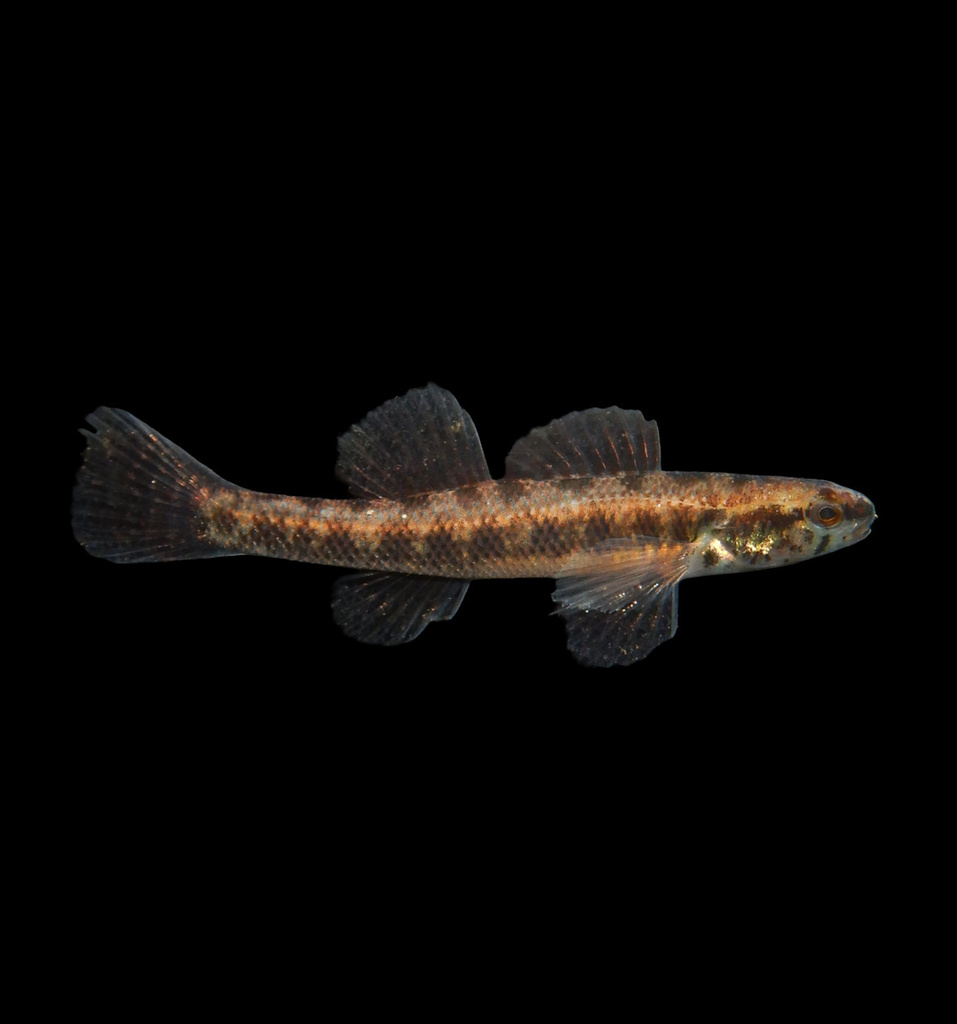
Swamp Darter
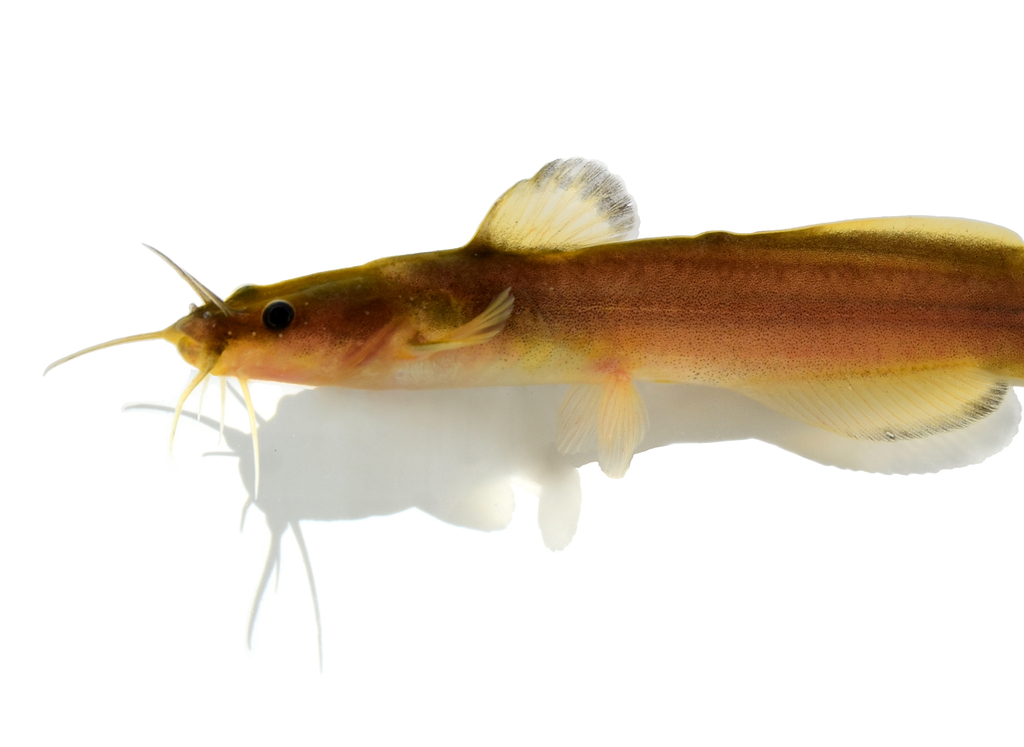
Slender Madtom
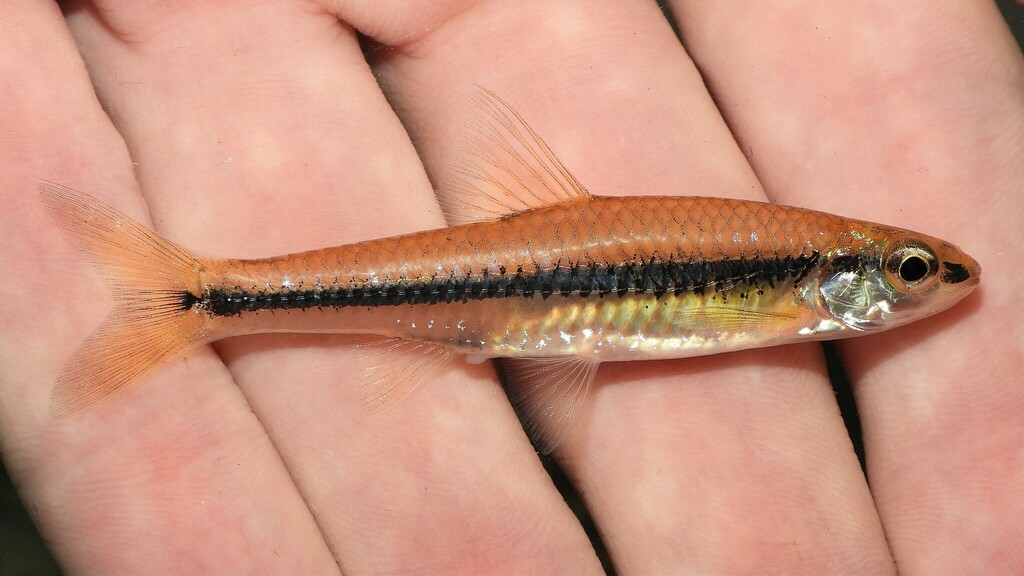
Swallowtail Shiner

Atlantic White-sided Dolphin

Wolf Eel
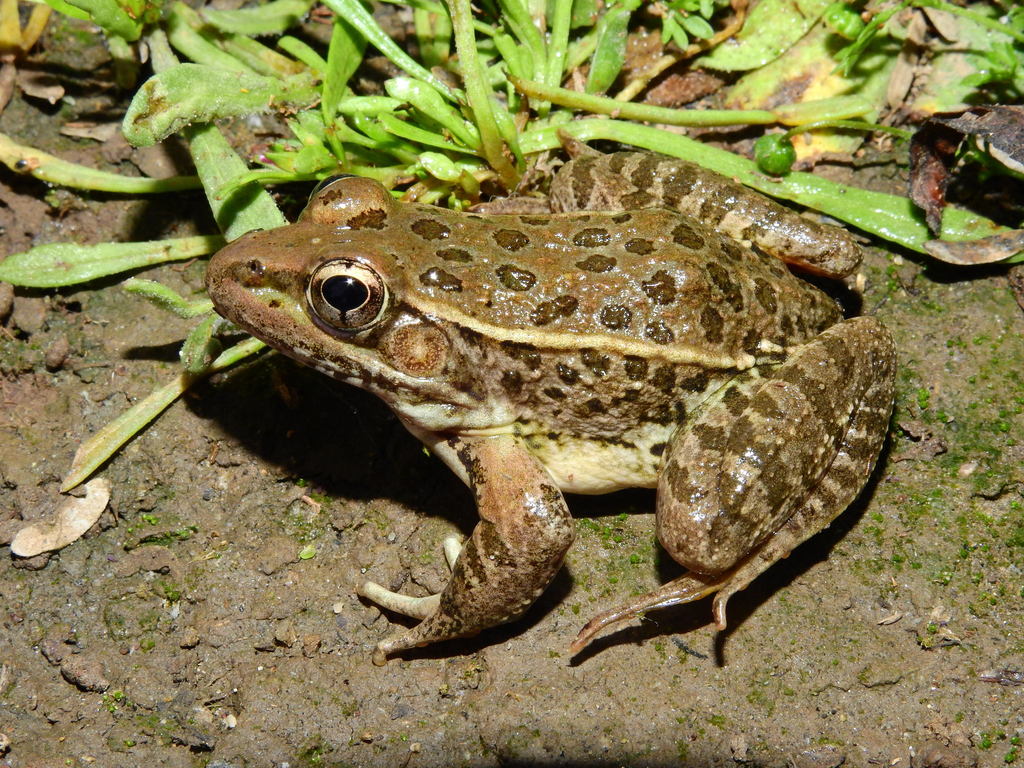
Lowland Leopard Frog

Webster's Salamander
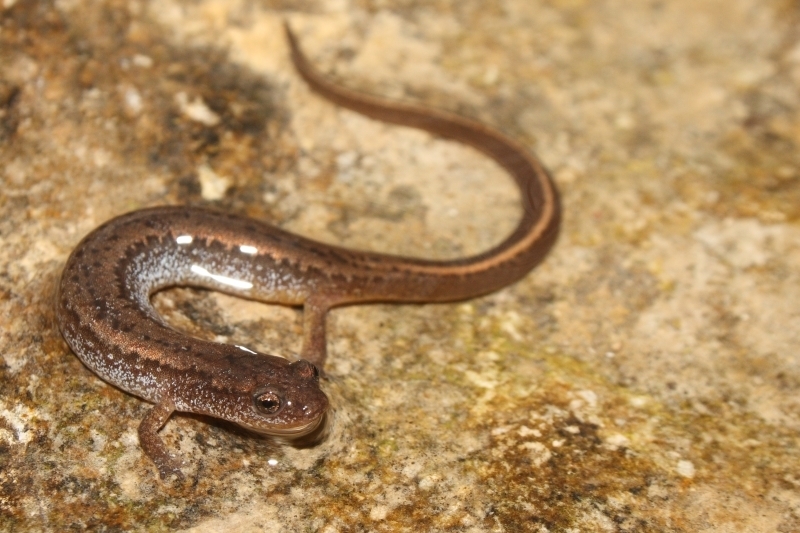
Oklahoma Salamander

Scup
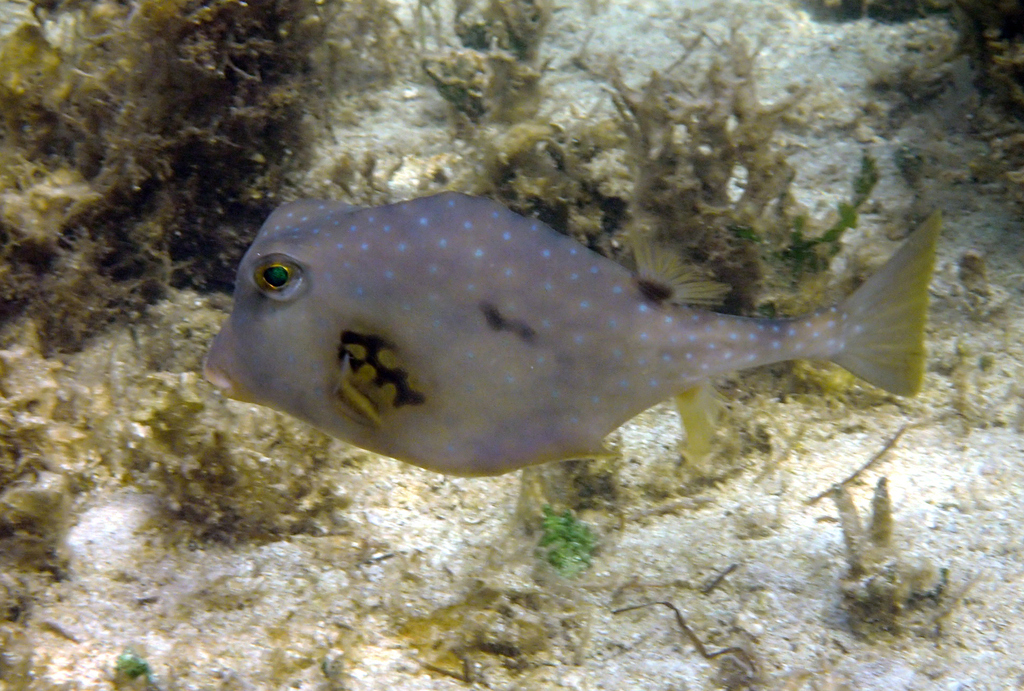
Buffalo Trunkfish
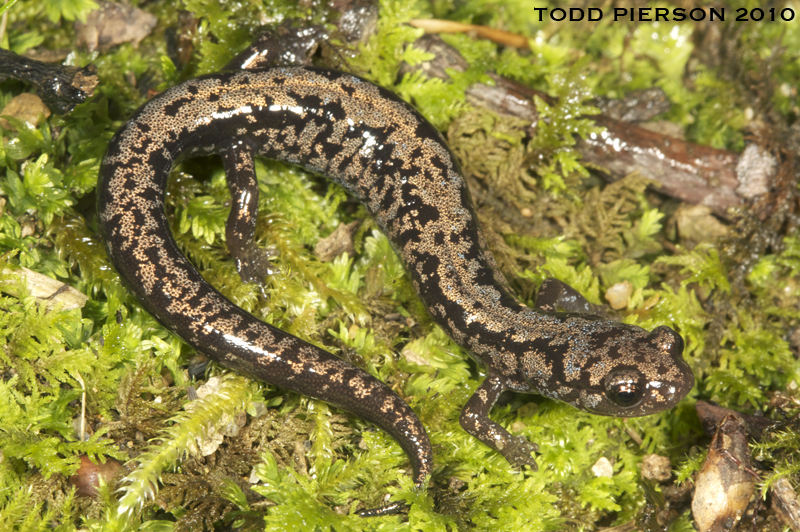
Weller's Salamander
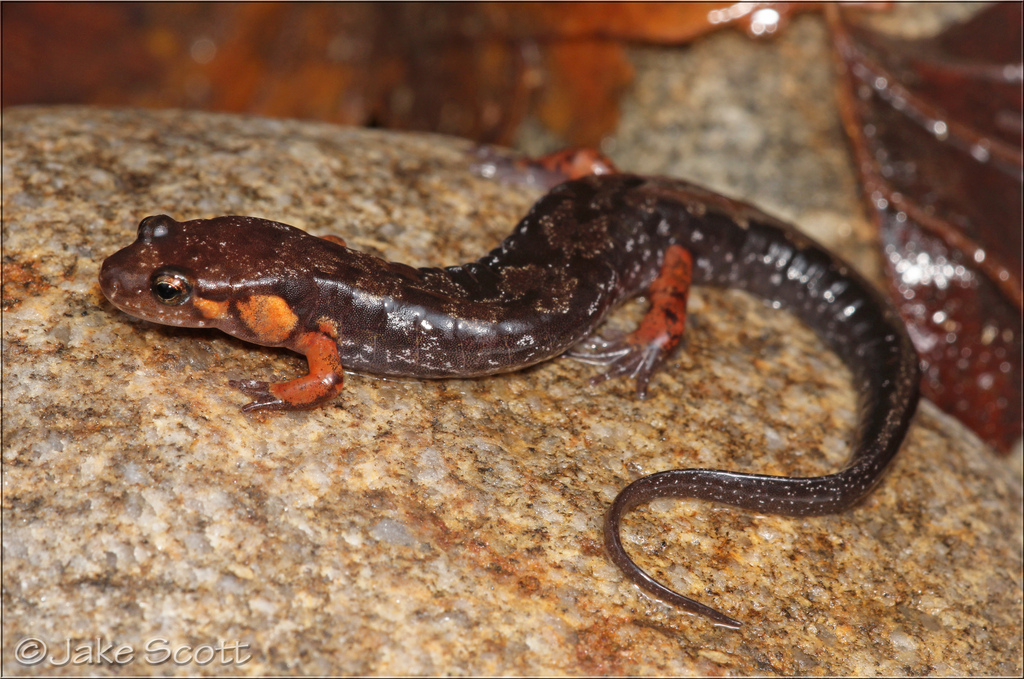
Ocoee Salamander

Yosemite Toad

Ringed Salamander
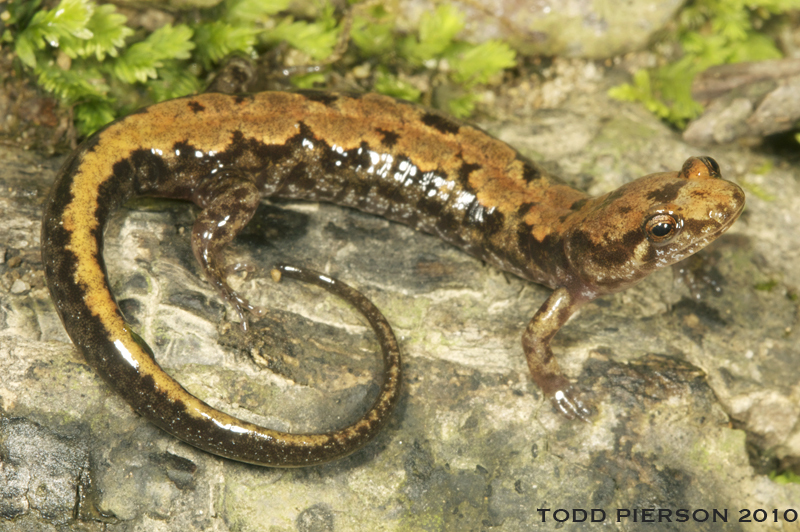
Carolina Mountain Dusky Salamander

Southeastern Myotis
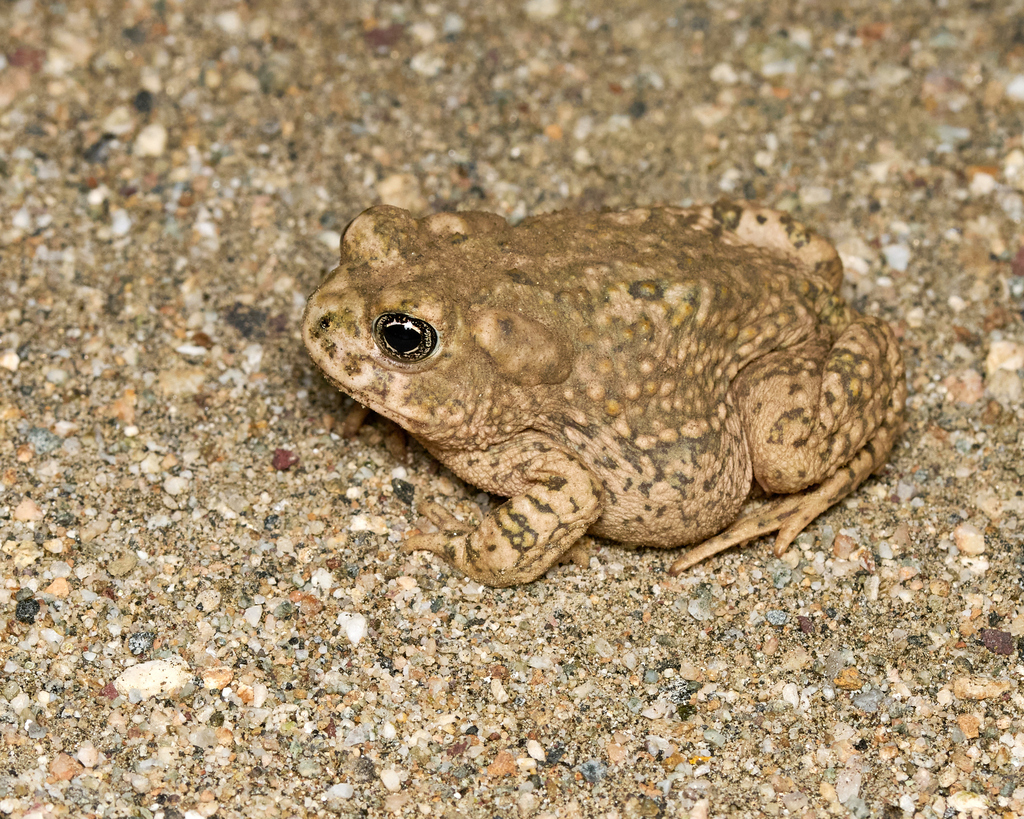
Arroyo Toad
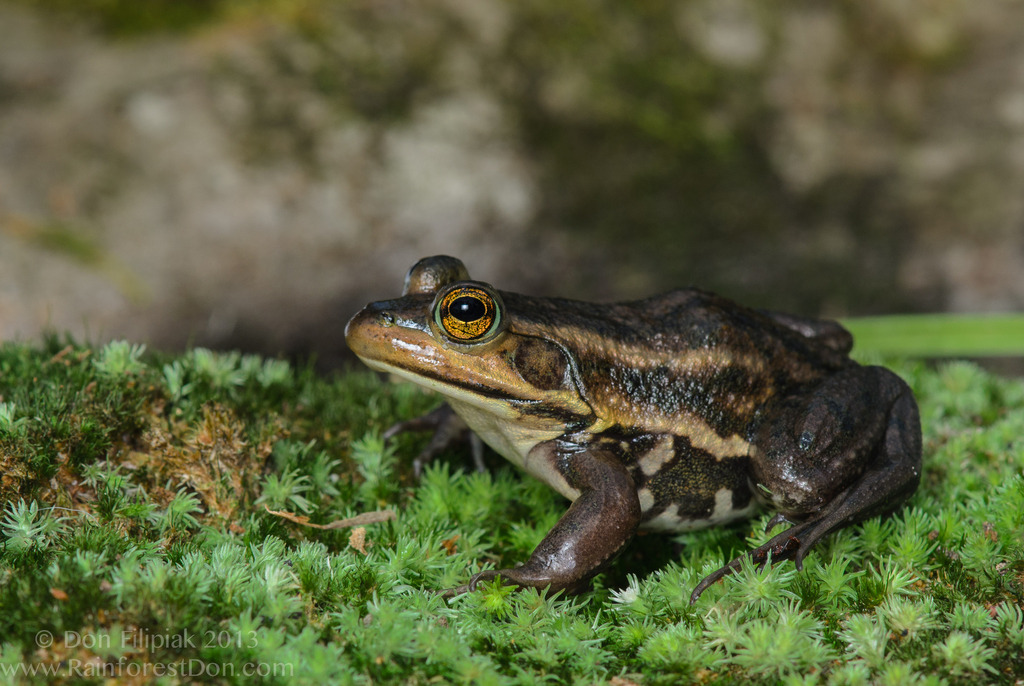
Carpenter Frog
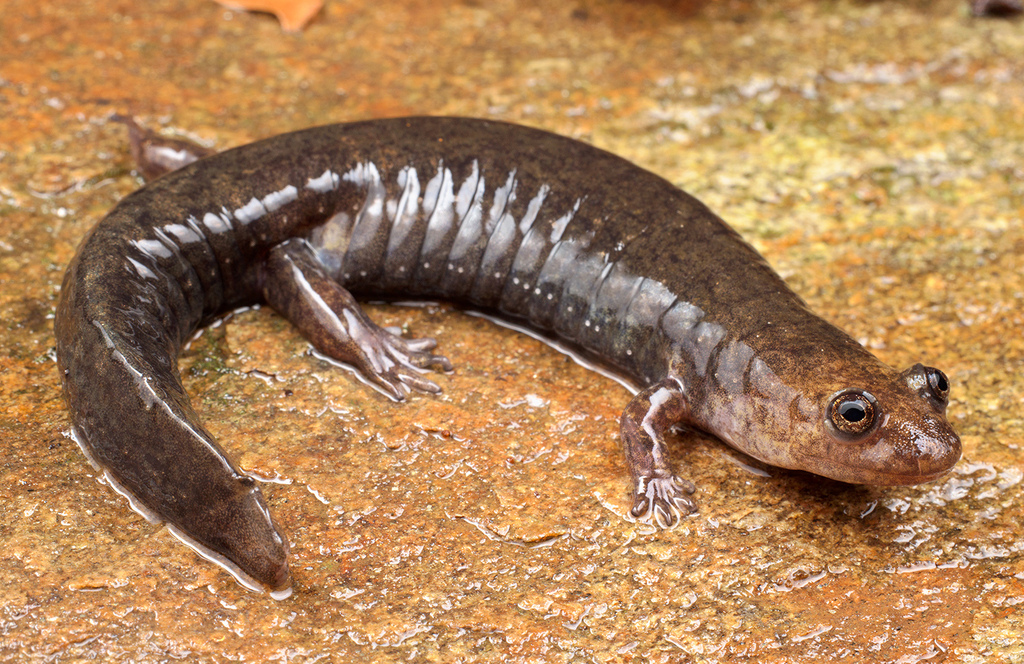
Kanawha Blackbelly Salamander
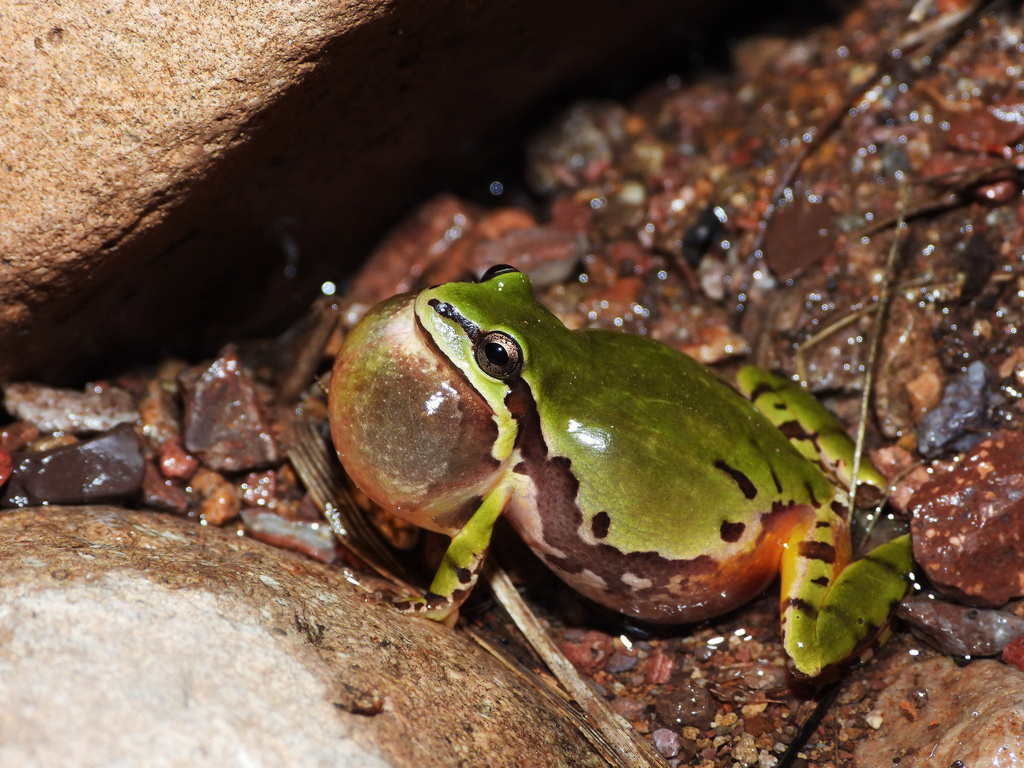
Arizona Tree Frog
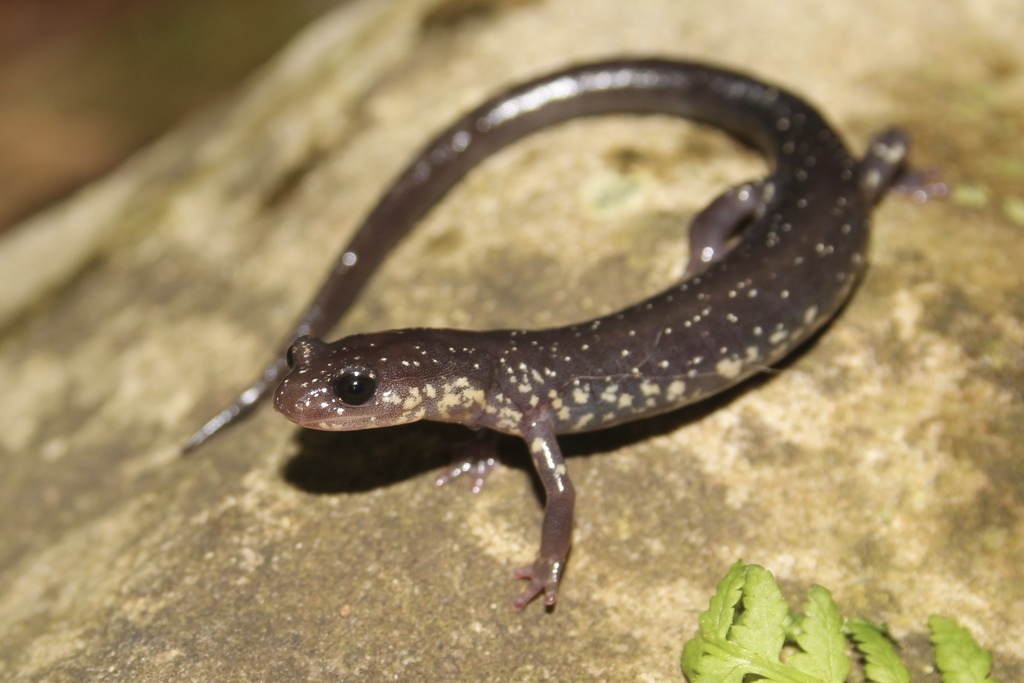
Wehrle's Salamander

Pygmy Salamander
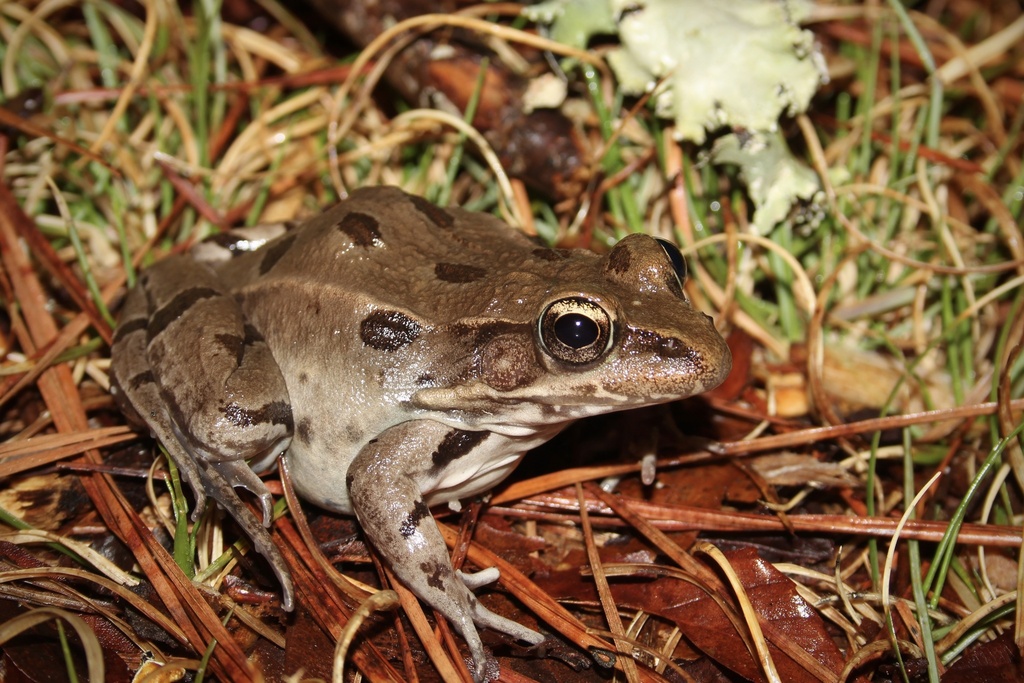
Atlantic Coast Leopard Frog
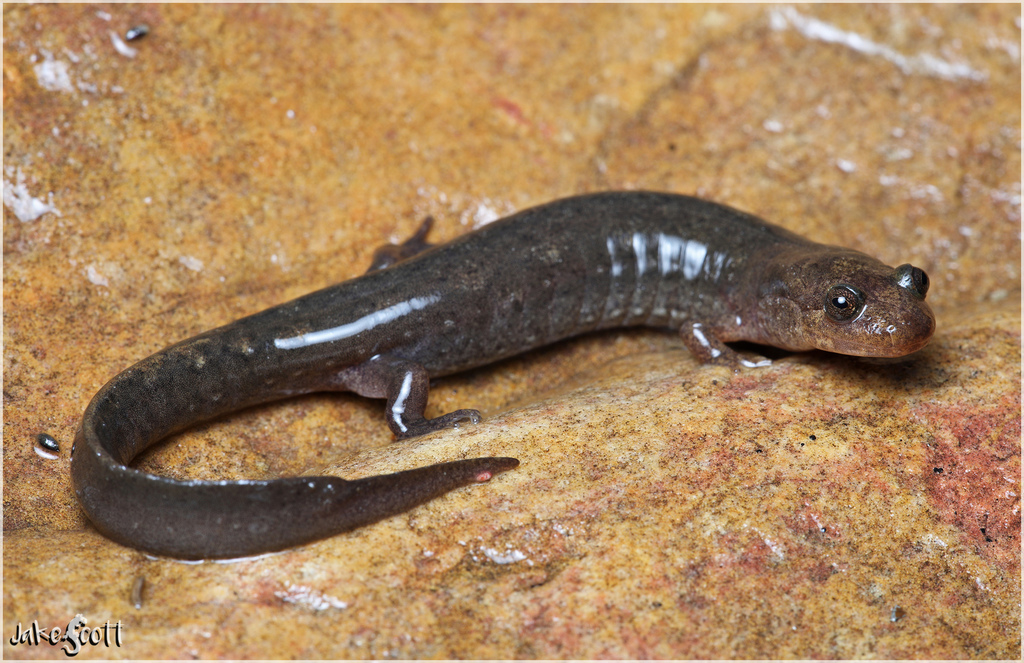
Ouachita Dusky Salamander

Pine Vole
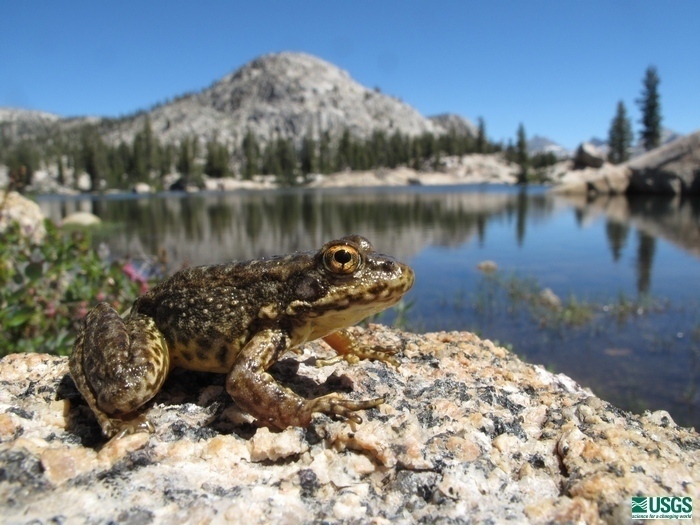
Sierra Nevada Yellow-legged Frog

Ord's Kangaroo Rat
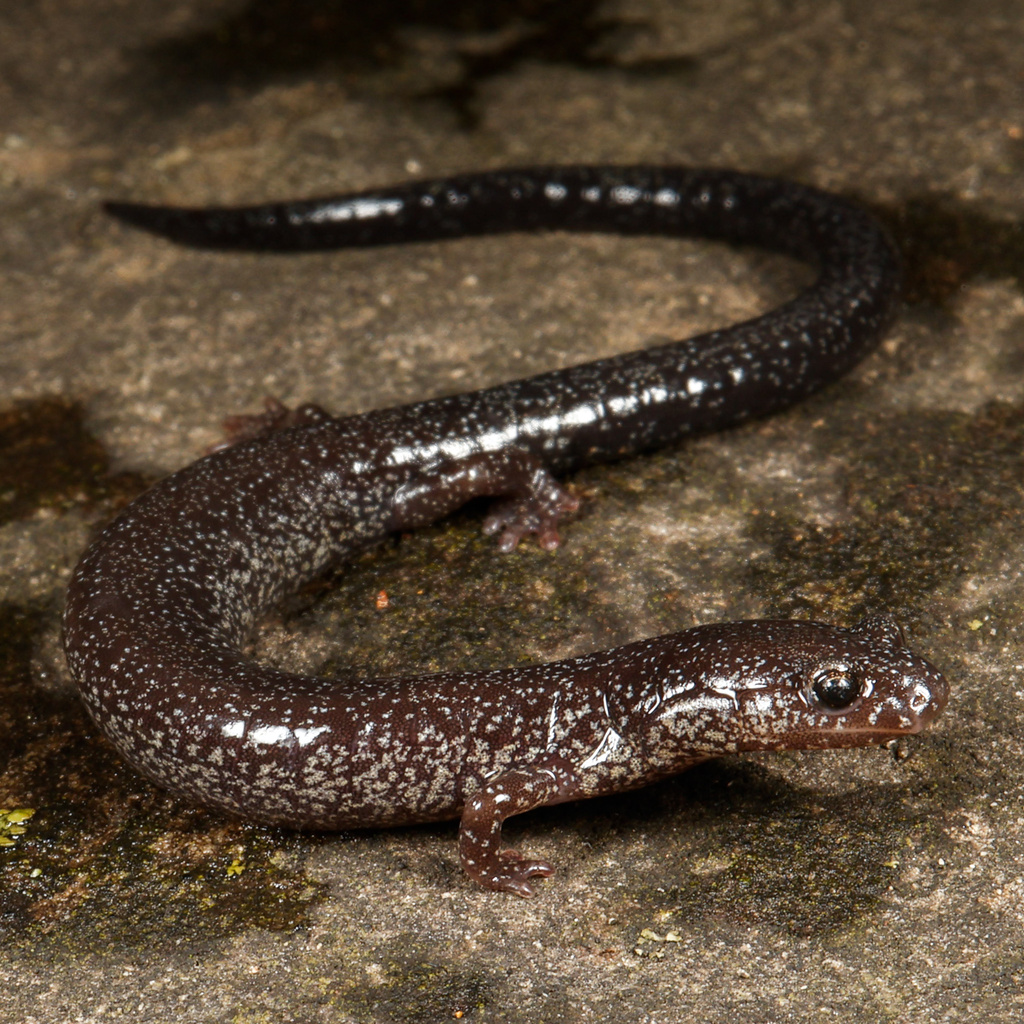
Northern Ravine Salamander
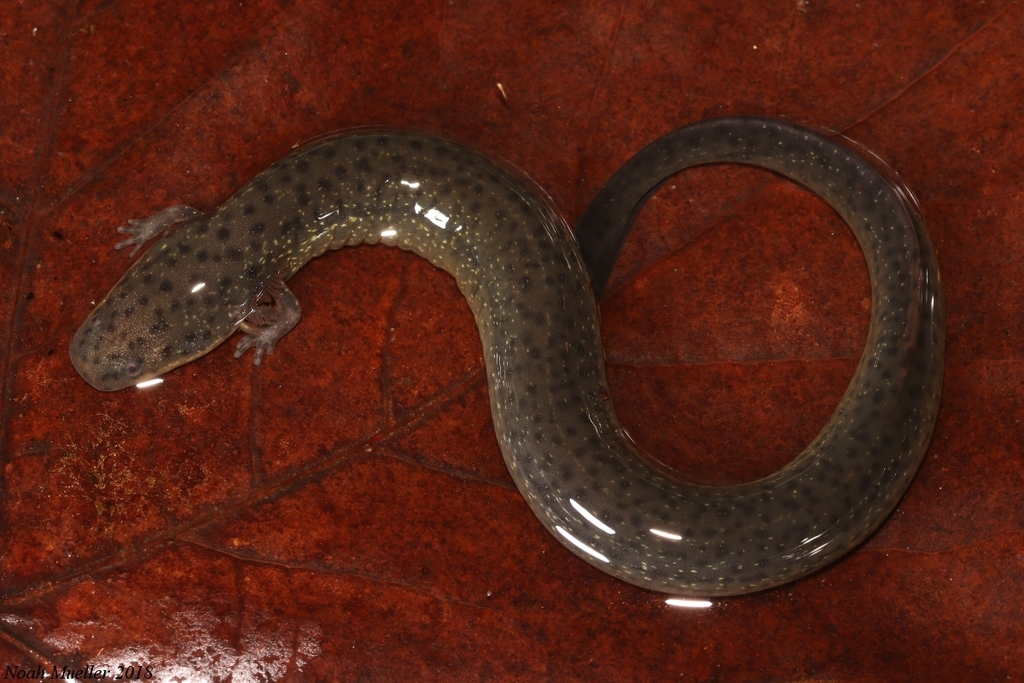
Greater Siren

Northern Red-backed Vole

Hellbender

Western Spotted Skunk

Desert Kangaroo Rat

Red-legged Salamander

Desert Spotted Skunk
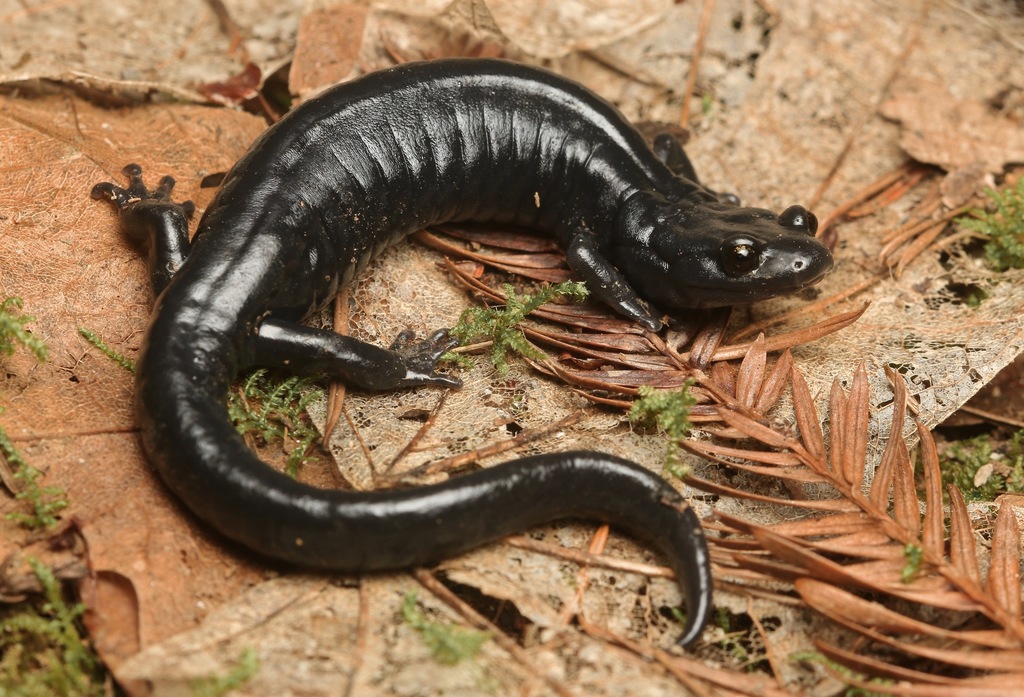
Santa Cruz Black Salamander

Southeastern Pocket Gopher

White-throated Woodrat

Baird's Pocket Gopher

Gambel's Deer Mouse
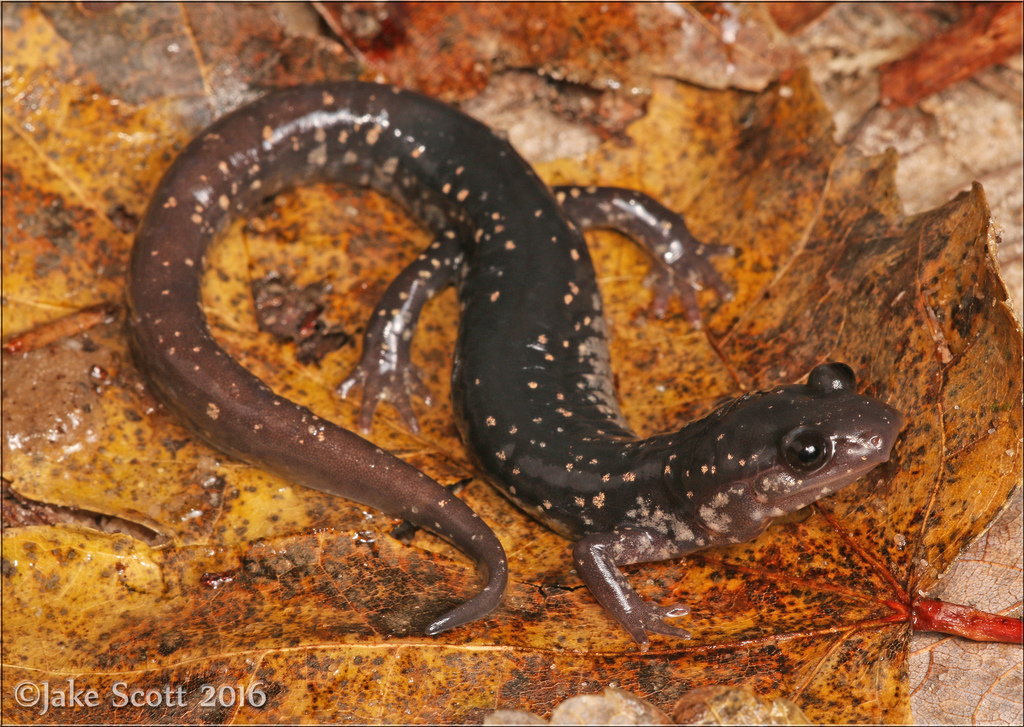
Southeastern Slimy Salamander

Woodland Jumping Mouse

Eastern Woodrat

North Atlantic Right Whale

Texas Antelope Squirrel

Utah Prairie Dog
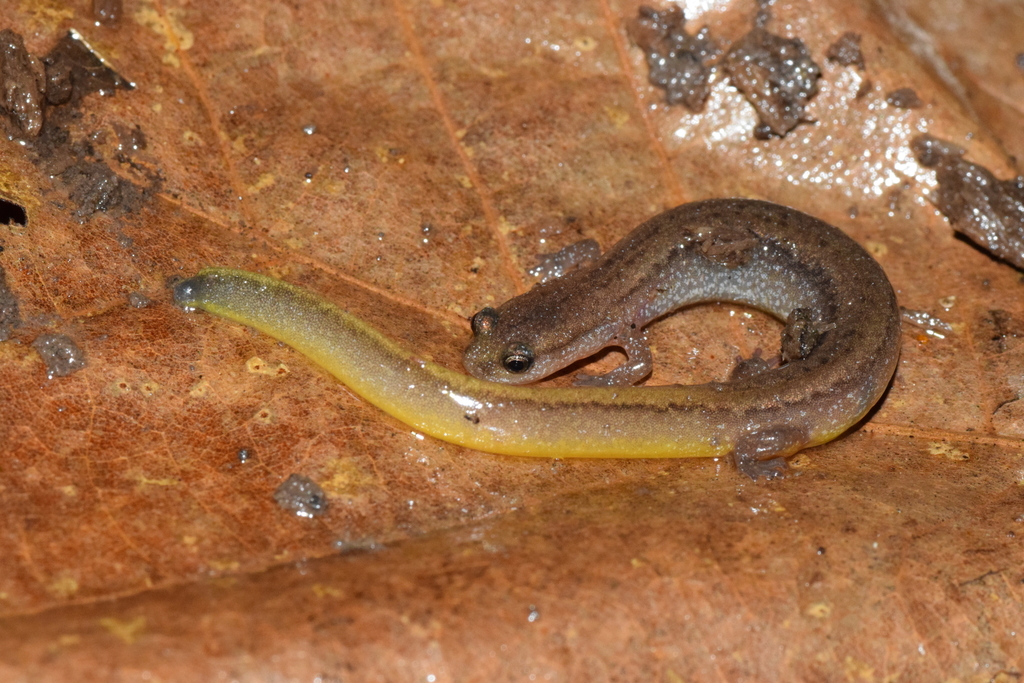
Many-ribbed Salamander
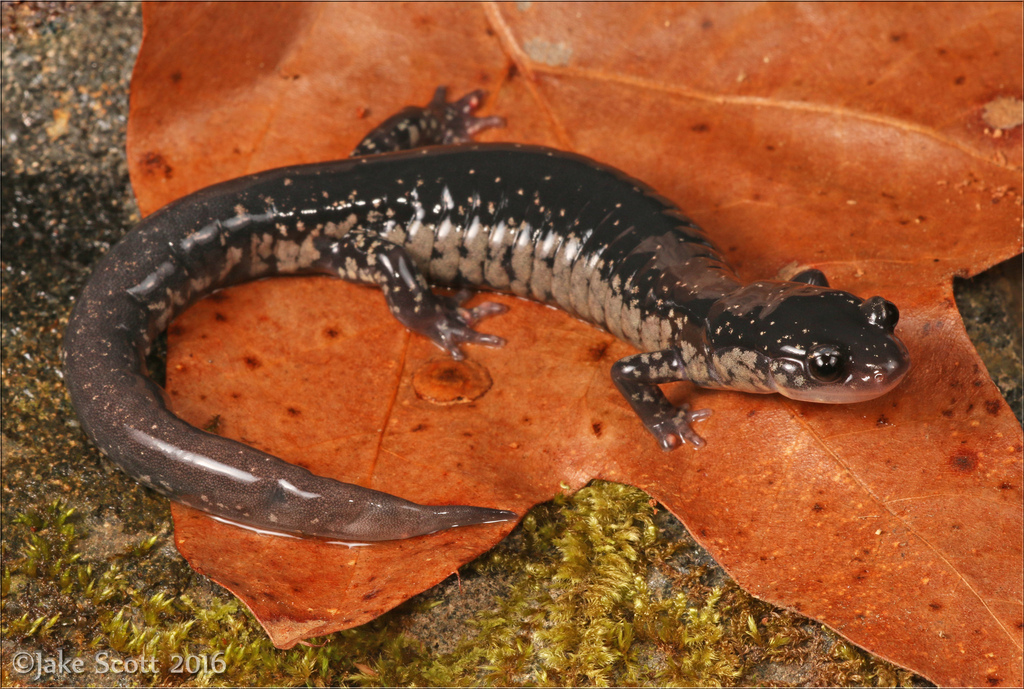
Chattahoochee Slimy Salamander

Arizona Cotton Rat

Colorado Chipmunk

Three-toed Amphiuma

Western Harvest Mouse
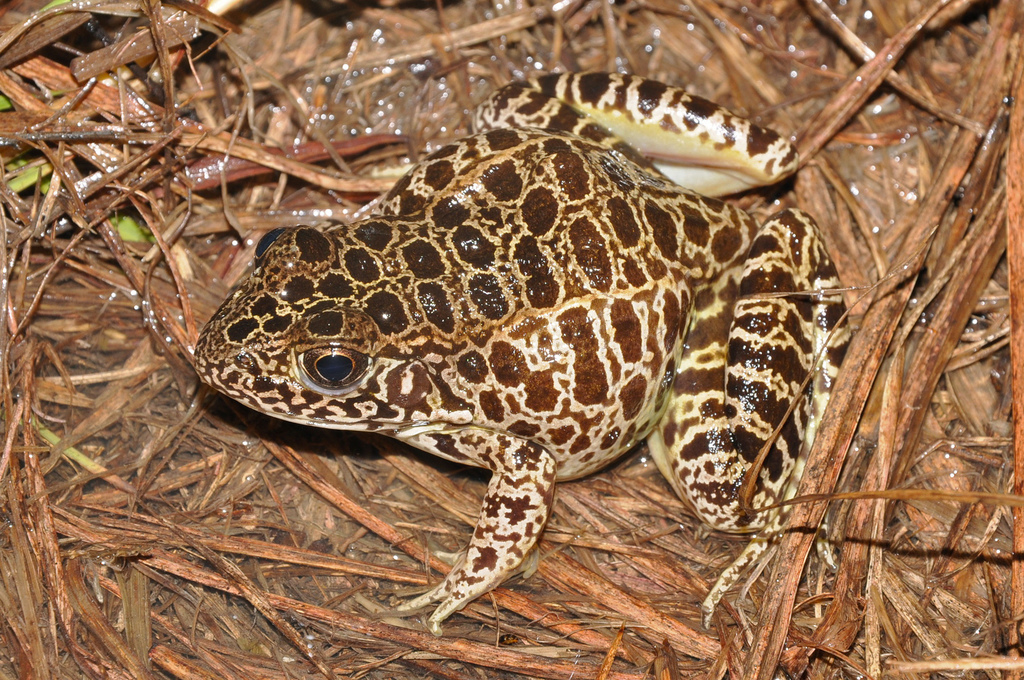
Crawfish Frog
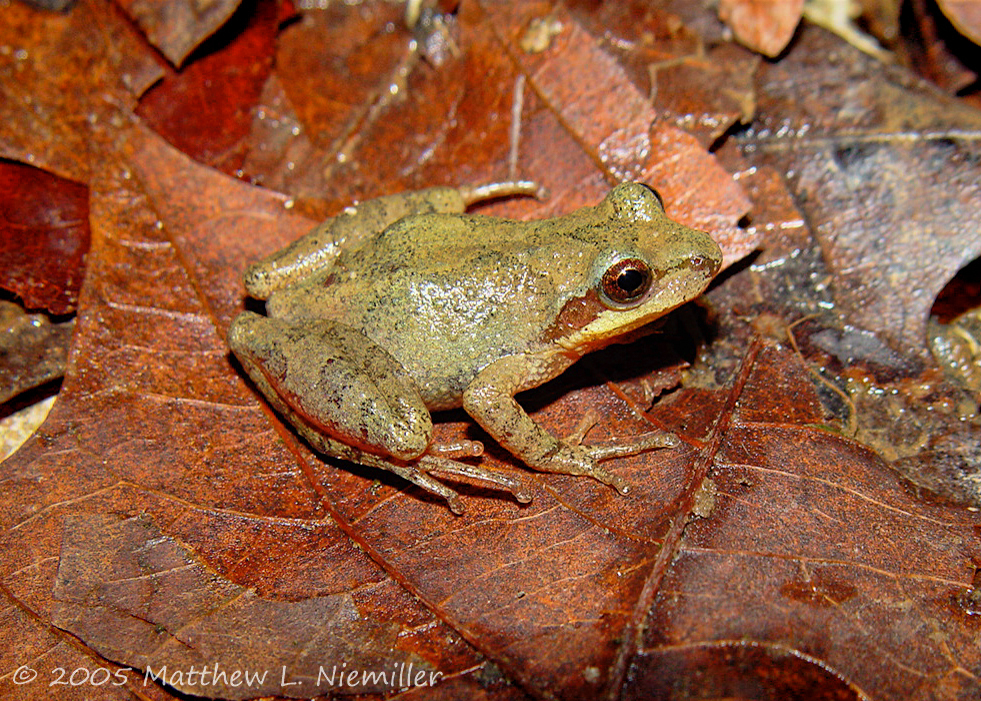
Mountain Chorus Frog

Rich Mountain Salamander

Big-eared Woodrat

Cuvier's Beaked Whale
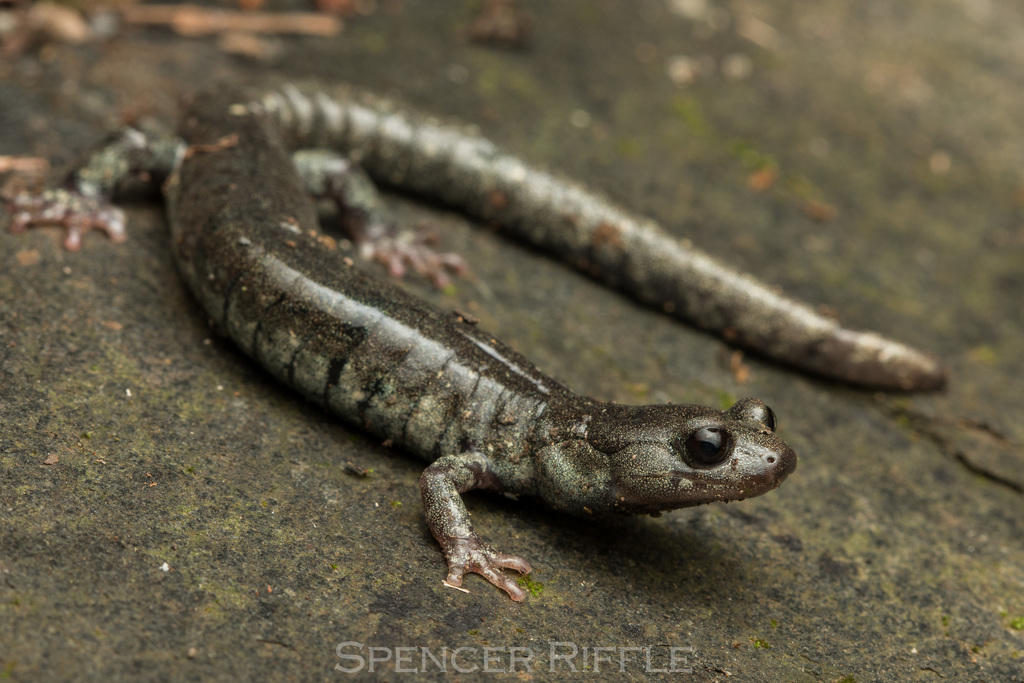
Klamath Black Salamander
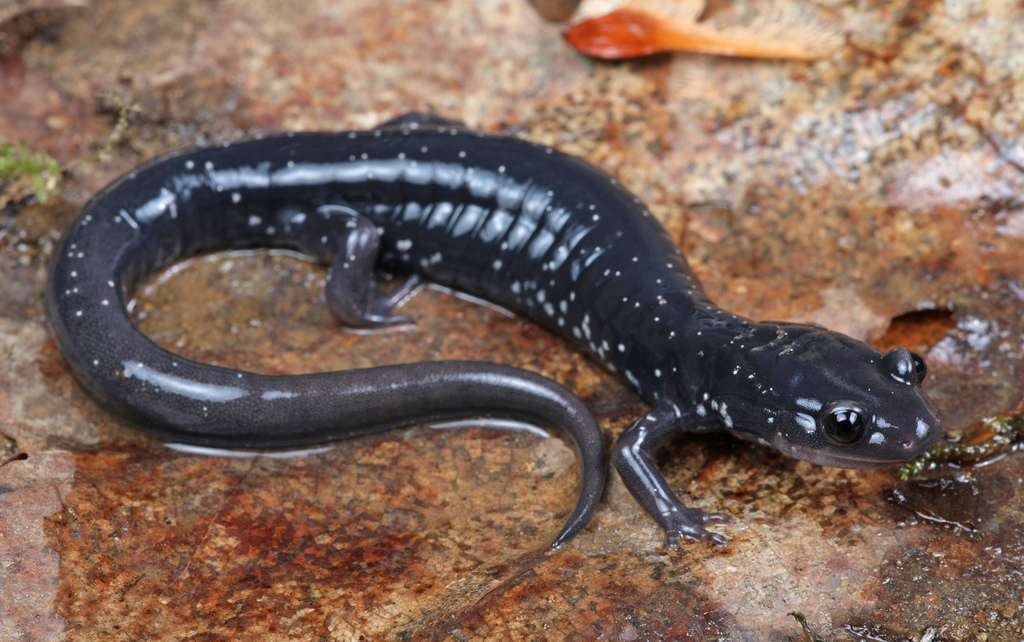
Southern Appalachian Salamander
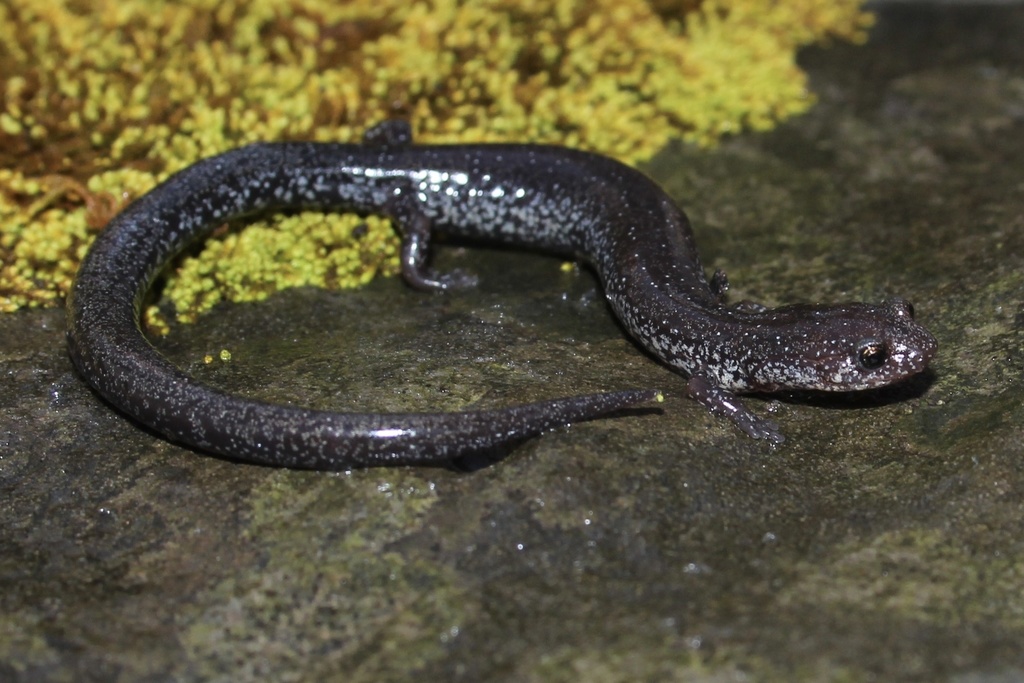
Valley and Ridge Salamander
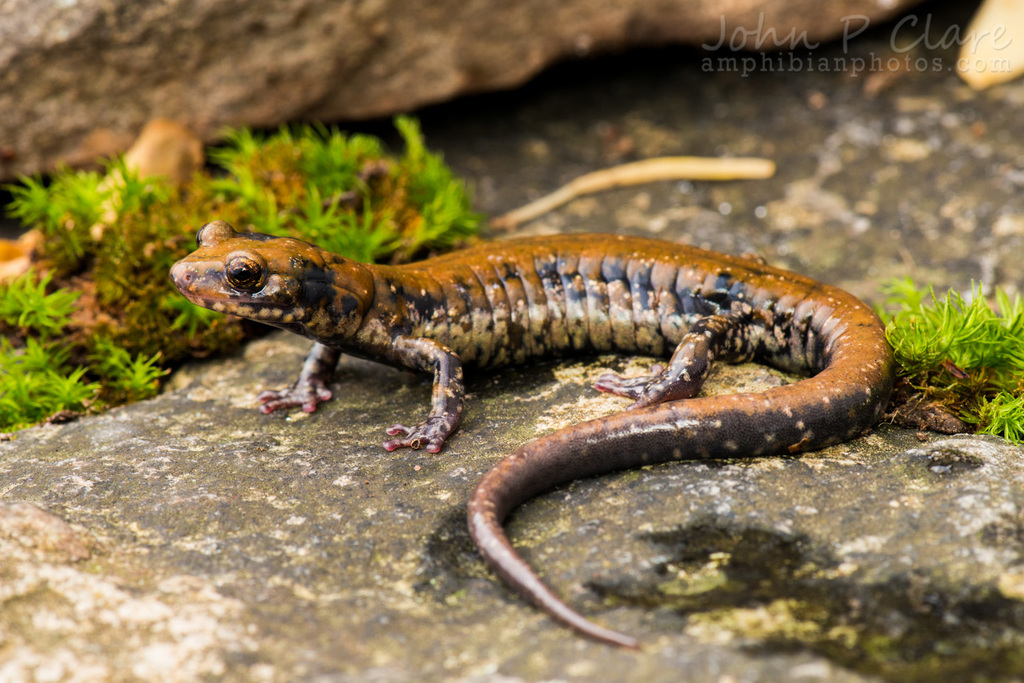
Pigeon Mountain Salamander

Mountain Beaver

Gray-footed Chipmunk

Southern Broad-footed Mole

Swift Fox
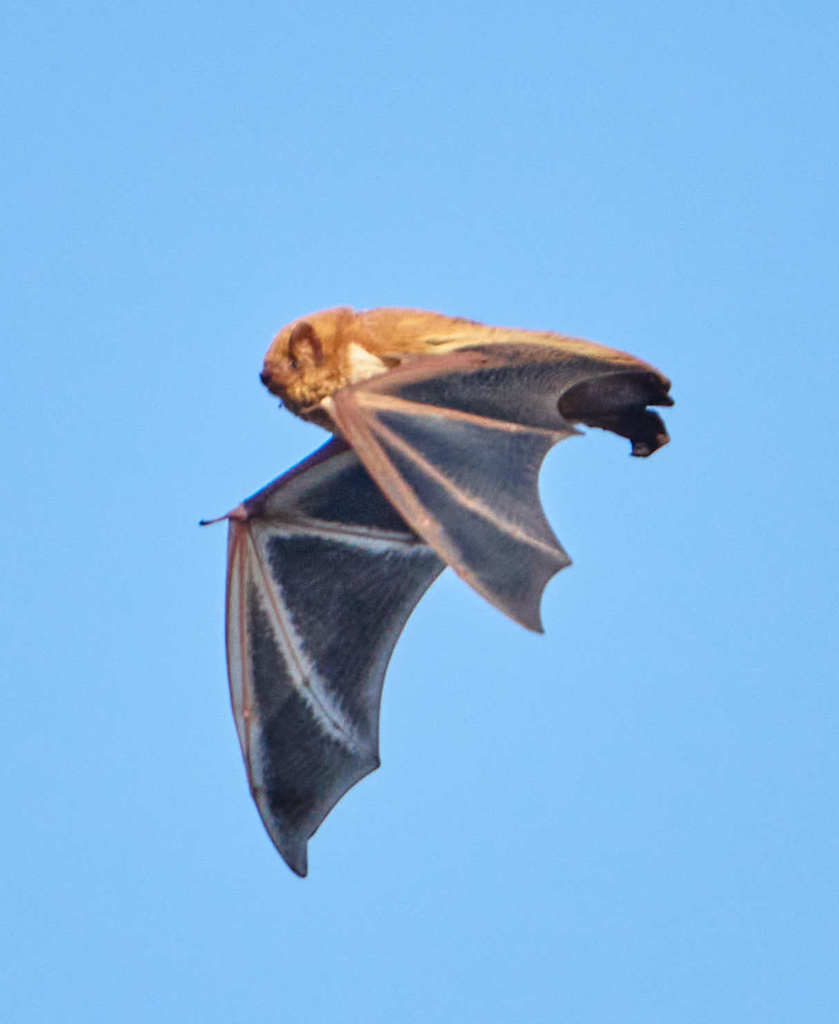
Western red bat

Eastern Spotted Skunk

Desert Woodrat

Humboldt's Flying Squirrel

Northern Right Whale Dolphin
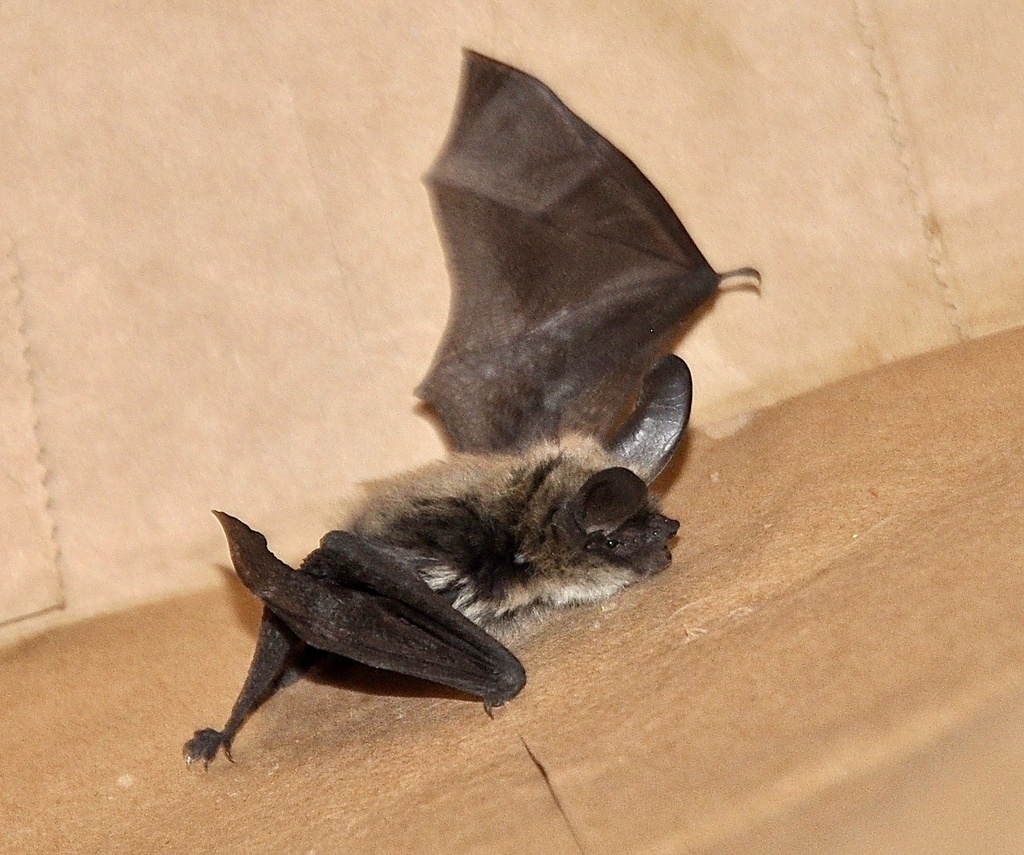
Miller's Myotis

Long-eared Chipmunk
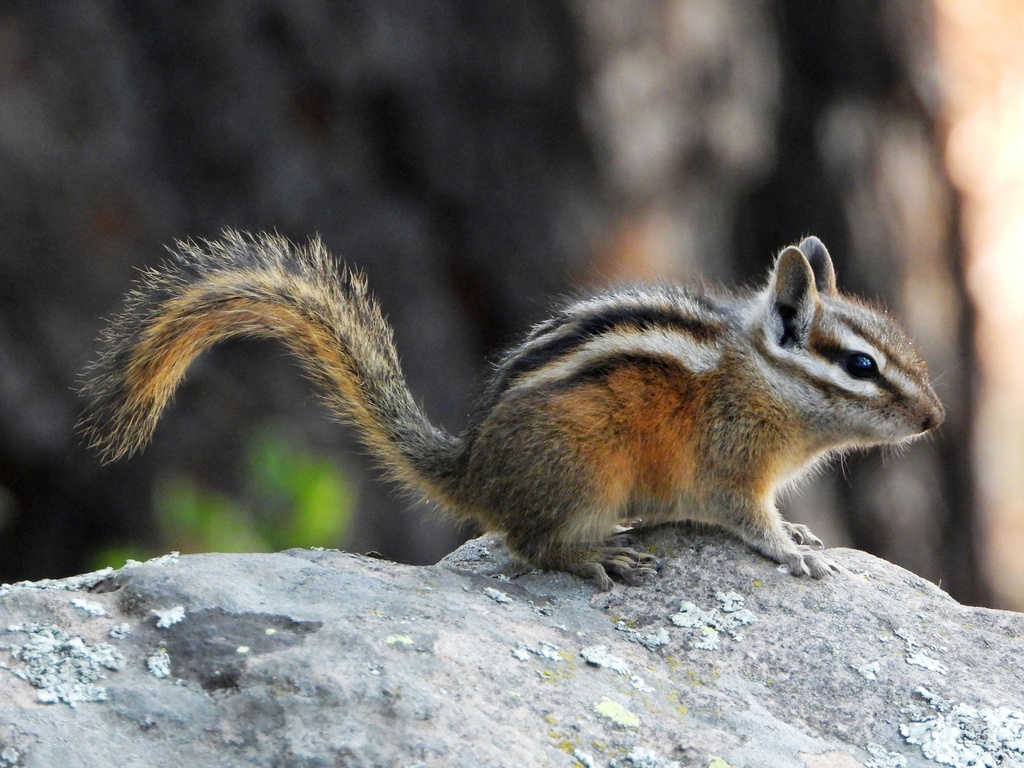
Grey-collared Chipmunk

Palmer's Chipmunk

Rafinesque's Big-eared Bat

Texas Pocket Gopher
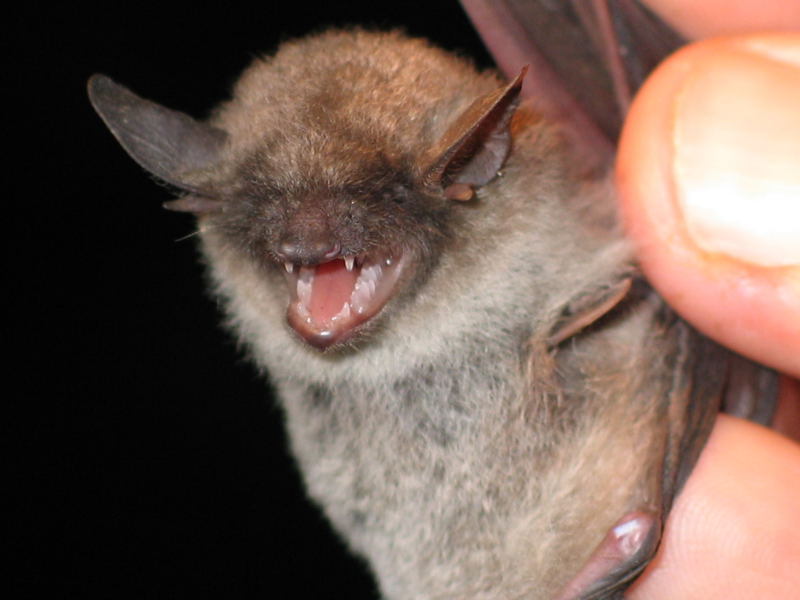
Cave Myotis

Desert Pocket Mouse

Coronados Island Woodrat

Seminole Bat
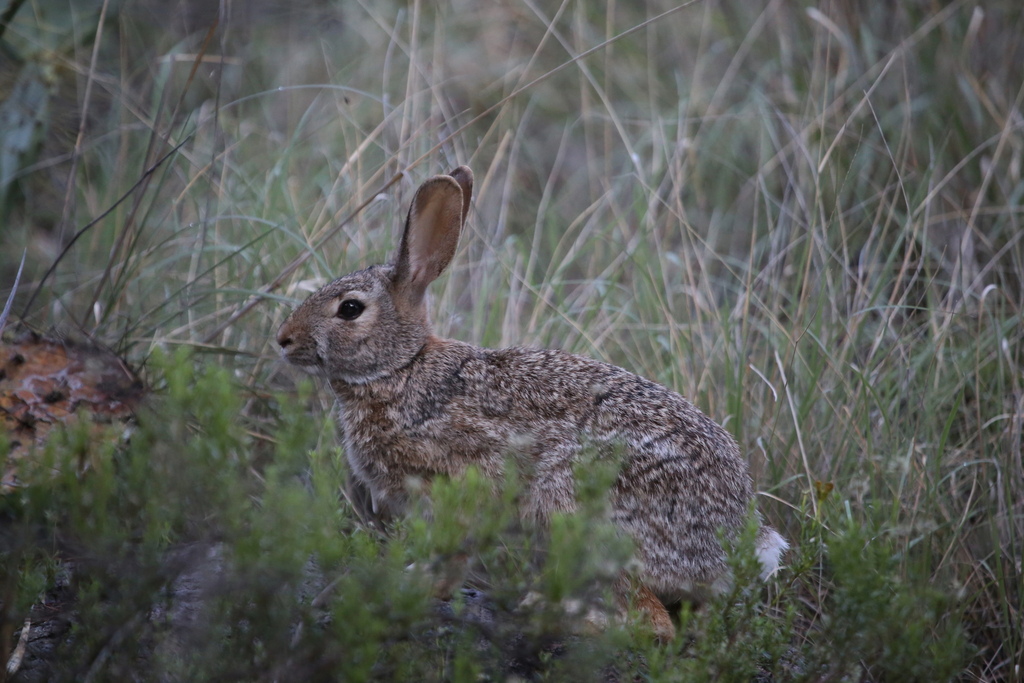
Holzner Cottontail

Cotton Mouse

Vagrant Shrew

Trowbridge's Shrew
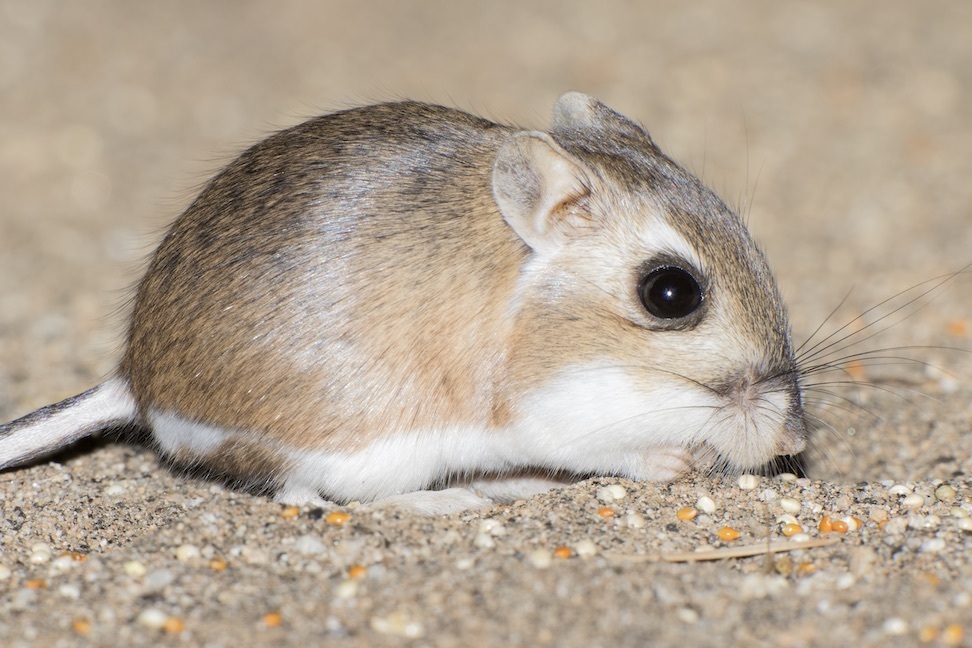
Dulzura Kangaroo Rat

Cactus Mouse
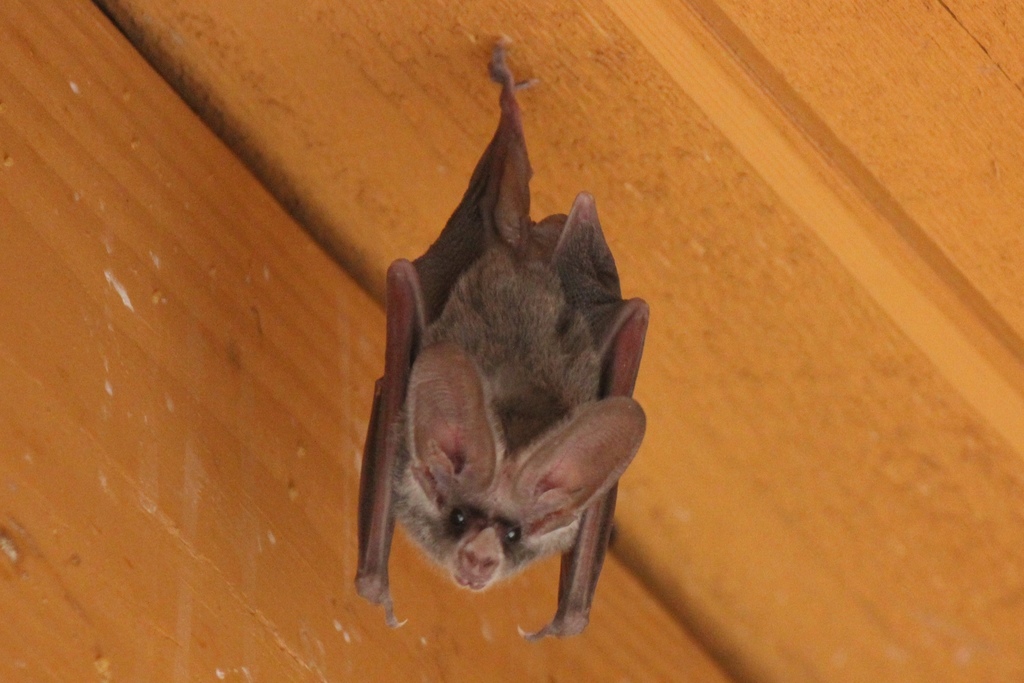
California Leaf-nosed Bat
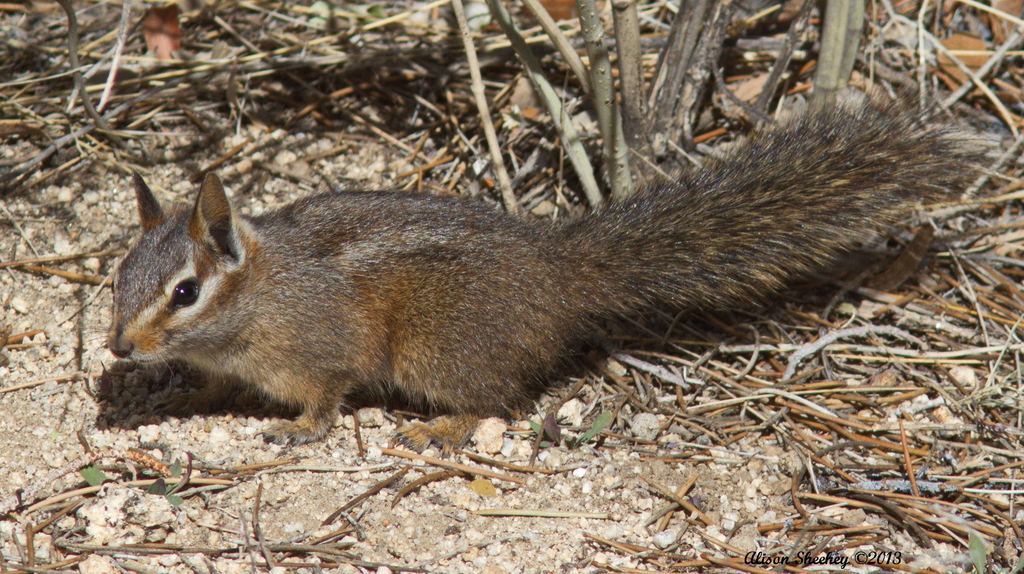
California Chipmunk

Scimitar-horned Oryx

Yuma Myotis

Tundra Vole

Appalachian Cottontail

California Pocket Mouse

Western Small-footed Myotis
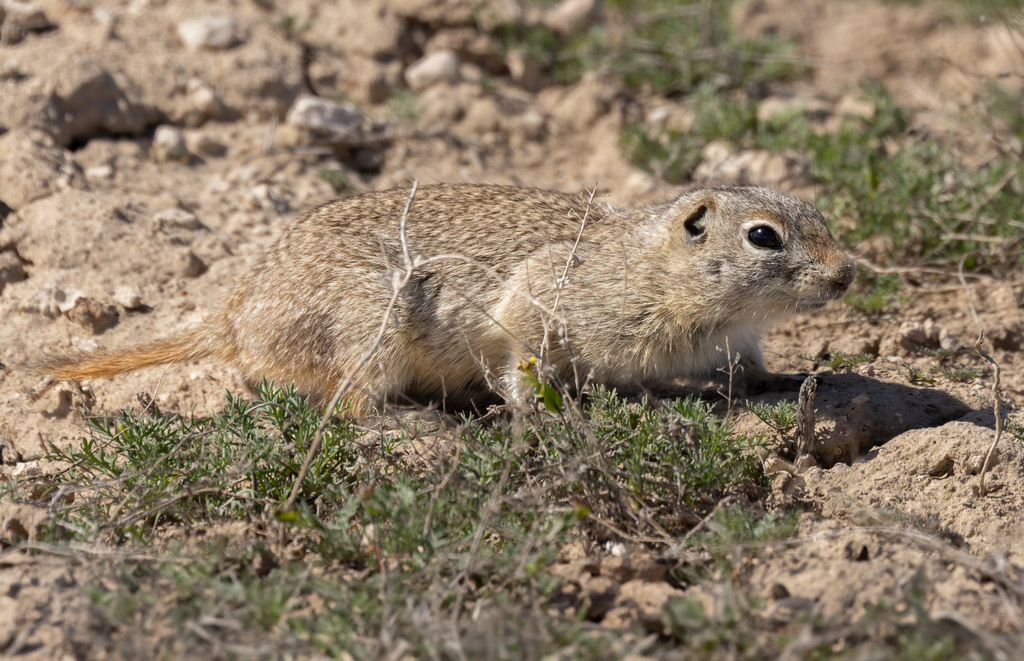
Snake River Plains Ground Squirrel

Eastern Small-footed Myotis

Heermann's Kangaroo Rat

Northern Myotis

Craters Chipmunk

Central Texas Pocket Gopher

Pacific Jumping Mouse
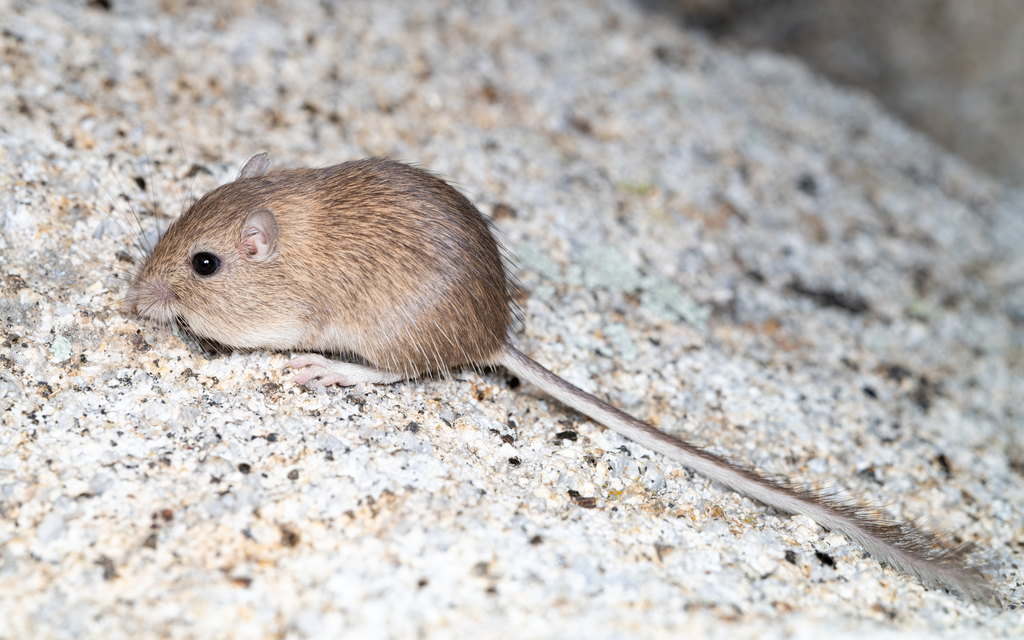
San Diego Pocket Mouse

Camas Pocket Gopher
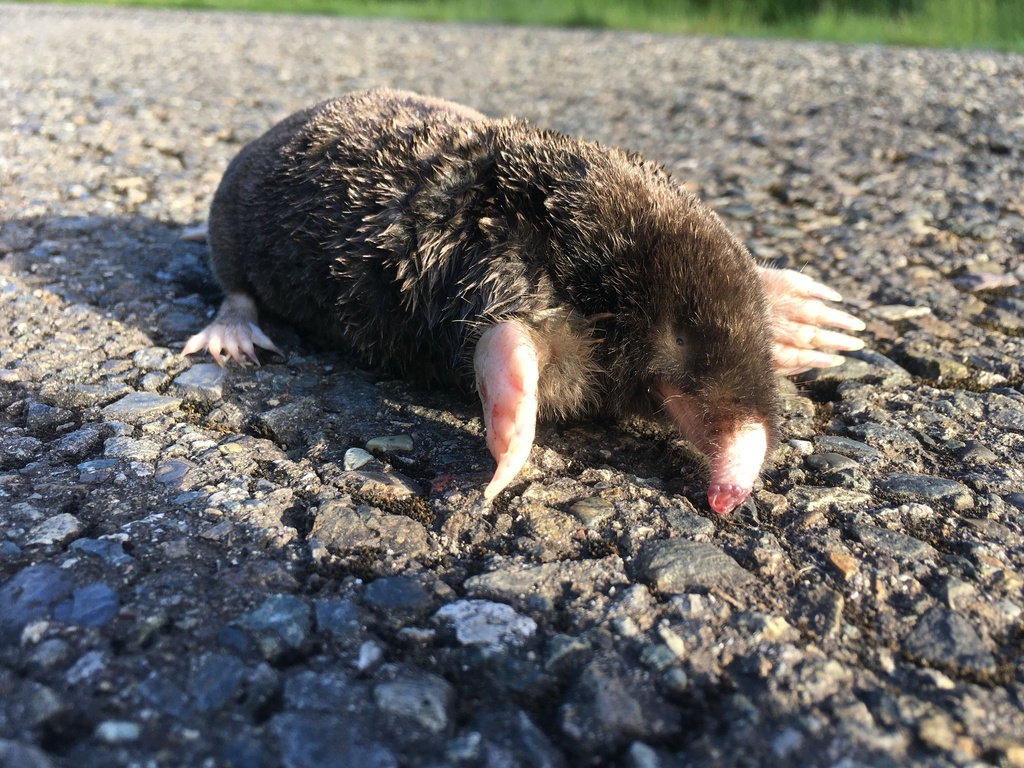
Townsend's Mole

Northern Yellow Bat

Smoky Shrew

Red Wolf

Allen's Chipmunk

Pygmy Sperm Whale

Hispid Pocket Mouse

Golden Mouse
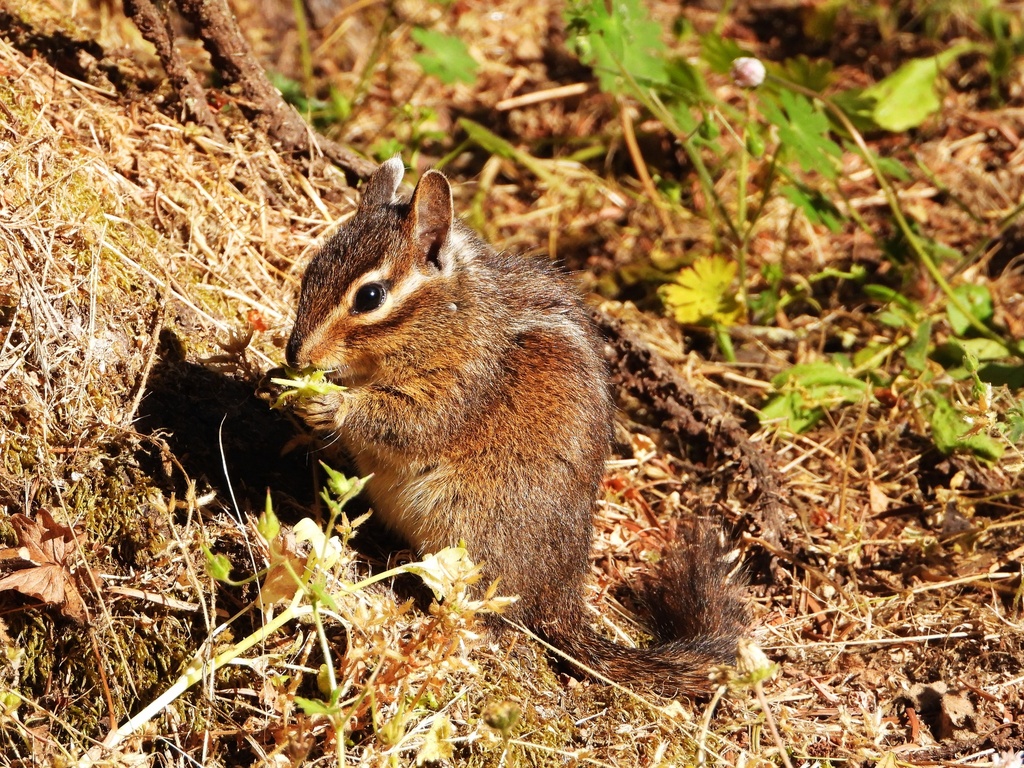
Yellow-cheeked Chipmunk

Ornate Shrew
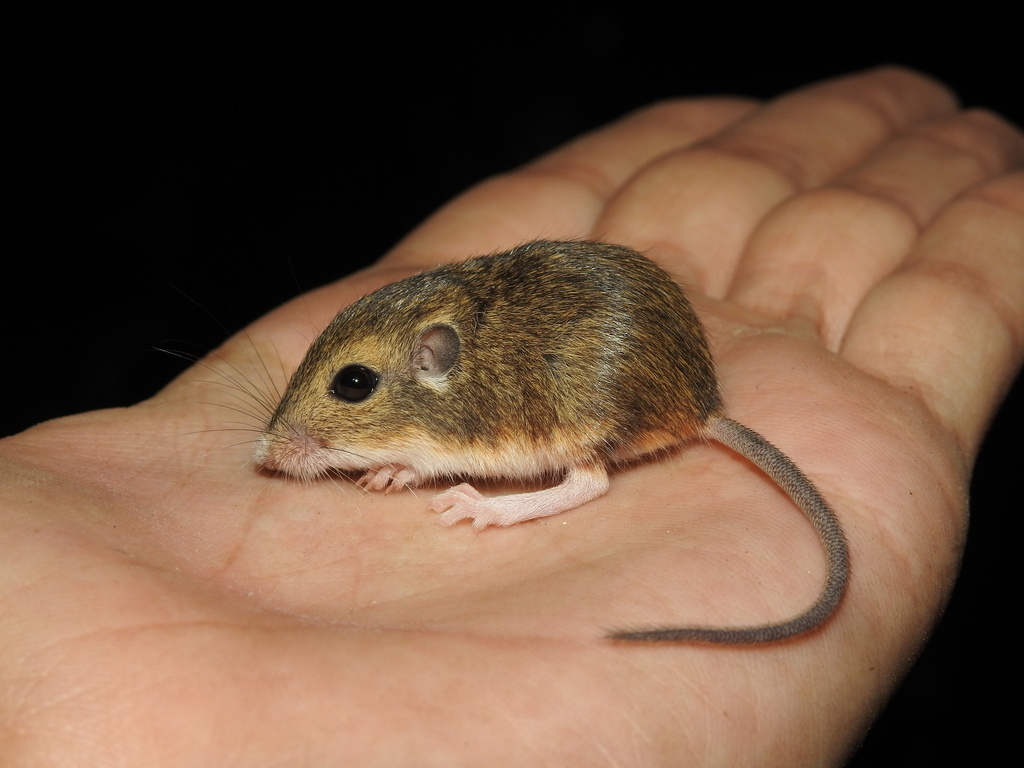
Merriam's Pocket Mouse

Western Yellow Bat

Banner-tailed Kangaroo Rat

California Mouse

Pinyon Mouse

Southern Plains Woodrat

Northern Pygmy Mouse

Gray Ground Squirrel

Prairie Vole

Giant Kangaroo Rat
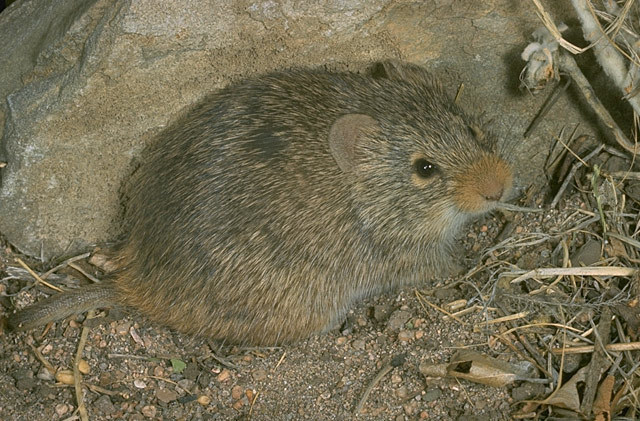
Yellow-nosed Cotton Rat

Black-footed Ferret

Fringed Myotis

California Kangaroo Rat

Gray Bat
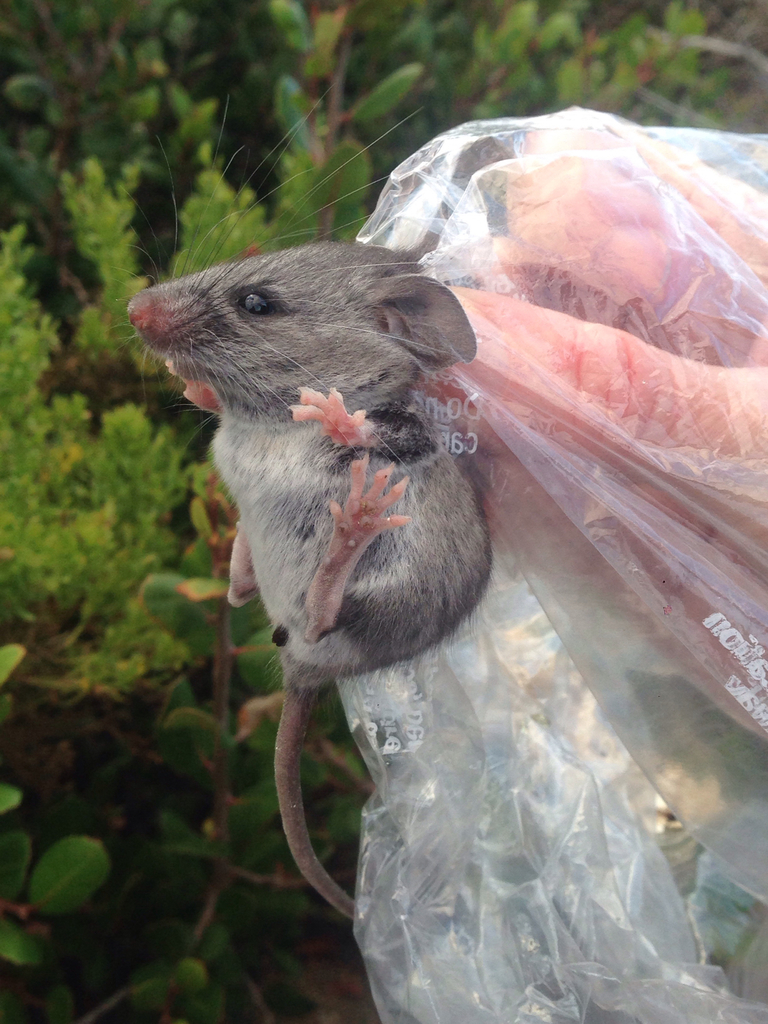
Northern Baja Deermouse
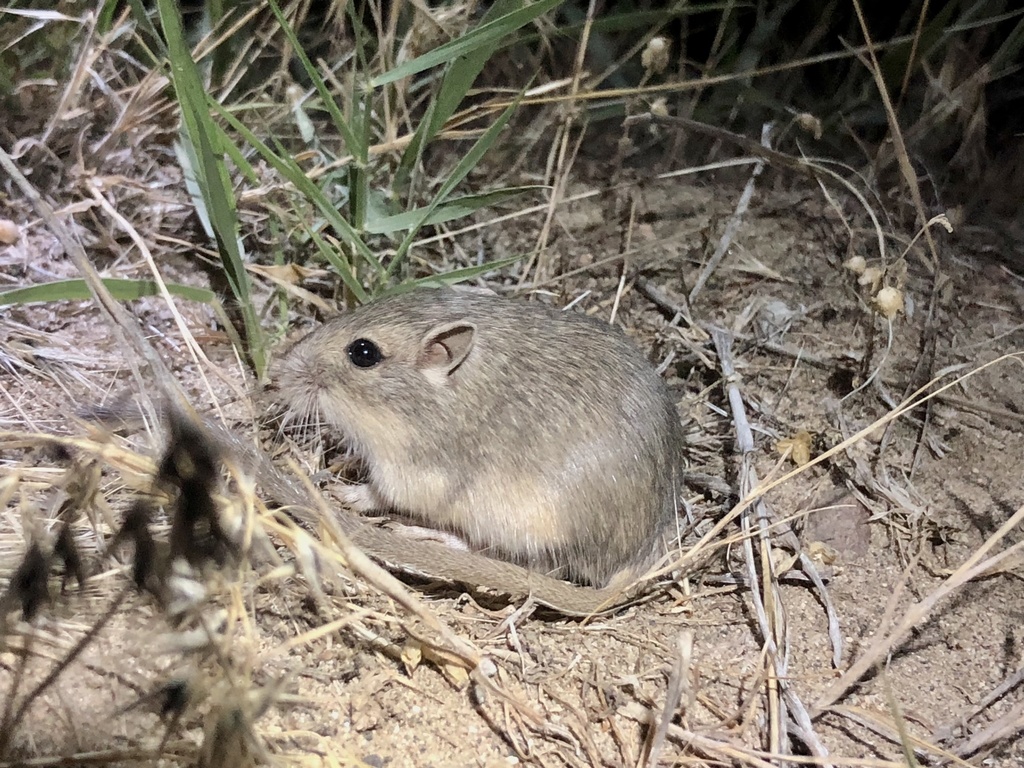
Columbia Plateau Pocket Mouse
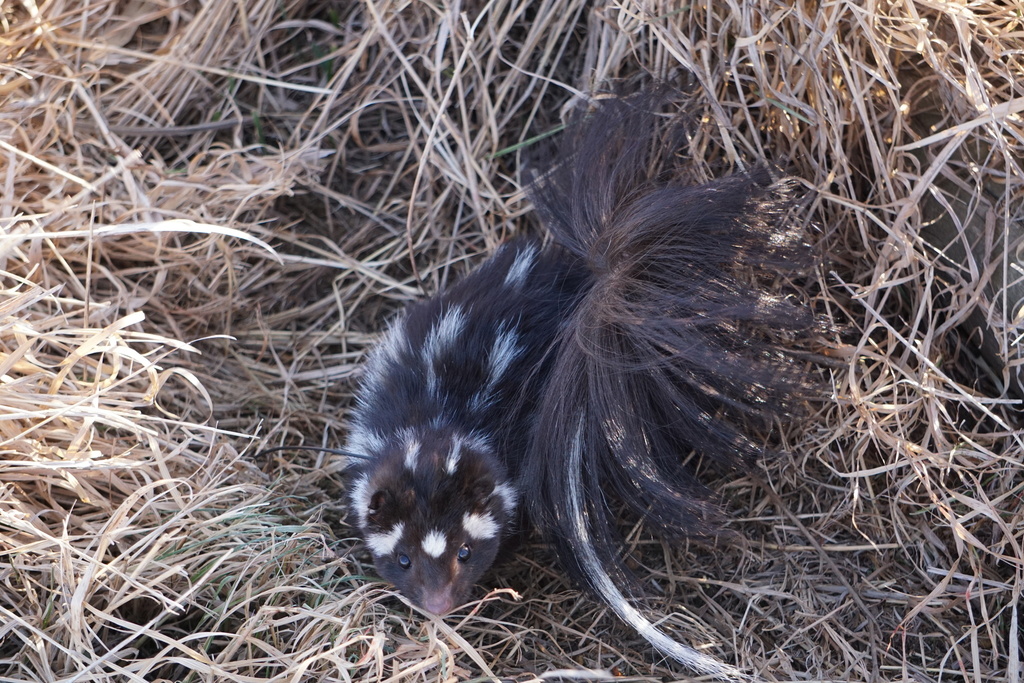
Plains Spotted Skunk

Montane Vole

Florida Bonneted Bat

Brush Mouse

Panamint Chipmunk

Red-tailed Chipmunk
Wild animals in the United States: 17 questions answered
Answered from this page’s 1,575-species slice of the guide. Counts describe the guide, not a national checklist.
What wild animals live in the United States?
This field guide lists 1,575 wild animals whose research-grade iNaturalist sightings are concentrated in the United States: 535 birds, 388 ray-finned fish, 247 mammals, 206 reptiles and 3 other groups. The most frequently recorded are Mallard, House Sparrow and Canada Goose. Every species below has its own page with a photo, its scientific name, its conservation status and where it is most observed.
How many wild animal species are listed for the United States?
1,575 — the species in the Tracks field guide for which the United States holds the most verified sightings. This is not a complete national checklist: a species recorded even more often in a neighbouring country appears on that country's page instead, and the Tracks app itself catalogues 40,286 species worldwide. Between them these 1,575 species account for 24,914,957 research-grade observations.
What is the most commonly seen wild animal in the United States?
Mallard (Anas platyrhynchos), with 662,661 research-grade observations on iNaturalist — more than any other species on this page. Next most recorded are House Sparrow and Canada Goose. "Most recorded" means most often photographed and verified by people, which is a good proxy for what a visitor is likely to actually see.
What is the rarest animal in the United States?
On the Tracks rarity scale the rarest species on this page is Black-footed Ferret (Epic tier), with 63 recorded sightings. Tracks rarity is based on how often a species is actually encountered rather than on its conservation status, so a rare card is a hard animal to find, not necessarily a threatened one.
What wild mammals live in the United States?
This guide lists 247 mammals for the United States, most-recorded first: Eastern Gray Squirrel, White-tailed Deer, Mule Deer, Common Raccoon, Eastern Cottontail and Fox Squirrel, plus 241 more on this page.
What birds can you see in the United States?
535 bird species are listed for the United States. The most frequently recorded are Mallard, House Sparrow, Canada Goose, American Robin, Great Blue Heron and Great Egret, plus 529 more on this page.
Are there reptiles and amphibians in the United States?
Yes — 206 reptiles and 168 amphibians are listed for the United States. They include Pond Slider, Western Fence Lizard, Common Garter Snake, Painted Turtle, Green Anole and Brown Anole, plus 368 more on this page. Reptiles and amphibians are under-recorded almost everywhere relative to birds and mammals, so treat these counts as a floor.
Are there dangerous wild animals in the United States?
40 of the species on this page belong to the groups behind most wildlife injuries — large carnivores, crocodilians, sharks, venomous snakes and big herbivores. They are American Alligator, American Black Bear, Elk, Wild Boar, Bobcat and Western Rattlesnake, plus 34 more on this page. Nearly all of them avoid people given the chance. The practical rules are the same everywhere: never approach, corner or feed a wild animal, keep dogs leashed, store food securely, and give any animal with young a wide berth.
Are there venomous snakes in the United States?
Yes. 20 of the snakes listed for the United States belong to venomous groups: Western Rattlesnake, Western Diamondback Rattlesnake, Eastern Copperhead, Northern Cottonmouth, Timber Rattlesnake and Prairie Rattlesnake, plus 14 more on this page. Snake bites are overwhelmingly a result of handling or trying to kill the animal. Treat every snake you can't identify as venomous, back away, and let it leave.
What marine and coastal animals live around the United States?
47 marine or coastal species are listed for the United States, including Harbor Seal, California Sea Lion, Humpback Whale, Bottlenose Dolphin, Northern Elephant Seal and West Indian Manatee, plus 41 more on this page.
Which animals in the United States are endangered?
84 of the species on this page are IUCN-listed as Vulnerable or worse: California Condor (Critically Endangered), Agassiz’s Desert Tortoise (Critically Endangered), North Atlantic Right Whale (Critically Endangered), Red Wolf (Critically Endangered), Sea Otter (Endangered) and Red-crowned Parrot (Endangered), plus 78 more. Conservation status is shown on every species page.
What insects and spiders live in the United States?
No insects or arachnids appear on this page — the guide's United States list is mostly birds and ray-finned fish. A species is shown on the page of whichever country records it most, so any insects or arachnids recorded in the United States either sit on another country's page or fall outside the guide's 1,575-species slice.
When is the best time to see wild animals in the United States?
Dawn and the hour before dusk, almost everywhere and for almost every species: most mammals are crepuscular, and birds are loudest and most active in the first hours of daylight. Weather matters as much as season — overcast, still mornings after rain are productive, and hot midday hours are the worst time to be out looking. Each species page links to its iNaturalist record, where the observation dates show when people in the United States actually recorded it.
Where can you see wild animals in the United States?
National parks, nature reserves and protected wetlands concentrate both animals and the people recording them, but the edges are often better than the core: hedgerows, riverbanks, coastal paths, and the scrubby margins between habitats. Cities count too — a large share of the sightings behind this page were logged in parks, gardens and suburbs. Because every species here is backed by iNaturalist records, its species page links straight to the map of where it has actually been observed.
How do I identify a wild animal I saw in the United States?
Photograph it if you safely can, and note the size, habitat and behaviour. The Tracks app scans the area you're standing in and shows the animals people have actually recorded there, which narrows an identification far faster than searching a national list. If the animal you saw isn't in Tracks yet, add it on iNaturalist: its community will help you put a name to it, and because Tracks is built from iNaturalist's research-grade observations, a sighting verified there feeds back into the data behind pages like this one.
Can I feed wild animals in the United States?
No — and in many places it is also illegal. Feeding is the fastest way to ruin a wild animal. It teaches them to associate people with food, so they lose their wariness and start working car parks, campsites and picnic tables; a habituated animal that begins grabbing food gets labelled a nuisance and is usually destroyed or hit by a road vehicle. Human food is the wrong food too: bread and processed snacks cause malnutrition and wing deformities in birds and gut damage in mammals. And artificial feeding concentrates animals at densities they would never reach naturally, which is how disease spreads through a local population. If you want wildlife closer to you in the United States, do it by habitat — native planting, a clean water dish, leaving dead wood and leaf litter alone — which supports animals without teaching them to approach people.
Is it safe to approach wild animals in the United States?
No. Keep your distance from every wild animal, however calm it looks — a good rule of thumb is that if the animal changes its behaviour because of you, you are already too close. Don't handle snakes or reptiles, keep dogs leashed near wildlife, and if you find an animal that is injured or appears orphaned, contact a local wildlife rescue or the relevant authority rather than picking it up.