Wild Animals in Costa Rica
156 species are recorded more often in Costa Rica than anywhere else — from the much-photographed Giant Marine Toad to the seldom-seen Central American Squirrel Monkey. Every one is backed by research-grade iNaturalist sightings.
- 57 birds
- 42 amphibians
- 30 mammals
- 27 reptiles
All 156 species recorded in Costa Rica
Ordered by how often people have recorded them. Tap any animal for its full field-guide entry.

Giant Marine Toad

American Crocodile

Central American Agouti

Mantled Howler Monkey

Rufous-tailed Hummingbird

Brown-throated Sloth

Central American White-faced Capuchin

Bare-throated Tiger Heron

Common Caiman

Keel-billed Toucan

Scarlet-rumped Tanager

Central American Spider Monkey

Scarlet Macaw

Red-eyed Treefrog

Common Basilisk

Strawberry Poison-dart Frog
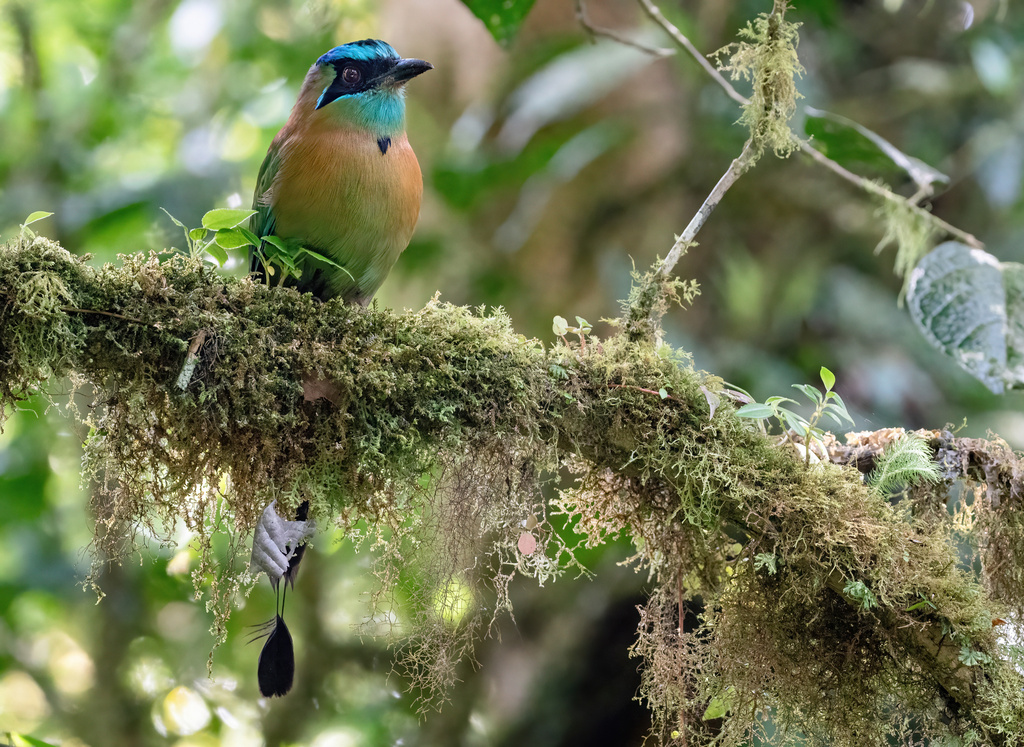
Lesson's Motmot

Black-mandibled Toucan

Variegated Squirrel

Collared Aracari
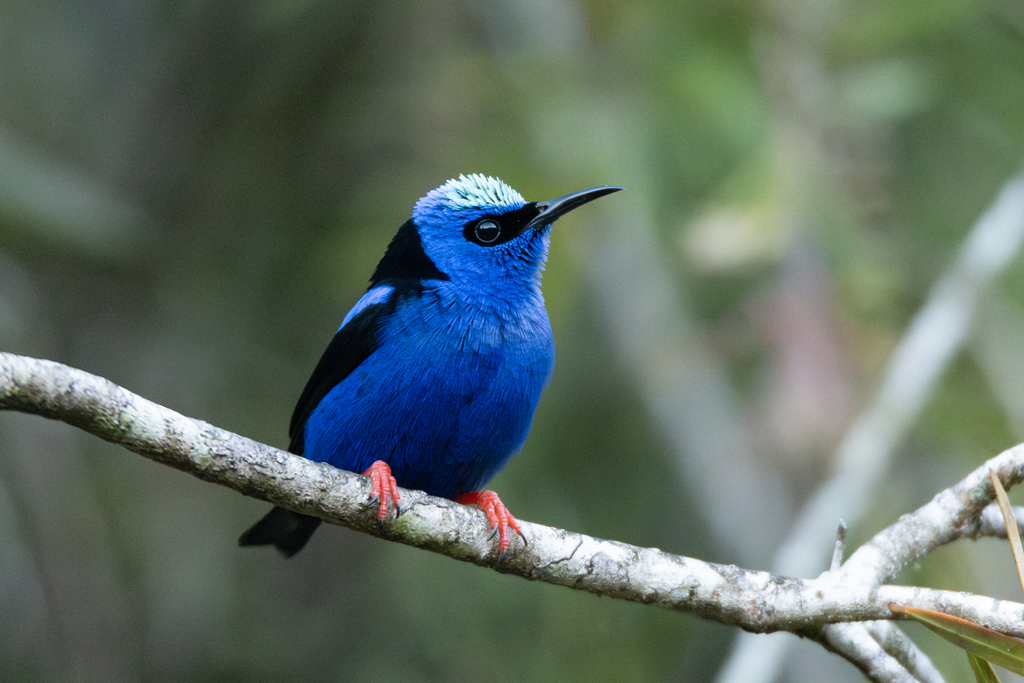
Red-legged Honeycreeper

White-throated Gecko
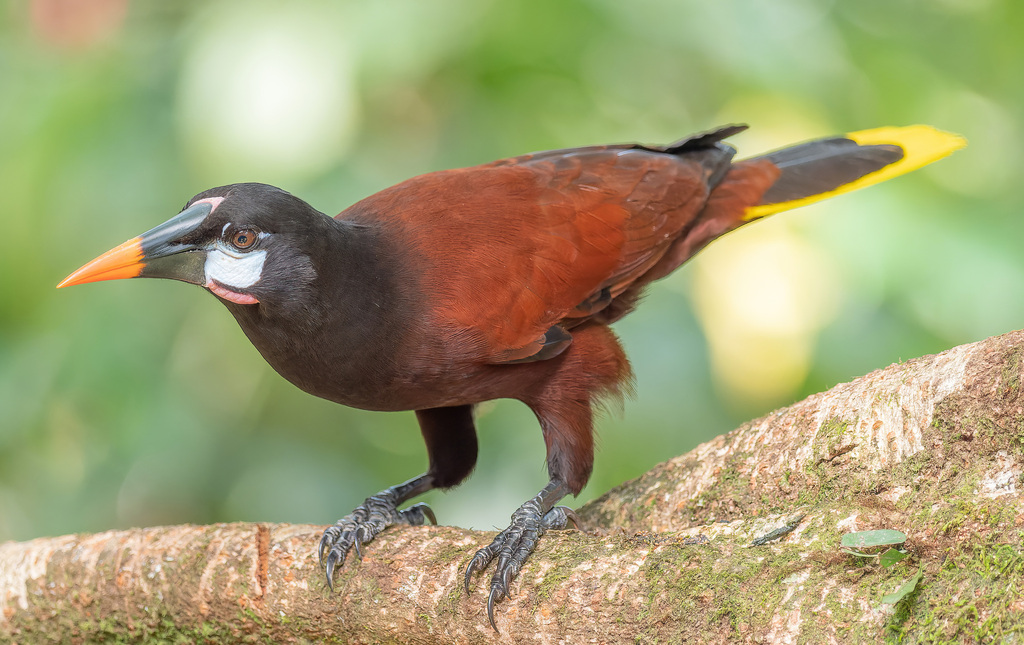
Montezuma Oropendola

Green Honeycreeper

Hoffmann's Two-toed Sloth

Fer-de-lance

Green and Black Dart-poison Frog

Central American Eyelash-Viper

Green-crowned Brilliant

Orange-chinned Parakeet

Great Curassow

Middle American Ameiva
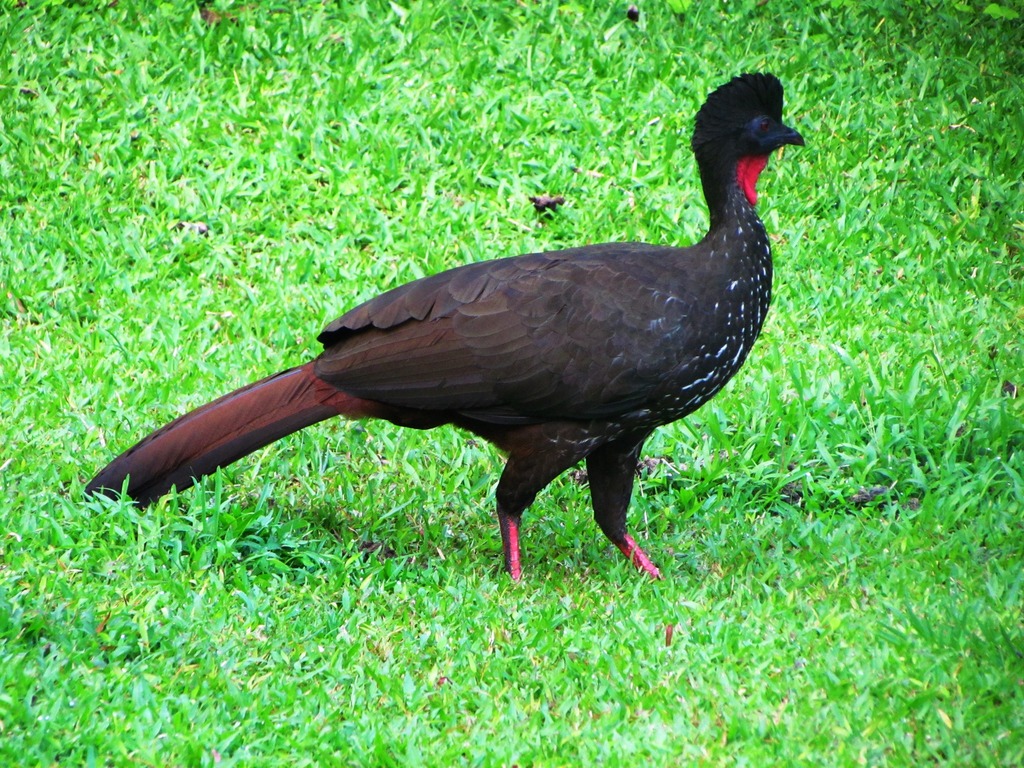
Crested Guan

Variable Seedeater

Green Basilisk

Border Anole

Boat-billed Heron

Buff-throated Saltator

Lesser Violetear

Proboscis Bat

Savage's Thin-toed Frog

Masked Tree Frog

Black-cheeked Woodpecker

Resplendent Quetzal

Golden-hooded Tanager

Gray-headed Chachalaca

Slaty-tailed Trogon
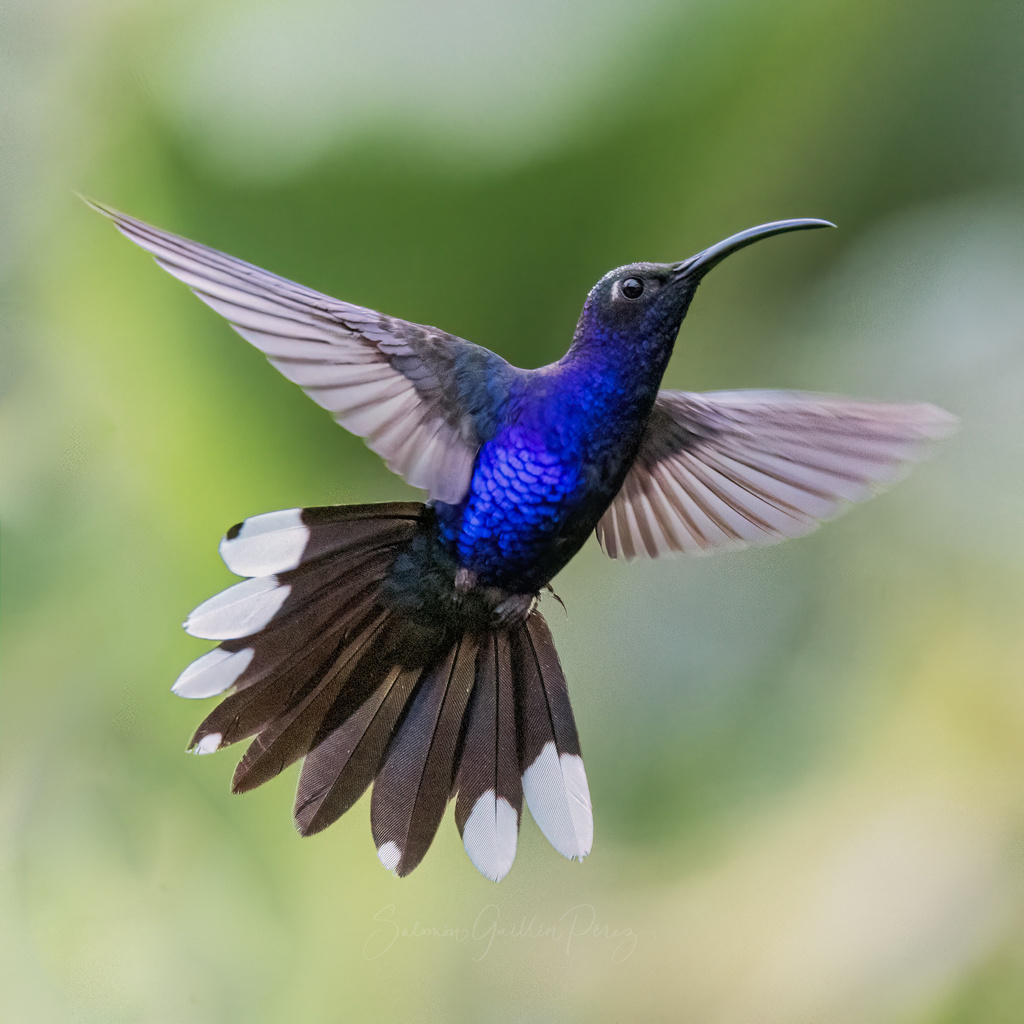
Violet Sabrewing

Northern Tamandua
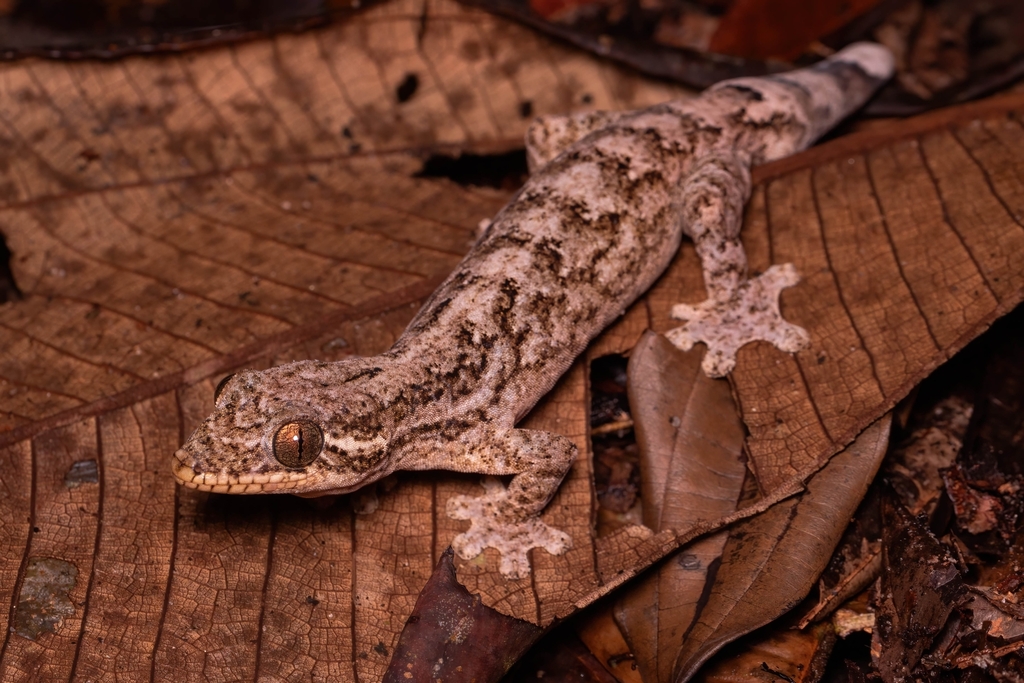
Turniptail Gecko

Blunthead Tree Snake

Violet-crowned Woodnymph

Rufous-backed Wren

King Vulture

Flame-colored Tanager

Northern Emerald-Toucanet

Collared Trogon

Leaf Litter Toad
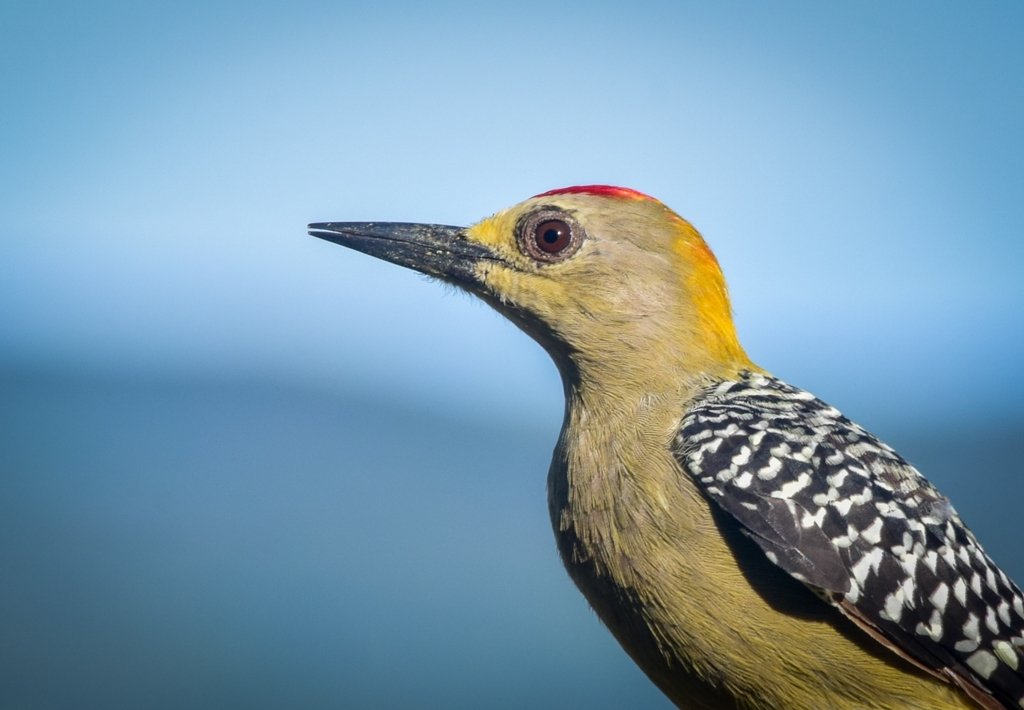
Hoffmann's Woodpecker

Common Chlorospingus

Baird's Tapir
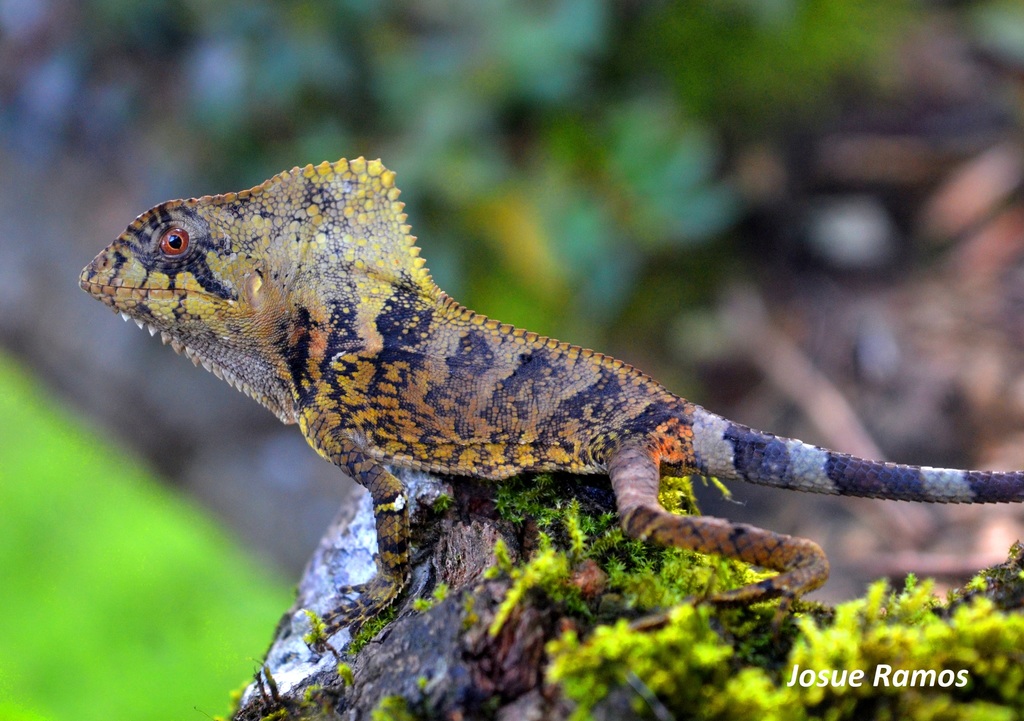
Helmeted Iguana

Silver-throated Tanager

Central American Squirrel Monkey

Broad-billed Motmot

Emerald Swift

Fitzinger's Robber Frog

Harlequin Treefrog

Talamanca Hummingbird

Rufous Motmot

Purple-throated Mountain-gem

Northern Black-throated Trogon

Brilliant Forest Frog

Rosenberg's Gladiator Frog
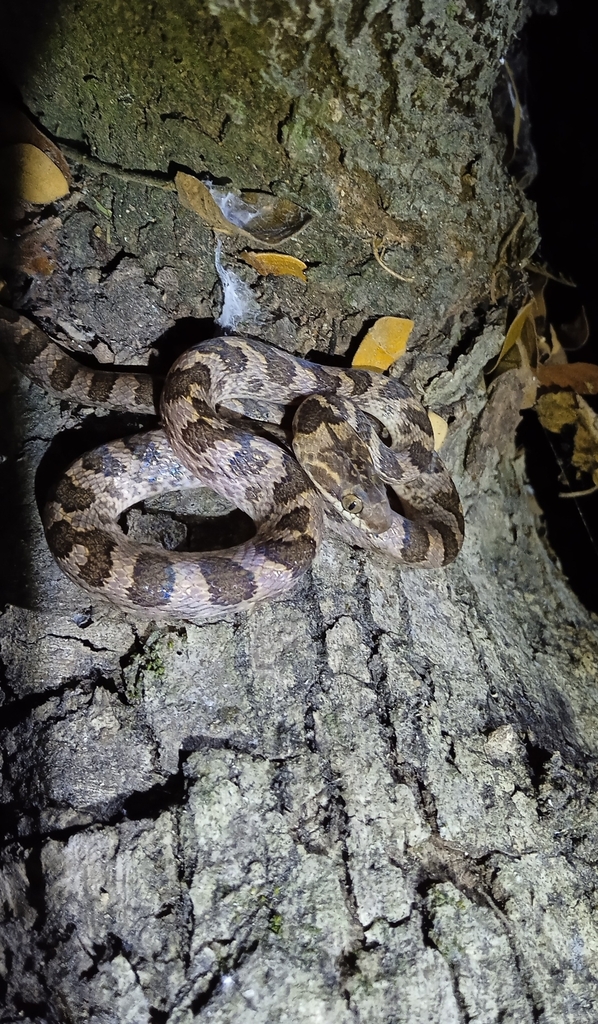
Ornate Cat-eyed Snake

Mealy Parrot

Black-crowned Tityra

Piratic Flycatcher

Gray-headed Tanager

Neotropical Green Anole
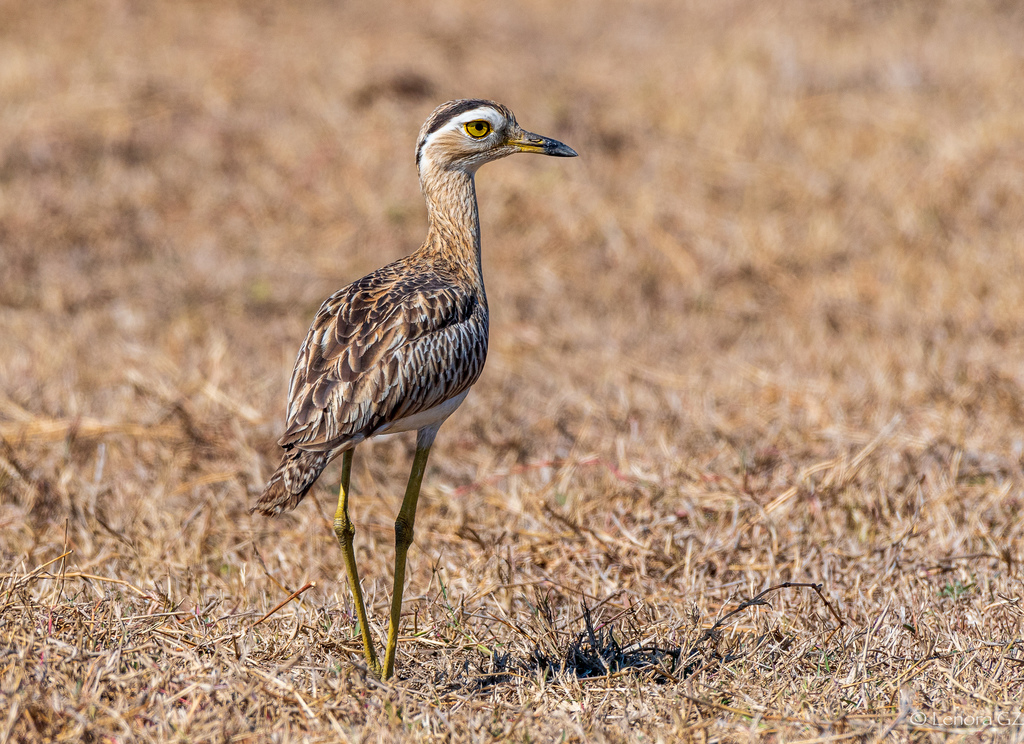
Double-striped Thick-knee
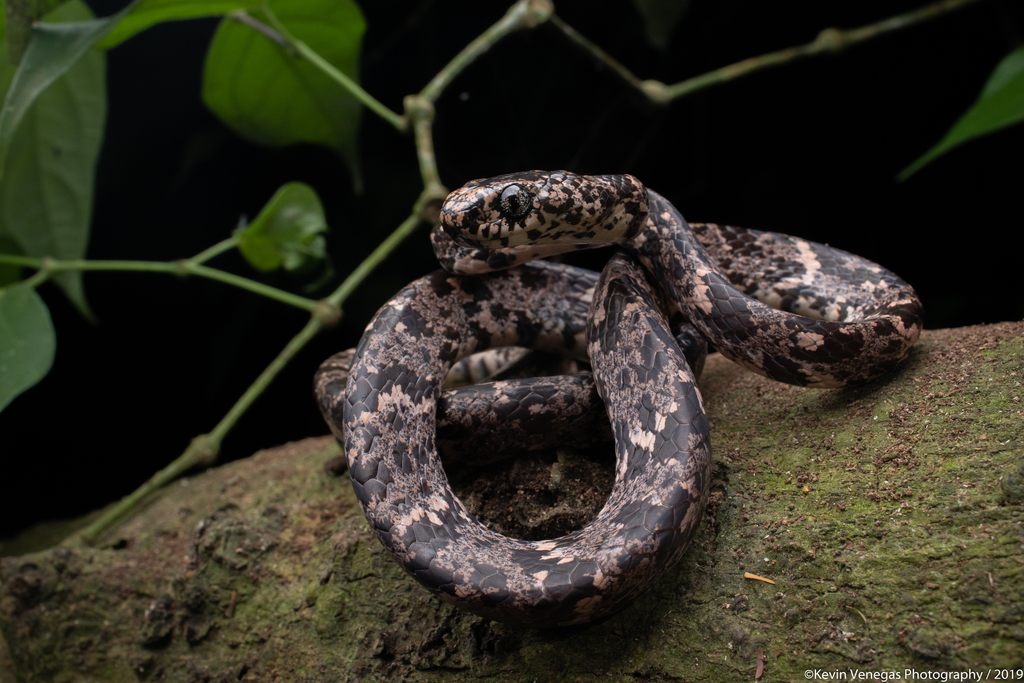
Cloudy Snail-eating Snake

Yellow Treefrog
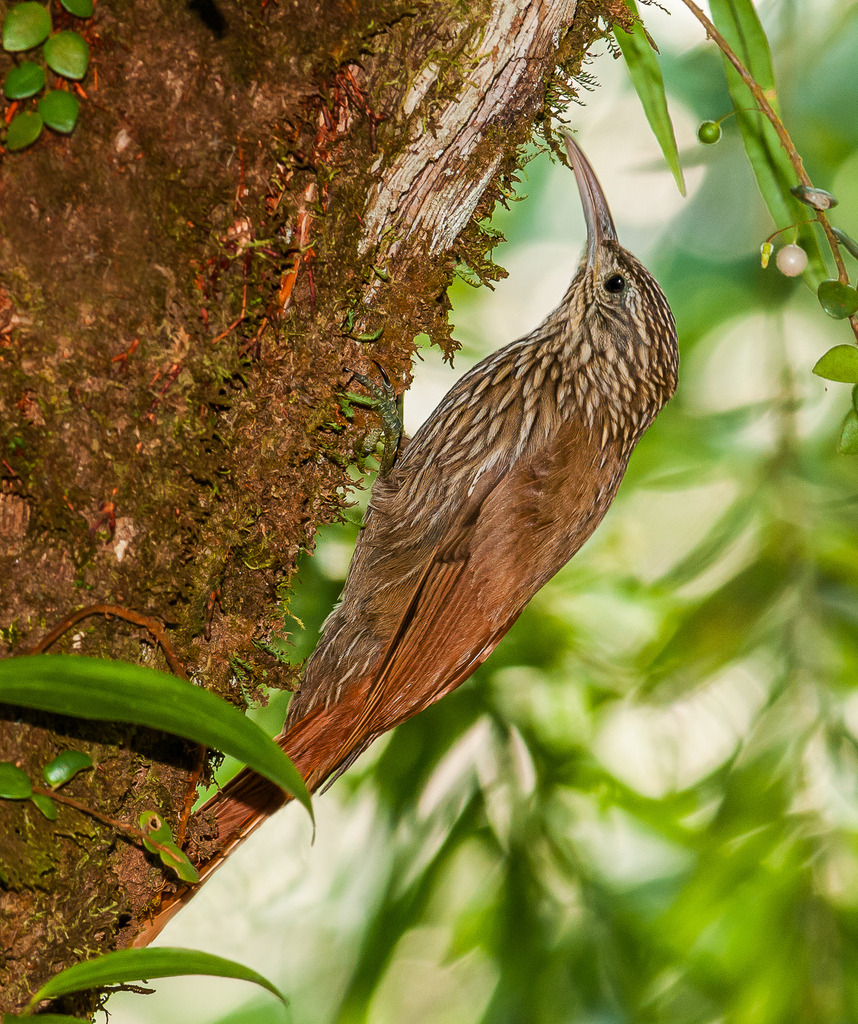
Streak-headed Woodcreeper

White-crowned Parrot
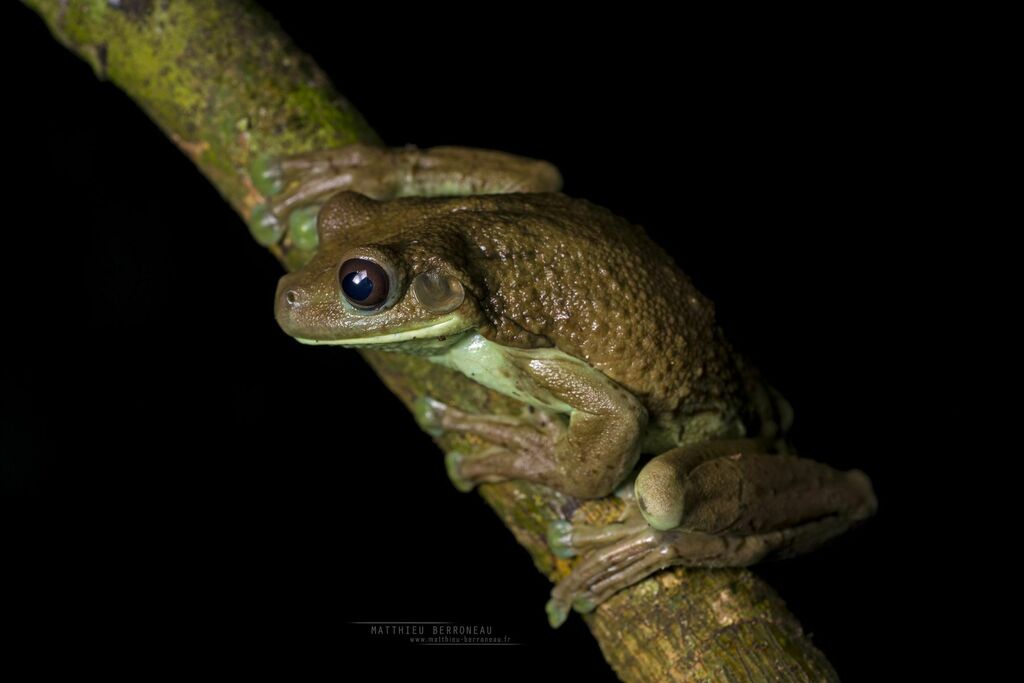
Large Sticky Frog

Crimson-fronted Parakeet

Sunbittern
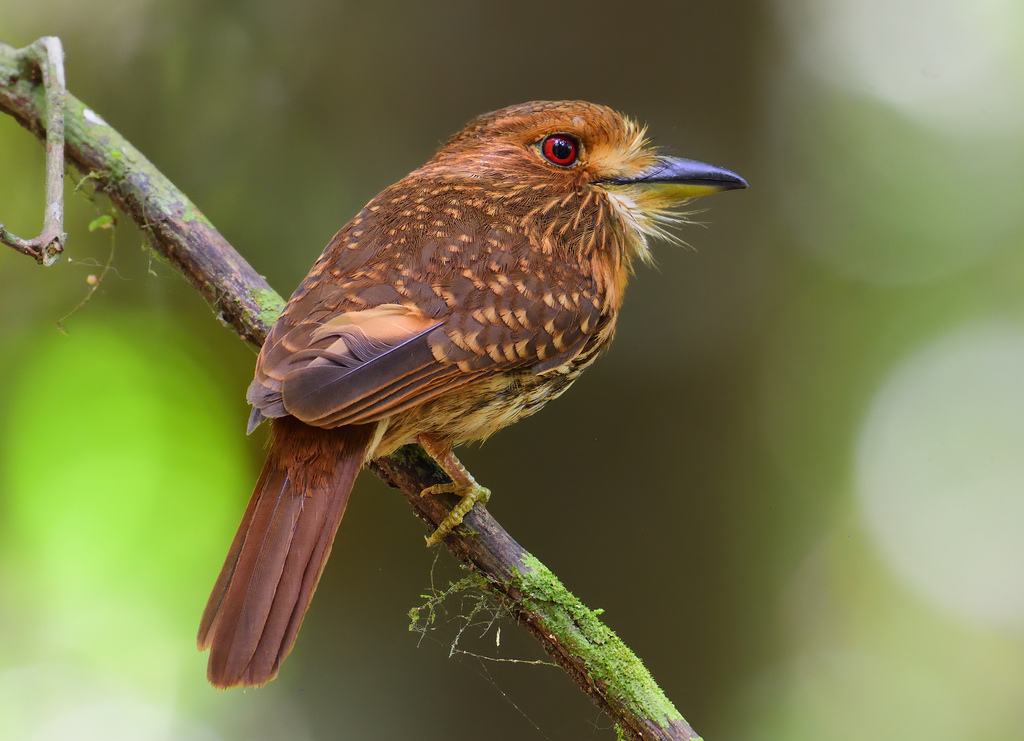
White-whiskered Puffbird

Gray-capped Flycatcher

West Andean Long-nosed Armadillo

Red-capped Manakin

Chestnut-headed Oropendola

Olive-backed Euphonia

Fiery-throated Hummingbird

Spectacled Owl

White-lipped Mud Turtle

Fiery-billed Aracari

White-collared Manakin

Kinkajou

Olive Snouted Tree Frog

Humble Anole
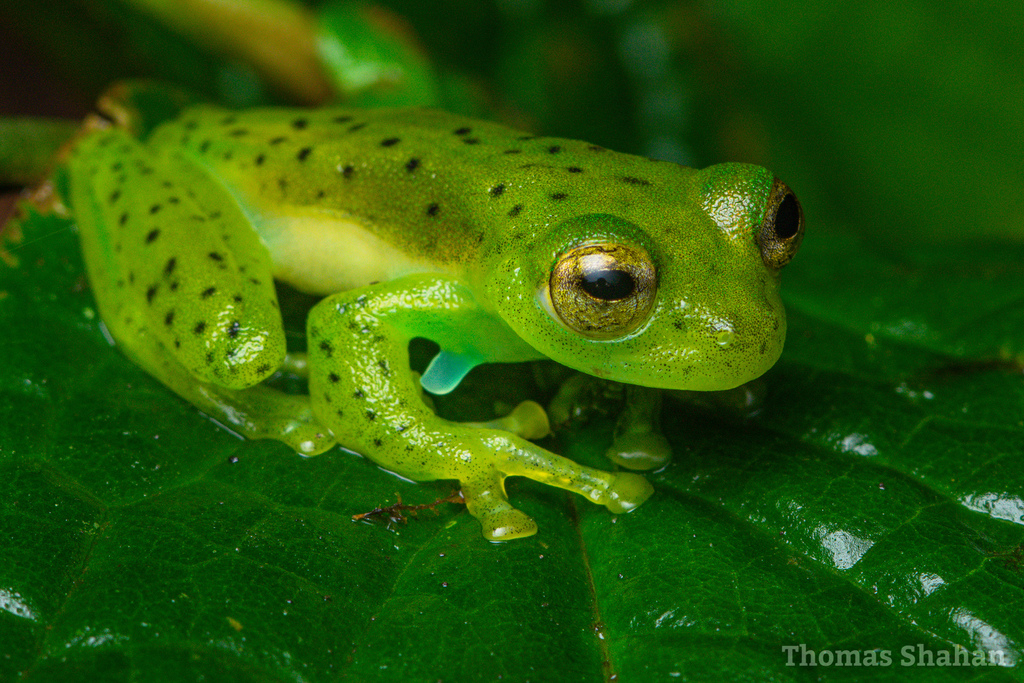
Emerald Glass Frog
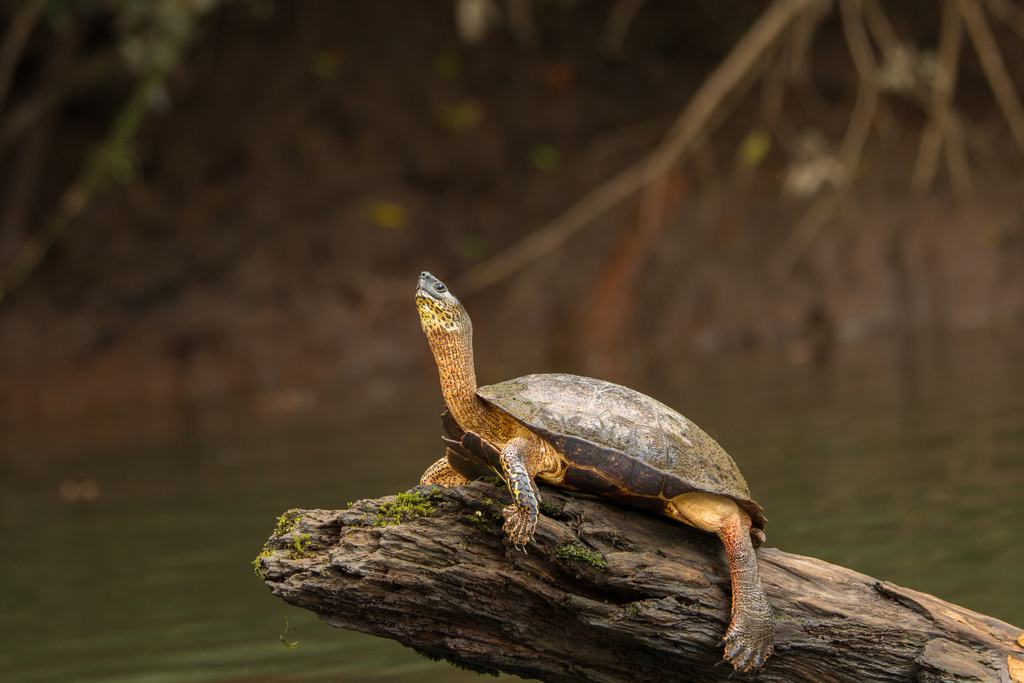
Black River Turtle

Side-striped palm pit viper

Mexican Hairy Dwarf Porcupine

Bighead Anole
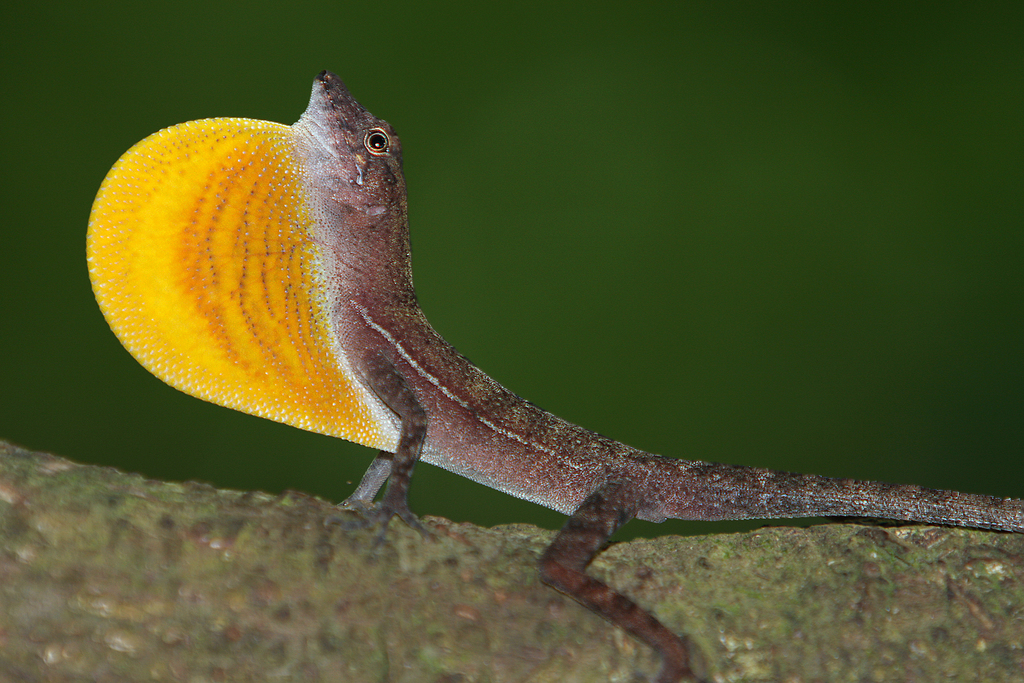
Osa Anole

Many-scaled Anole
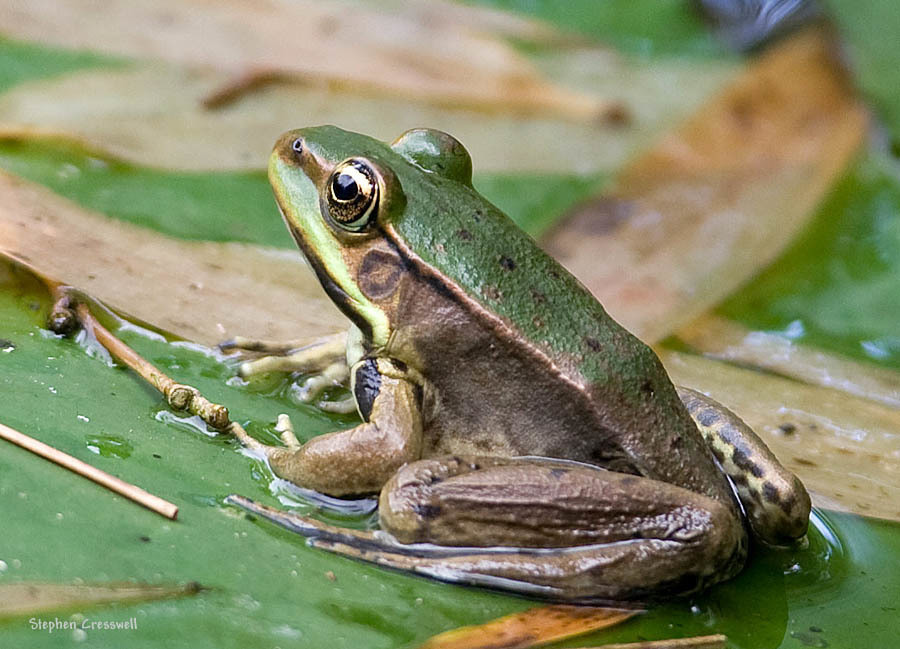
Vaillant's Frog
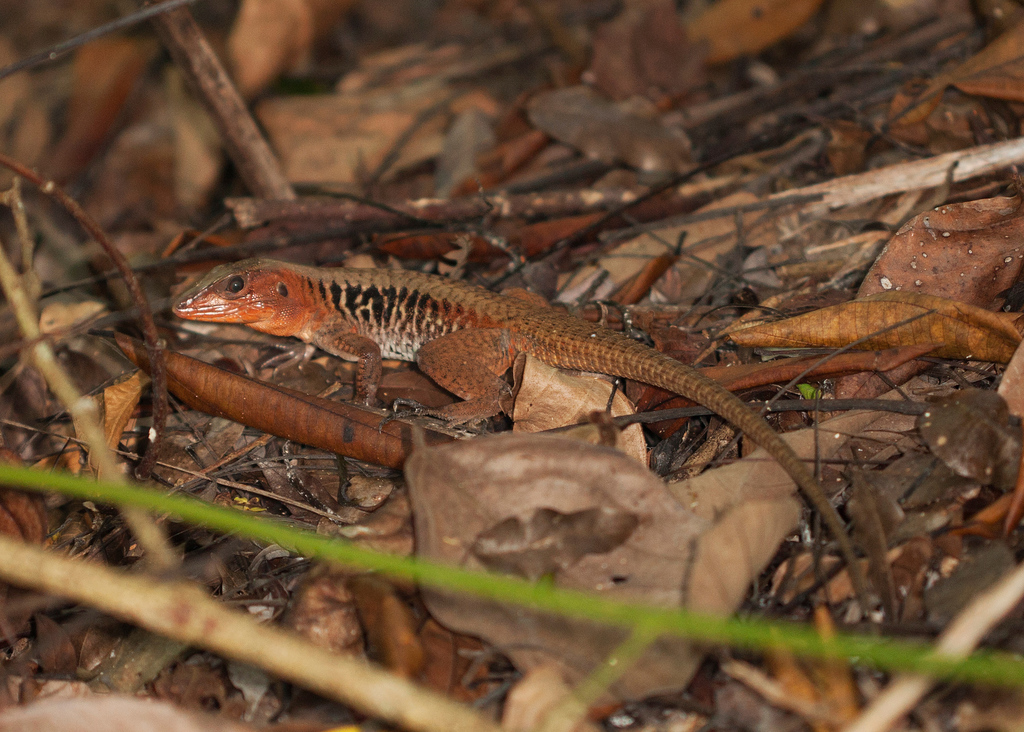
Delicate Ameiva

Puffing Snake
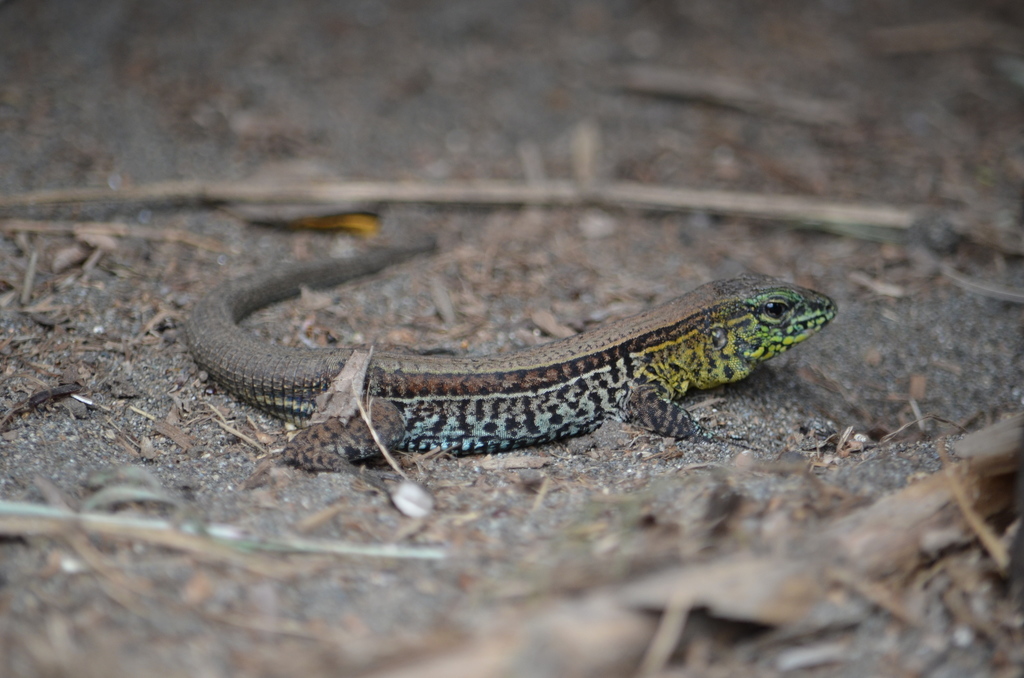
Four-lined Ameiva

Drab Tree Frog

Rhombic Cat-eyed Snake
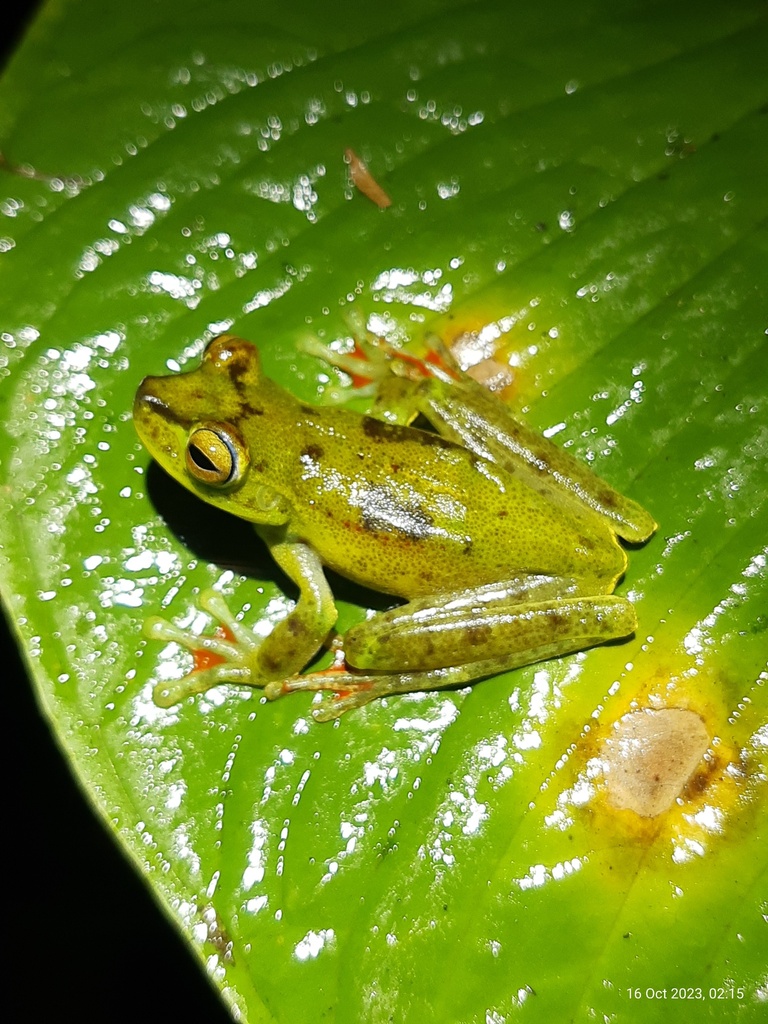
Canal Zone Tree Frog
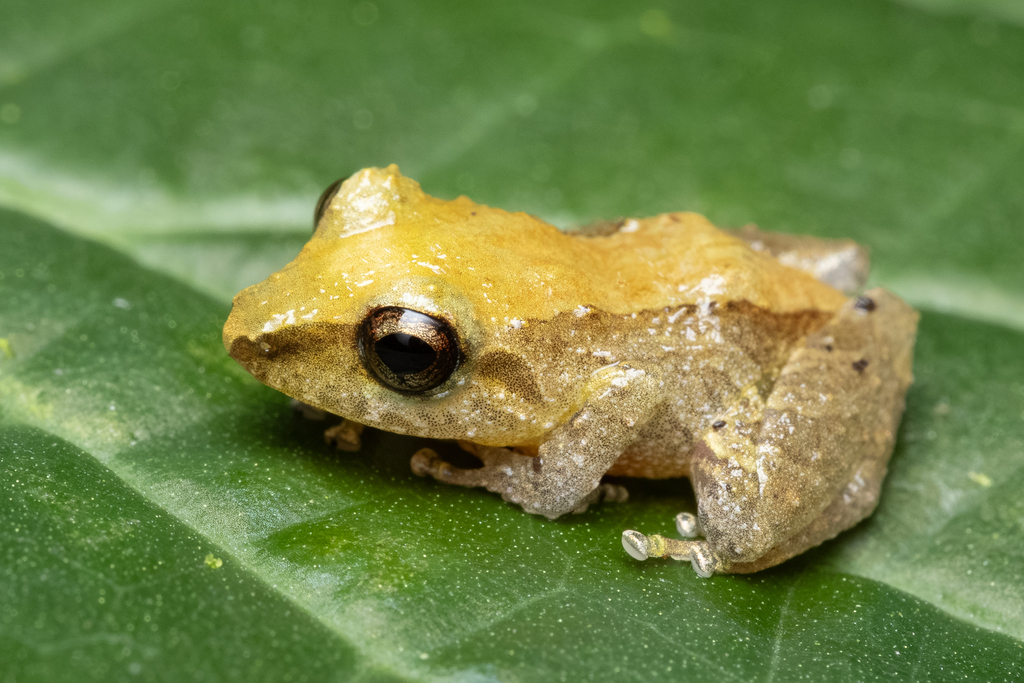
Pygmy Rain Frog
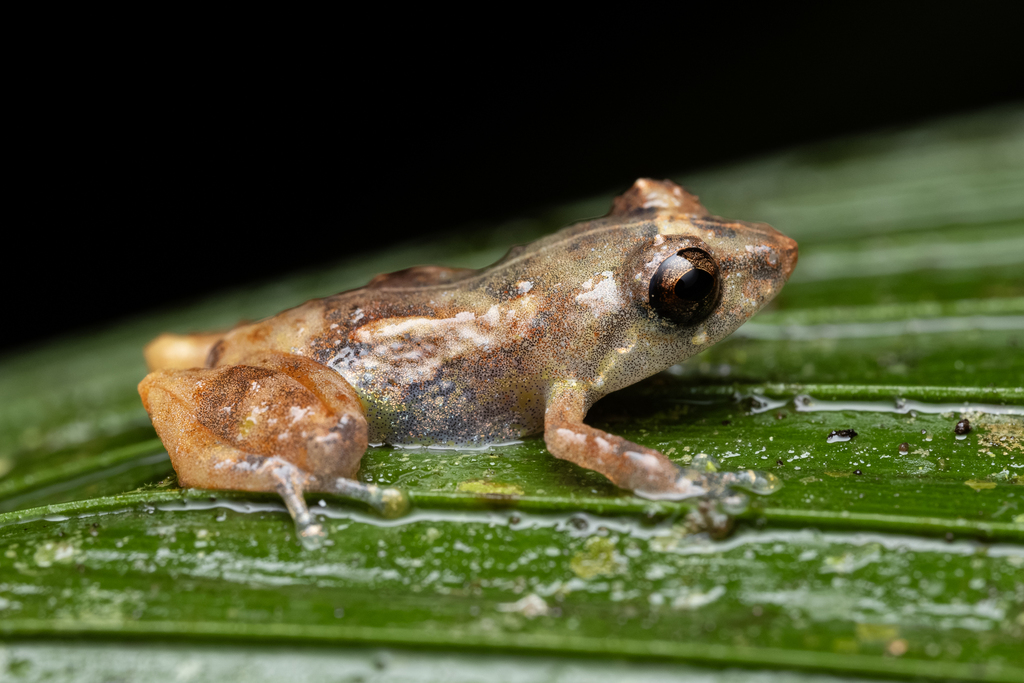
Tink Frog

Derby's Woolly Opossum

Common tent-making Bat

White Bat

Atlantic Broad-headed Litter Frog
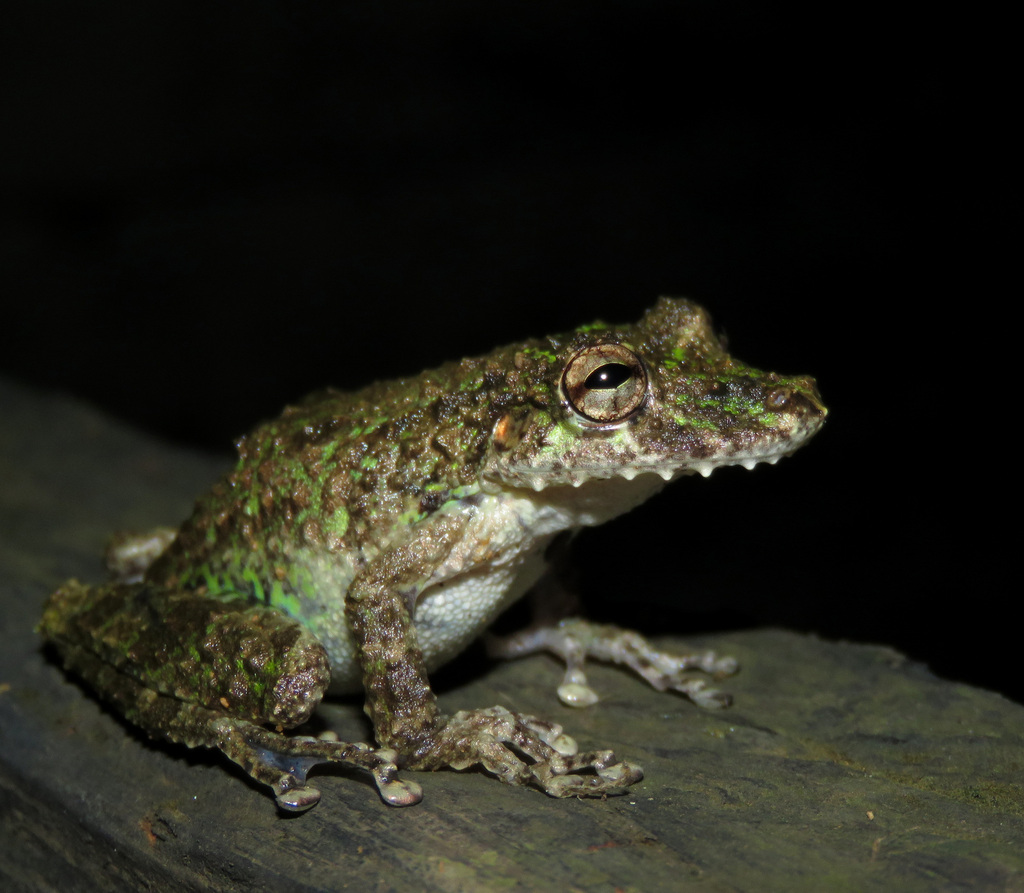
Boulenger's Snouted Tree Frog
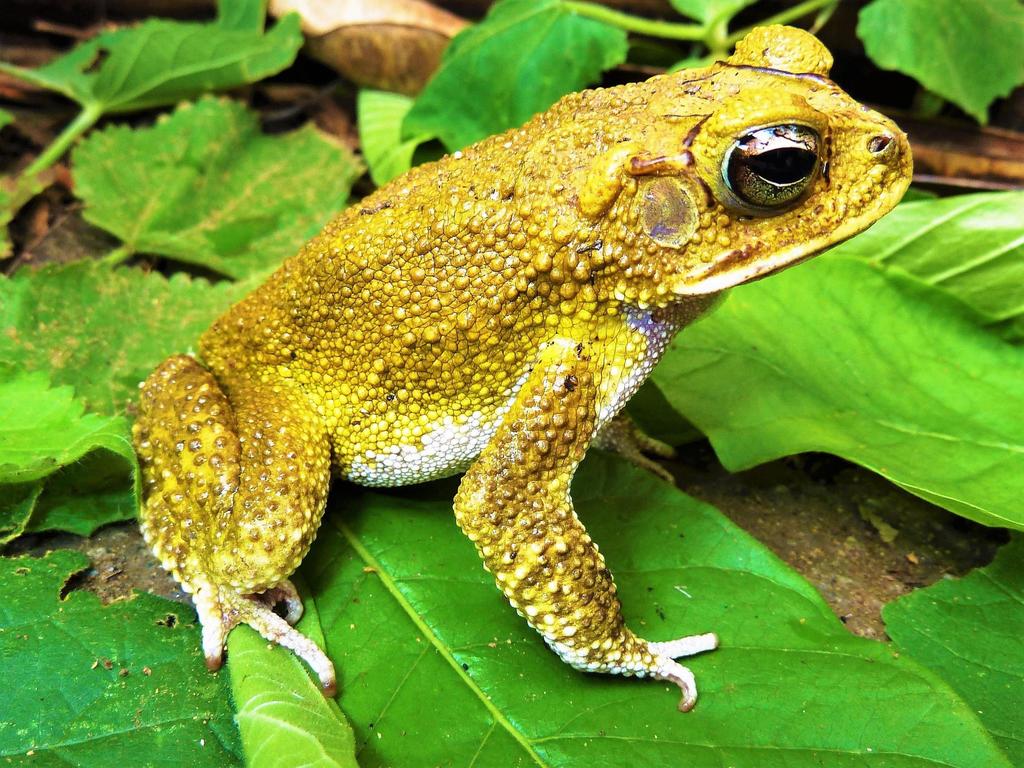
Yellow Toad
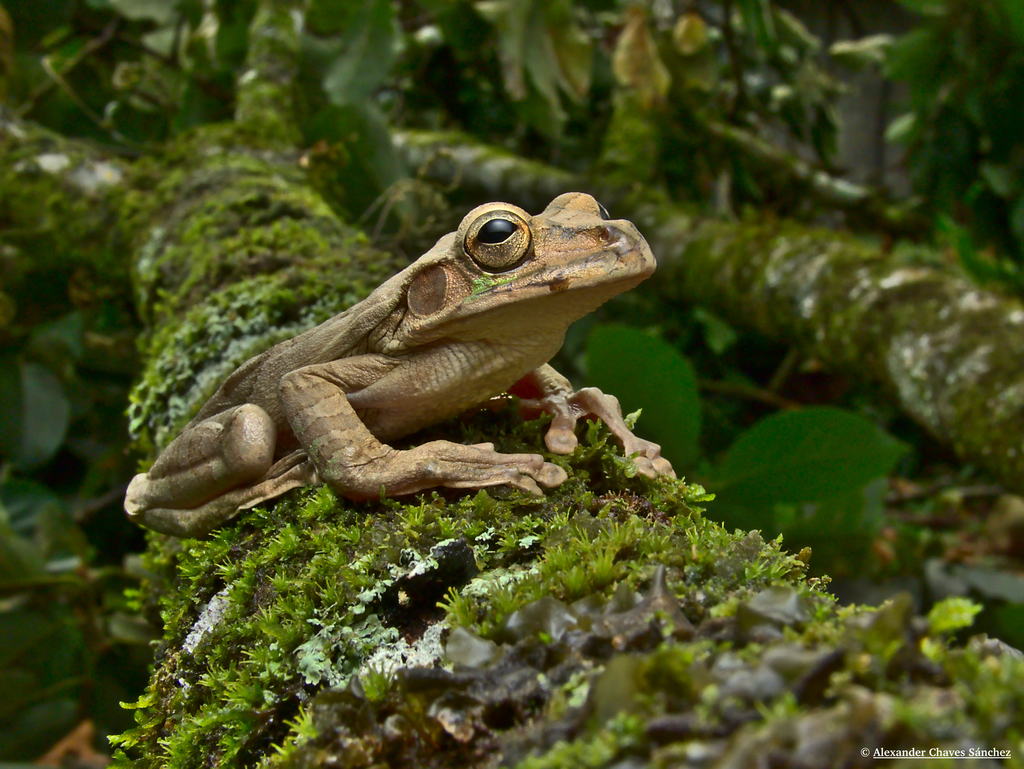
Eastern Masked Tree Frog

Stejneger's Robber Frog
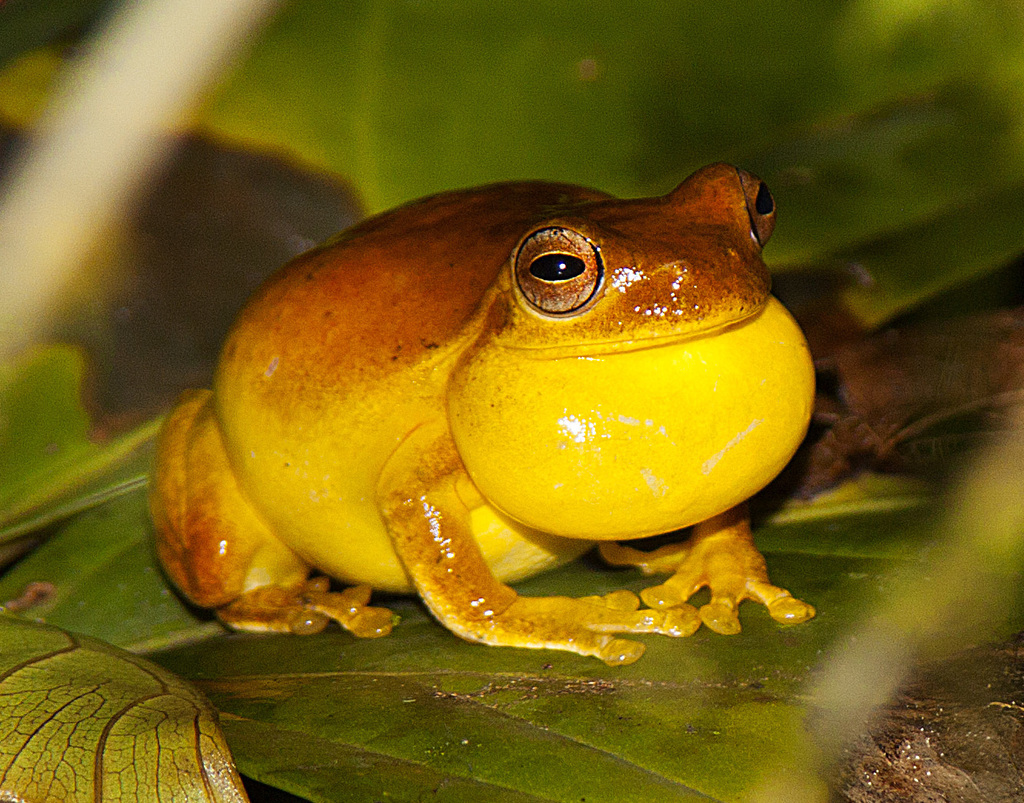
Mahogany Tree Frog
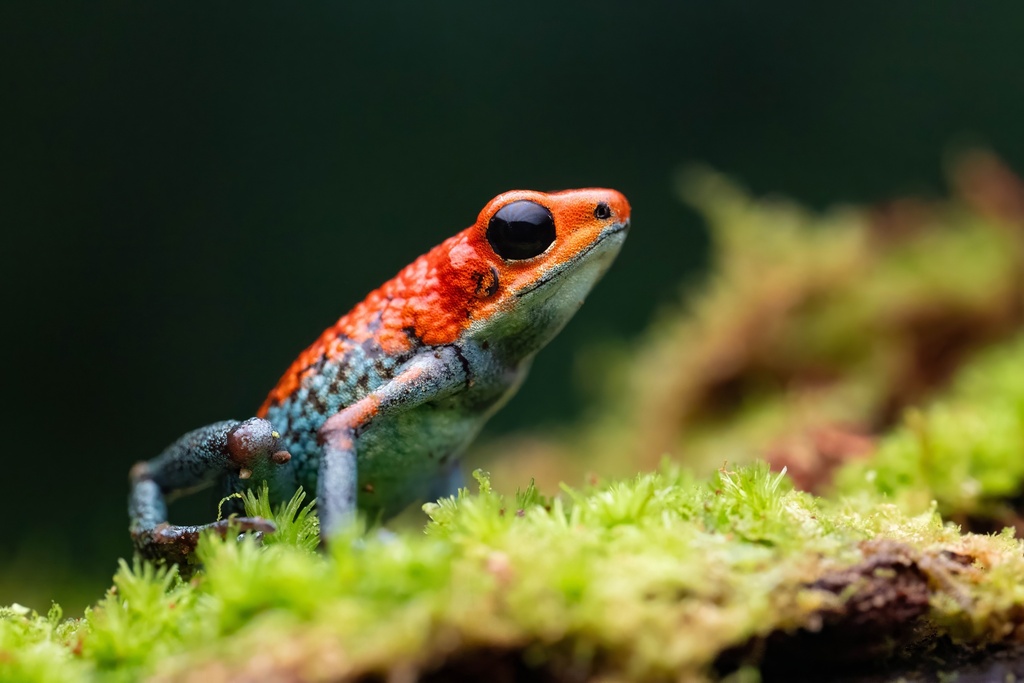
Granular Poison Frog
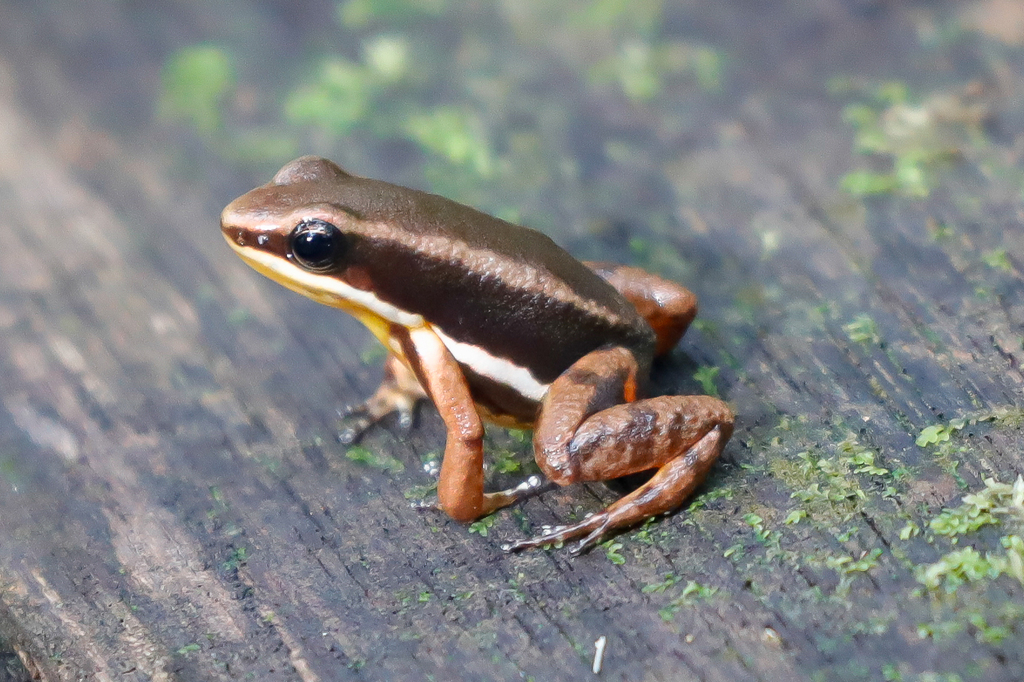
Striped Rocket Frog
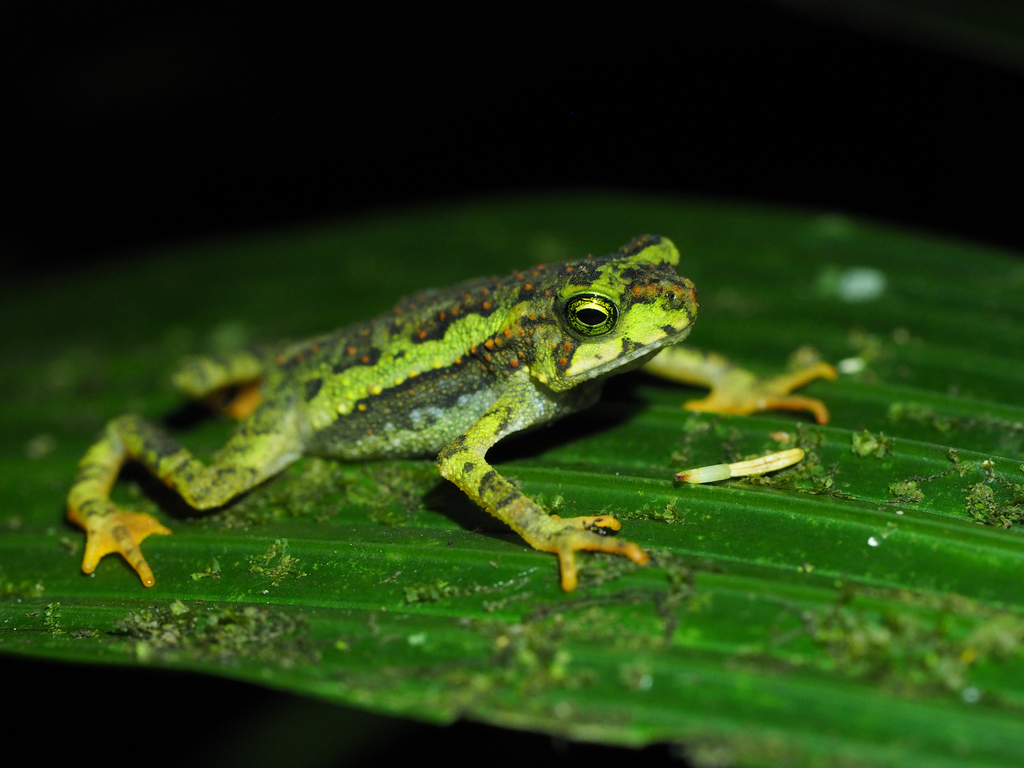
Green Climbing Toad

Rainforest Rocket Frog
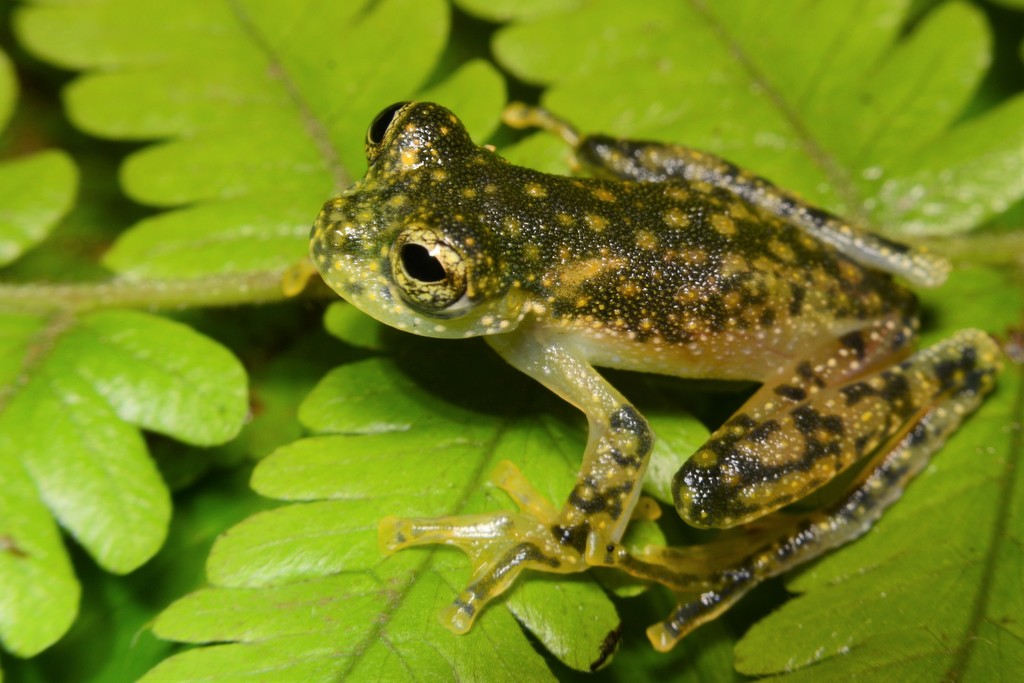
Yellow-flecked Glassfrog

Wet Forest Toad

Golden-groined Robber Frog

Sylvia's Tree Frog

Isla Bonita Robber Frog

Central American Red Brocket
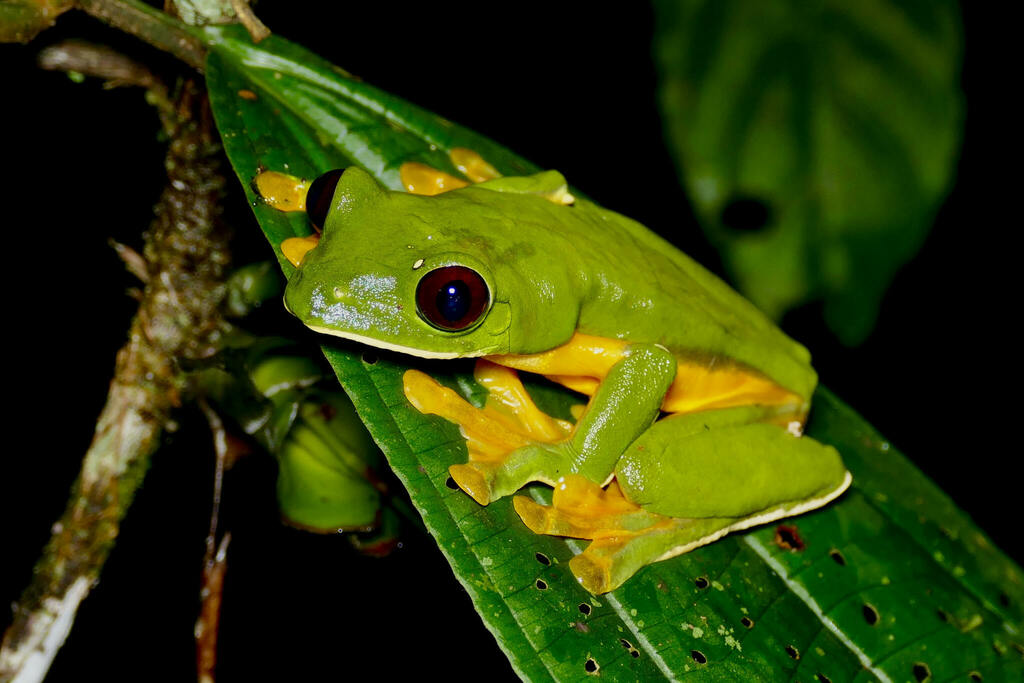
Gliding Leaf Frog
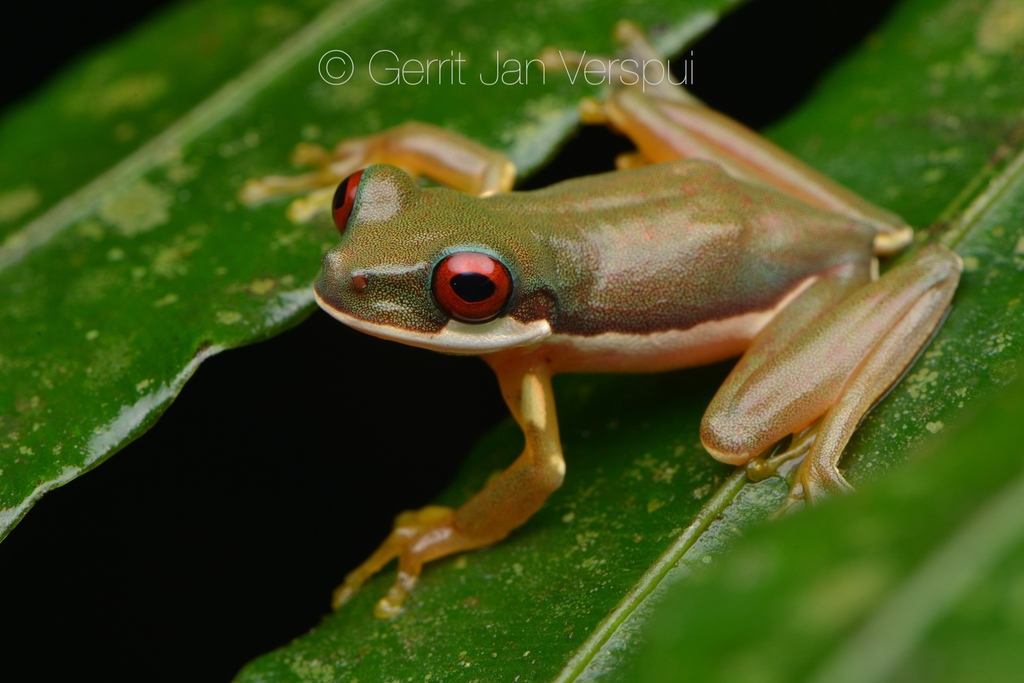
Rufous-eyed brook frog
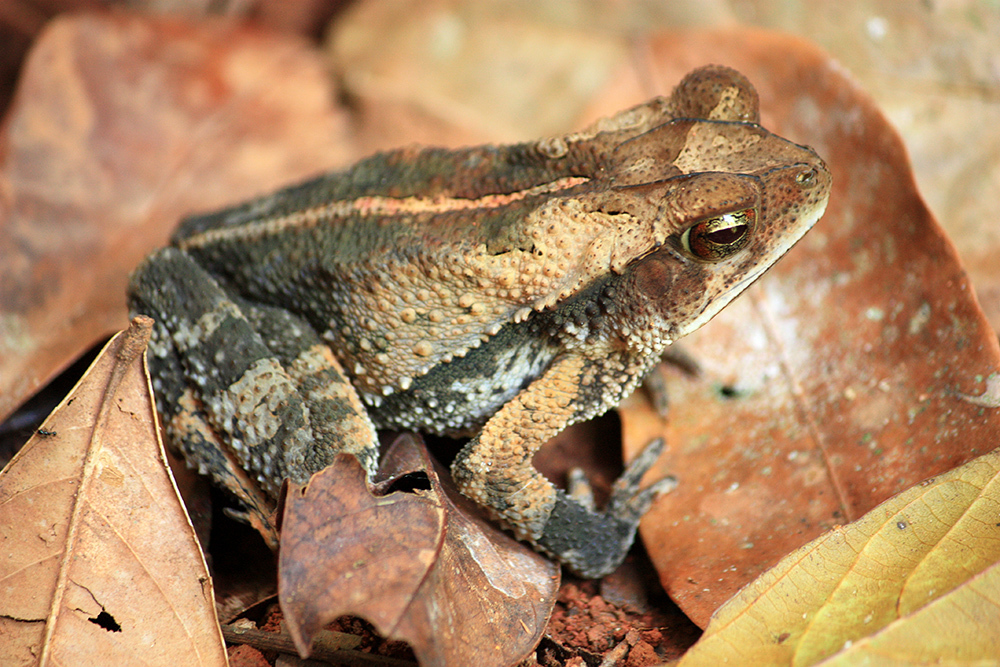
Rainforest Toad

Reticulated Glass Frog
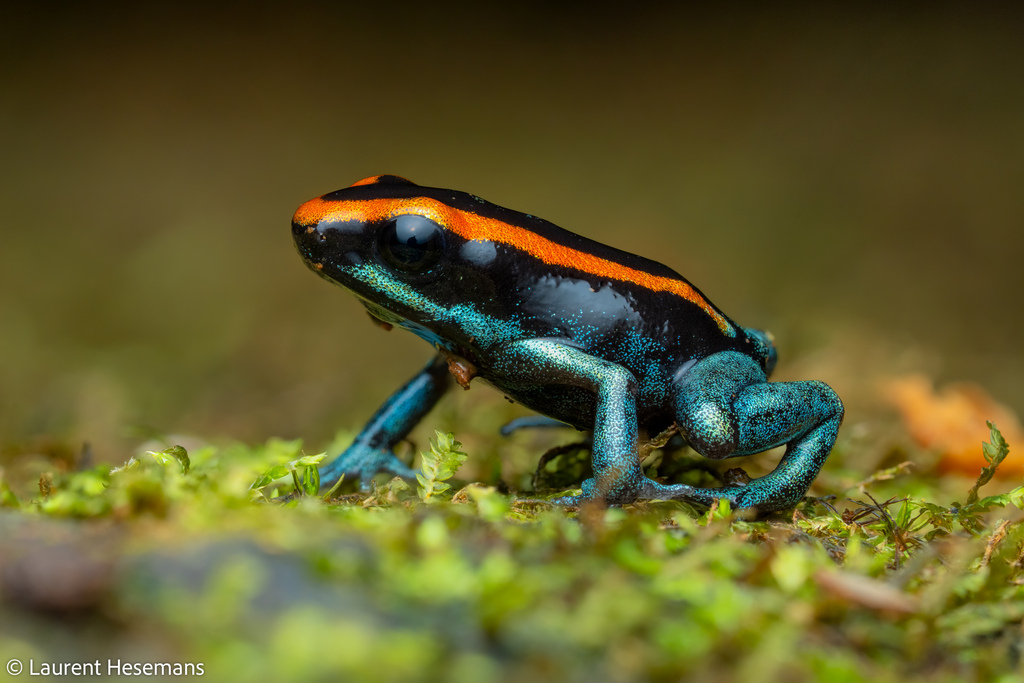
Golfo Dulce Poison-Dart Frog
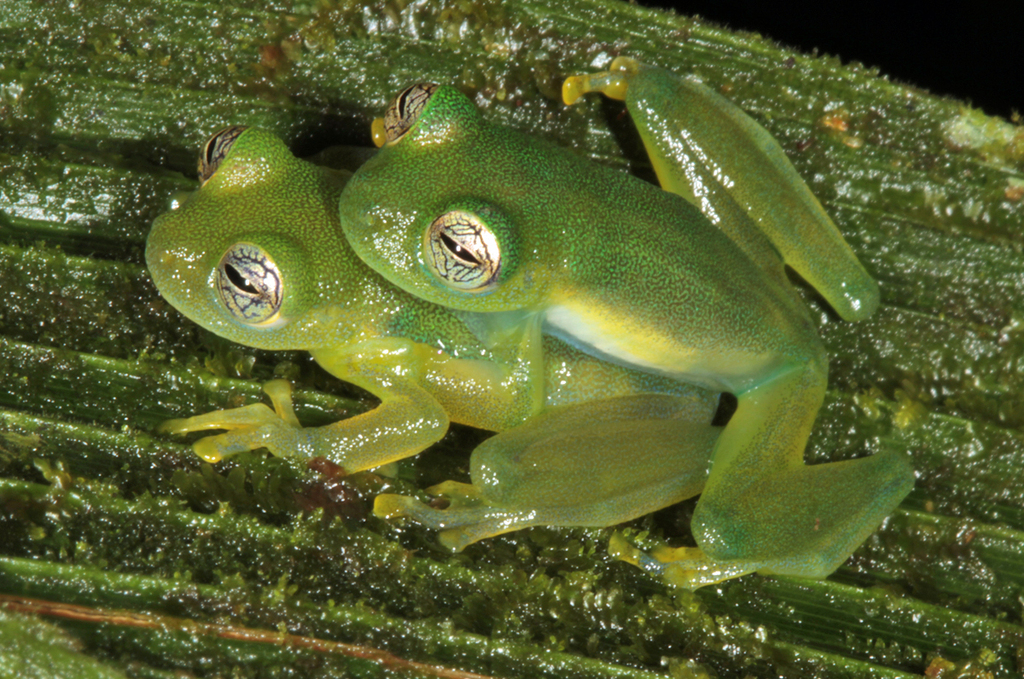
Dwarf Glass Frog

Blue-sided Tree Frog

Northern Ghost Bat

Northern Silky Anteater
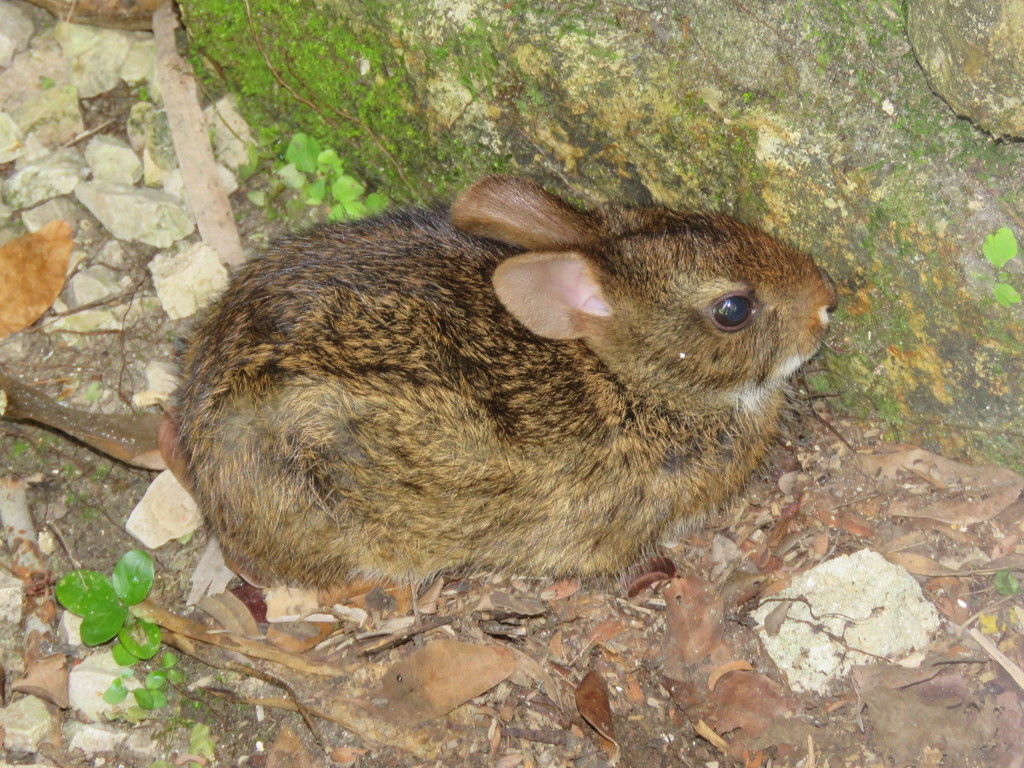
Gabb's Cottontail
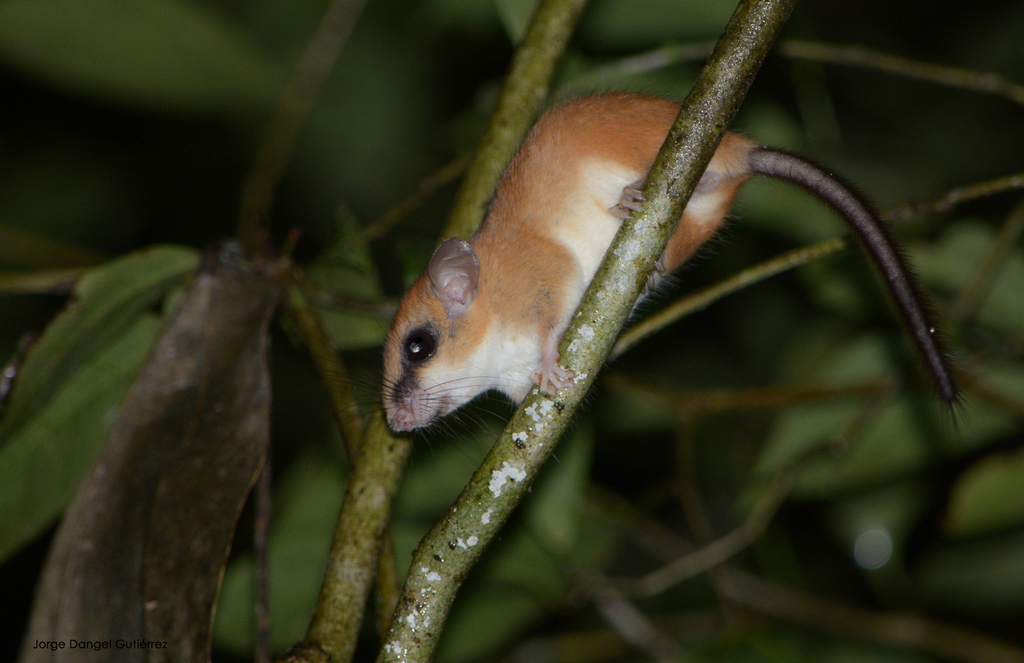
Sumichrast's Vesper Rat

Spix's Disk-winged Bat

Pale spear-nosed bat
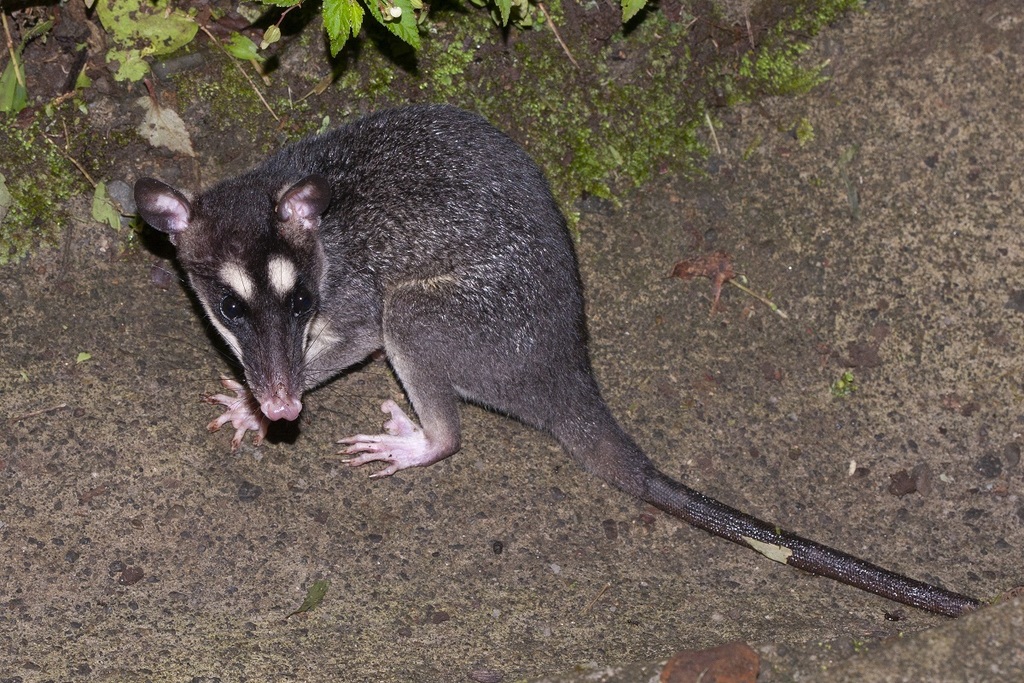
Dark Four-eyed Opossum

Central American Dwarf Squirrel
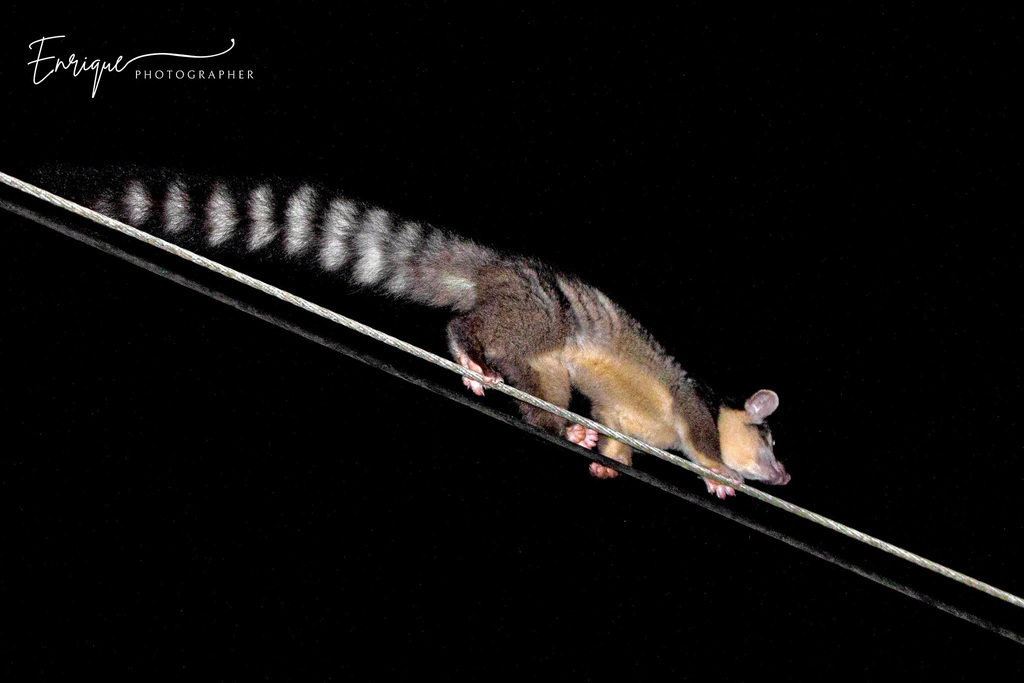
Cacomistle
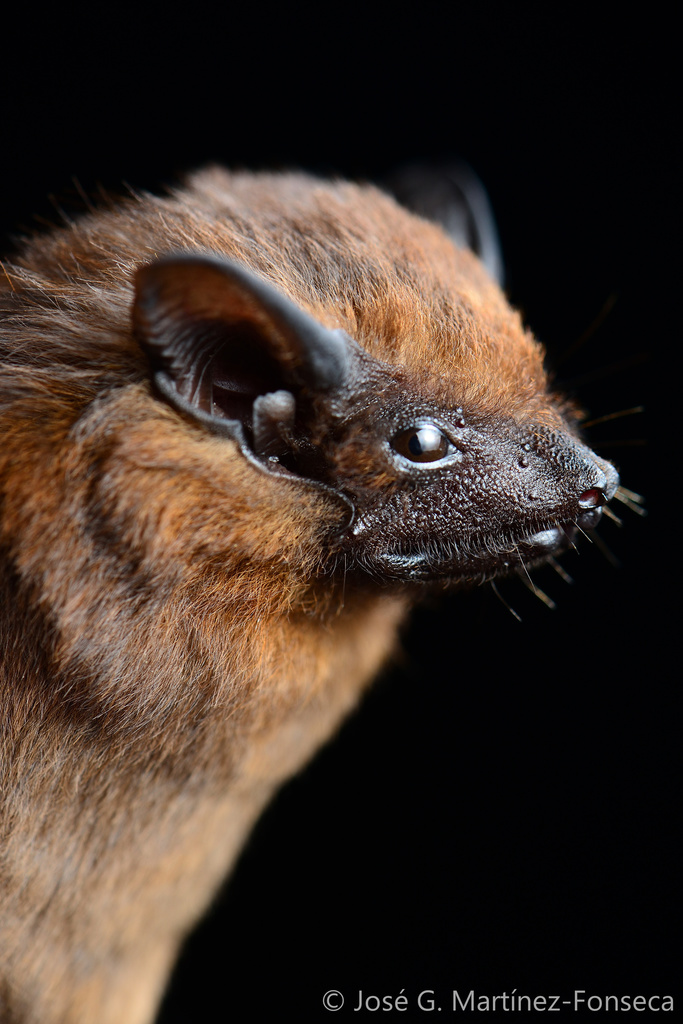
Chestnut Sac-winged Bat

Chiriqui Olingo
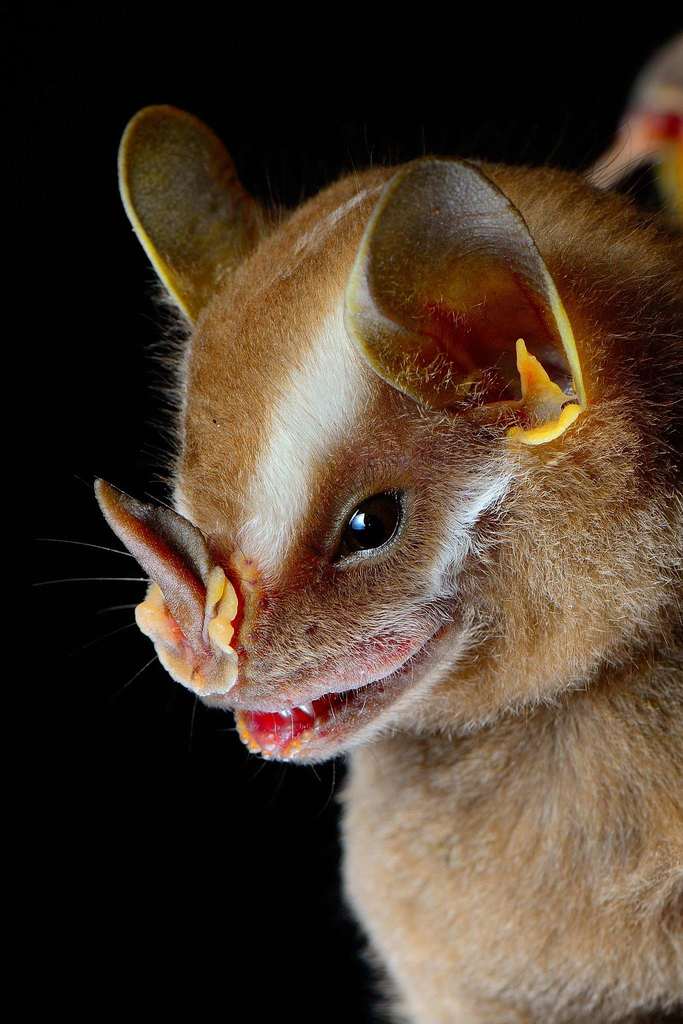
Heller's Broad-nosed Bat
Wild animals in Costa Rica: 17 questions answered
Answered from this page’s 156-species slice of the guide. Counts describe the guide, not a national checklist.
What wild animals live in Costa Rica?
This field guide lists 156 wild animals whose research-grade iNaturalist sightings are concentrated in Costa Rica: 57 birds, 42 amphibians, 30 mammals and 27 reptiles. The most frequently recorded are Giant Marine Toad, American Crocodile and Central American Agouti. Every species below has its own page with a photo, its scientific name, its conservation status and where it is most observed.
How many wild animal species are listed for Costa Rica?
156 — the species in the Tracks field guide for which Costa Rica holds the most verified sightings. This is not a complete national checklist: a species recorded even more often in a neighbouring country appears on that country's page instead, and the Tracks app itself catalogues 40,286 species worldwide. Between them these 156 species account for 388,001 research-grade observations.
What is the most commonly seen wild animal in Costa Rica?
Giant Marine Toad (Rhinella horribilis), with 13,959 research-grade observations on iNaturalist — more than any other species on this page. Next most recorded are American Crocodile and Central American Agouti. "Most recorded" means most often photographed and verified by people, which is a good proxy for what a visitor is likely to actually see.
What is the rarest animal in Costa Rica?
On the Tracks rarity scale the rarest species on this page is Central American Squirrel Monkey (Epic tier), with 2,022 recorded sightings. Tracks rarity is based on how often a species is actually encountered rather than on its conservation status, so a rare card is a hard animal to find, not necessarily a threatened one.
What wild mammals live in Costa Rica?
This guide lists 30 mammals for Costa Rica, most-recorded first: Central American Agouti, Mantled Howler Monkey, Brown-throated Sloth, Central American White-faced Capuchin, Central American Spider Monkey and Variegated Squirrel, plus 24 more on this page.
What birds can you see in Costa Rica?
57 bird species are listed for Costa Rica. The most frequently recorded are Rufous-tailed Hummingbird, Bare-throated Tiger Heron, Keel-billed Toucan, Scarlet-rumped Tanager, Scarlet Macaw and Lesson's Motmot, plus 51 more on this page.
Are there reptiles and amphibians in Costa Rica?
Yes — 27 reptiles and 42 amphibians are listed for Costa Rica. They include American Crocodile, Common Caiman, Common Basilisk, White-throated Gecko, Fer-de-lance and Central American Eyelash-Viper, plus 63 more on this page. Reptiles and amphibians are under-recorded almost everywhere relative to birds and mammals, so treat these counts as a floor.
Are there dangerous wild animals in Costa Rica?
5 of the species on this page belong to the groups behind most wildlife injuries — large carnivores, crocodilians, sharks, venomous snakes and big herbivores. They are American Crocodile, Common Caiman, Fer-de-lance, Central American Eyelash-Viper and Side-striped palm pit viper. Nearly all of them avoid people given the chance. The practical rules are the same everywhere: never approach, corner or feed a wild animal, keep dogs leashed, store food securely, and give any animal with young a wide berth.
Are there venomous snakes in Costa Rica?
Yes. 3 of the snakes listed for Costa Rica belong to venomous groups: Fer-de-lance, Central American Eyelash-Viper and Side-striped palm pit viper. Snake bites are overwhelmingly a result of handling or trying to kill the animal. Treat every snake you can't identify as venomous, back away, and let it leave.
What marine and coastal animals live around Costa Rica?
No marine or coastal species are listed for Costa Rica. The 156 species here are the ones most associated with Costa Rica in the guide, not the country's full fauna.
Which animals in Costa Rica are endangered?
10 of the species on this page are IUCN-listed as Vulnerable or worse: Central American Spider Monkey (Endangered), Baird's Tapir (Endangered), Central American Squirrel Monkey (Endangered), American Crocodile (Vulnerable), Mantled Howler Monkey (Vulnerable) and Central American White-faced Capuchin (Vulnerable), plus 4 more. Conservation status is shown on every species page.
What insects and spiders live in Costa Rica?
No insects or arachnids appear on this page — the guide's Costa Rica list is mostly birds and amphibians. A species is shown on the page of whichever country records it most, so any insects or arachnids recorded in Costa Rica either sit on another country's page or fall outside the guide's 156-species slice.
When is the best time to see wild animals in Costa Rica?
Dawn and the hour before dusk, almost everywhere and for almost every species: most mammals are crepuscular, and birds are loudest and most active in the first hours of daylight. Weather matters as much as season — overcast, still mornings after rain are productive, and hot midday hours are the worst time to be out looking. Each species page links to its iNaturalist record, where the observation dates show when people in Costa Rica actually recorded it.
Where can you see wild animals in Costa Rica?
National parks, nature reserves and protected wetlands concentrate both animals and the people recording them, but the edges are often better than the core: hedgerows, riverbanks, coastal paths, and the scrubby margins between habitats. Cities count too — a large share of the sightings behind this page were logged in parks, gardens and suburbs. Because every species here is backed by iNaturalist records, its species page links straight to the map of where it has actually been observed.
How do I identify a wild animal I saw in Costa Rica?
Photograph it if you safely can, and note the size, habitat and behaviour. The Tracks app scans the area you're standing in and shows the animals people have actually recorded there, which narrows an identification far faster than searching a national list. If the animal you saw isn't in Tracks yet, add it on iNaturalist: its community will help you put a name to it, and because Tracks is built from iNaturalist's research-grade observations, a sighting verified there feeds back into the data behind pages like this one.
Can I feed wild animals in Costa Rica?
No — and in many places it is also illegal. Feeding is the fastest way to ruin a wild animal. It teaches them to associate people with food, so they lose their wariness and start working car parks, campsites and picnic tables; a habituated animal that begins grabbing food gets labelled a nuisance and is usually destroyed or hit by a road vehicle. Human food is the wrong food too: bread and processed snacks cause malnutrition and wing deformities in birds and gut damage in mammals. And artificial feeding concentrates animals at densities they would never reach naturally, which is how disease spreads through a local population. If you want wildlife closer to you in Costa Rica, do it by habitat — native planting, a clean water dish, leaving dead wood and leaf litter alone — which supports animals without teaching them to approach people.
Is it safe to approach wild animals in Costa Rica?
No. Keep your distance from every wild animal, however calm it looks — a good rule of thumb is that if the animal changes its behaviour because of you, you are already too close. Don't handle snakes or reptiles, keep dogs leashed near wildlife, and if you find an animal that is injured or appears orphaned, contact a local wildlife rescue or the relevant authority rather than picking it up.