Wild Animals in Argentina
183 species are recorded more often in Argentina than anywhere else — from the much-photographed Rufous-collared Sparrow to the seldom-seen Sei Whale. Every one is backed by research-grade iNaturalist sightings.
- 136 birds
- 28 mammals
- 12 amphibians
- 5 reptiles
- 2 ray-finned fish
All 183 species recorded in Argentina
Ordered by how often people have recorded them. Tap any animal for its full field-guide entry.

Rufous-collared Sparrow

Eared Dove

Dominican Gull

Southern Lapwing

Rufous Hornero

Southern House Wren

Shiny Cowbird

Chalk-browed Mockingbird

Chimango Caracara

Rufous-bellied Thrush

Snail Kite

Cocoi Heron
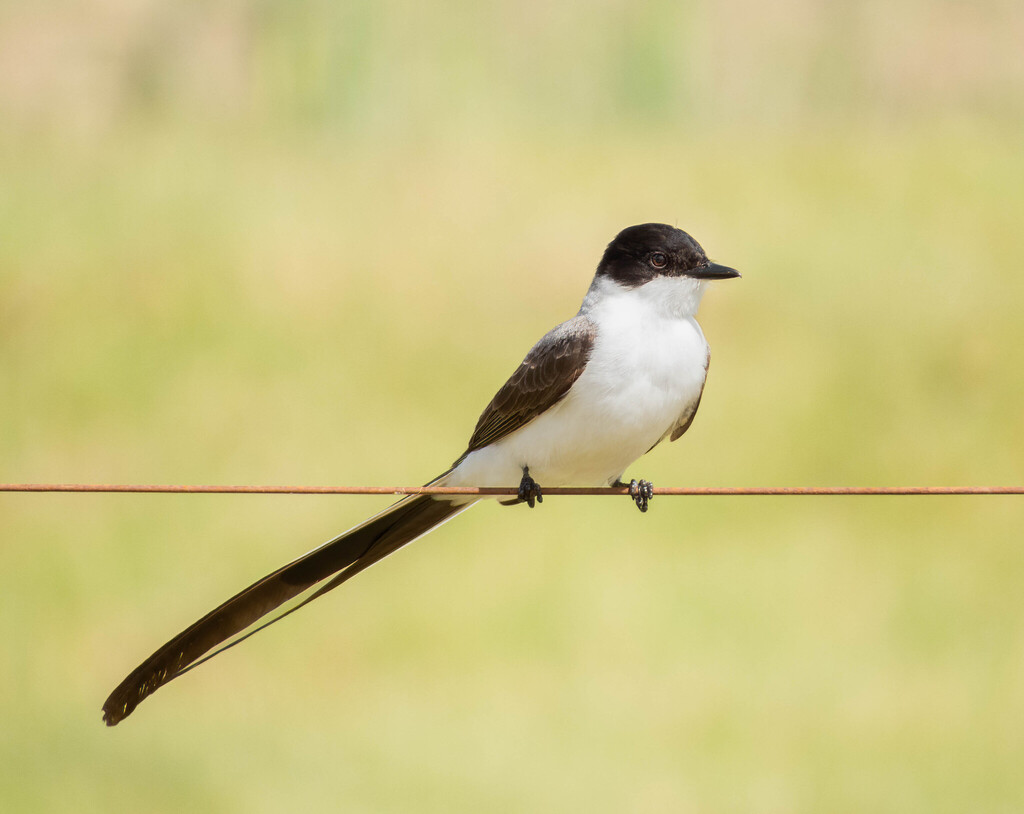
Fork-tailed Flycatcher

Cattle Tyrant

Picazuro Pigeon
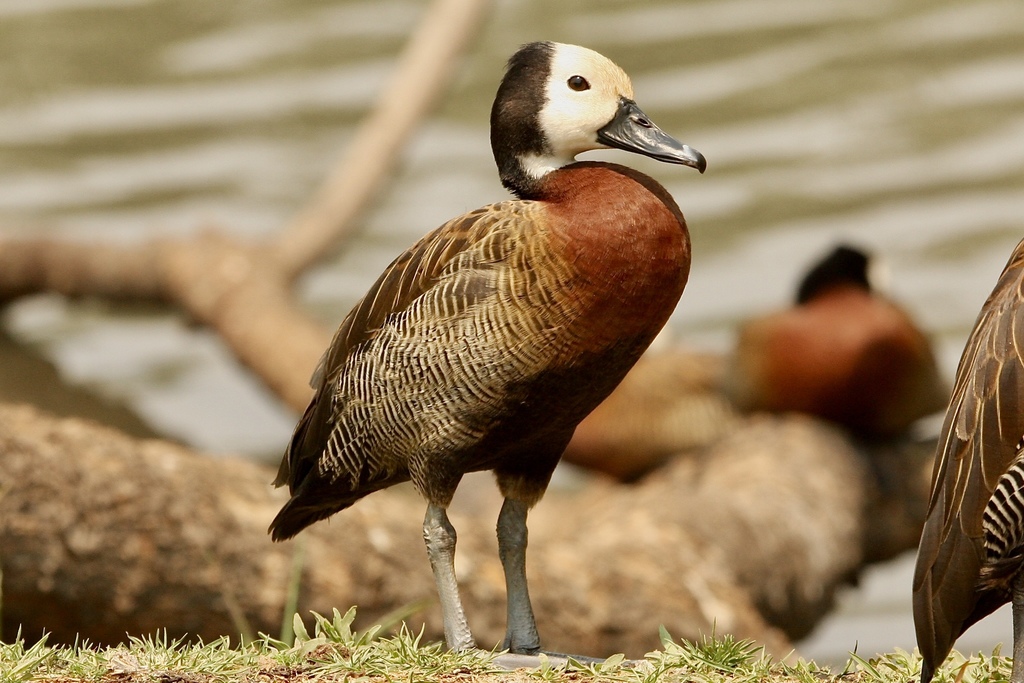
White-faced Whistling Duck

Green-barred Woodpecker

Guira Cuckoo
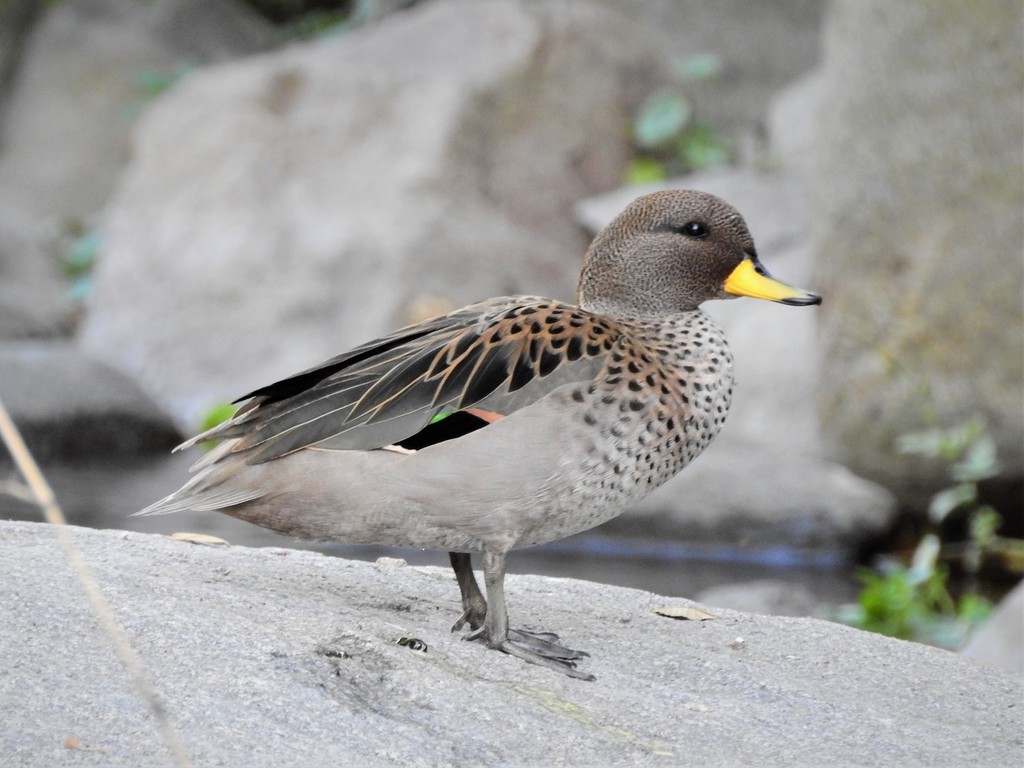
Speckled Teal

Rufescent Tiger Heron

Hooded Siskin

Grayish Baywing
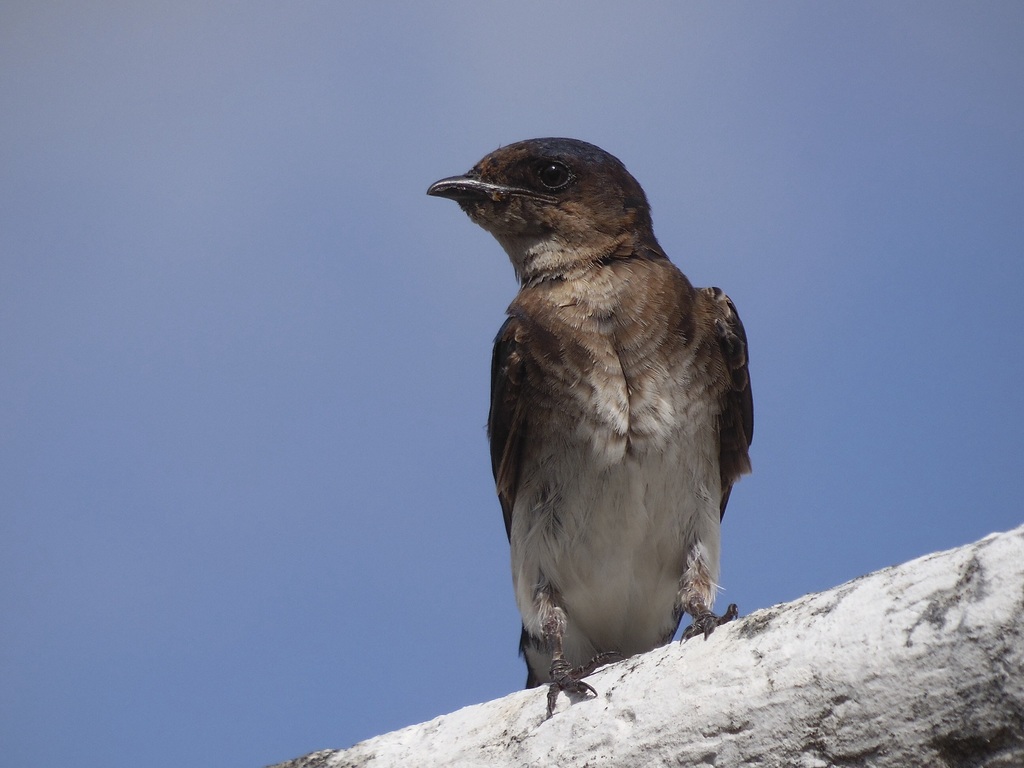
Gray-breasted Martin

Glittering-bellied Emerald

Chilean Flamingo

Campo Flicker

Spectacled Tyrant

Creamy-bellied Thrush

Magellanic Penguin

Picuí Ground-Dove

White-cheeked Pintail

Brown-hooded Gull

Yellow-billed Pintail

Grey-hooded Gull

Brazilian Teal

Double-collared Seedeater

Andean Condor
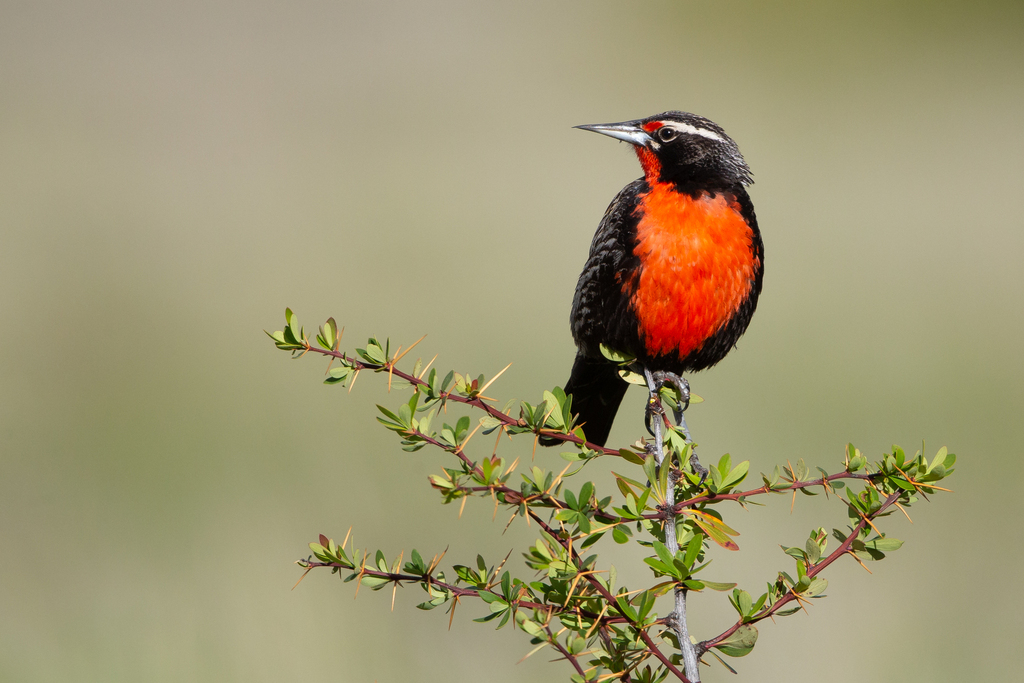
Long-tailed Meadowlark

Brown-chested Martin

Whistling Heron

Spot-winged Pigeon

Coscoroba Swan

Tropical Parula

Southern Screamer

Great Pampa-Finch
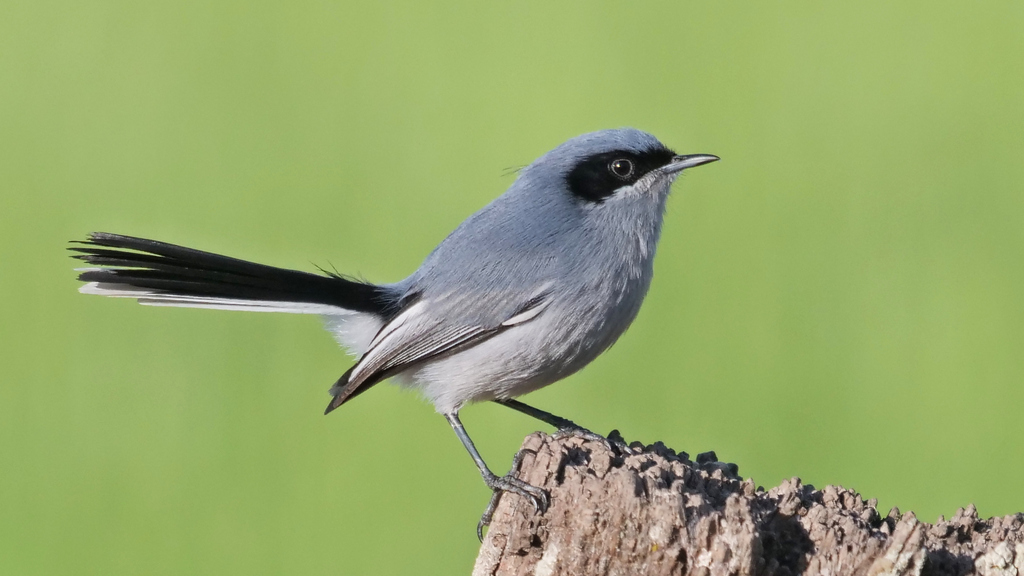
Masked Gnatcatcher

Blue-and-yellow Tanager

White-tufted Grebe

Variable Hawk

Guanaco

Red-gartered Coot

Great Grebe

Grassland Yellow-Finch

Black-chested Buzzard-Eagle

Aplomado Falcon

Golden-billed Saltator

Maguari Stork

Narrow-billed Woodcreeper

Upland Goose

Chiguanco Thrush

White-winged Coot

Black-necked Swan

Silver Teal

Chestnut-capped Blackbird

Rosybill Pochard

Ringed Teal

Plush-crested Jay

Black-faced Ibis

White-lined Tanager

Variable Oriole

Southern Giant Petrel

Brazilian Guinea Pig

White-tipped Plantcutter

Hilaire’s Side-necked Turtle

Yellow-winged Blackbird
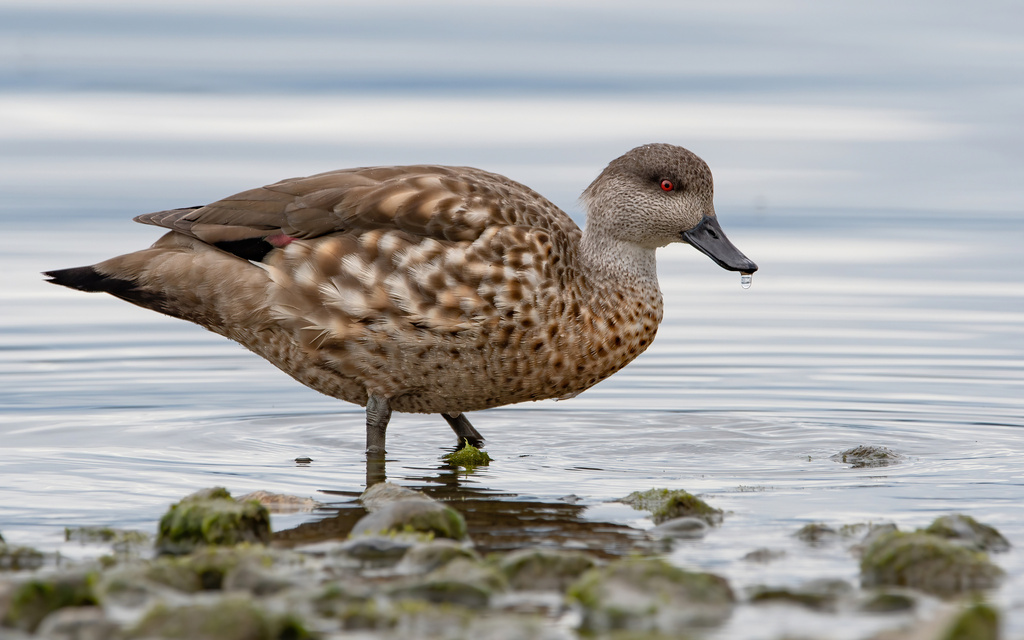
Crested Duck

Red Shoveler

White Monjita

Austral Negrito

Southern Elephant Seal

Red-fronted Coot

Greater Rhea

Chiloé Wigeon

Gilded Hummingbird

Collared Plover

Argentine Toad

Blue-gray Saltator

White-browed Blackbird

Mourning Sierra-Finch

Plumbeous Rail

Blue-crowned Parakeet

Argentine Blue-bill

Great Antshrike

White-banded Mockingbird

Azara's Fox
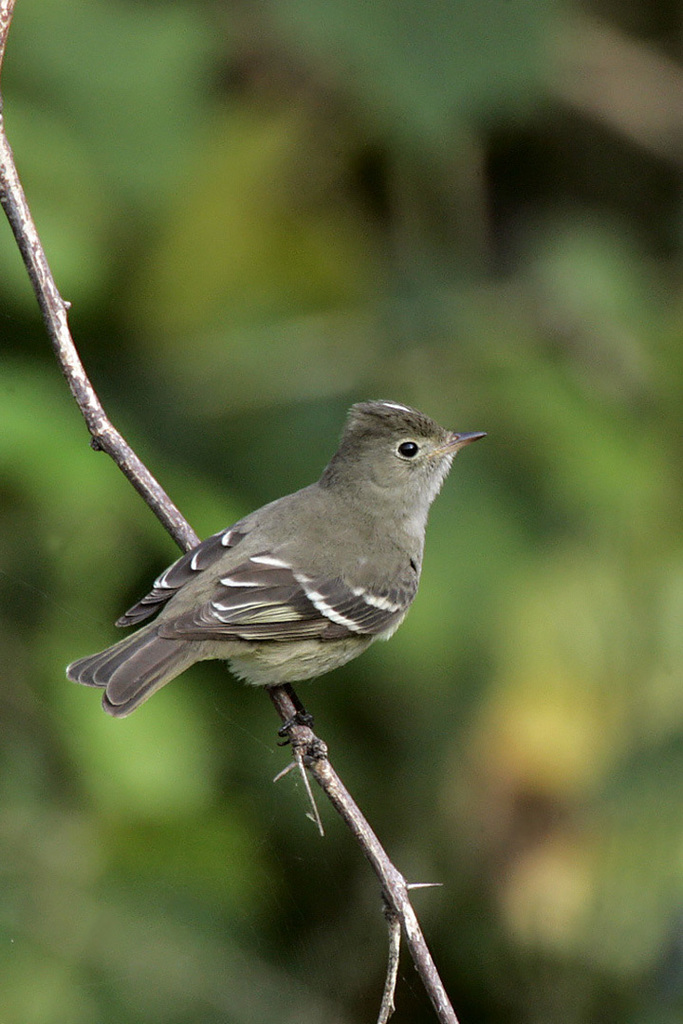
White-crested Elaenia

White-rumped Swallow

Grey-hooded Sierra-Finch

Montevideo Tree Frog

Buff-winged Cinclodes

Silvery Grebe

Grassland Sparrow

Burrowing Parakeet

Giant Wood-Rail

Checkered Woodpecker

Gray Brocket

Crowned Slaty Flycatcher

Dolphin Gull

Bran-colored Flycatcher
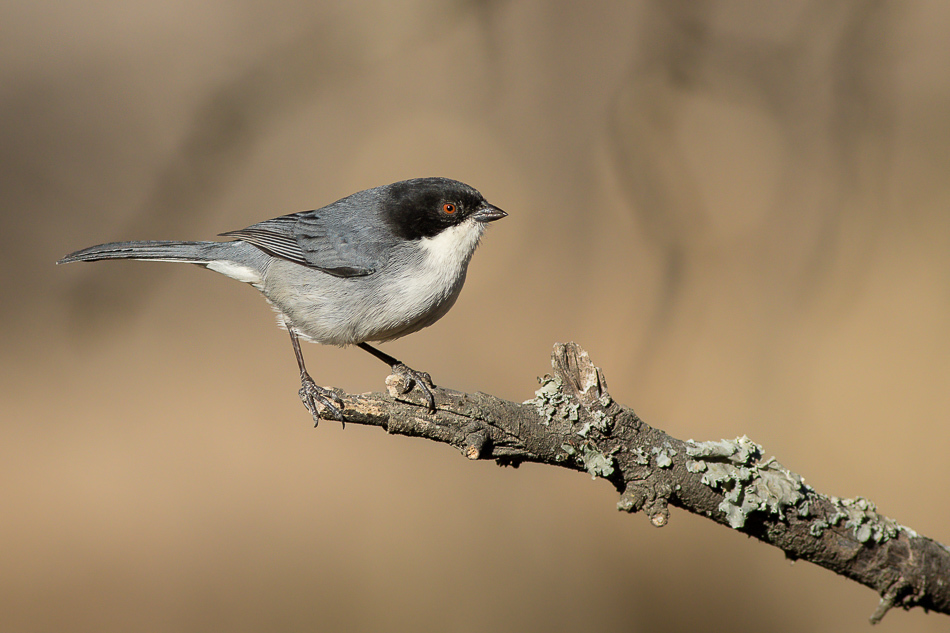
Black-capped Warbling-Finch

Spot-flanked Gallinule

Southern Yellowthroat

White-barred Piculet

Red-crested Finch

Patagonian Sierra-Finch

Many-colored Rush Tyrant

Long-winged Harrier
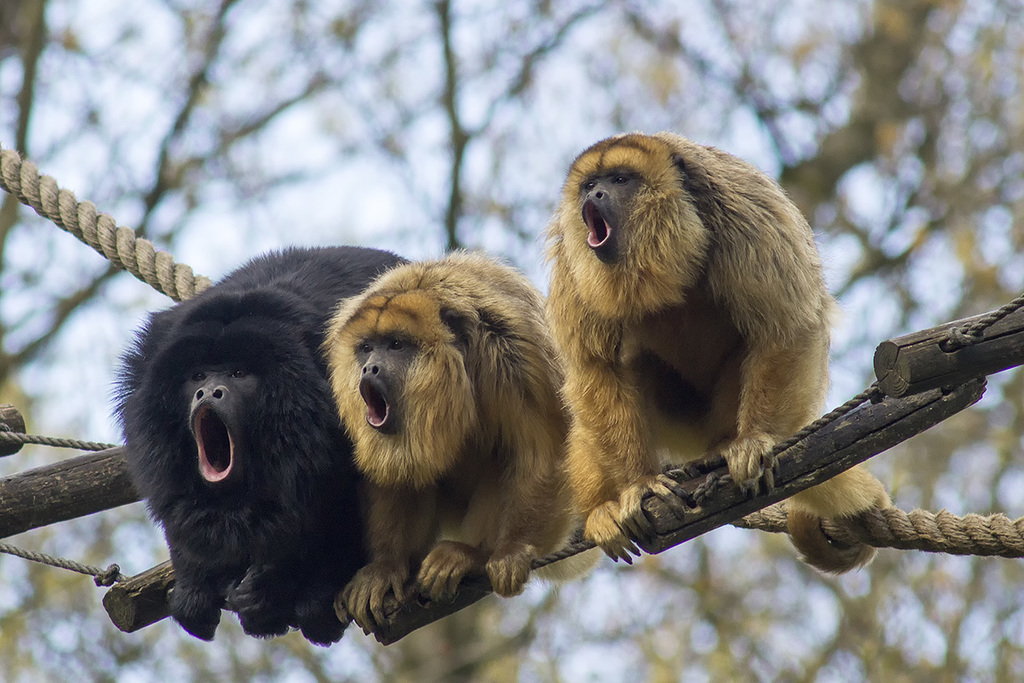
Black Howler

Screaming Cowbird

Wren-like Rushbird

White-winged Becard

Brown-and-yellow Marshbird

Patagonian Mockingbird

Black-and-rufous Warbling-Finch

Ashy-headed Goose
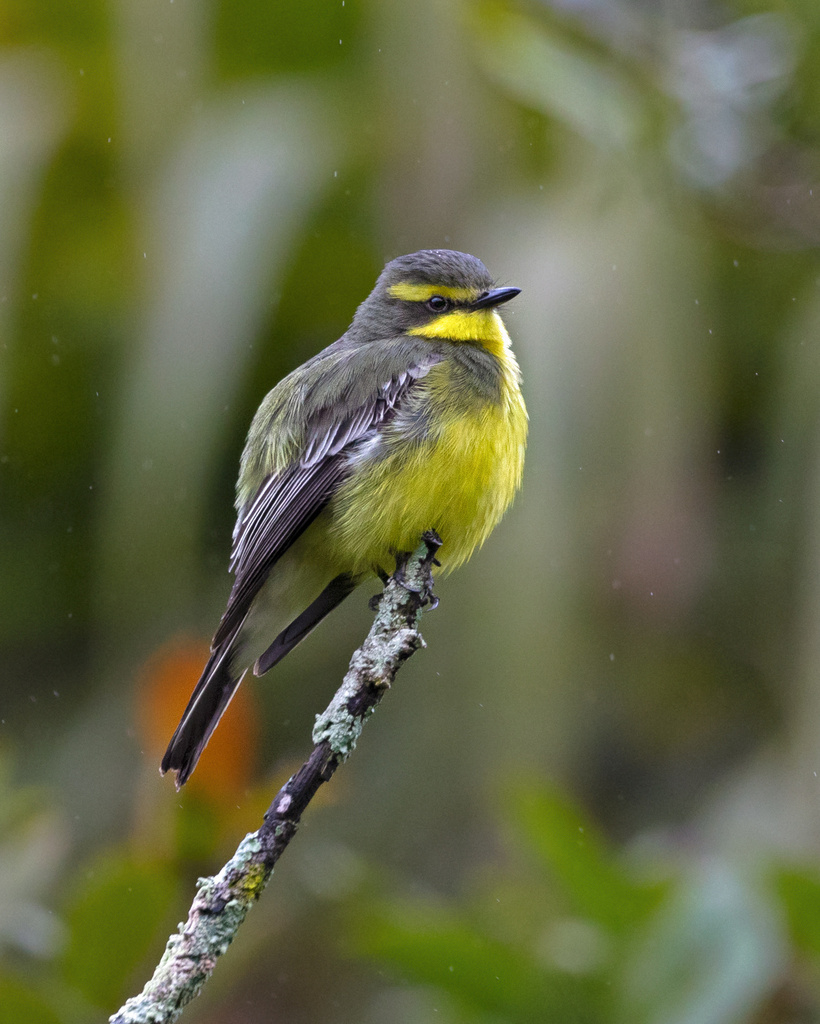
Yellow-browed Tyrant

Black-bellied Slider

Wrestler Frog

Striped Owl

Grass Wren

Lesser Rhea

Magellanic Woodpecker

White-fronted Woodpecker

White-throated Hummingbird

Thorn-tailed Rayadito

Marsh Deer

Ultramarine Grosbeak

Dark-faced Ground-Tyrant
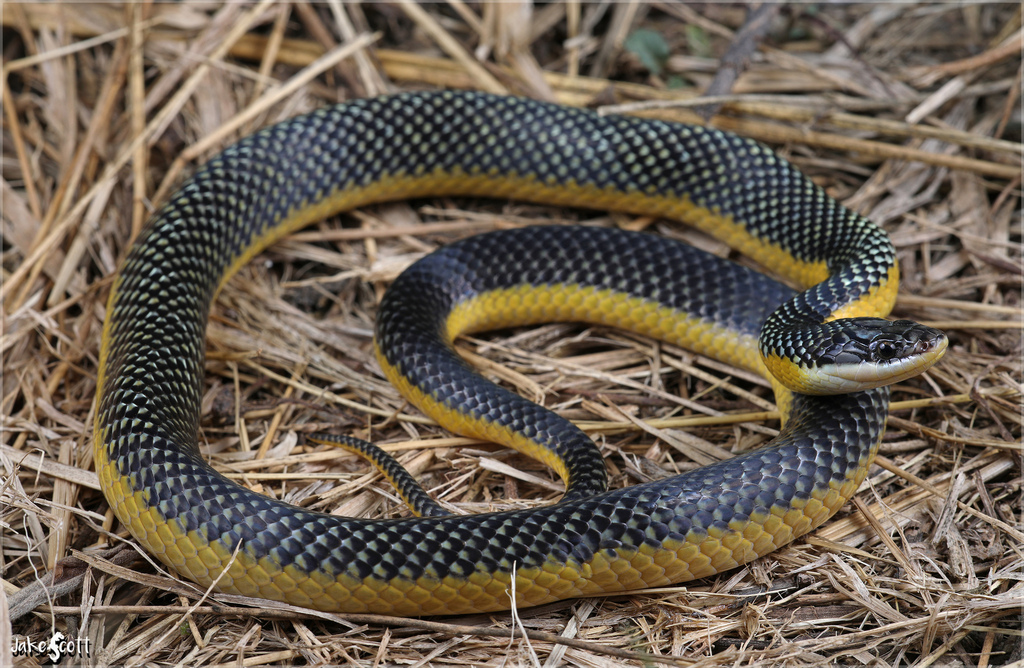
Yellow-bellied Liophis

Sooty Tyrannulet

Firewood-gatherer
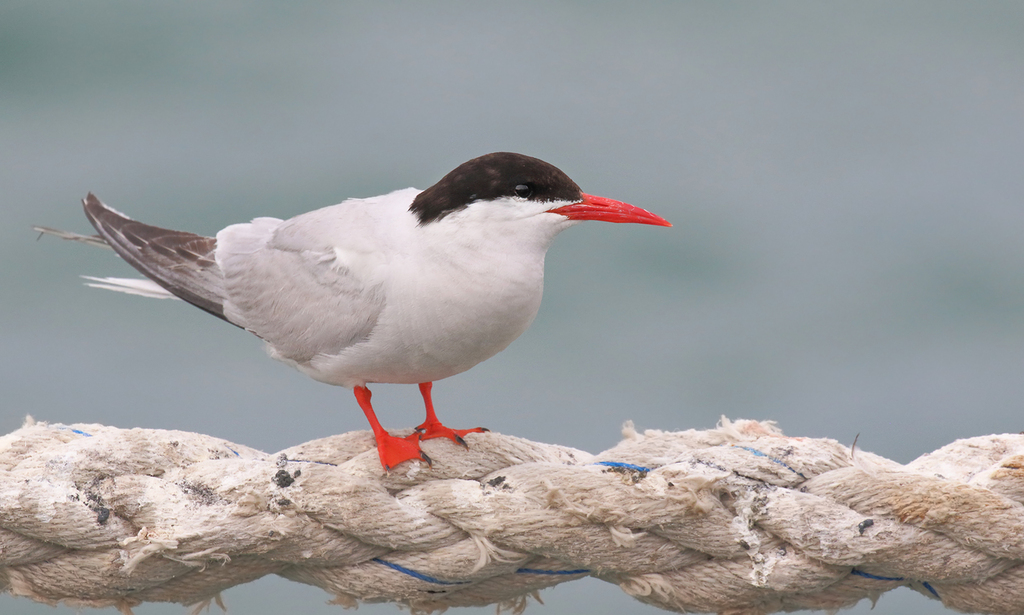
South American Tern
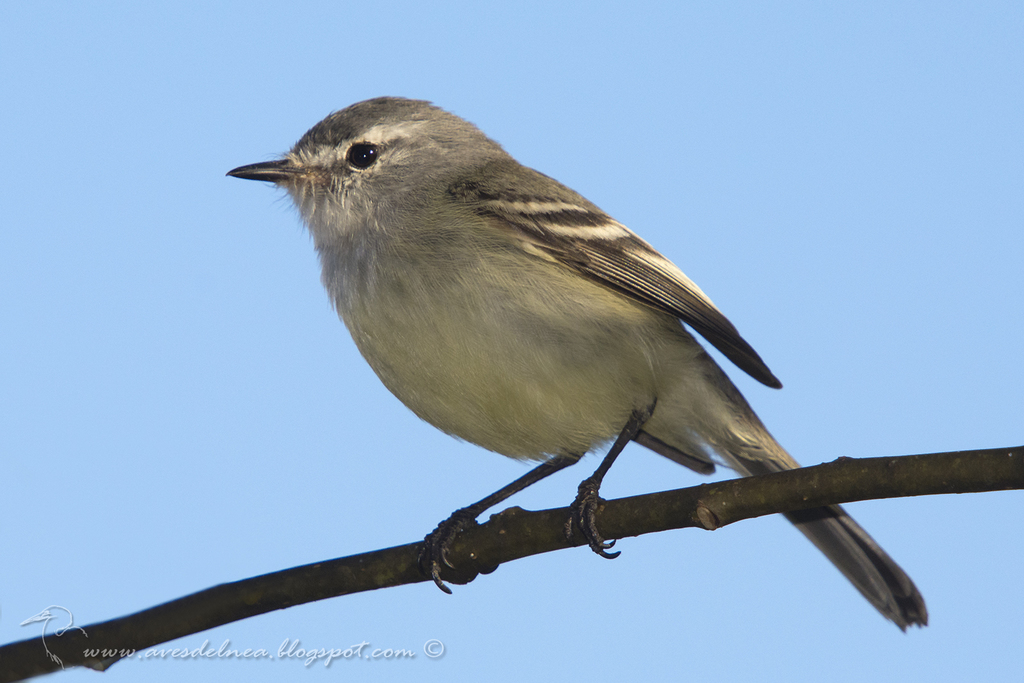
White-crested Tyrannulet
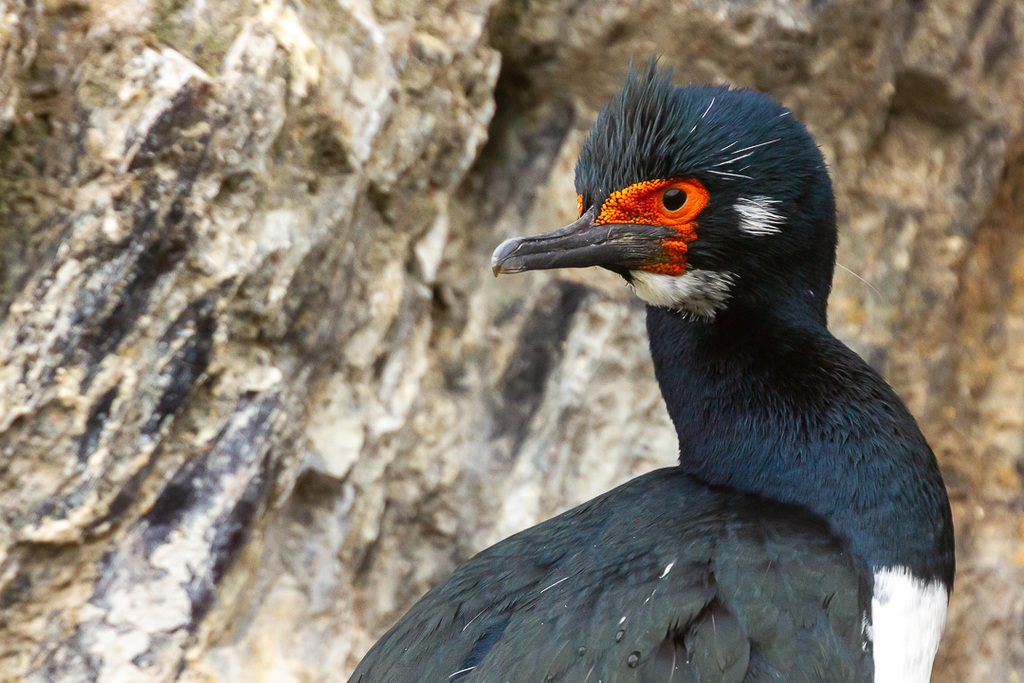
Magellan Cormorant

Small-billed Elaenia

Scimitar-billed Woodcreeper

Kelp Goose
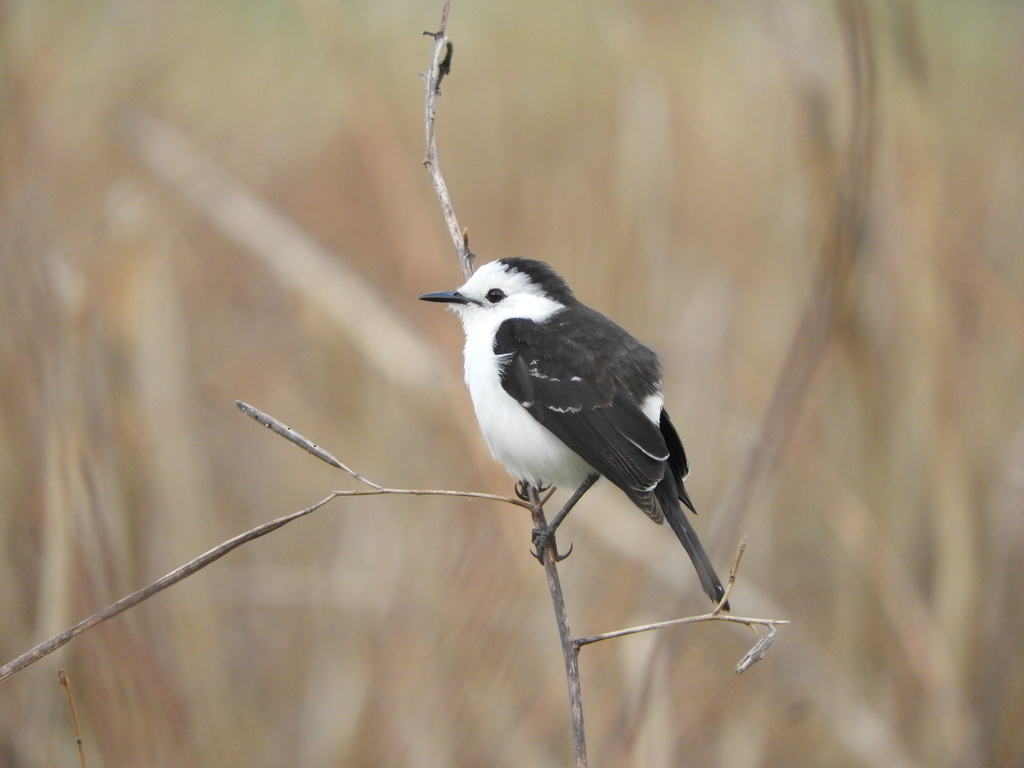
Black-backed Water-Tyrant

Urutu Lancehead
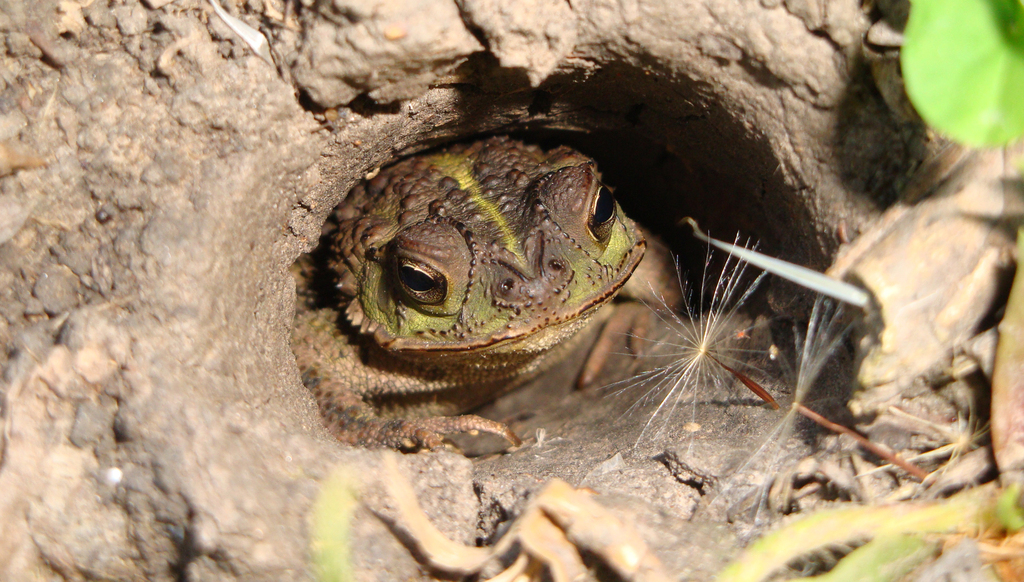
Bella Vista Toad

Brown Cacholote

Patagonian Racer

Large Hairy Armadillo

Humboldt's Hog-nosed Skunk

Geoffroy's Cat
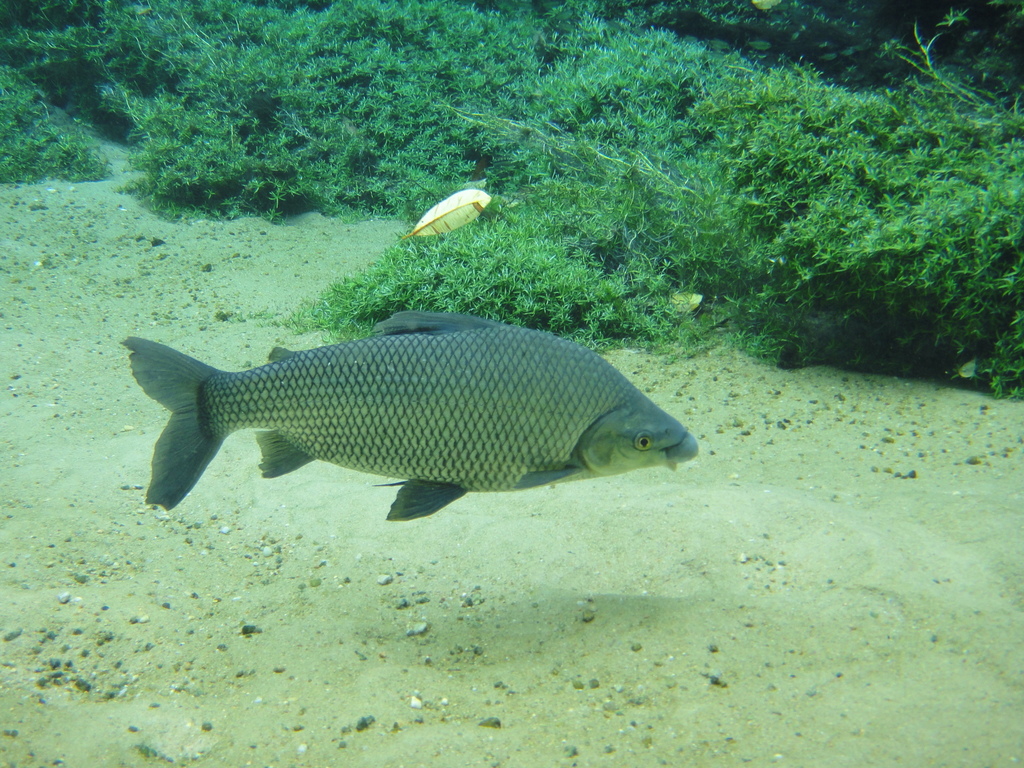
Streaked Prochilod

South American Fur Seal

Lesser Grison
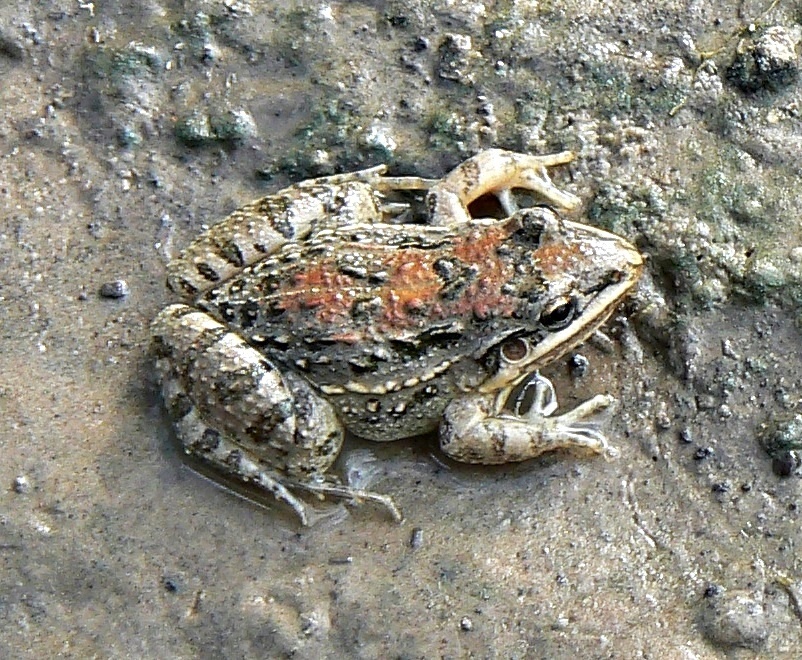
Oven Frog

Patagonian Cavy
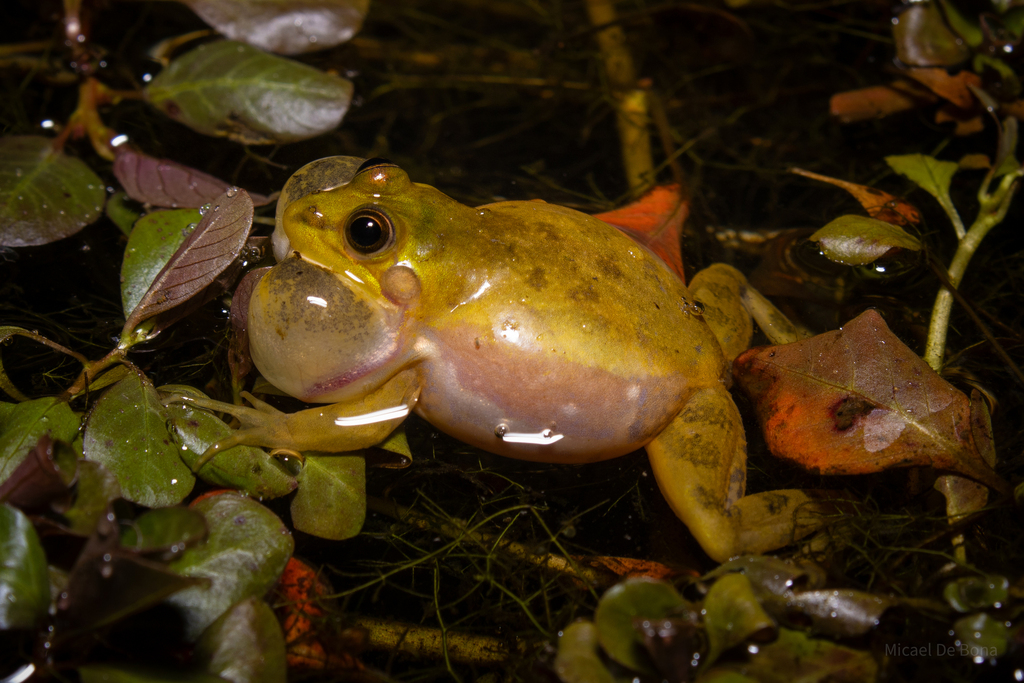
Lesser Swimming Frog

Marbled Swamp Eel

Lesser Snouted Tree Frog

Sei Whale

Plains Viscacha

Two-colored oval frog

Southern Mountain Cavy

Weeping Frog

Dumeril's Striped Frog

Lowland Yellow-toothed Cavy
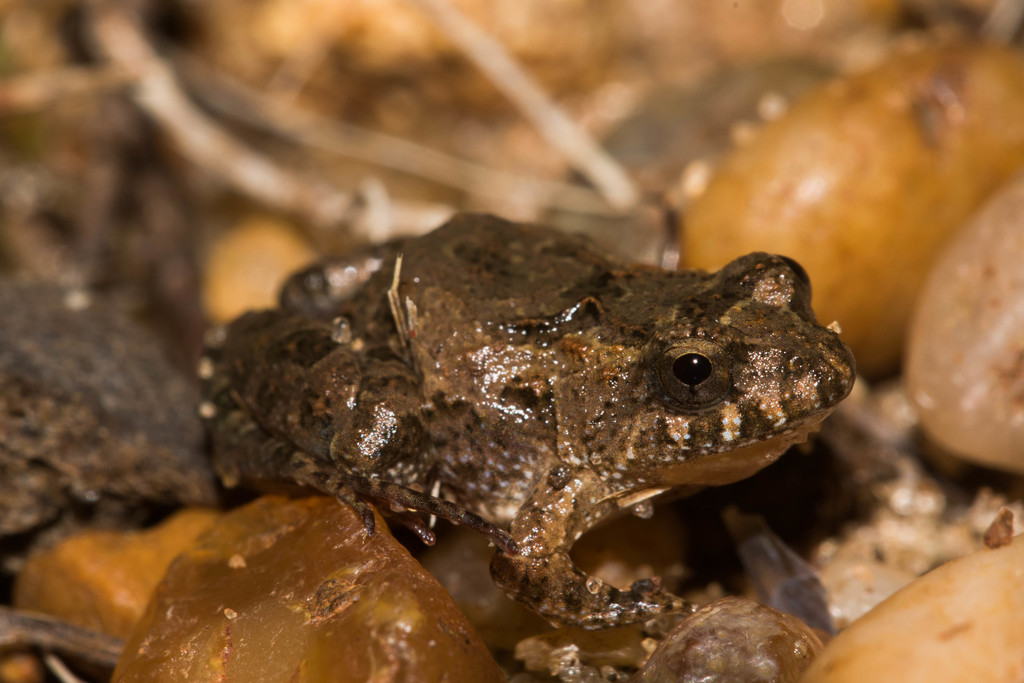
Hensel's Swamp Frog

Pichi
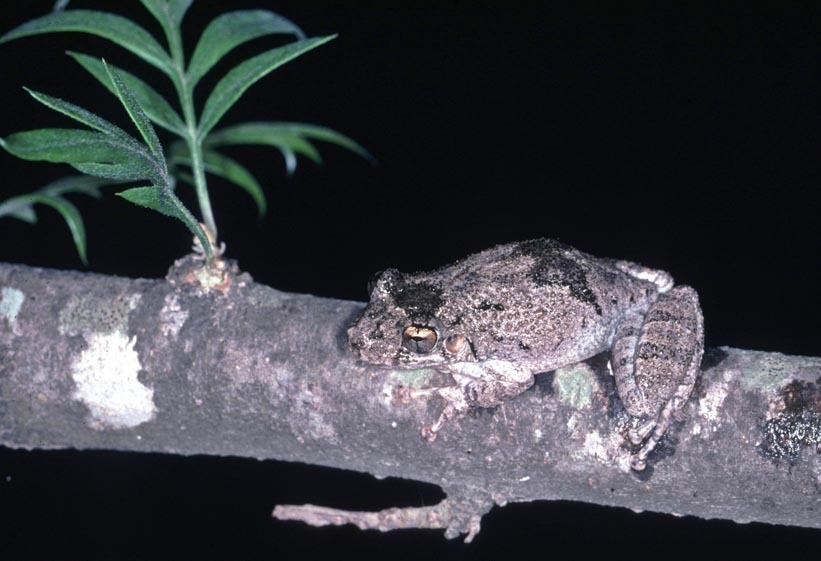
Mato Grosso Snouted Tree Frog

Franciscana

Southern red bat

Chacoan Mara

Southern Three-banded Armadillo

Azara’s Night Monkey
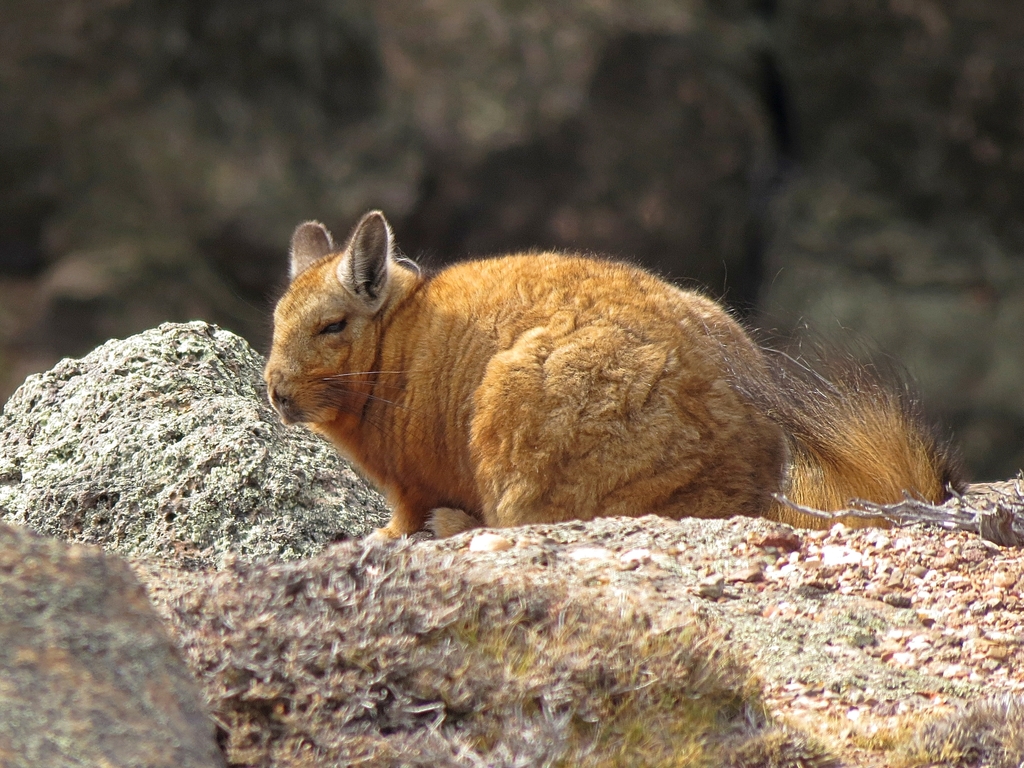
Wolffsohn's Viscacha

Hourglass Dolphin

Screaming Hairy Armadillo
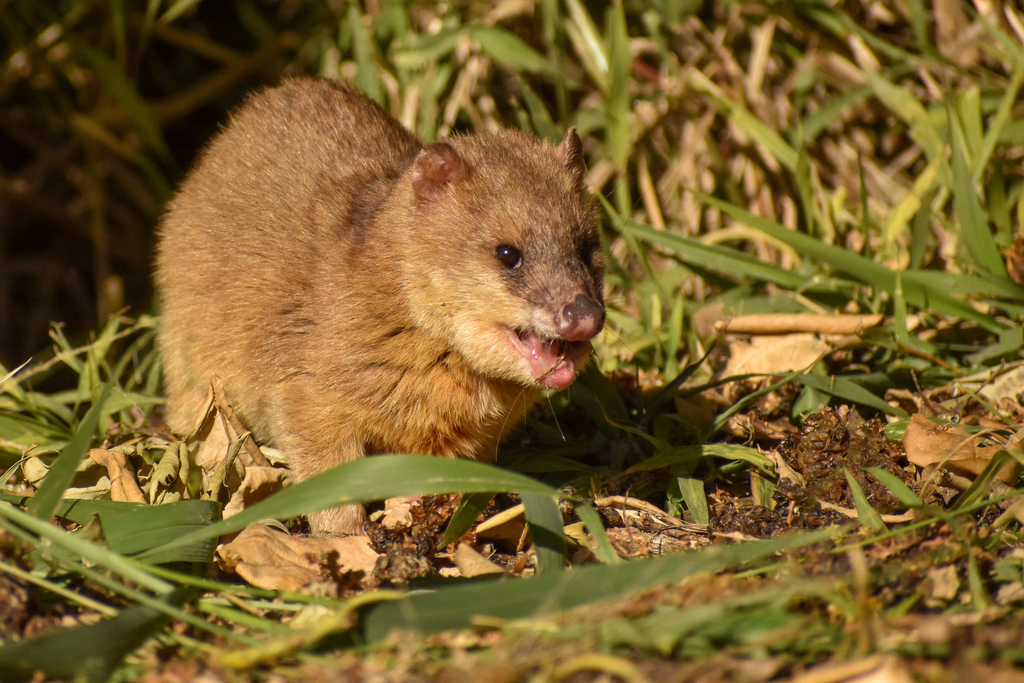
Little Water Opossum
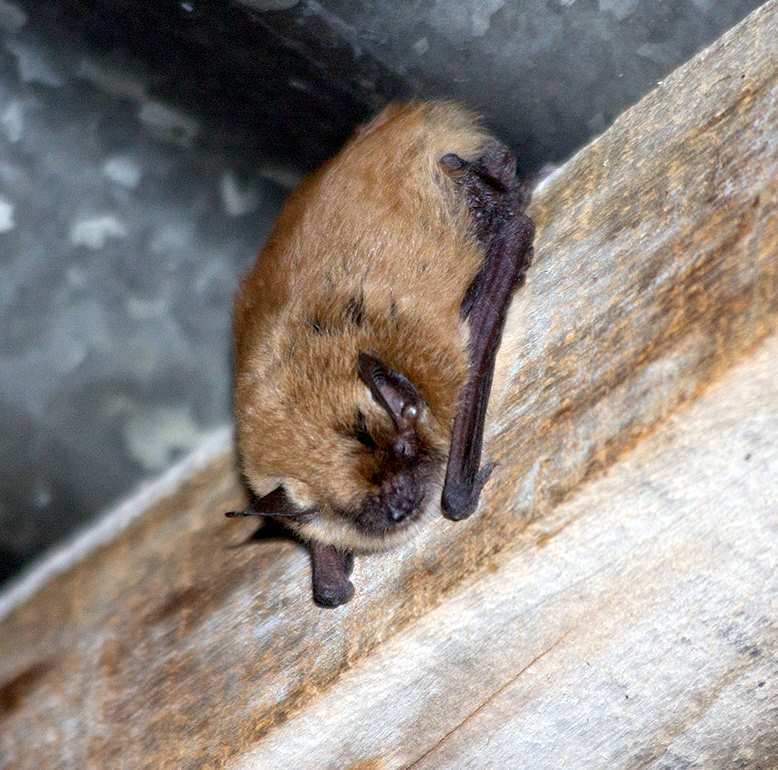
Dinelli's Myotis
Wild animals in Argentina: 17 questions answered
Answered from this page’s 183-species slice of the guide. Counts describe the guide, not a national checklist.
What wild animals live in Argentina?
This field guide lists 183 wild animals whose research-grade iNaturalist sightings are concentrated in Argentina: 136 birds, 28 mammals, 12 amphibians, 5 reptiles and 1 other group. The most frequently recorded are Rufous-collared Sparrow, Eared Dove and Dominican Gull. Every species below has its own page with a photo, its scientific name, its conservation status and where it is most observed.
How many wild animal species are listed for Argentina?
183 — the species in the Tracks field guide for which Argentina holds the most verified sightings. This is not a complete national checklist: a species recorded even more often in a neighbouring country appears on that country's page instead, and the Tracks app itself catalogues 40,286 species worldwide. Between them these 183 species account for 673,822 research-grade observations.
What is the most commonly seen wild animal in Argentina?
Rufous-collared Sparrow (Zonotrichia capensis), with 30,129 research-grade observations on iNaturalist — more than any other species on this page. Next most recorded are Eared Dove and Dominican Gull. "Most recorded" means most often photographed and verified by people, which is a good proxy for what a visitor is likely to actually see.
What is the rarest animal in Argentina?
On the Tracks rarity scale the rarest species on this page is Sei Whale (Epic tier), with 463 recorded sightings. Tracks rarity is based on how often a species is actually encountered rather than on its conservation status, so a rare card is a hard animal to find, not necessarily a threatened one.
What wild mammals live in Argentina?
This guide lists 28 mammals for Argentina, most-recorded first: Guanaco, Brazilian Guinea Pig, Southern Elephant Seal, Azara's Fox, Gray Brocket and Black Howler, plus 22 more on this page.
What birds can you see in Argentina?
136 bird species are listed for Argentina. The most frequently recorded are Rufous-collared Sparrow, Eared Dove, Dominican Gull, Southern Lapwing, Rufous Hornero and Southern House Wren, plus 130 more on this page.
Are there reptiles and amphibians in Argentina?
Yes — 5 reptiles and 12 amphibians are listed for Argentina. They include Hilaire’s Side-necked Turtle, Black-bellied Slider, Yellow-bellied Liophis, Urutu Lancehead, Patagonian Racer and Argentine Toad, plus 11 more on this page. Reptiles and amphibians are under-recorded almost everywhere relative to birds and mammals, so treat these counts as a floor.
Are there dangerous wild animals in Argentina?
2 of the species on this page belong to the groups behind most wildlife injuries — large carnivores, crocodilians, sharks, venomous snakes and big herbivores. They are Urutu Lancehead and Geoffroy's Cat. Nearly all of them avoid people given the chance. The practical rules are the same everywhere: never approach, corner or feed a wild animal, keep dogs leashed, store food securely, and give any animal with young a wide berth.
Are there venomous snakes in Argentina?
Yes. 1 of the snakes listed for Argentina belong to venomous groups: Urutu Lancehead. Snake bites are overwhelmingly a result of handling or trying to kill the animal. Treat every snake you can't identify as venomous, back away, and let it leave.
What marine and coastal animals live around Argentina?
5 marine or coastal species are listed for Argentina, including Southern Elephant Seal, Dolphin Gull, South American Fur Seal, Sei Whale and Hourglass Dolphin.
Which animals in Argentina are endangered?
4 of the species on this page are IUCN-listed as Vulnerable or worse: Sei Whale (Endangered), Andean Condor (Vulnerable), Marsh Deer (Vulnerable) and Franciscana (Vulnerable). Conservation status is shown on every species page.
What insects and spiders live in Argentina?
No insects or arachnids appear on this page — the guide's Argentina list is mostly birds and mammals. A species is shown on the page of whichever country records it most, so any insects or arachnids recorded in Argentina either sit on another country's page or fall outside the guide's 183-species slice.
When is the best time to see wild animals in Argentina?
Dawn and the hour before dusk, almost everywhere and for almost every species: most mammals are crepuscular, and birds are loudest and most active in the first hours of daylight. Weather matters as much as season — overcast, still mornings after rain are productive, and hot midday hours are the worst time to be out looking. Each species page links to its iNaturalist record, where the observation dates show when people in Argentina actually recorded it.
Where can you see wild animals in Argentina?
National parks, nature reserves and protected wetlands concentrate both animals and the people recording them, but the edges are often better than the core: hedgerows, riverbanks, coastal paths, and the scrubby margins between habitats. Cities count too — a large share of the sightings behind this page were logged in parks, gardens and suburbs. Because every species here is backed by iNaturalist records, its species page links straight to the map of where it has actually been observed.
How do I identify a wild animal I saw in Argentina?
Photograph it if you safely can, and note the size, habitat and behaviour. The Tracks app scans the area you're standing in and shows the animals people have actually recorded there, which narrows an identification far faster than searching a national list. If the animal you saw isn't in Tracks yet, add it on iNaturalist: its community will help you put a name to it, and because Tracks is built from iNaturalist's research-grade observations, a sighting verified there feeds back into the data behind pages like this one.
Can I feed wild animals in Argentina?
No — and in many places it is also illegal. Feeding is the fastest way to ruin a wild animal. It teaches them to associate people with food, so they lose their wariness and start working car parks, campsites and picnic tables; a habituated animal that begins grabbing food gets labelled a nuisance and is usually destroyed or hit by a road vehicle. Human food is the wrong food too: bread and processed snacks cause malnutrition and wing deformities in birds and gut damage in mammals. And artificial feeding concentrates animals at densities they would never reach naturally, which is how disease spreads through a local population. If you want wildlife closer to you in Argentina, do it by habitat — native planting, a clean water dish, leaving dead wood and leaf litter alone — which supports animals without teaching them to approach people.
Is it safe to approach wild animals in Argentina?
No. Keep your distance from every wild animal, however calm it looks — a good rule of thumb is that if the animal changes its behaviour because of you, you are already too close. Don't handle snakes or reptiles, keep dogs leashed near wildlife, and if you find an animal that is injured or appears orphaned, contact a local wildlife rescue or the relevant authority rather than picking it up.