Wild Animals in Australia
662 species are recorded more often in Australia than anywhere else — from the much-photographed Australian Magpie to the seldom-seen Northern Quoll. Every one is backed by research-grade iNaturalist sightings.
- 238 birds
- 186 ray-finned fish
- 101 mammals
- 63 reptiles
- 50 amphibians
- 19 cartilaginous fish
- 5 cephalopods
All 662 species recorded in Australia
Ordered by how often people have recorded them. Tap any animal for its full field-guide entry.

Australian Magpie

Common Mynah

Pearl-necked Dove

Laughing Kookaburra
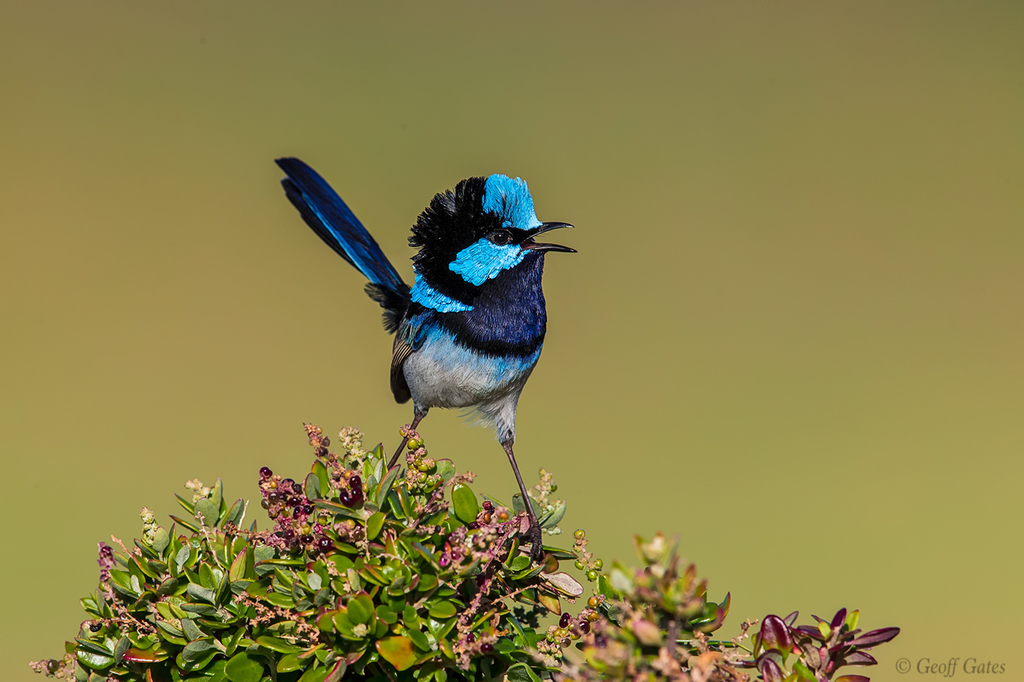
Superb Fairywren

Koala

Silver Gull

Rainbow Lorikeet
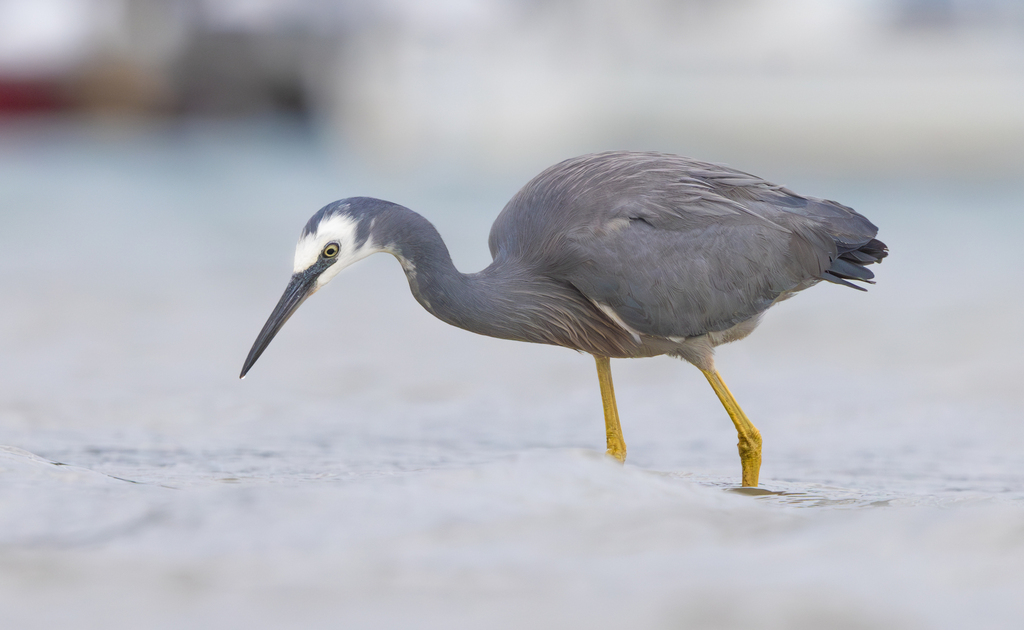
White-faced Heron

Australian Wood Duck

Little Pied Cormorant

Black Swan

Australian White Ibis

South-west Pacific Swamphen

Eastern Grey Kangaroo

Pacific Black Duck

Noisy Miner

Masked Lapwing

Common House Gecko

Galah

Sulphur-crested Cockatoo

Magpie-lark

Australian Water Dragon

Crimson Rosella

Willie Wagtail

Tawny Frogmouth
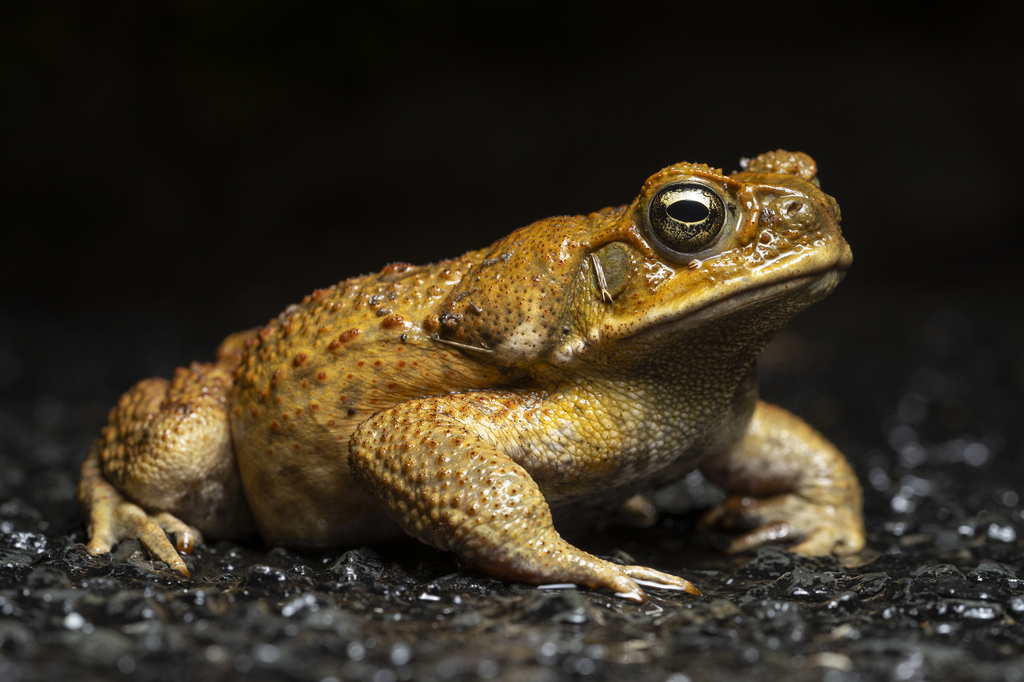
Eastern Cane Toad

Crested Pigeon

Grey Fantail

Australian Pelican

Dusky Moorhen

Short-beaked Echidna

Welcome Swallow

Red Wattlebird

Australian Brush-turkey

Common Brushtail

Silvereye

Sacred Kingfisher

New Holland Honeyeater

Grey Butcherbird

Swamp Wallaby

Pied Currawong

Eastern Rosella

Australian King-Parrot

Crested Tern

Eastern Yellow Robin

Lace Monitor

Little Black Cormorant

Yellow-tailed Black-Cockatoo

Little Heron

White-bellied Sea-Eagle

Australian Darter

Golden Whistler

Little Corella

Chestnut Teal
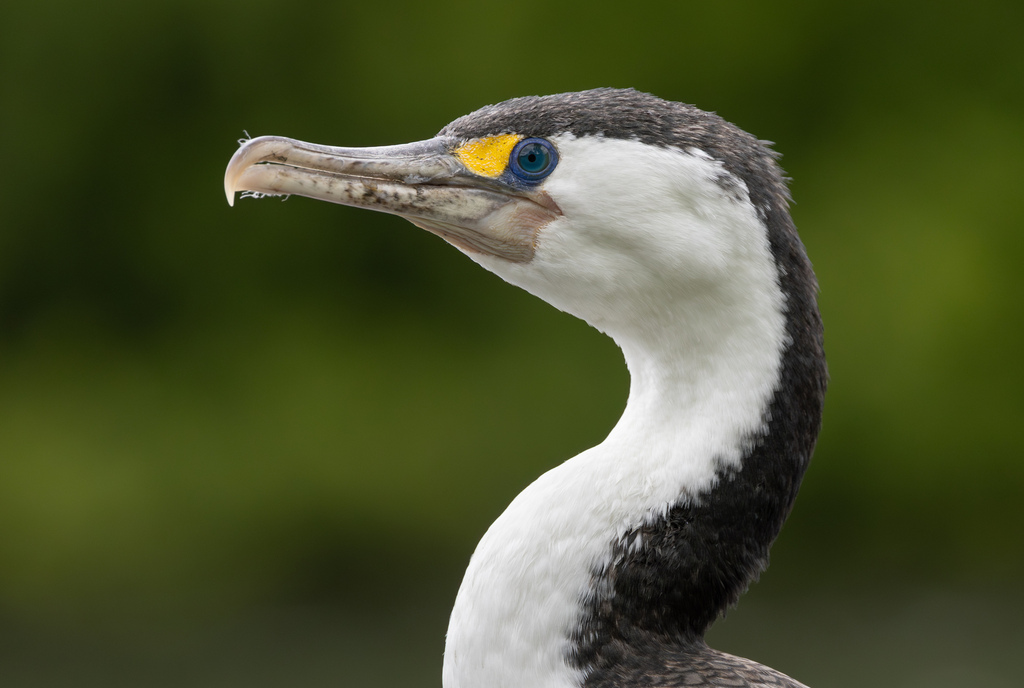
Australian Pied Cormorant

Bar-tailed Godwit

Common Ringtail Possum

White-headed Stilt

Royal Spoonbill

Gray Shrikethrush

Red-browed Firetail

Western Grey Kangaroo

Green Tree Frog

White-browed Scrubwren

Australasian Grebe

Grey Teal

Common Bronzewing

Red-rumped Parrot
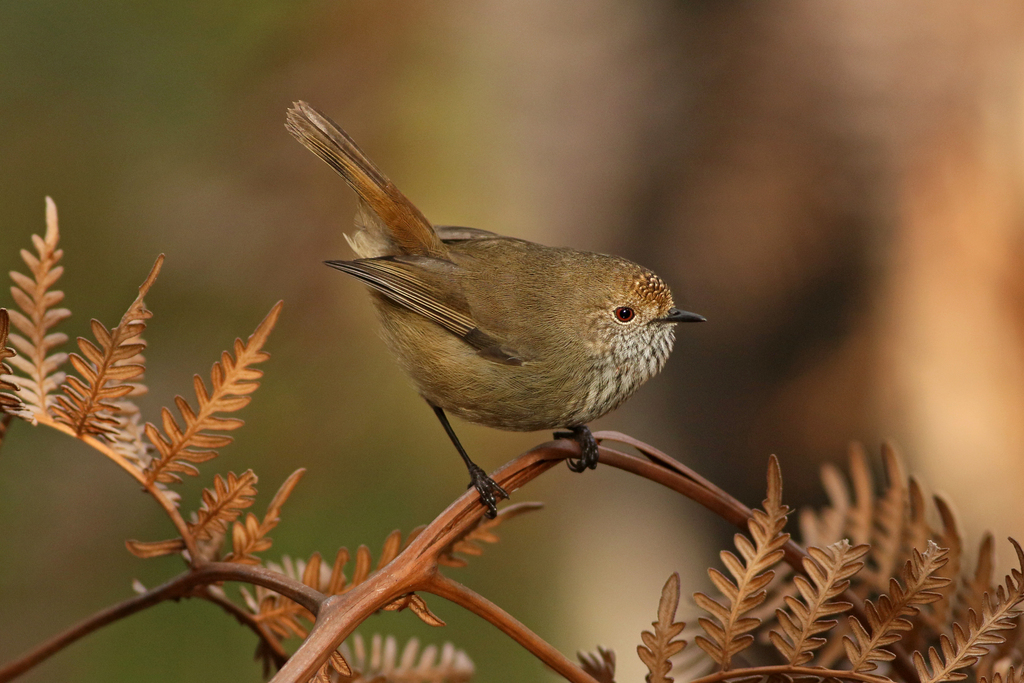
Brown Thornbill

Red-necked Wallaby

Shingleback Lizard

Black-faced Cuckoo-shrike

Common Bluetongue

Australasian Figbird

Carpet Python

Common Wombat

Wedge-tailed Eagle
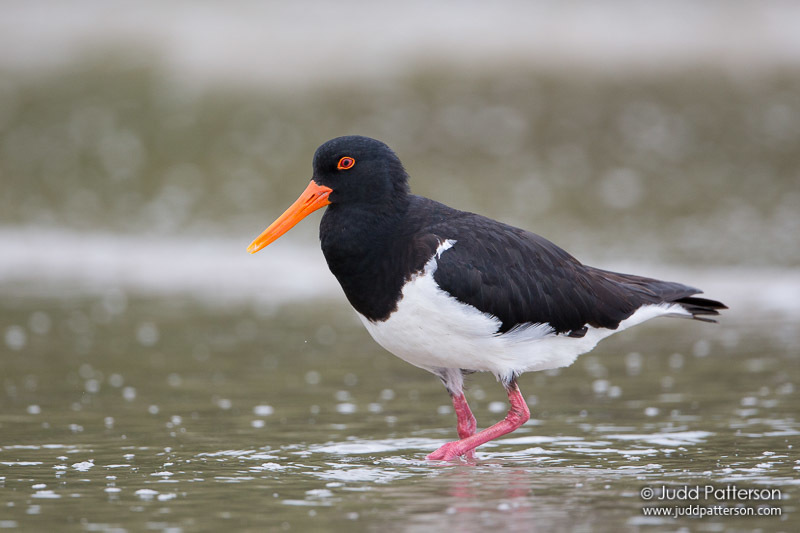
Pied Oystercatcher

Eastern Spinebill

Rufous Whistler

Blue-faced Honeyeater

Whistling Kite

Eastern Water Skink

Little Wattlebird

Pacific Reef Heron

Rainbow Bee-eater

Yellow-faced Honeyeater
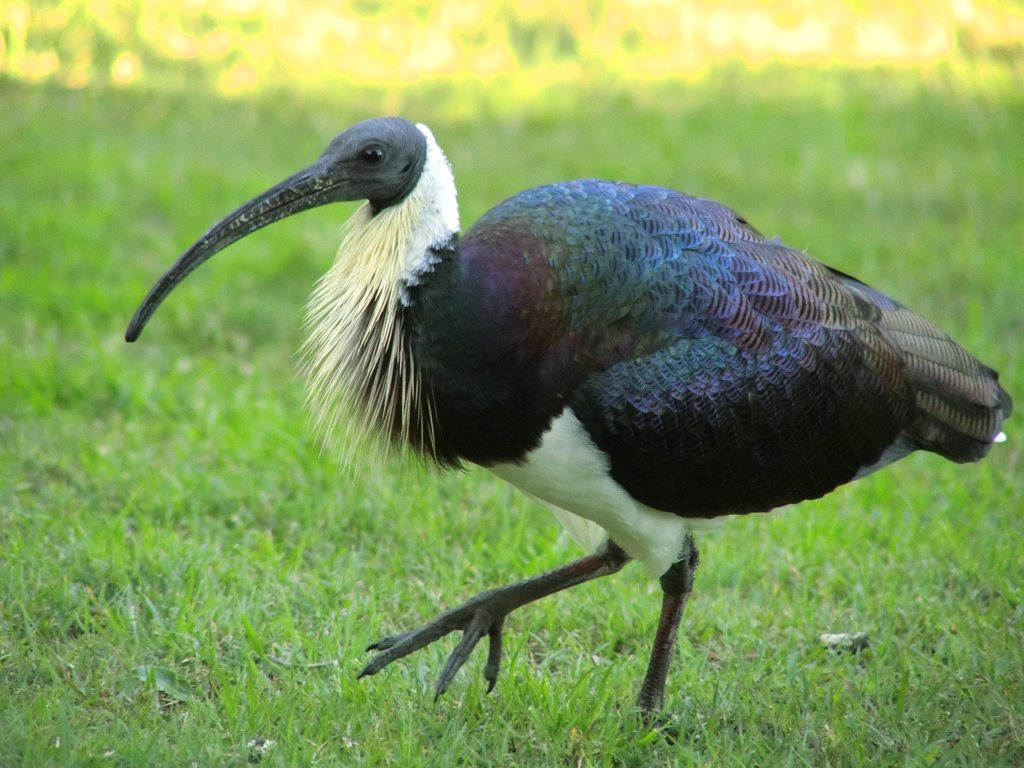
Straw-necked Ibis

Satin Bowerbird

Pied Butcherbird

Bush Stone-curlew
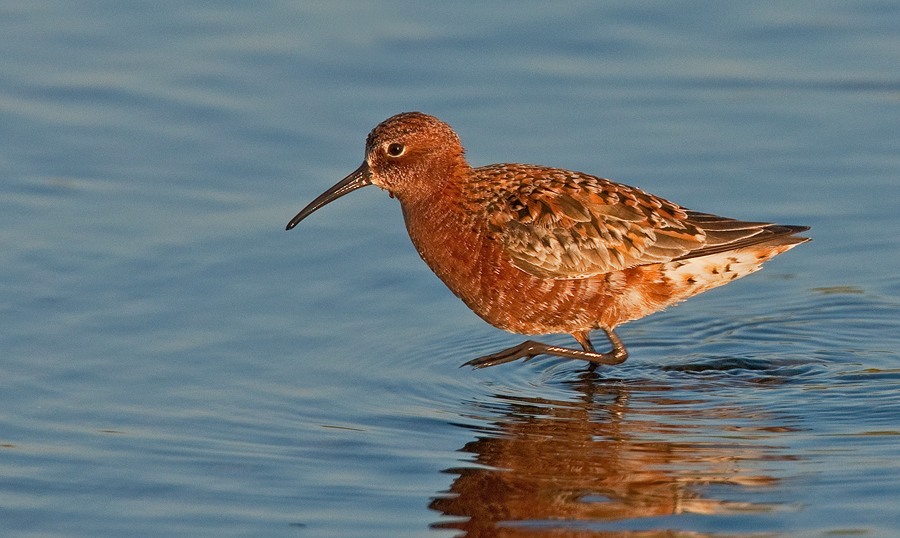
Curlew Sandpiper

Australian Kestrel
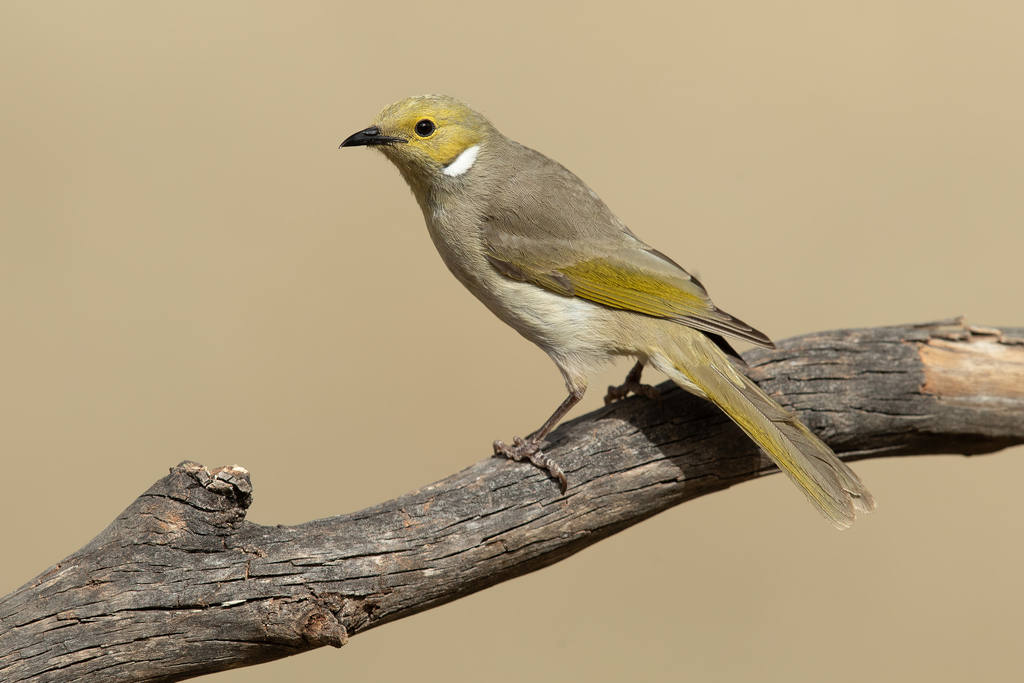
White-plumed Honeyeater

Brown Honeyeater

Gang-gang Cockatoo

Lewin's Honeyeater

Emu

Spotted Pardalote

Striped Marsh Frog

Domestic Goat

Pacific Gull

Striated Pardalote

Peron's Tree Frog

Buff-banded Rail

Eastern Dwarf Tree Frog

Saltwater Crocodile
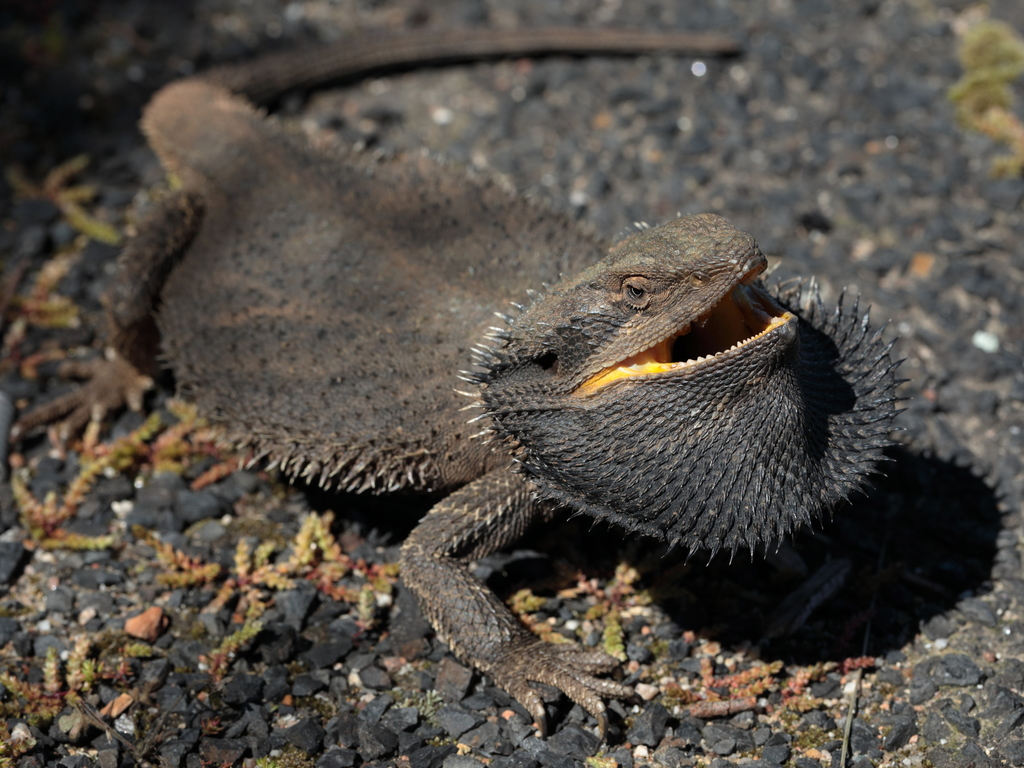
Bearded Dragon
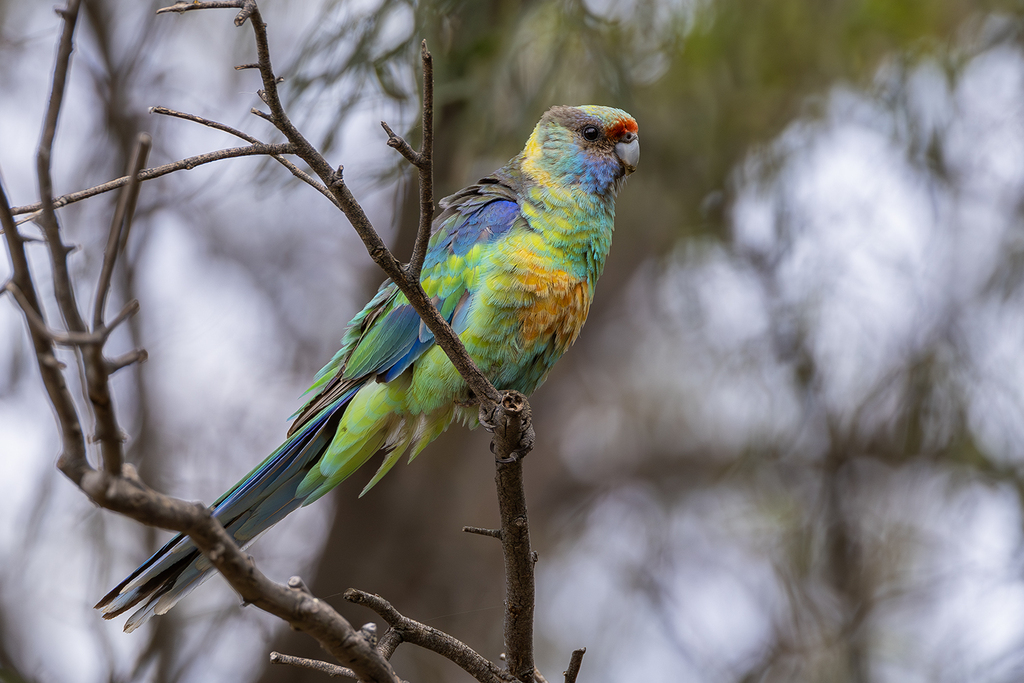
Australian Ringneck

Singing Honeyeater

Red-bellied Black Snake

Dollarbird

Red-necked Stint

Indo-Pacific Sergeant Major

Long-billed Corella

White-eyed Duck

Australian Raven

Afro-Australian Fur Seal

White-throated Treecreeper

Black-shouldered Kite

Marbled Gecko

Scarlet Robin

Grey-headed Flying-fox

Globefish

Little Raven

Red-tailed Black-Cockatoo

Yellow-rumped Thornbill

Nankeen Night-Heron

Brown Falcon

Peaceful Dove

Hunter River Short-necked Turtle

Jacky Lashtail

White-breasted Woodswallow

White-winged Chough

Musk Lorikeet
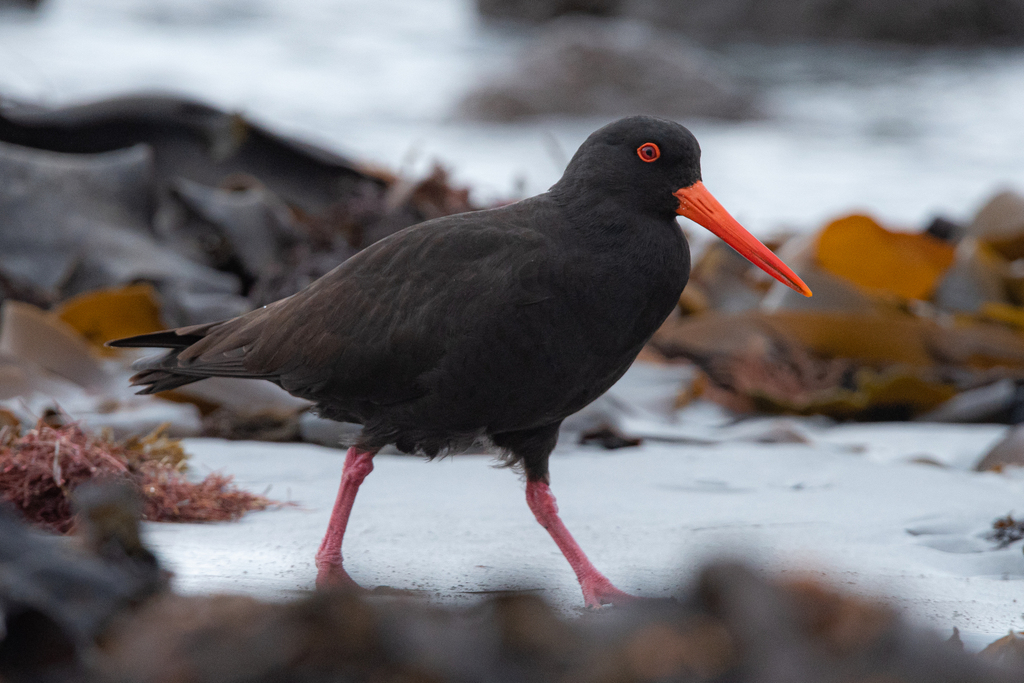
Sooty Oystercatcher

Noisy Friarbird

Common Eastern Froglet

Hoary-headed Grebe

Stripebelly Puffer
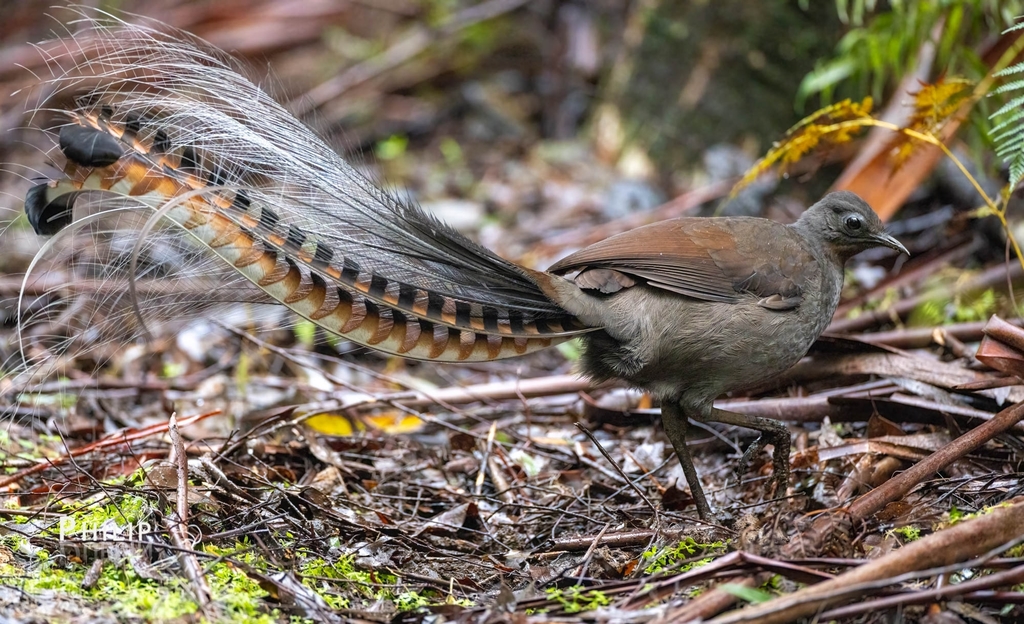
Superb Lyrebird

Spangled Drongo

Scissortail Sergeant Major

Pale-flecked Garden Sunskink

Black-fronted Dotterel

Rainbow Skink

Pobblebonk

Bar-shouldered Dove

Red-backed Fairy-wren
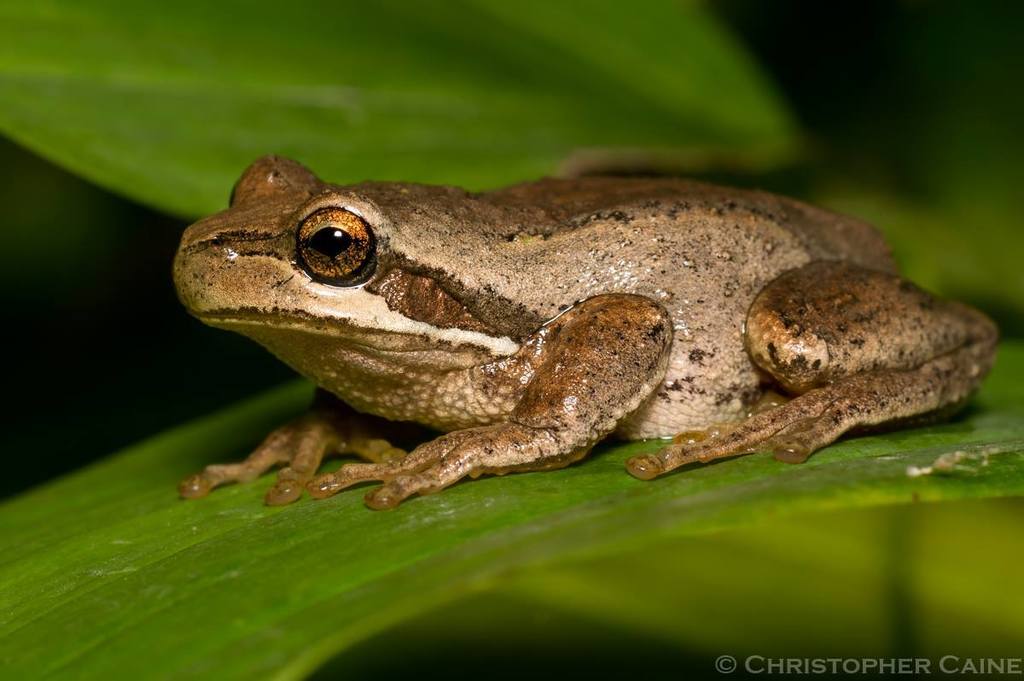
Ewing's Tree Frog

Common Snake-necked Turtle

Red Capped Dotterel

Moon Wrasse

Southern Boobook

White-necked Heron

Fan-tailed Cuckoo

Eastern Tiger Snake

Bluestreak Cleaner Wrasse

Australian Shelduck

Black Treesnake

Dusky Woodswallow
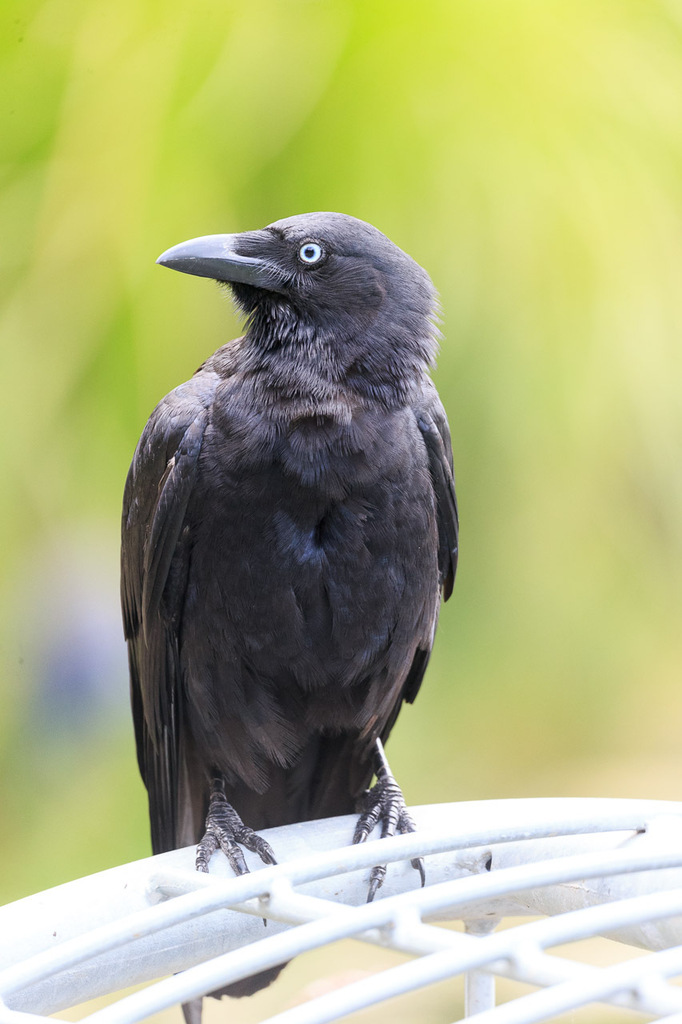
Torresian Crow

Rough Leatherjacket

Eastern Brown Snake
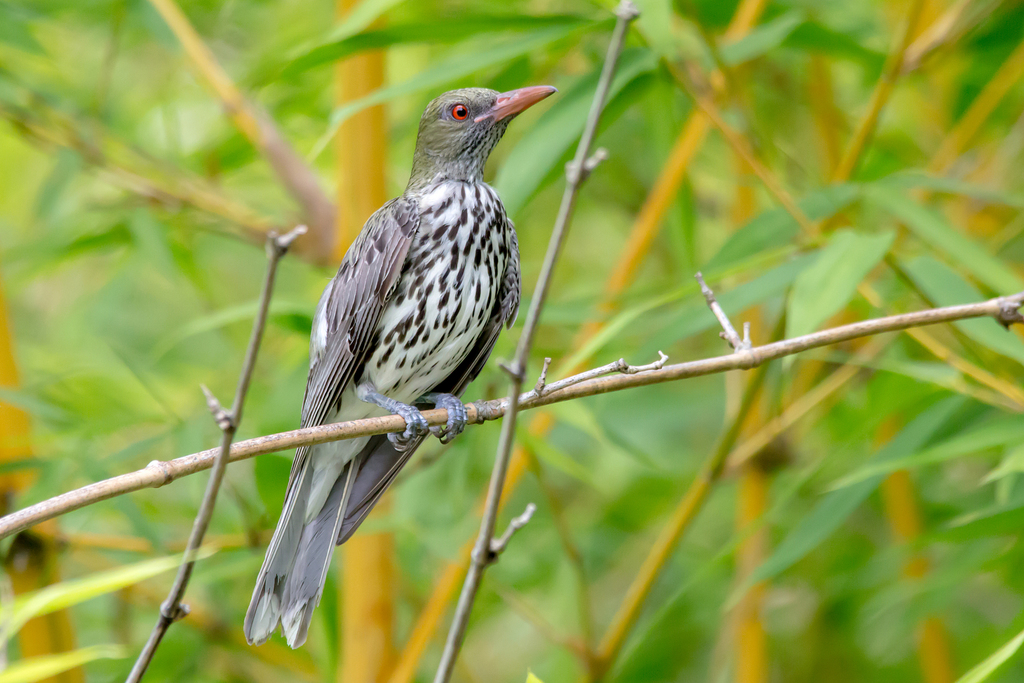
Olive-backed Oriole

Ornate Cowfish
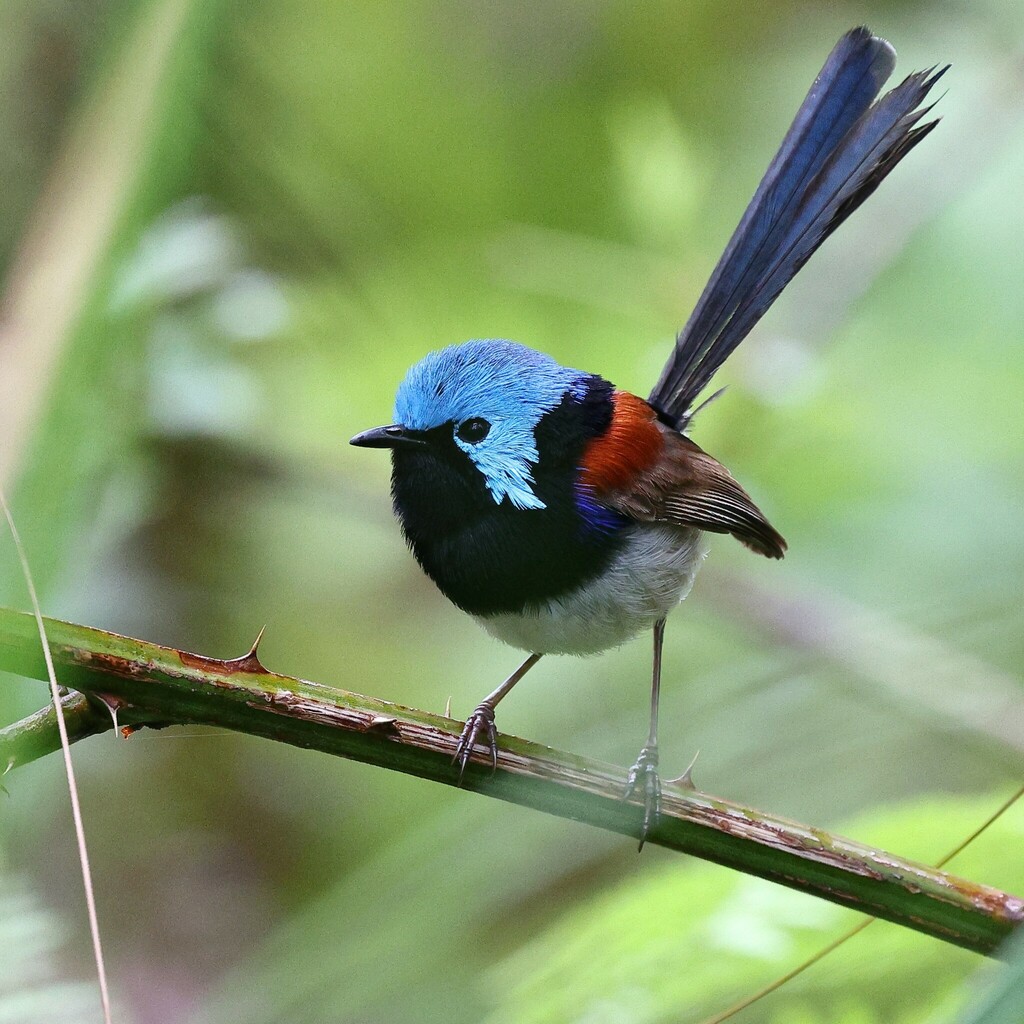
Variegated Fairywren

Australian Reed Warbler

Magpie Goose

Common Sydney Octopus

Silver Seabream

Yellow Boxfish

Grey-tailed Tattler

Spotted Grass Frog

Elegant Snake-eyed Skink

Australasian Shoveler

Old Wife
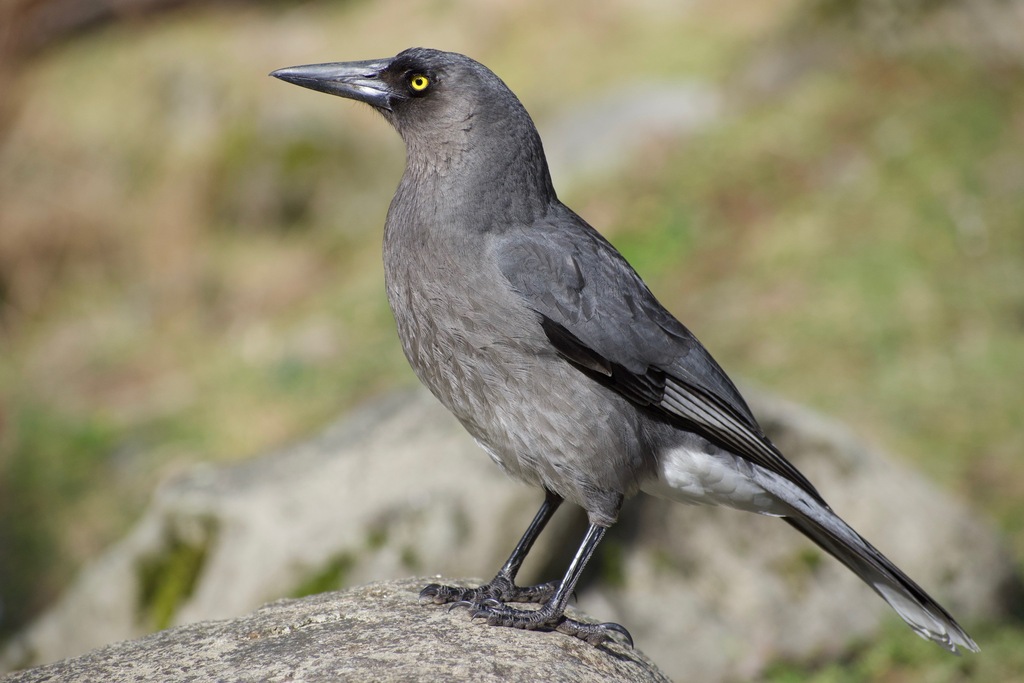
Grey Currawong
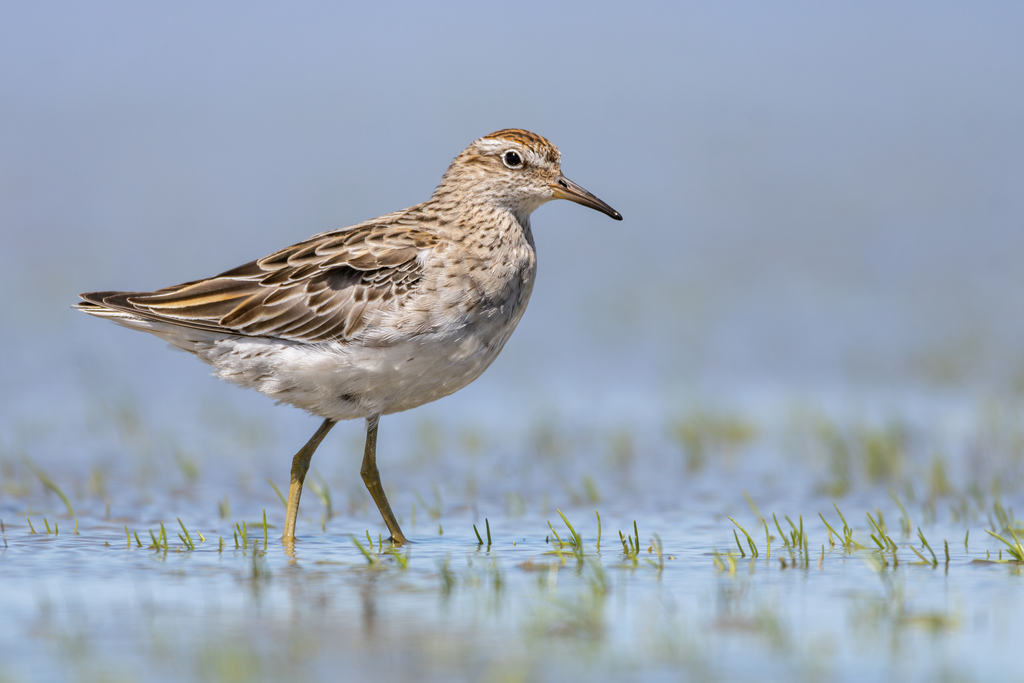
Sharp-tailed Sandpiper

Mistletoebird

Sandy Wallaby

Double-barred Finch
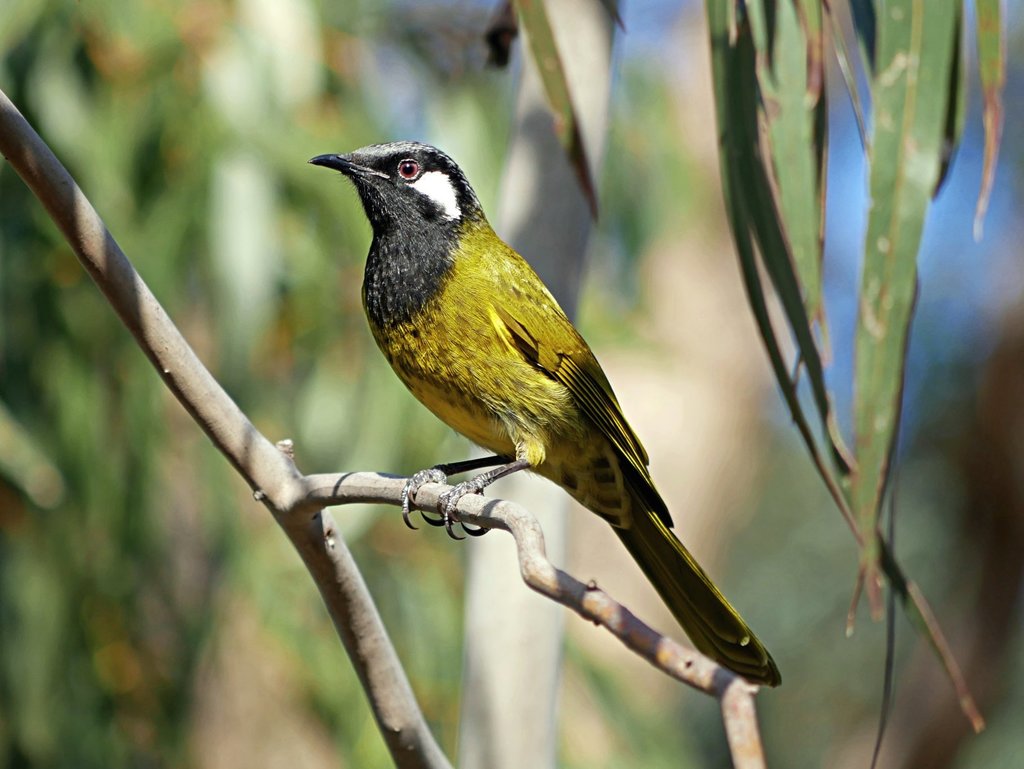
White-eared Honeyeater

Port Jackson Shark

Australian Pipit

Pale-headed Rosella

Convict Surgeonfish

Golden-headed Cisticola

Duck-billed Platypus

Ornate Burrowing Frog

Southern Fiddler

Brown Cuckoo-Dove

Weedy Seadragon

Eastern Whipbird

Euro

Pacific Koel

Scarlet Myzomela

Smooth Toadfish

Blotched Bluetongue

Flame Robin

Brown Goshawk

Eastern Blue Groper

Red-bellied Pademelon

Far Eastern Curlew

Yellow-billed Spoonbill

Spiny-cheeked Honeyeater

Glossy Black-Cockatoo

Dainty Tree Frog

Cool-temperate Water Skink

Striated Thornbill

Plumed Egret

Cape Barren Goose

Pot-bellied Seahorse

Splendid Fairywren

Powerful Owl

Sea Bream

Apostlebird

Forest Kingfisher

Red-capped Robin

Hooded Plover

Little Friarbird

Mozambique Tilapia

Bridled Monocle Bream

Red Morwong

Zebra Finch

Blackeye Thicklip

Leaden Flycatcher
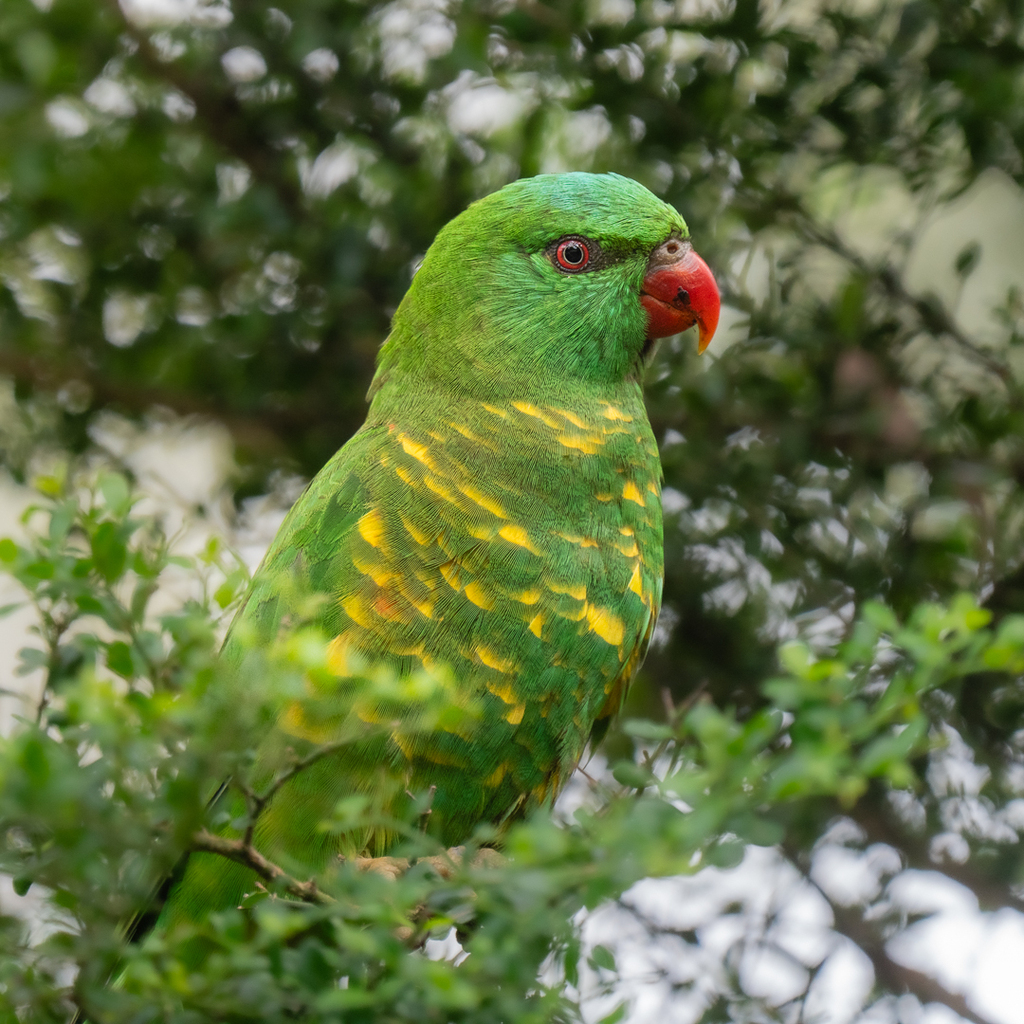
Scaly-breasted Lorikeet

Sahul Sunbird
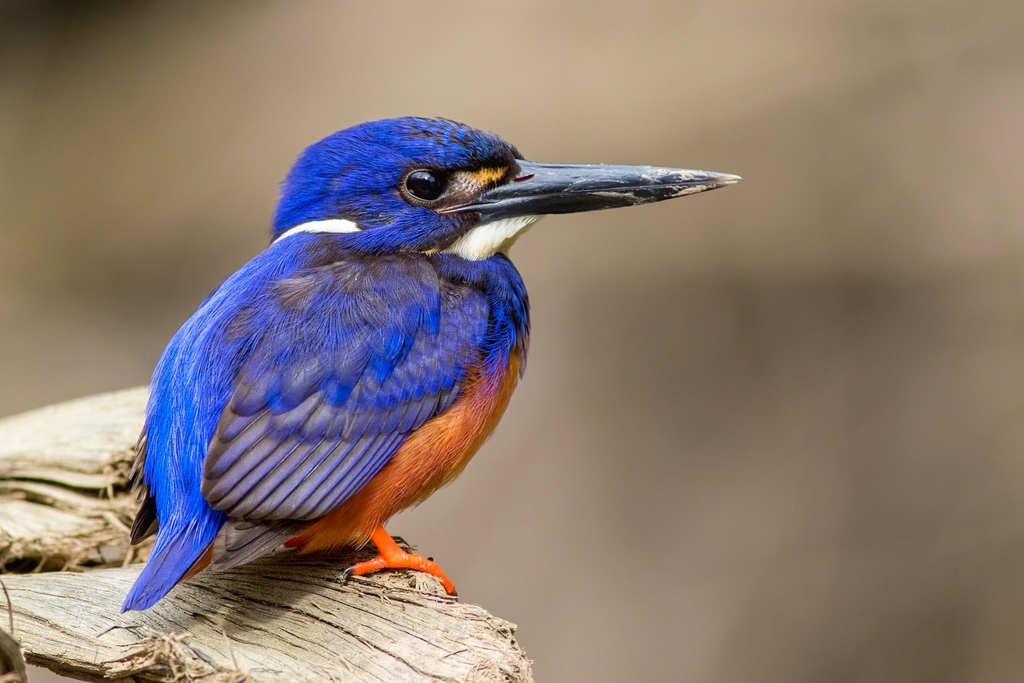
Azure Kingfisher

Eastern Red Scorpionfish
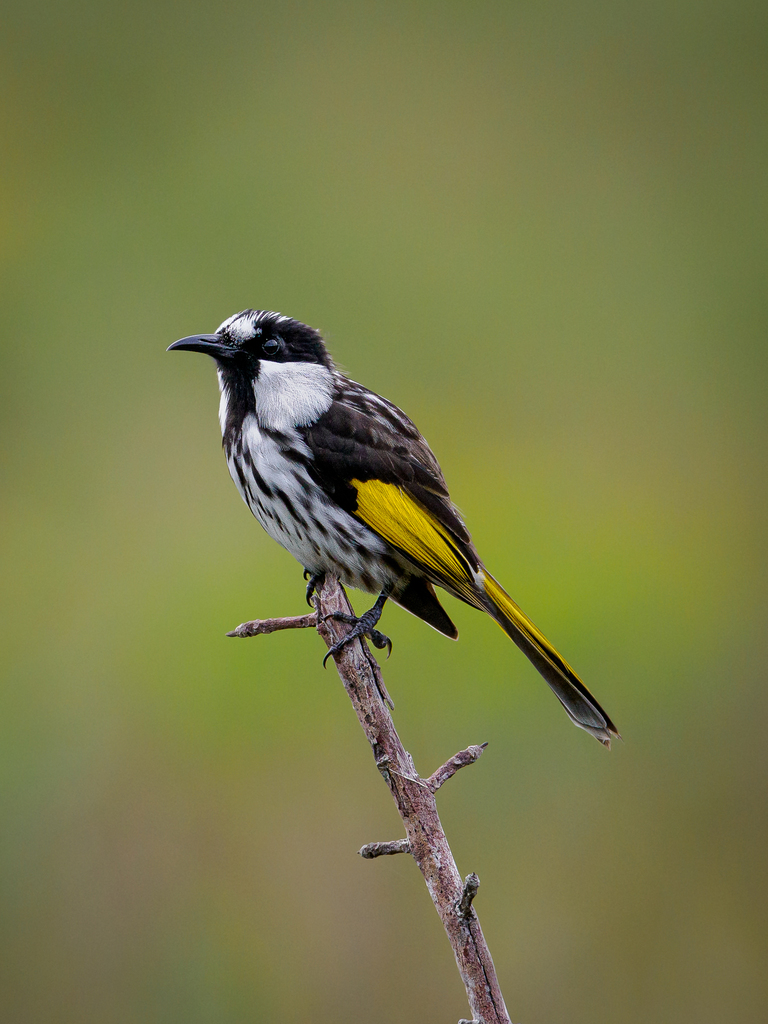
White-cheeked Honeyeater

Western Indo-Pacific Spotted Eagle Ray

Brolga

Pheasant Coucal

Rufous Fantail

Orange-footed Scrubfowl

Lemon Damselfish

Red-legged Pademelon

Australian Giant Cuttlefish

Weebill

Wilcox's Frog

Plumed Whistling Duck

Pink-eared Duck

Comb-crested Jacana

Crimson-banded Wrasse

White-headed Pigeon

Blue Weed-whiting

Blue-billed Duck

Budgerigar

Shining Bronze Cuckoo

Greater Sand-Plover

Black-necked Stork

Striped Eel Catfish

Tasmanian Native-hen

Central Bearded Dragon

White-naped Honeyeater

Lowlands Copperhead

Great Barred Frog

Bassian Thrush

Fanbelly Leatherjacket

Brown Tree Snake

Yellow-throated Miner

Channel-billed Cuckoo

Jacky Winter

Musk Duck

Eastern Barn Owl

Black Flying-fox

White-lipped Tree Frog

Luderick

Smooth Stingray

Gould's Goanna

Grey-crowned Babbler

Blackspot Goatfish

Wonga Pigeon
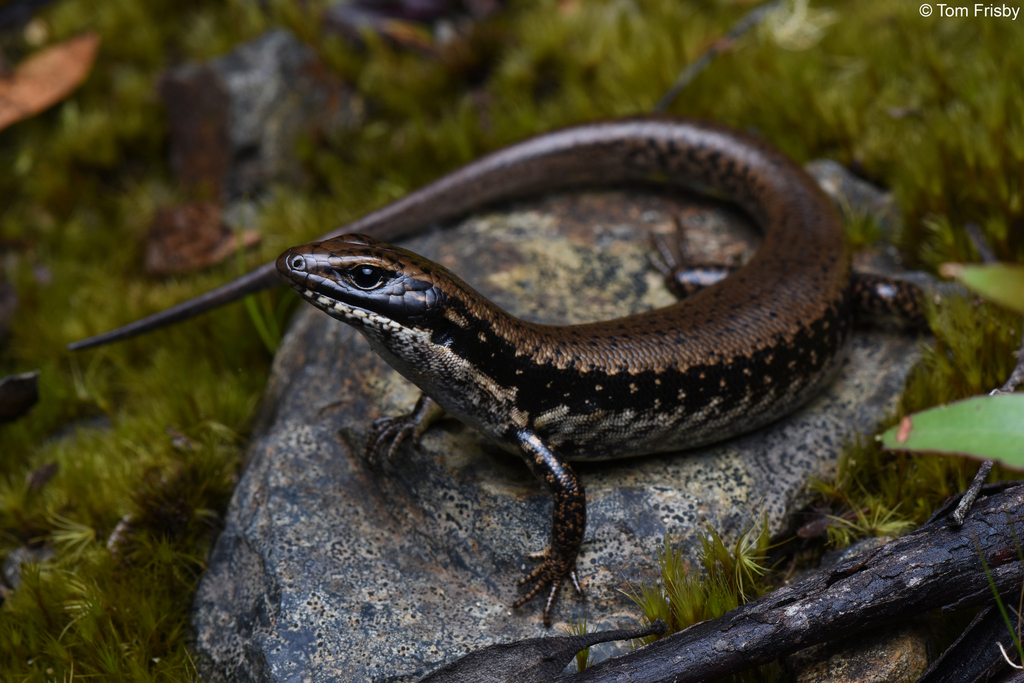
Southern Water Skink

Eastern Shovelnose Stingaree

Tree Martin

Common Stingaree

Southern Pygmy Leatherjacket

White-ear Parma

Speckled Butterflyfish

Chestnut-breasted Munia

Bell Miner

Ruddy Tree Frog

Brown Treecreeper

Australian Mado

Crescent Honeyeater

Brown Quail

Black-faced Cormorant

White-browed Babbler

Pacific Baza

Cunningham's Skink

Rakali

Leafy Seadragon

Northern Australian Snapping Turtle

Bengal Sergeant

Indo-Pacific Bottlenose Dolphin

White-throated Honeyeater

Australian Hobby

Regent Bowerbird

Moore's Frog

Spotted Wobbegong

Green Moray

Six-spine Leatherjacket

Humbug

Bigeye Jack

Great Knot

White-bellied Cuckooshrike

Short-tailed Shearwater

Six-banded Angelfish

Southern Bell Frog

Argus Monitor

Silver Sweep

Yellow Thornbill

Bridled Parrotfish

Longfin Batfish

White-fronted Chat

Sharksucker

Sunset Wrasse
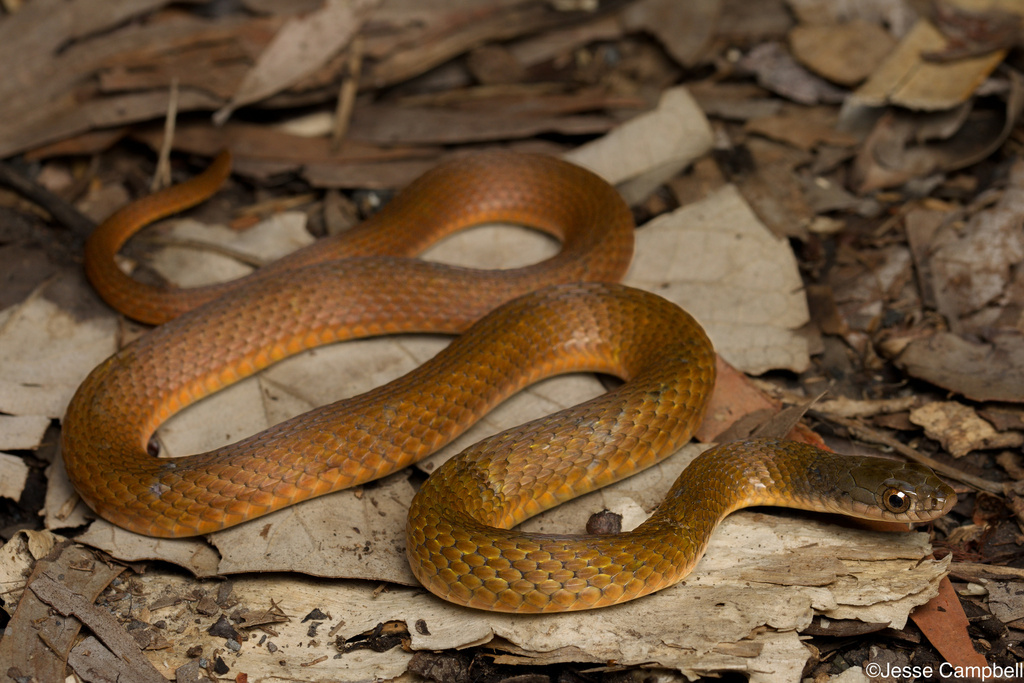
Mair's Keelback

Dusky Morwong

Southern Brown Bandicoot

Bridled Tern

Bluestriped Goatfish

Burton's Legless Lizard

Long-nosed Bandicoot

Carnaby's Black Cockatoo

Eastern Striped Skink

Brown-headed Honeyeater

Black Noddy

Southern Cassowary

New Holland Seahorse

Star Puffer

Sydney Cardinalfish

Stripey Bream
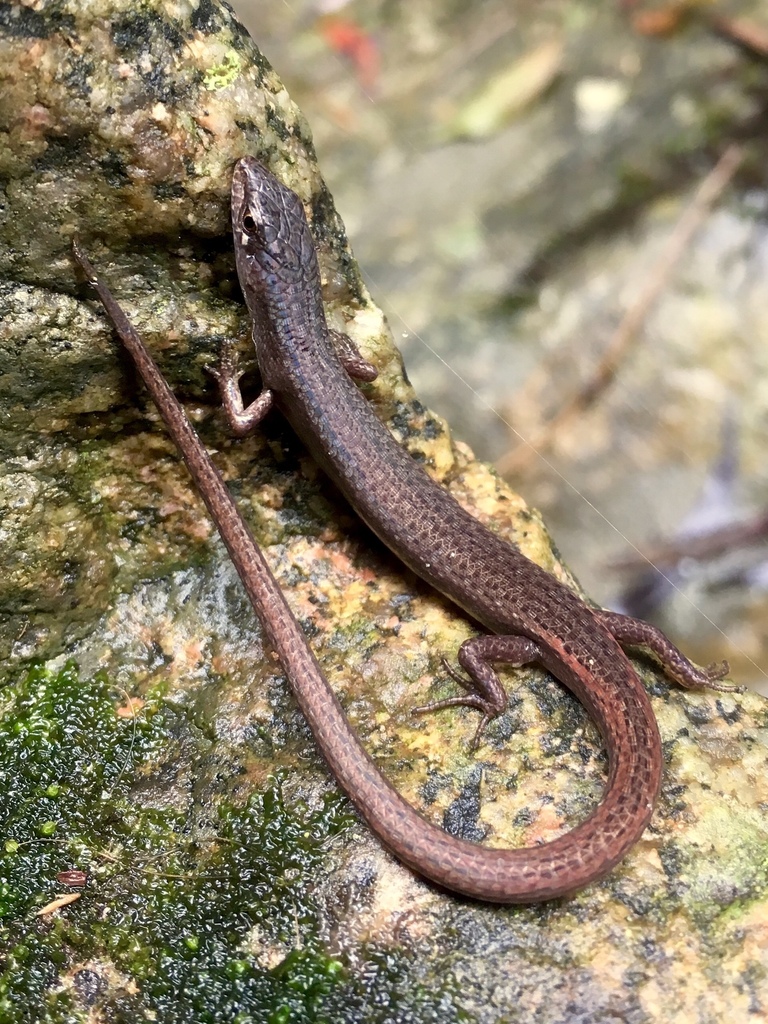
Southern Weasel Skink

Yellowtail Scad

Southern Maori Wrasse

Varied Triller

Floral Wrasse

Buff-rumped Thornbill

Crescent-banded Grunter
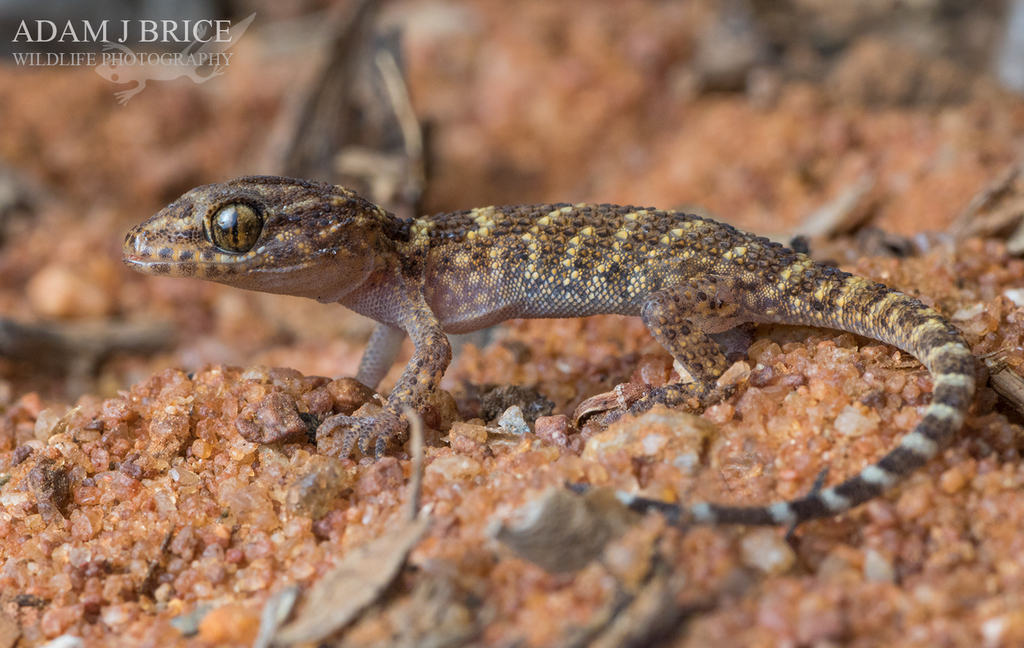
Common Prickly Gecko

Dusky Flathead

Collared Sparrowhawk

Neon Damselfish
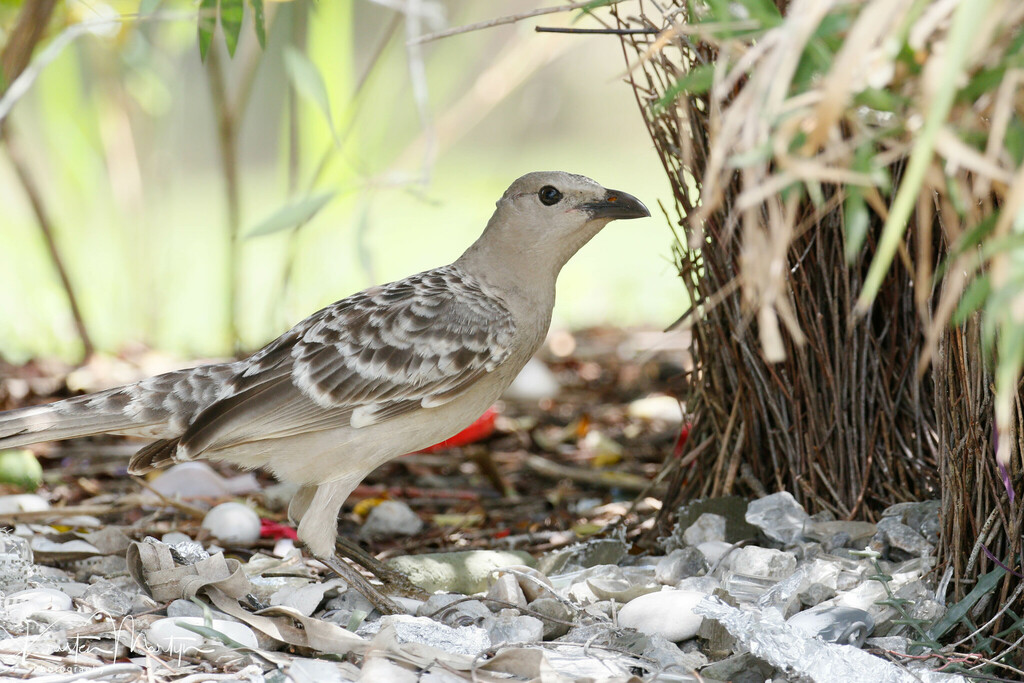
Great Bowerbird

Pennant Coralfish

Purple-backed Fairywren
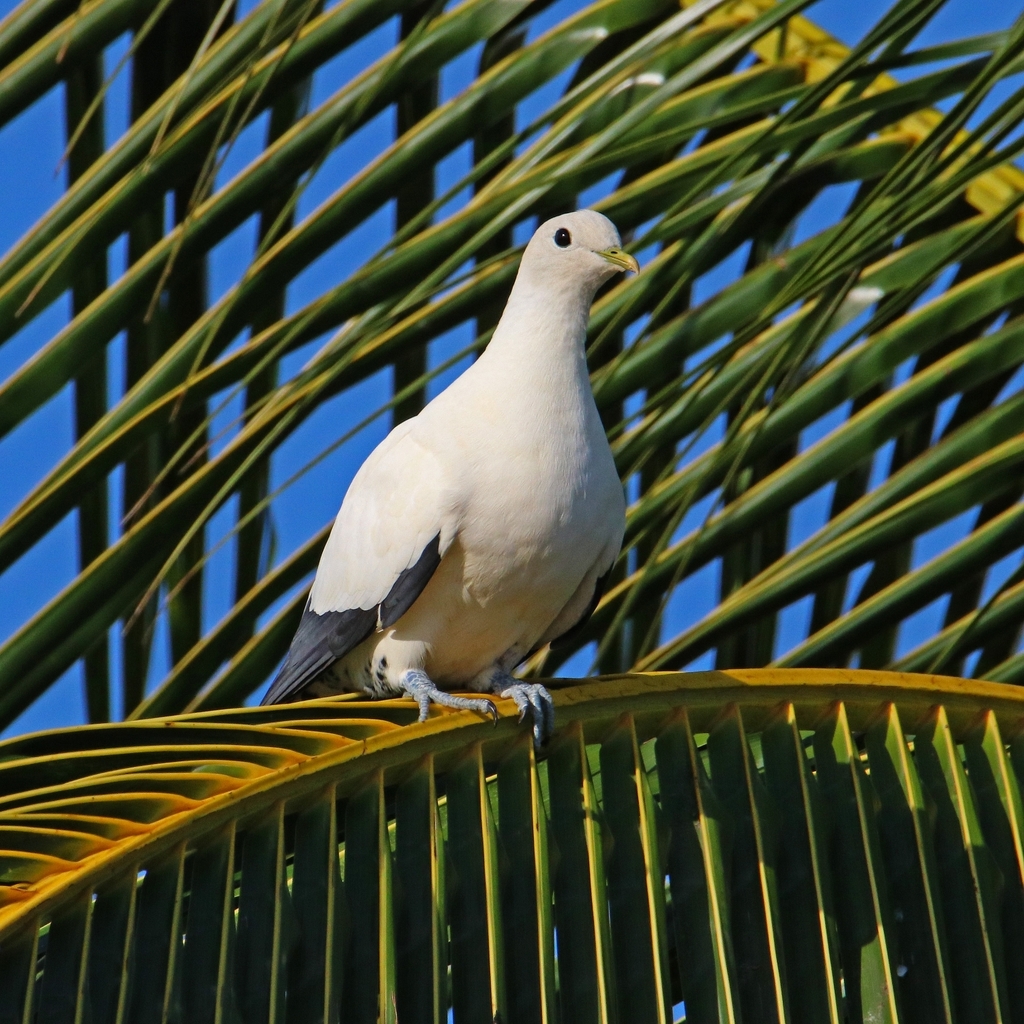
Torresian Imperial-Pigeon

Senator Wrasse

Estuary Cobbler

White-winged Triller

Snapjack

Green Rosella

Raja Shelduck

Halfmoon Triggerfish

Australian Crake

Rufous Shrike-Thrush

Varied Sittella
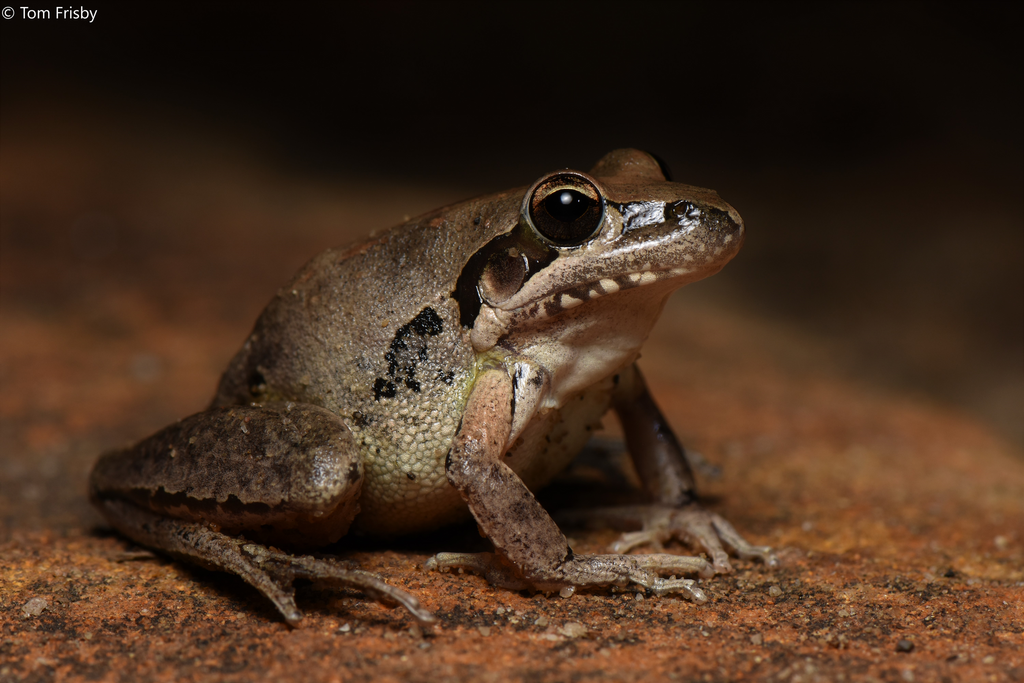
Broad-palmed Frog

Striped Cowfish

Silver Trevally

Quokka

Grey Nurse Shark

Black-striped Goatfish
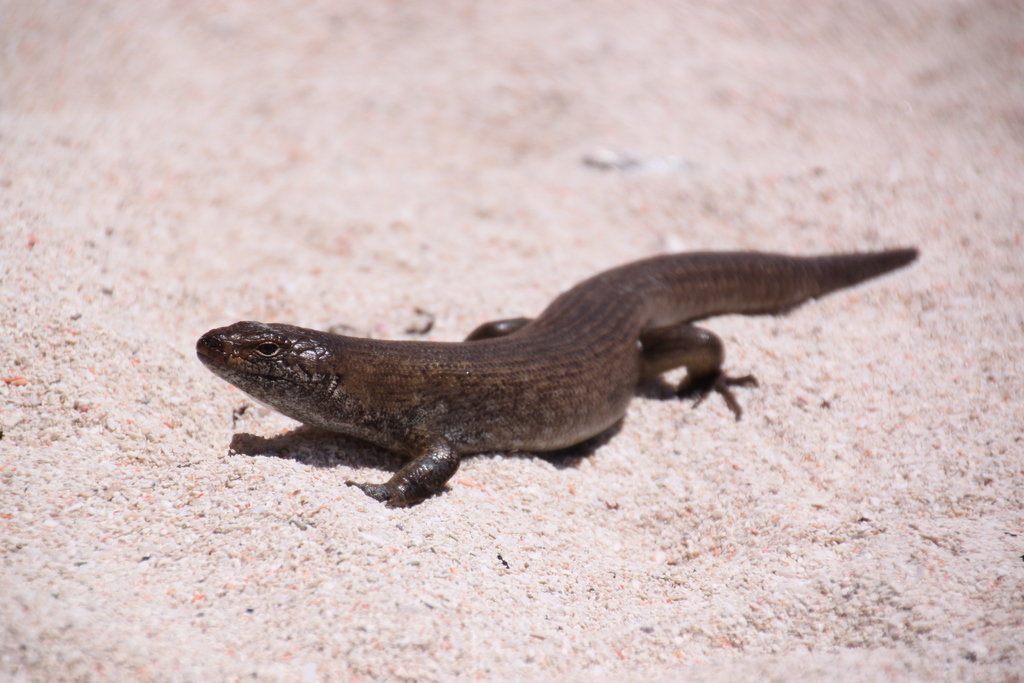
King's Skink

Steep-headed Parrotfish

Deepwater Burrfish

Australian Tern

Blacktip Grouper

Brown Gerygone

Koran Angelfish
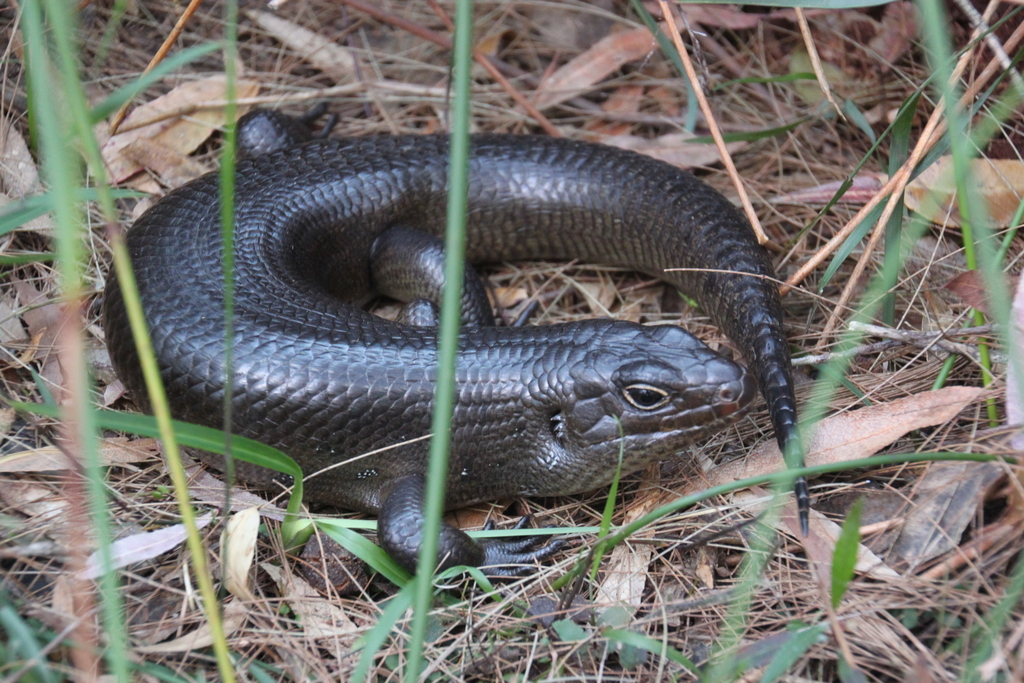
Land Mullet
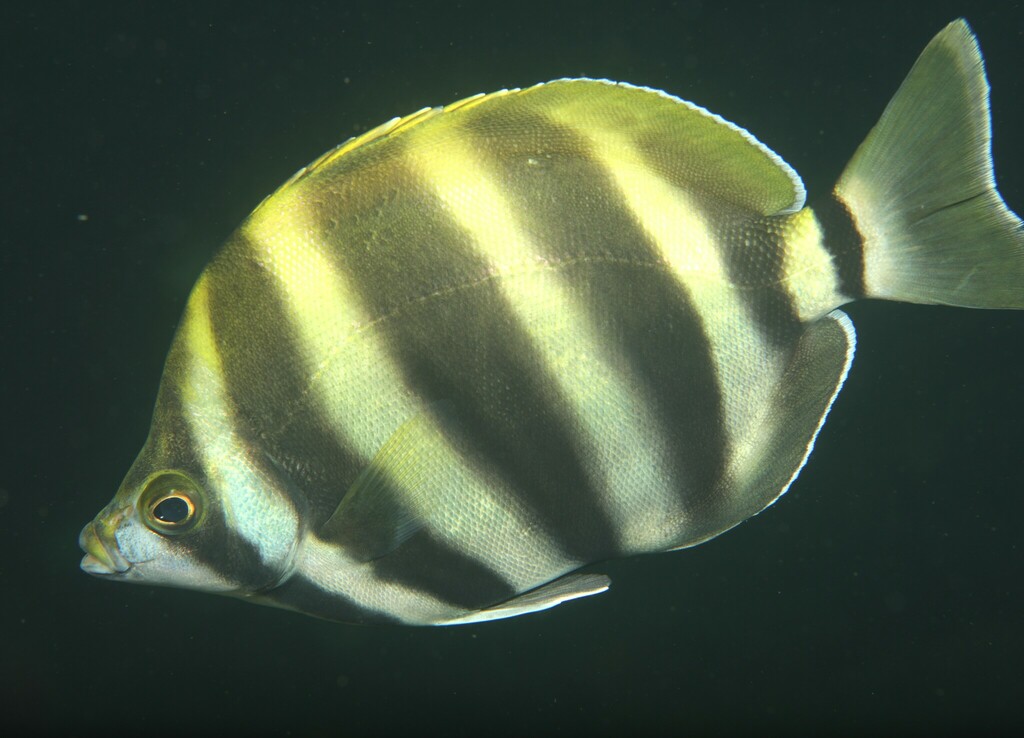
Moonlighter

Greater Glider
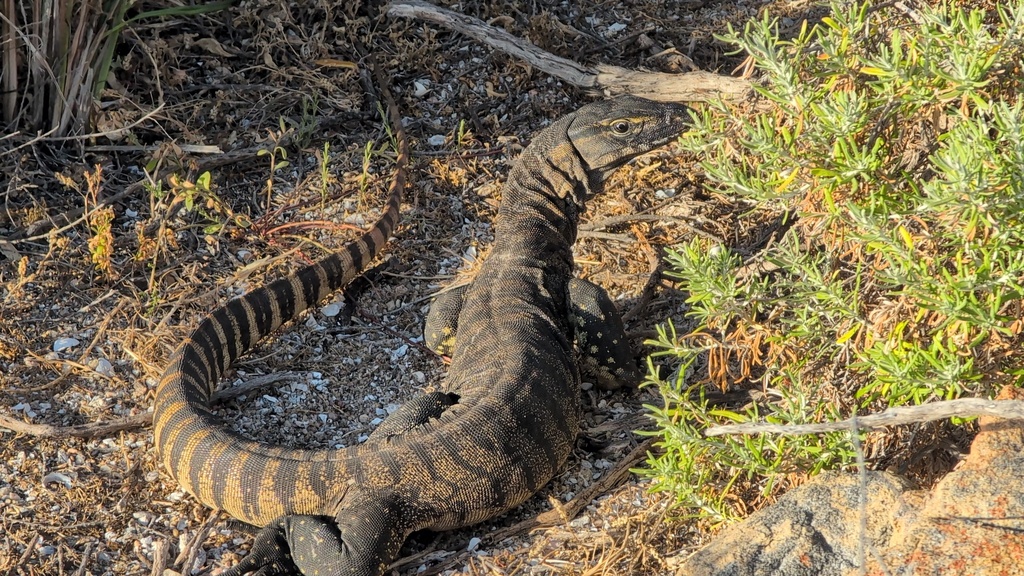
Southern Heath Monitor

Common Pufferfish

Krefft's Glider
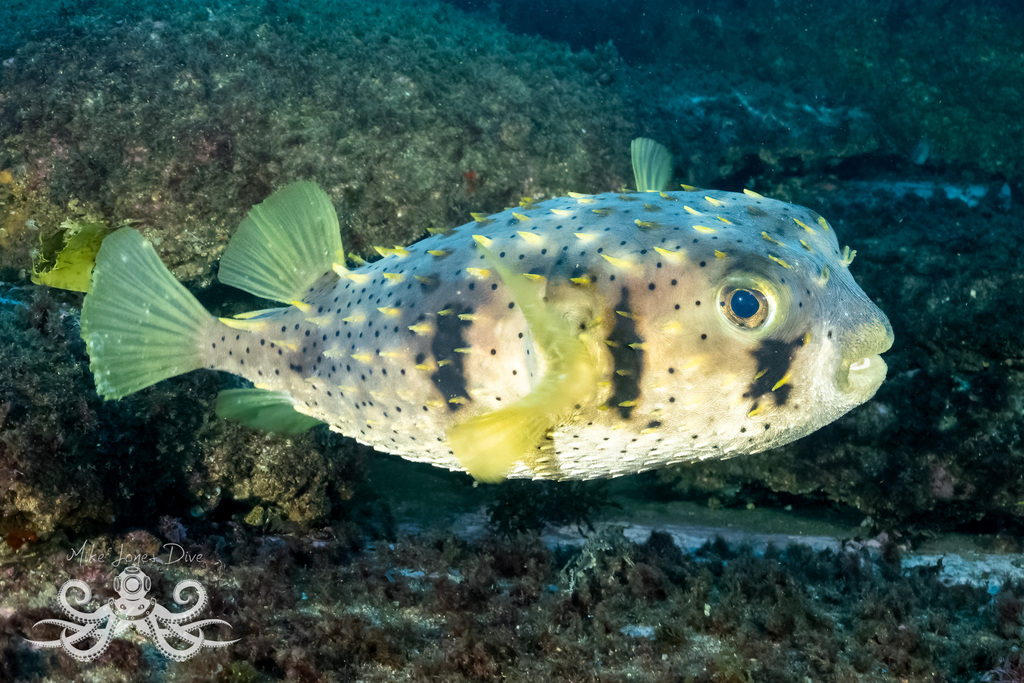
Three-barred Porcupinefish

Small-eyed Snake

Restless Flycatcher

Latham's Snipe

Helmeted Friarbird
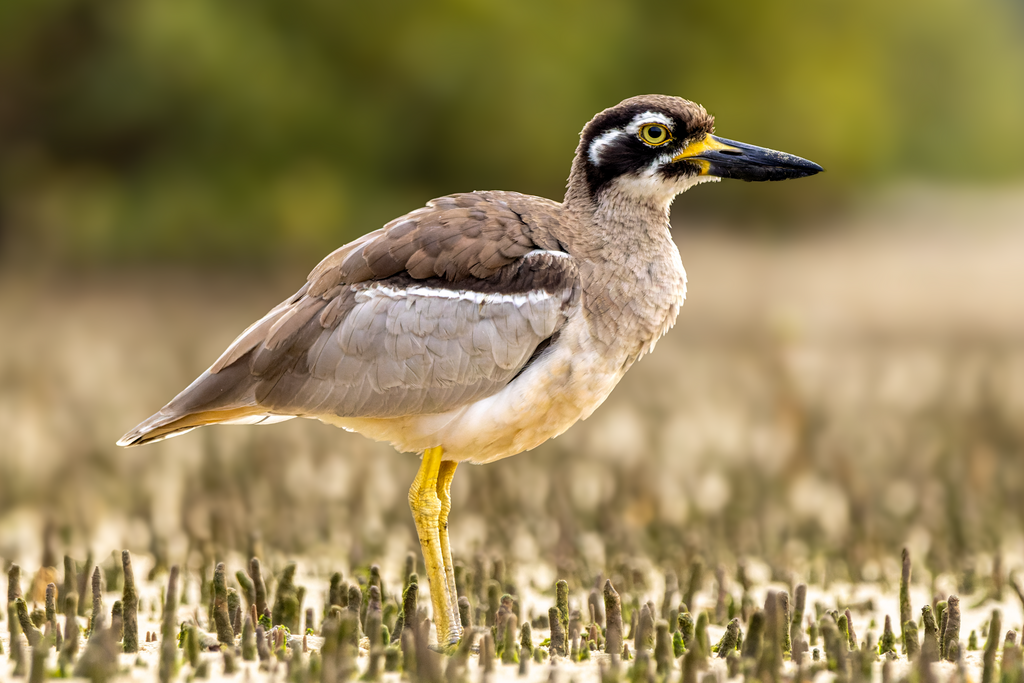
Beach Thick-knee
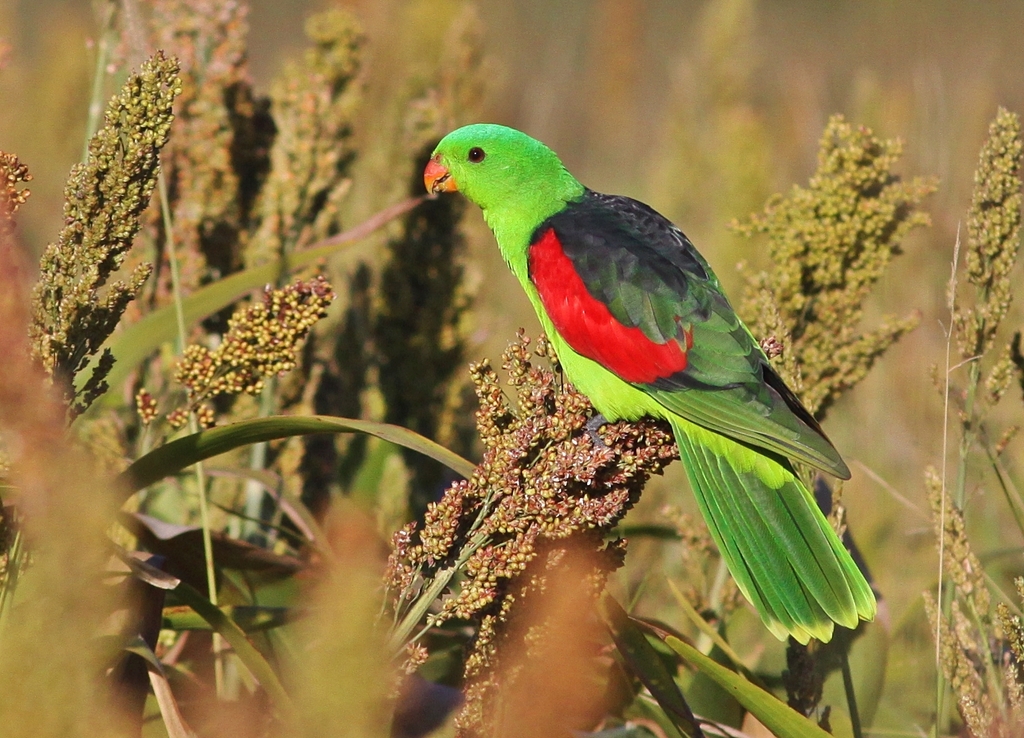
Red-winged Parrot

Short-eared Possum

Square-tailed Kite

Yellow-tufted Honeyeater

Barking Gecko

Fairy Martin

Yellow-faced Whipsnake

Wompoo Pigeon

Blue-winged Kookaburra
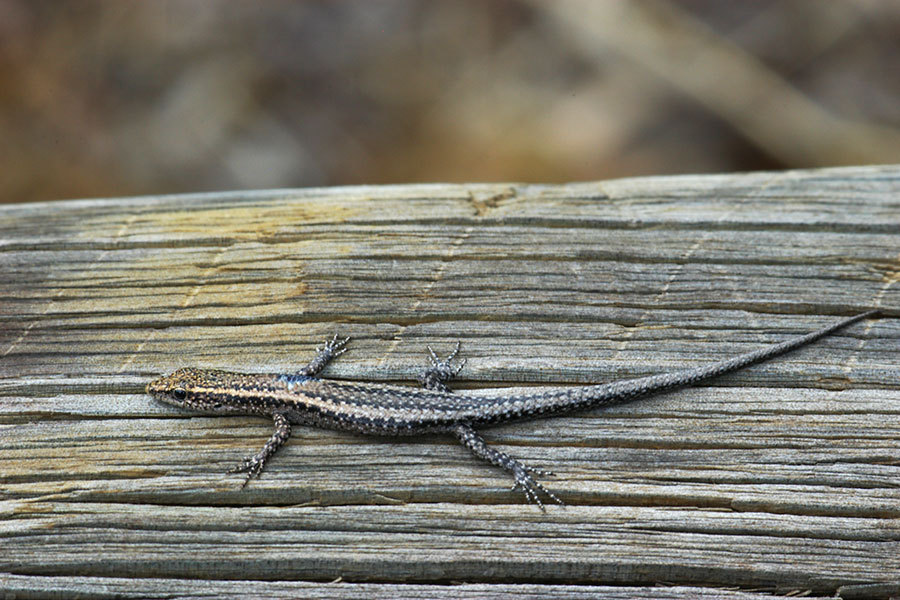
Buchanan's Snake-eyed Skink

Australian Bustard

Banded Goby
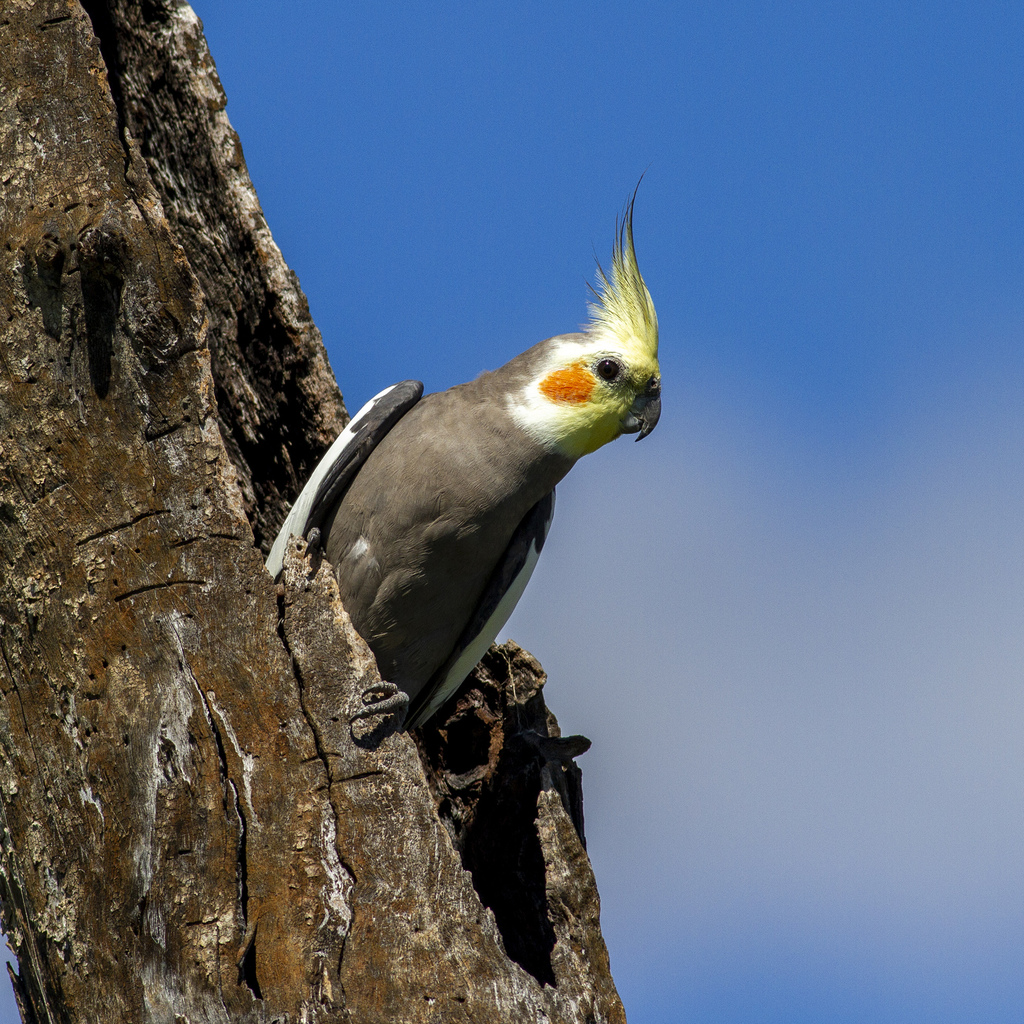
Cockatiel

Sergeant Baker

Lined Butterflyfish
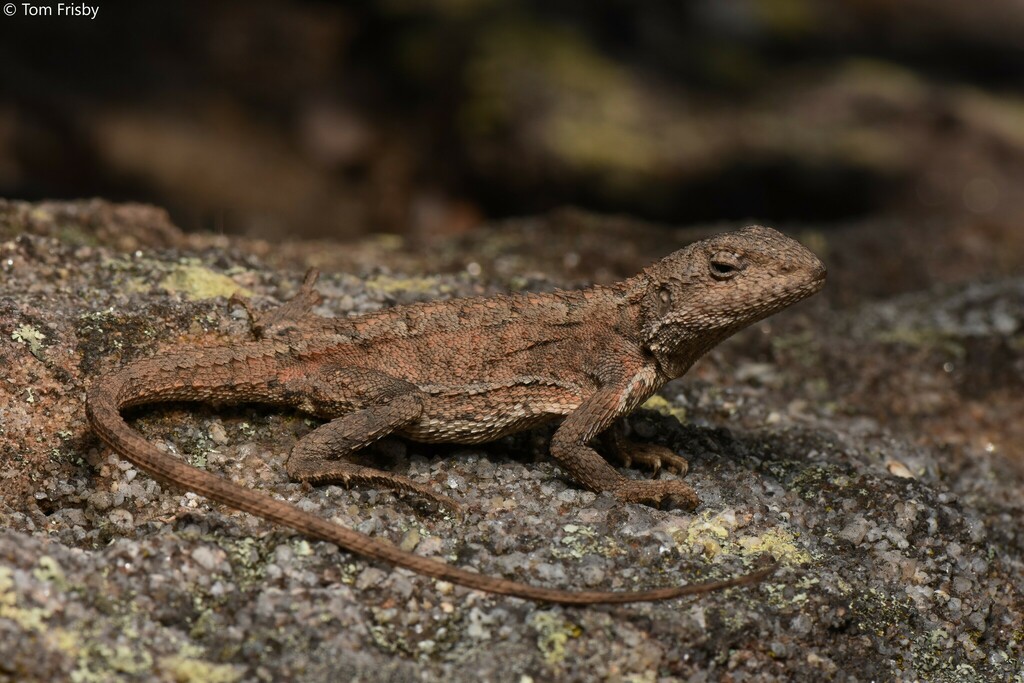
Mountain Dragon

Northern Brown Bandicoot

Hooded Robin

Baillon's Crake
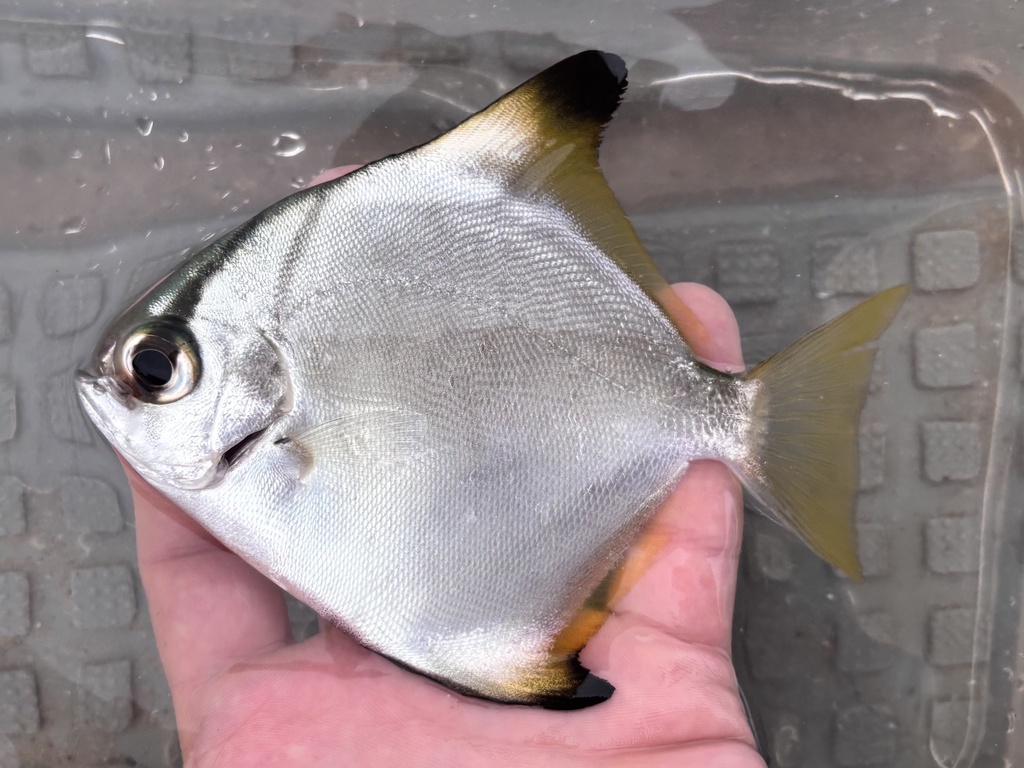
Kitefish

Bush Rat

Australian Long-finned Eel
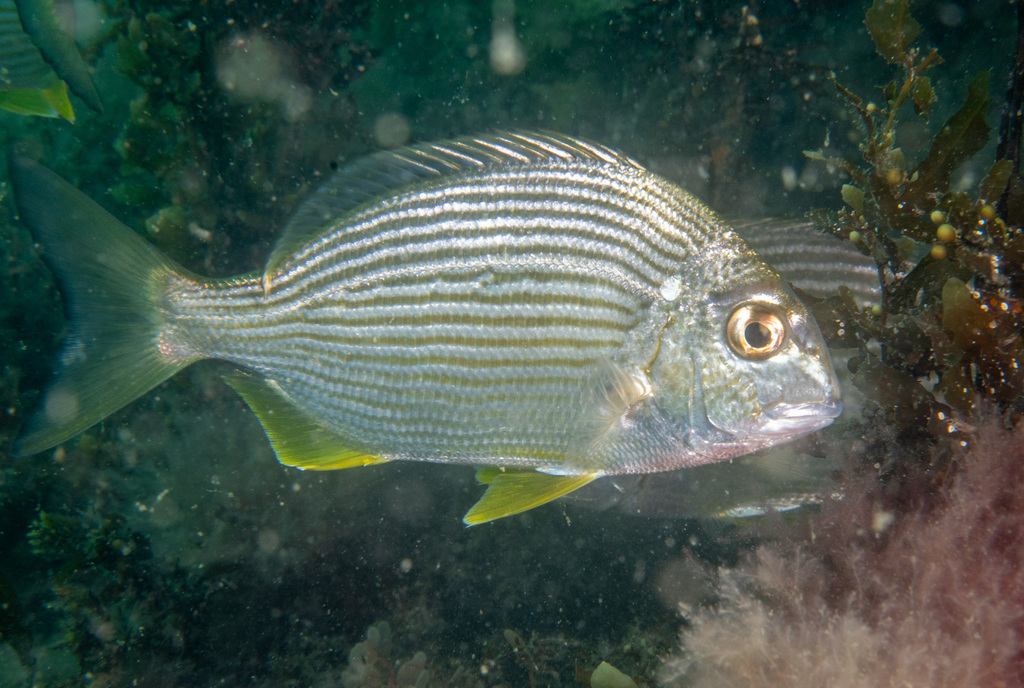
Yellowfin Bream

Topknot Pigeon

Red-necked Pademelon
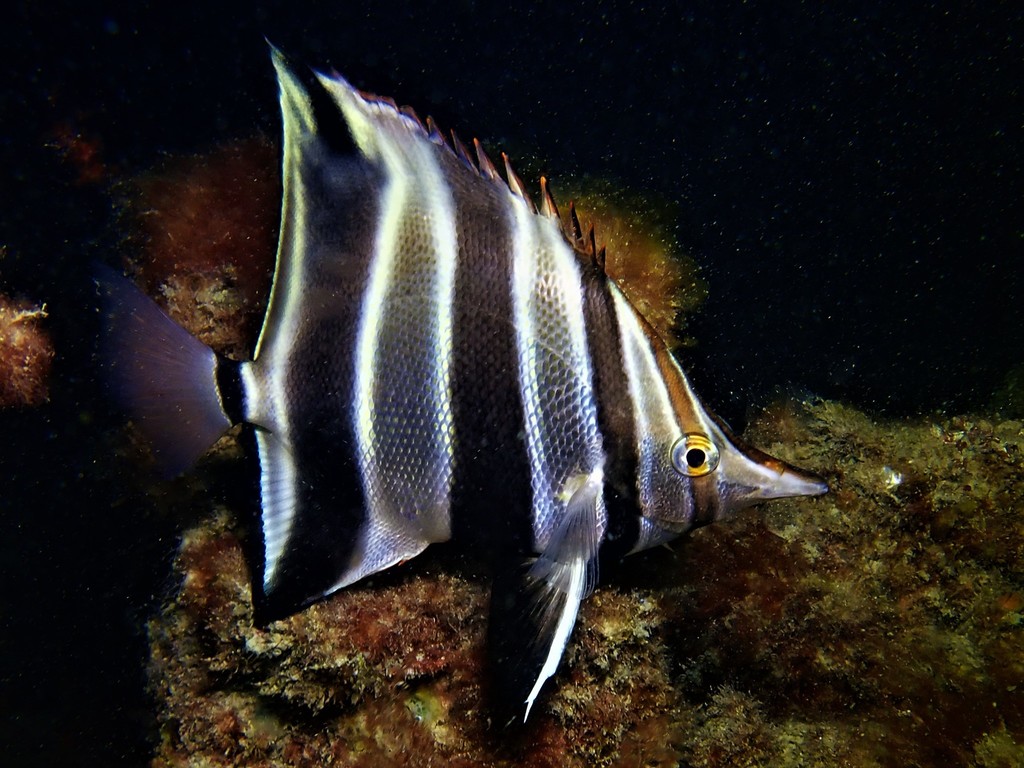
Square-back Butterflyfish

Rose Robin

Quenda

Mourning Cuttlefish
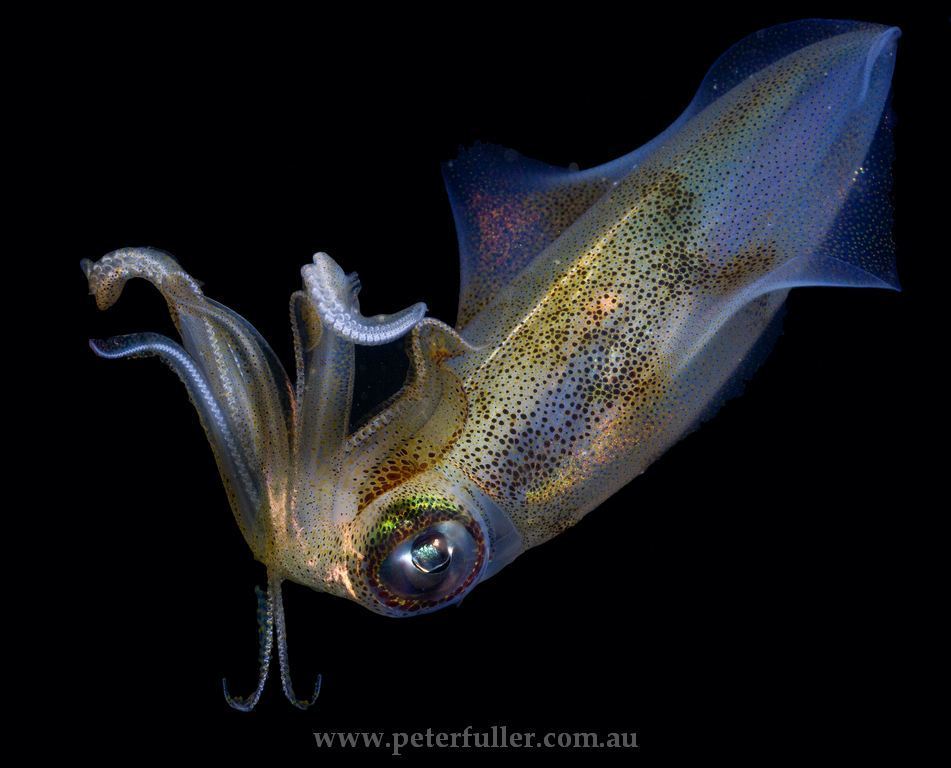
Southern Reef Squid
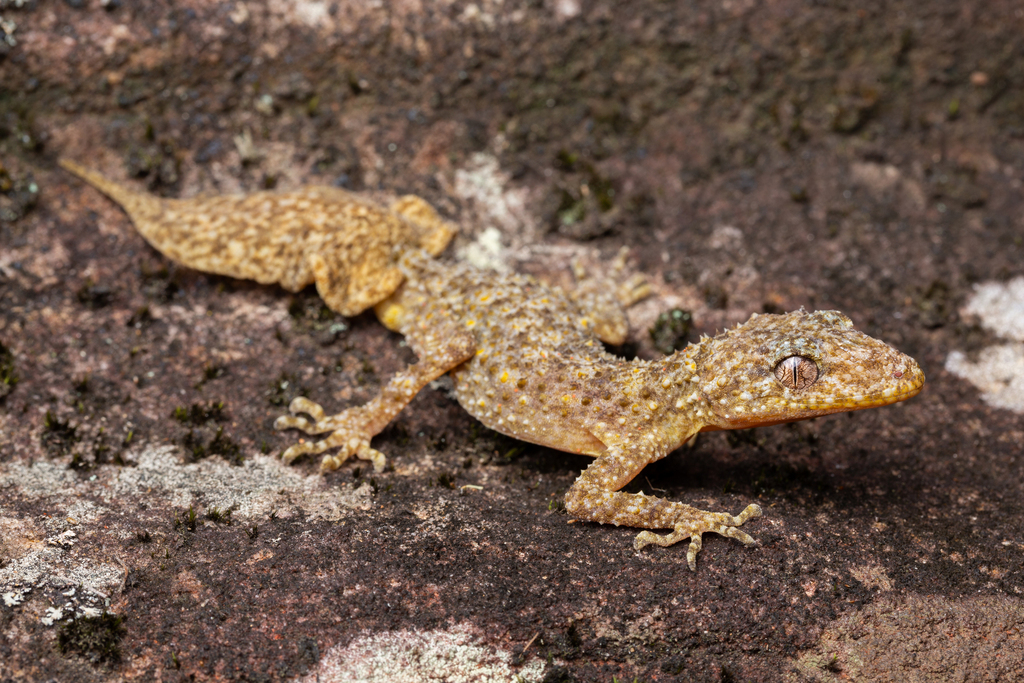
Broad-tailed Gecko

Giant Trevally
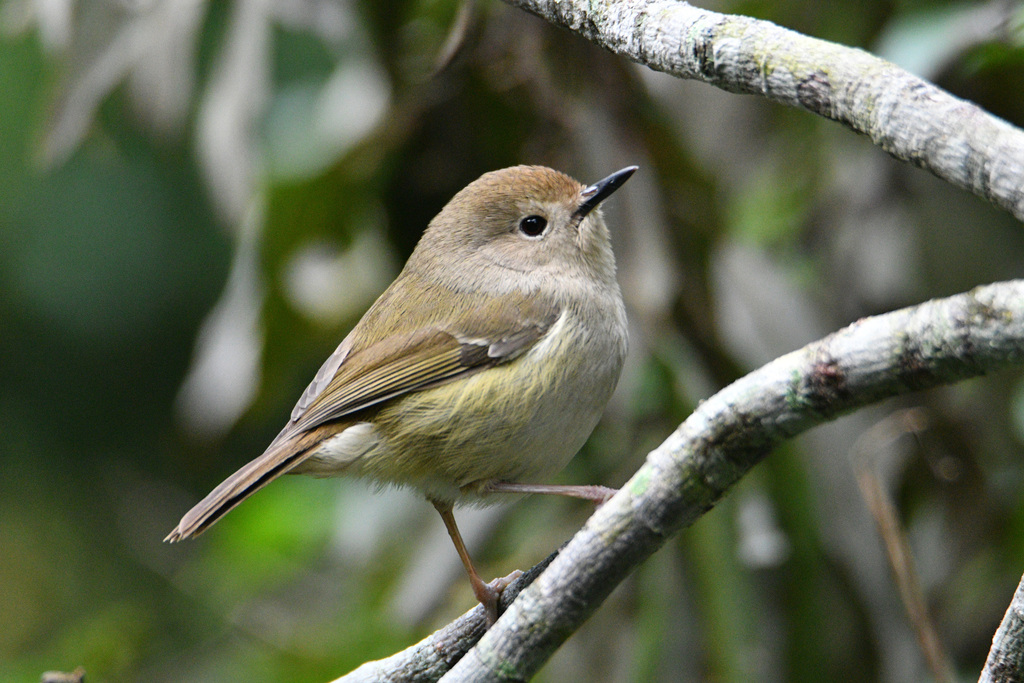
Large-billed Scrubwren
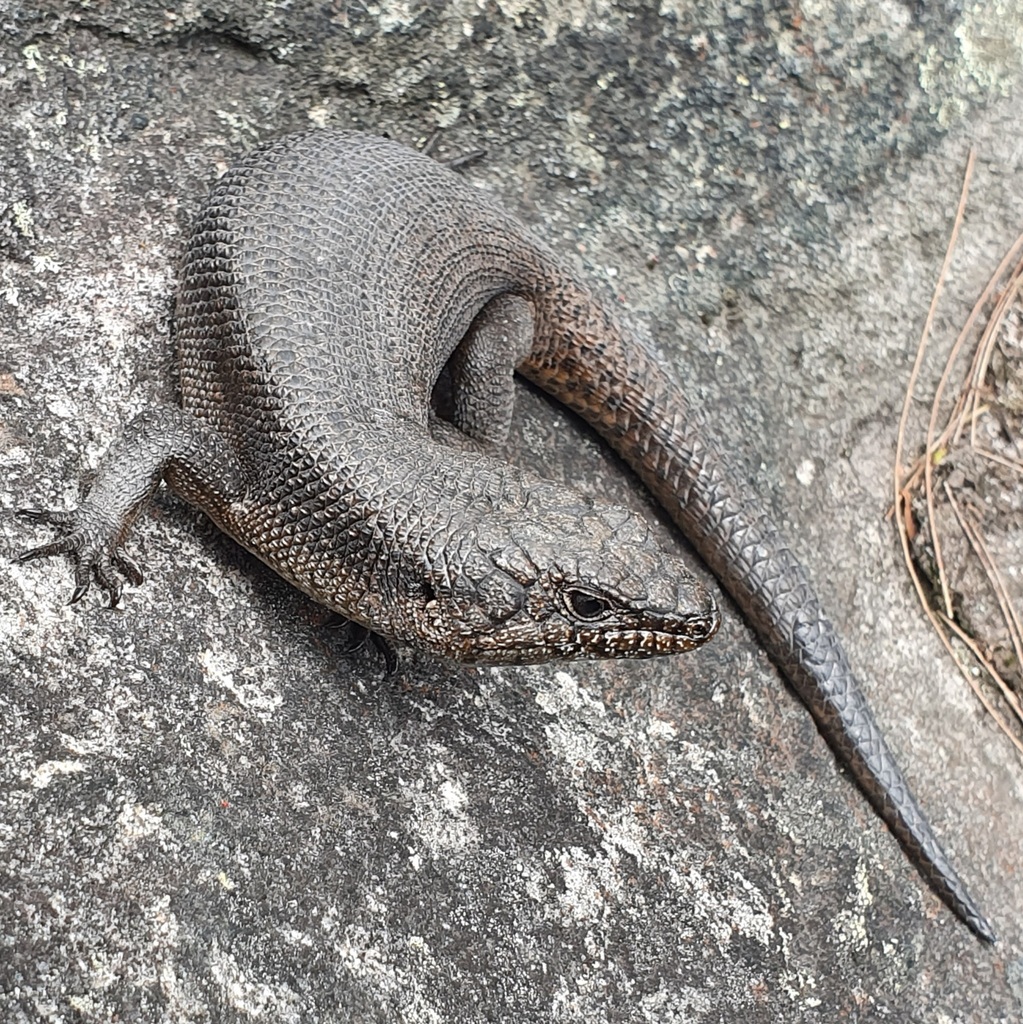
Black Crevice-skink

Little Eagle

Pale Yellow Robin

Blue Flyer

Dromedary Camel

Blue-spot Butterflyfish
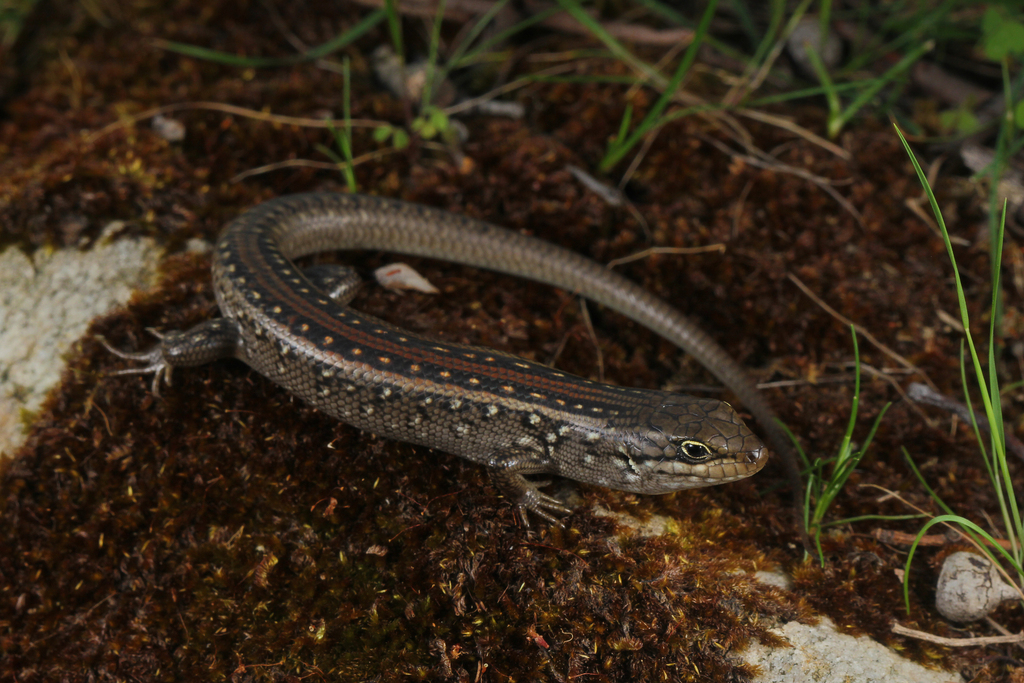
White's Rock-skink

Piano Fangblenny

Yellowfin Pike

Spotted Hawkfish

Horseshoe Leatherjacket
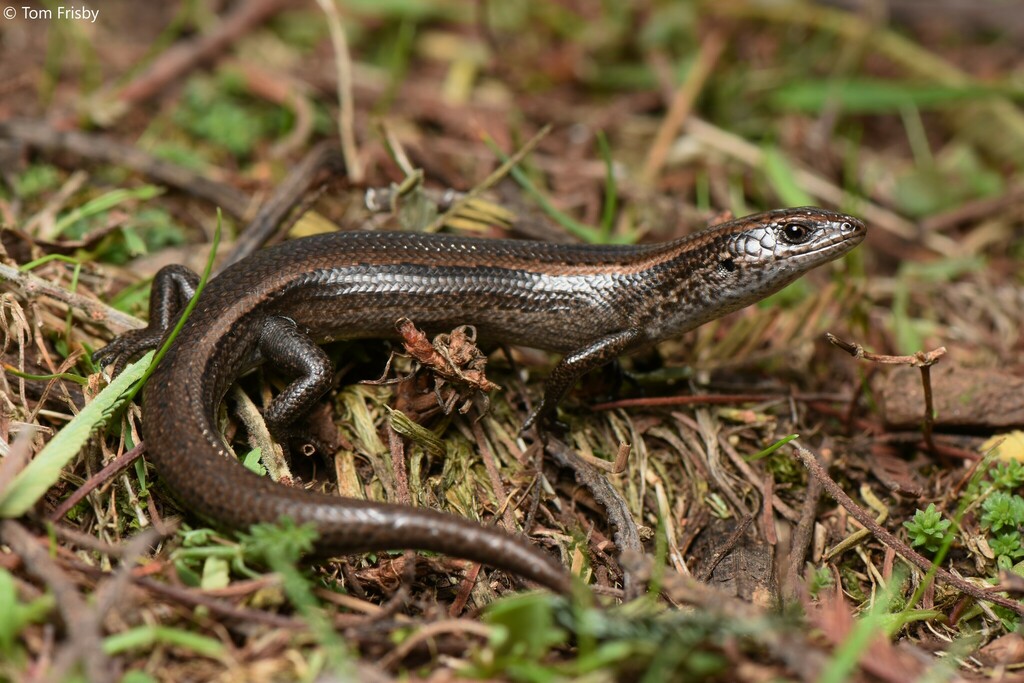
Metallic Coolskink

Cigar Wrasse

Barred Rabbitfish

Banjo Shark
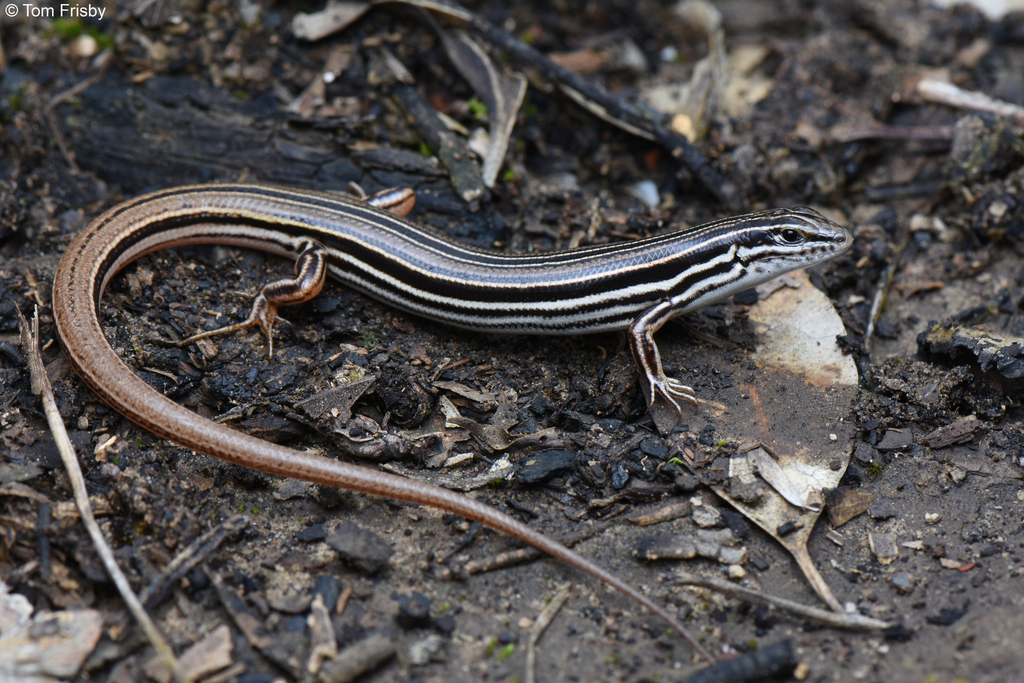
Copper-tailed Ctenotus
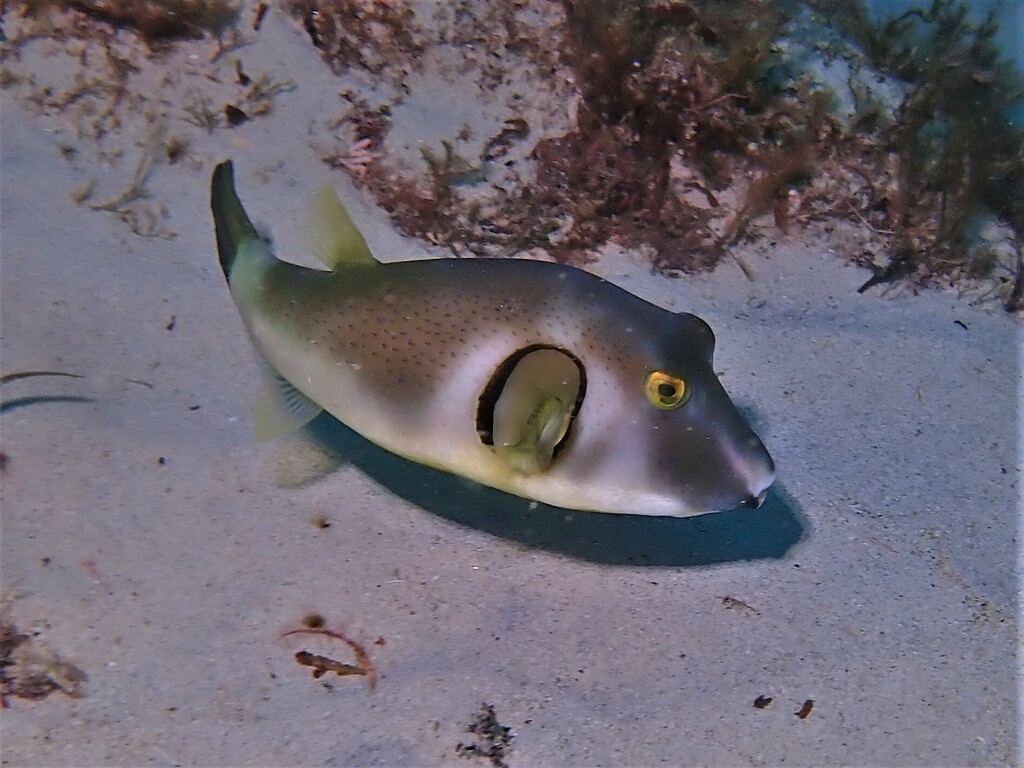
Ringed Toado

Yellow-footed Antechinus

Günther's Wrasse

Eyestripe Surgeonfish

Dusky Butterflyfish

Mangrove Red Snapper

Spectacled Flying Fox
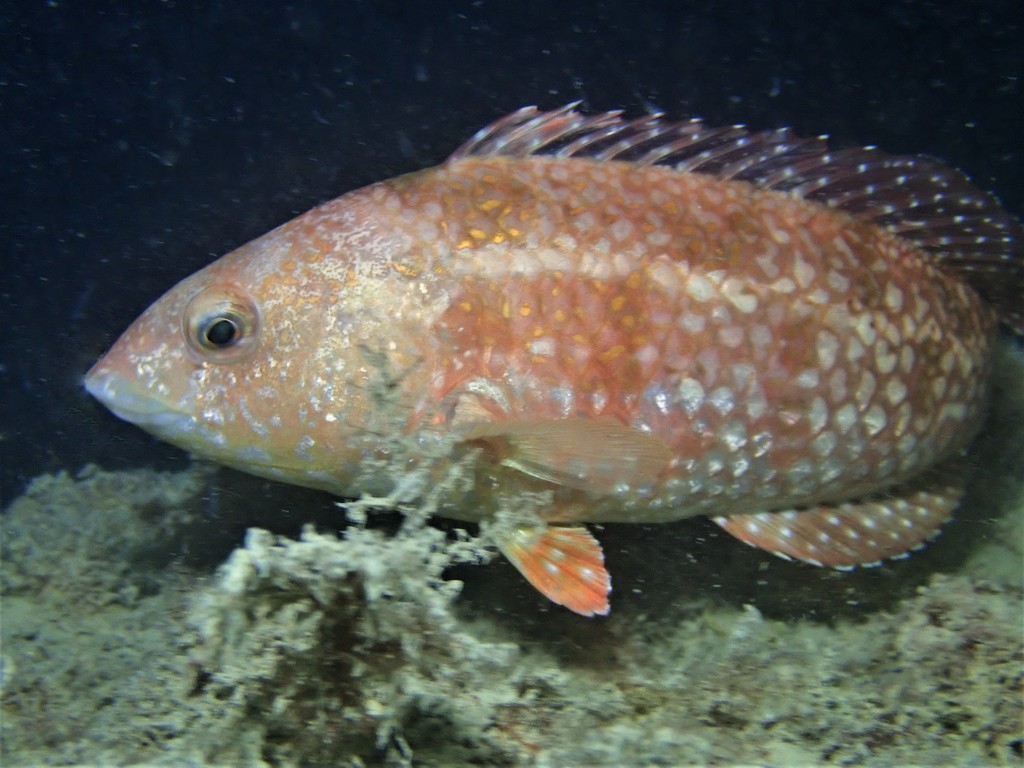
Orange-spotted Wrasse
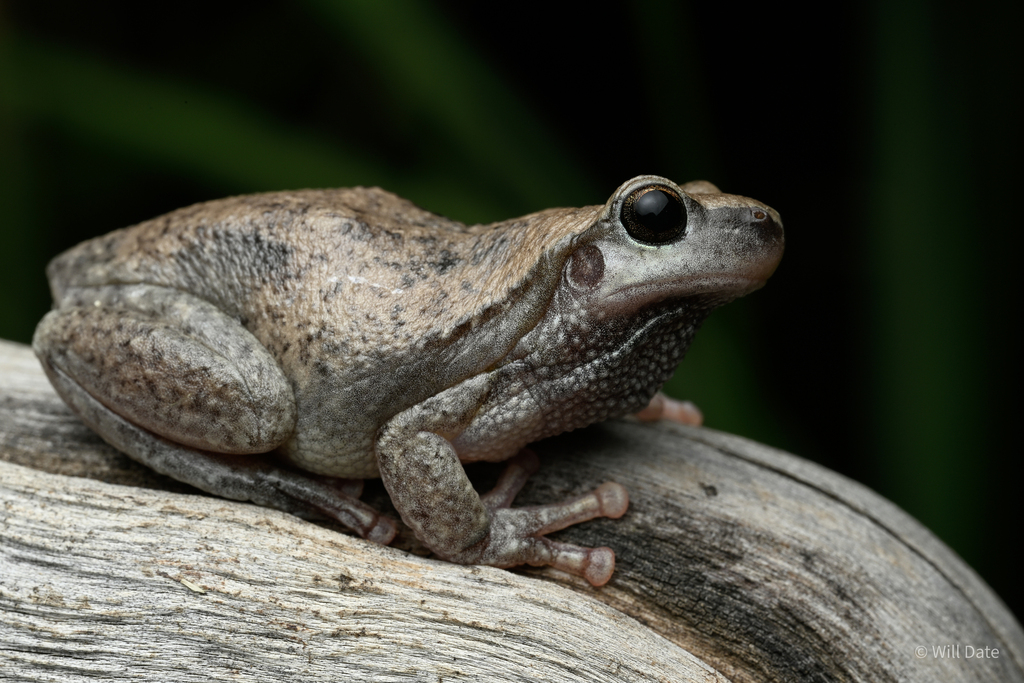
Desert Tree Frog

Snakeskin Wrasse

Eastern Smooth Boxfish

Dusky Rabbitfish

Spiny Chromis

Highlands Copperhead
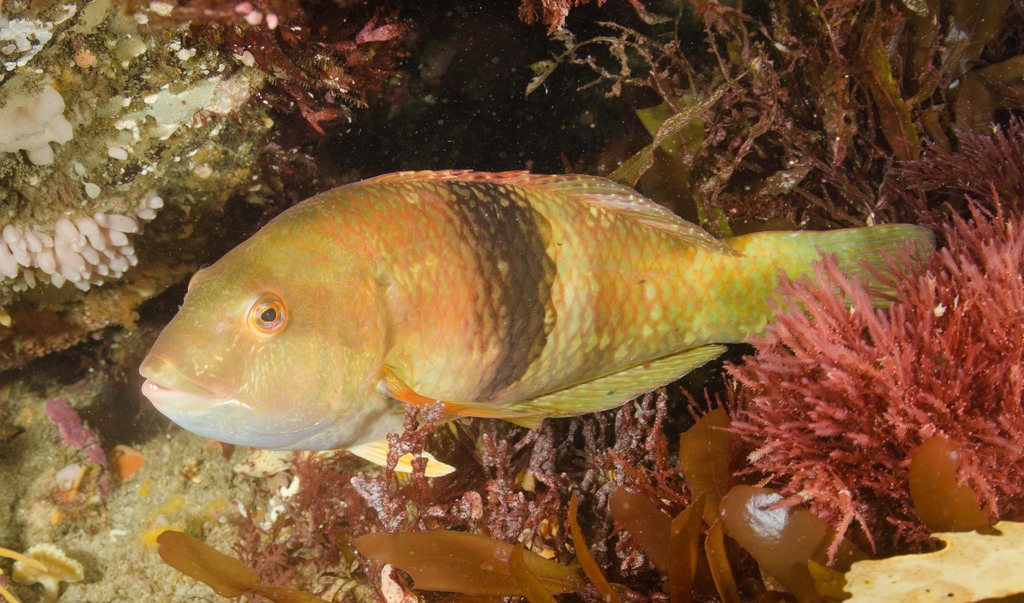
Rotfish

Whiptail Wallaby

Copperband Butterflyfish

Immaculate Damsel
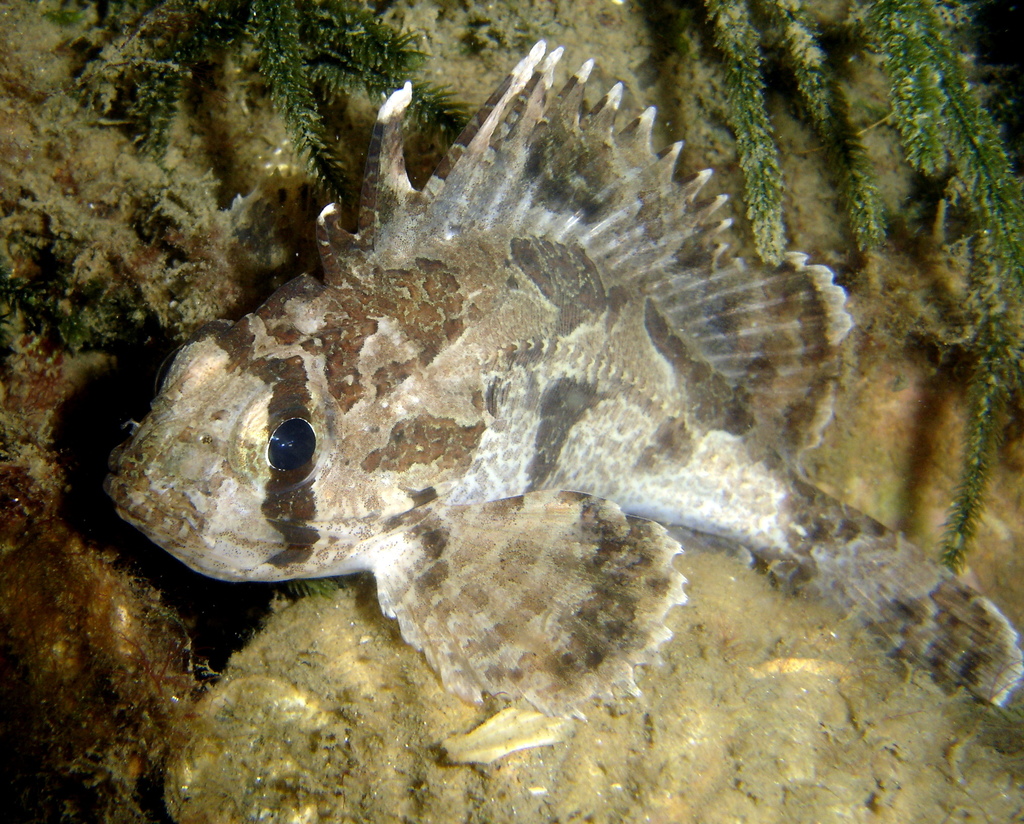
South Australian Cobbler
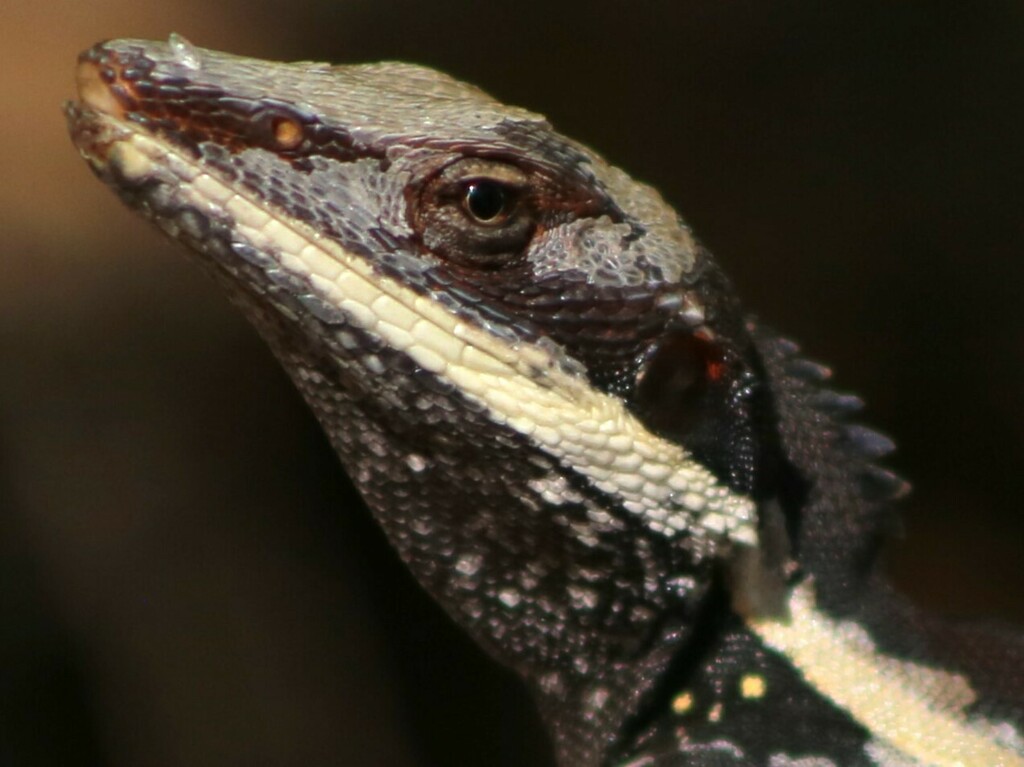
Long-nosed Water Dragon

Swordtail
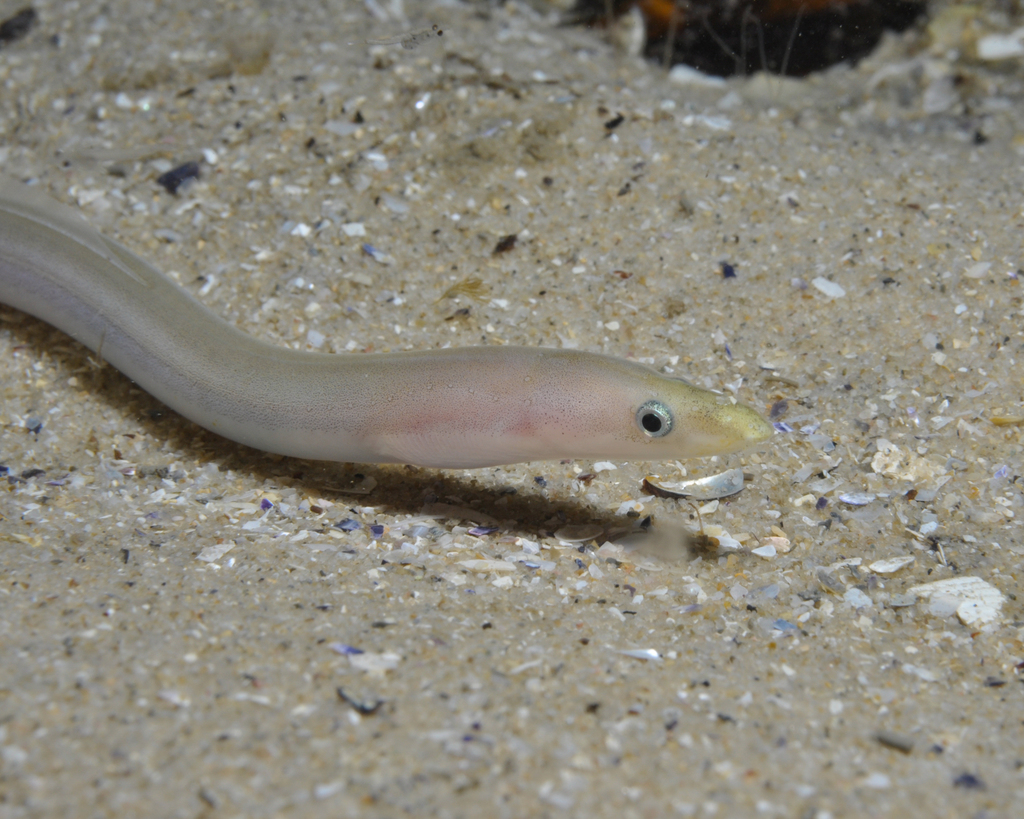
Longfinned Worm Eel
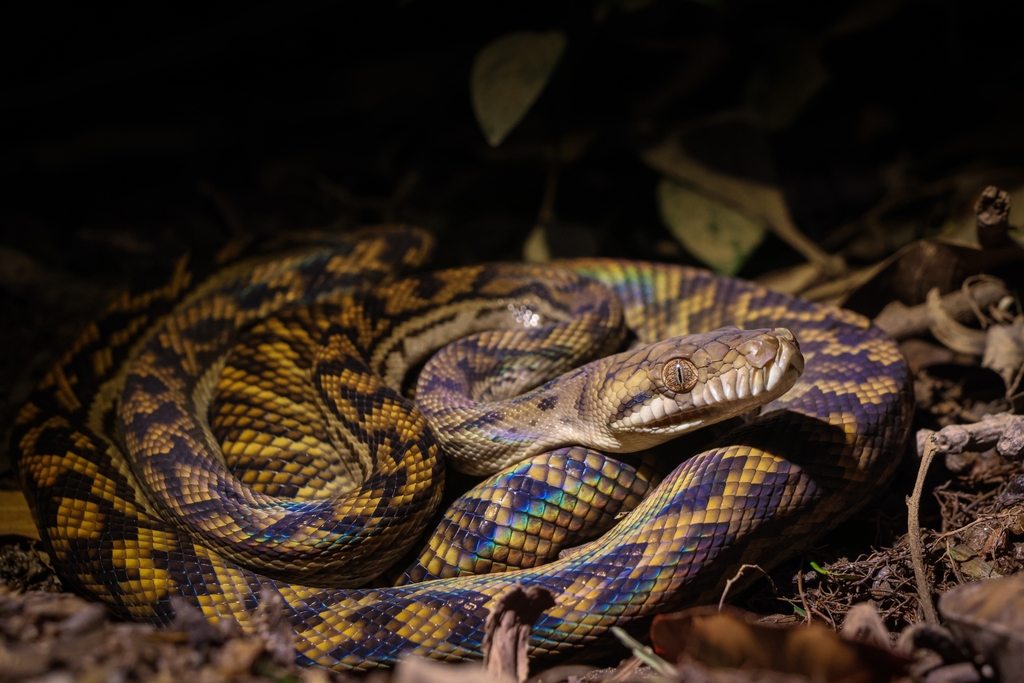
Australian Scrub Python
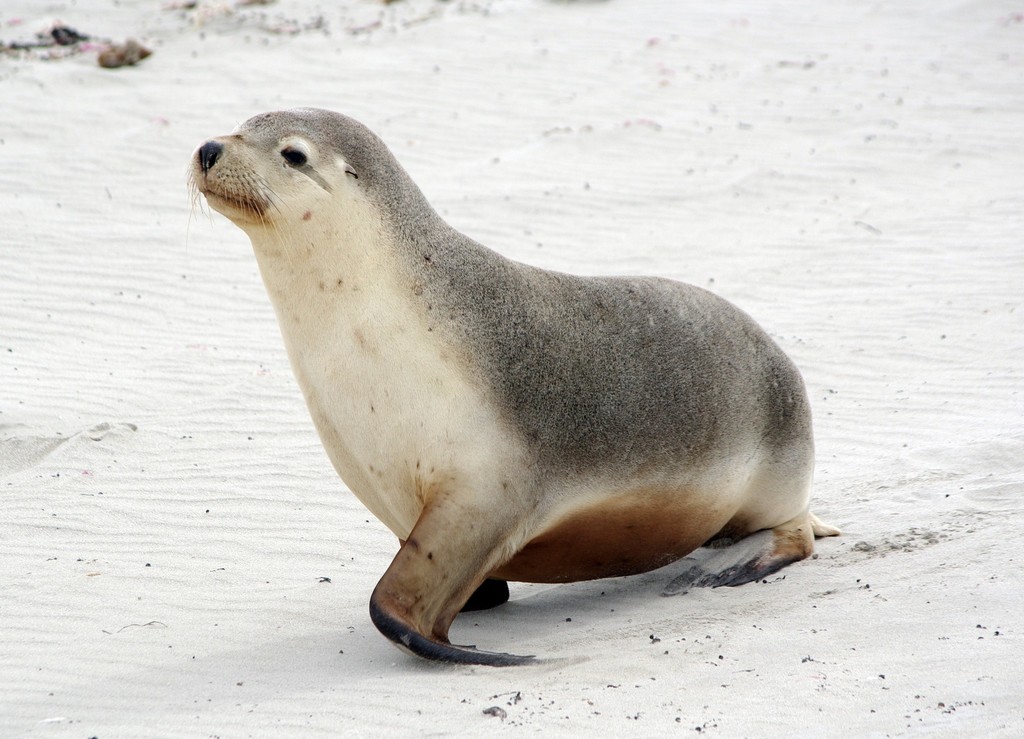
Australian Sea Lion
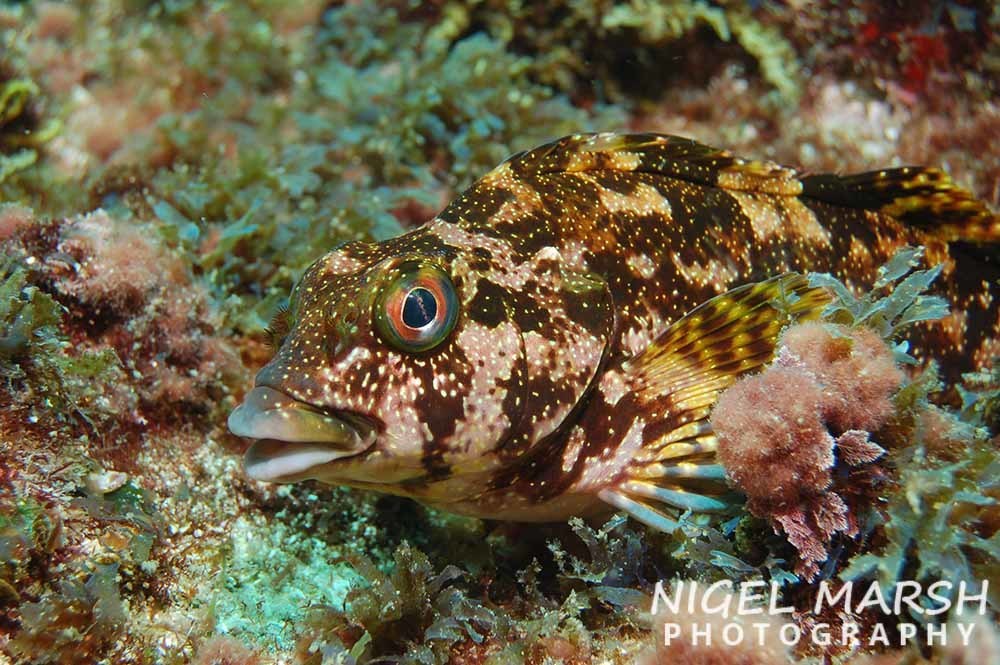
Hiwihiwi

Eastern Pomfred

Whitley's Sergeant

Longspot Snapper

Redshoulder Wrasse
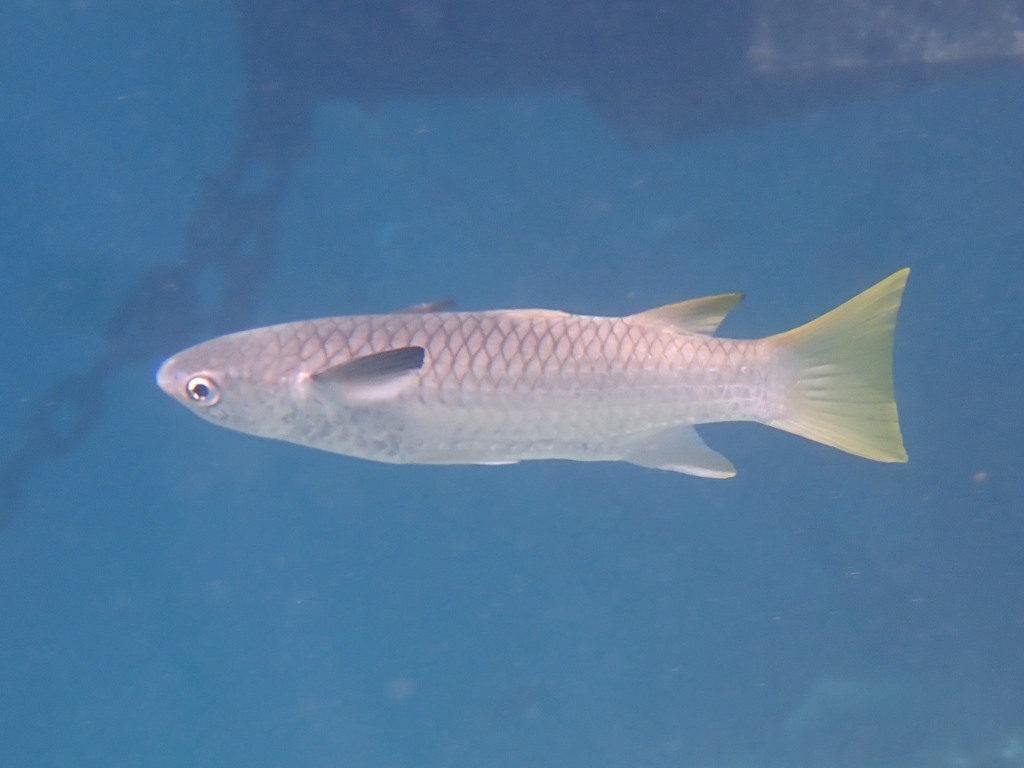
Squaretail Mullet
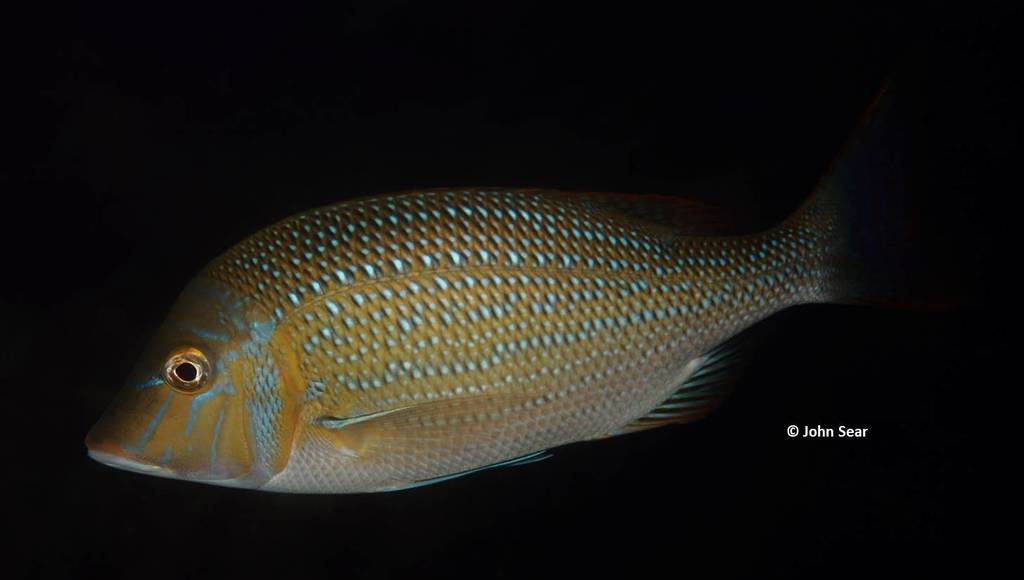
Sand Bream

Black Damselfish
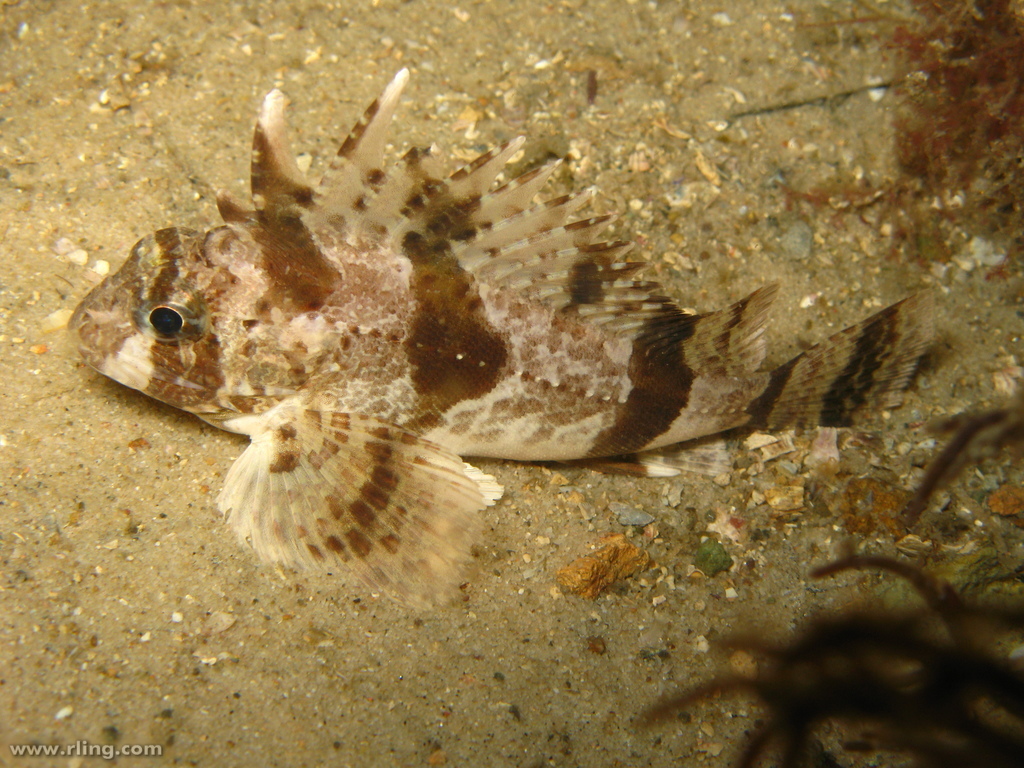
Eastern Fortescue

Round Ribbontail Ray
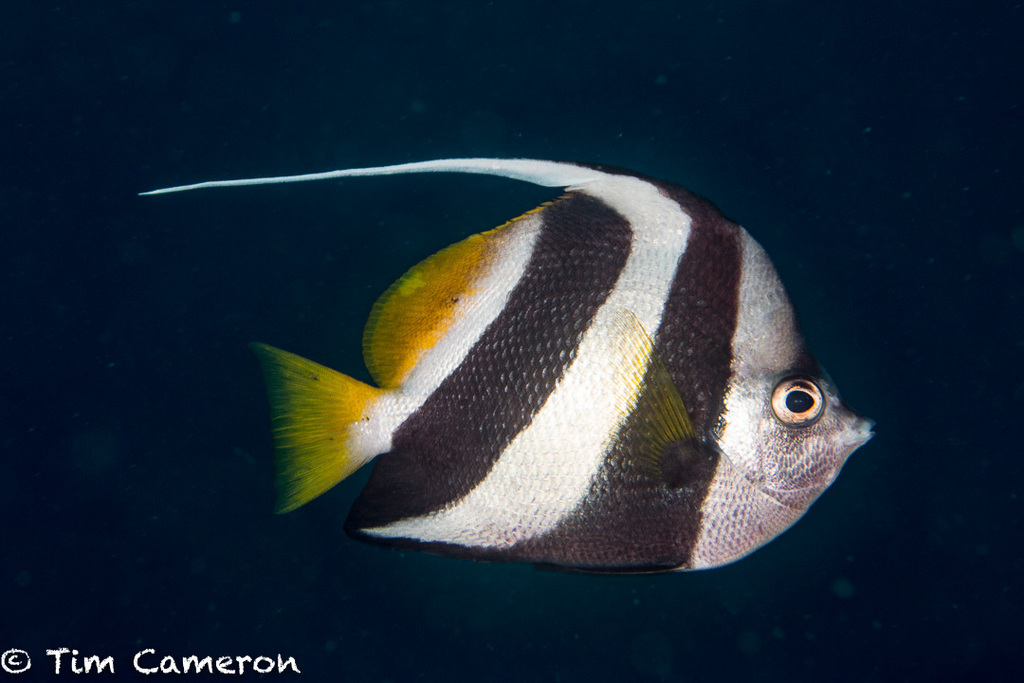
Pennant Butterflyfish

Black-axil Chromis

Australian Freshwater Crocodile
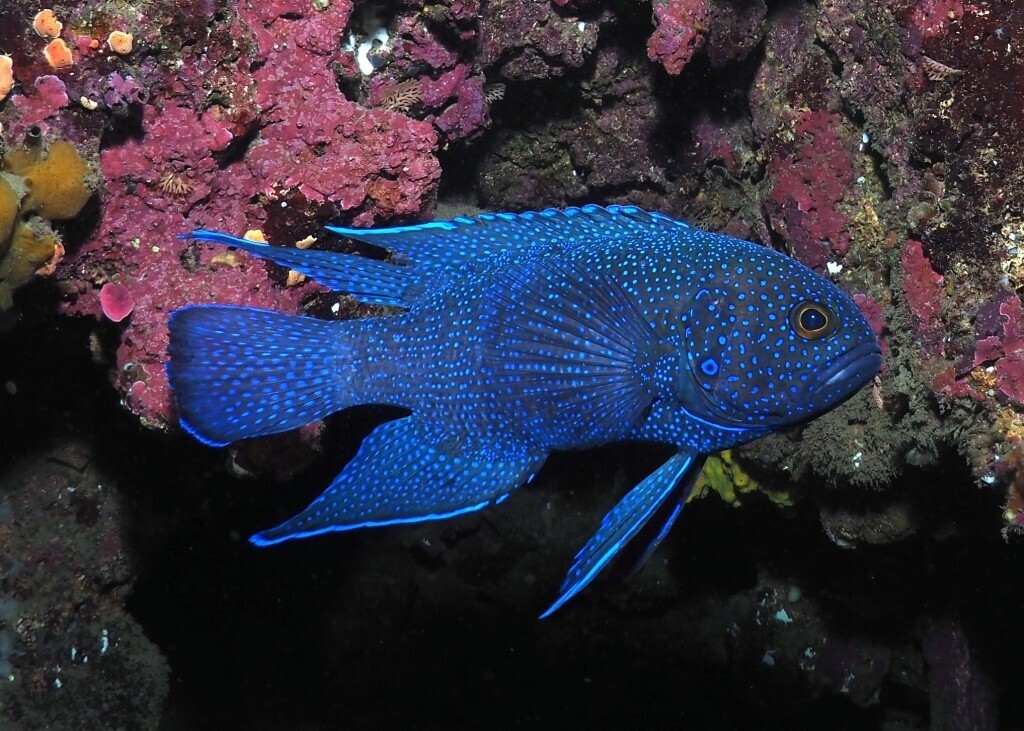
Southern Blue Devil
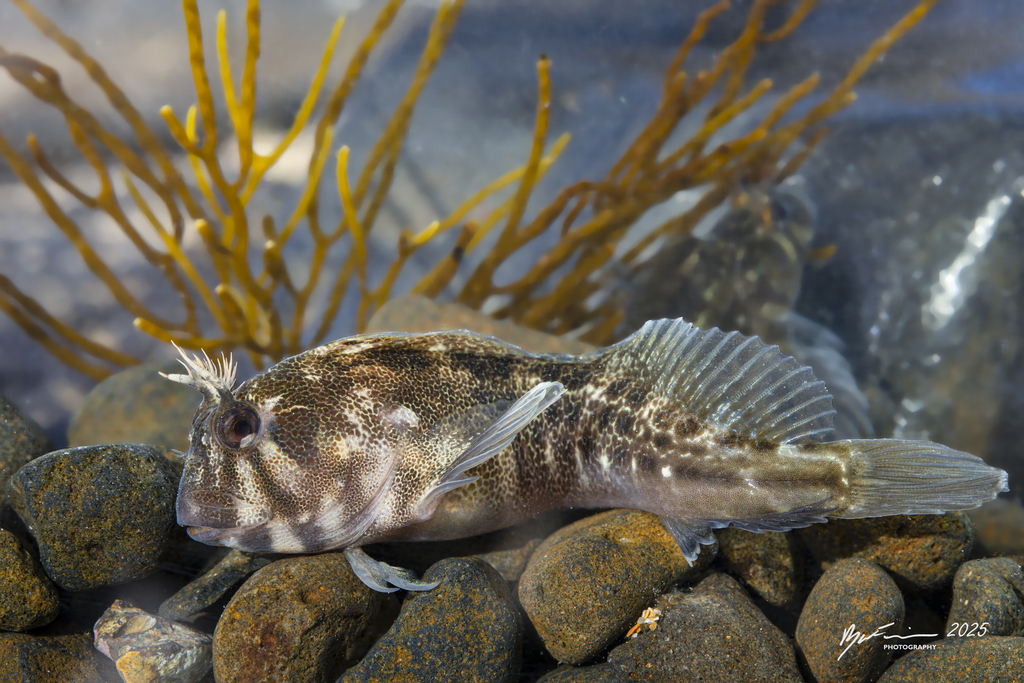
Blenny

Yellowtail Fusilier
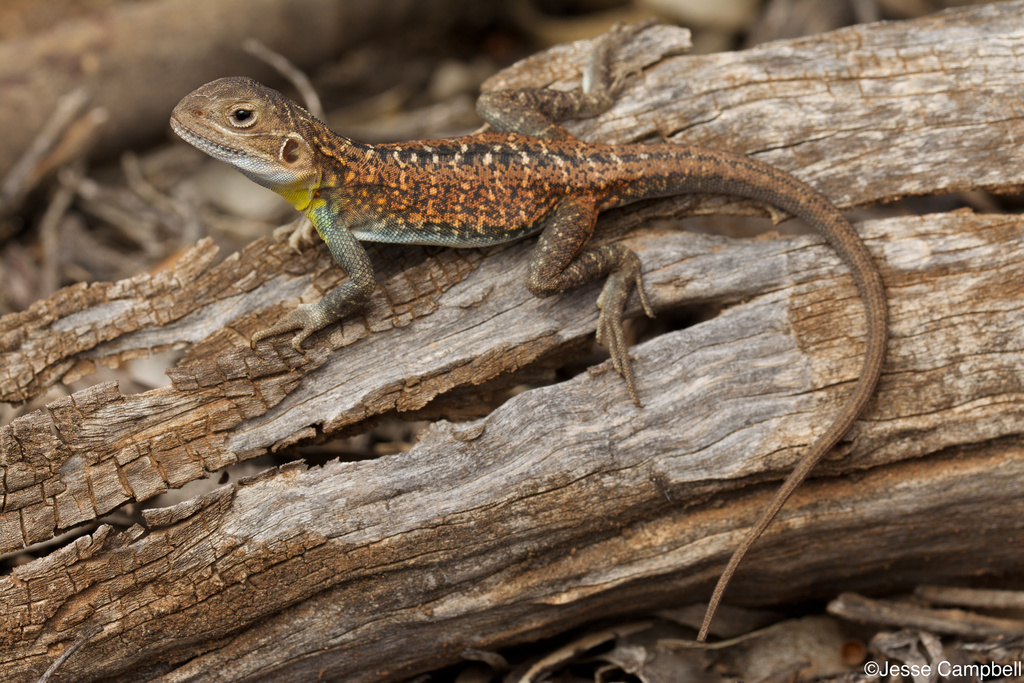
Painted Ground-dragon
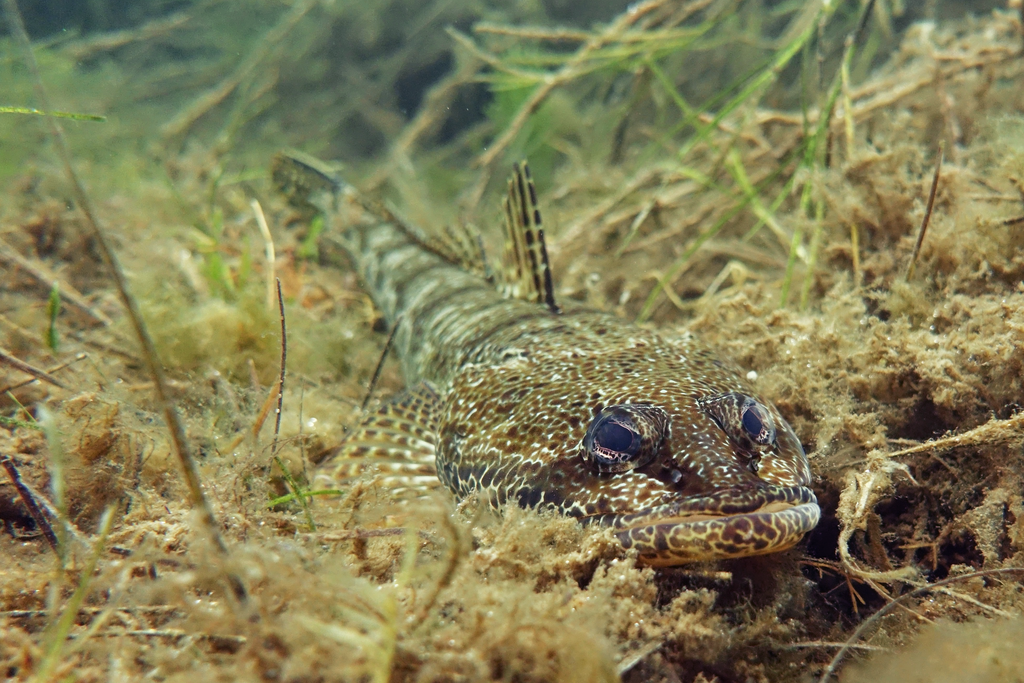
Grass Flathead
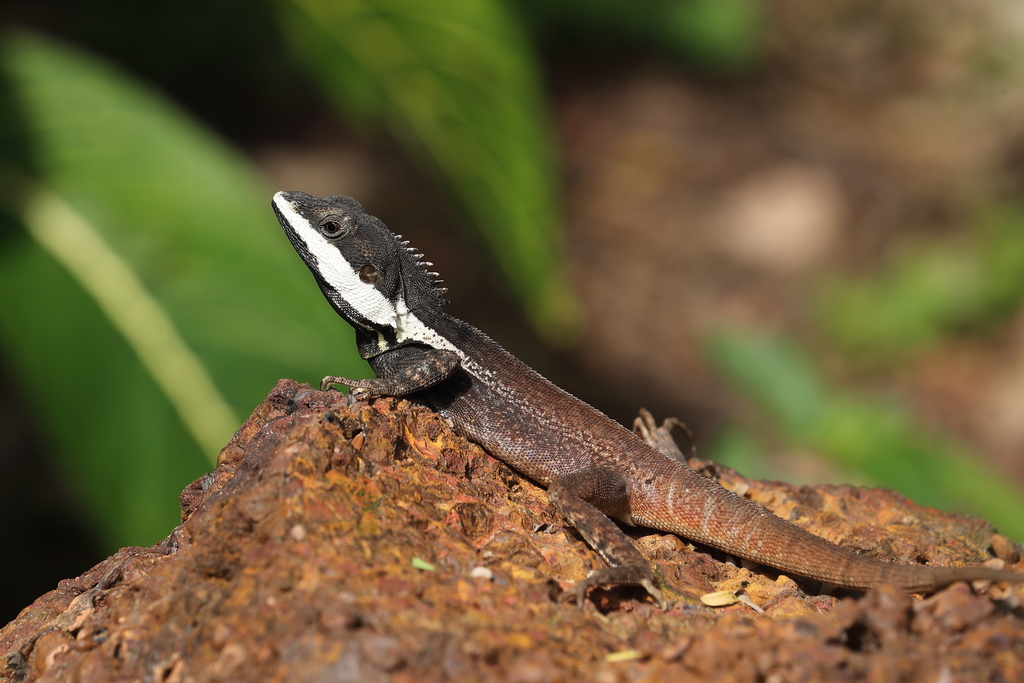
Northern Water Dragon

Yelloweye Mullet
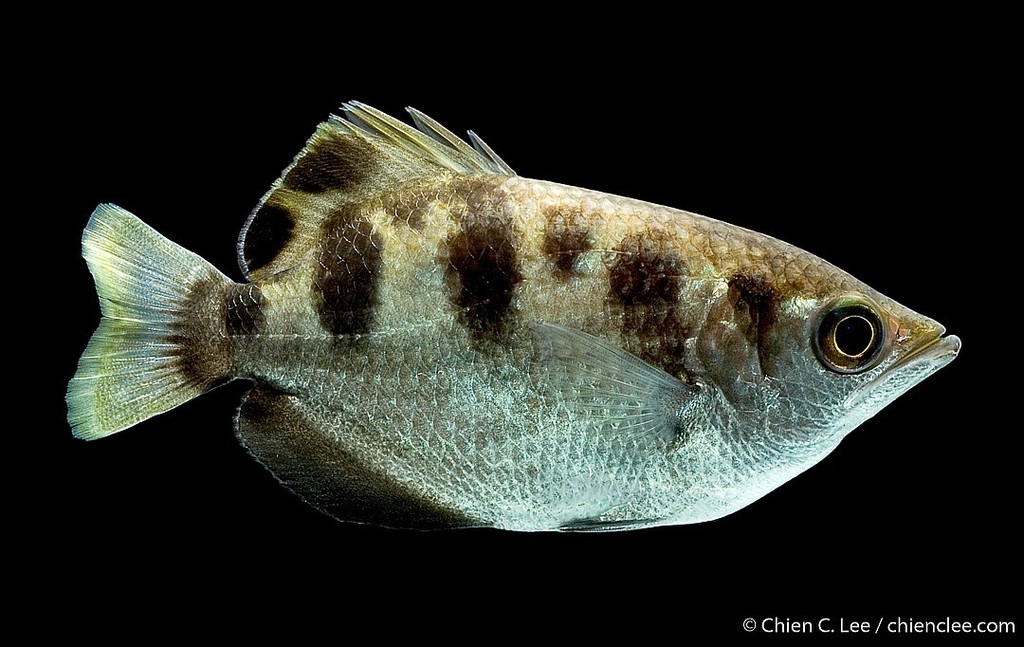
Seven-spot Archerfish

Sand Whiting
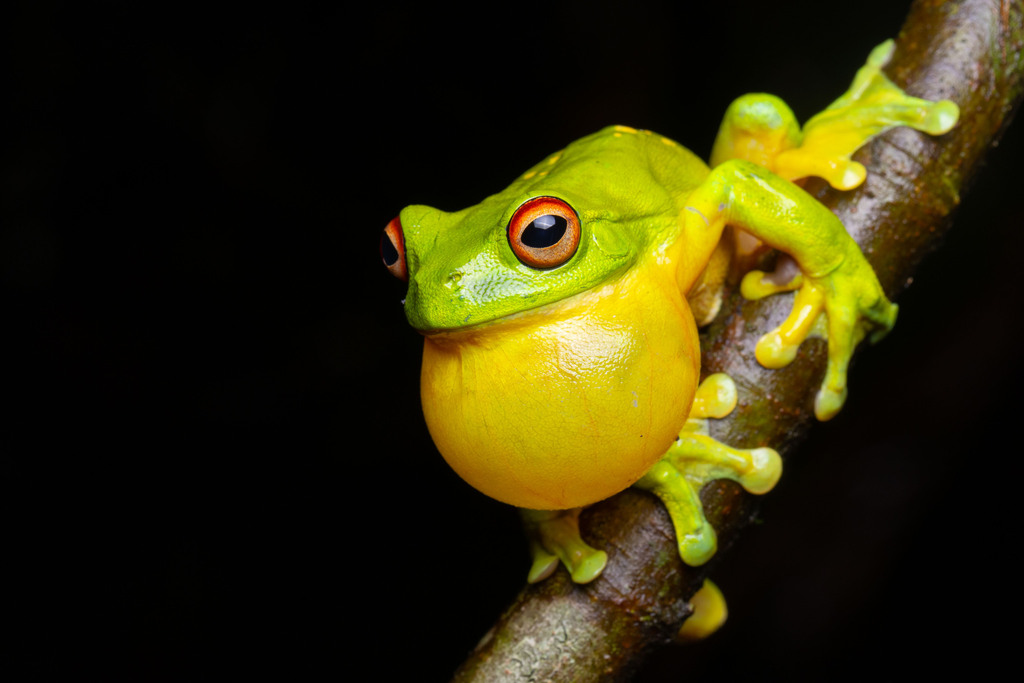
Red-eyed Tree Frog

Robust Gecko

Common Toadfish
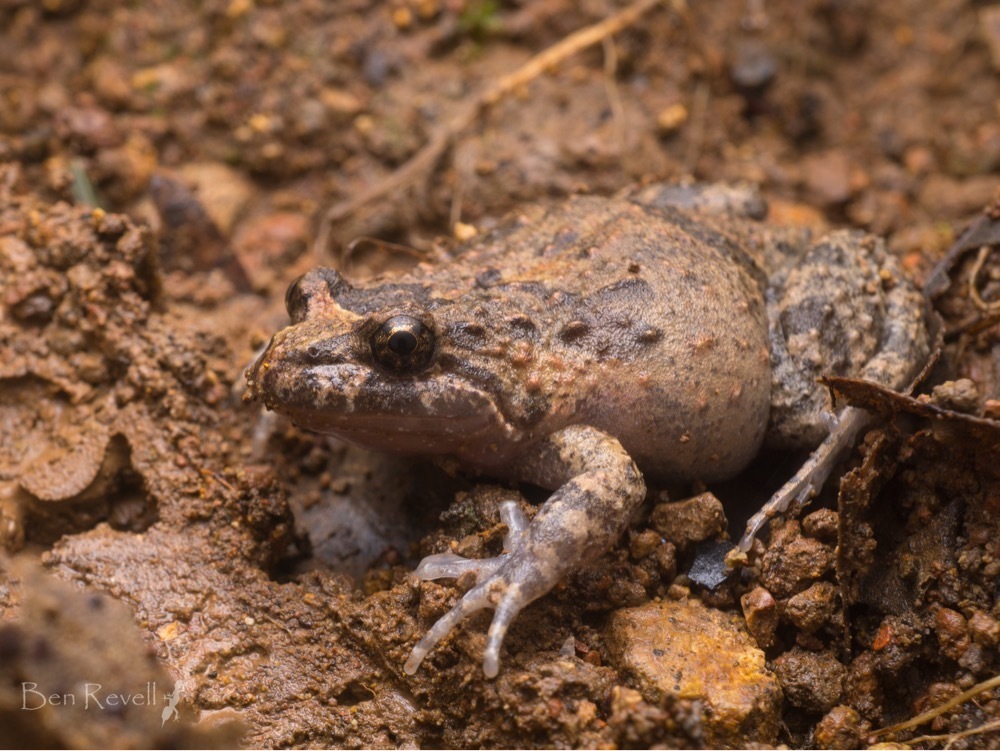
Tusked Frog
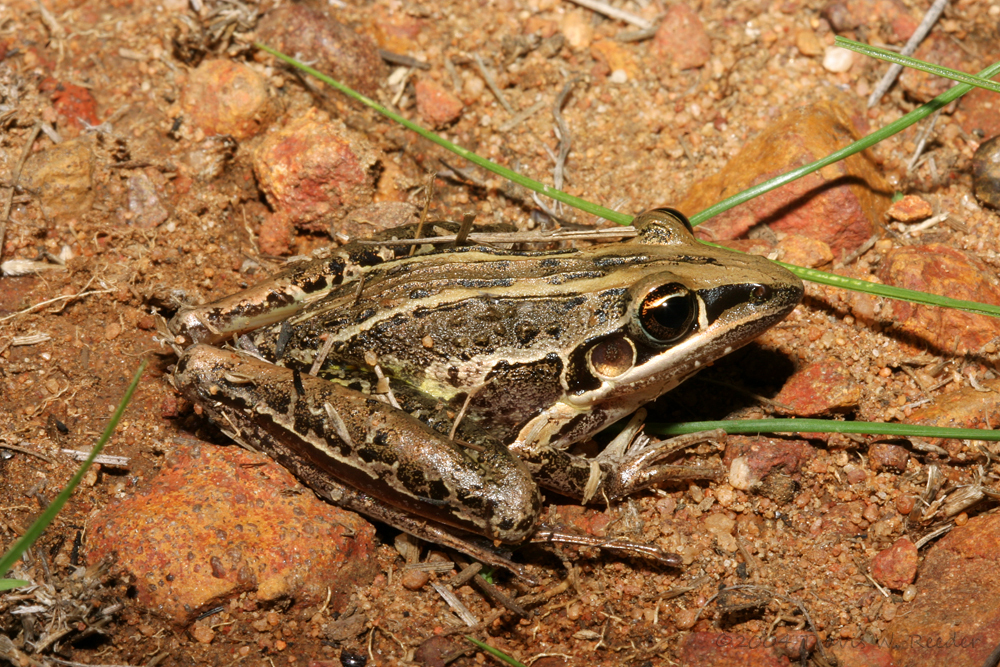
Australian Rocket Frog

Longsnout Boarfish

Brush-tailed Phascogale
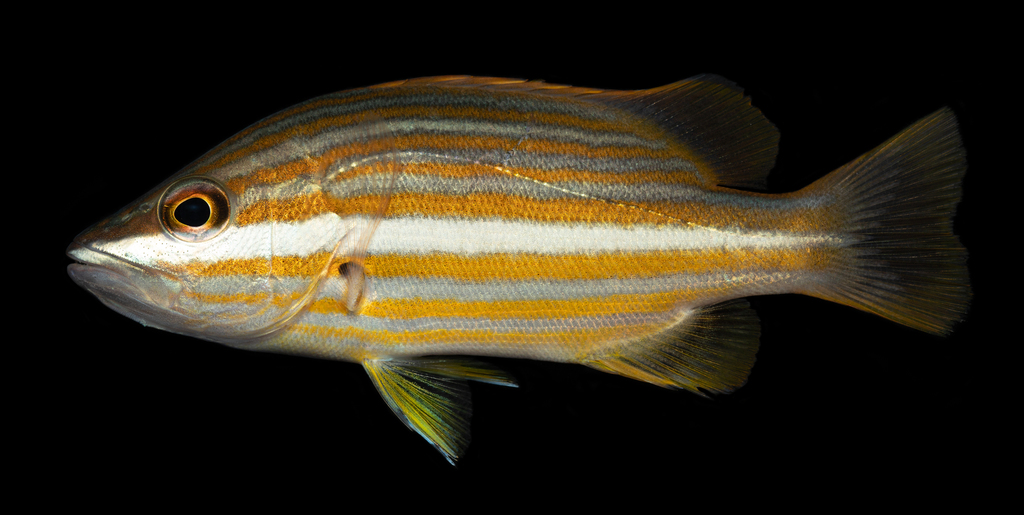
Spanish Flag

Rock Cale
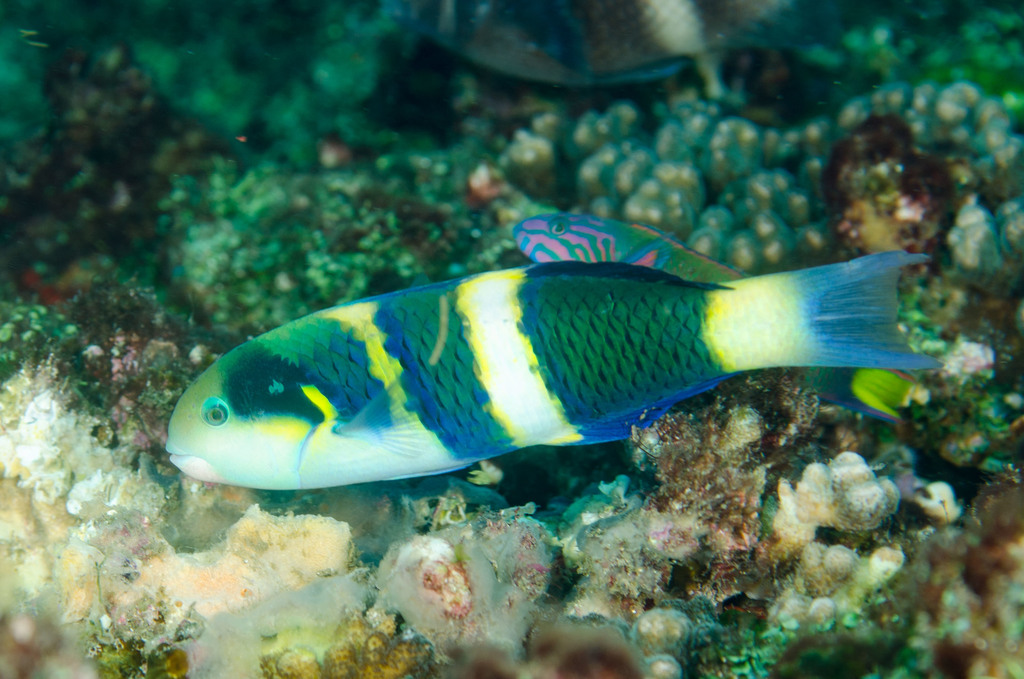
Blackbar Wrasse
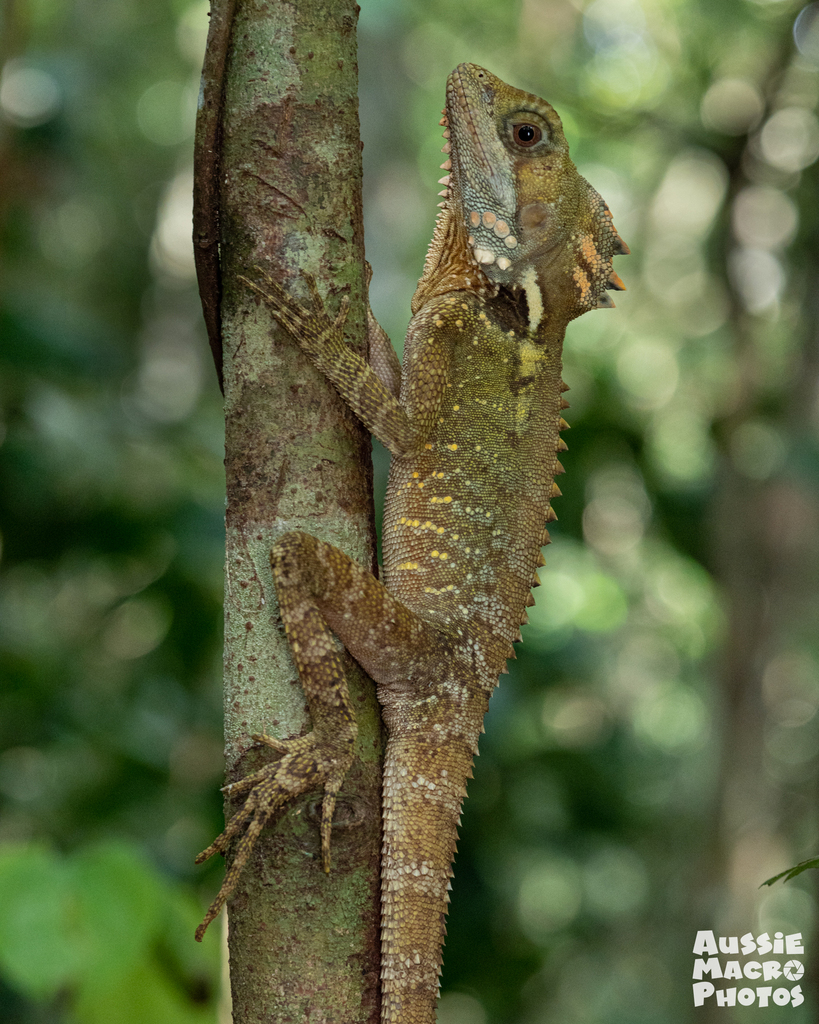
Boyd's Forest Dragon
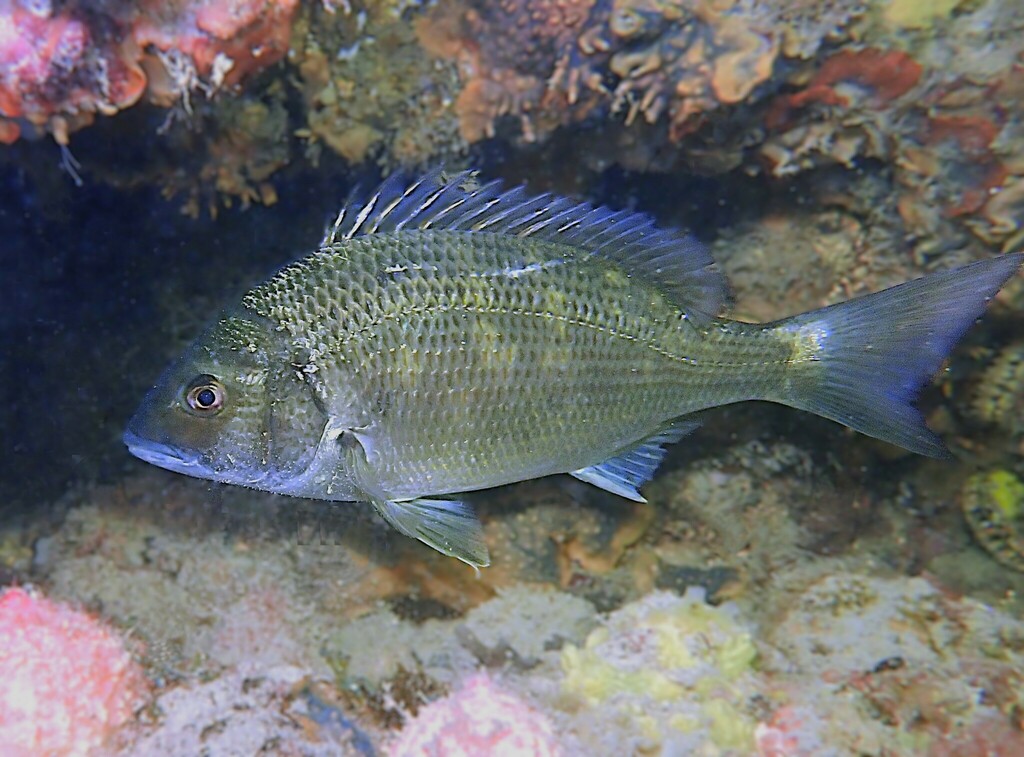
Southern Black Bream

Tasmanian Devil

Goldenrod butterflyfish
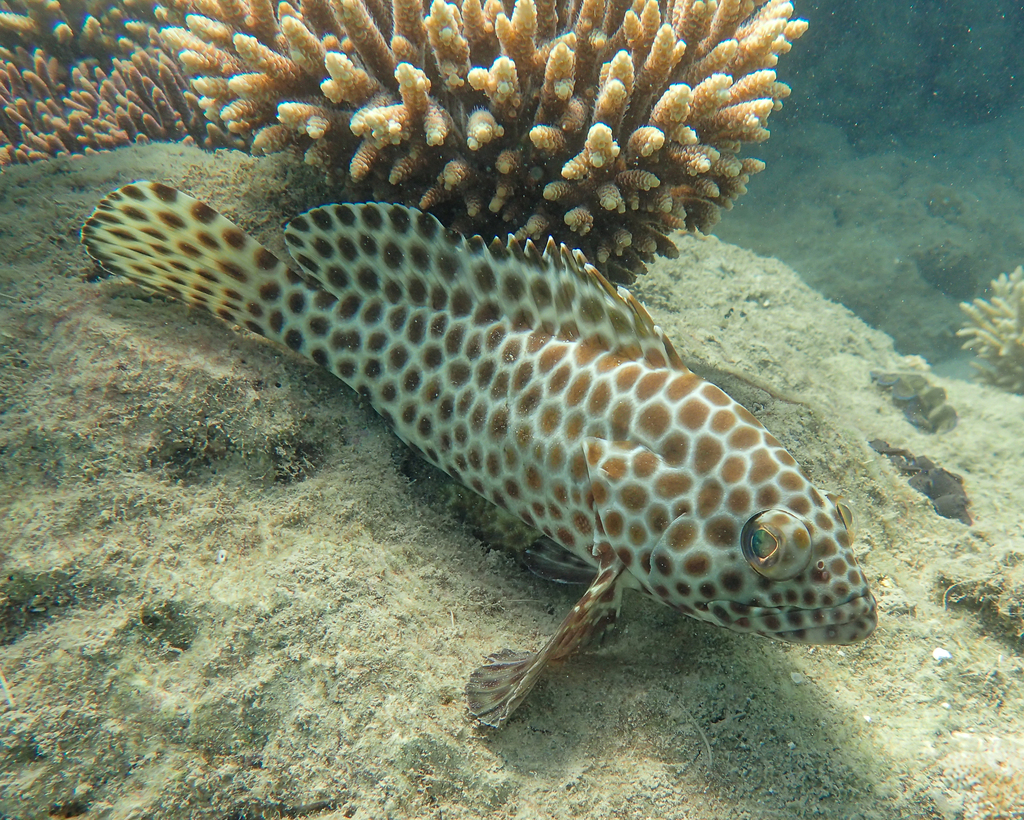
Longfin Grouper

Golden Crowned Snake
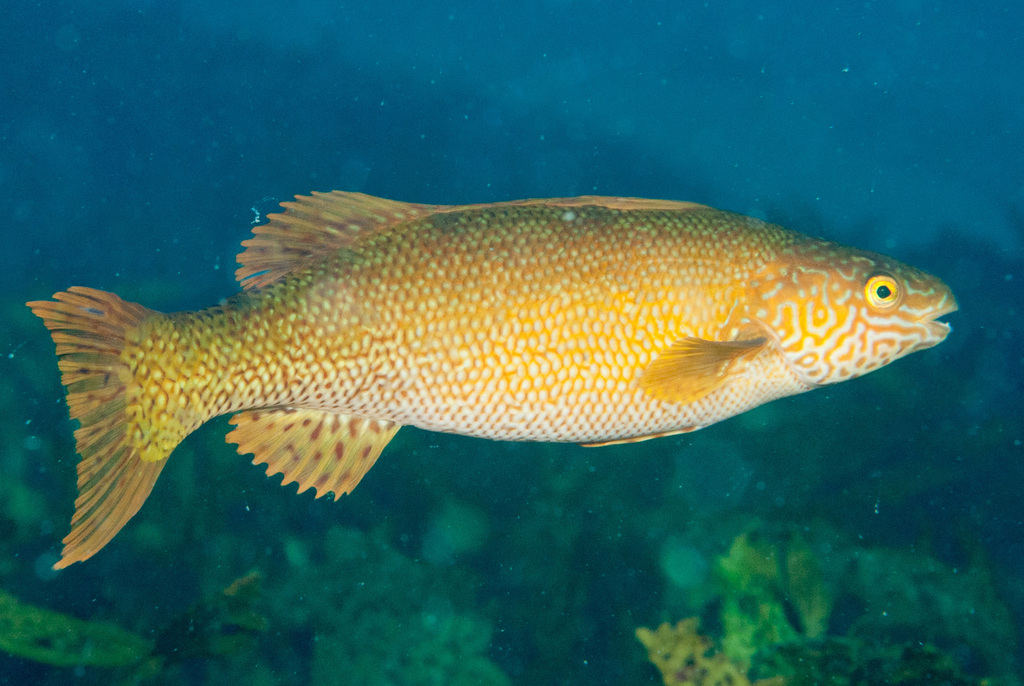
Herring Cale
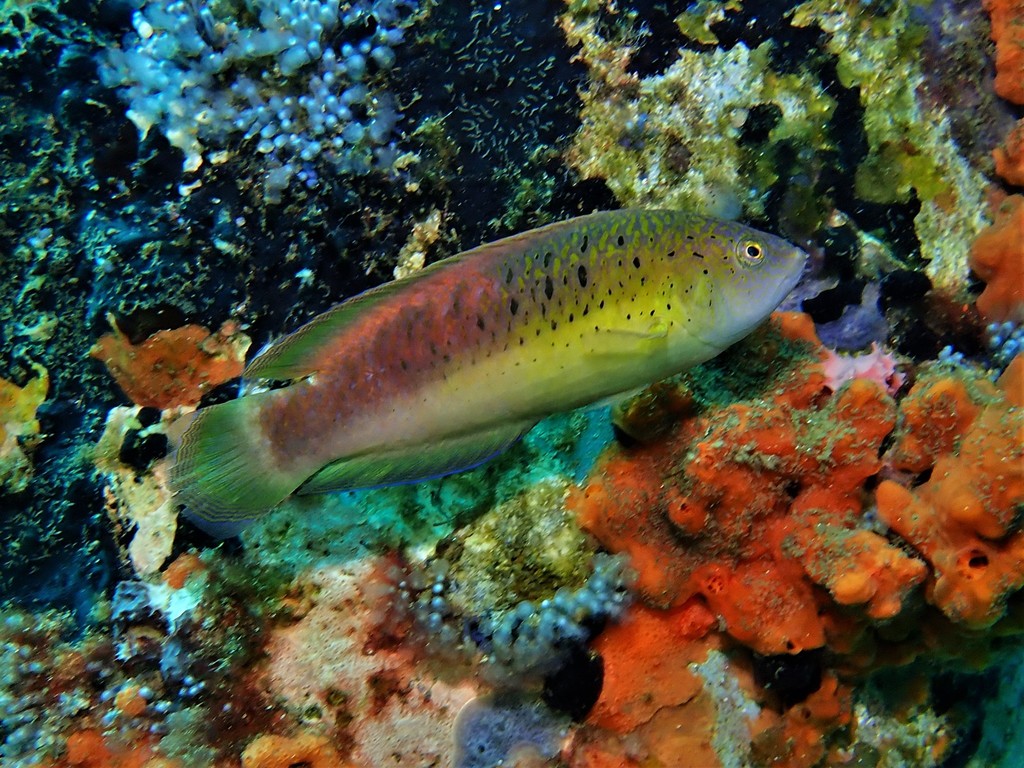
Blackspotted Wrasse

Rainbow Cale

Silver Drummer

Frill-necked Lizard

Common Silver-biddy
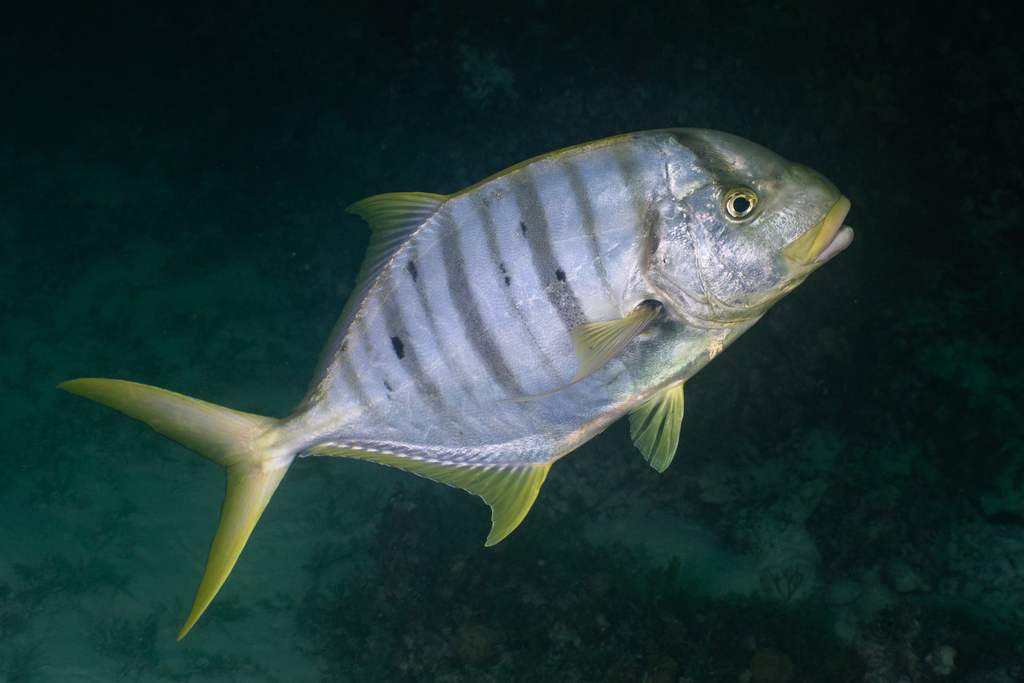
Golden Trevally

Major Skink

Banded Wobbegong

Dwarf Bearded Dragon

Dubious Dtella

Tree Skink
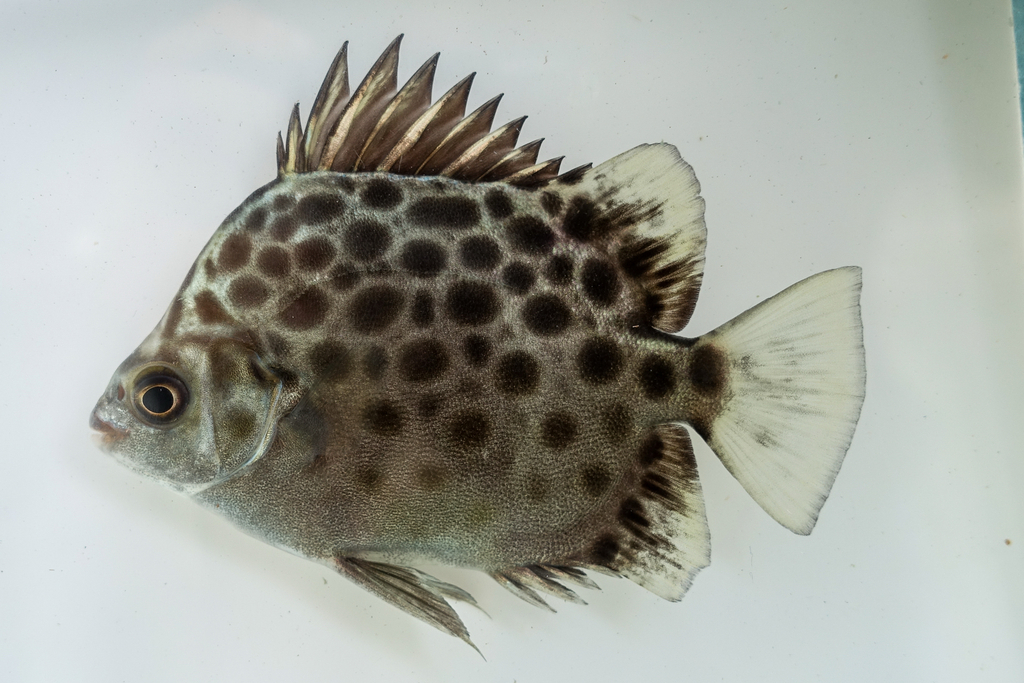
Spotted Scat
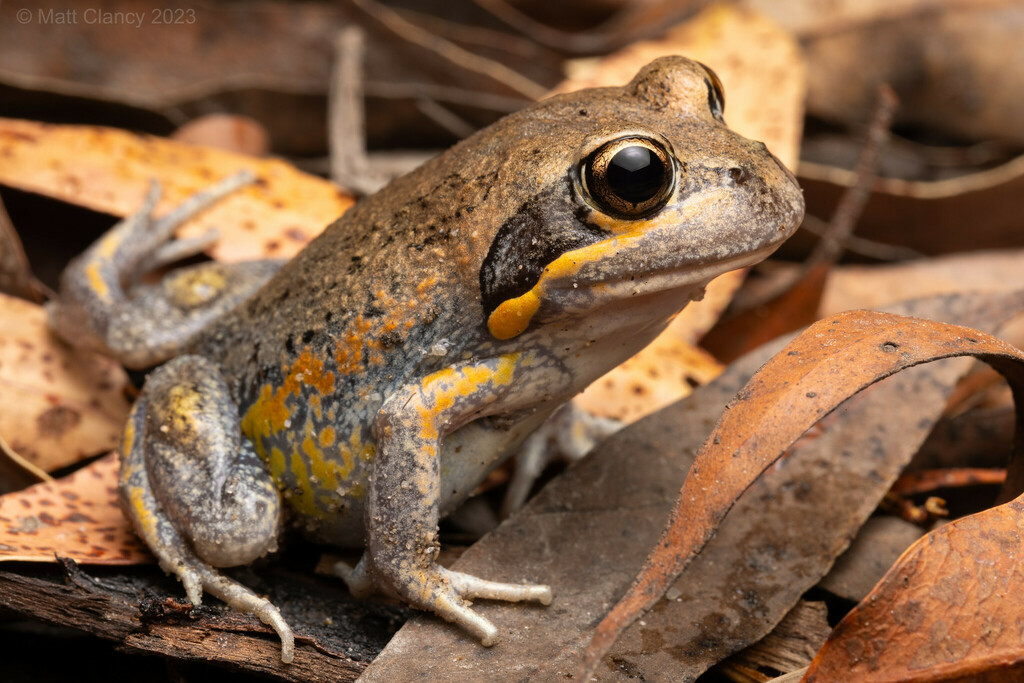
Scarlet-sided Banjo Frog

Squirrel Glider

Black-flanked Rock-wallaby

Eastern Australian Blackhead Triplefin
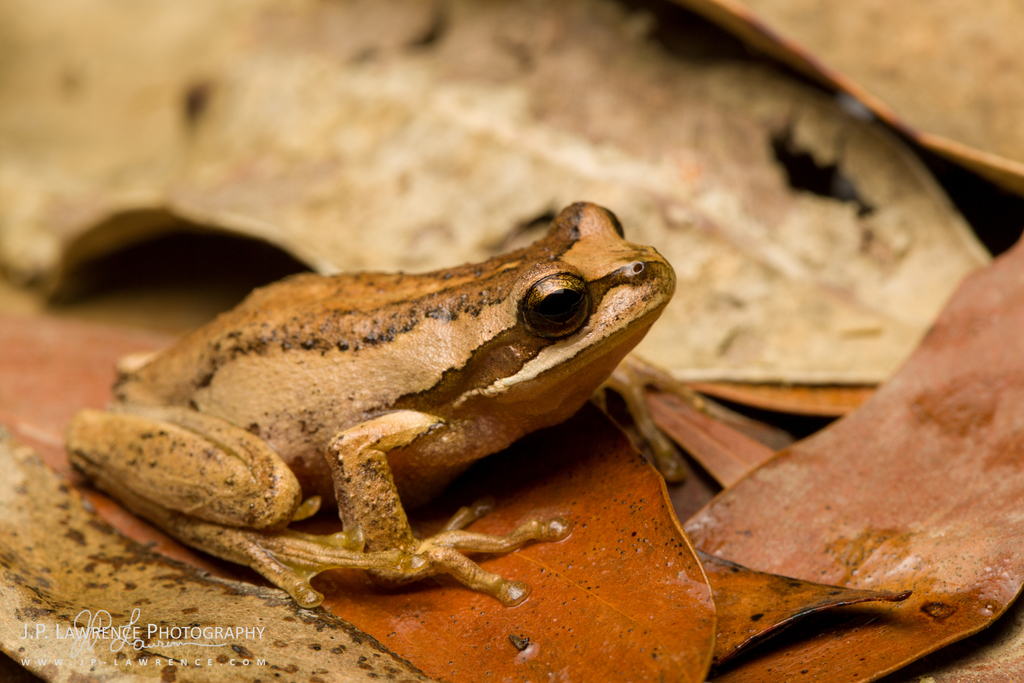
Verreaux's Tree Frog

New Caledonian Maskray
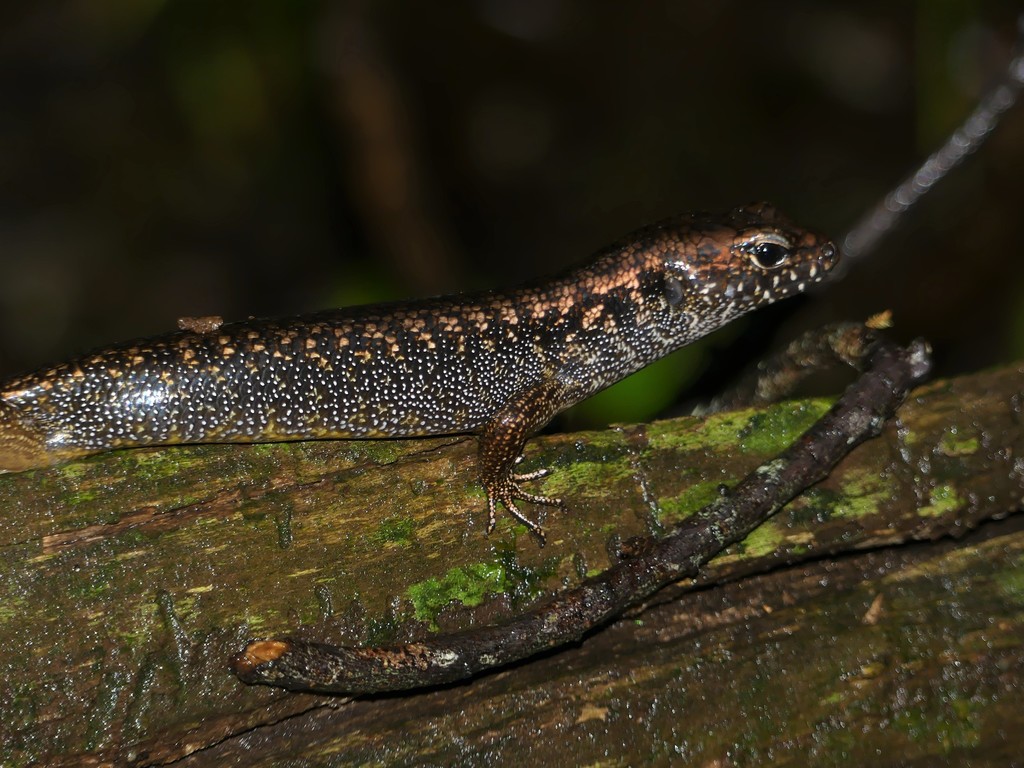
Blue-speckled Forest Skink

Doublebanded Soapfish
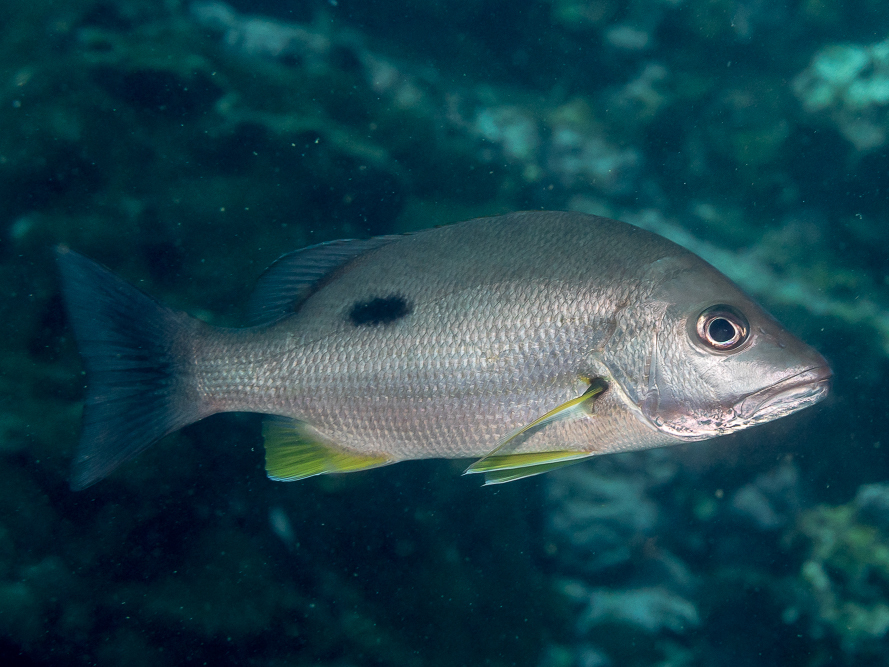
Mosses perch

Striated Frogfish

Australian Swamp Rat
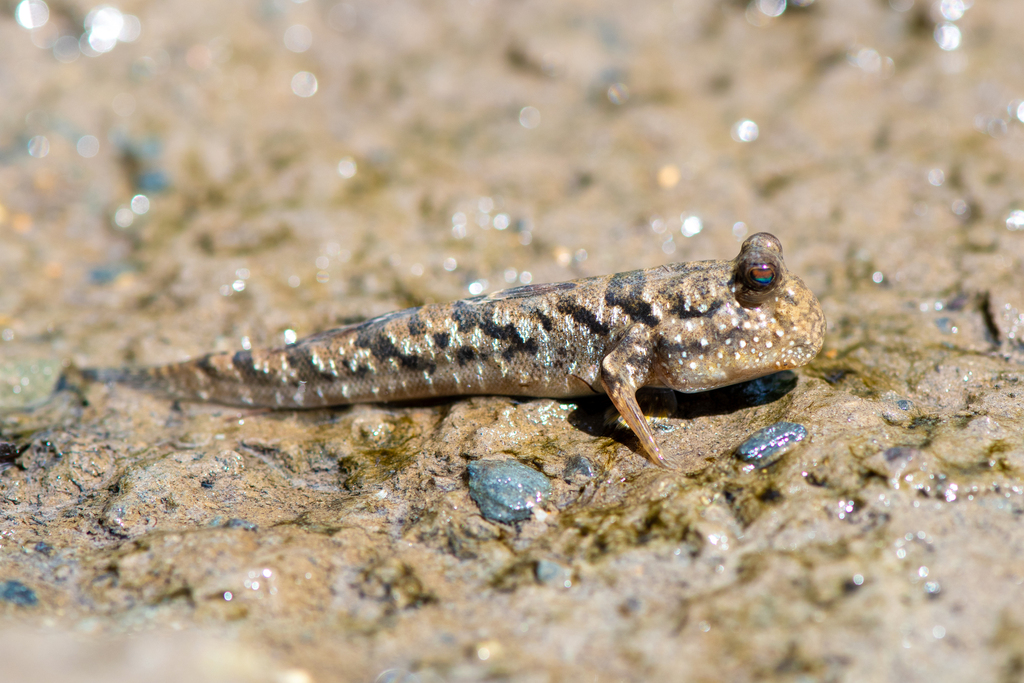
Barred Mudskipper

Dugong
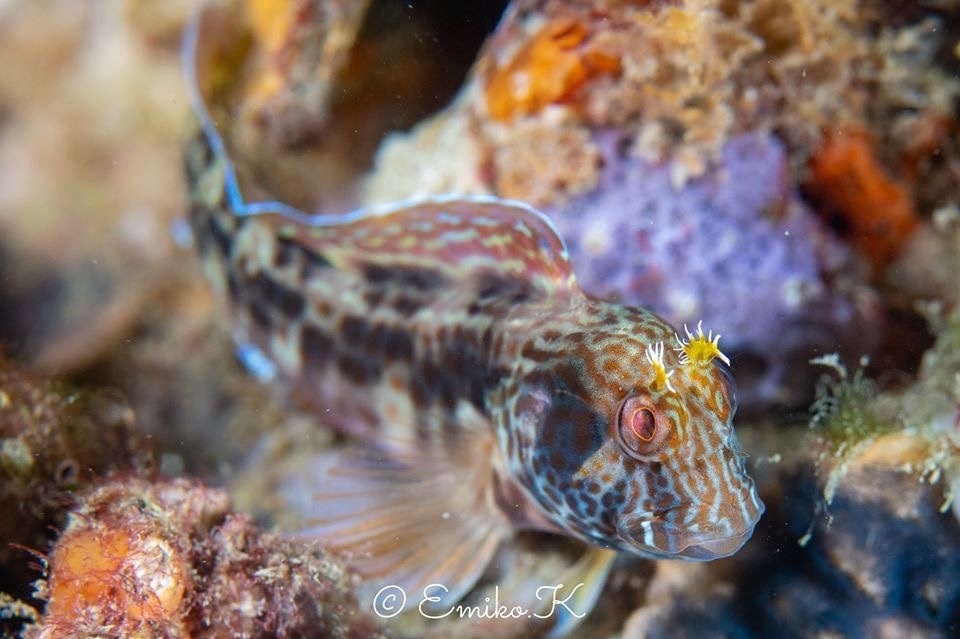
Horned Blenny
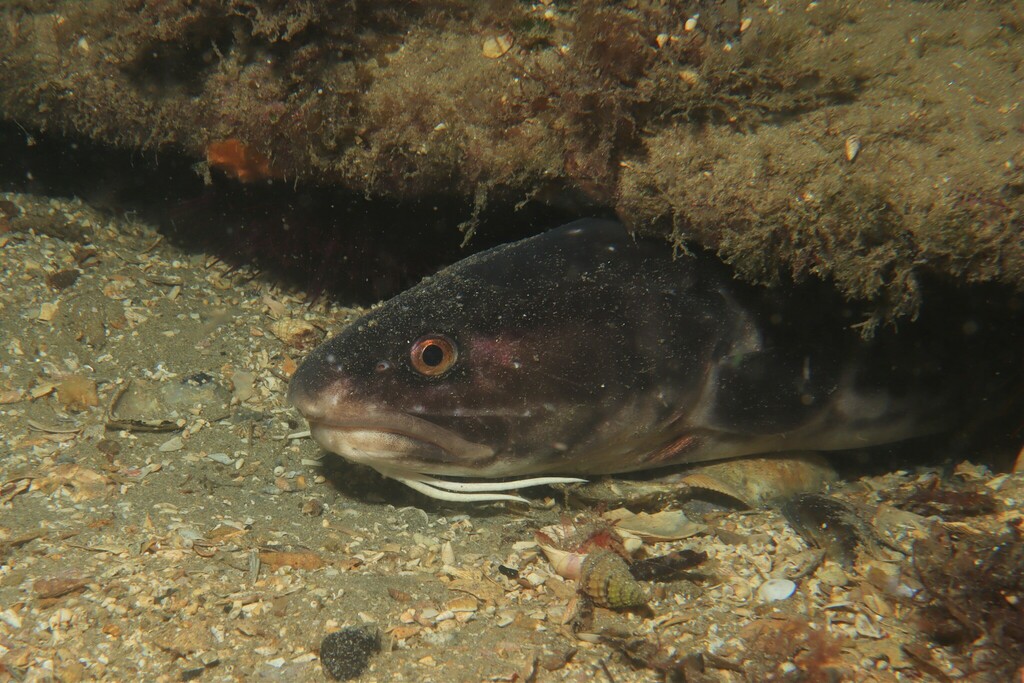
Rockling
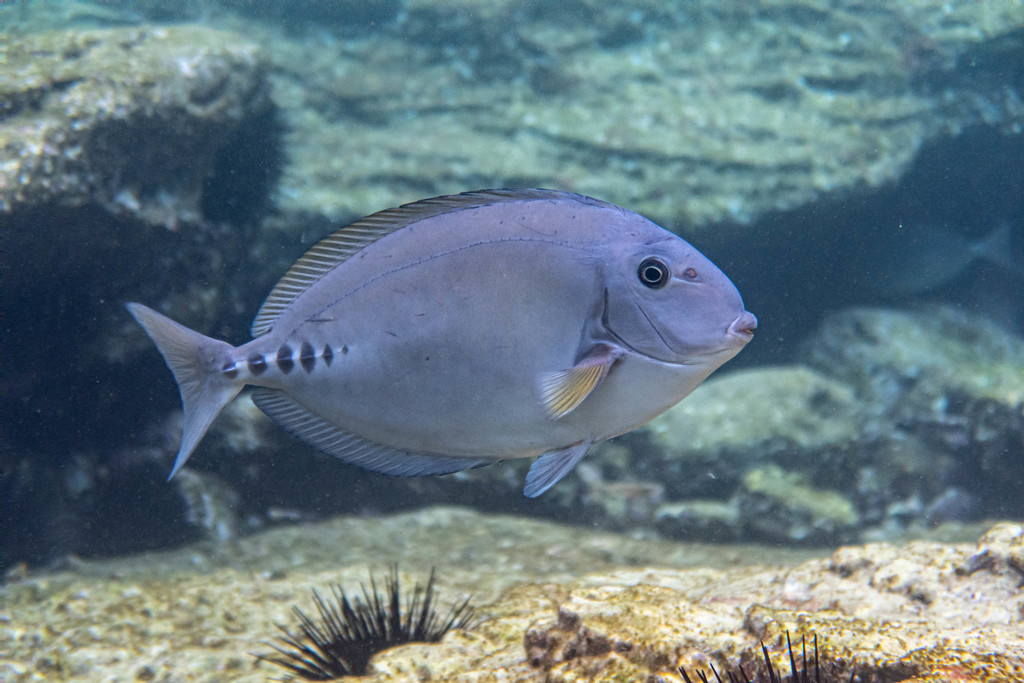
Sixplate Sawtail
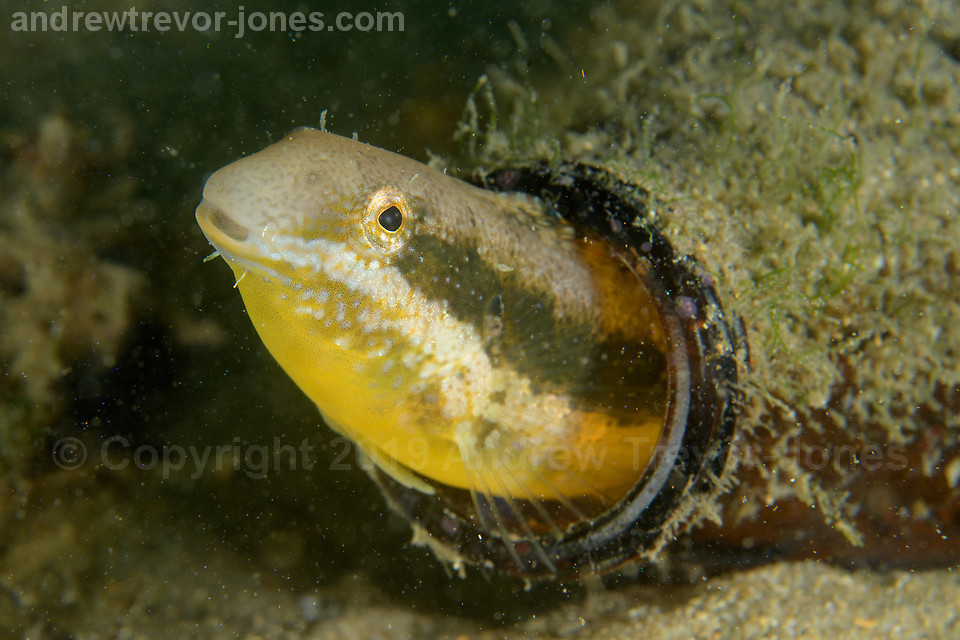
Wolf Fangblenny

Gulf Threefin

Yellowtail Amberjack
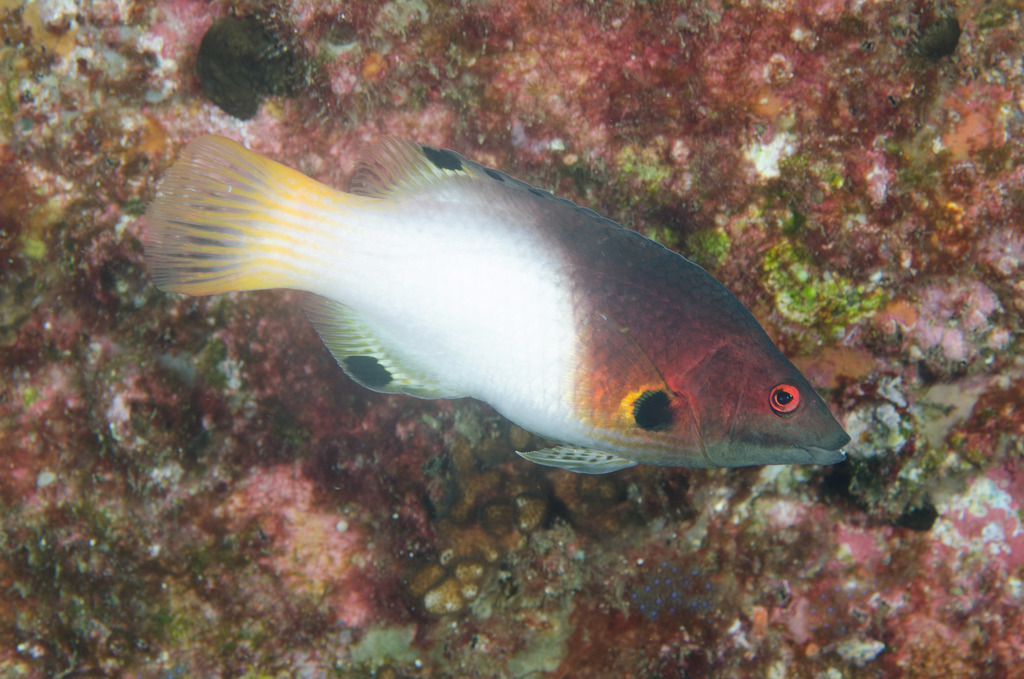
Axilspot Hogfish

Eastern Talma
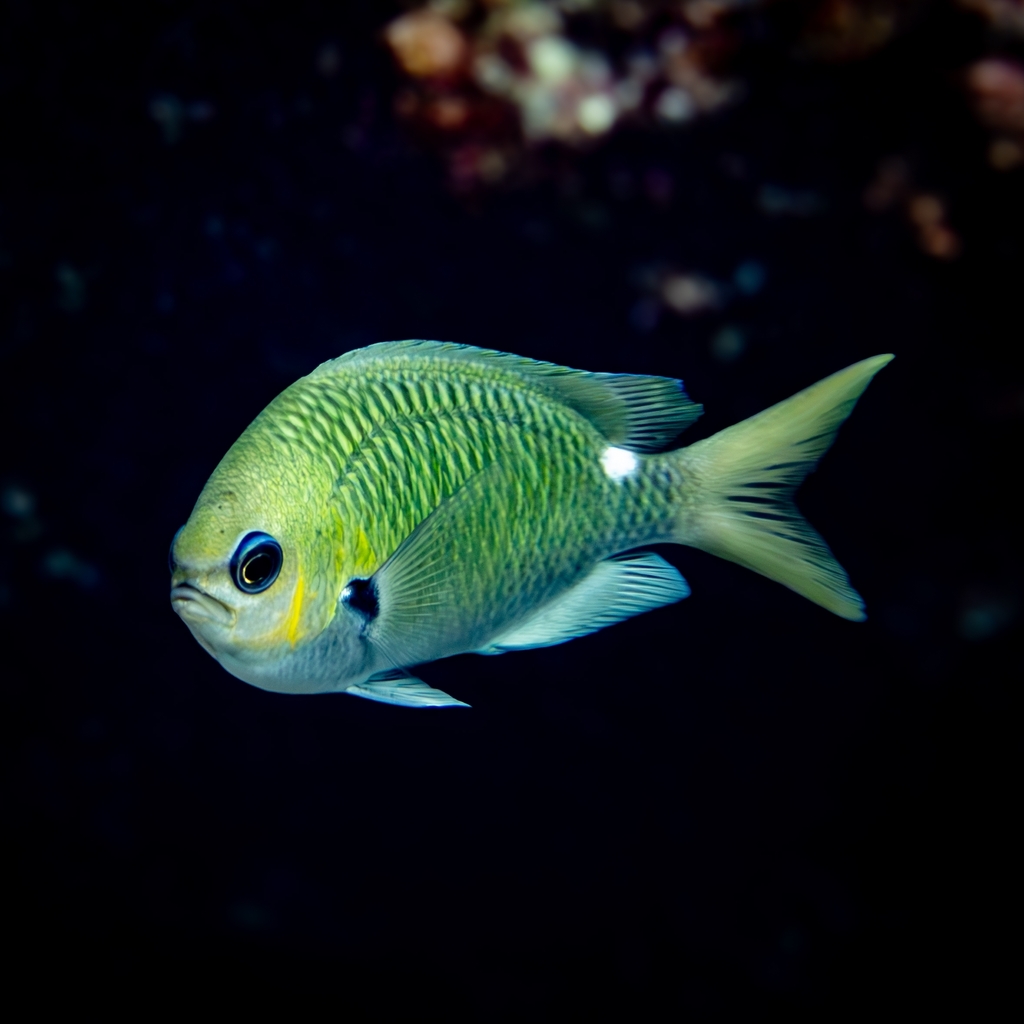
Onespot Puller

Little Red Flying Fox
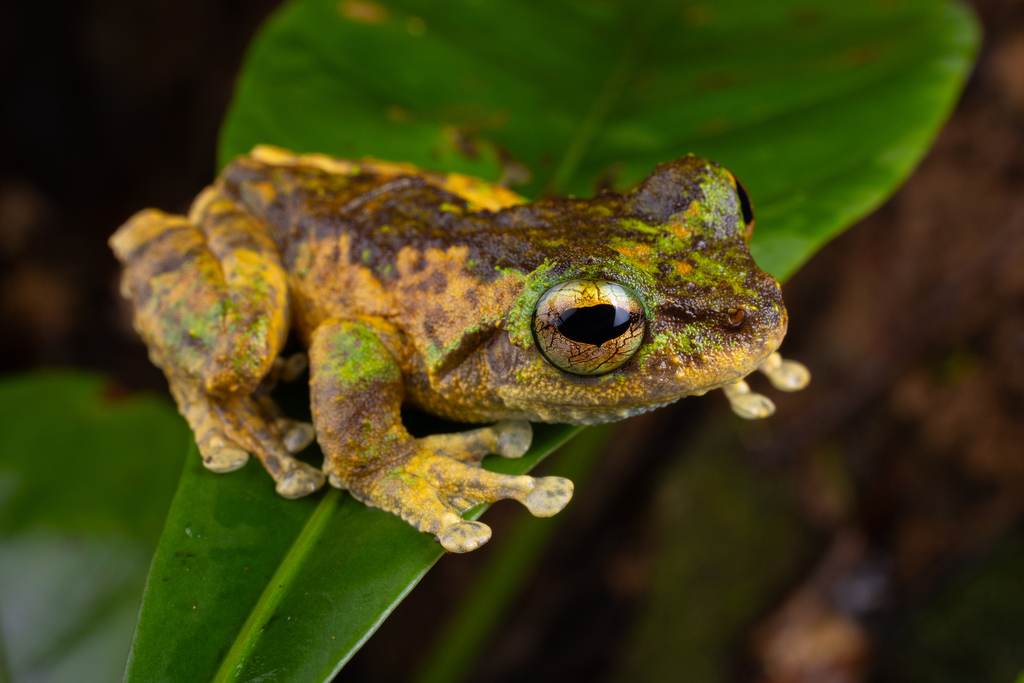
Green-eyed Tree Frog

Mountain Brushtail Possum

Bigscale Bullseye

Crested Bullhead Shark

Little Weed-whiting

Gold-spotted Sweetlips

Black-tipped Bullseye

Southern Silverbelly
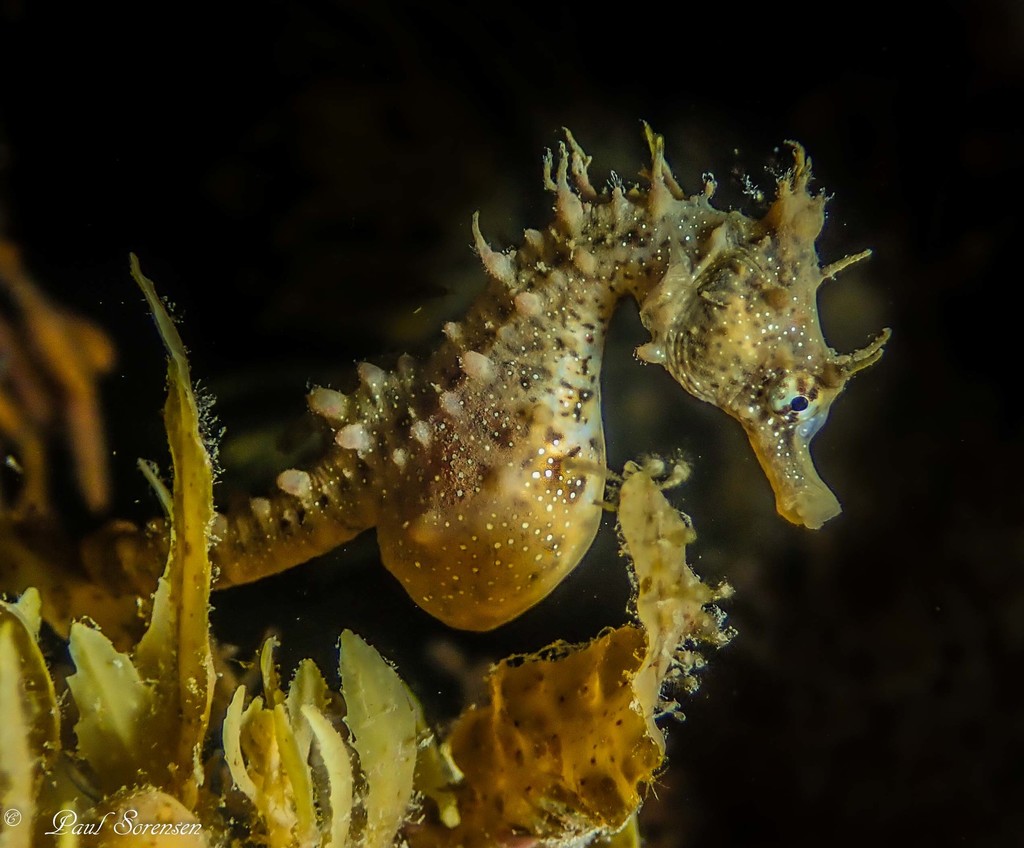
Short-snouted Seahorse
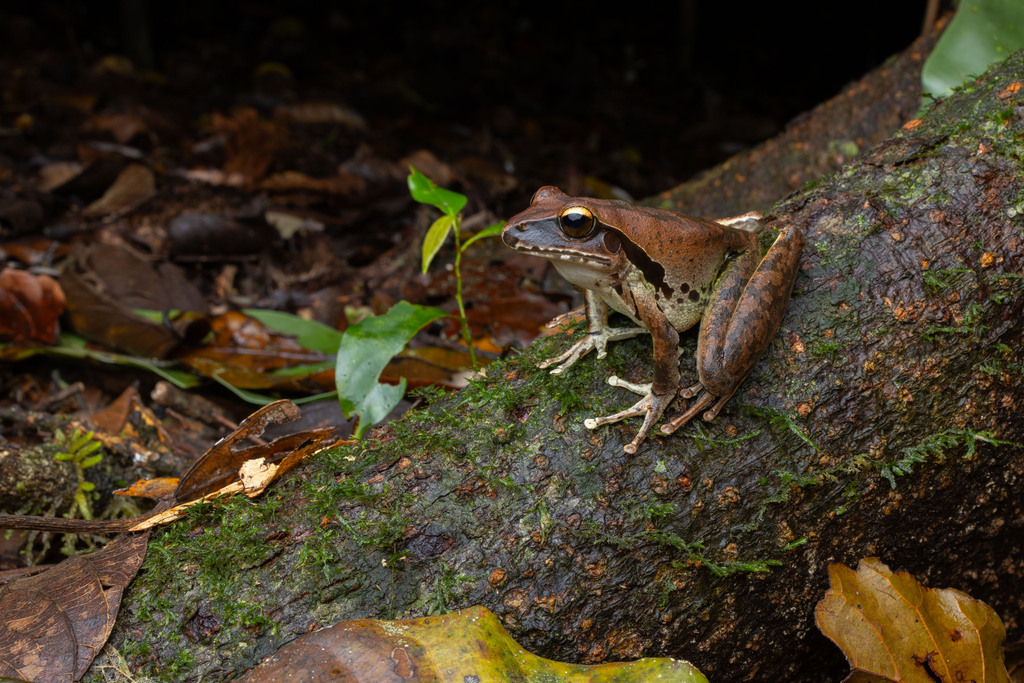
Rainforest Stony-creek Frog
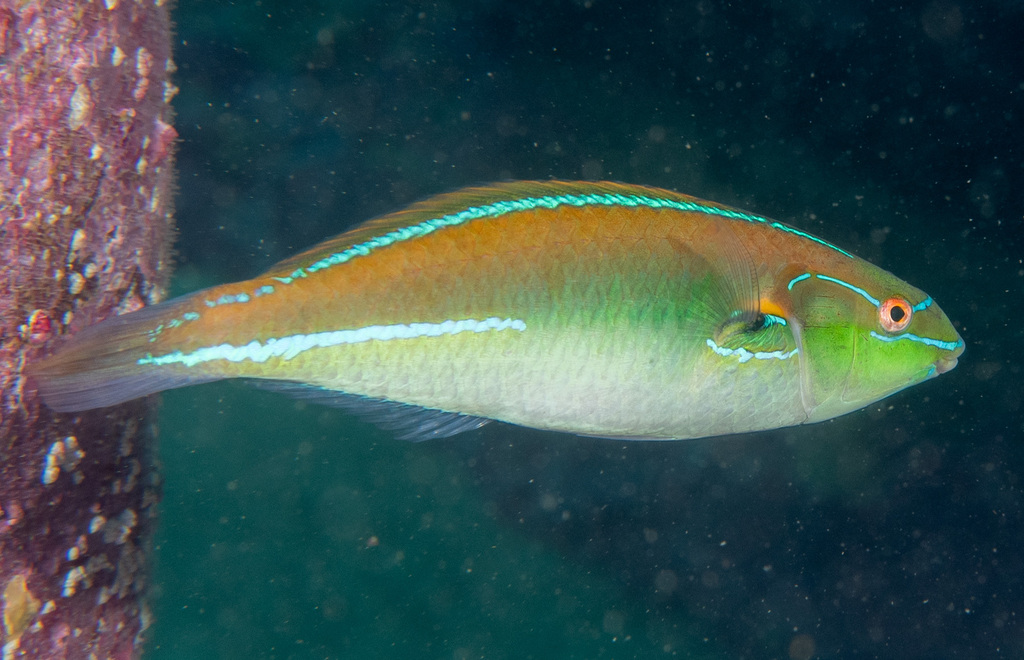
Cutribbon Wrasse

Brown Sweetlips

Coffin Ray

Allied Rock-wallaby
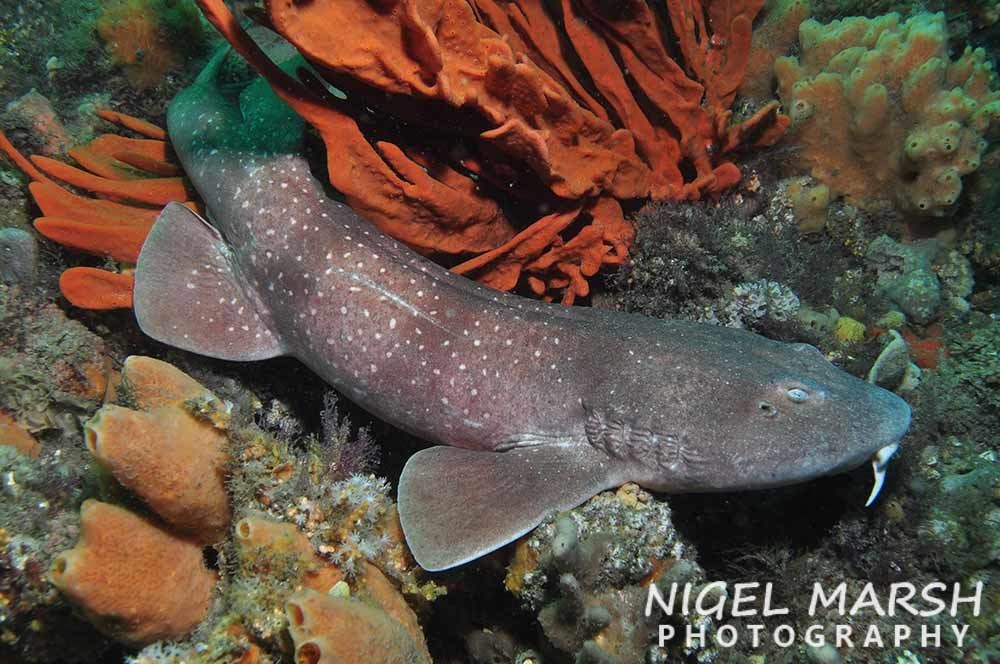
Blind Shark

Sugar Glider
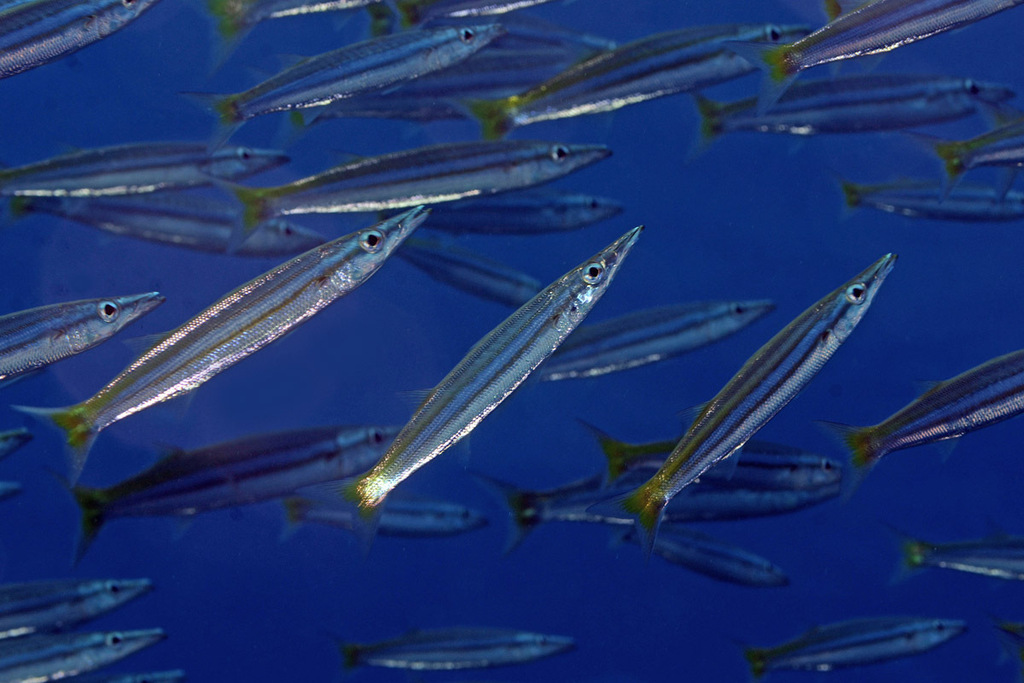
Green-and-gold Sea-pike

Tiger Quoll

Filament-finned parrotfish
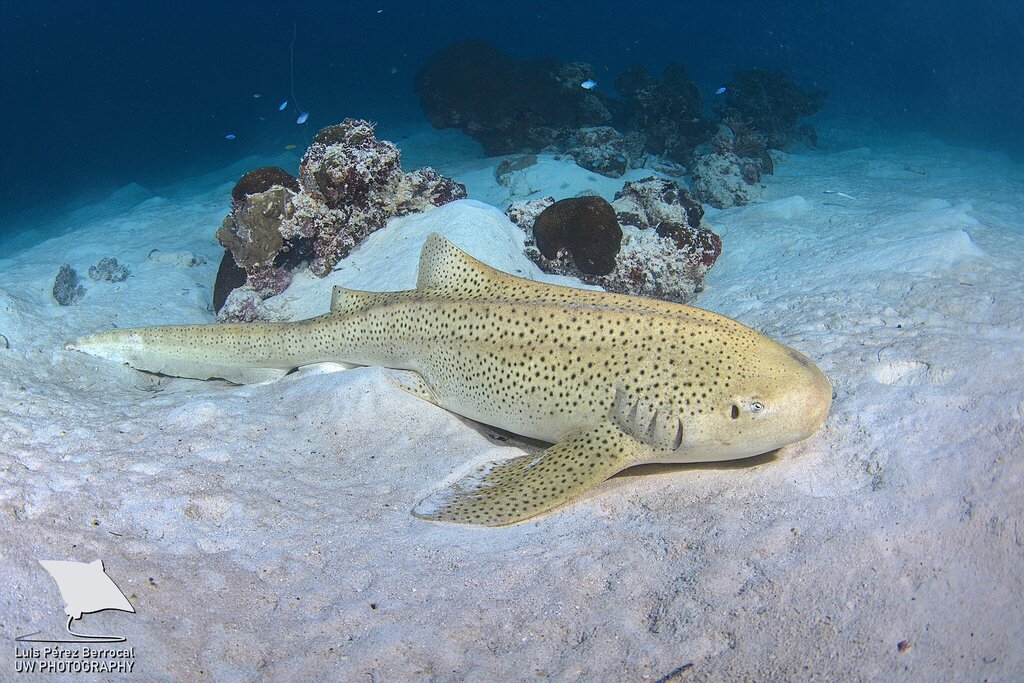
Zebra Shark
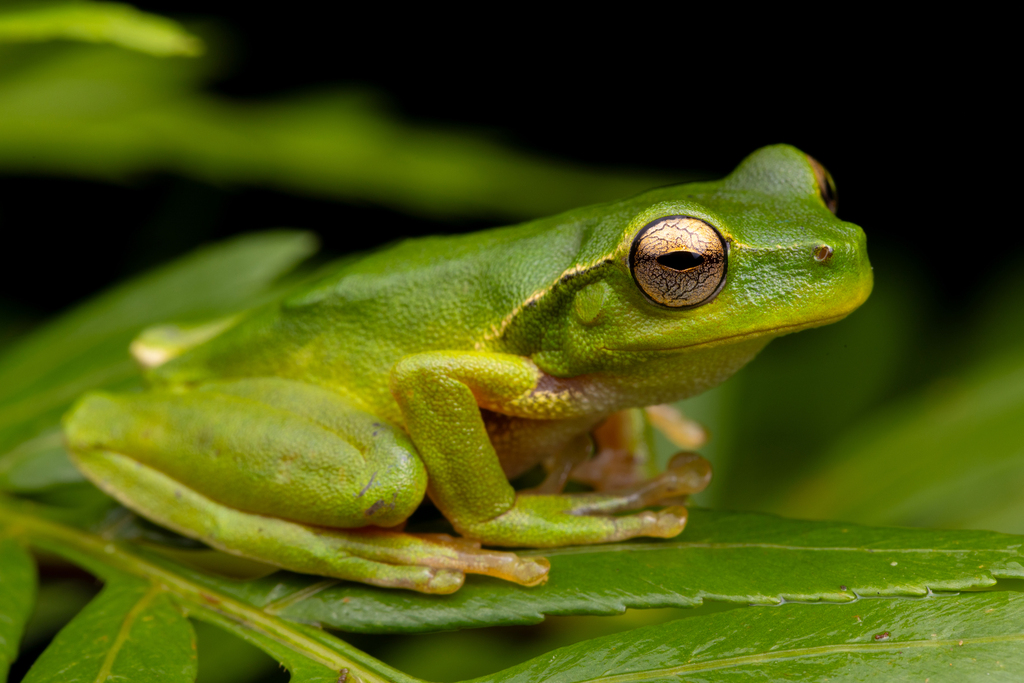
Leaf Green Tree Frog

Goldspotted Rockcod
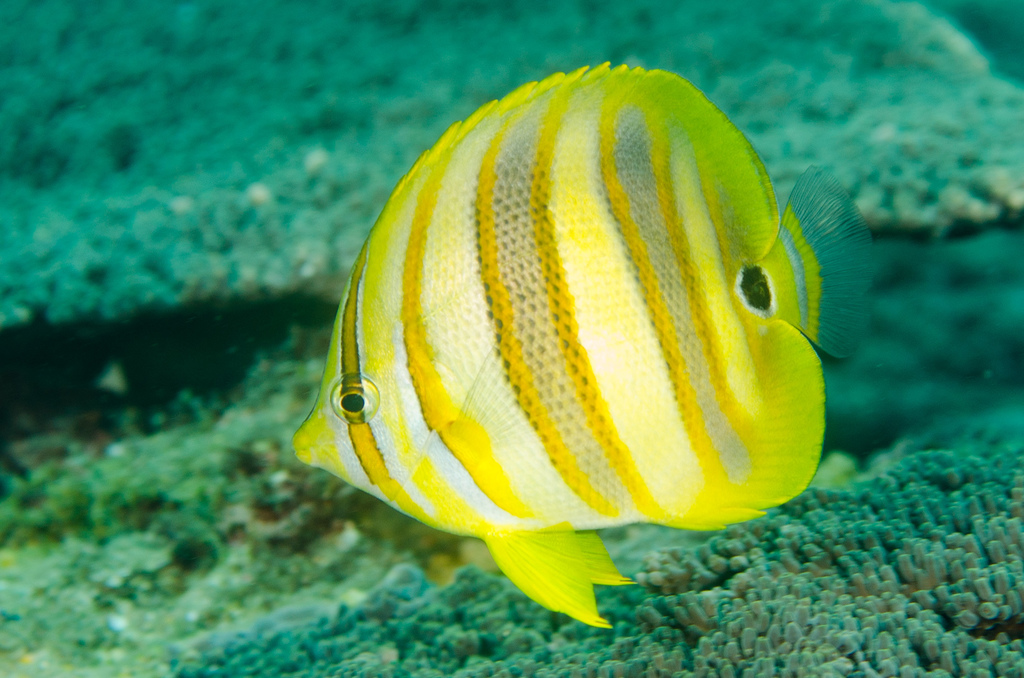
Rainford's Butterflyfish

King George Whiting
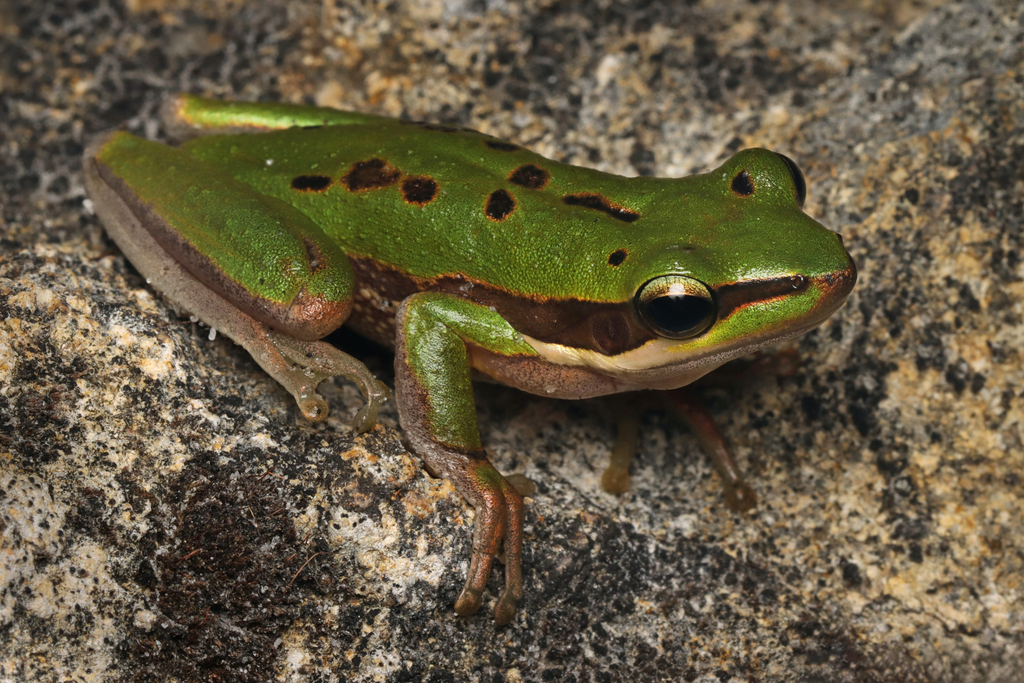
Slender Tree Frog

Tyler's Laughing Tree Frog
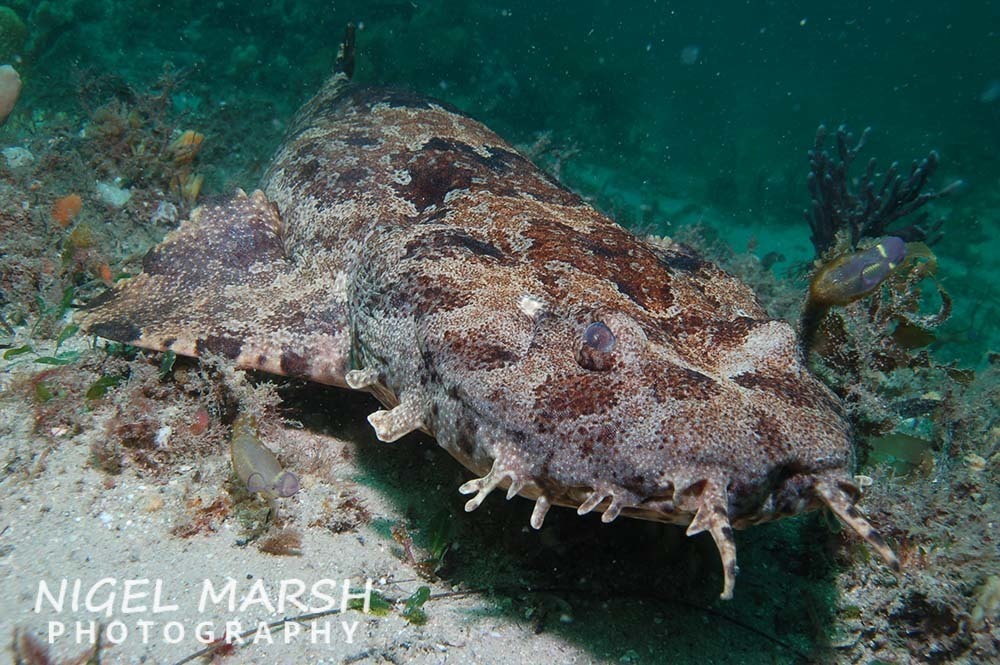
Ornate Wobbegong

Eastern Barred Bandicoot

Small-spotted Pompano

Yellow-footed Rock-wallaby
Combfish

Longhead Flathead
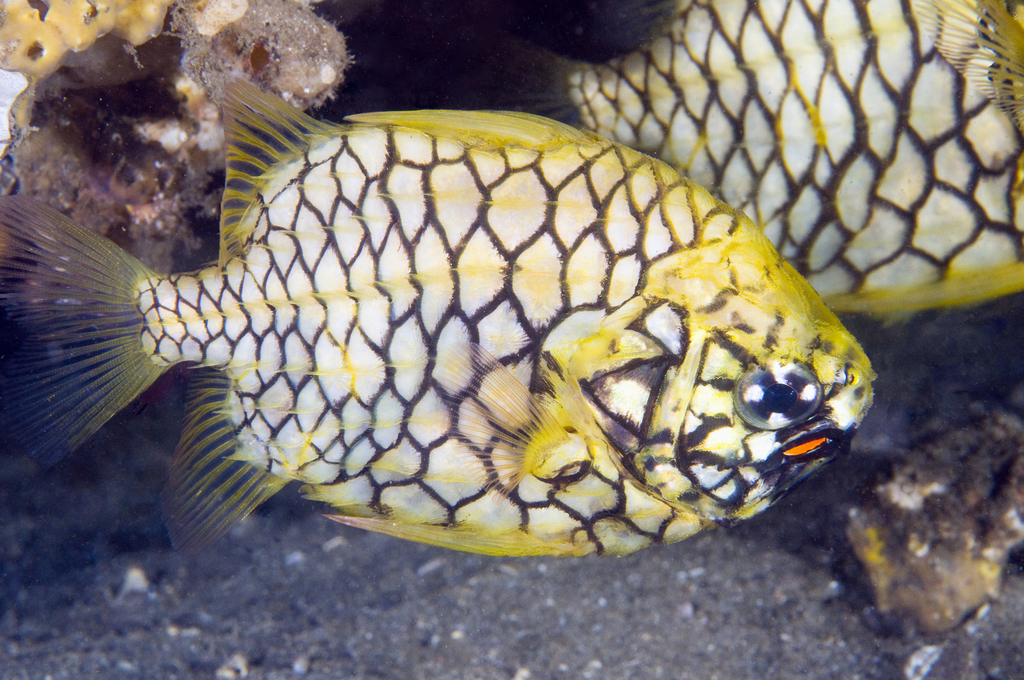
Pineapplefish
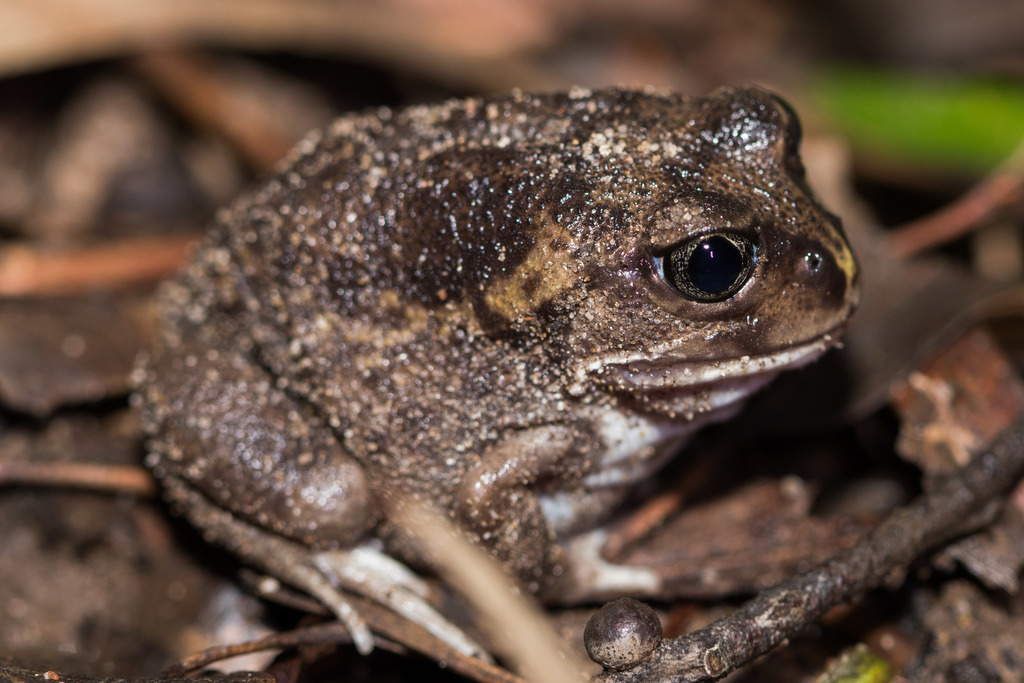
Moaning Frog

Lined Rabbitfish

Dusky Garfish
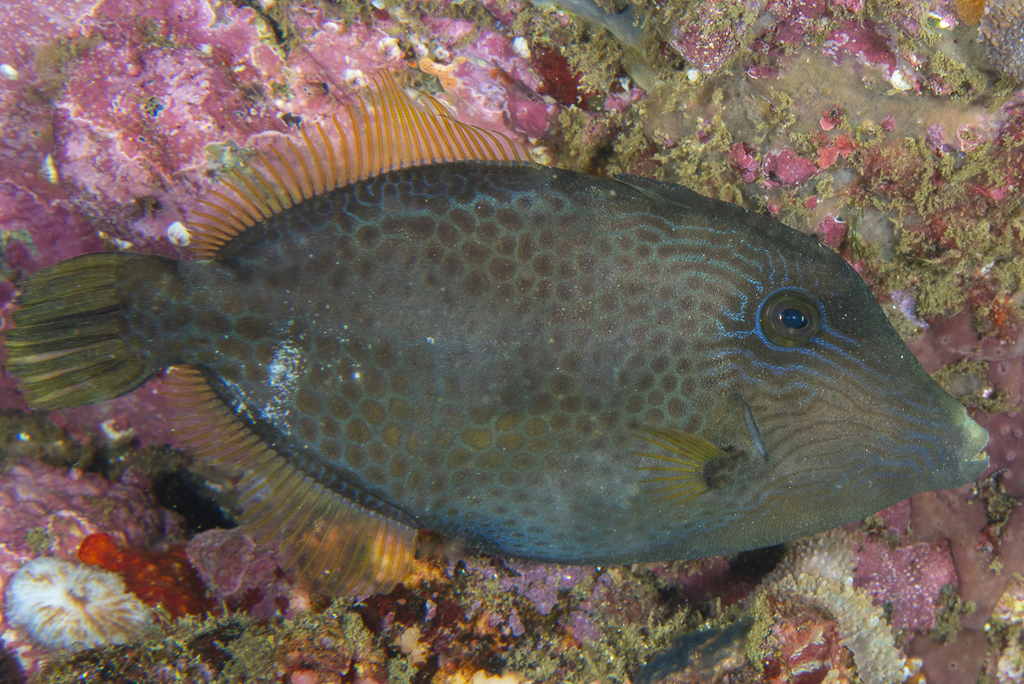
Wirenet Filefish
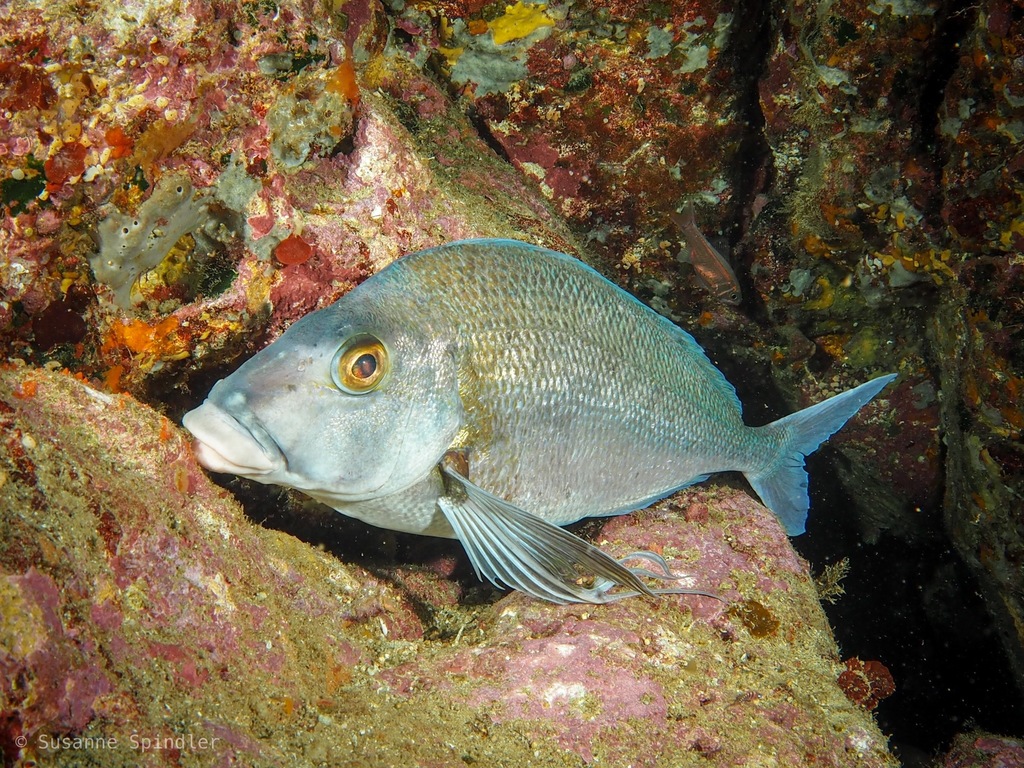
Blue Morwong

Small Brown Leatherjacket
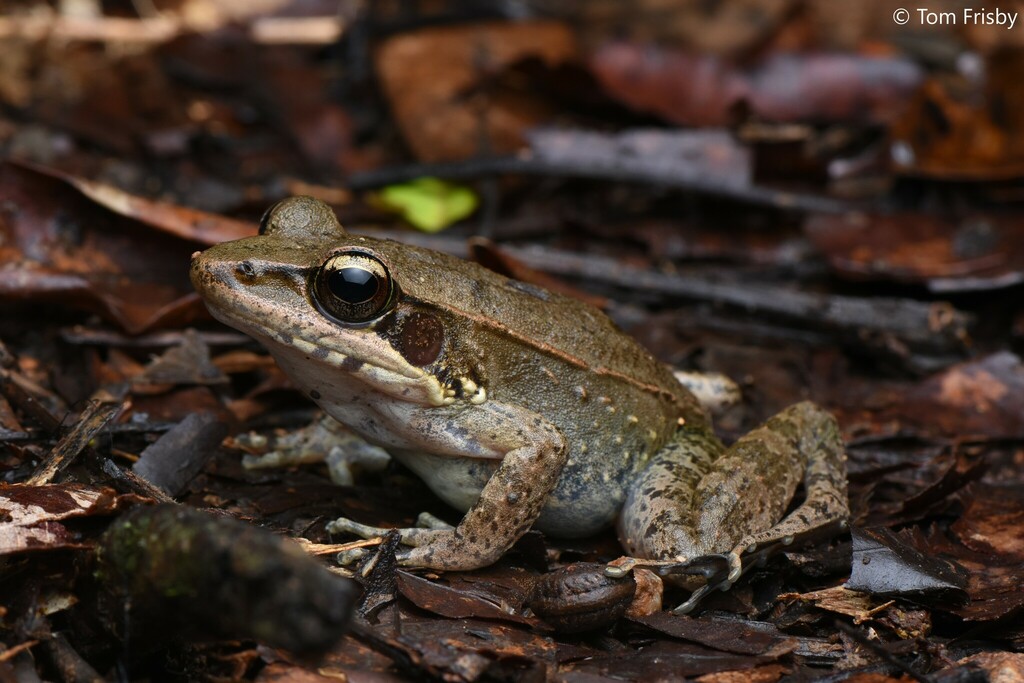
Australian wood frog

Wirrah

Jungle Perch
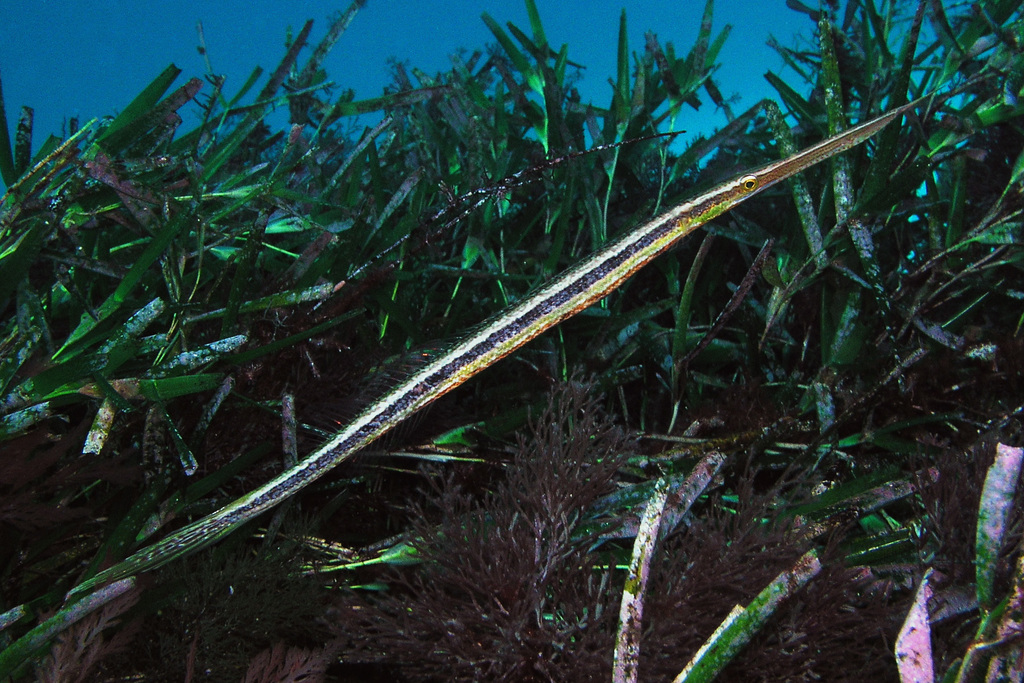
Tubemouth
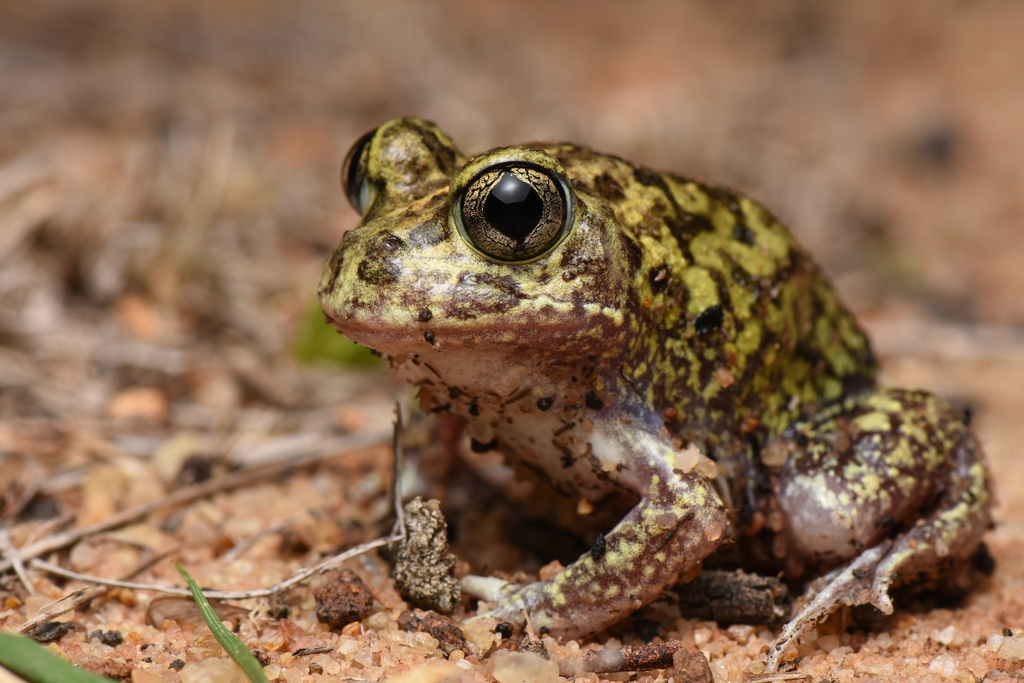
Trilling Frog

Mareeba Rock-wallaby

Yellowrimmed Butterflyfish

Australian Herring

Western Ringtail Possum

Lumholtz's Tree-kangaroo

Southern Shovelnose Ray
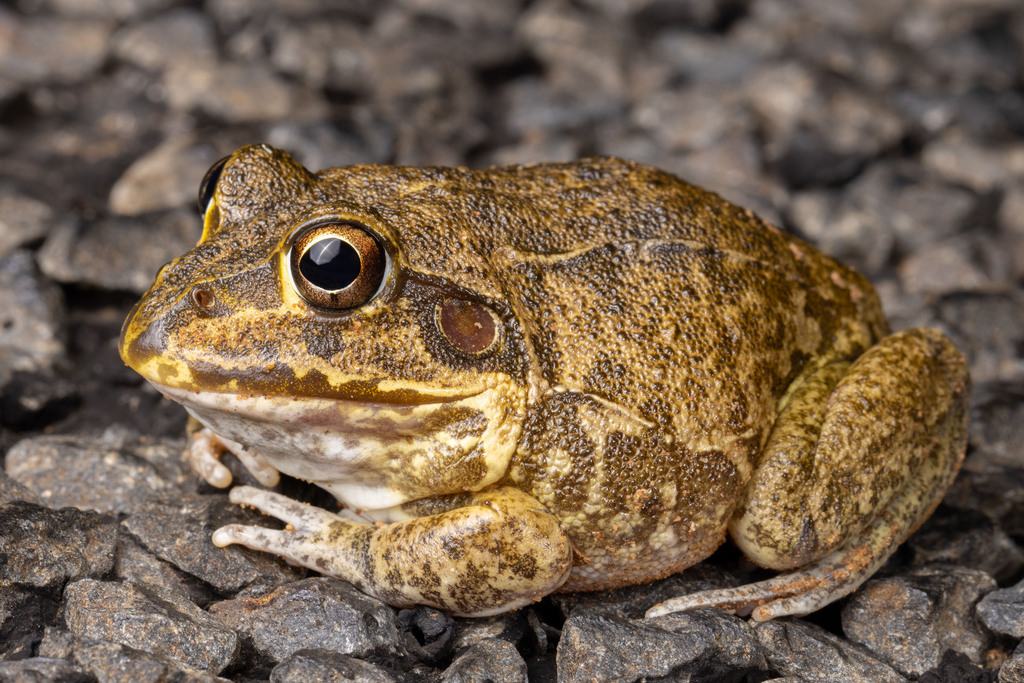
New Holland Frog
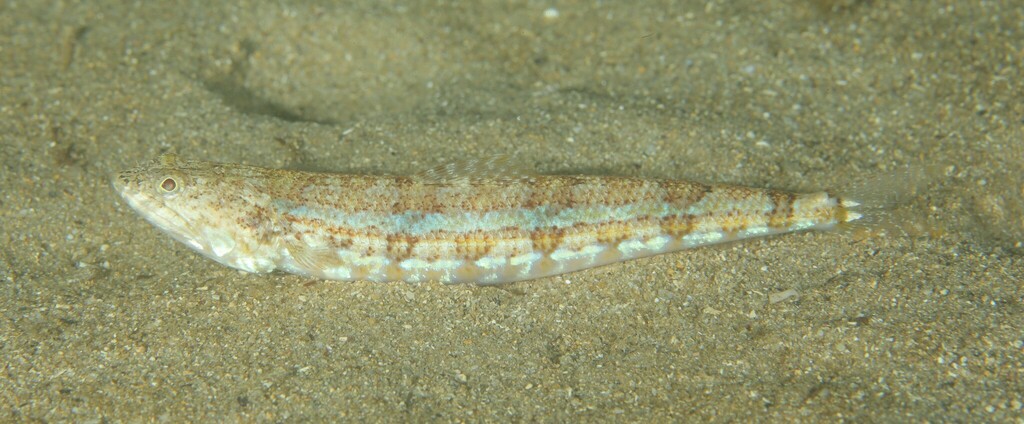
Bluestripe Lizardfish
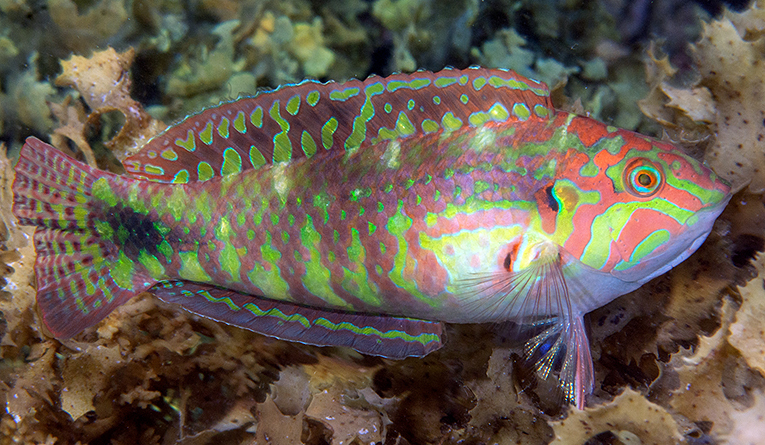
Nebulous Wrasse
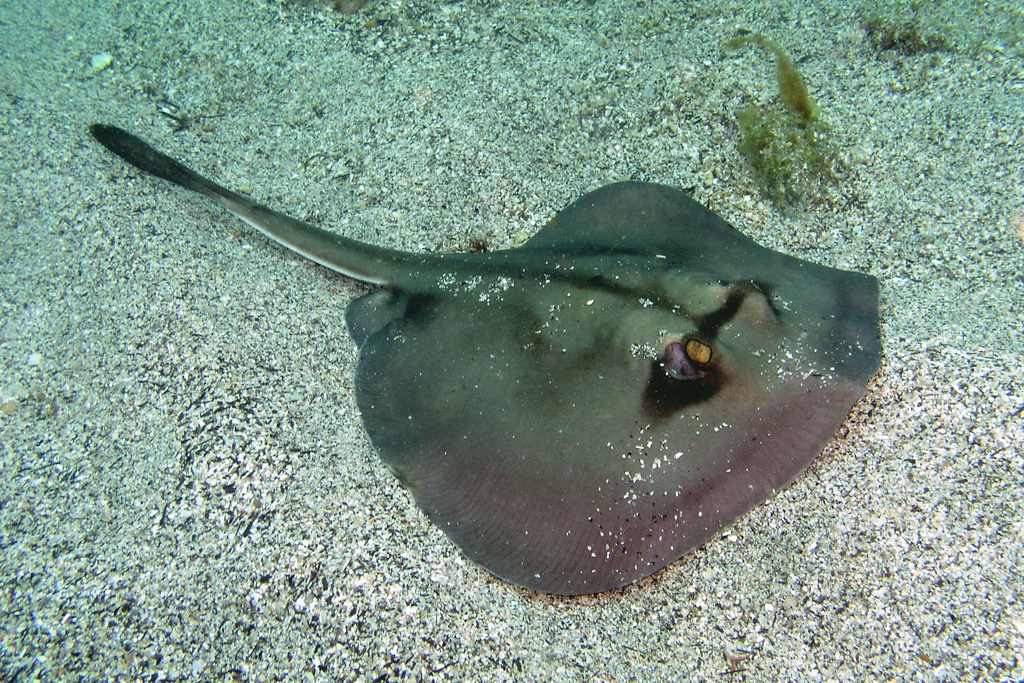
Kapala Stingaree
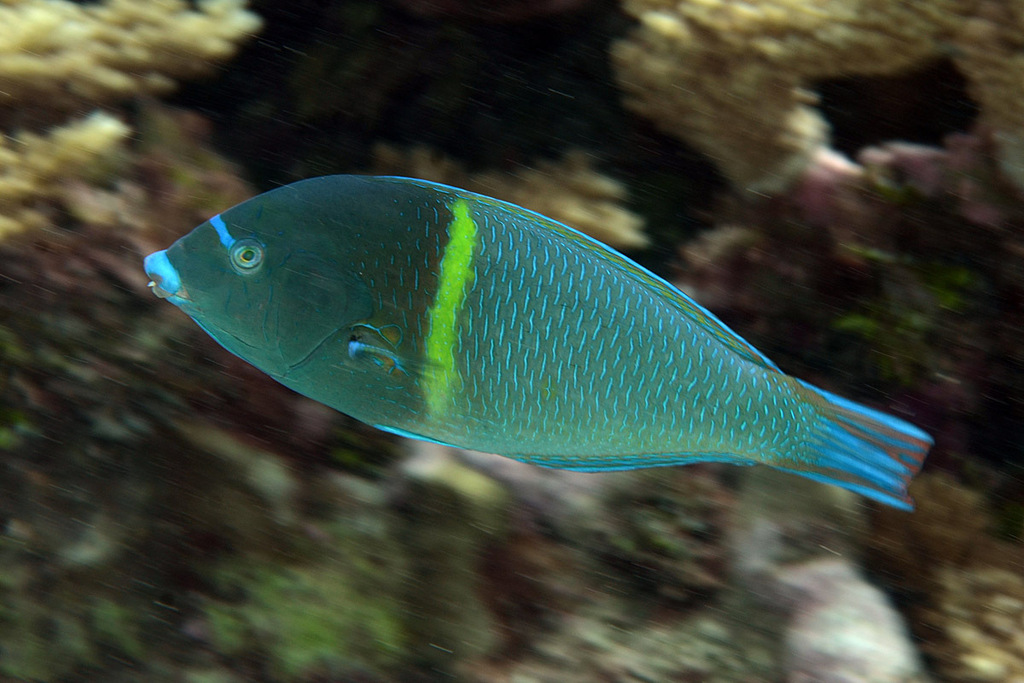
Bluespotted Wrasse

Tammar Wallaby

Fivelined Cardinalfish
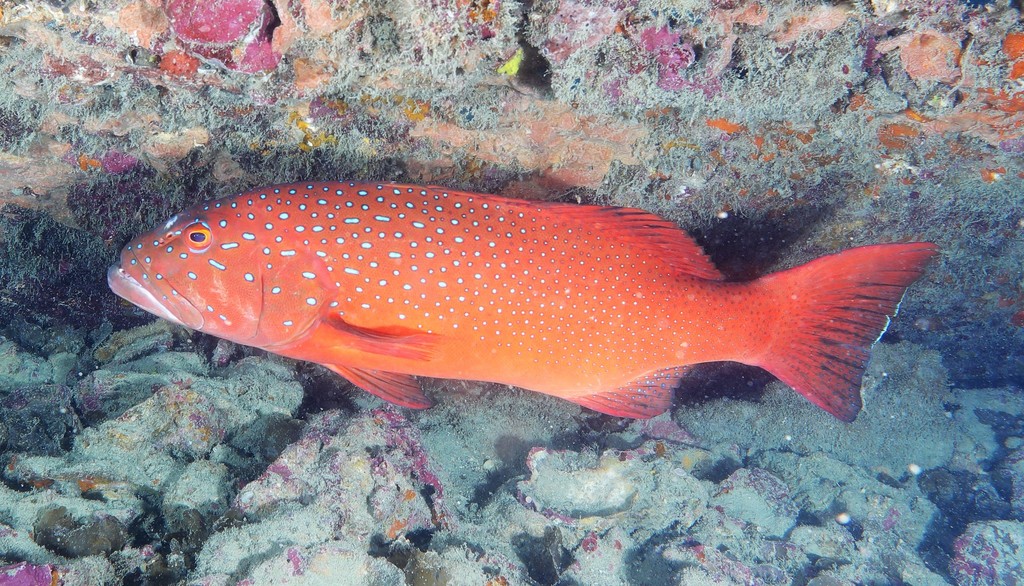
Spotted Coral Grouper

Western Bullfrog
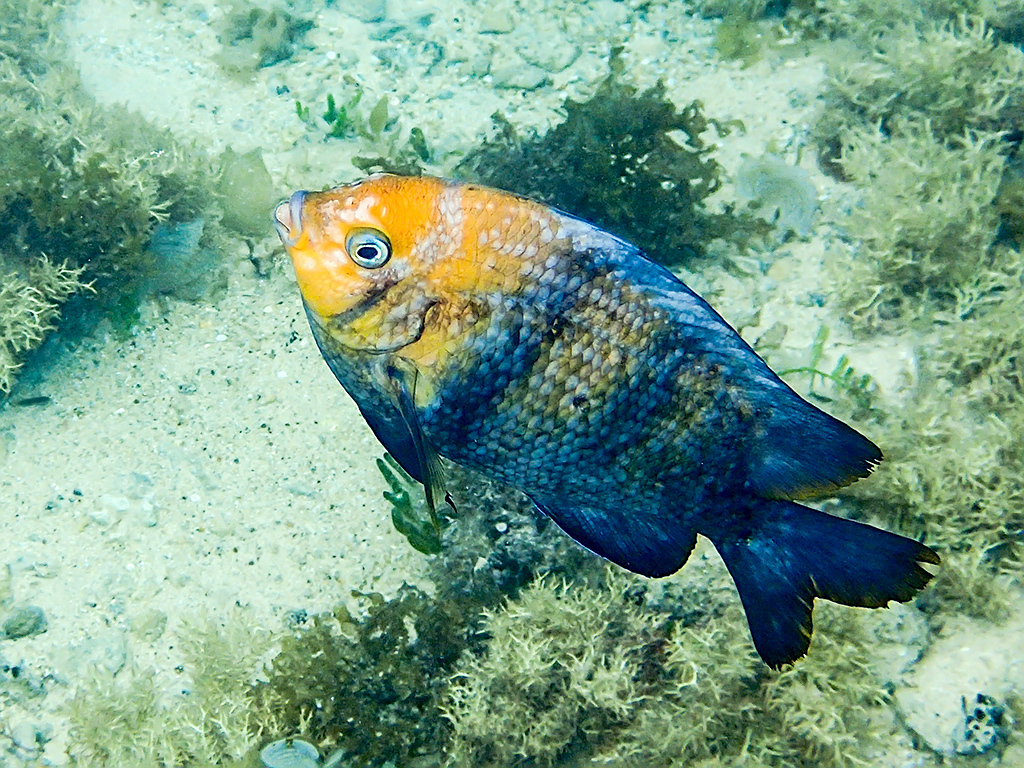
Banded Scalyfin
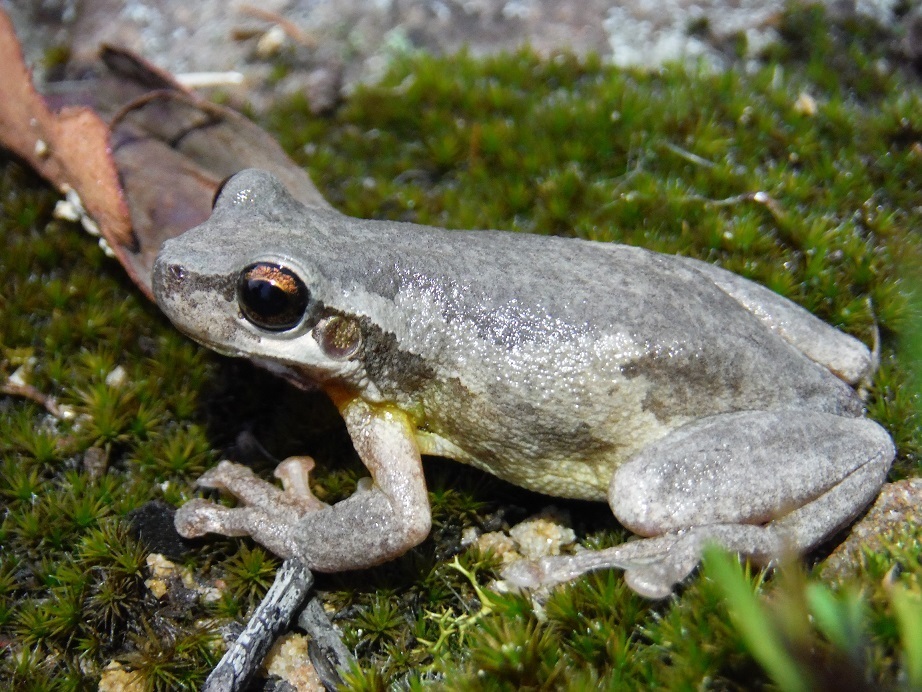
Screaming tree frog
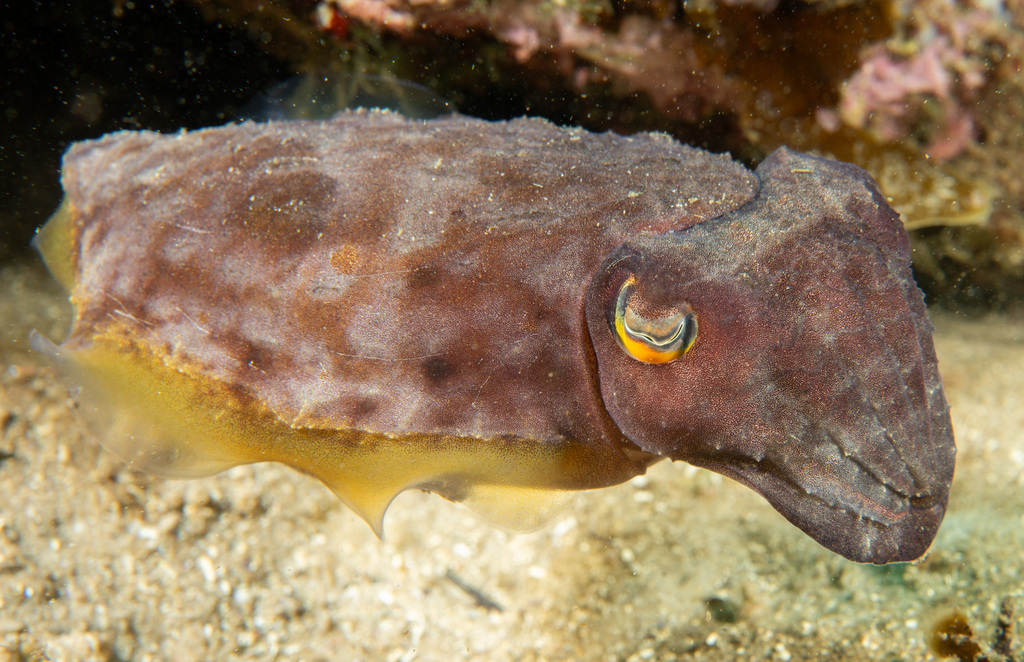
Reaper Cuttlefish
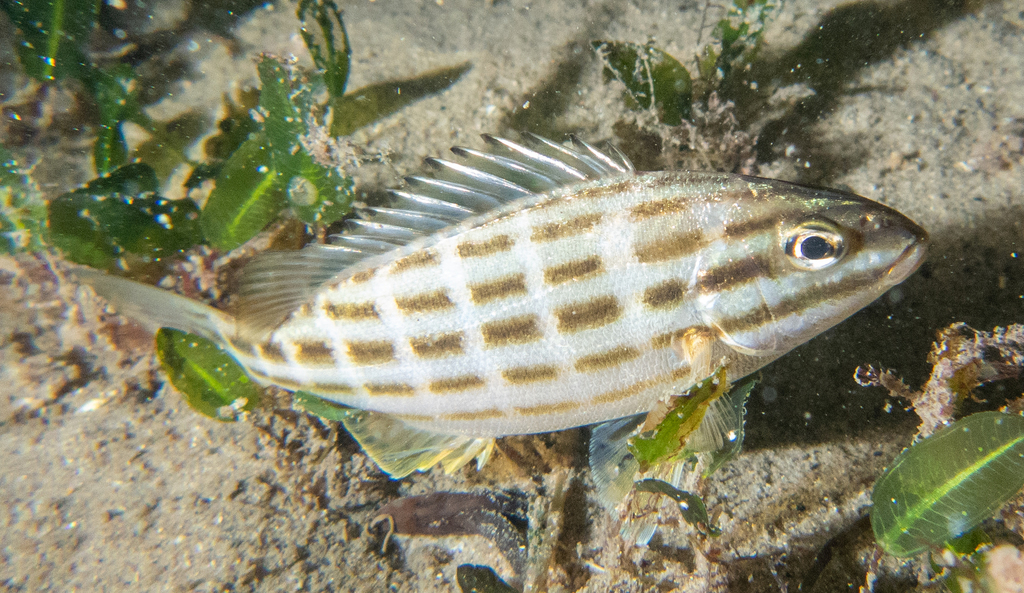
Trumpeter Perch

Stripey
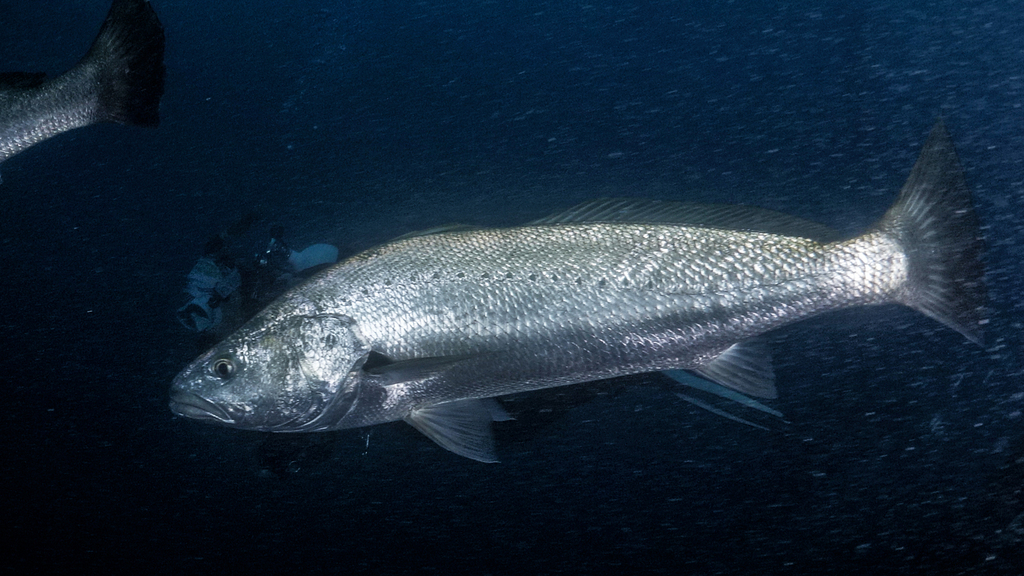
Butter-fish

Long-nosed Potoroo
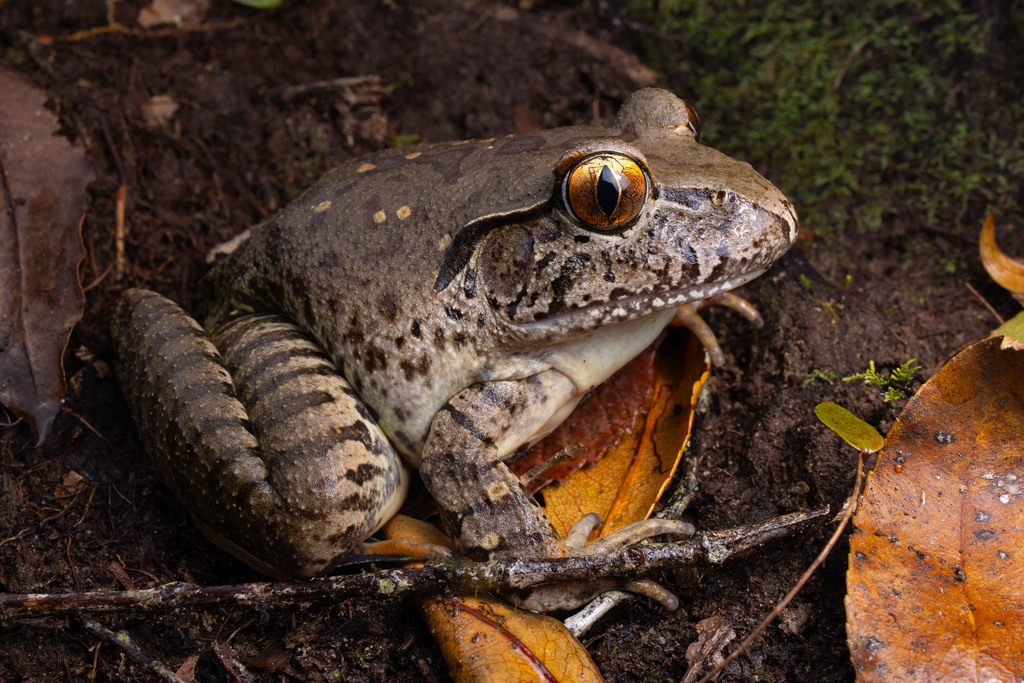
Giant Barred Frog
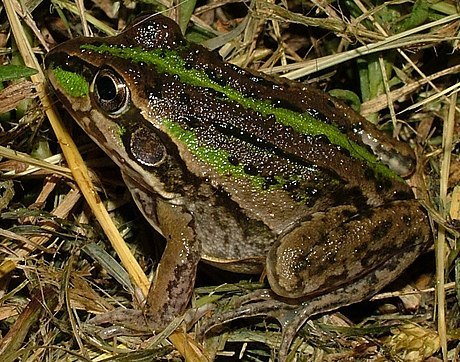
Striped Burrowing Frog

Eastern Quoll

Green Ringtail

Rufous Bettong
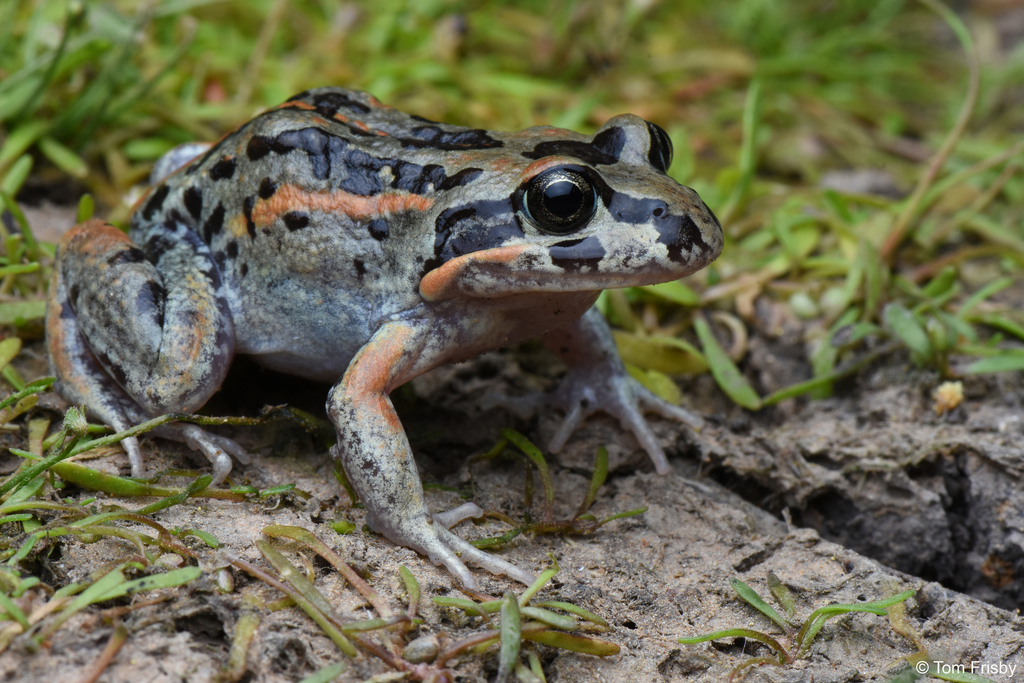
Salmon-striped Frog

Yellow-bellied Glider

Striped Possum
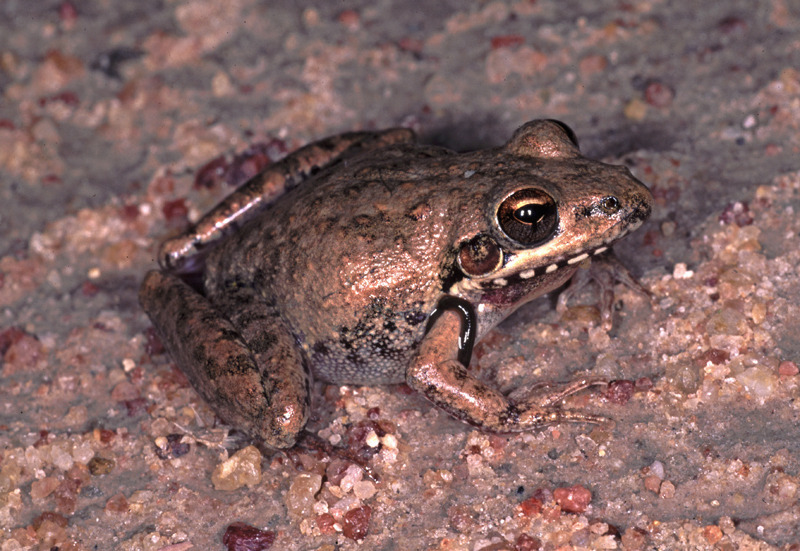
Peter's Frog

Brush-tailed Rock-wallaby

Northern Laughing Tree Frog

Brown Antechinus

Southern Hairy-nosed Wombat

Black-striped Wallaby
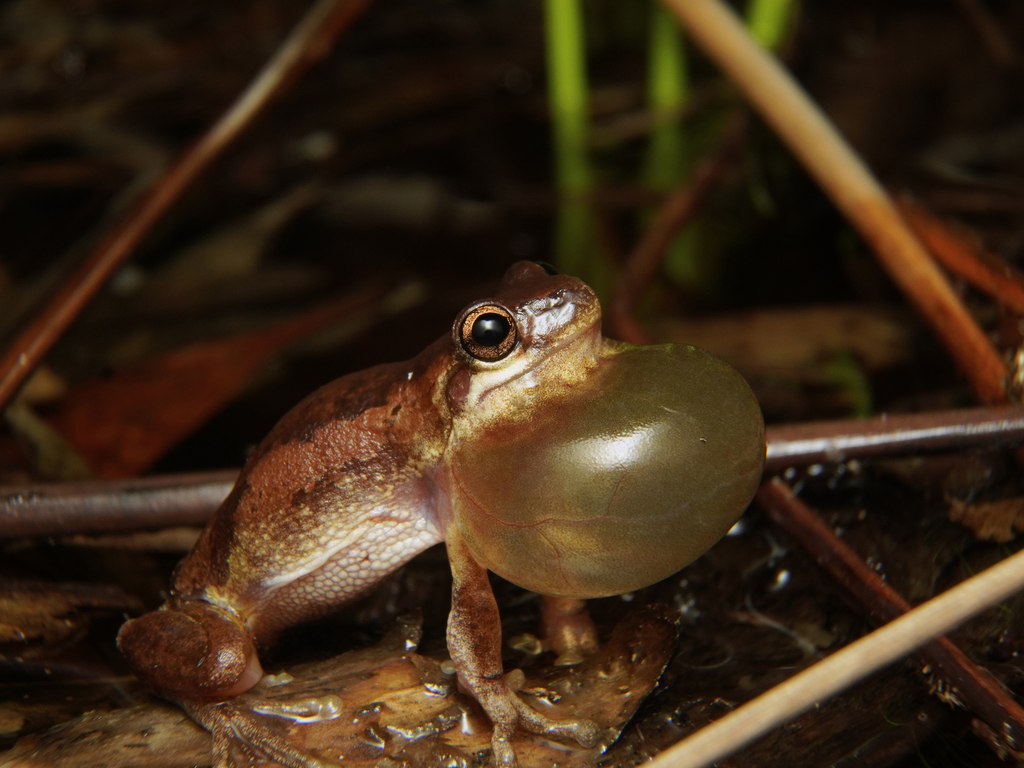
Bleating Tree Frog

Fawn-footed Melomys

Queensland Barred Bandicoot

Orange-thighed Frog

Agile Antechinus

Numbat
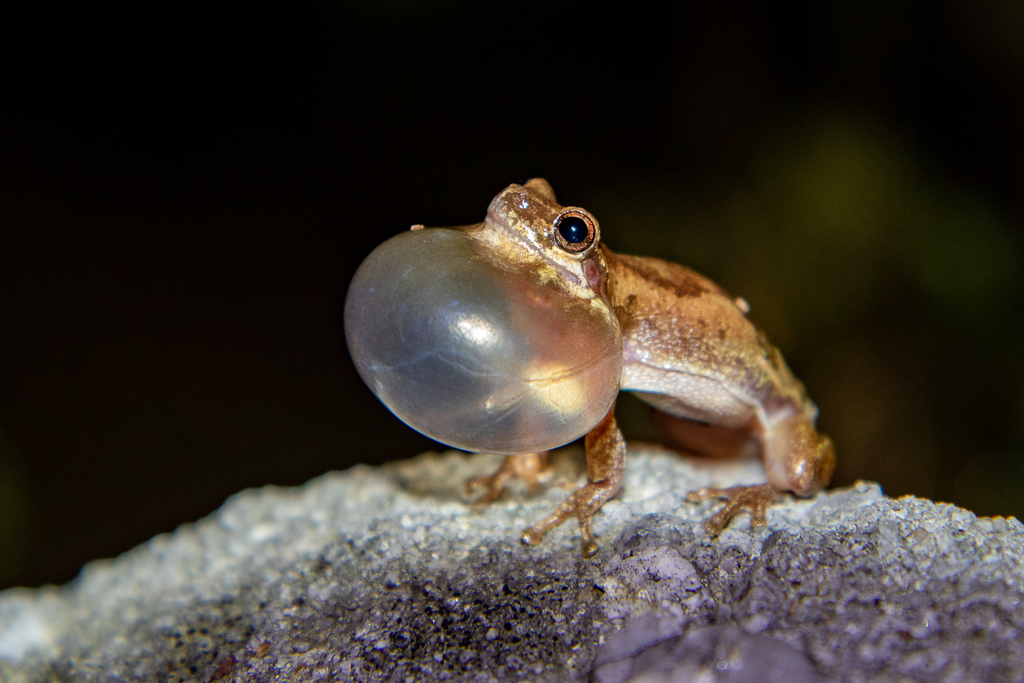
Slender bleating tree frog

Coppery Brushtail Possum
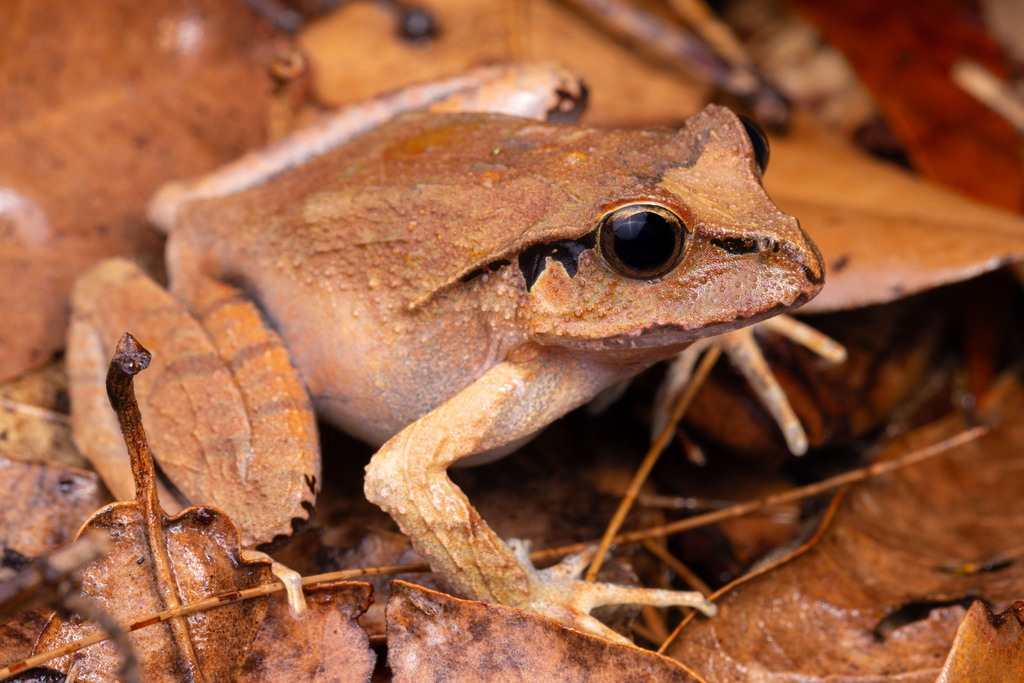
Fletcher's Frog

Blue Mountains Tree Frog

Cascade Tree Frog

Wallum Rocket Frog

Northern Dwarf Tree Frog
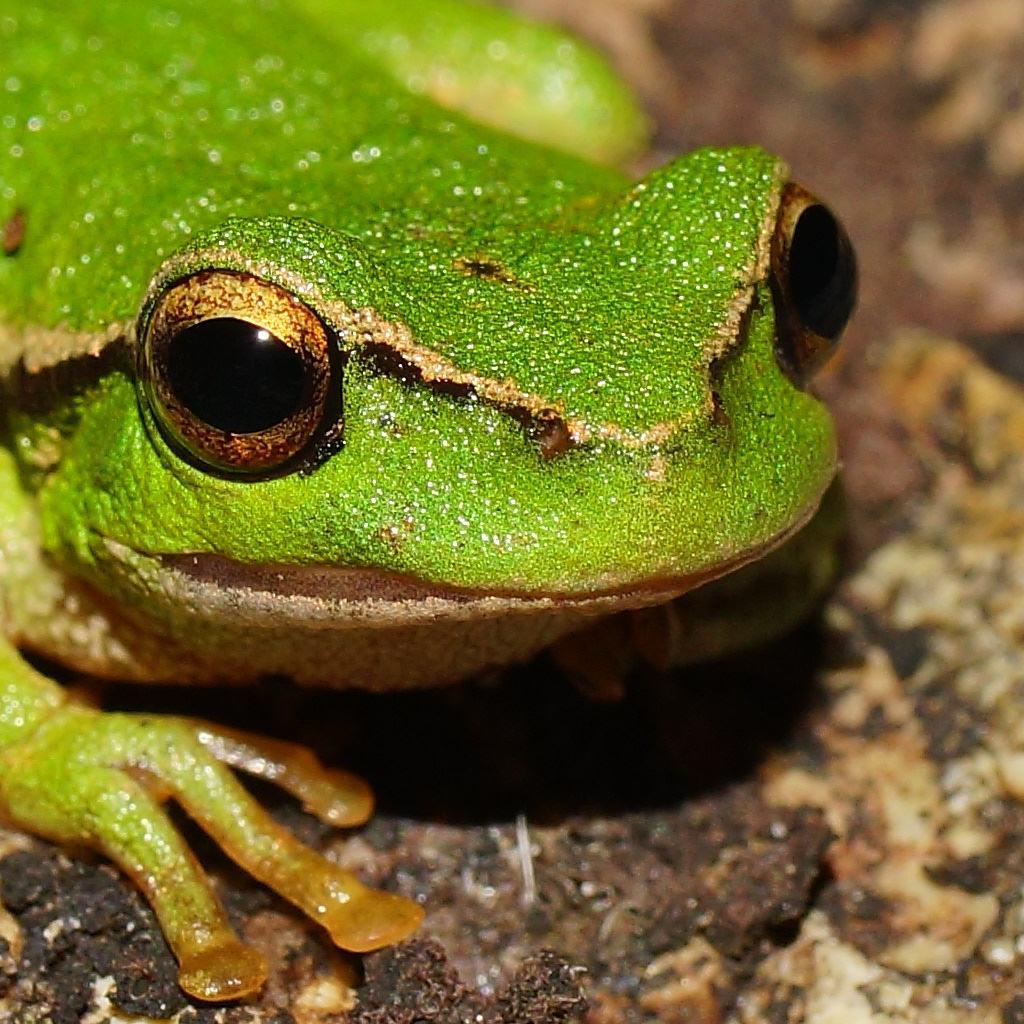
Narrow-fringed Frog

White-tailed Giant Rat

Lesser Long-eared Bat
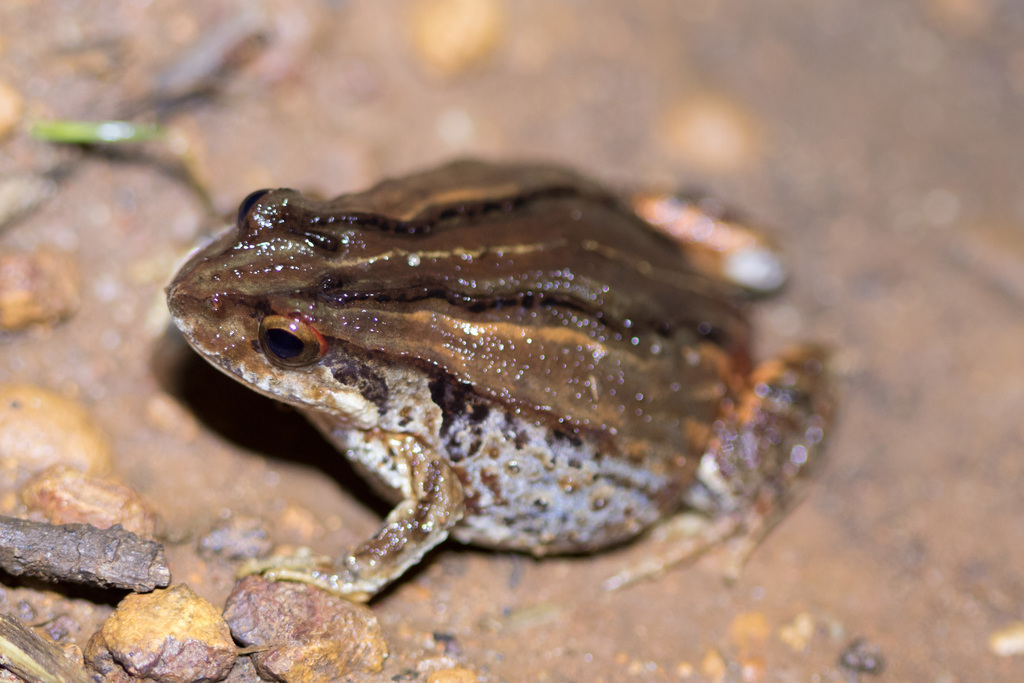
Quacking Frog
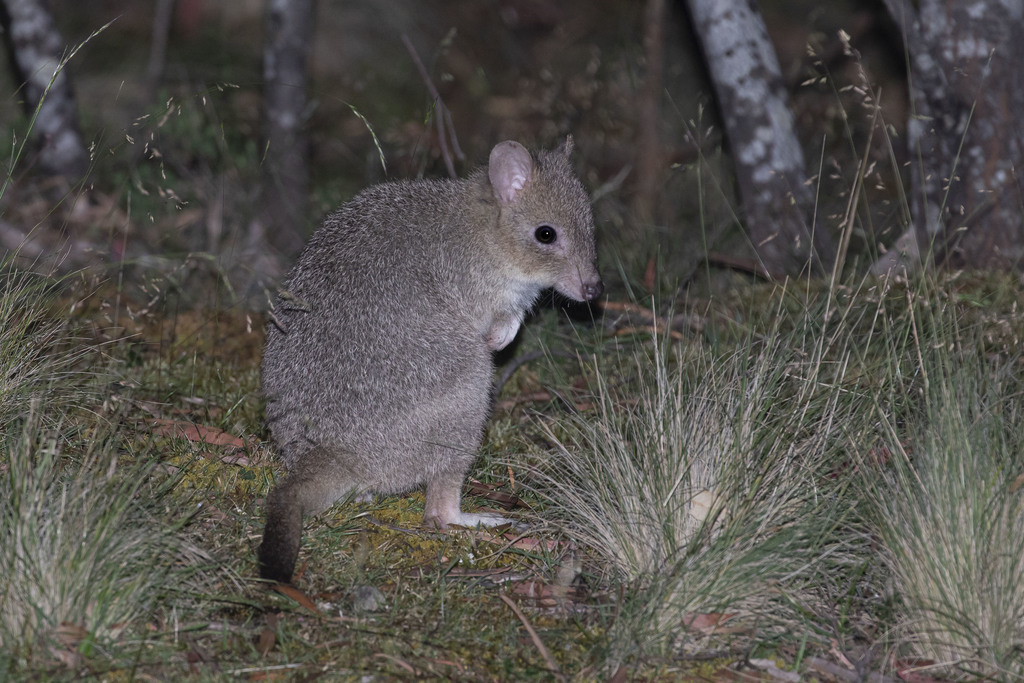
Eastern Bettong
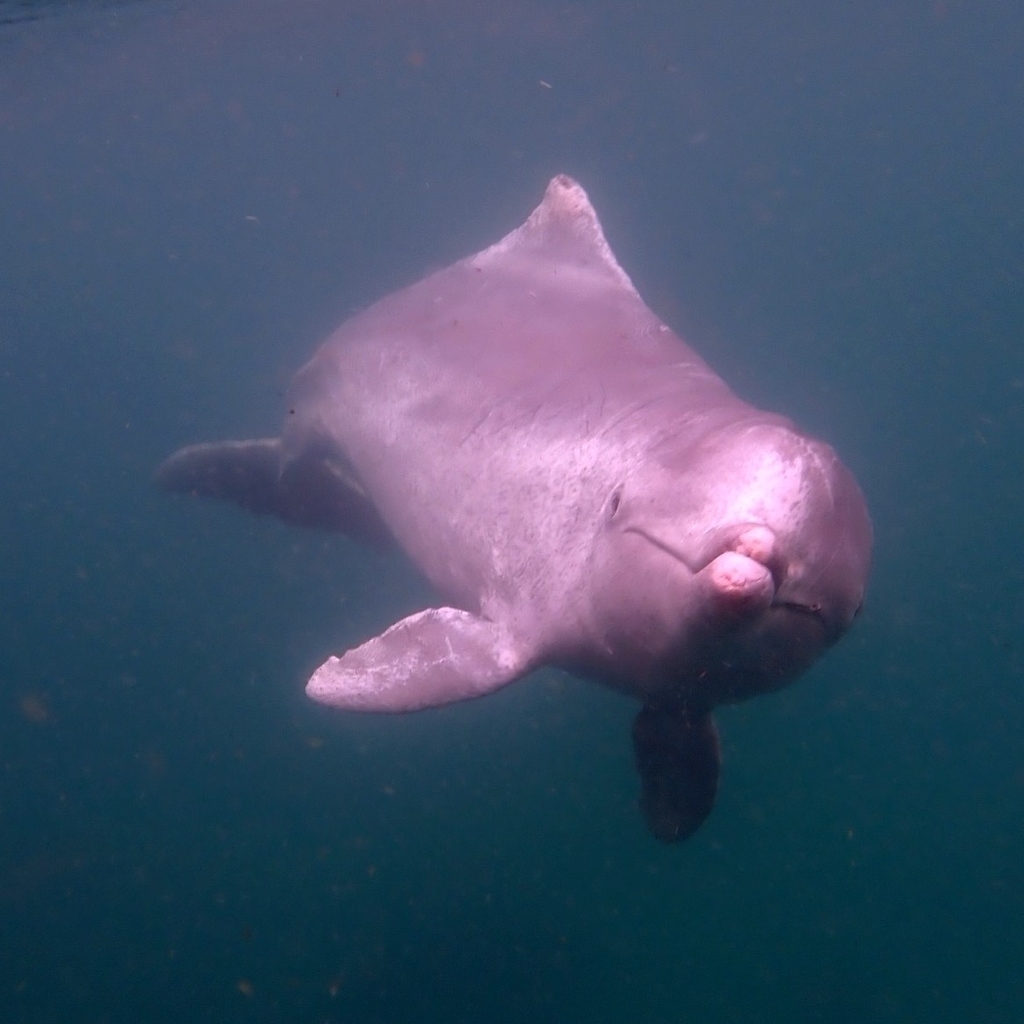
Australian Humpback Dolphin
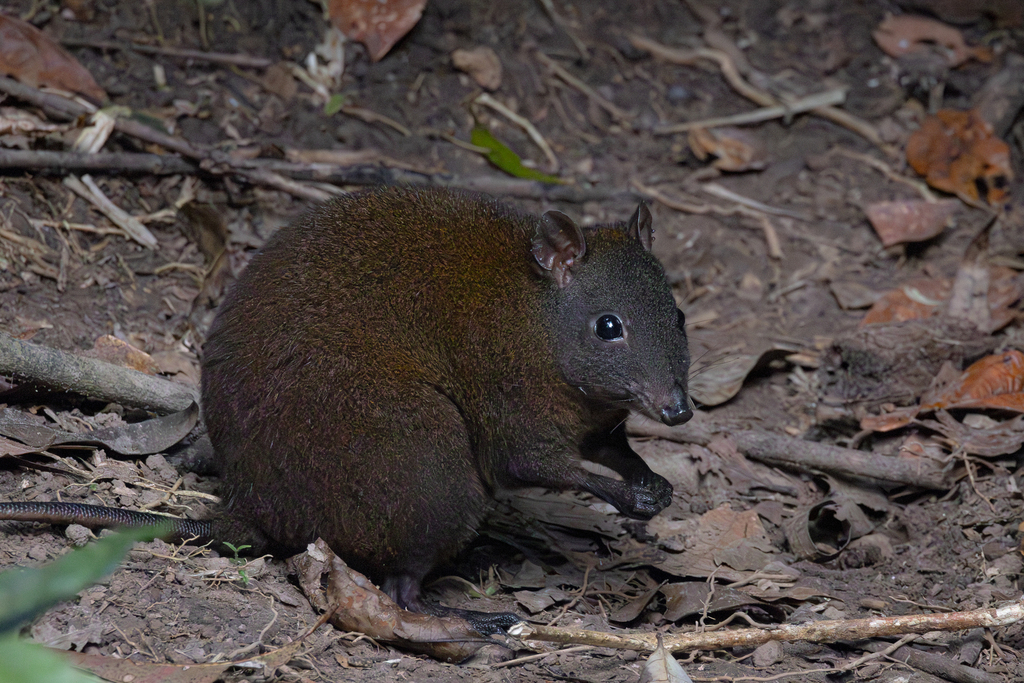
Musky Rat-kangaroo
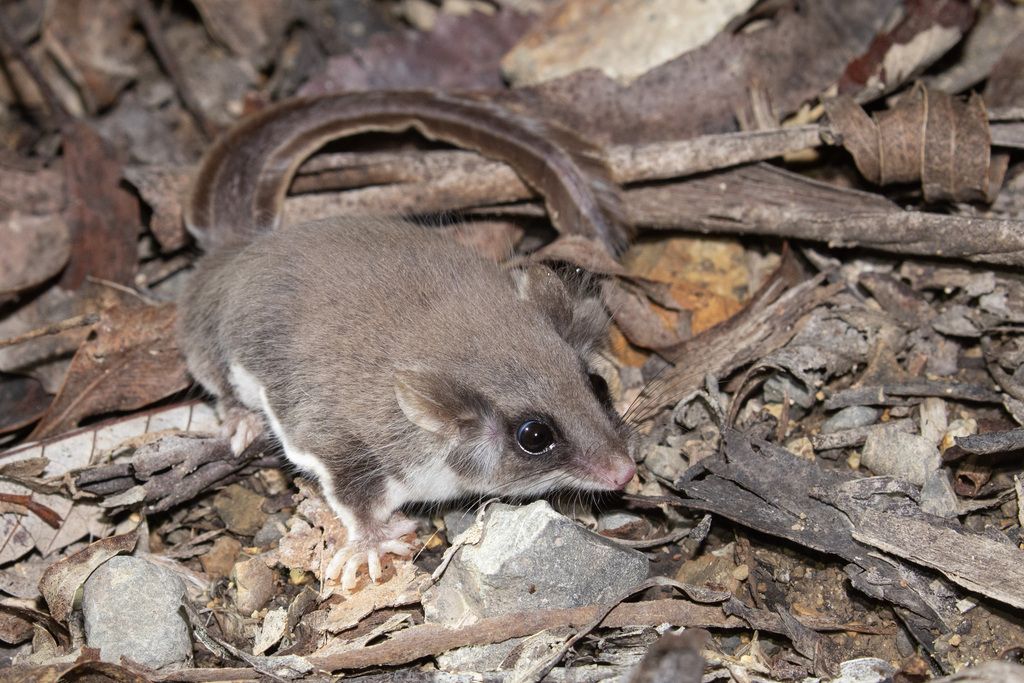
Feather-tailed Glider

Smaller Horseshoe Bat

Gould's Wattled Bat
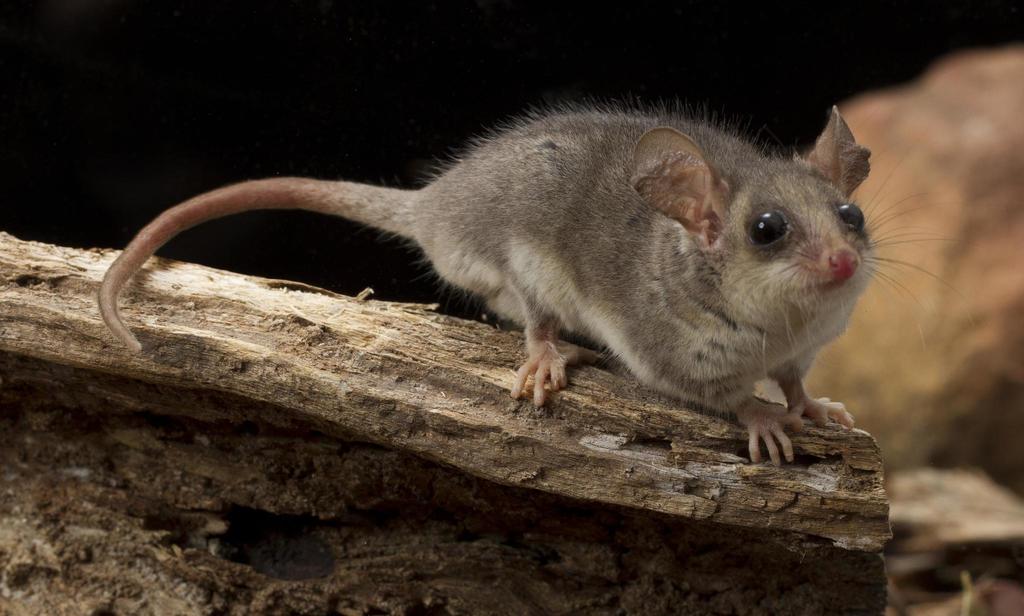
Eastern Pygmy Possum
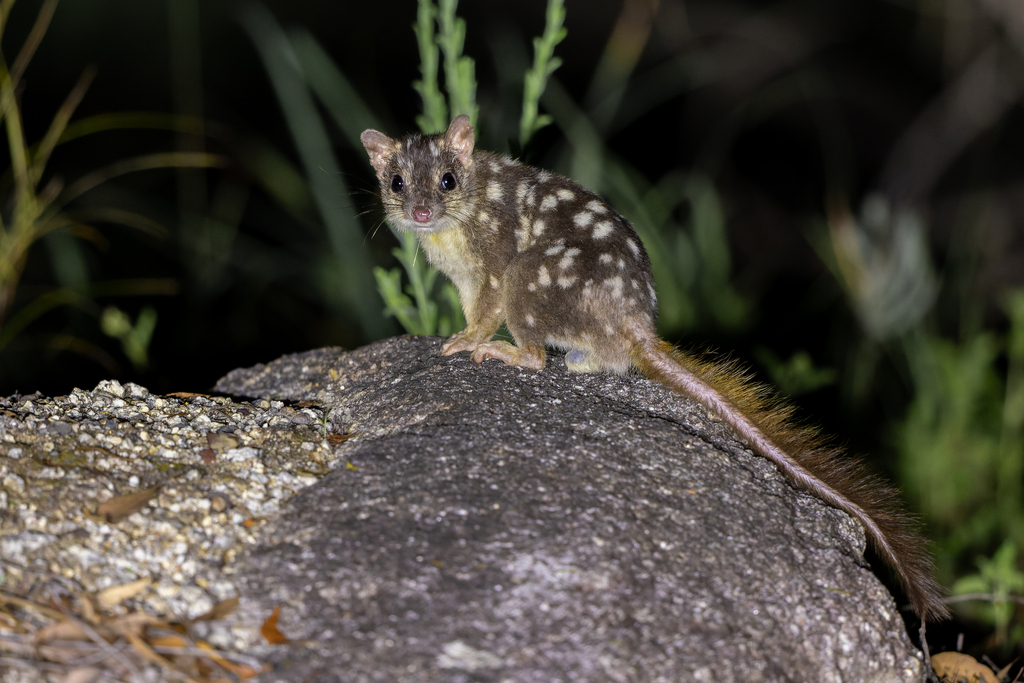
Northern Quoll

Black-gloved Wallaby
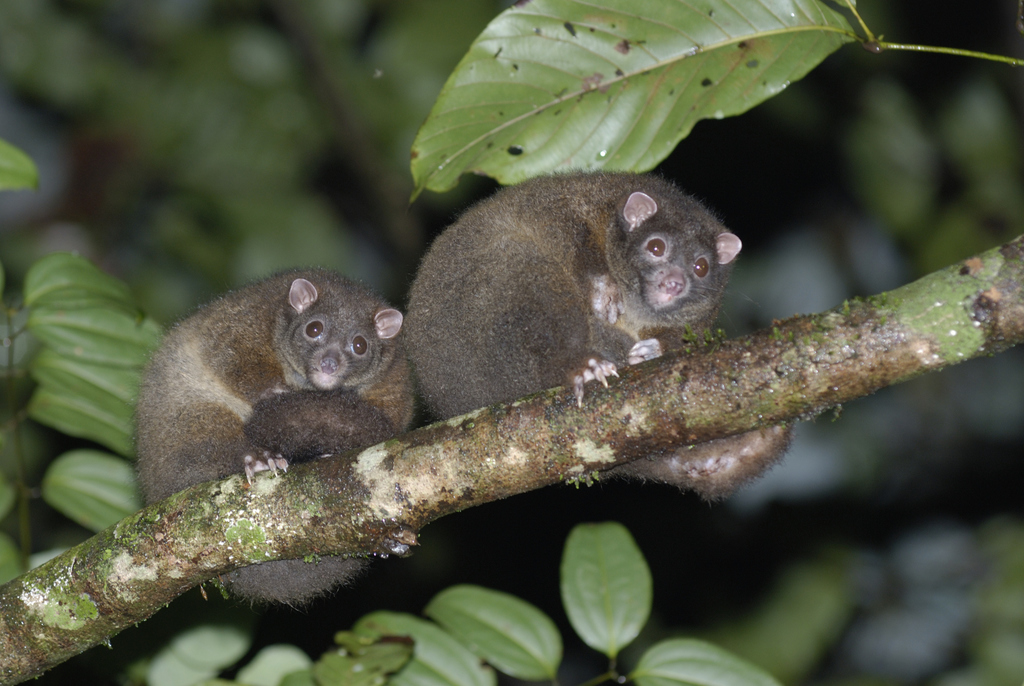
Lemur-like Ringtail
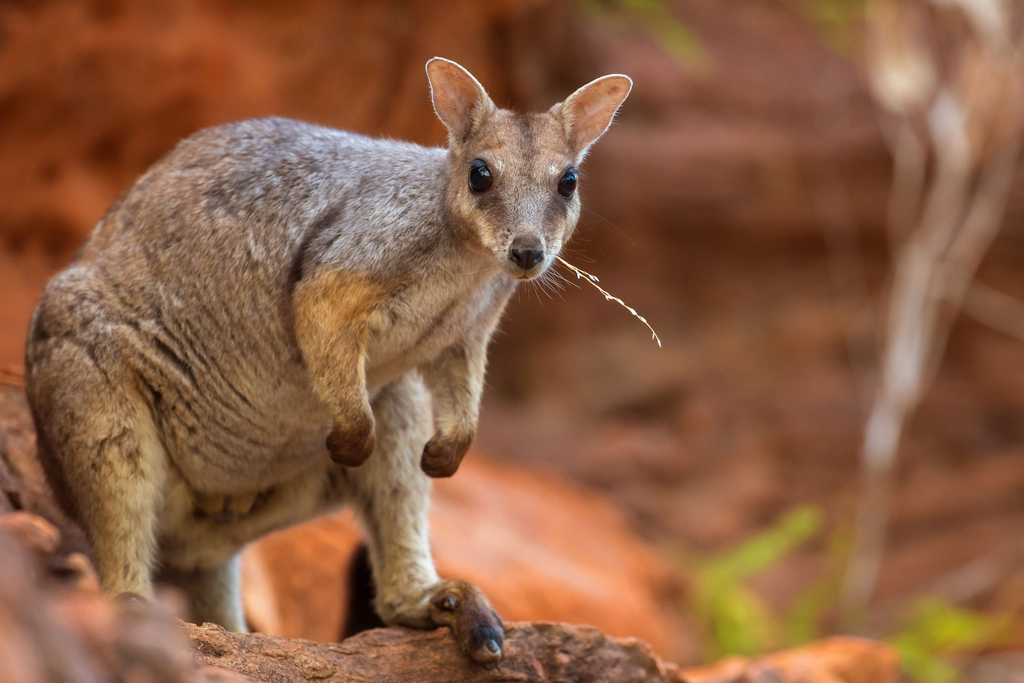
Short-eared Rock-Wallaby

Fat-tailed Dunnart

Woylie

Honey Possum
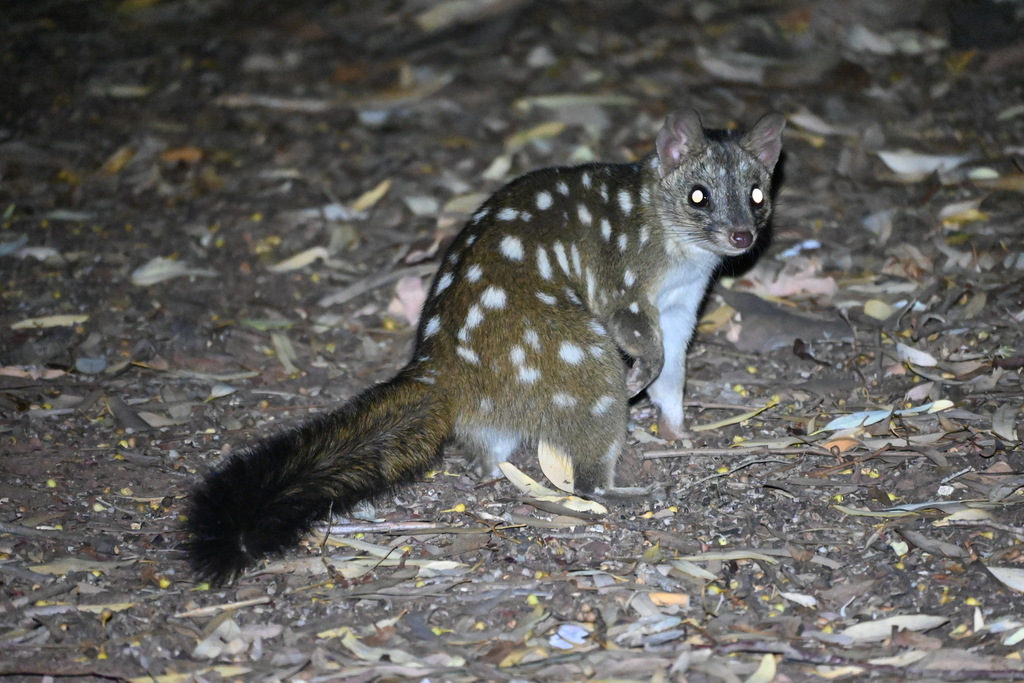
Western Quoll

Queensland Tube-nosed Fruit Bat

Southwestern Pygmy Possum
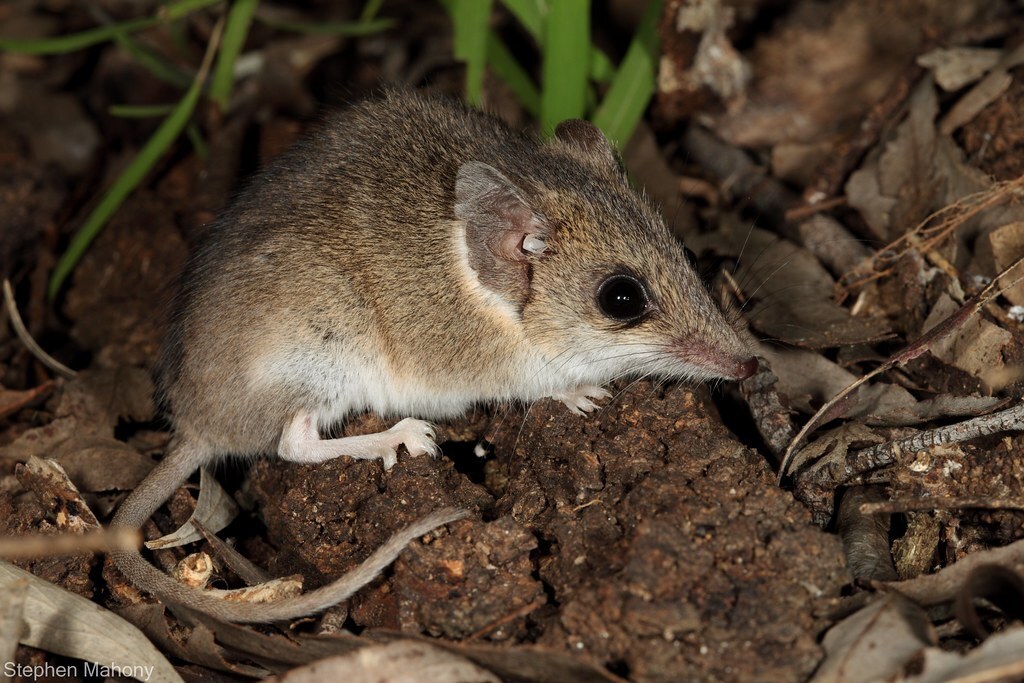
Slender-tailed Dunnart
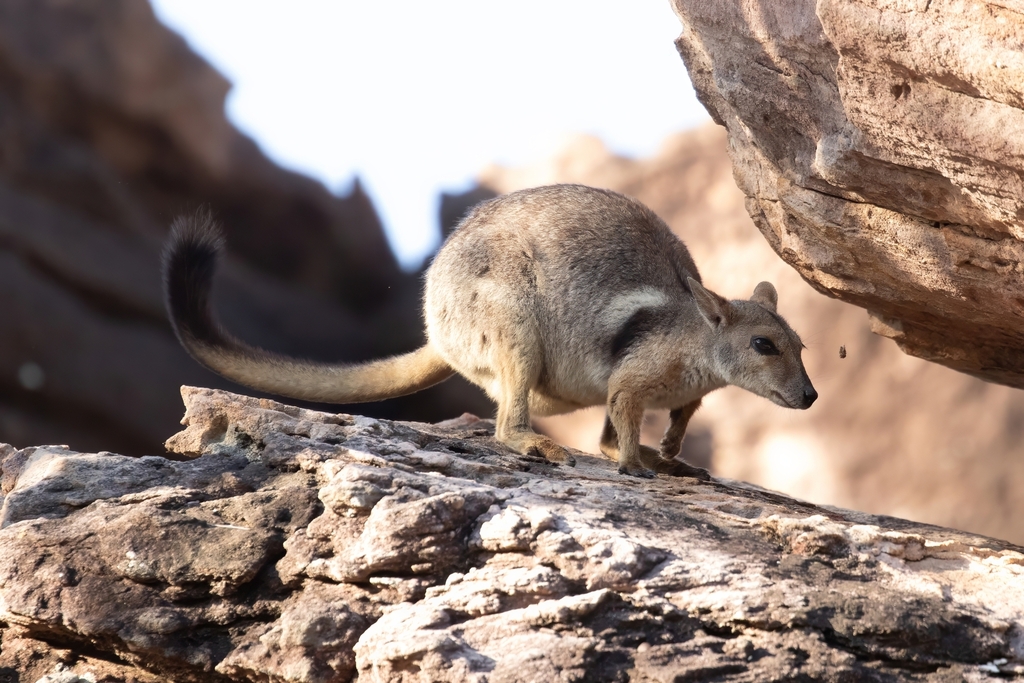
Eastern Short-eared Rock-wallaby
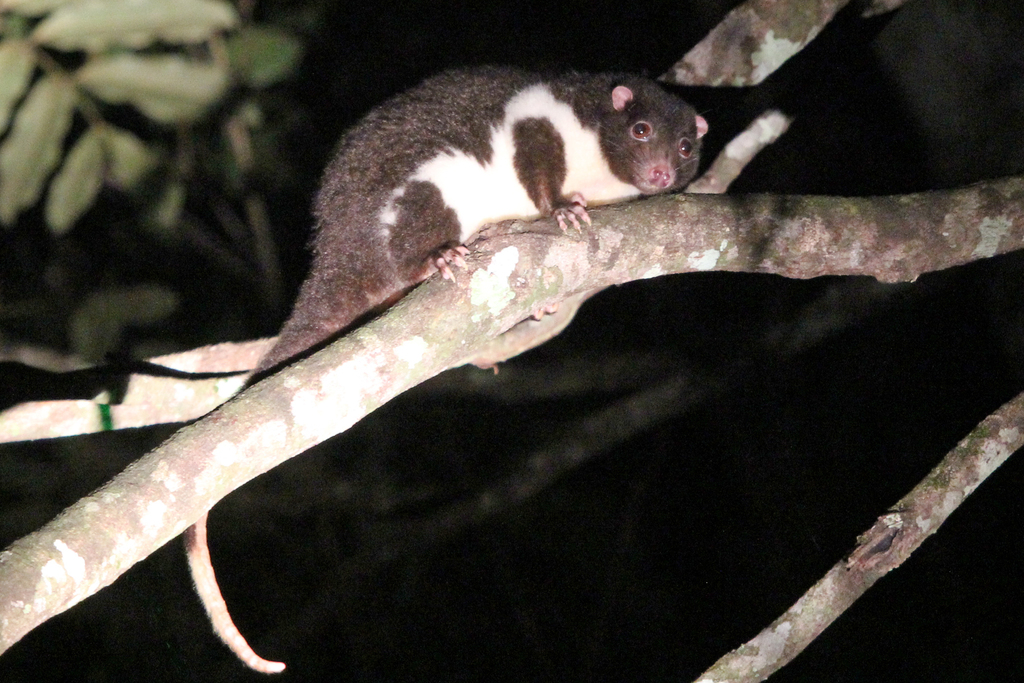
Herbert River Ringtail
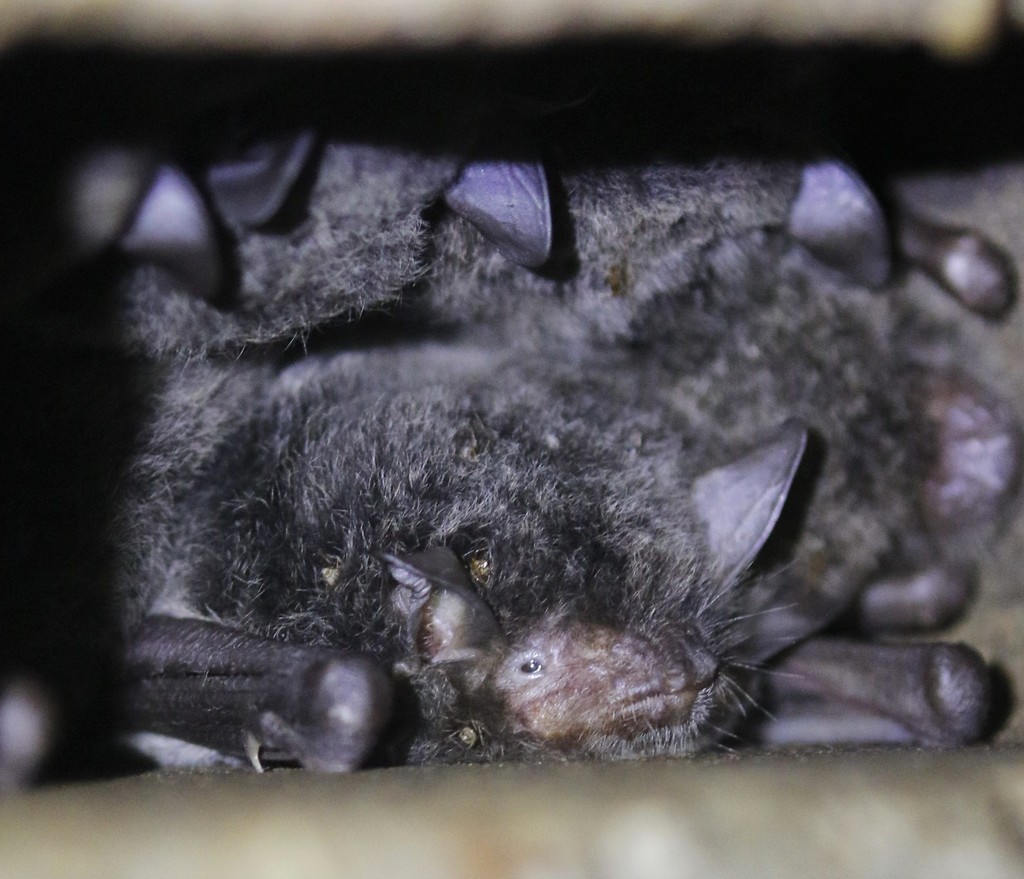
Large-footed Myotis

White-striped Free-tailed Bat

Antilopine Kangaroo

Purple-necked Rock-wallaby
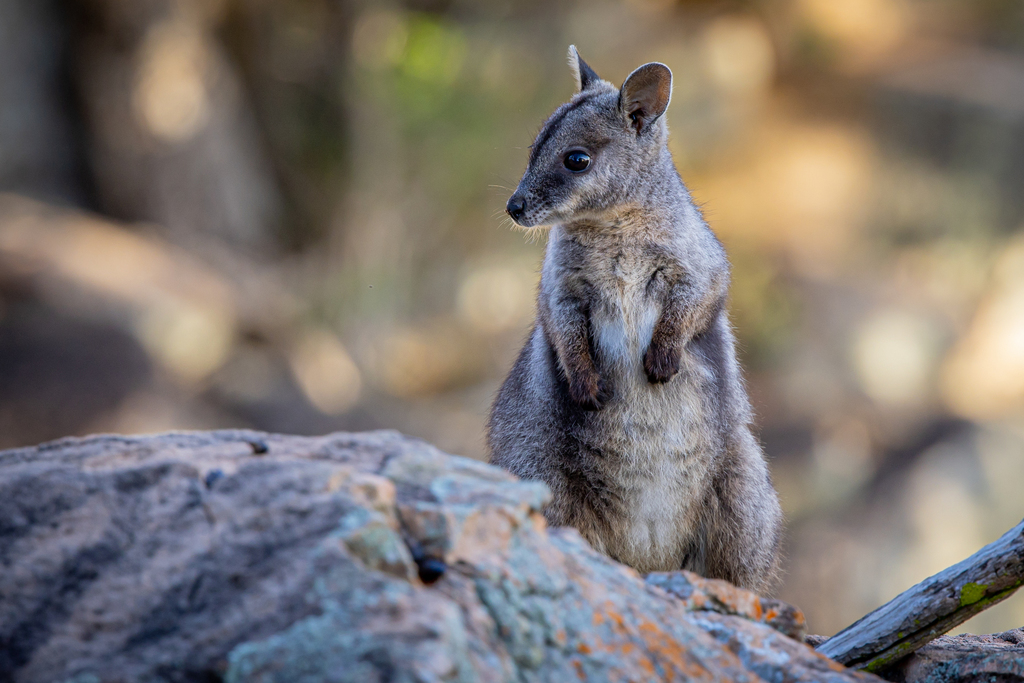
Herbert's Rock-wallaby

Stripe-faced Dunnart
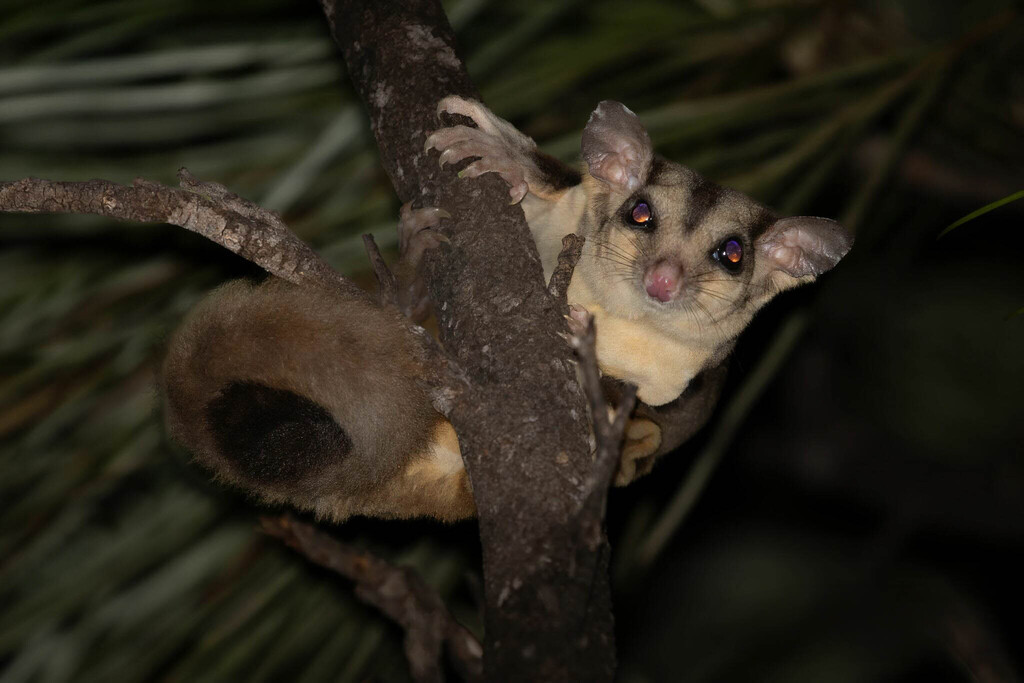
Savanna Glider

Swamp Antechinus

Spinifex Hopping Mouse

Parma Wallaby

Little Long-fingered Bat
Wild animals in Australia: 17 questions answered
Answered from this page’s 662-species slice of the guide. Counts describe the guide, not a national checklist.
What wild animals live in Australia?
This field guide lists 662 wild animals whose research-grade iNaturalist sightings are concentrated in Australia: 238 birds, 186 ray-finned fish, 101 mammals, 63 reptiles and 3 other groups. The most frequently recorded are Australian Magpie, Common Mynah and Pearl-necked Dove. Every species below has its own page with a photo, its scientific name, its conservation status and where it is most observed.
How many wild animal species are listed for Australia?
662 — the species in the Tracks field guide for which Australia holds the most verified sightings. This is not a complete national checklist: a species recorded even more often in a neighbouring country appears on that country's page instead, and the Tracks app itself catalogues 40,286 species worldwide. Between them these 662 species account for 2,553,578 research-grade observations.
What is the most commonly seen wild animal in Australia?
Australian Magpie (Gymnorhina tibicen), with 49,688 research-grade observations on iNaturalist — more than any other species on this page. Next most recorded are Common Mynah and Pearl-necked Dove. "Most recorded" means most often photographed and verified by people, which is a good proxy for what a visitor is likely to actually see.
What is the rarest animal in Australia?
On the Tracks rarity scale the rarest species on this page is Northern Quoll (Epic tier), with 171 recorded sightings. Tracks rarity is based on how often a species is actually encountered rather than on its conservation status, so a rare card is a hard animal to find, not necessarily a threatened one.
What wild mammals live in Australia?
This guide lists 101 mammals for Australia, most-recorded first: Koala, Eastern Grey Kangaroo, Short-beaked Echidna, Common Brushtail, Swamp Wallaby and Common Ringtail Possum, plus 95 more on this page.
What birds can you see in Australia?
238 bird species are listed for Australia. The most frequently recorded are Australian Magpie, Common Mynah, Pearl-necked Dove, Laughing Kookaburra, Superb Fairywren and Silver Gull, plus 232 more on this page.
Are there reptiles and amphibians in Australia?
Yes — 63 reptiles and 50 amphibians are listed for Australia. They include Common House Gecko, Australian Water Dragon, Lace Monitor, Shingleback Lizard, Common Bluetongue and Carpet Python, plus 107 more on this page. Reptiles and amphibians are under-recorded almost everywhere relative to birds and mammals, so treat these counts as a floor.
Are there dangerous wild animals in Australia?
14 of the species on this page belong to the groups behind most wildlife injuries — large carnivores, crocodilians, sharks, venomous snakes and big herbivores. They are Saltwater Crocodile, Red-bellied Black Snake, Eastern Tiger Snake, Eastern Brown Snake, Port Jackson Shark and Lowlands Copperhead, plus 8 more on this page. Nearly all of them avoid people given the chance. The practical rules are the same everywhere: never approach, corner or feed a wild animal, keep dogs leashed, store food securely, and give any animal with young a wide berth.
Are there venomous snakes in Australia?
Yes. 5 of the snakes listed for Australia belong to venomous groups: Red-bellied Black Snake, Eastern Tiger Snake, Eastern Brown Snake, Lowlands Copperhead and Highlands Copperhead. Snake bites are overwhelmingly a result of handling or trying to kill the animal. Treat every snake you can't identify as venomous, back away, and let it leave.
What marine and coastal animals live around Australia?
18 marine or coastal species are listed for Australia, including Afro-Australian Fur Seal, Common Sydney Octopus, Port Jackson Shark, Western Indo-Pacific Spotted Eagle Ray, Indo-Pacific Bottlenose Dolphin and Grey Nurse Shark, plus 12 more on this page.
Which animals in Australia are endangered?
34 of the species on this page are IUCN-listed as Vulnerable or worse: Grey Nurse Shark (Critically Endangered), Western Ringtail Possum (Critically Endangered), Far Eastern Curlew (Endangered), Western Indo-Pacific Spotted Eagle Ray (Endangered), Great Knot (Endangered) and Carnaby's Black Cockatoo (Endangered), plus 28 more. Conservation status is shown on every species page.
What insects and spiders live in Australia?
No insects or arachnids appear on this page — the guide's Australia list is mostly birds and ray-finned fish. A species is shown on the page of whichever country records it most, so any insects or arachnids recorded in Australia either sit on another country's page or fall outside the guide's 662-species slice.
When is the best time to see wild animals in Australia?
Dawn and the hour before dusk, almost everywhere and for almost every species: most mammals are crepuscular, and birds are loudest and most active in the first hours of daylight. Weather matters as much as season — overcast, still mornings after rain are productive, and hot midday hours are the worst time to be out looking. Each species page links to its iNaturalist record, where the observation dates show when people in Australia actually recorded it.
Where can you see wild animals in Australia?
National parks, nature reserves and protected wetlands concentrate both animals and the people recording them, but the edges are often better than the core: hedgerows, riverbanks, coastal paths, and the scrubby margins between habitats. Cities count too — a large share of the sightings behind this page were logged in parks, gardens and suburbs. Because every species here is backed by iNaturalist records, its species page links straight to the map of where it has actually been observed.
How do I identify a wild animal I saw in Australia?
Photograph it if you safely can, and note the size, habitat and behaviour. The Tracks app scans the area you're standing in and shows the animals people have actually recorded there, which narrows an identification far faster than searching a national list. If the animal you saw isn't in Tracks yet, add it on iNaturalist: its community will help you put a name to it, and because Tracks is built from iNaturalist's research-grade observations, a sighting verified there feeds back into the data behind pages like this one.
Can I feed wild animals in Australia?
No — and in many places it is also illegal. Feeding is the fastest way to ruin a wild animal. It teaches them to associate people with food, so they lose their wariness and start working car parks, campsites and picnic tables; a habituated animal that begins grabbing food gets labelled a nuisance and is usually destroyed or hit by a road vehicle. Human food is the wrong food too: bread and processed snacks cause malnutrition and wing deformities in birds and gut damage in mammals. And artificial feeding concentrates animals at densities they would never reach naturally, which is how disease spreads through a local population. If you want wildlife closer to you in Australia, do it by habitat — native planting, a clean water dish, leaving dead wood and leaf litter alone — which supports animals without teaching them to approach people.
Is it safe to approach wild animals in Australia?
No. Keep your distance from every wild animal, however calm it looks — a good rule of thumb is that if the animal changes its behaviour because of you, you are already too close. Don't handle snakes or reptiles, keep dogs leashed near wildlife, and if you find an animal that is injured or appears orphaned, contact a local wildlife rescue or the relevant authority rather than picking it up.