Wild Animals in Russia
289 species are recorded more often in Russia than anywhere else — from the much-photographed Rock Pigeon to the seldom-seen Caspian Seal. Every one is backed by research-grade iNaturalist sightings.
- 199 birds
- 56 mammals
- 14 ray-finned fish
- 11 amphibians
- 9 reptiles
All 289 species recorded in Russia
Ordered by how often people have recorded them. Tap any animal for its full field-guide entry.

Rock Pigeon

Great Tit

Grey Heron

Chaffinch

White Wagtail

Eurasian Magpie
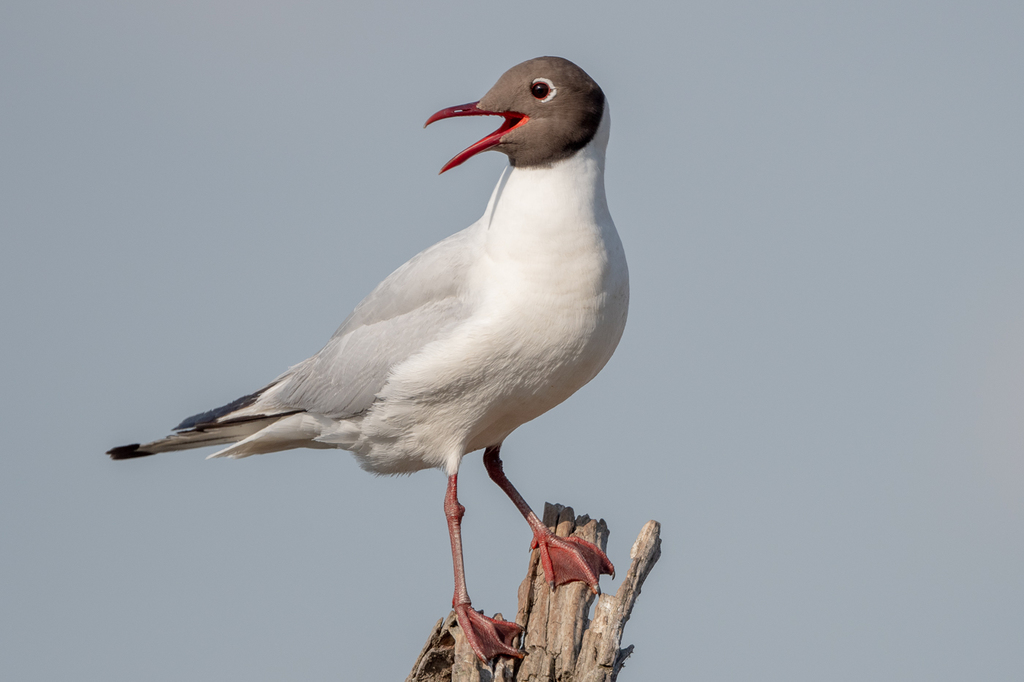
Black-headed Gull

Eurasian Coot

Blue Tit

Eurasian Tree Sparrow

Hooded Crow

Common Buzzard

Great Spotted Woodpecker
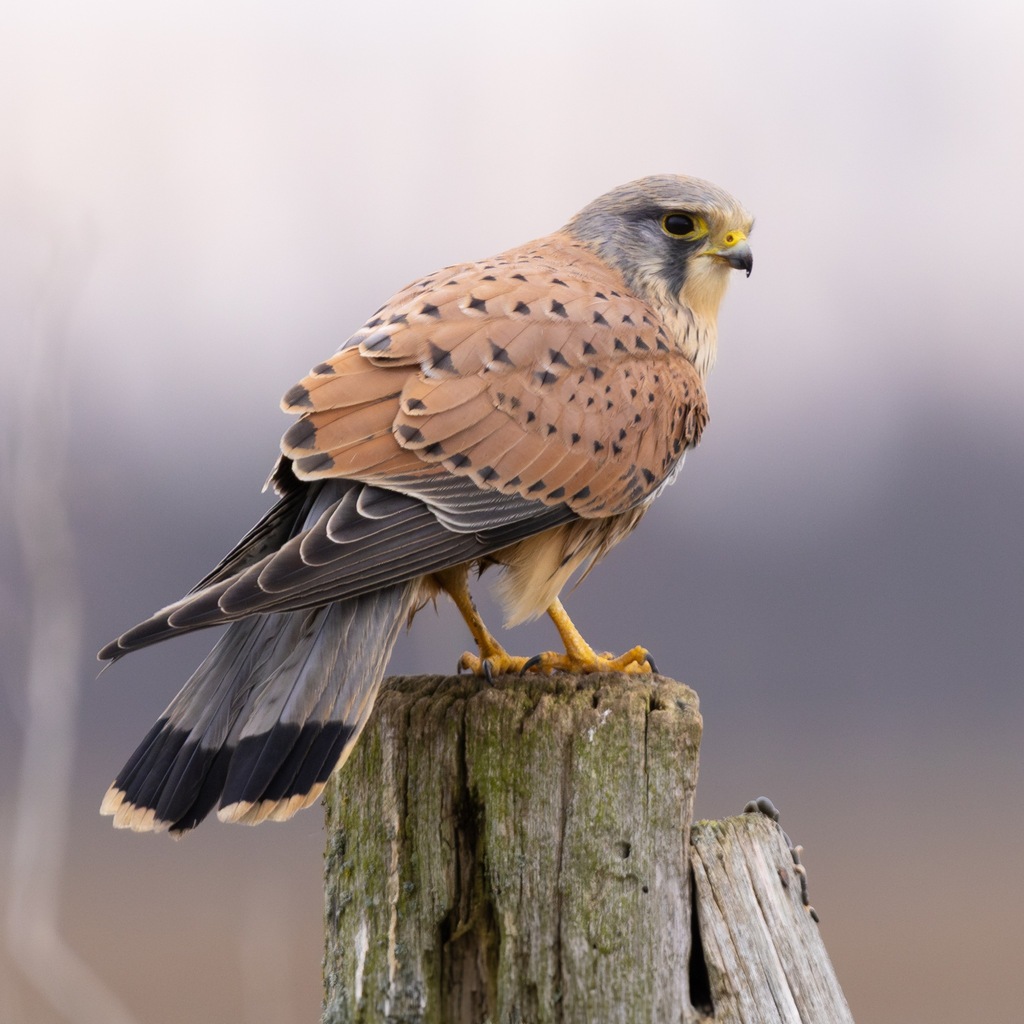
Common Kestrel

Eurasian Goldfinch
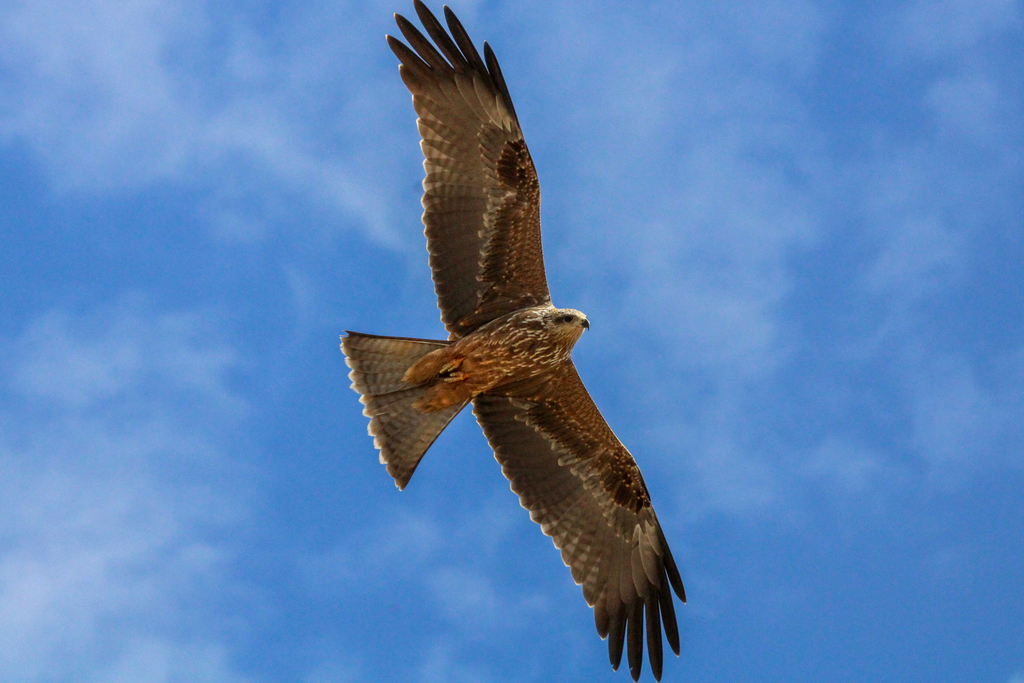
Black Kite

Great Crested Grebe

Fieldfare

European Greenfinch

European Jackdaw

Eurasian Jay

Eurasian Bullfinch

Eurasian Nuthatch

Eurasian Red Squirrel

Tufted Duck
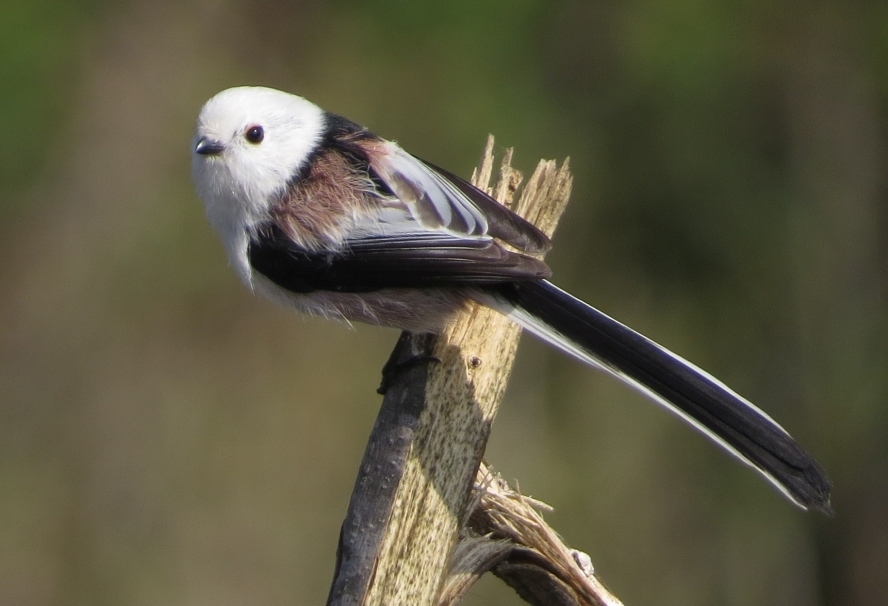
Long-tailed Tit

Common Chiffchaff

Song Thrush

Northern Lapwing

Western Marsh-Harrier

Common Sandpiper

Rook
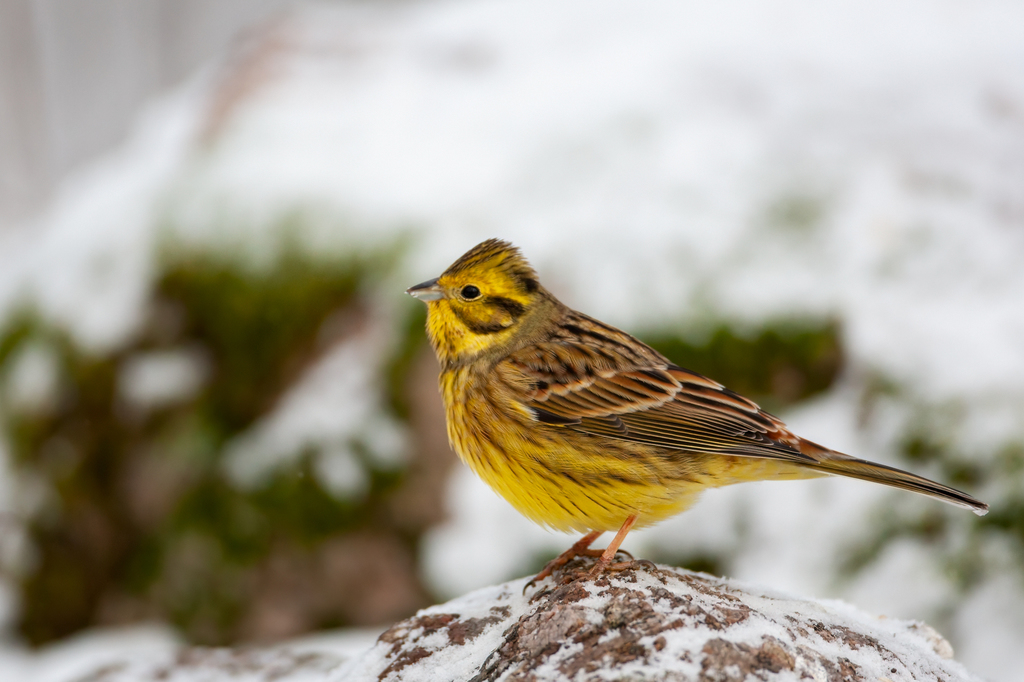
Yellowhammer

Common Tern

Linnet

Common Redpoll

Red-backed Shrike

Eurasian Wigeon

Western Yellow Wagtail
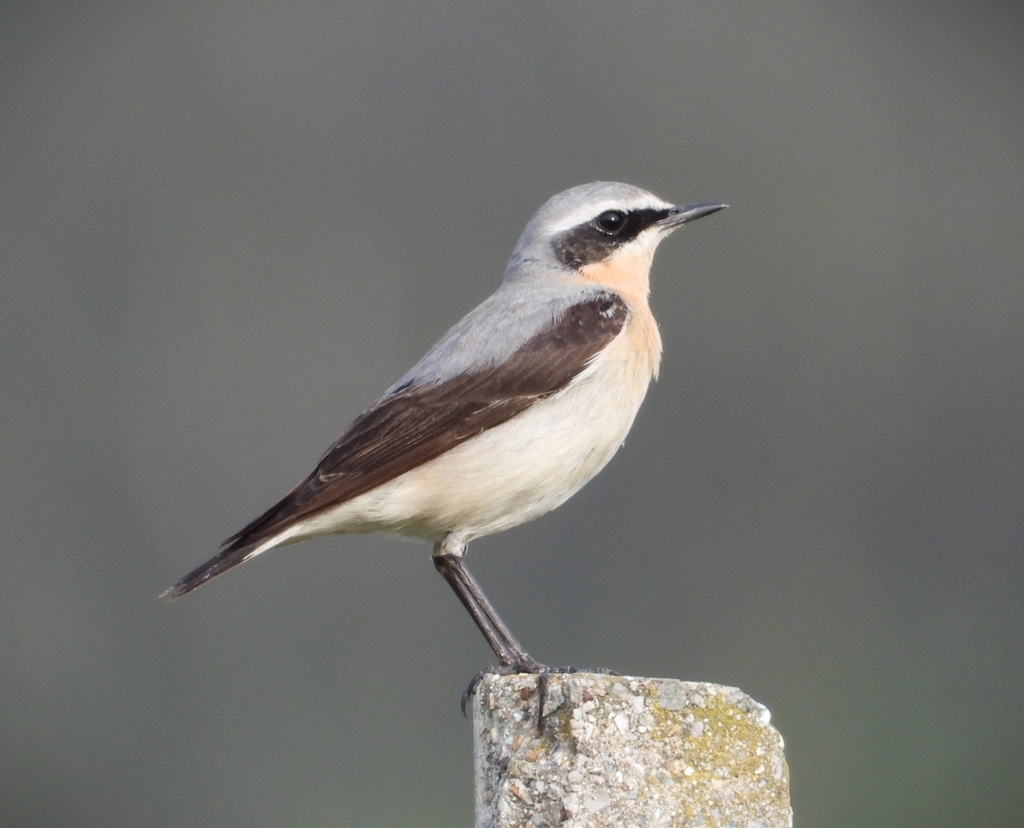
Northern Wheatear

Reed Bunting

Common Pochard

Bohemian Waxwing

Eurasian Sparrowhawk

Common Gull

Coal Tit

Common Redshank

Eurasian Siskin
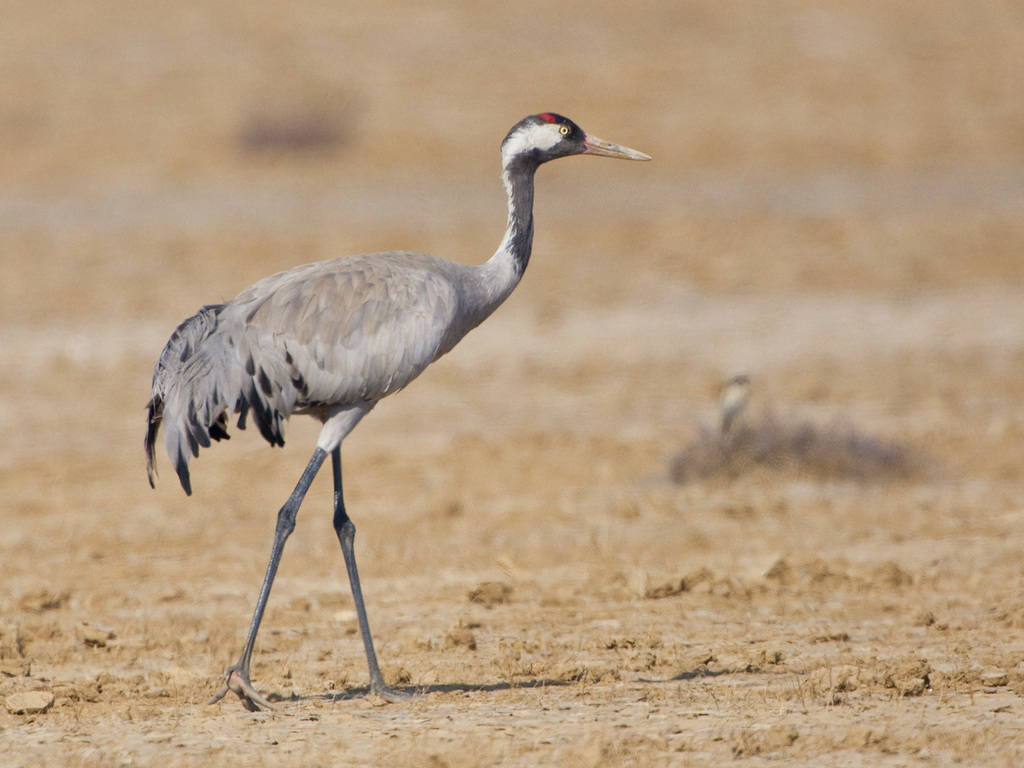
Common Crane

Wood Sandpiper

Spotted Flycatcher

Willow Tit

Greater Whitethroat

Common Redstart

Viviparous Lizard

Hawfinch

Whinchat

Bluethroat
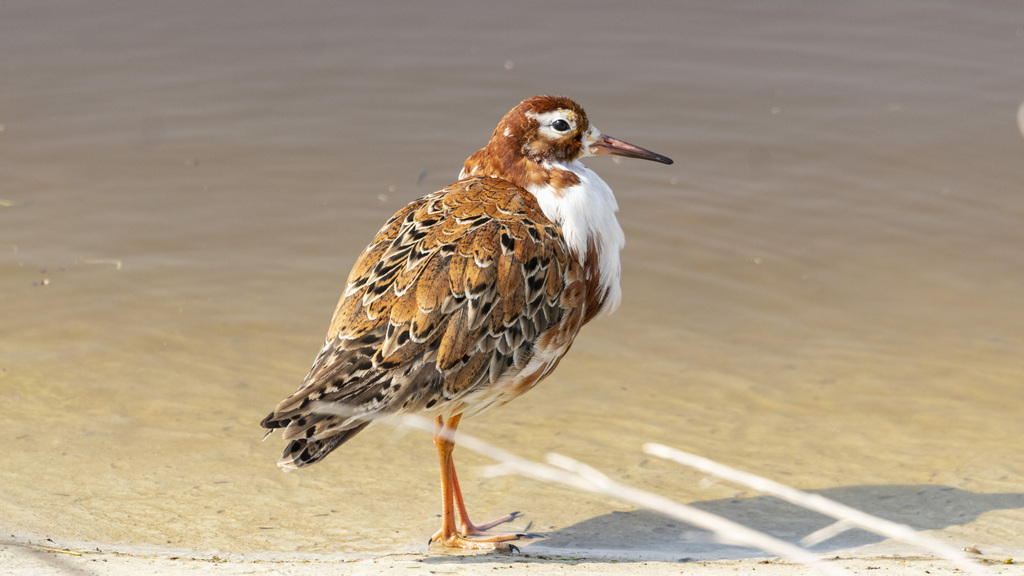
Ruff

Little Ringed Plover
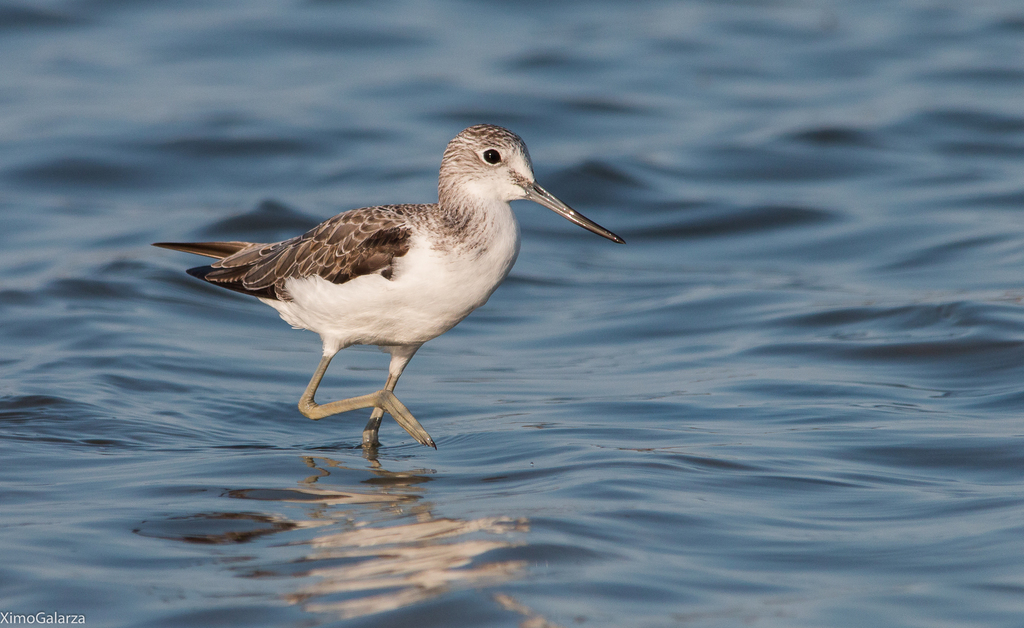
Common Greenshank
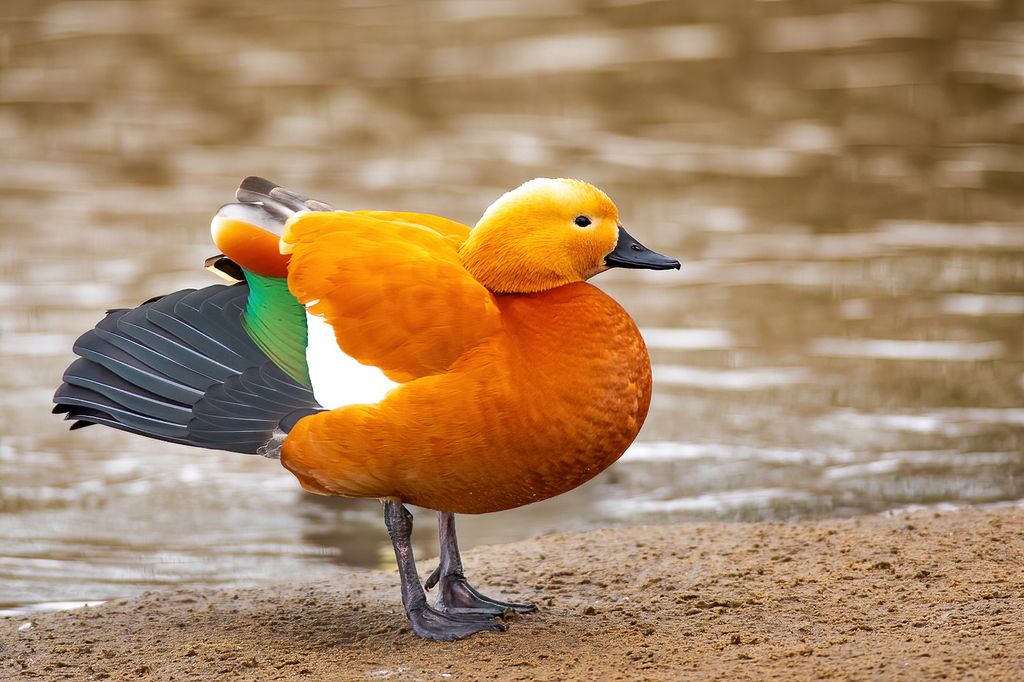
Ruddy Shelduck

Grass snake

Tree Pipit

White-tailed Eagle

Goldcrest

European Bee-eater

Skylark

Treecreeper
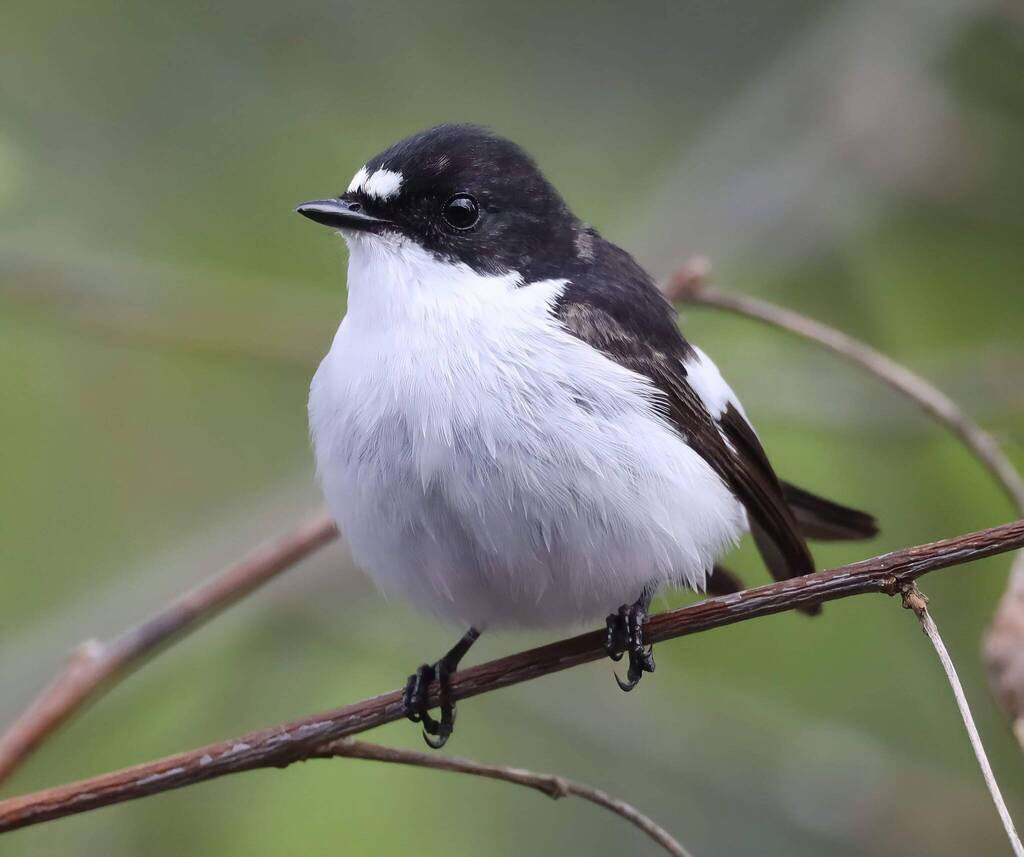
European Pied Flycatcher

Redwing

Black-tailed Godwit

Common Swift

Eurasian Beaver

Willow Warbler
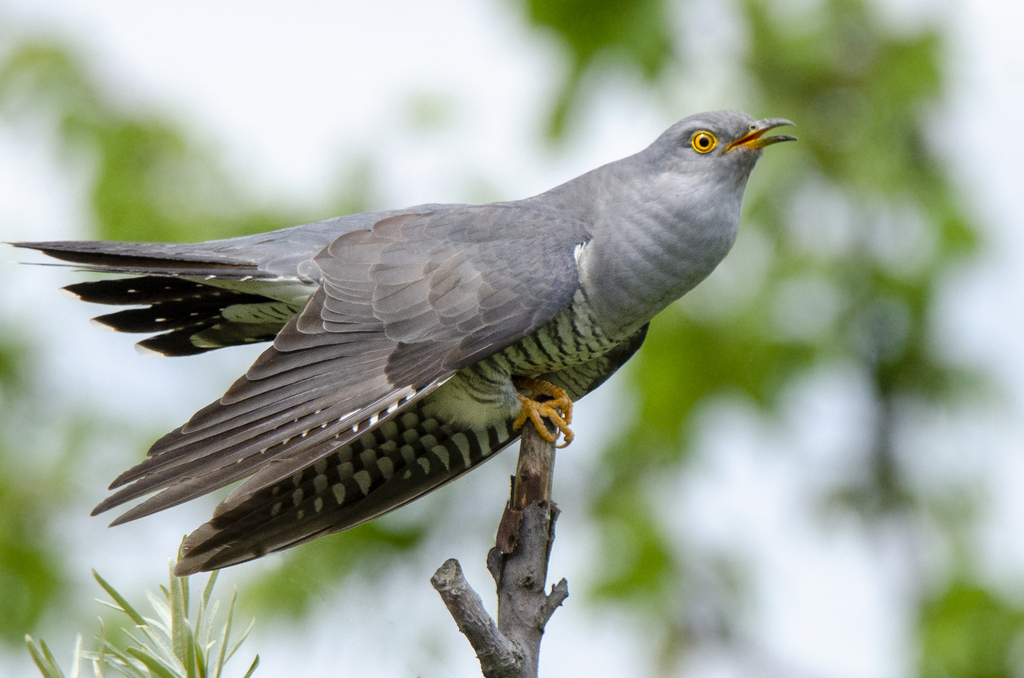
Common Cuckoo

Brambling

Green Sandpiper

Common Ringed Plover

Marsh Tit

Rough-legged Hawk

Common Snipe
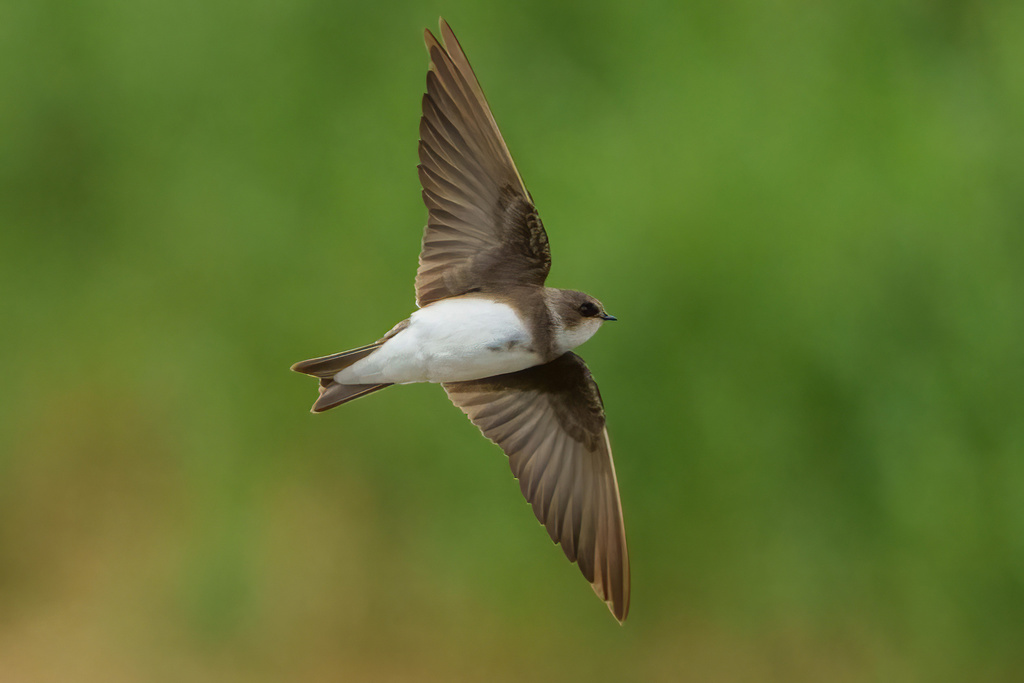
Bank Swallow

Garganey

Black Woodpecker
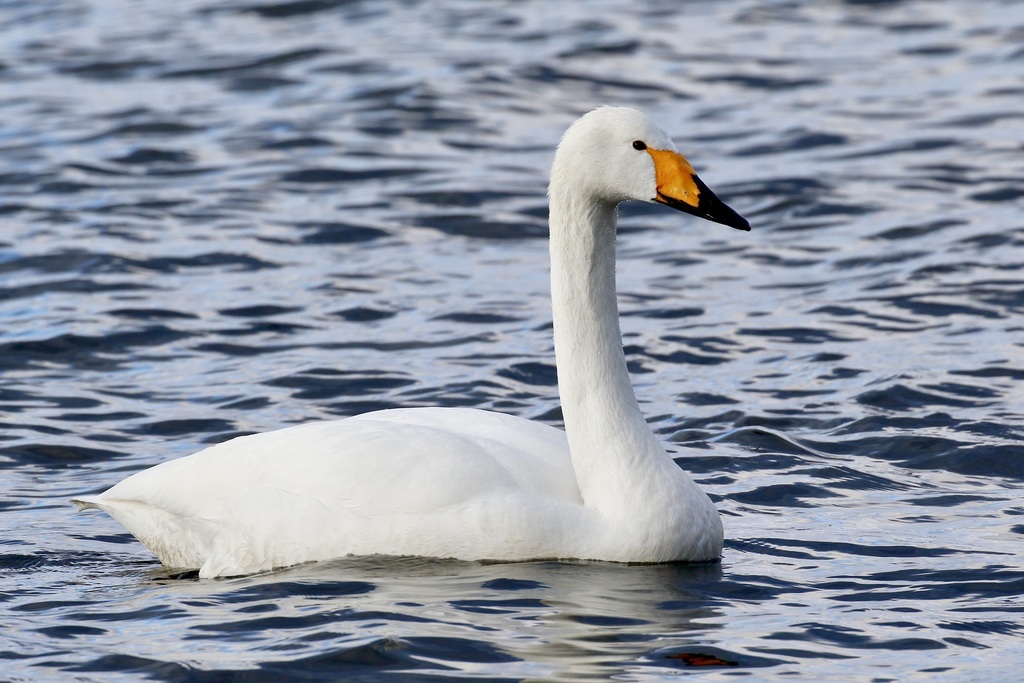
Whooper Swan

Marsh Frog
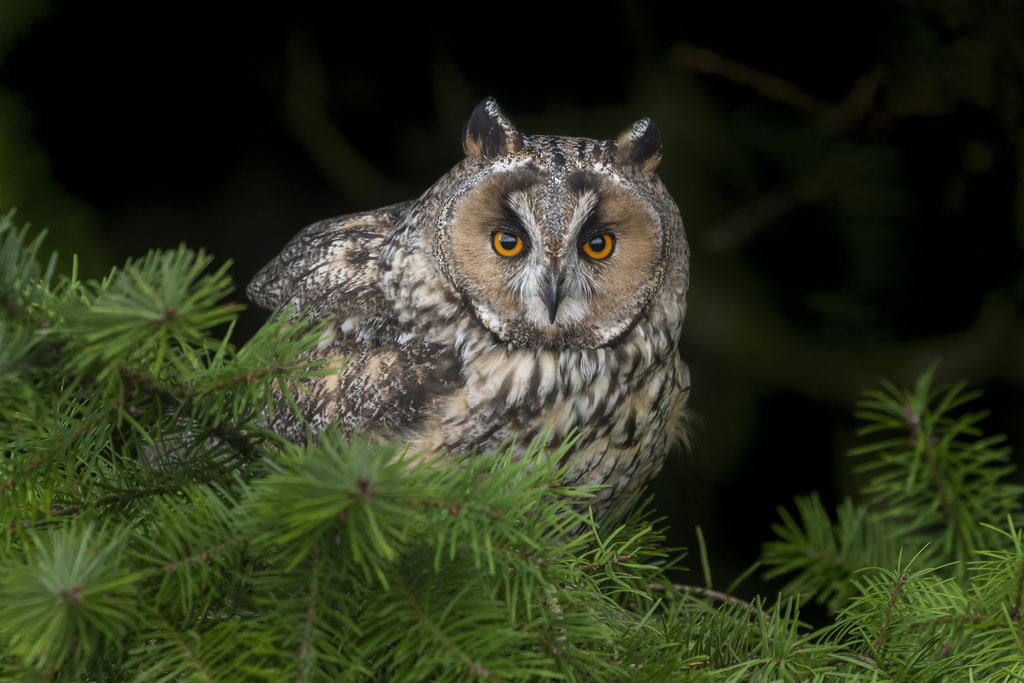
Long-eared Owl

Siberian Stonechat

Green Toad
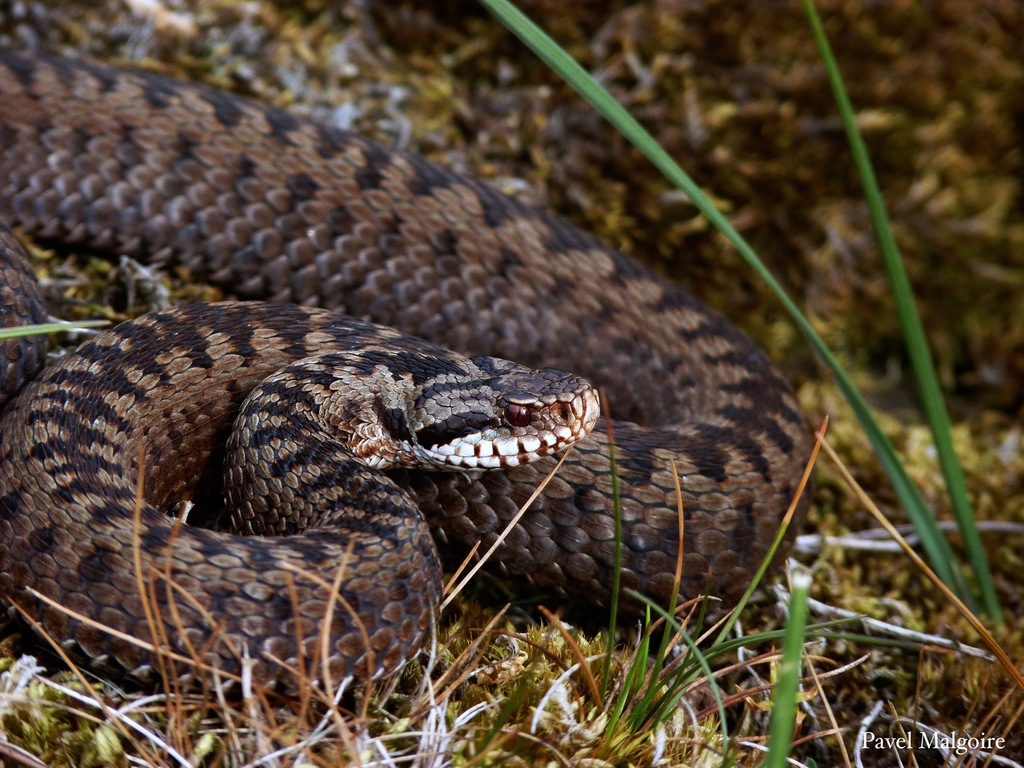
Adder
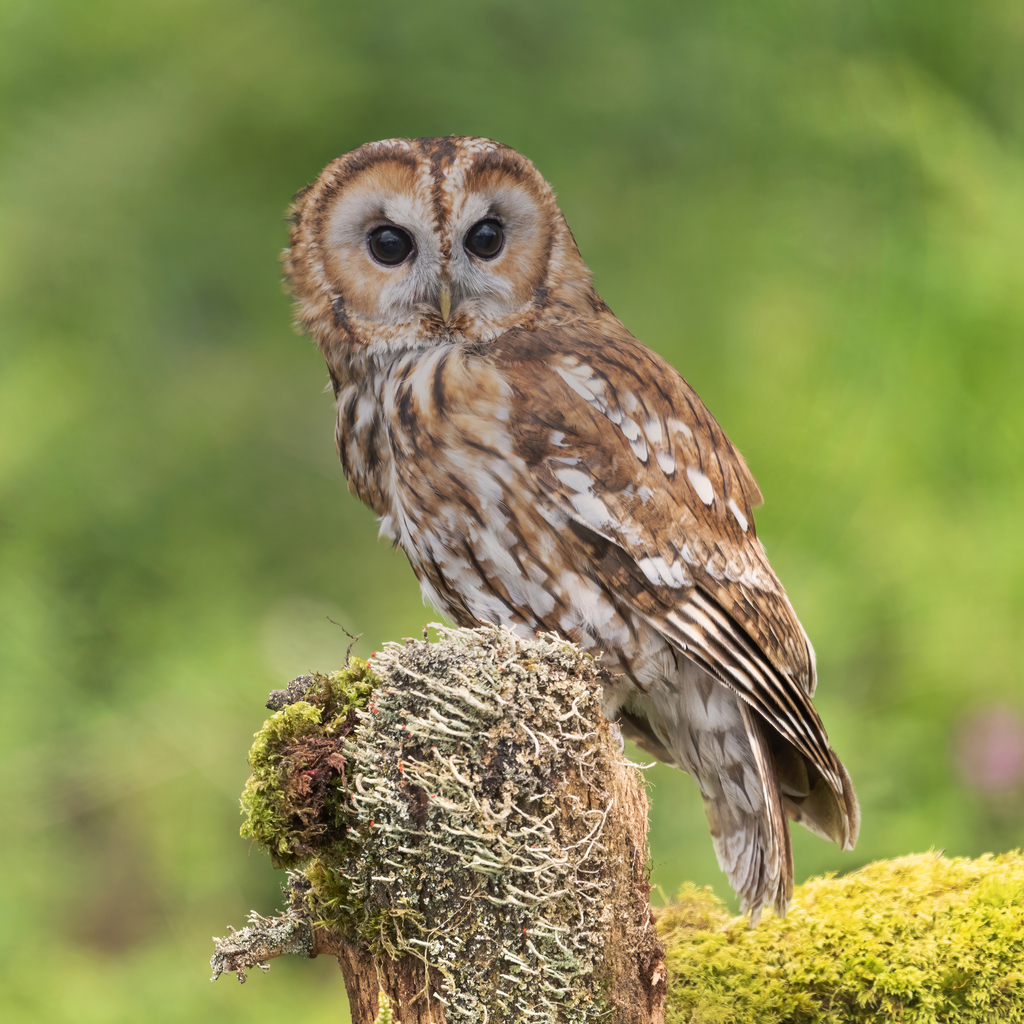
Tawny Owl

Great Grey Shrike

Hen Harrier

Grey-headed Woodpecker

Sedge Warbler

Lesser Spotted Woodpecker

White-backed Woodpecker
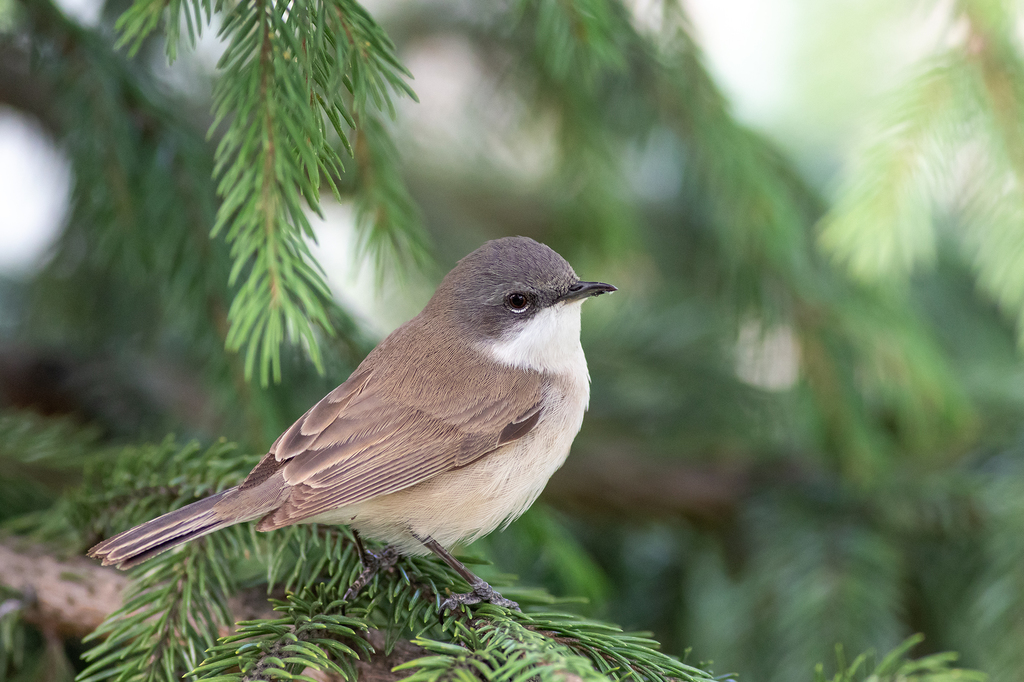
Lesser Whitethroat

Citrine Wagtail
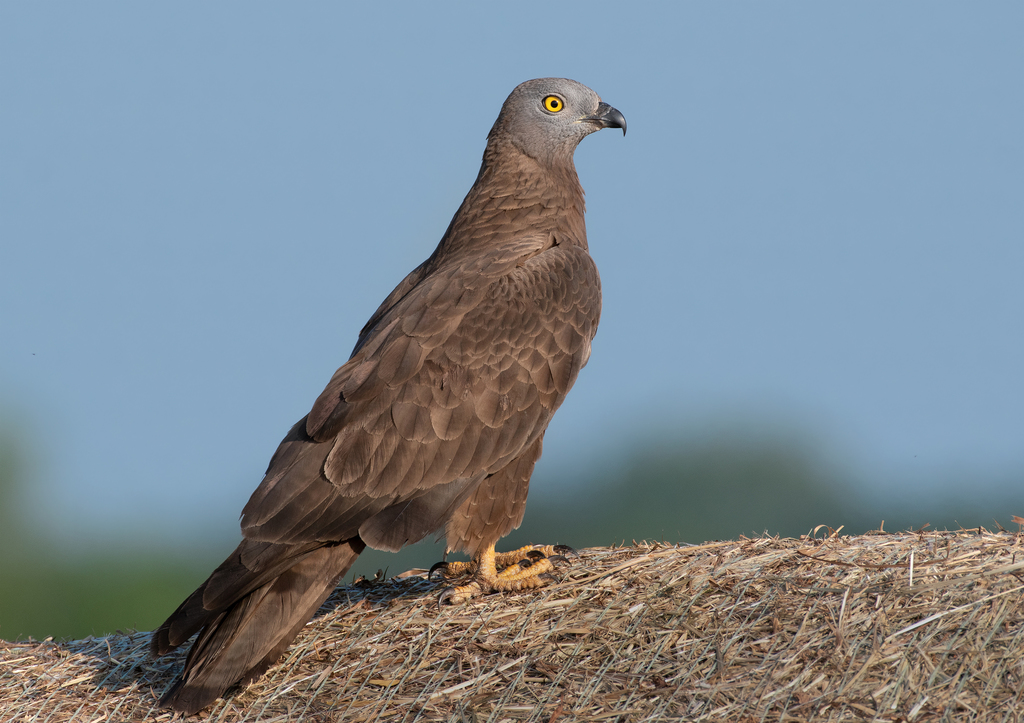
European Honey-buzzard

Crested Tit

Eurasian Hobby

Gray Partridge
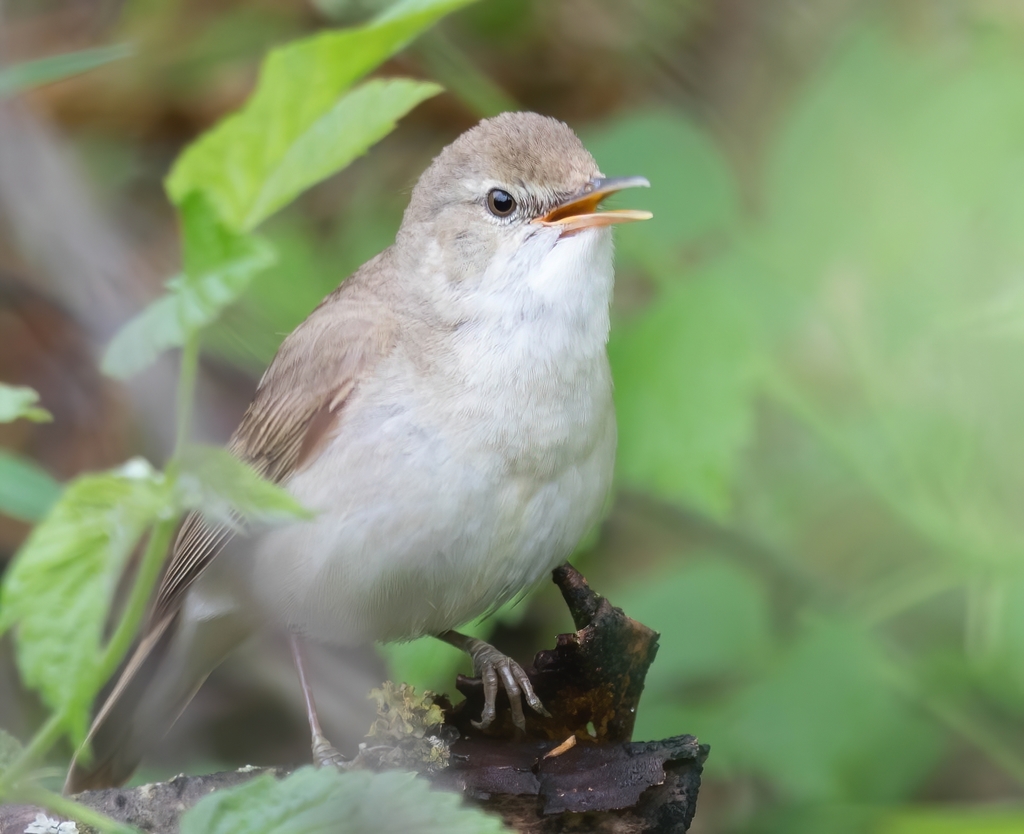
Blyth's Reed Warbler

Common Rosefinch

Middle Spotted Woodpecker

Stock Dove

Gos

Caspian Gull

Montagu's Harrier

Little Stint

Eurasian Golden Oriole

Long-tailed Rosefinch

Eurasian Wryneck

Black Stork

Thrush Nightingale

Moor Frog

European Roller

Northern White-breasted Hedgehog

Marsh Sandpiper

Water Pipit

European Pond Turtle
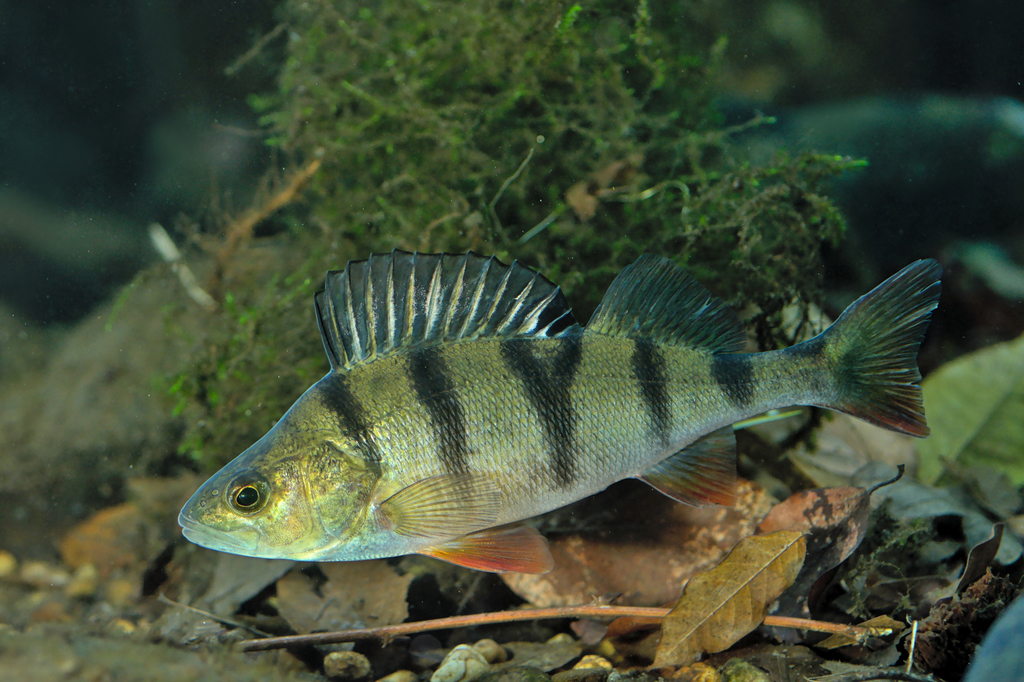
English Perch

Little Tern
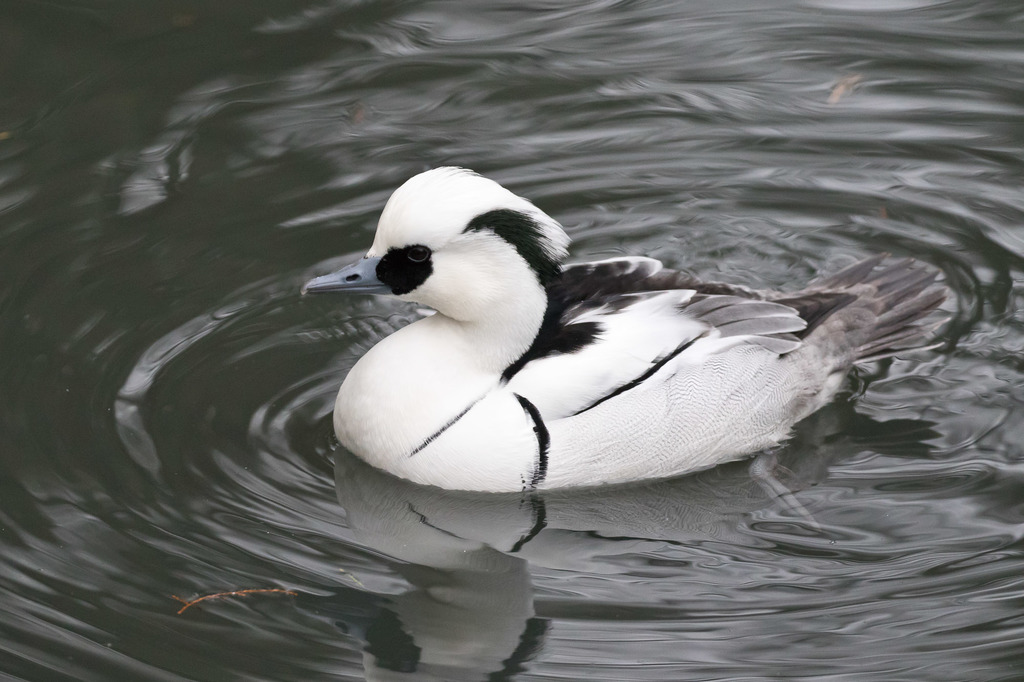
Smew

Spotted Redshank

European Penduline Tit

Great Reed-Warbler

European Golden Plover

Eurasian Nutcracker

Ural Owl
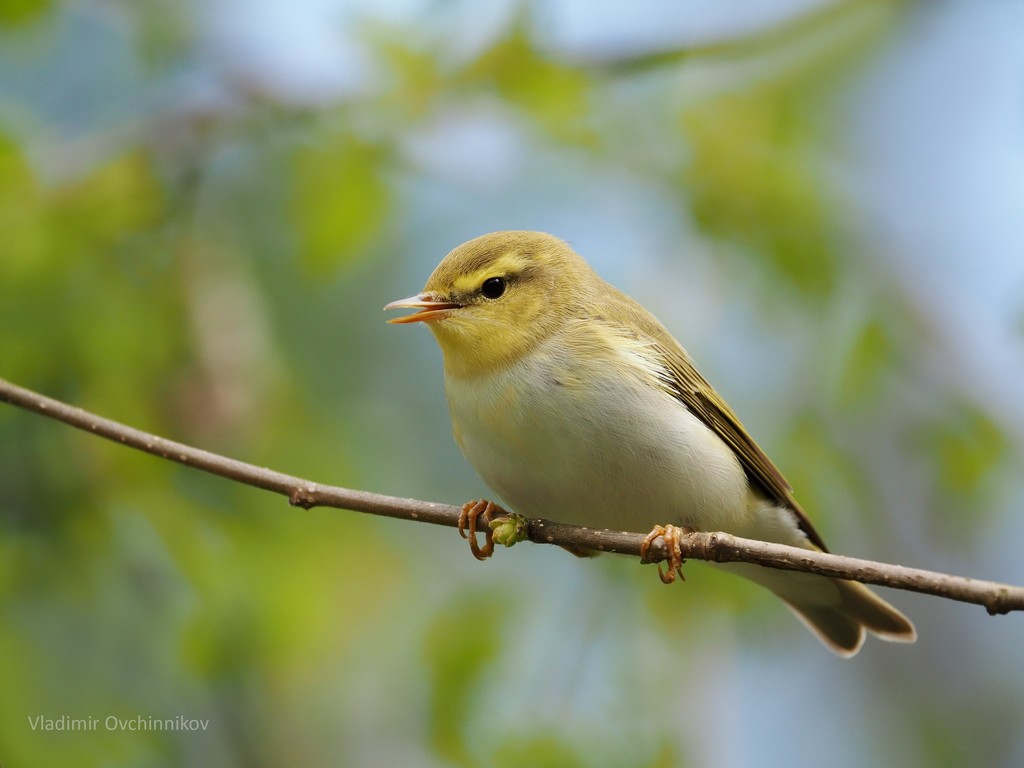
Wood Warbler

Garden Warbler
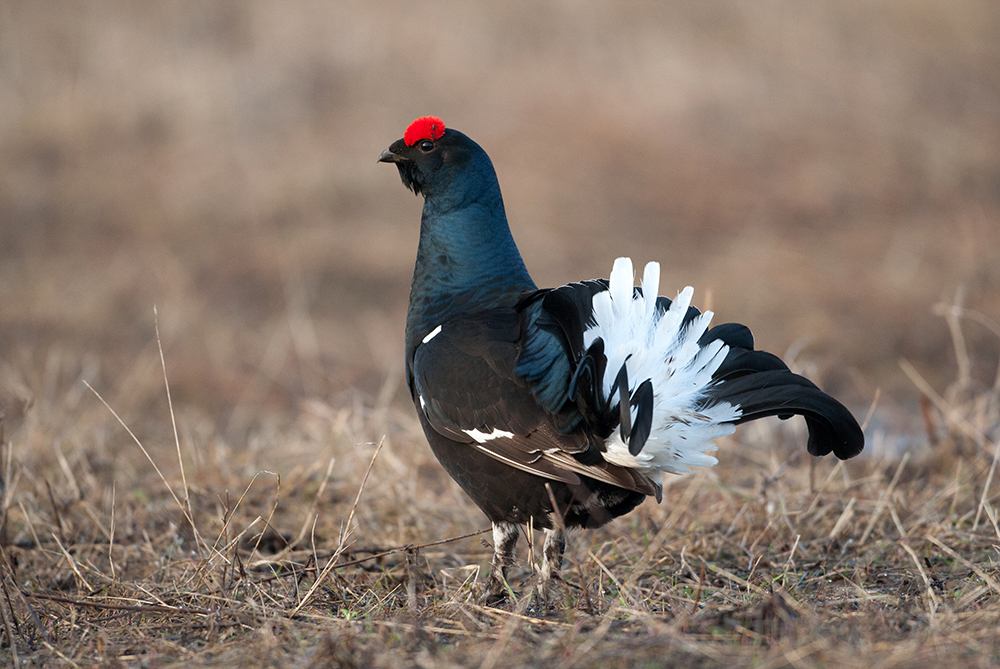
Eurasian Black Grouse

Syrian Woodpecker

Temminck's Stint

Little Gull

Water Rail

Booted Warbler

Long-legged Buzzard

Great Gray Owl

Arctic Loon

Eastern Slow-worm

Imperial Eagle

Little Bittern

Steppe Eagle

Terek Sandpiper

Ortolan Bunting

Eurasian Woodcock

Marsh Warbler
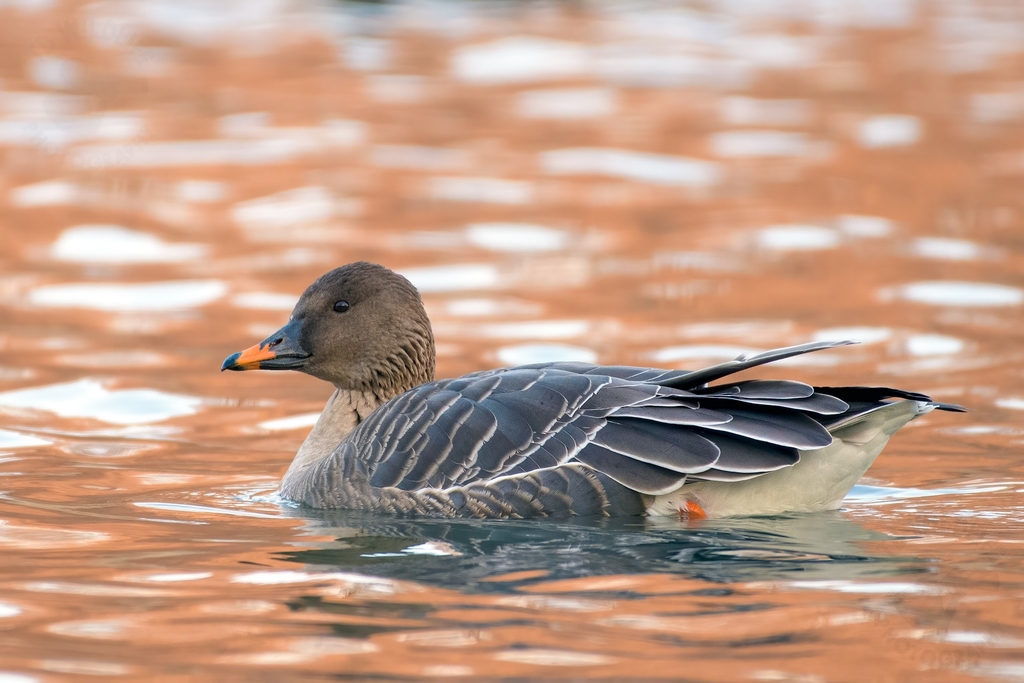
Tundra Bean Goose

Red-footed Falcon

Bearded Reedling

Siberian Chipmunk

Isabelline Wheatear

Eastern Roe Deer

Rudd

White-winged Tern

Azure Tit

Mountain Hare

Greater Spotted Eagle

Dalmatian Pelican

Hazel Grouse

Icterine Warbler

Pale Harrier

Tawny Pipit

Lesser Grey Shrike

Common Roach

Red-throated Pipit

Northern Hawk Owl

European Nightjar

Collared Flycatcher
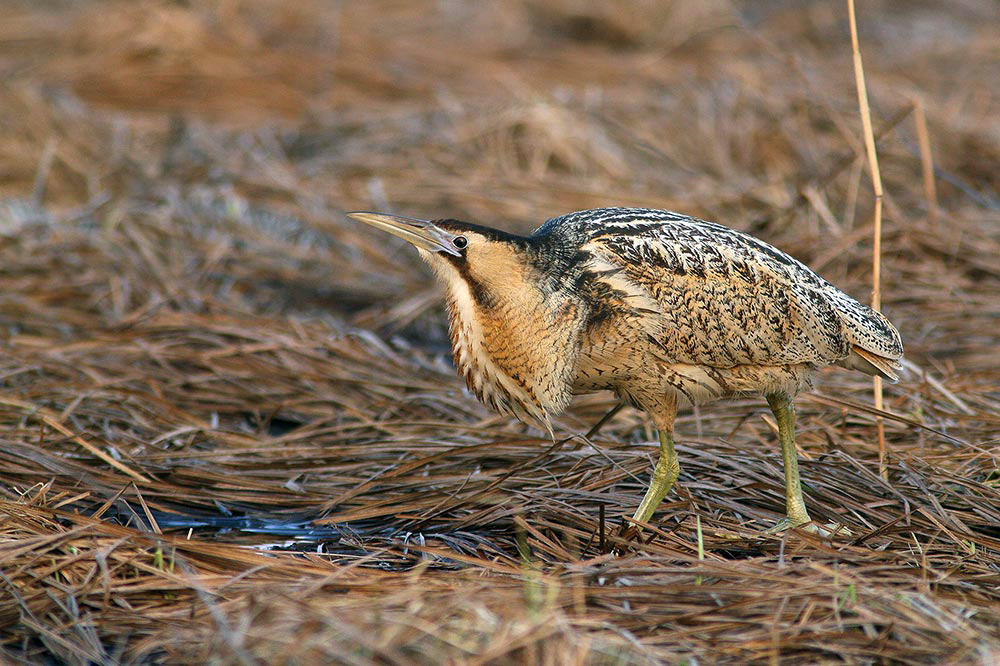
Eurasian Bittern

Striped Field Mouse

Rock Ptarmigan

Red-breasted Flycatcher

Pallas's Gull

Rustic Bunting

Taiga Bean Goose

Little Bunting

Corn Crake

Western Capercaillie

Black-throated Thrush

Least Weasel

Prussian Carp

Lesser Spotted Eagle

Pied Wheatear

Greenish Warbler

Demoiselle Crane

Pine Marten

Eurasian Three-toed Woodpecker

Blue-cheeked Bee-eater

Grasshopper Warbler

European Fire-Bellied Toad

Calandra Lark

Common Scoter

Eurasian Pygmy-Owl

Paddyfield Warbler

Slaty-backed Gull
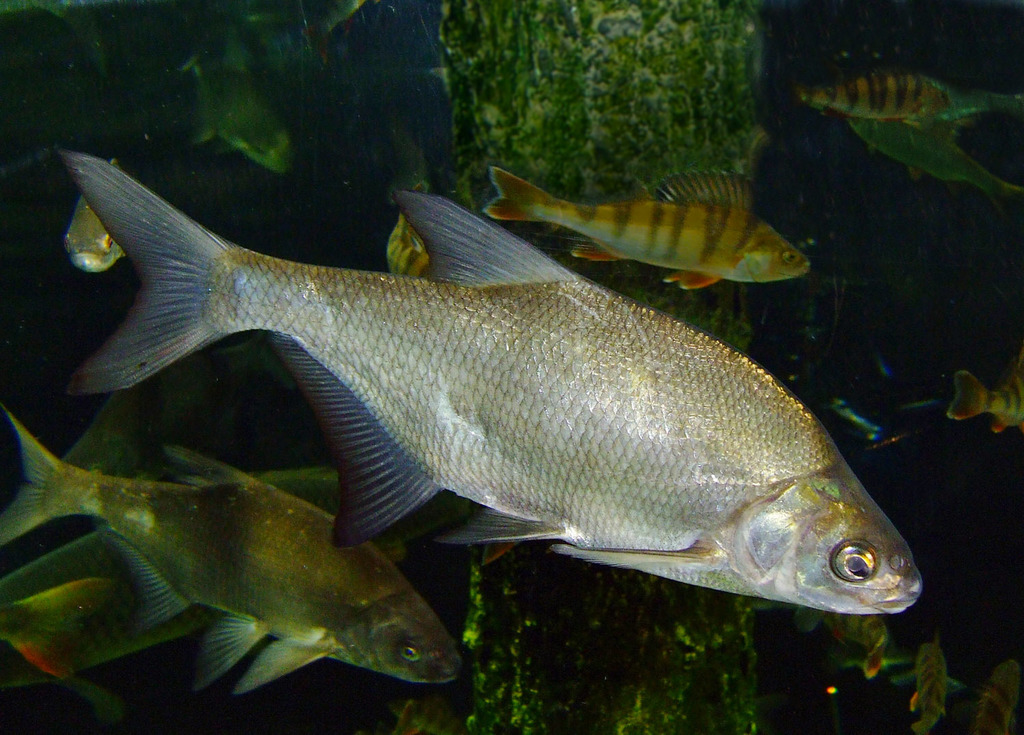
Common Bream

Pine Bunting
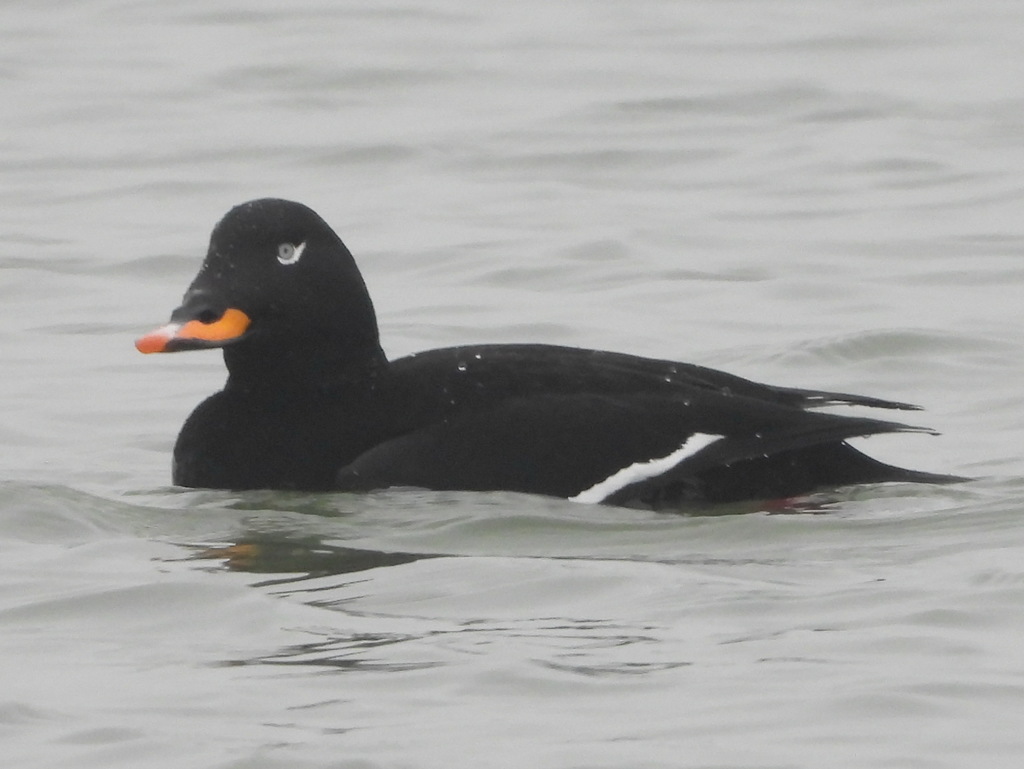
Velvet Scoter

Common Quail

Upland Buzzard

Bleak

Rufous-tailed Rock-Thrush

Black-headed Bunting

Savi's Warbler

Oriental Stork

Mainland Raccoon Dog

Siberian Rubythroat

Dusky Warbler

Bobak Marmot

Yellow-breasted Bunting

Eastern Marsh-Harrier

Steppe Rat Snake
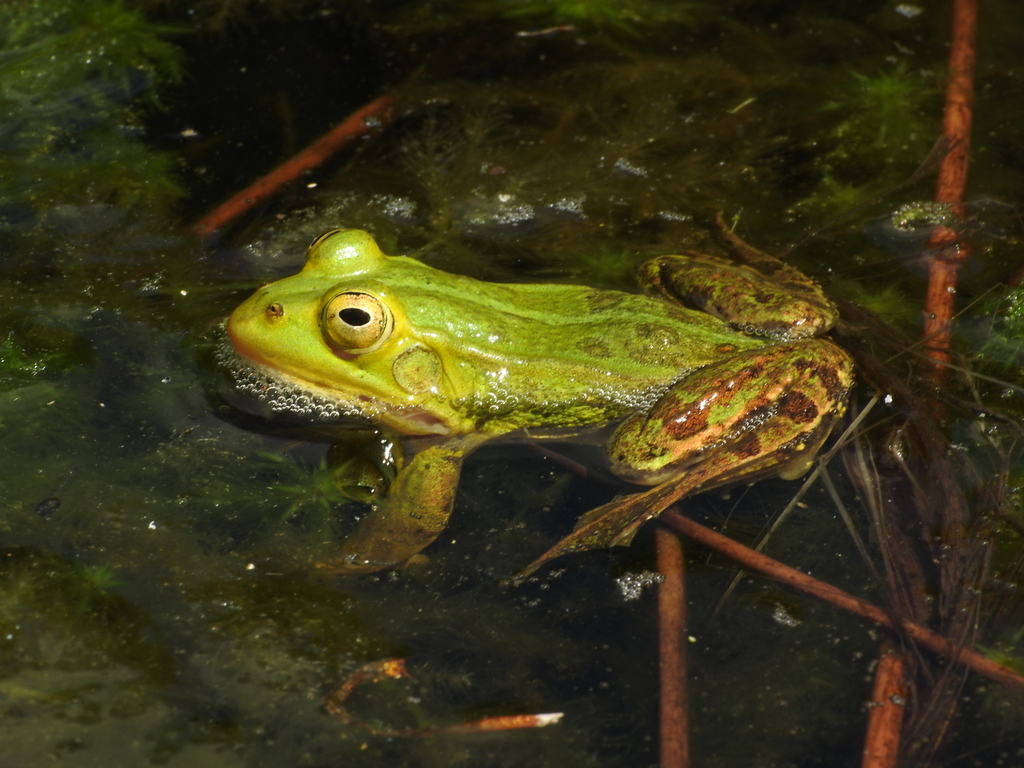
Pool Frog

Barred Warbler

Japanese Cormorant

Twite

Mongolian Gull

Pacific Swift

Eurasian River Warbler

Tench

Boreal Owl

Spotted Crake

Isabelline Shrike

European Bitterling

Caspian Whipsnake

Long-tailed Ground Squirrel
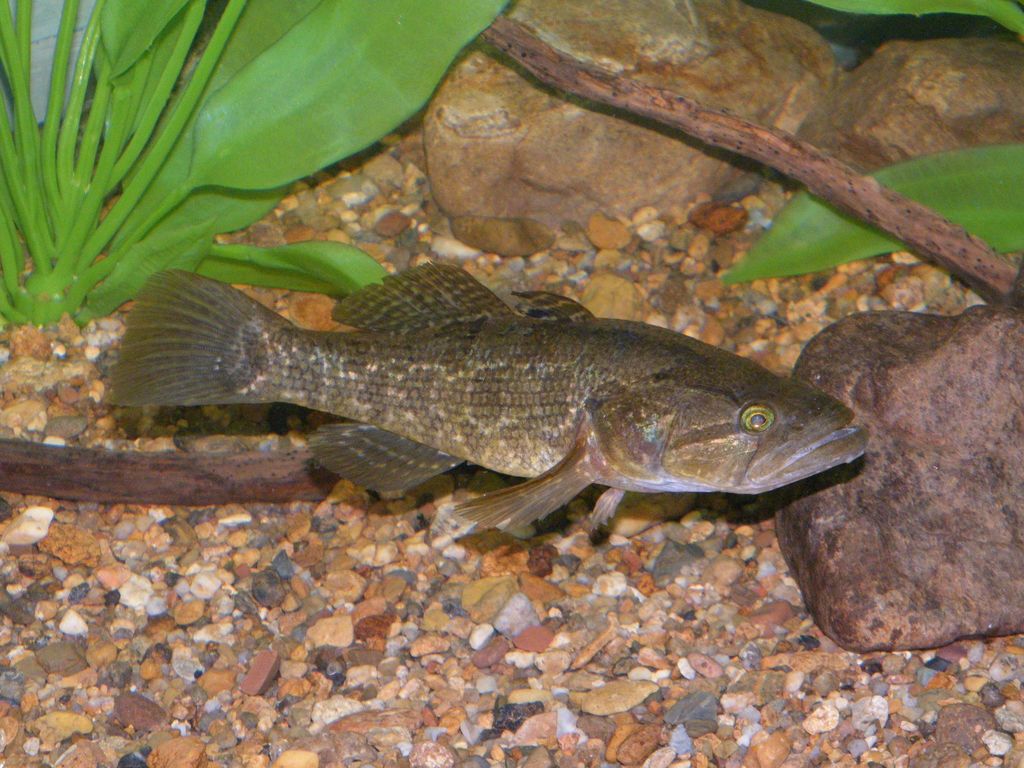
Chinese Sleeper

Taurus Frog

Zander

Ruffe

Silver Bream
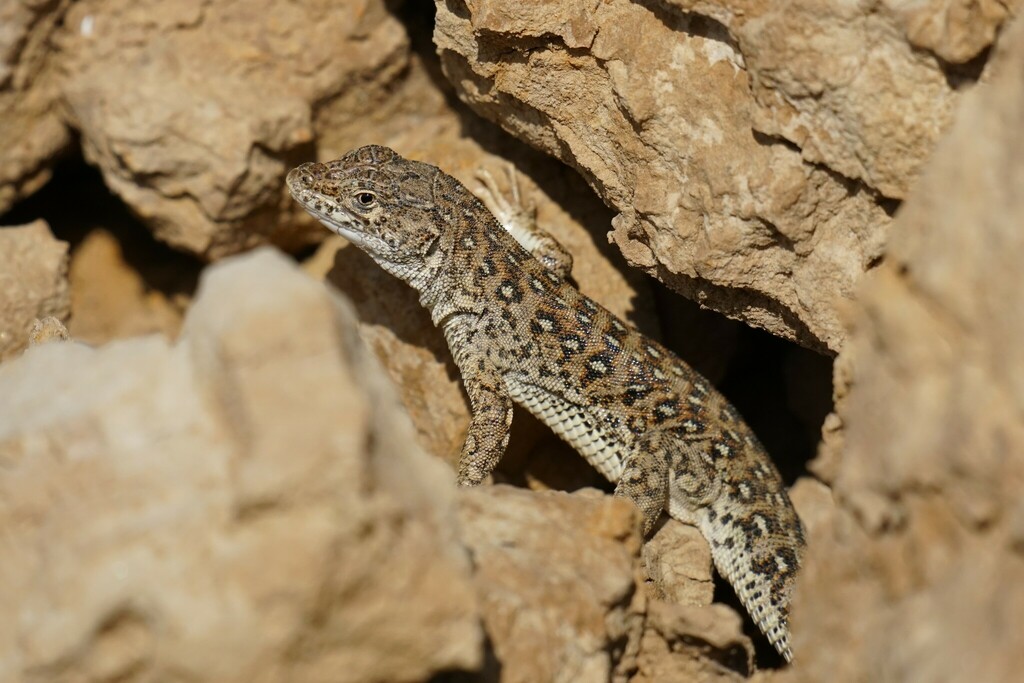
Steppe Runner
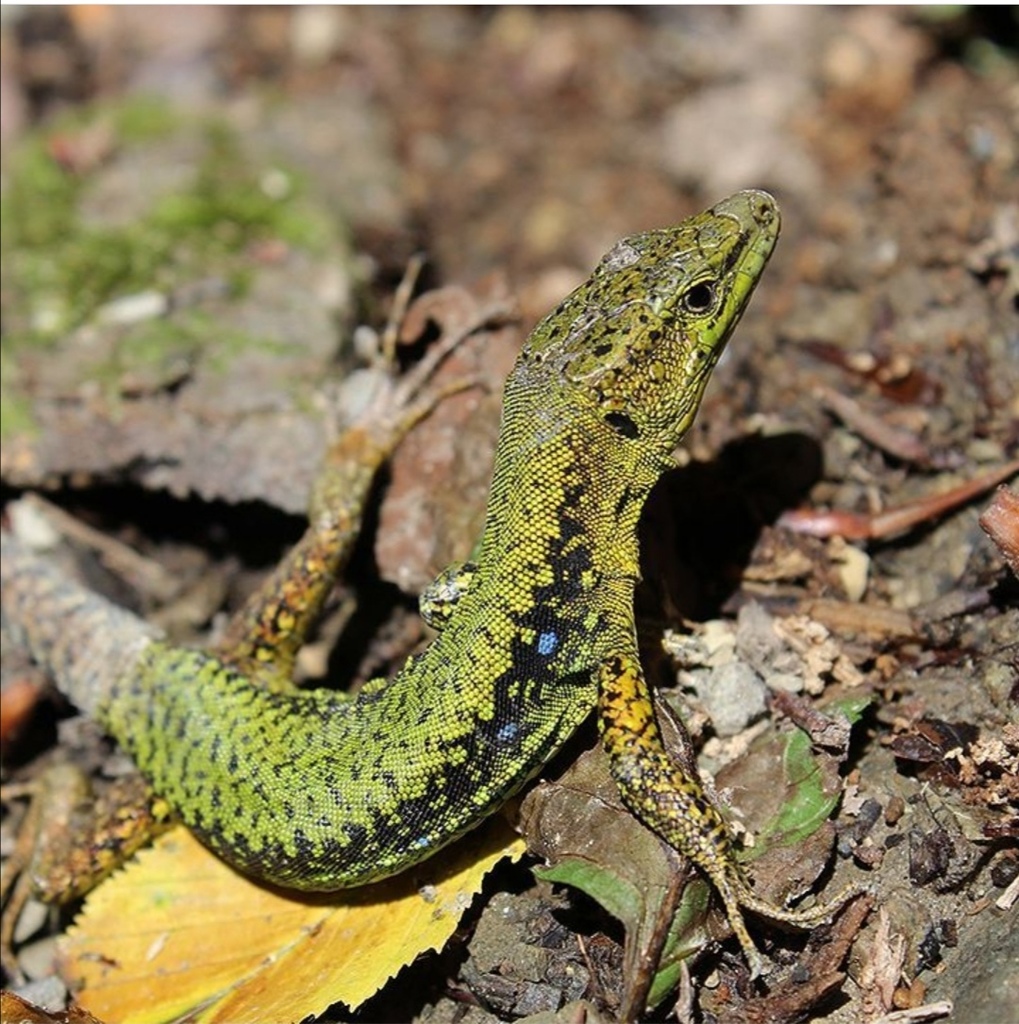
Brauner's Rock Lizard

Eurasian Harvest Mouse

Eurasian Lynx

Particolored bat

Bearded Seal
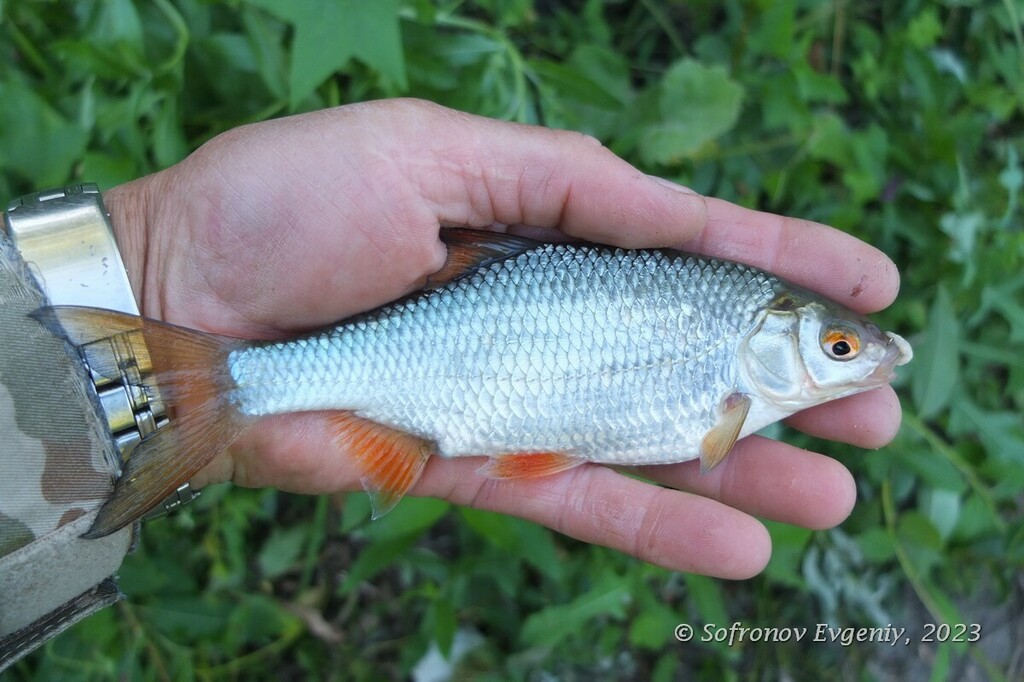
Aral Roach

Northern Bat

Asian Badger

Orfe

Long-eared Hedgehog

Gray Marmot

Ringed Seal

Spotted Seal
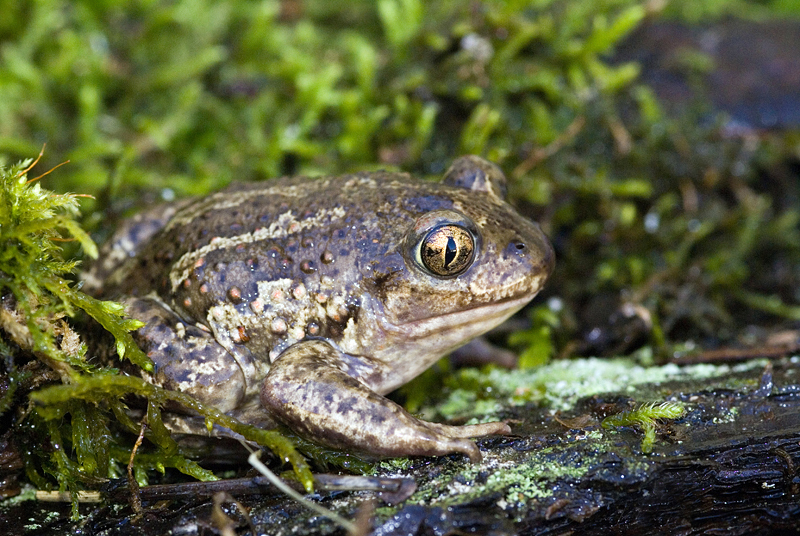
Pallas' Spadefoot Toad

Russet Ground Squirrel

Tolai Hare
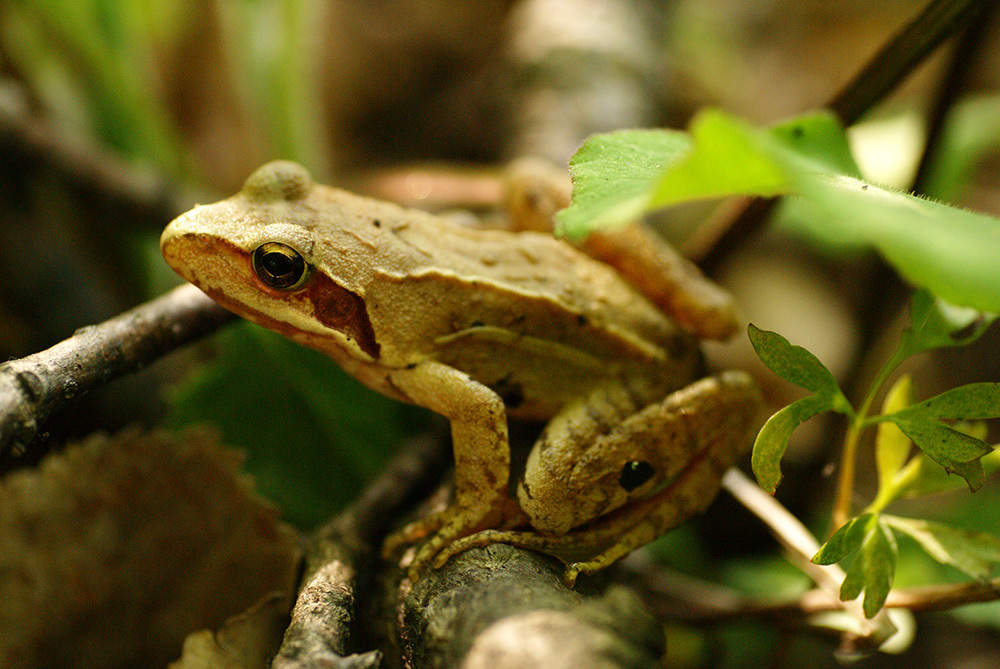
Dybowski's Frog

Saiga

Argali
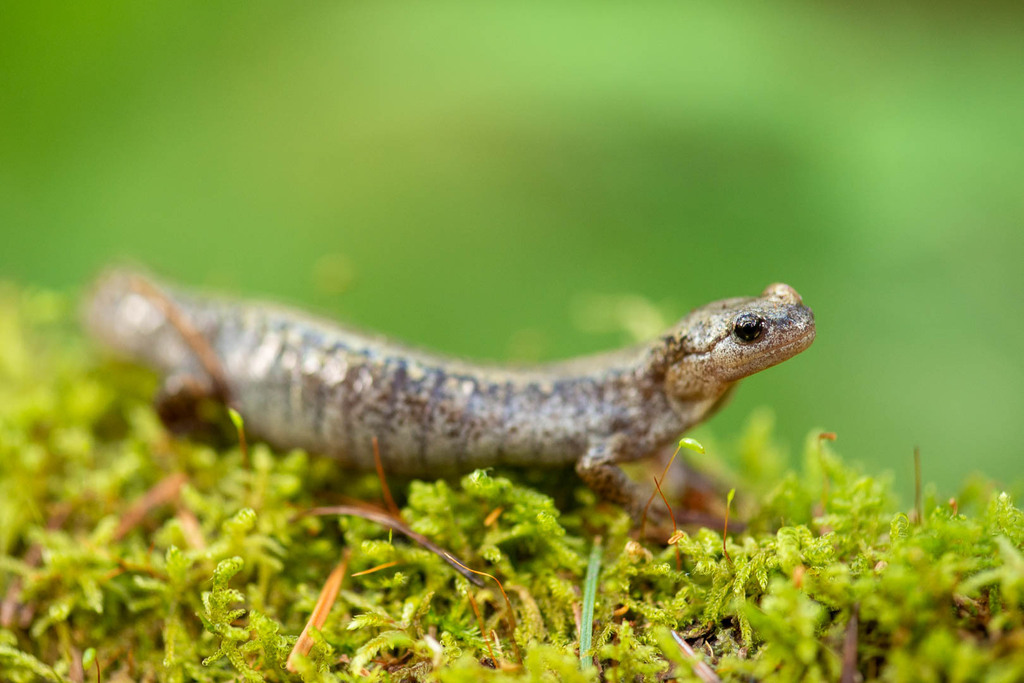
Siberian Newt
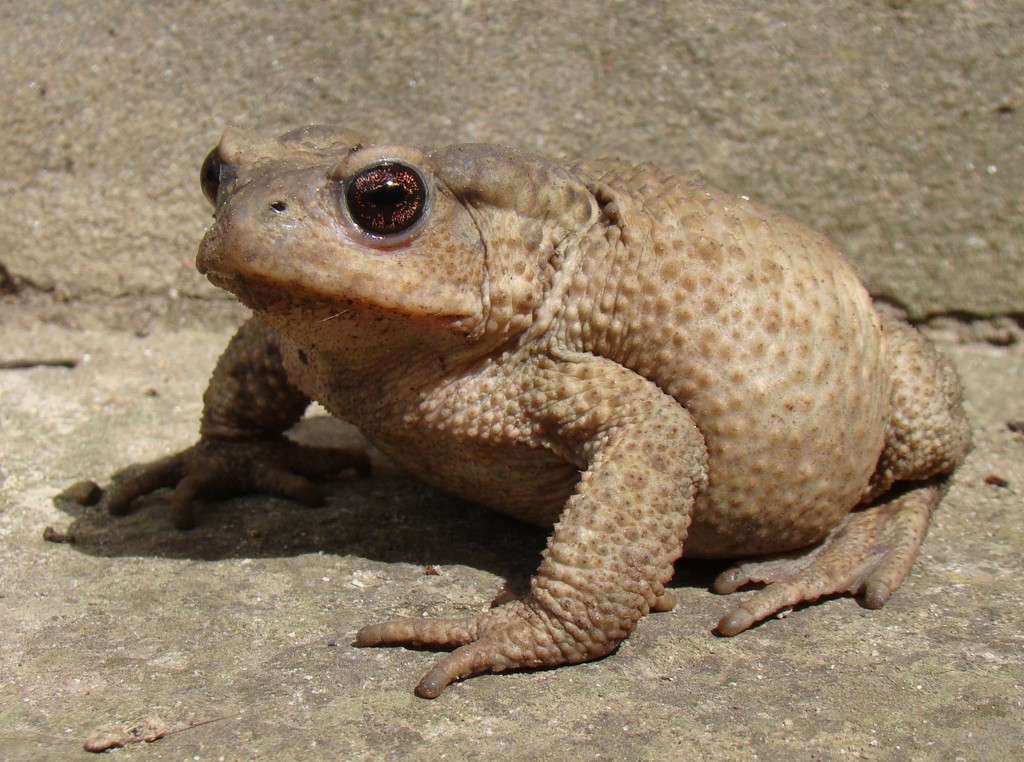
Caucasian Toad

Corsac Fox

Siberian Wood Frog
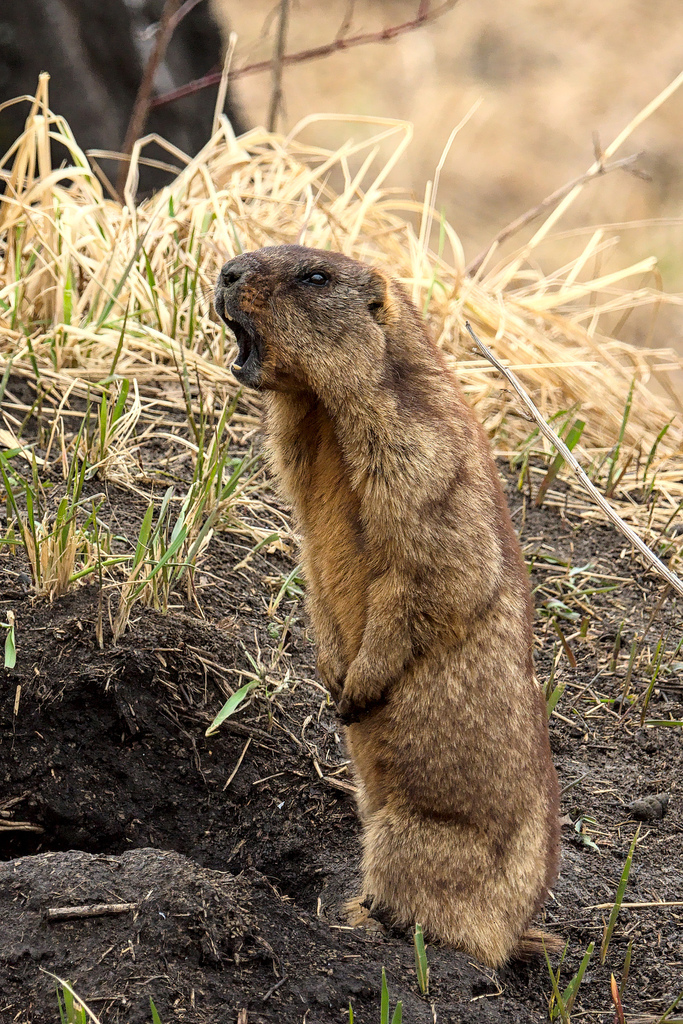
Forest Steppe Marmot

Yellow Ground Squirrel

Alpine Pika
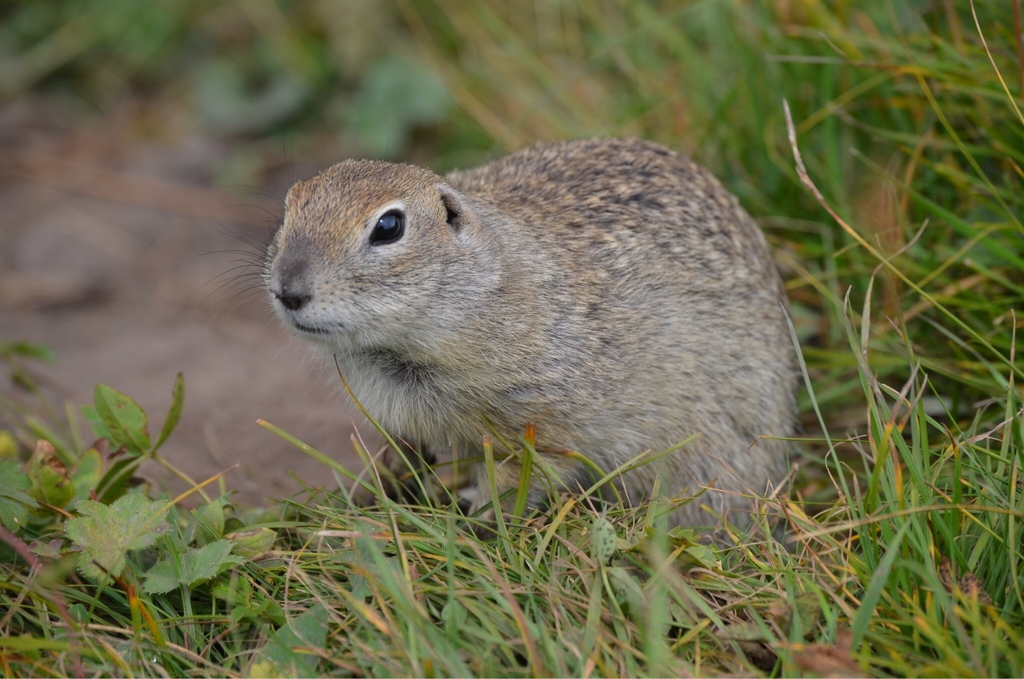
Caucasian Mountain Ground Squirrel

Greater Mole-rat

West Caucasian Tur
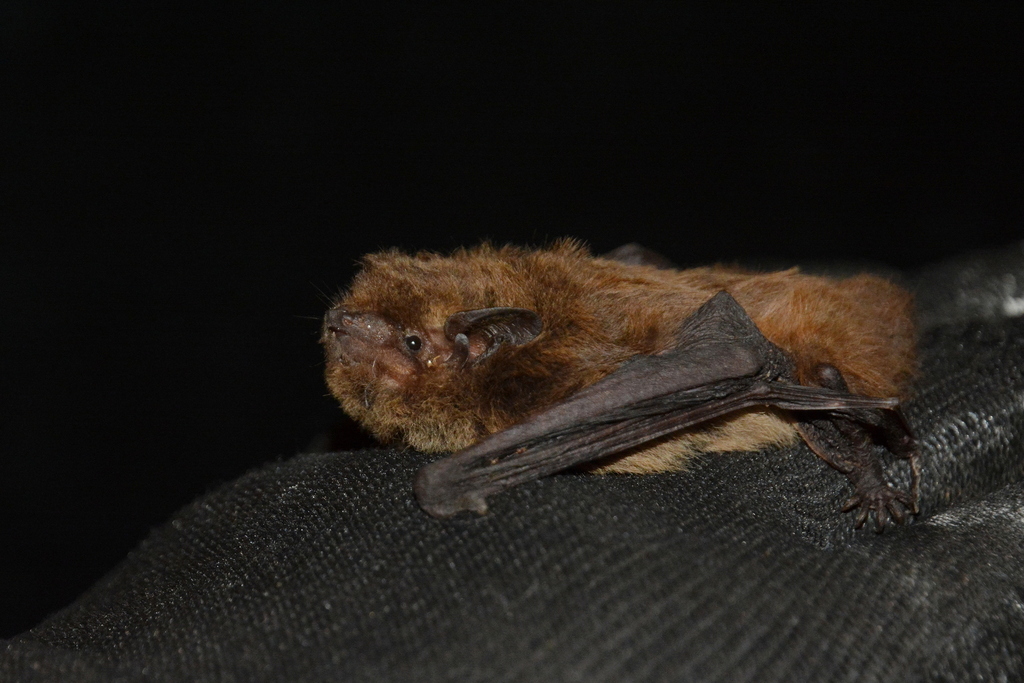
Nathusius's pipistrelle

Lesser mouse-eared bat

Herb Field Mouse

Sable

Northern Pika

Forest Dormouse

Grey Red-backed Vole
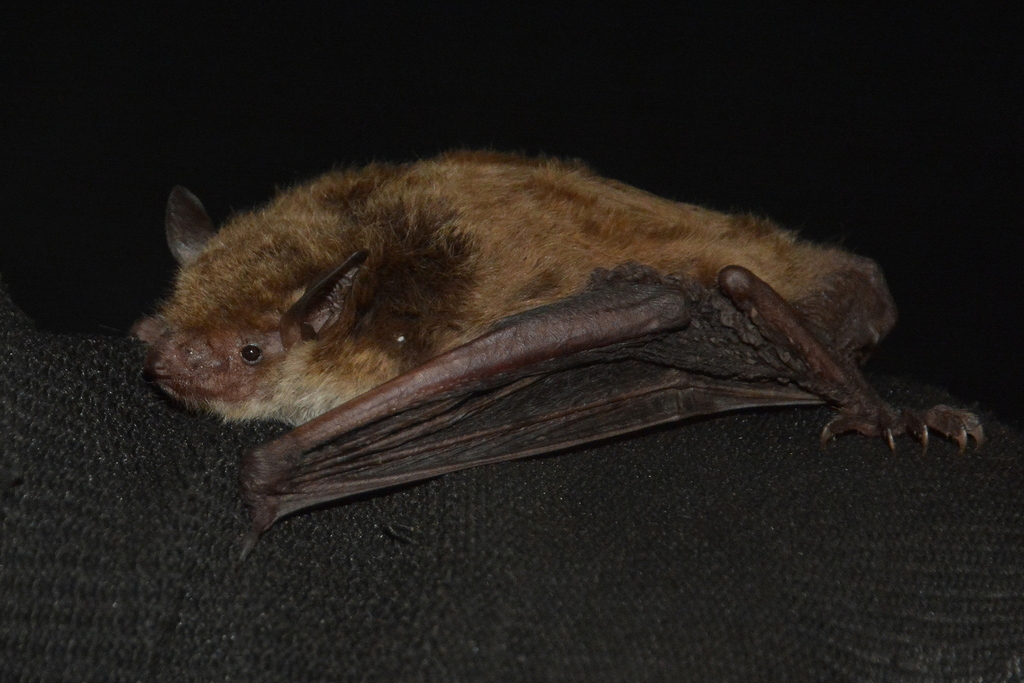
Pond bat
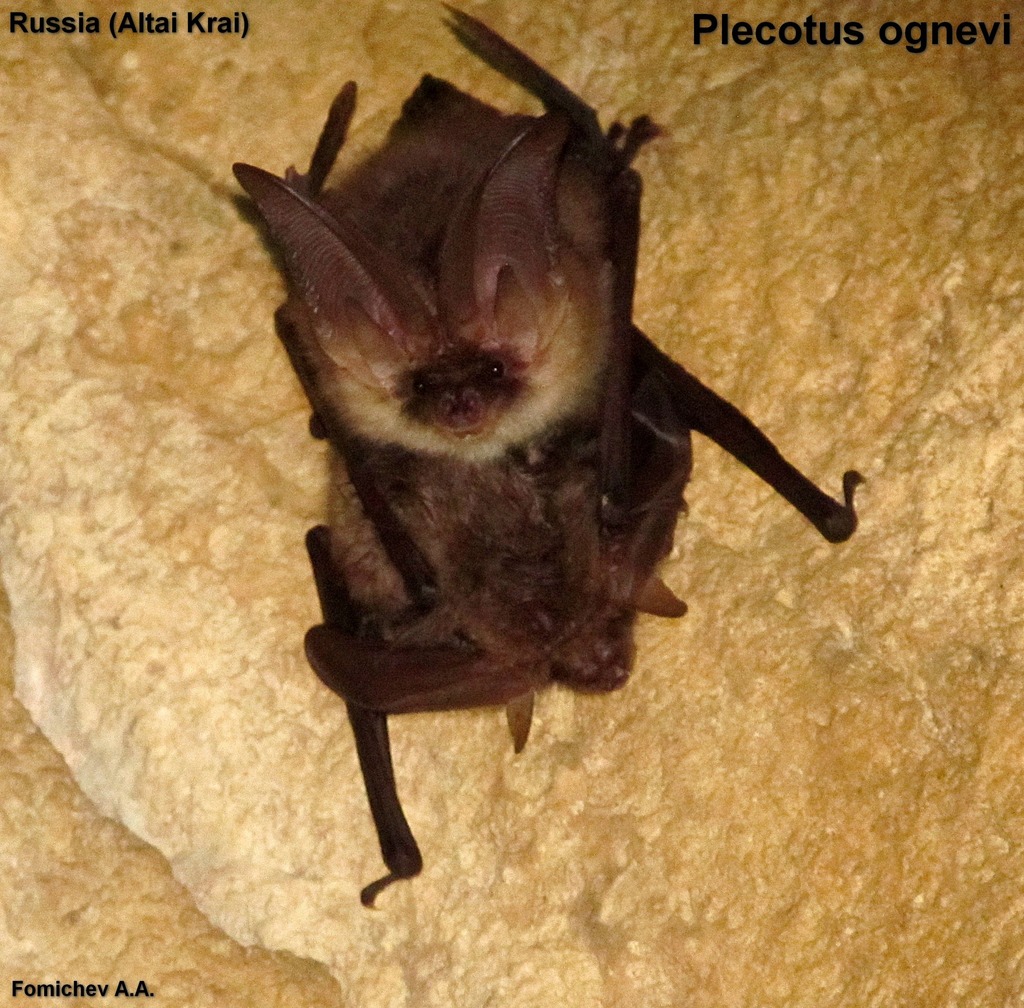
Ognev's Long-eared Bat
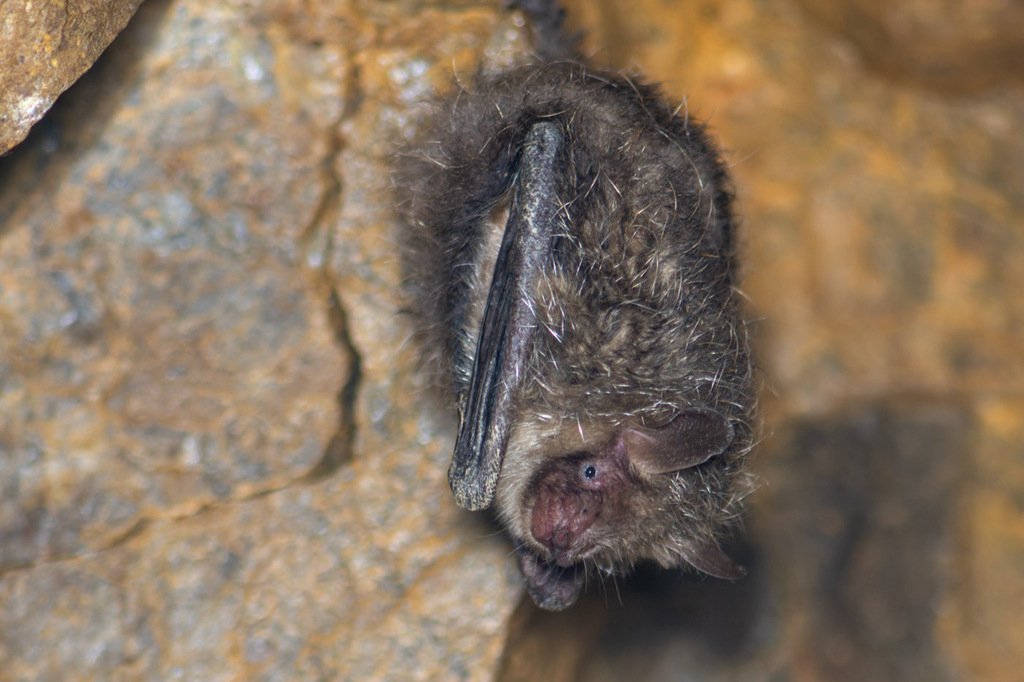
Greater Tube-nosed Bat
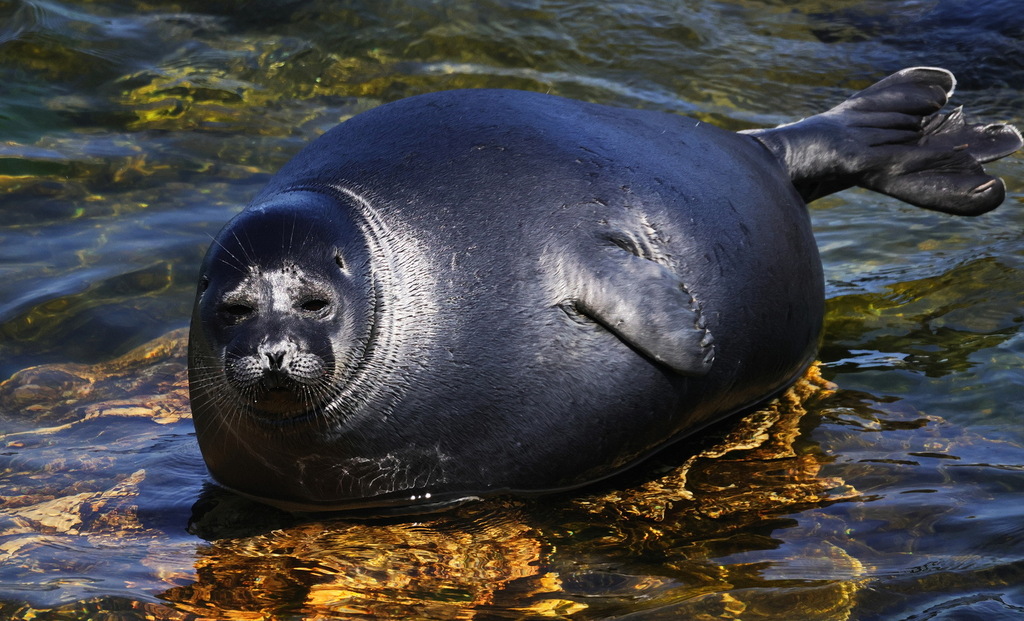
Baikal Seal

Daurian Pika

Caspian Seal

Red-cheeked Ground Squirrel
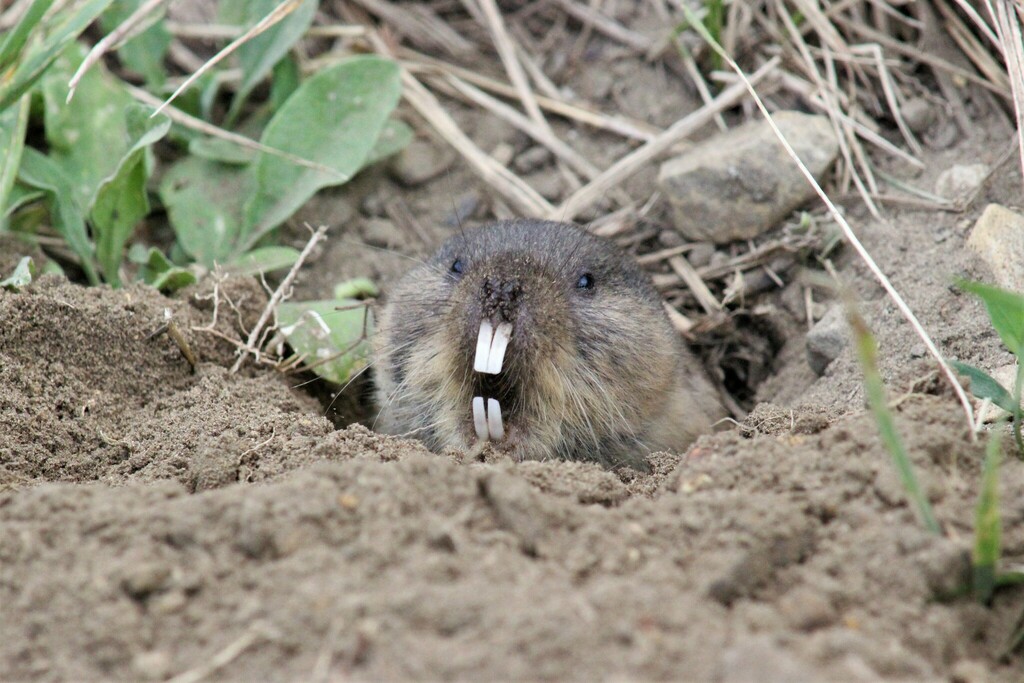
Northern Mole-vole

Northern Birch Mouse

Steppe Polecat

Black-capped Marmot
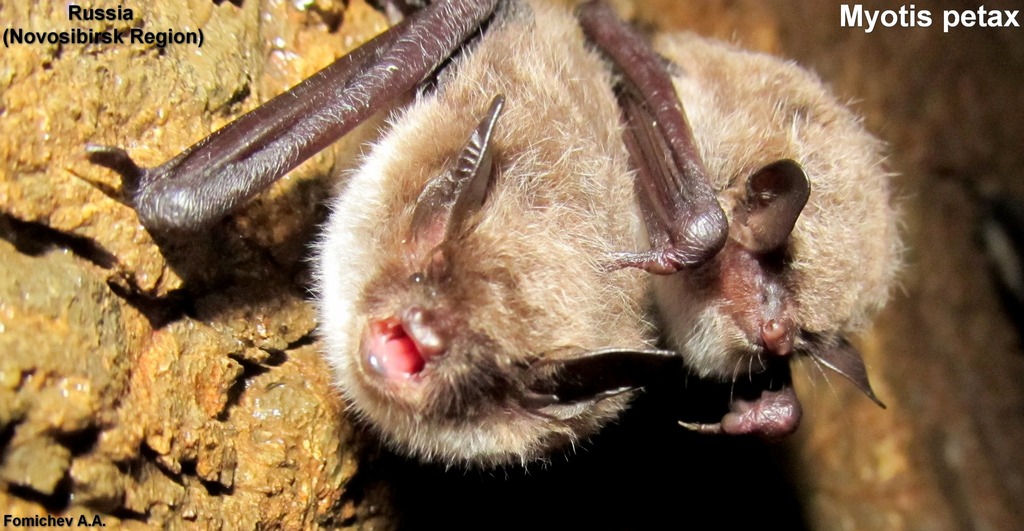
Eastern water bat

Siberian Musk Deer

Brandt's bat
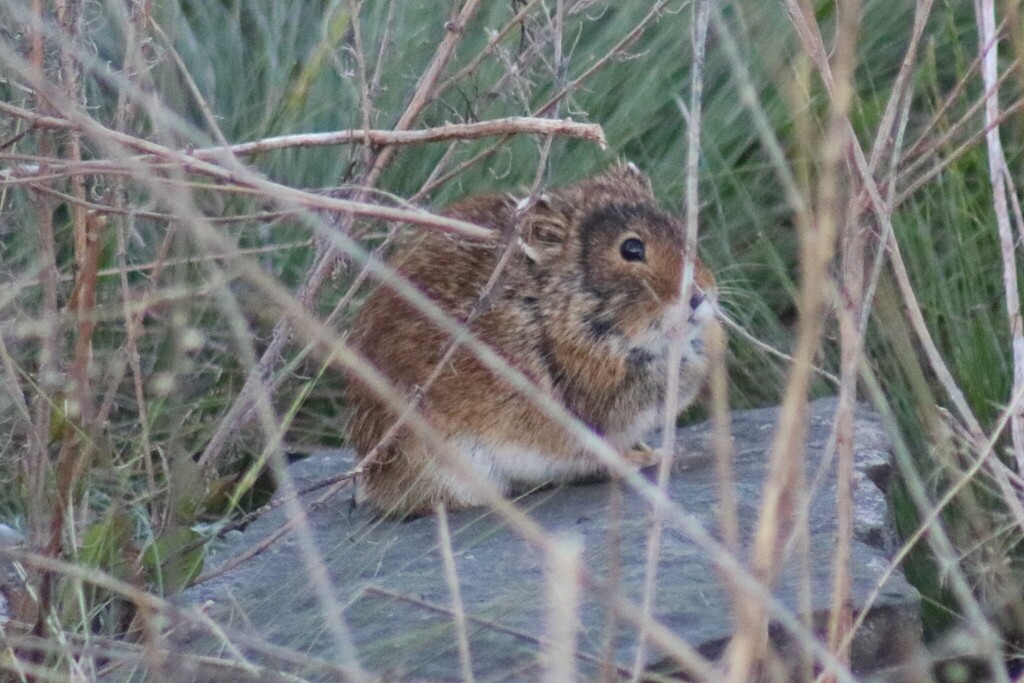
Steppe Pika
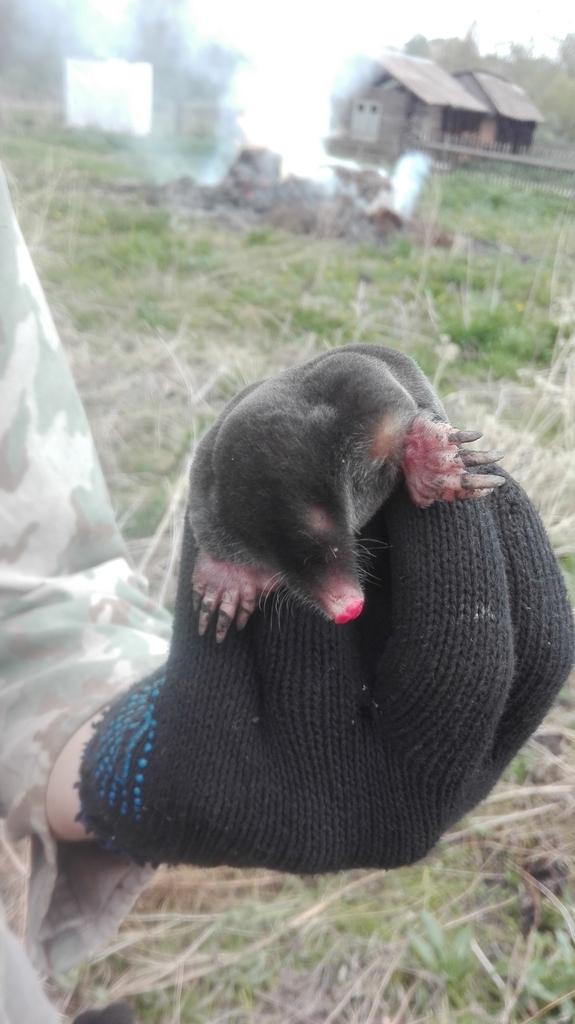
Altai Mole
Wild animals in Russia: 17 questions answered
Answered from this page’s 289-species slice of the guide. Counts describe the guide, not a national checklist.
What wild animals live in Russia?
This field guide lists 289 wild animals whose research-grade iNaturalist sightings are concentrated in Russia: 199 birds, 56 mammals, 14 ray-finned fish, 11 amphibians and 1 other group. The most frequently recorded are Rock Pigeon, Great Tit and Grey Heron. Every species below has its own page with a photo, its scientific name, its conservation status and where it is most observed.
How many wild animal species are listed for Russia?
289 — the species in the Tracks field guide for which Russia holds the most verified sightings. This is not a complete national checklist: a species recorded even more often in a neighbouring country appears on that country's page instead, and the Tracks app itself catalogues 40,286 species worldwide. Between them these 289 species account for 5,268,697 research-grade observations.
What is the most commonly seen wild animal in Russia?
Rock Pigeon (Columba livia), with 307,204 research-grade observations on iNaturalist — more than any other species on this page. Next most recorded are Great Tit and Grey Heron. "Most recorded" means most often photographed and verified by people, which is a good proxy for what a visitor is likely to actually see.
What is the rarest animal in Russia?
On the Tracks rarity scale the rarest species on this page is Caspian Seal (Epic tier), with 82 recorded sightings. Tracks rarity is based on how often a species is actually encountered rather than on its conservation status, so a rare card is a hard animal to find, not necessarily a threatened one.
What wild mammals live in Russia?
This guide lists 56 mammals for Russia, most-recorded first: Eurasian Red Squirrel, Eurasian Beaver, Northern White-breasted Hedgehog, Siberian Chipmunk, Eastern Roe Deer and Mountain Hare, plus 50 more on this page.
What birds can you see in Russia?
199 bird species are listed for Russia. The most frequently recorded are Rock Pigeon, Great Tit, Grey Heron, Chaffinch, White Wagtail and Eurasian Magpie, plus 193 more on this page.
Are there reptiles and amphibians in Russia?
Yes — 9 reptiles and 11 amphibians are listed for Russia. They include Viviparous Lizard, Grass snake, Adder, European Pond Turtle, Eastern Slow-worm and Steppe Rat Snake, plus 14 more on this page. Reptiles and amphibians are under-recorded almost everywhere relative to birds and mammals, so treat these counts as a floor.
Are there dangerous wild animals in Russia?
2 of the species on this page belong to the groups behind most wildlife injuries — large carnivores, crocodilians, sharks, venomous snakes and big herbivores. They are Adder and Eurasian Lynx. Nearly all of them avoid people given the chance. The practical rules are the same everywhere: never approach, corner or feed a wild animal, keep dogs leashed, store food securely, and give any animal with young a wide berth.
Are there venomous snakes in Russia?
Yes. 1 of the snakes listed for Russia belong to venomous groups: Adder. Snake bites are overwhelmingly a result of handling or trying to kill the animal. Treat every snake you can't identify as venomous, back away, and let it leave.
What marine and coastal animals live around Russia?
5 marine or coastal species are listed for Russia, including Bearded Seal, Ringed Seal, Spotted Seal, Baikal Seal and Caspian Seal.
Which animals in Russia are endangered?
11 of the species on this page are IUCN-listed as Vulnerable or worse: Yellow-breasted Bunting (Critically Endangered), Steppe Eagle (Endangered), Oriental Stork (Endangered), West Caucasian Tur (Endangered), Caspian Seal (Endangered) and Common Pochard (Vulnerable), plus 5 more. Conservation status is shown on every species page.
What insects and spiders live in Russia?
No insects or arachnids appear on this page — the guide's Russia list is mostly birds and mammals. A species is shown on the page of whichever country records it most, so any insects or arachnids recorded in Russia either sit on another country's page or fall outside the guide's 289-species slice.
When is the best time to see wild animals in Russia?
Dawn and the hour before dusk, almost everywhere and for almost every species: most mammals are crepuscular, and birds are loudest and most active in the first hours of daylight. Weather matters as much as season — overcast, still mornings after rain are productive, and hot midday hours are the worst time to be out looking. Each species page links to its iNaturalist record, where the observation dates show when people in Russia actually recorded it.
Where can you see wild animals in Russia?
National parks, nature reserves and protected wetlands concentrate both animals and the people recording them, but the edges are often better than the core: hedgerows, riverbanks, coastal paths, and the scrubby margins between habitats. Cities count too — a large share of the sightings behind this page were logged in parks, gardens and suburbs. Because every species here is backed by iNaturalist records, its species page links straight to the map of where it has actually been observed.
How do I identify a wild animal I saw in Russia?
Photograph it if you safely can, and note the size, habitat and behaviour. The Tracks app scans the area you're standing in and shows the animals people have actually recorded there, which narrows an identification far faster than searching a national list. If the animal you saw isn't in Tracks yet, add it on iNaturalist: its community will help you put a name to it, and because Tracks is built from iNaturalist's research-grade observations, a sighting verified there feeds back into the data behind pages like this one.
Can I feed wild animals in Russia?
No — and in many places it is also illegal. Feeding is the fastest way to ruin a wild animal. It teaches them to associate people with food, so they lose their wariness and start working car parks, campsites and picnic tables; a habituated animal that begins grabbing food gets labelled a nuisance and is usually destroyed or hit by a road vehicle. Human food is the wrong food too: bread and processed snacks cause malnutrition and wing deformities in birds and gut damage in mammals. And artificial feeding concentrates animals at densities they would never reach naturally, which is how disease spreads through a local population. If you want wildlife closer to you in Russia, do it by habitat — native planting, a clean water dish, leaving dead wood and leaf litter alone — which supports animals without teaching them to approach people.
Is it safe to approach wild animals in Russia?
No. Keep your distance from every wild animal, however calm it looks — a good rule of thumb is that if the animal changes its behaviour because of you, you are already too close. Don't handle snakes or reptiles, keep dogs leashed near wildlife, and if you find an animal that is injured or appears orphaned, contact a local wildlife rescue or the relevant authority rather than picking it up.