Wild Animals in Italy
47 species are recorded more often in Italy than anywhere else — from the much-photographed Yellow-legged Gull to the seldom-seen Italian Cave Salamander. Every one is backed by research-grade iNaturalist sightings.
- 18 mammals
- 11 birds
- 11 amphibians
- 5 reptiles
- 2 ray-finned fish
All 47 species recorded in Italy
Ordered by how often people have recorded them. Tap any animal for its full field-guide entry.
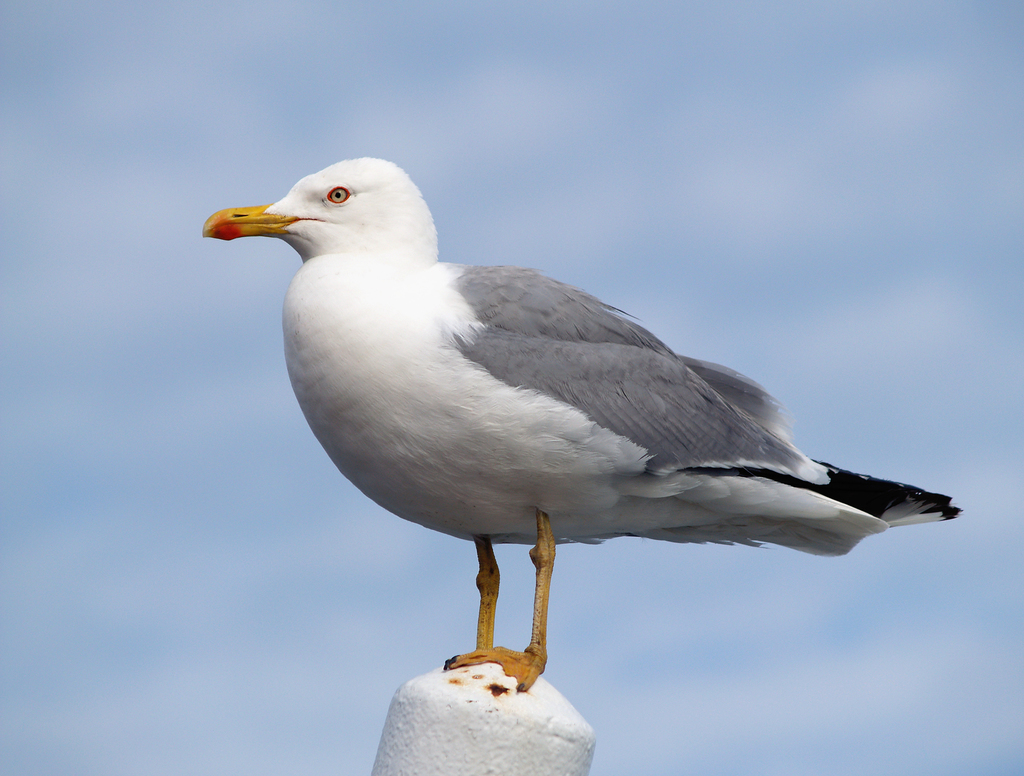
Yellow-legged Gull

Fire Salamander

Italian Wall Lizard

Agile Frog

Northern Chamois
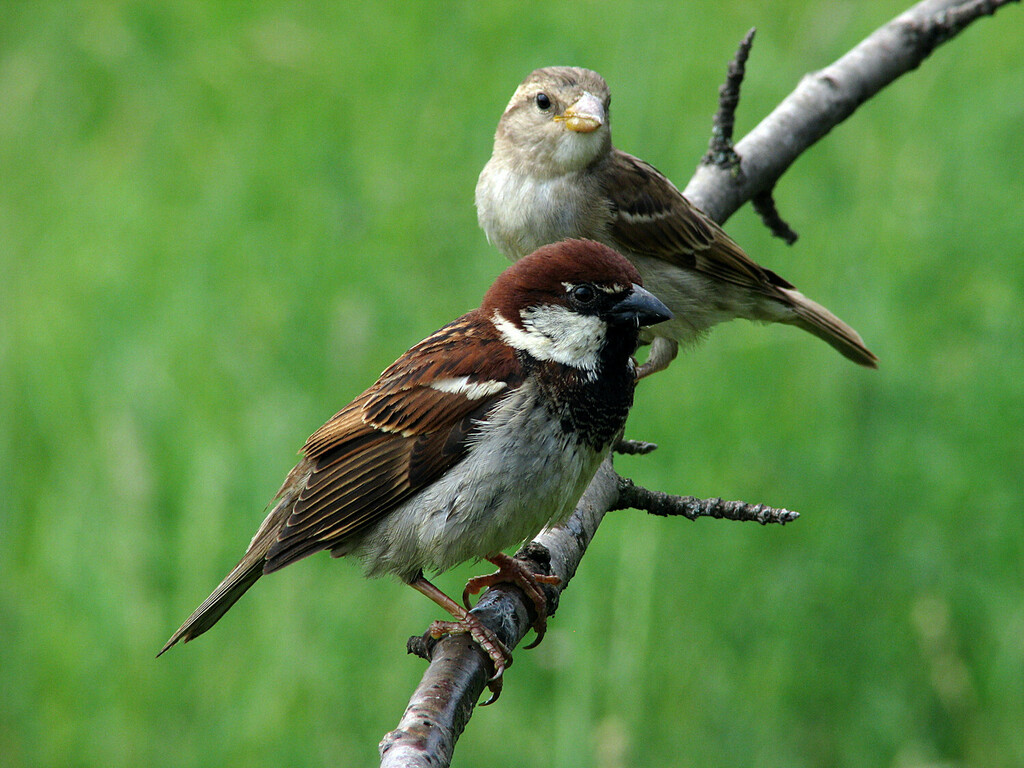
Italian Sparrow

Barred Grass Snake

Alpine Marmot

Squacco Heron

Green Whip Snake

Pygmy Cormorant

Alpine Chough

Tessellated Water Snake

Alpine Ibex

Bearded Vulture

Ferruginous Duck

Alpine Swift

Eurasian Scops Owl
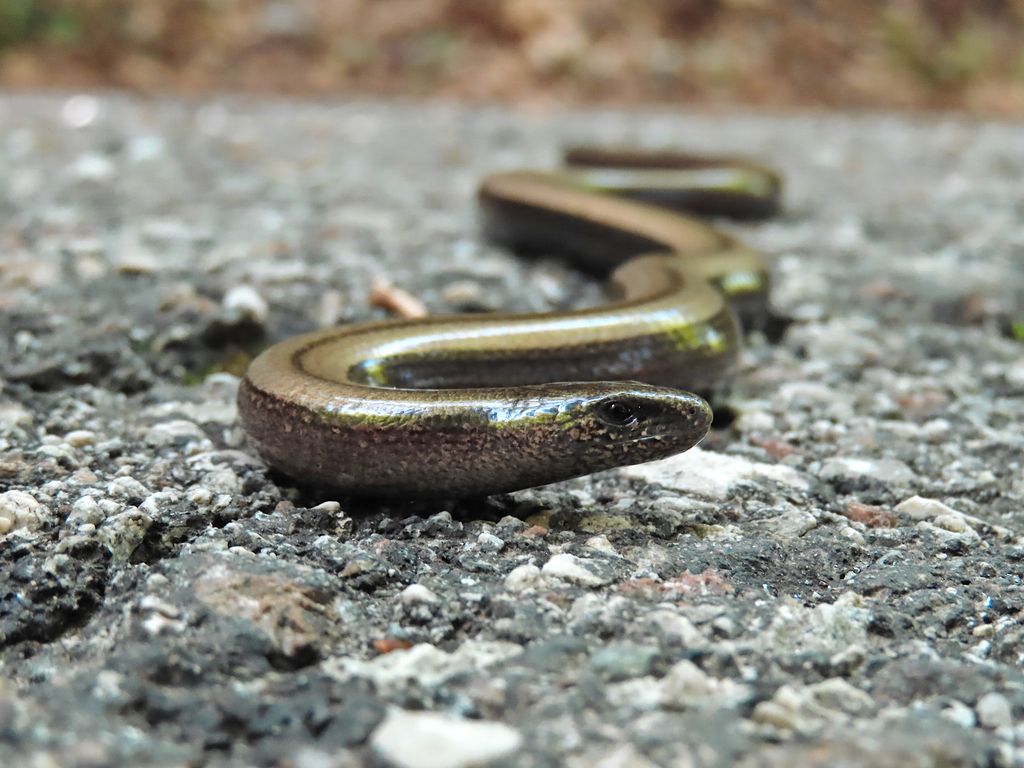
Italian Slow Worm

Italian Crested Newt

Ring Ouzel

Lanza's Alpine Salamander

North-west Italian Cave Salamander

Crested Porcupine

White-winged Snowfinch

Edible Dormouse

Italian Stream Frog

Italian Tree Frog

Greater Horseshoe Bat
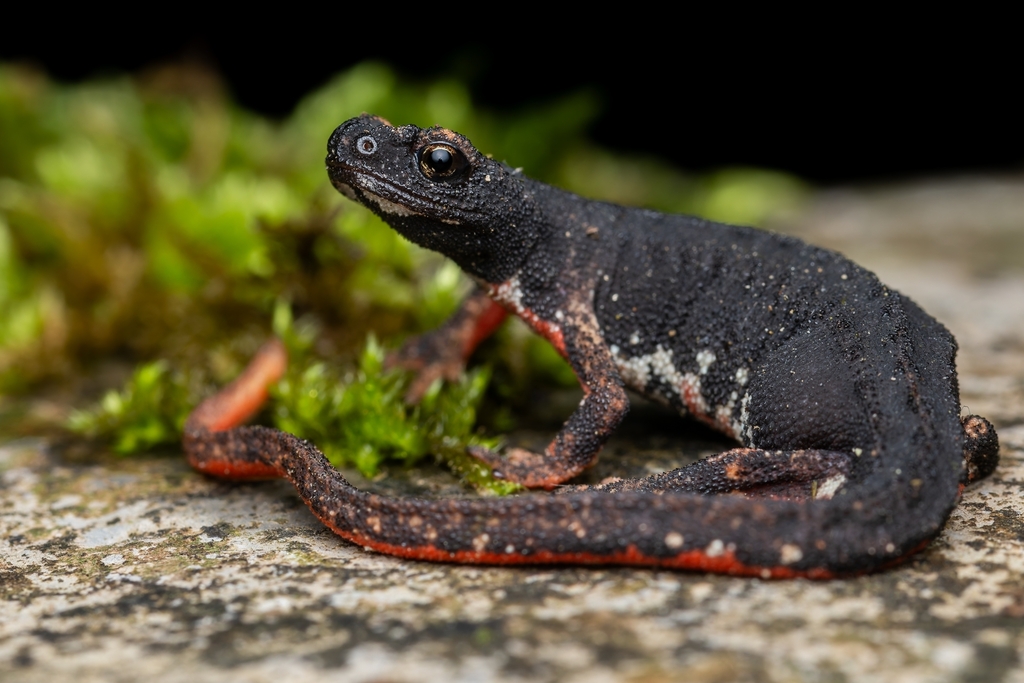
Northern Spectacled Salamander
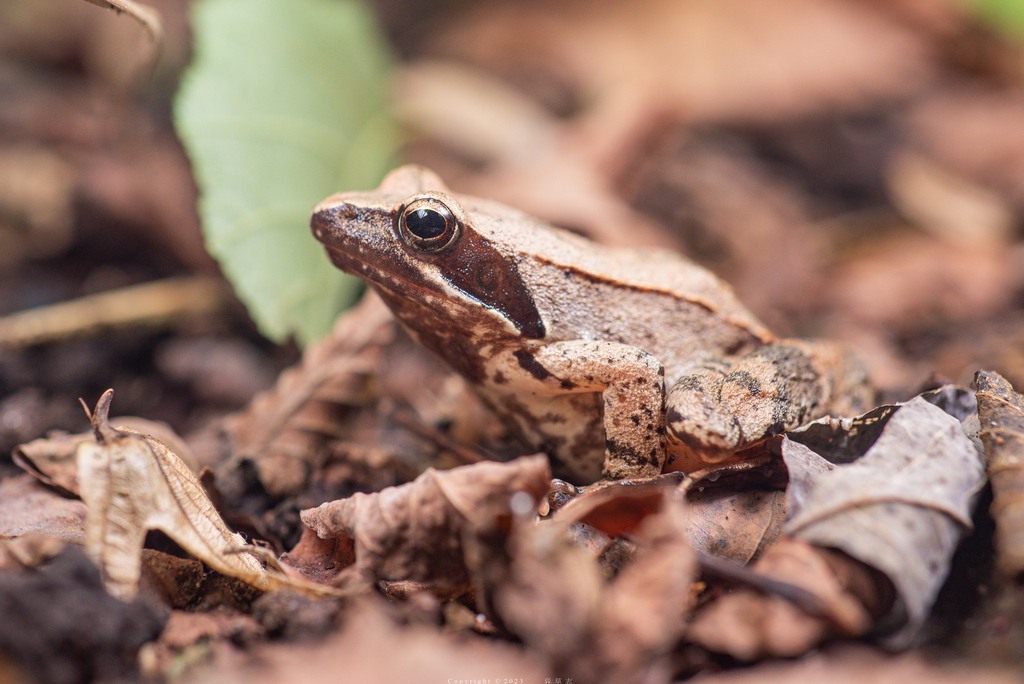
Italian Agile Frog

Cavedano Chub

Common Dormouse

Striped Dolphin

European Bullhead
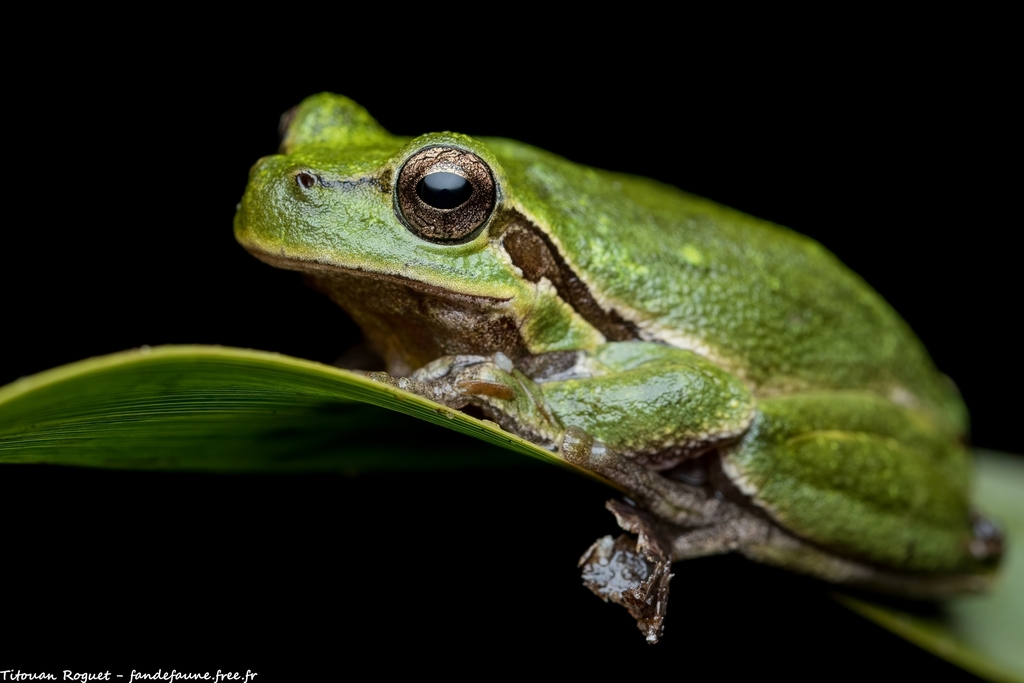
Sardinian Tree Frog

Kuhl's pipistrelle

Savi's Pipistrelle
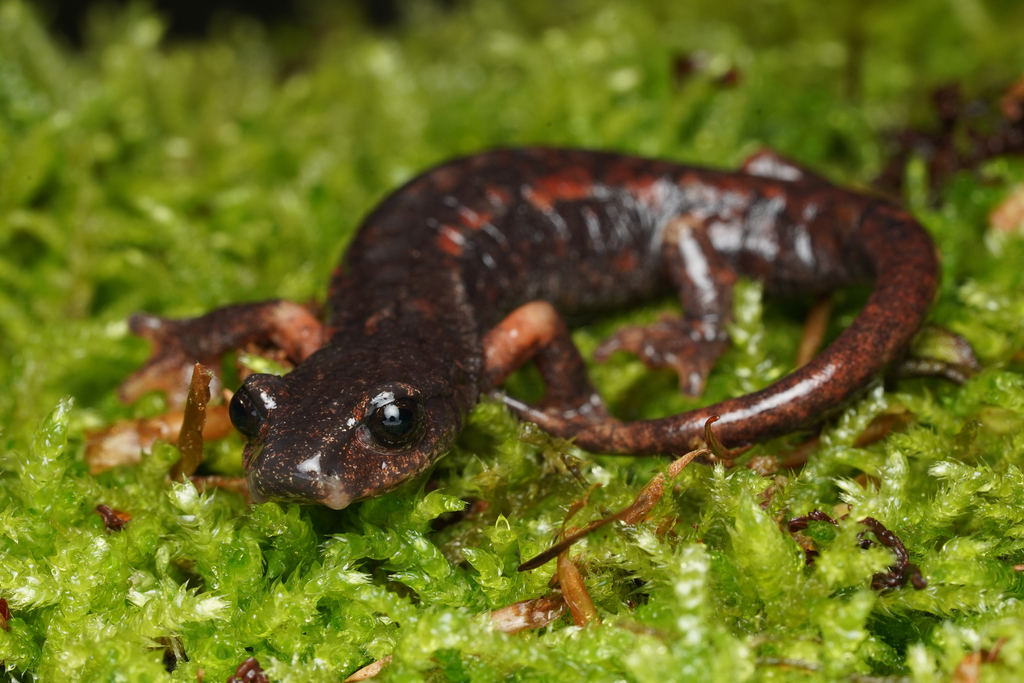
Italian Cave Salamander

Madagascan Pygmy Shrew

Bicolored Shrew

Alpine Shrew
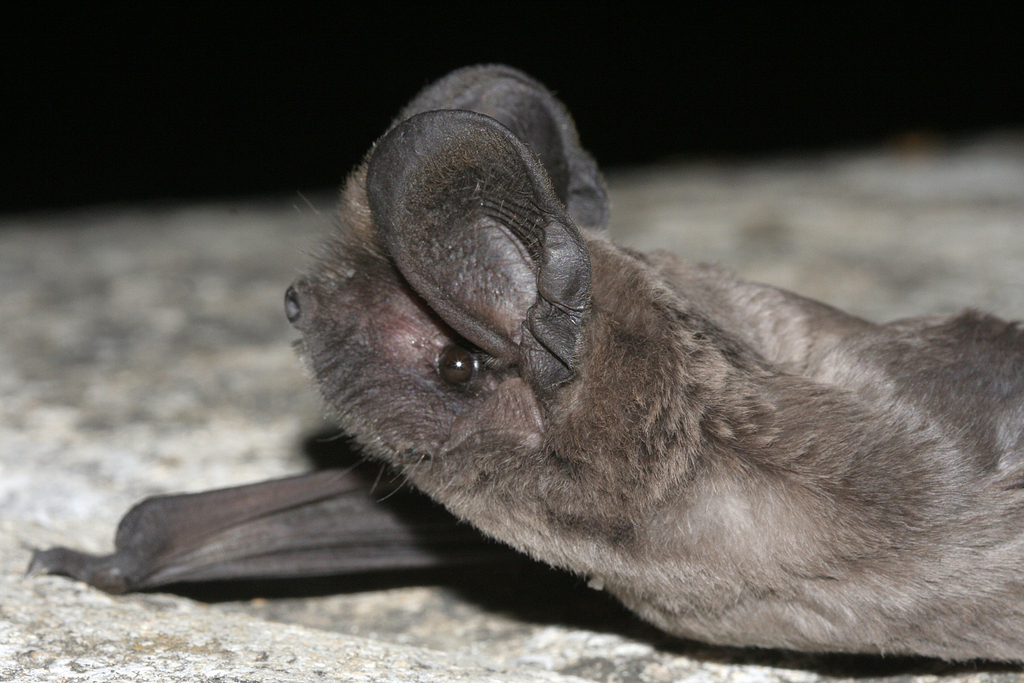
European Free-tailed Bat

Mediterranean horseshoe bat
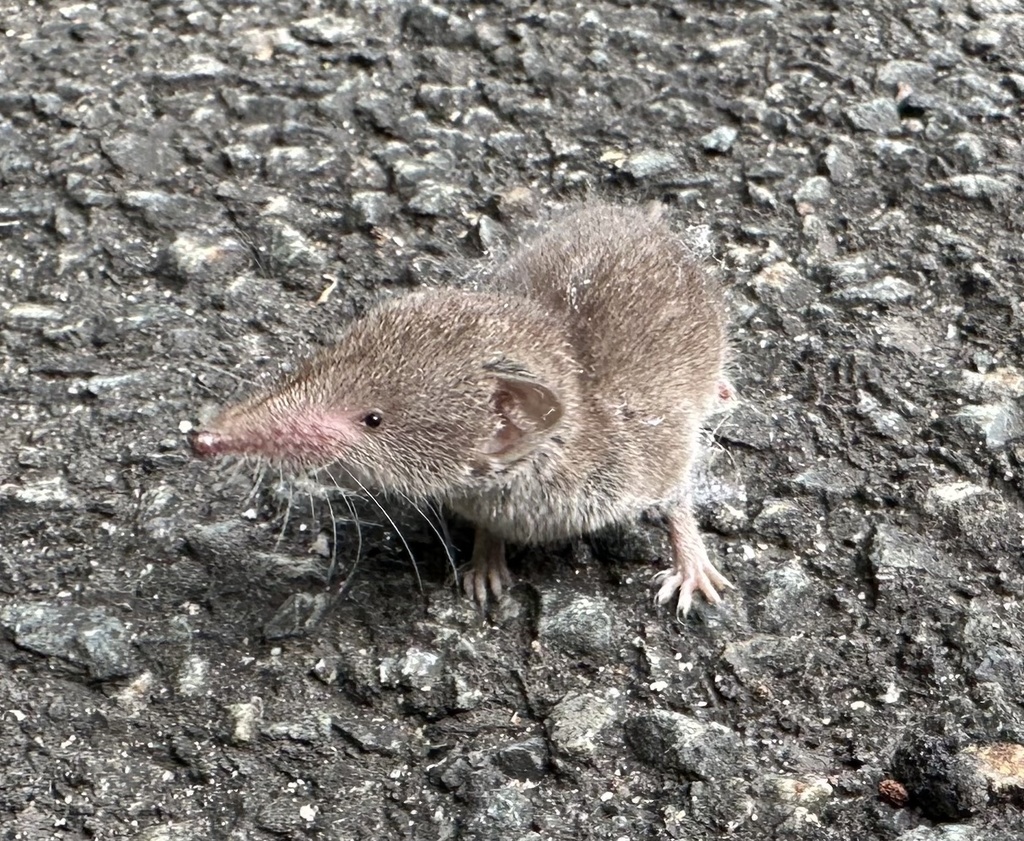
South European White-toothed Shrew
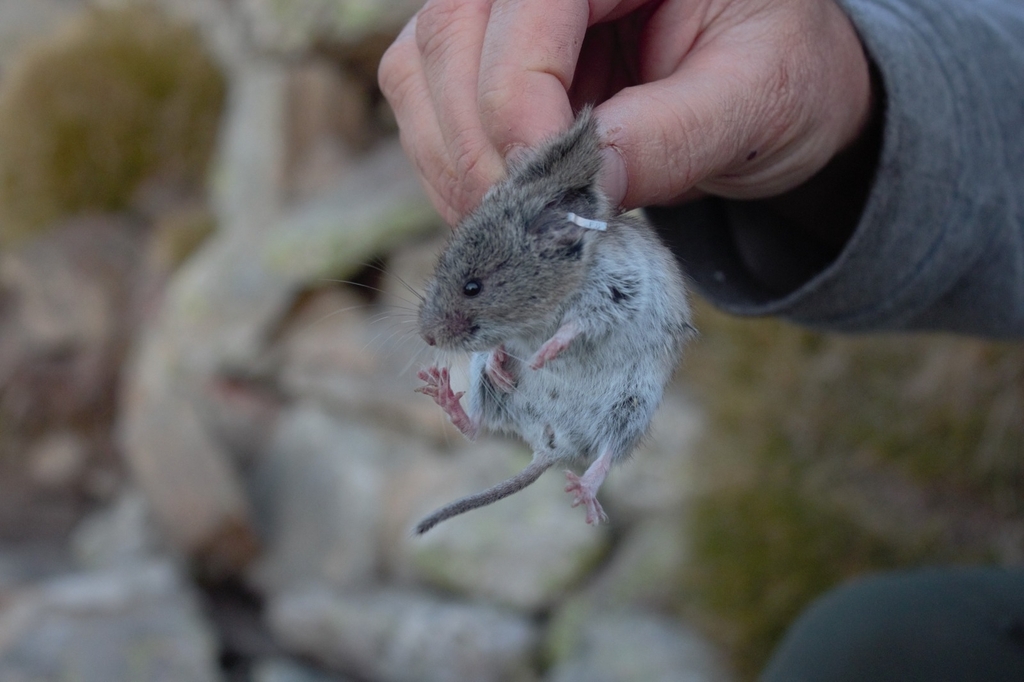
European Snow Vole

Calabrian Black Squirrel
Wild animals in Italy: 17 questions answered
Answered from this page’s 47-species slice of the guide. Counts describe the guide, not a national checklist.
What wild animals live in Italy?
This field guide lists 47 wild animals whose research-grade iNaturalist sightings are concentrated in Italy: 18 mammals, 11 birds, 11 amphibians, 5 reptiles and 1 other group. The most frequently recorded are Yellow-legged Gull, Fire Salamander and Italian Wall Lizard. Every species below has its own page with a photo, its scientific name, its conservation status and where it is most observed.
How many wild animal species are listed for Italy?
47 — the species in the Tracks field guide for which Italy holds the most verified sightings. This is not a complete national checklist: a species recorded even more often in a neighbouring country appears on that country's page instead, and the Tracks app itself catalogues 40,286 species worldwide. Between them these 47 species account for 242,182 research-grade observations.
What is the most commonly seen wild animal in Italy?
Yellow-legged Gull (Larus michahellis), with 46,574 research-grade observations on iNaturalist — more than any other species on this page. Next most recorded are Fire Salamander and Italian Wall Lizard. "Most recorded" means most often photographed and verified by people, which is a good proxy for what a visitor is likely to actually see.
What is the rarest animal in Italy?
On the Tracks rarity scale the rarest species on this page is Italian Cave Salamander (Epic tier), with 312 recorded sightings. Tracks rarity is based on how often a species is actually encountered rather than on its conservation status, so a rare card is a hard animal to find, not necessarily a threatened one.
What wild mammals live in Italy?
This guide lists 18 mammals for Italy, most-recorded first: Northern Chamois, Alpine Marmot, Alpine Ibex, Crested Porcupine, Edible Dormouse and Greater Horseshoe Bat, plus 12 more on this page.
What birds can you see in Italy?
11 bird species are listed for Italy. The most frequently recorded are Yellow-legged Gull, Italian Sparrow, Squacco Heron, Pygmy Cormorant, Alpine Chough and Bearded Vulture, plus 5 more on this page.
Are there reptiles and amphibians in Italy?
Yes — 5 reptiles and 11 amphibians are listed for Italy. They include Italian Wall Lizard, Barred Grass Snake, Green Whip Snake, Tessellated Water Snake, Italian Slow Worm and Fire Salamander, plus 10 more on this page. Reptiles and amphibians are under-recorded almost everywhere relative to birds and mammals, so treat these counts as a floor.
Are there dangerous wild animals in Italy?
None of the 47 species listed for Italy belong to the groups usually treated as dangerous to people — bears, big cats, wolves, crocodilians, sharks or venomous snakes. That is a fact about this list rather than a safety guarantee: keep your distance from any wild animal, and check local advice before heading into the backcountry.
Are there venomous snakes in Italy?
3 snakes are listed for Italy — Barred Grass Snake, Green Whip Snake and Tessellated Water Snake — and none of them fall into the venomous groups this guide can identify by name. Since the list is a slice of the guide rather than a national checklist, still treat any snake you can't identify as venomous.
What marine and coastal animals live around Italy?
1 marine or coastal species is listed for Italy: Striped Dolphin.
Which animals in Italy are endangered?
8 of the species on this page are IUCN-listed as Vulnerable or worse: Lanza's Alpine Salamander (Critically Endangered), North-west Italian Cave Salamander (Endangered), Northern Spectacled Salamander (Endangered), Italian Cave Salamander (Endangered), Fire Salamander (Vulnerable) and Italian Sparrow (Vulnerable), plus 2 more. Conservation status is shown on every species page.
What insects and spiders live in Italy?
No insects or arachnids appear on this page — the guide's Italy list is mostly mammals and birds. A species is shown on the page of whichever country records it most, so any insects or arachnids recorded in Italy either sit on another country's page or fall outside the guide's 47-species slice.
When is the best time to see wild animals in Italy?
Dawn and the hour before dusk, almost everywhere and for almost every species: most mammals are crepuscular, and birds are loudest and most active in the first hours of daylight. Weather matters as much as season — overcast, still mornings after rain are productive, and hot midday hours are the worst time to be out looking. Each species page links to its iNaturalist record, where the observation dates show when people in Italy actually recorded it.
Where can you see wild animals in Italy?
National parks, nature reserves and protected wetlands concentrate both animals and the people recording them, but the edges are often better than the core: hedgerows, riverbanks, coastal paths, and the scrubby margins between habitats. Cities count too — a large share of the sightings behind this page were logged in parks, gardens and suburbs. Because every species here is backed by iNaturalist records, its species page links straight to the map of where it has actually been observed.
How do I identify a wild animal I saw in Italy?
Photograph it if you safely can, and note the size, habitat and behaviour. The Tracks app scans the area you're standing in and shows the animals people have actually recorded there, which narrows an identification far faster than searching a national list. If the animal you saw isn't in Tracks yet, add it on iNaturalist: its community will help you put a name to it, and because Tracks is built from iNaturalist's research-grade observations, a sighting verified there feeds back into the data behind pages like this one.
Can I feed wild animals in Italy?
No — and in many places it is also illegal. Feeding is the fastest way to ruin a wild animal. It teaches them to associate people with food, so they lose their wariness and start working car parks, campsites and picnic tables; a habituated animal that begins grabbing food gets labelled a nuisance and is usually destroyed or hit by a road vehicle. Human food is the wrong food too: bread and processed snacks cause malnutrition and wing deformities in birds and gut damage in mammals. And artificial feeding concentrates animals at densities they would never reach naturally, which is how disease spreads through a local population. If you want wildlife closer to you in Italy, do it by habitat — native planting, a clean water dish, leaving dead wood and leaf litter alone — which supports animals without teaching them to approach people.
Is it safe to approach wild animals in Italy?
No. Keep your distance from every wild animal, however calm it looks — a good rule of thumb is that if the animal changes its behaviour because of you, you are already too close. Don't handle snakes or reptiles, keep dogs leashed near wildlife, and if you find an animal that is injured or appears orphaned, contact a local wildlife rescue or the relevant authority rather than picking it up.